
Malaysia and Saudi Arabia share something deeper than diplomatic ties — a faith, a calendar, and a centuries-old connection forged through pilgrimage, trade, and the ummah. For Malaysians, the Kingdom is not an exotic unknown; it is the direction you face five times a day. But Saudi Arabia in 2026 is offering far more than Umrah. From the Nabataean tombs of AlUla to the neon-lit entertainment zones of Riyadh Season, the Kingdom has opened its doors to leisure tourists — and Malaysians are uniquely positioned to enjoy it. This guide, part of our comprehensive Saudi Arabia Travel Guide 2026, covers everything a Malaysian traveller needs: visa logistics, direct flights from KL, Umrah practicalities, halal dining (spoiler: everything is halal), and destinations far beyond the Haramain.
Best Time to Visit: November to March (cooler weather, 18–28 °C); Ramadan for spiritual travel
Getting There: Direct flights from KUL to Jeddah, Riyadh, and Madinah via Saudia, Malaysia Airlines, and AirAsia X (8–10 hours)
Visa Required: Yes — tourist e-visa (SAR 535 / ~RM 570)
Budget: RM 250–600/day (budget to mid-range); RM 800+ for luxury
Must-See: Masjid al-Haram, AlUla, Jeddah Al-Balad, Diriyah
Avoid: Travelling in July–August (temperatures exceed 45 °C in most regions)
Why Malaysians Are Choosing Saudi Arabia Beyond Umrah
For decades, the Saudi–Malaysian travel corridor was a one-lane road: Umrah, Hajj, and home. That has changed dramatically. Since the launch of the tourist e-visa in 2019, Saudi Arabia has actively courted Southeast Asian visitors. The Saudi Tourism Authority now markets directly to Malaysian audiences, promoting a “worship-and-wander” approach that combines Umrah with leisure travel to destinations like AlUla, the Red Sea coast, and Riyadh’s entertainment mega-projects.
The numbers reflect the shift. Malaysia consistently ranks among the top 15 source countries for Saudi tourist visas. The codeshare agreement between Saudia and Malaysia Airlines, expanded in February 2026, has made flights more frequent and competitive. And Saudi Arabia’s complete halal ecosystem — no pork, no alcohol, prayer facilities everywhere — removes the anxieties that Malaysian Muslims face in many other international destinations.
Visa and Entry: How Malaysians Get In
Malaysian passport holders are among the 66 nationalities eligible for Saudi Arabia’s tourist e-visa. The process is fast, entirely online, and does not require a visit to any embassy.
Tourist E-Visa
- Cost: SAR 535 (approximately RM 570), including mandatory health insurance
- Validity: One year, multiple entry
- Stay: Up to 90 days total per year
- Processing: Usually approved within minutes to 2 business days
- Apply at: visa.visitsaudi.com
Your passport must be valid for at least six months from your planned arrival date. The e-visa permits travel throughout the Kingdom, including Mecca and Medina — but performing Umrah on a tourist visa requires booking through the Nusuk platform (see the Umrah section below).
Umrah Visa
If your trip is primarily for Umrah, you can apply for a dedicated Umrah visa through a licensed Malaysian travel agency or directly via the Nusuk platform. Since 2023, the Saudi government has allowed Umrah on both tourist and Umrah visas, so many Malaysians now use the tourist e-visa for combined worship-and-leisure trips.
Tip for Malaysian travellers: The tourist e-visa is usually the better option if you plan to visit cities beyond Mecca and Medina. It costs the same and gives you more flexibility. For detailed requirements, see our Saudi Arabia Visa Guide 2026.
Direct Flights from Malaysia to Saudi Arabia
Kuala Lumpur International Airport (KUL) is the main gateway, with direct flights to three Saudi cities. As of early 2026, the key carriers are:
| Route | Airlines | Frequency | Flight Time | Approx. Return Fare |
|---|---|---|---|---|
| KUL → Jeddah (JED) | Saudia, Malaysia Airlines, AirAsia X | Daily or near-daily | ~9 hours | RM 1,800–3,500 |
| KUL → Riyadh (RUH) | Saudia, Malaysia Airlines | Several per week | ~8.5 hours | RM 1,600–3,200 |
| KUL → Madinah (MED) | Saudia, Malaysia Airlines, AirAsia X | 11 flights/week | ~9.5 hours | RM 1,900–3,800 |
The Saudia–Malaysia Airlines codeshare expanded in February 2026, meaning you can book Saudia-operated flights with your MH frequent flyer number and vice versa. AirAsia X offers the lowest base fares but charges separately for baggage and meals.
Money-saving tip: Flights to Jeddah and Madinah are significantly cheaper outside of Ramadan and Hajj season. Book 8–12 weeks ahead for the best fares. If you are flexible on dates, mid-week departures (Tuesday–Thursday) tend to be cheaper. Check our flights guide for route-by-route advice.
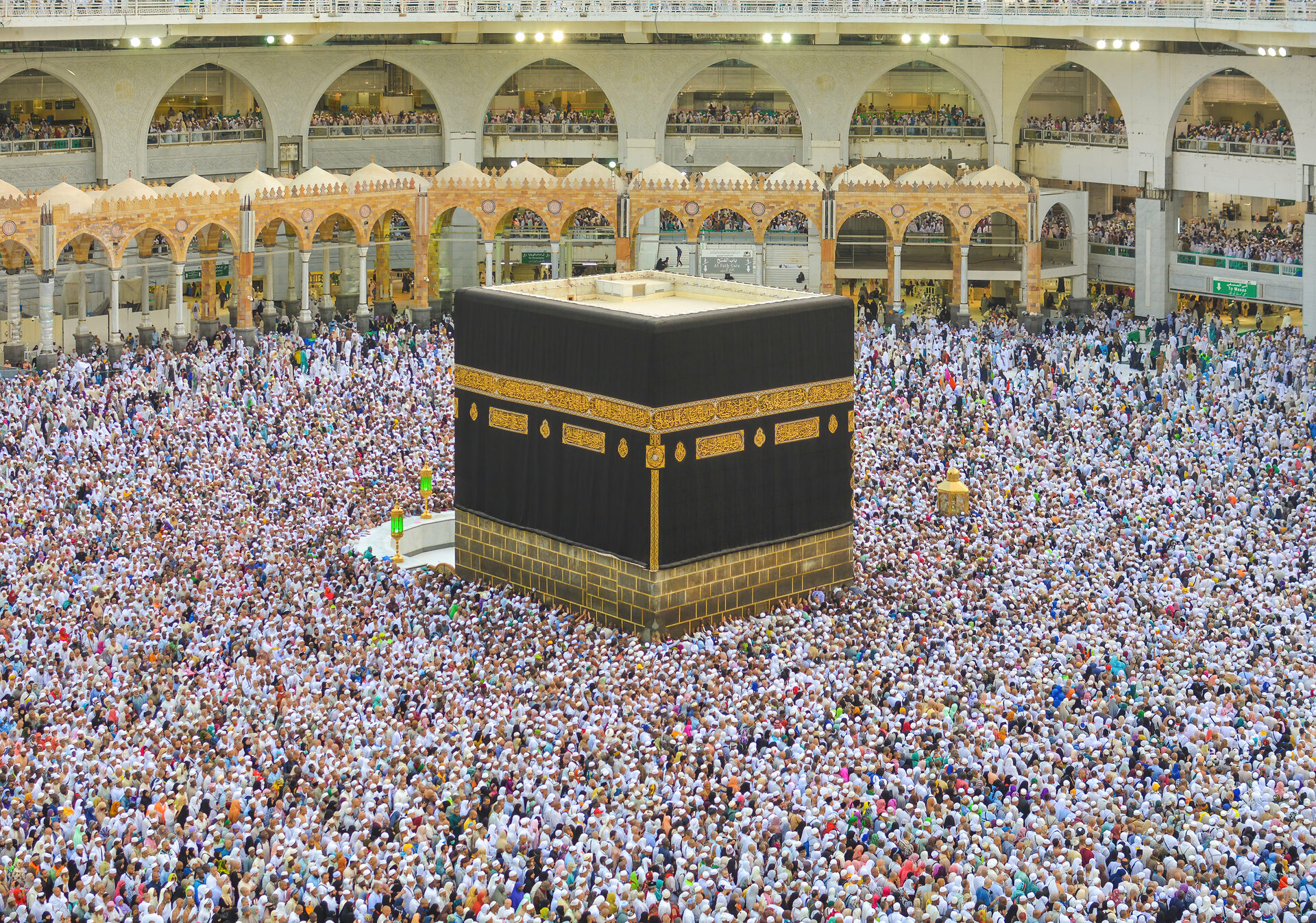
Umrah on Your Terms: The Malaysian Pilgrim’s Practical Guide
For most Malaysian travellers, Umrah remains the primary reason to visit Saudi Arabia — and now you can do it independently, without a package tour, for a fraction of the traditional cost.
Booking via Nusuk
The Nusuk platform (nusuk.sa) is now mandatory for all Umrah permits and Rawdah visits in Madinah. Here is how it works for Malaysians:
- Download the Nusuk app from Google Play or the App Store
- Register as a “Visitor” using your passport number and visa details
- Book your Umrah permit — select your preferred date and time slot (available up to two months in advance)
- Book a Rawdah appointment at Masjid al-Nabawi if visiting Madinah — these slots fill quickly, so book as early as possible
You can perform Umrah on either a tourist visa or a dedicated Umrah visa. The process is identical on the Nusuk app.
What Malaysian Pilgrims Should Know
- Ihram clothing: Men should pack two white unstitched ihram cloths. Available cheaply in Mecca, but buying in advance at KL Islamic shops ensures quality. Women wear modest clothing — no specific garment required
- Malaysian Haji Fund (Tabung Haji): If you have a Tabung Haji account, check if they offer any Umrah coordination services. While Tabung Haji primarily manages Hajj, some branches assist with Umrah logistics
- Language: Arabic signage dominates, but English is widely understood in the Haramain. Some Malaysian travel groups arrange Malay-speaking guides
- Zamzam water: You can take up to 5 litres in checked baggage on your return flight. Airlines flying from Jeddah and Madinah are accustomed to this
For a complete step-by-step ritual walkthrough, read our Umrah for First Timers guide and Umrah packing list.
The Holy Cities: Mecca and Medina for Malaysians
Mecca
Beyond the Haram itself, Mecca has developed into a city with world-class infrastructure. Malaysian visitors will find:
- Abraj Al-Bait (Clock Tower): The massive hotel-and-mall complex adjacent to Masjid al-Haram. The food courts here include Southeast Asian options
- Jabal al-Nour: The mountain housing the Cave of Hira, where the Prophet Muhammad received the first revelation. A steep 2-hour climb — start early to avoid the heat
- Jabal Thawr: Site of the cave where the Prophet and Abu Bakr sheltered during the Hijra
- Makkah Museum: Covers the history of the holy city and the expansion of the Haram
Our Mecca city guide covers accommodation zones, transport from the airport, and lesser-known sites.
Medina
Many Malaysians spend 3–5 days in Medina before or after Umrah. The city is calmer than Mecca and easier to navigate on foot.
- Masjid al-Nabawi: The Prophet’s Mosque. Book your Rawdah appointment via Nusuk well in advance — our visitor guide explains the layout and etiquette
- Quba Mosque: The first mosque built in Islam. A short taxi ride from the city centre
- Uhud Mountain and Martyrs’ Cemetery: The site of the Battle of Uhud. Respectful visits are welcomed
- Al-Baqi Cemetery: The ancient cemetery beside the Prophet’s Mosque, where many companions are buried
Read our full Medina travel guide for hotel recommendations near the Haram and dining options.
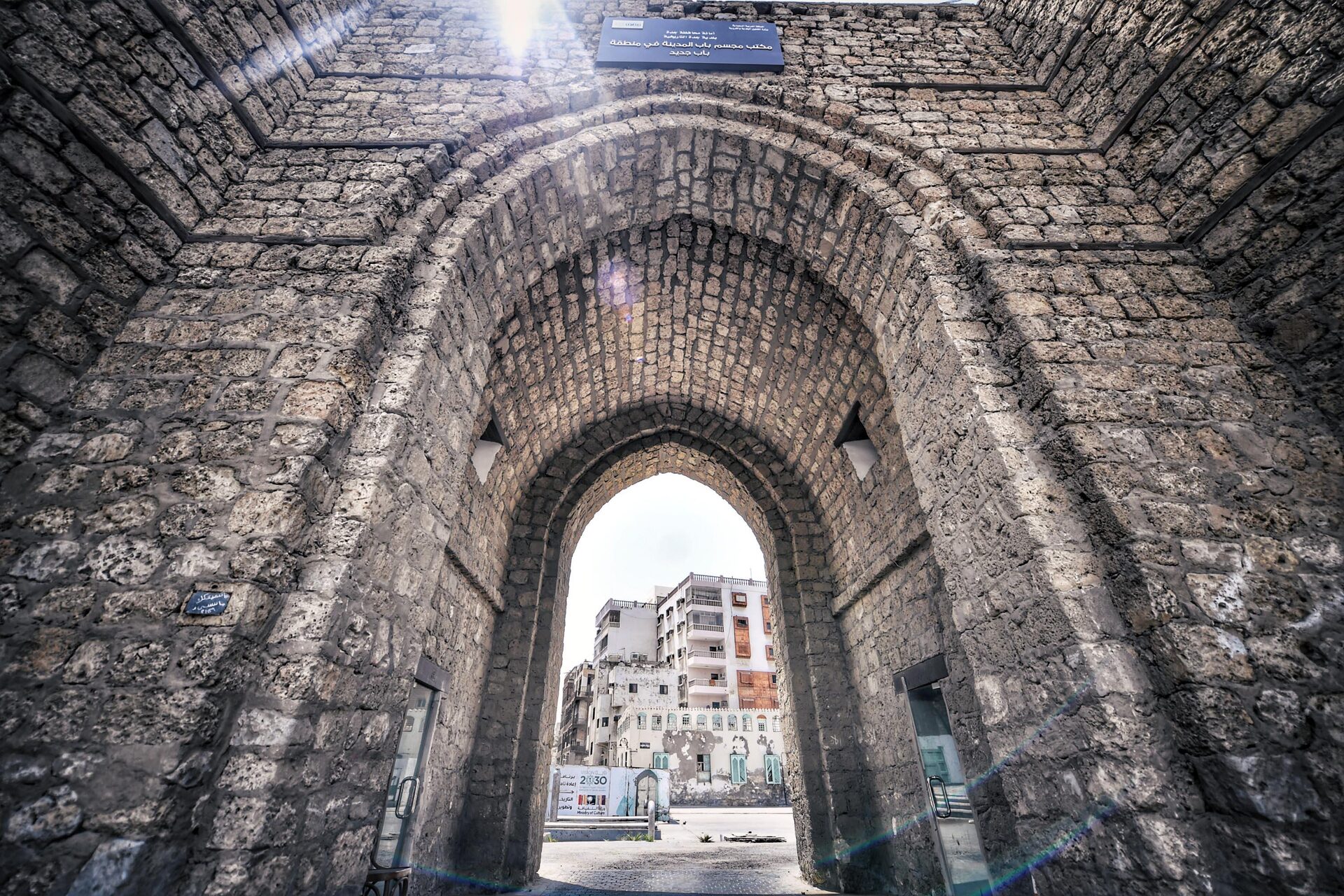
Beyond the Holy Cities: Saudi Arabia’s New Tourism Trail
The real revelation for Malaysian travellers is what lies beyond Mecca and Medina. Saudi Arabia’s tourism push means world-class heritage sites, desert landscapes, and coastal escapes are now accessible — and most are within a short domestic flight.
Jeddah: Gateway City and Cultural Hub
Most Malaysian flights land in Jeddah, making it the natural first or last stop. Beyond being the gateway to Mecca (80 km east), Jeddah is a destination in its own right:
- Al-Balad: Jeddah’s UNESCO World Heritage old town. The coral-stone merchant houses and carved wooden rawasheen (balconies) reflect centuries of trade with the Malay Archipelago, India, and East Africa. Walking tours operate daily — see our Islamic heritage sites of Jeddah guide
- Jeddah Corniche: A 30 km waterfront promenade with parks, sculptures, and restaurants. The King Fahd Fountain — the tallest of its kind — is visible from most corniche viewpoints
- Floating Mosque (Masjid al-Rahma): Built over the Red Sea, this mosque is particularly striking at high tide
- Red Sea Mall and Mall of Arabia: Major shopping centres with international and Saudi brands
Our full Jeddah Travel Guide covers neighbourhoods, restaurants, and day-trip options.
Riyadh: The Capital’s Reinvention
Riyadh has transformed from a conservative administrative capital into Saudi Arabia’s entertainment and cultural powerhouse. Key draws for Malaysian visitors:
- Diriyah: The UNESCO-listed birthplace of the Saudi state, now being developed into a major cultural district with museums, restaurants, and boutique hotels
- Kingdom Centre Tower: The iconic skyscraper with a sky bridge observation deck offering panoramic city views
- Riyadh Season: The annual entertainment mega-festival (October–March) featuring concerts, immersive experiences, international food festivals, and theme parks. Check our Riyadh Season guide for the latest schedule
- National Museum: An excellent introduction to Arabian history, from pre-Islamic civilisations to the modern Kingdom
- Edge of the World (Jebel Fihrayn): A dramatic cliff formation 90 minutes from the city — perfect for a half-day trip
See our Riyadh Travel Guide for transport, accommodation, and itinerary planning.
AlUla: Ancient Arabia Revealed
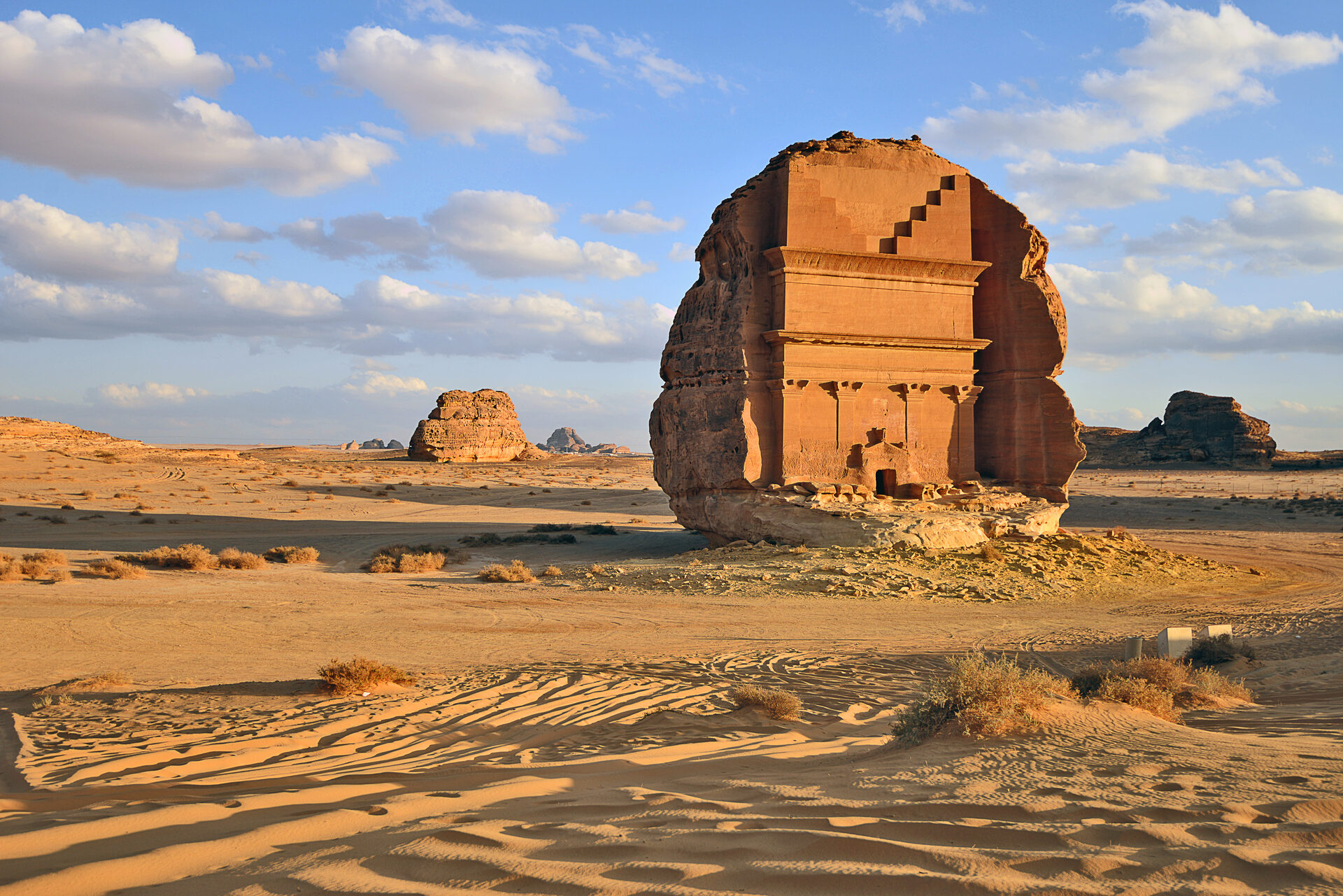
AlUla is Saudi Arabia’s crown jewel for cultural tourism and a destination that will astonish Malaysians unfamiliar with the Kingdom’s pre-Islamic heritage:
- Hegra (Madain Saleh): Saudi Arabia’s first UNESCO World Heritage Site. Over 100 monumental Nabataean tombs carved into sandstone — think Petra, but without the crowds
- Elephant Rock (Jabal Al-Fil): A natural sandstone formation that resembles an elephant, spectacular at sunset
- Dadan and Jabal Ikmah: Ancient Lihyanite and Dadanite ruins with thousands of rock inscriptions — an open-air library of pre-Islamic Arabia
- Maraya Concert Hall: The world’s largest mirrored building, hosting international performances in the desert
AlUla is accessible by domestic flights from Riyadh and Jeddah (1.5–2 hours). The best season is October to March when temperatures are comfortable for outdoor exploration.
The Red Sea Coast
Saudi Arabia’s Red Sea coastline stretches over 1,800 km and offers some of the world’s best-preserved coral reefs. For Malaysian divers and beach lovers:
- AMAALA and The Red Sea (Shura Island): Ultra-luxury resort developments opening in phases. Early properties are already welcoming guests
- Yanbu: A more accessible and affordable coastal option with decent diving and snorkelling
- Farasan Islands: A remote archipelago off Jizan with pristine reefs and mangroves
Asir Highlands
The mountains around Abha and the Asir region offer something Malaysians rarely associate with Saudi Arabia — cool mountain air, green terraces, and misty valleys. Summer temperatures hover around 20–25 °C when the rest of the Kingdom is scorching.
Halal Dining: Yes, Everything — But Here’s What to Eat
Every restaurant in Saudi Arabia is halal. There is no pork or alcohol anywhere in the Kingdom. For Malaysian Muslims accustomed to checking halal logos and asking about ingredients, Saudi Arabia is blissfully simple — just eat.
Must-Try Saudi Dishes
- Kabsa: The national dish — spiced rice with lamb or chicken, often served on a communal platter. Similar in concept to Malaysian nasi briyani but with distinct Saudi spicing (cardamom, cloves, dried lime)
- Jareesh: Crushed wheat porridge cooked with meat and spices — a comfort food with no Malaysian equivalent
- Mutabbaq: Stuffed flatbread — Malaysians will recognise this immediately as a close cousin of murtabak, which originated from this very dish through centuries of Hadrami migration
- Al Baik: Saudi Arabia’s beloved fried chicken chain, headquartered in Jeddah with over 40 branches. The garlic sauce is legendary. Expect queues
- Saleeg: Creamy rice with chicken, popular in the Hejaz region — like a savoury rice pudding
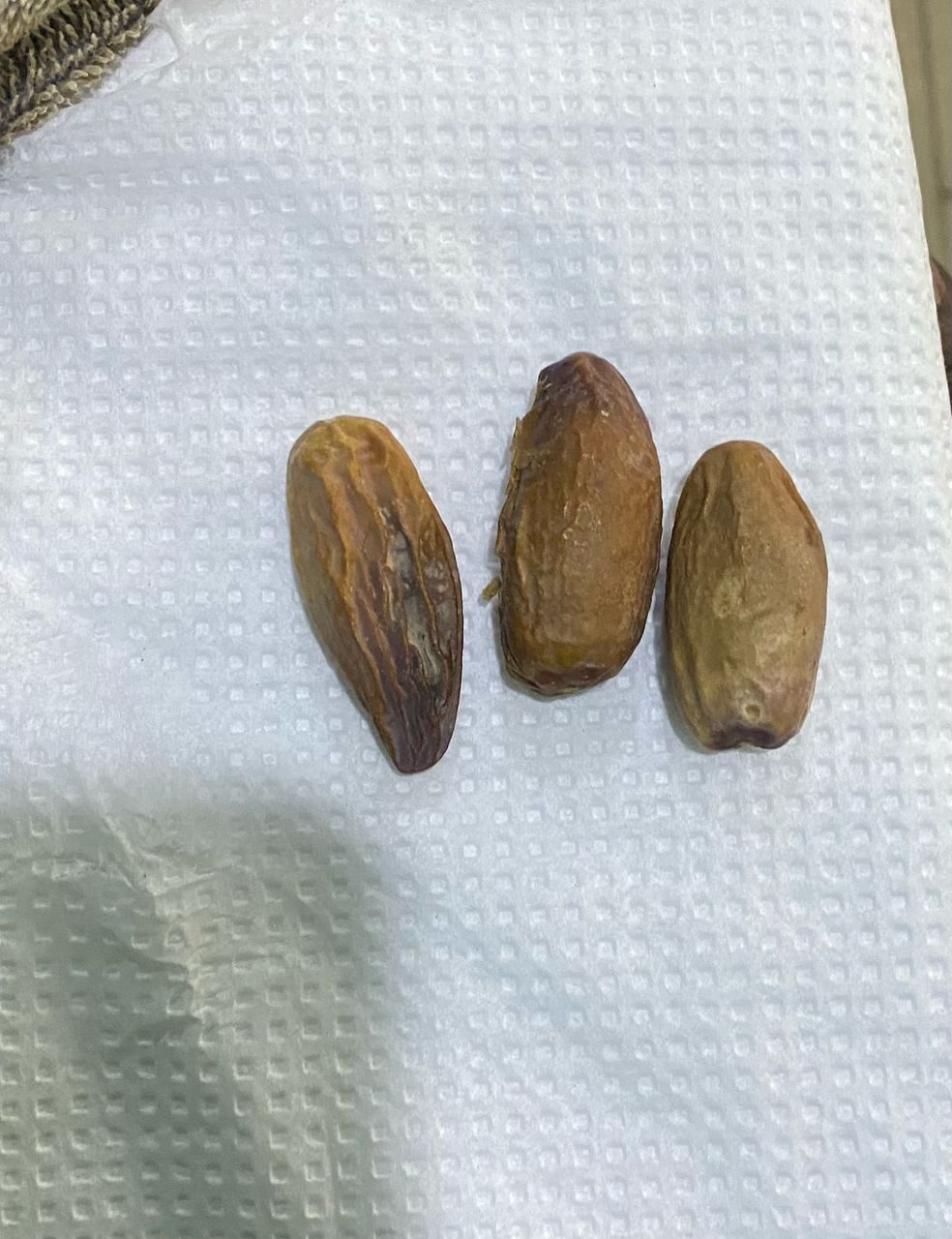
- Dates and Arabic coffee (qahwa): Offered everywhere as a welcome gesture. Try ajwa dates from Medina — considered the finest and most blessed variety
Finding Familiar Flavours
While you will not find nasi lemak on every corner, Jeddah and Riyadh do have some Southeast Asian restaurants catering to the large Indonesian and Malaysian communities. International fast-food chains (McDonald’s, KFC, Burger King) are everywhere and all halal. For a wider overview of where and what to eat, see our Saudi Arabia food and dining guide.
Malaysian food tip: Pack some instant sambal sachets and kicap manis if you struggle without heat and sweetness. Saudi food is aromatic but generally milder than Malaysian cuisine. Supermarkets like Tamimi and Danube carry basic Asian ingredients including soy sauce and chilli paste.
Money, Budget and Costs in Ringgit
The Saudi Riyal (SAR) is pegged to the US dollar at a fixed rate. As of early 2026, 1 SAR ≈ RM 1.07, making mental conversion simple — Saudi prices in riyals are roughly the same number in ringgit.
Daily Budget Estimates
| Category | Budget (RM/day) | Mid-Range (RM/day) | Luxury (RM/day) |
|---|---|---|---|
| Accommodation | 100–180 | 250–500 | 800+ |
| Food | 50–80 | 100–200 | 300+ |
| Transport | 30–60 | 80–150 | 200+ |
| Attractions | 0–50 | 50–150 | 200+ |
| Total | 180–370 | 480–1,000 | 1,500+ |
For a detailed breakdown of Saudi Arabia costs, see our budget guide.
Currency Exchange Tips
- Exchange before departure: Major Malaysian banks and licensed money changers at KLIA offer competitive SAR rates. Airport rates are acceptable but not the best
- ATMs in Saudi: Widely available. Most accept Malaysian Visa and Mastercard debit cards. Notify your bank before travel to avoid blocks
- Cashless payments: Saudi Arabia is increasingly cashless. Apple Pay, Google Pay, and contactless cards work in most malls, restaurants, and hotels. Carry cash for souks, small shops, and taxis
For more on currency and payment, see our Saudi Riyal and currency guide.
Shopping: What to Bring Home
Malaysian visitors to Saudi Arabia have a well-established tradition of returning with specific souvenirs. Here are the essentials:
Dates
Saudi dates are the definitive souvenir. Buy from specialist date shops rather than supermarkets for better quality and selection:
- Ajwa dates: From Medina, considered the most prized variety. Expensive (SAR 100–200/kg) but worth it
- Sukkari dates: Sweet and soft, from Al-Qassim region. Excellent value
- Khudri dates: Affordable everyday dates, perfect for gifts
- Safawi dates: Semi-dry with a deep flavour, popular with Malaysian buyers
Oud and Perfume
Oud (agarwood) is deeply familiar to Malaysians, but Saudi oud culture takes it to another level. Major chains like Arabian Oud and Abdul Samad Al Qurashi have branches in every mall. Expect to pay SAR 50–500+ depending on concentration and blend. Bukhoor (oud incense chips) makes an affordable and aromatic gift.
Other Popular Souvenirs
- Zamzam water: Available free at the Haramain; you can carry up to 5 litres in checked luggage
- Prayer mats and tasbih: Wide selection near both Harams, from basic to premium
- Saudi gold jewellery: 18K and 21K gold from the gold souks in Jeddah and Riyadh. Prices follow daily gold rates with minimal markup
- Arabic coffee pots (dallah): An iconic decorative and functional item
For a full guide to Saudi shopping, malls, and souks, see our Saudi Arabia shopping guide.
Getting Around Saudi Arabia
Saudi Arabia is vast — the distance from Jeddah to Riyadh is roughly the same as KL to Bangkok. Internal transport options:
- Domestic flights: The most practical way to cover long distances. Saudia, flynas, and flyadeal connect all major cities. Fares range from SAR 150–500 one way. Book early for the best prices
- Haramain High-Speed Train: Connects Mecca, Jeddah, King Abdullah Economic City, and Medina. Journey time: Mecca to Medina in about 2.5 hours. Tickets from SAR 50. Ideal for Malaysian pilgrims combining both holy cities
- Ride-hailing: Uber and Careem operate in all major cities. Payment by card is standard. Cheaper and more reliable than traditional taxis
- Car rental: Malaysians with a valid licence can rent cars (international driving permit recommended). Fuel is cheap (SAR 2.18/litre). See our car rental guide for details
- Riyadh Metro: The new metro system in Riyadh is now operational with six lines covering major attractions and business districts
For complete transport advice, read our getting around Saudi Arabia guide.
Accommodation: Where Malaysians Stay
Saudi Arabia’s hotel scene ranges from budget pilgrim lodges near the Harams to ultra-luxury desert resorts. Here’s what works for Malaysian budgets and preferences:
Near the Haramain (Mecca and Medina)
- Budget (RM 100–200/night): Tower-block hotels within 500m–1km of the Haram. Basic but functional. Many cater specifically to Southeast Asian pilgrims
- Mid-range (RM 300–600/night): Well-maintained 3-4 star hotels with Haram views. Swissôtel Makkah, Pullman Zamzam, and similar chains offer reliable quality
- Luxury (RM 1,000+/night): Raffles Makkah Palace, Jabal Omar Hyatt Regency, and the Fairmont Clock Tower for direct Haram access
In Riyadh and Jeddah
Business hotels dominate both cities, with competitive rates for leisure travellers outside conference seasons. Budget travellers can find clean apartments on Booking.com and Airbnb from RM 150/night. For curated recommendations, see our Saudi Arabia hotels guide.
Cultural Etiquette: What Malaysians Should Know
Malaysian Muslims will find Saudi cultural norms familiar in many respects, but there are nuances worth noting:
Dress Code
Saudi Arabia has relaxed its dress code for tourists significantly. The abaya is no longer required for female visitors, though modest clothing covering shoulders and knees remains expected. Malaysian women who normally wear tudung (hijab) will feel entirely comfortable. For men, shorts above the knee are acceptable in malls and tourist areas but not in mosques. See our detailed Saudi Arabia dress code guide.
Prayer Times
Saudi Arabia structures daily life around the five prayer times. Shops and restaurants close briefly during salat. This will feel natural to Malaysian Muslims — the main adjustment is that Saudi prayer times are strictly observed and closures are universal, unlike in Malaysia where it varies.
Social Norms
- Photography: Avoid photographing people (especially women) without permission. Landmarks and food are fine
- Left hand: As in Malaysia, use your right hand for greetings, eating, and giving/receiving items
- Greetings: Assalamu alaikum is the default greeting. Saudis are warm and hospitable — accept offered coffee and dates graciously
- Tipping: Not mandatory but appreciated. 10–15% at restaurants is generous by Saudi standards
Health, Safety and Practical Tips
Health
- Vaccinations: No mandatory vaccines for Malaysian tourists beyond standard travel immunisations. Hajj and Umrah pilgrims should check the latest CDC guidelines for meningitis (ACWY) vaccine requirements
- Sun and heat: Sunscreen, a hat, and constant hydration are essential outside winter months. Carry a reusable water bottle — Saudi tap water is desalinated and safe but most people drink bottled
- Travel insurance: The e-visa includes basic health coverage, but comprehensive travel insurance is strongly recommended, especially for Umrah trips where crowds and heat can cause health issues
Safety
Saudi Arabia is generally very safe for tourists. Violent crime against visitors is extremely rare. The main risks are road accidents (drive defensively) and heat-related illness. Read our honest assessment in Is Saudi Arabia Safe?.
Connectivity
Pick up a local SIM card or eSIM on arrival for reliable data. Providers include STC (largest network), Mobily, and Zain. Data packages are affordable — typically SAR 50–100 for 10–30 GB. See our SIM card and eSIM guide for details.
Suggested Itineraries for Malaysian Travellers
7-Day Umrah + Jeddah
- Days 1–3: Mecca — Umrah rituals, Jabal al-Nour, rest and prayer at Masjid al-Haram
- Day 4: Haramain train to Medina
- Days 5–6: Medina — Masjid al-Nabawi, Rawdah visit, Quba Mosque, Uhud
- Day 7: Return to Jeddah — Al-Balad walking tour, Corniche, departure
10-Day Worship and Wander
- Days 1–3: Mecca — Umrah and holy sites
- Days 4–5: Medina — Masjid al-Nabawi and historical sites
- Day 6: Fly to AlUla — Hegra, Elephant Rock
- Day 7: AlUla — Dadan ruins, Old Town, stargazing
- Day 8: Fly to Riyadh — Diriyah
- Day 9: Riyadh — National Museum, Kingdom Centre, Boulevard (if Riyadh Season is running)
- Day 10: Departure from Riyadh
14-Day Grand Tour
Extend the 10-day itinerary with the Red Sea coast (Yanbu or Jeddah diving), the Asir highlands around Abha, or the Eastern Province (Dammam, Al Khobar, and the Al Ahsa oasis). See our Saudi Arabia itinerary guide for detailed 7, 10, and 14-day plans.
Best Time to Visit for Malaysians
Saudi Arabia is a year-round destination, but timing matters:
| Season | Months | Temperature | Best For | Notes |
|---|---|---|---|---|
| Winter (peak) | Nov–Feb | 15–28 °C | Sightseeing, desert trips, AlUla | Most comfortable weather; busiest tourist season |
| Spring | Mar–Apr | 22–35 °C | Riyadh, Jeddah, Red Sea | Warm but manageable; good shoulder season |
| Ramadan | Varies (Feb–Mar in 2026) | Varies | Spiritual travel, Umrah | Special atmosphere but restaurants closed during daylight |
| Summer | Jun–Sep | 38–50 °C | Abha highlands only | Extreme heat elsewhere; avoid unless mountain-bound |
| Autumn | Oct | 28–38 °C | Riyadh Season starts | Still hot but cooling; entertainment season begins |
For month-by-month detail, see our best time to visit Saudi Arabia guide.
Malaysian Embassy and Emergency Contacts
- Embassy of Malaysia, Riyadh: Diplomatic Quarter, Riyadh. Phone: +966 11 488 7100
- Consulate General of Malaysia, Jeddah: Al Hamra District, Jeddah. Phone: +966 12 665 0017
- Saudi Emergency Number: 911 (police, ambulance, fire)
- Tourist Helpline: 930 (Saudi Tourism Authority, available in English)
Important: Register with Malaysia’s e-Konsular system before departure so the embassy can contact you in emergencies. Keep a photocopy of your passport separate from the original.
Explore More Saudi Arabia Travel Guides
- Saudi Arabia Travel Guide 2026 — The complete guide to visiting the Kingdom
- Hajj 2026 Guide — Dates, registration, costs, and what to expect
- Umrah for First Timers — Complete step-by-step guide to performing Umrah
- Solo Female Travel in Saudi Arabia — Honest 2026 guide for women travelling alone
- Saudi Arabia Food and Dining Guide — What to eat and where across the Kingdom
- Saudi Arabia Visa Guide 2026 — Every visa type explained