
The King Fahd Causeway is the only land crossing between Saudi Arabia and the island Kingdom of Bahrain — a 25-kilometre chain of bridges and embankments that carries tens of thousands of vehicles every day across the shallow waters of the Gulf of Bahrain. Whether you are a tourist making a day trip from the Eastern Province cities of Dammam and Al Khobar, an expat heading to Bahrain for the weekend, or a business traveller connecting between the two countries, this guide covers everything you need to know: tolls, visa requirements, transport options, customs rules and practical tips for a smooth crossing in 2026.
Length: 25 km (15.5 miles)
Opens: 24 hours a day, 7 days a week
Toll (car, one-way): SAR 35 (since February 18, 2026)
Visa Required: Yes — check visa requirements for each direction
Peak Times: Thursday evenings (Saudi to Bahrain), Friday mornings (Bahrain to Saudi), public holidays
Nearest City (Saudi side): Al Khobar (approx. 20 km)
Nearest City (Bahrain side): Manama (approx. 25 km)
Official App: JESR (available on iOS and Android)
What Is the King Fahd Causeway?
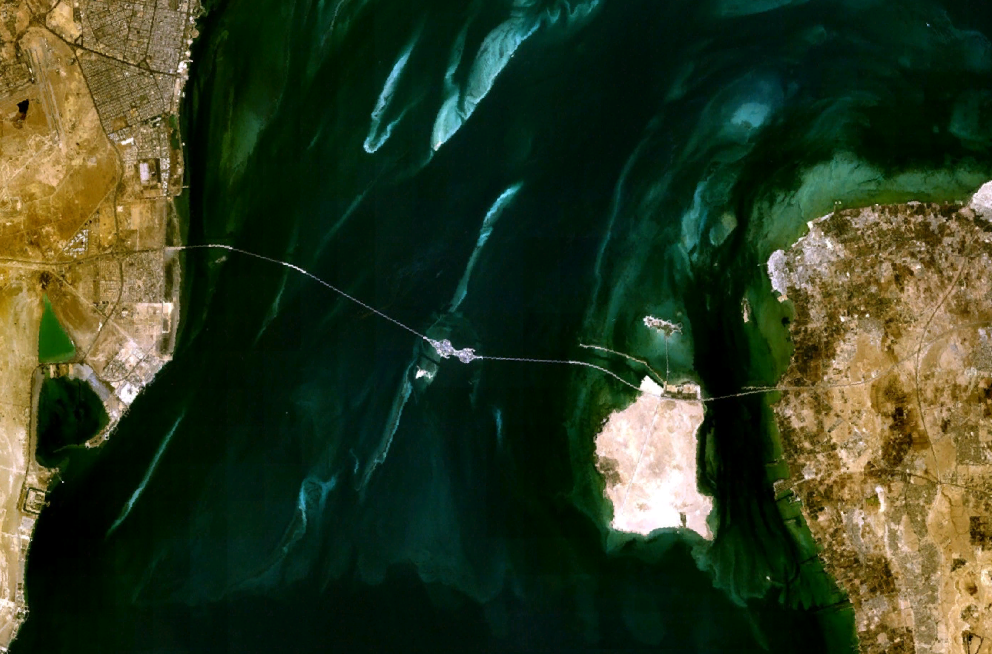
The King Fahd Causeway is a 25-kilometre series of bridges and man-made embankments connecting Al Aziziyah, south of Al Khobar in Saudi Arabia’s Eastern Province, to Al Jasra on the western coast of Bahrain. It is the only land link between the two countries.
The idea for a bridge was first proposed during a state visit to Bahrain by King Saud in 1954. Construction began in November 1982, and the causeway was officially inaugurated on 26 November 1986 by King Fahd bin Abdulaziz Al Saud and Bahrain’s Emir, Sheikh Isa bin Salman Al Khalifa, who agreed to name it after the Saudi King.
Key engineering facts
- Total length: 25 km (15.5 miles)
- Width: 23.2 metres (two carriageways of 11.6 m each, plus emergency shoulders)
- Bridges: Five main bridge spans resting on 536 concrete pylons
- Embankments: Seven man-made causeways in the shallower sections
- Materials used: 47,000 tonnes of reinforced steel, 160,000 tonnes of cement, roughly 11 million cubic metres of sand and rock
- Daily traffic: Approximately 45,000 vehicles on a regular day, rising to 60,000 or more on weekends
- Record day: 136,498 passengers on 4 March 2023 — the highest single-day figure since opening
- Frequent Traveller Package (up to 40% off): SAR 850 for one month or up to 40 crossings (one-way or return). Designed for daily commuters.
- Regular Traveller Package (up to 20% off): SAR 1,120 for one year or up to 40 crossings. Suited to occasional travellers who cross every few weeks.
- Round-Trip Package (up to 15% off): A single return-trip discount available in the app.
- Valid passport with at least six months’ remaining validity
- Appropriate visa for the country you are entering (see the visa section below)
- Valid driving licence (international or GCC licence accepted)
- Vehicle registration card (istimara) in the driver’s name, or a notarised power-of-attorney from the registered owner if it is not your vehicle
- Valid vehicle insurance covering both countries — many Saudi policies do not cover Bahrain automatically, so check before you travel
- Cash or the JESR app for toll payment
- Approach: From Saudi Arabia, the causeway access road begins south of Al Khobar off the King Fahd Causeway Highway. Follow signs for Bahrain. From Bahrain, follow the Shaikh Isa bin Salman Highway west.
- Toll booth: Pay the SAR 35 toll (or equivalent in BHD from the Bahrain side). JESR app users can use designated faster lanes.
- Passport Island: Since March 2017, both countries operate a one-stop border crossing system, meaning you only need to stop once for passport control, vehicle clearance and customs. Previously, you had to stop at two separate checkpoints.
- Immigration: Hand over passports for all passengers. The officer will stamp your exit from one country and entry into the other. GCC nationals can use their national ID card instead of a passport.
- Customs: Vehicles may be searched. See the customs section below for prohibited items.
- Continue: Once cleared, you drive the remaining half of the causeway into the other country.
- Ride-hailing apps: Both Uber and Careem operate cross-border trips between Saudi Arabia and Bahrain via the causeway. Book in the app as normal. Be aware that surge pricing may apply during peak hours (Thursday evenings, in particular).
- Licensed taxis: You can hire a taxi from Al Khobar or Dammam city centres. Agree on the fare before you set off — most taxis crossing the causeway do not use meters. A one-way trip from Al Khobar to central Manama typically costs SAR 100–150 (approximately BHD 10–15), including the toll. From Dammam, expect to pay SAR 150–200.
- Private transfer services: Several companies in the Eastern Province offer fixed-rate causeway transfers. These are useful for airport connections or group travel.
- Morning departure: Dammam at 08:00, arriving Manama approximately 10:30–11:00
- Evening departure: Dammam at 17:30, arriving Manama approximately 20:00–20:30
- Illegal drugs — Penalties in Saudi Arabia are severe, including the death penalty for trafficking
- Weapons and explosives
- Pornographic material
- Items offensive to Islam
- Alcohol: Strictly prohibited. Do not attempt to bring any alcohol across the border into Saudi Arabia. Even empty bottles that smell of alcohol have caused problems at inspection. This is one of the most common mistakes travellers make after a weekend in Bahrain.
- Pork products: Not permitted
- Prescription medication: Carry a doctor’s letter and original prescription. Some medications legal in Bahrain are controlled substances in Saudi Arabia.
- Tobacco: Limited to 200 cigarettes or 500 grams of tobacco per person
- Alcohol: Bahrain permits alcohol, but you may not carry more than 1 litre of spirits and 1 litre of wine through customs
- Agricultural products and fresh food may be restricted — check Bahrain customs guidelines for current rules
- Follow the lane signs. Lanes are separated by vehicle type (car, truck, bus) and sometimes by nationality (GCC citizens vs. other nationals). Your driver or the lane markings will guide you.
- Turn off your engine in the queue. You will idle for a while during peak times. Keep your air conditioning running but be patient.
- Passports ready. Have all passengers’ passports open to the photo page and ready to hand over. If you have children, keep their passports with yours.
- Toll payment. Pay at the toll window or show your JESR app confirmation. Keep the receipt.
- Immigration window. Hand over all passports. The officer will stamp exit from the departing country and entry into the arriving country. Since 2017, this is done at a single stop.
- Vehicle search (random). You may be waved through or directed to a secondary inspection area. If selected, comply politely and open the boot (trunk) when asked.
- Collect passports and continue. Check that all passports have been returned and all stamps are correct before driving away.
- Bahrain City Centre Mall — One of the largest malls in Bahrain, located just off the causeway highway, about 15 minutes from the border
- Seef District — The main commercial and entertainment area, with hotels, restaurants and shopping
- Manama Souq — The old market district in central Manama, known for gold, spices and textiles
- Bahrain National Museum — Worth a visit for its archaeological collection and Gulf heritage exhibits
- Bahrain International Circuit — Home of the Bahrain Grand Prix (Formula 1), located in Sakhir, south of Manama
- Adliya and Juffair — The main nightlife and dining districts
- Al Khobar Corniche — A seafront promenade with views back toward Bahrain, lined with restaurants and cafes
- Half Moon Bay — A crescent-shaped beach about 30 minutes south of Al Khobar, popular for camping and water sports
- Dhahran — Home to the King Abdulaziz Center for World Culture (Ithra), one of the best museums and cultural centres in the Gulf
- Dammam — The Eastern Province capital, with the Dammam Corniche, Heritage Village and connections onward to Riyadh by road or the SAR railway
- Al Ahsa Oasis — A UNESCO World Heritage Site about 150 km south-west of Dammam, reachable as a day trip
- Check your visa status. If you hold a Saudi Iqama, confirm your exit/re-entry visa is valid on Absher before departing. Getting stuck on the Bahrain side because your re-entry has expired is a common and stressful mistake.
- Check the traffic. Use the JESR app or zahmaola.com to see current wait times. If the causeway shows heavy congestion, consider delaying your trip by a few hours.
- Fuel up in Saudi Arabia. Petrol is significantly cheaper in Saudi Arabia than in Bahrain. Fill your tank before crossing.
- Get vehicle insurance. Your standard Saudi car insurance may not cover you in Bahrain. Purchase a short-term Bahrain policy at the border or arrange one in advance through your insurer. Without coverage, you risk fines and will have no protection in an accident.
- Bring cash. While the JESR app handles tolls digitally, you may need cash for the Bahrain visa on arrival (BD 5 or BD 12) and for any unexpected costs. Saudi Riyals and Bahraini Dinars are both accepted at most border facilities.
- Do not use your phone while driving. Fines apply on both the Saudi and Bahrain sections of the road. Hands-free navigation is fine.
- Obey the speed limit. The speed limit on the causeway is 100 km/h in most sections, dropping to 60 km/h near the border facilities. Speed cameras are active.
- Stay in your lane. Lane discipline can be aggressive during peak hours. Do not try to weave or jump the queue at the toll booths — the Causeway Authority has enforcement cameras.
- Keep water and snacks in the car. During peak-hour crossings, you may be sitting in your vehicle for one to four hours. In summer, temperatures exceed 45°C outside.
- Do not bring alcohol into Saudi Arabia. This is the single most common mistake. Even if you bought it legally in Bahrain, any alcohol found in your vehicle during the Saudi-bound search will be confiscated and you may face legal consequences.
- Double-check your stamps. Before driving away from the immigration booth, verify that every passport in your group has been stamped for both exit and entry. Missing stamps cause serious problems on your next border crossing.
- Be polite and patient. Border officers handle thousands of crossings daily. A courteous attitude and having your documents ready makes everyone’s crossing faster.
- Dammam & Al Khobar Travel Guide — Your complete guide to the Eastern Province
- Saudi Arabia Visa Guide 2026 — Every visa type explained, step by step
- Internet and VPN in Saudi Arabia — What is blocked and how to stay connected
- Power Plugs and Adapters in Saudi Arabia — What you need to pack
- Saudi Arabia Travel Guide 2026 — The complete guide to visiting the Kingdom
- Riyadh Airport to City Centre — Metro, taxi and shuttle guide
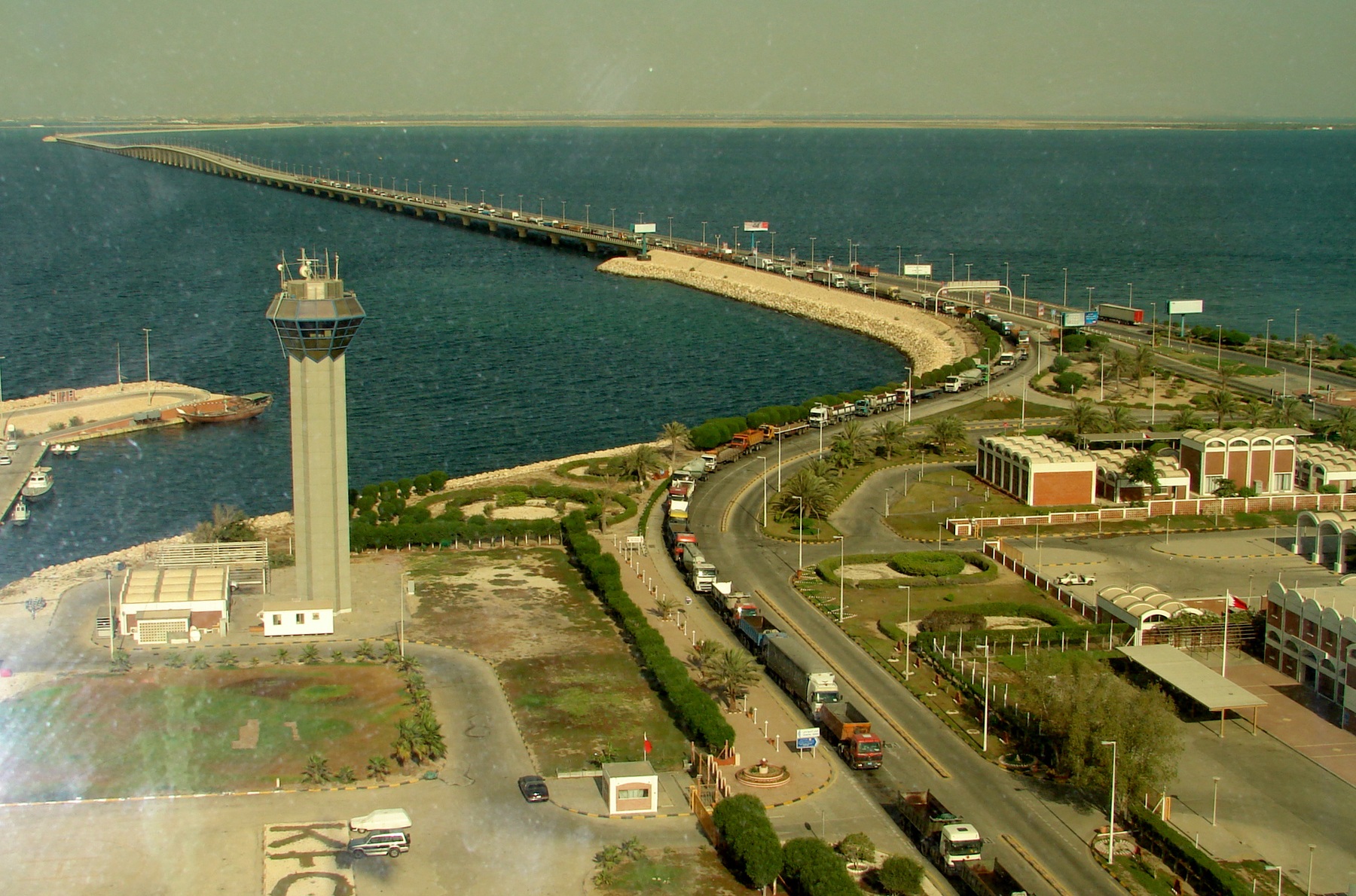
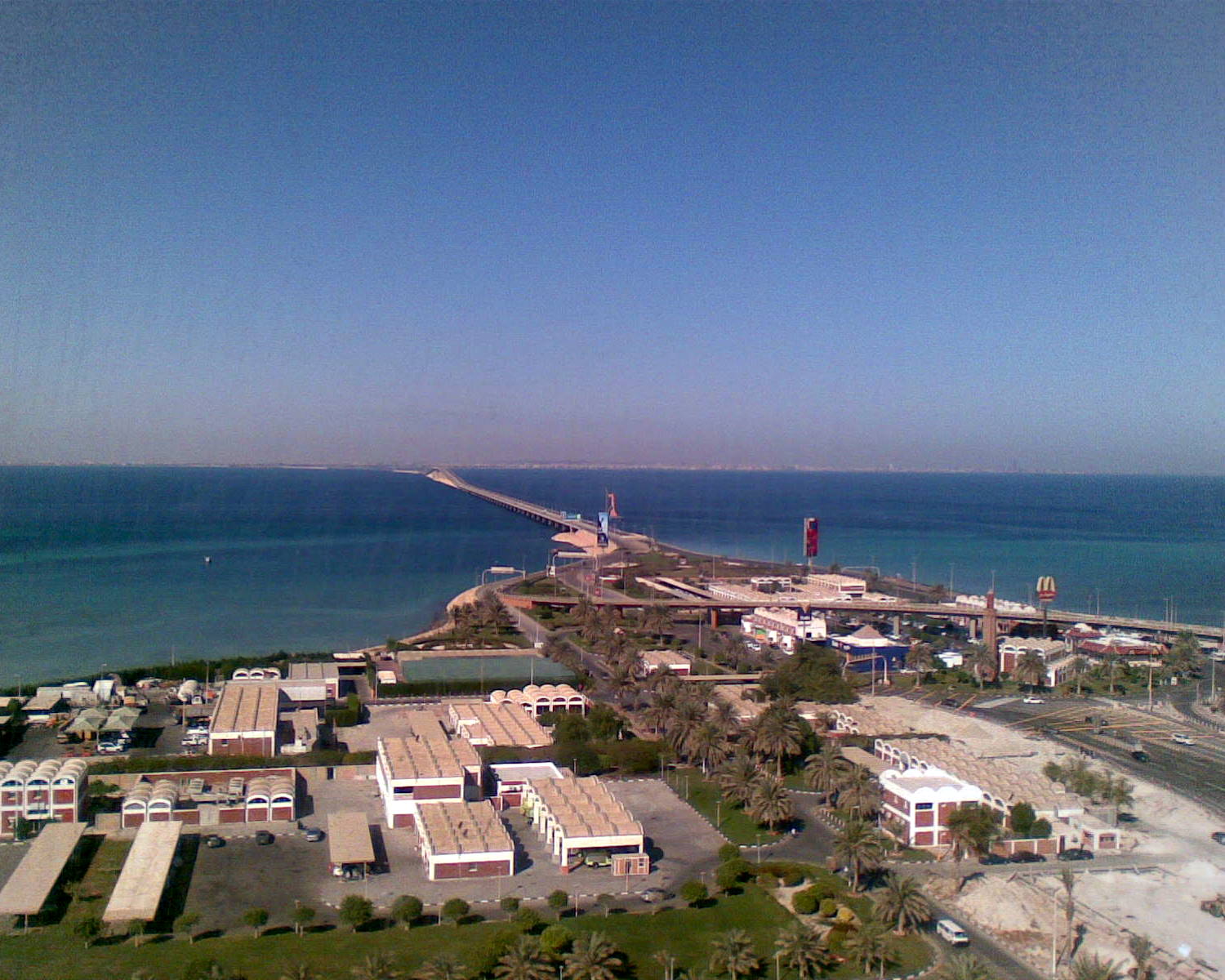
At the midpoint of the causeway sits Passport Island (officially Middle Island, al-Jazirat al-Wustaa), an artificial island that houses the immigration and customs facilities for both countries, a mosque, gardens, observation tower and several fast-food restaurants. All passport checks, vehicle inspections and tolls are processed here.
Tolls and Fees (Updated February 2026)
Toll fees were increased on 18 February 2026 — the first change in over a decade. The new rates apply per crossing, per direction:
| Vehicle Type | Toll (SAR) | Approx. USD |
|---|---|---|
| Car or motorcycle | SAR 35 | $9.30 |
| Minibus (coaster) | SAR 55 | $14.70 |
| Large bus | SAR 70 | $18.70 |
| Truck | SAR 7 per tonne | Varies |
Discount packages via the JESR app
To soften the toll increase, the King Fahd Causeway Authority launched discount packages through the official JESR mobile app (available on Google Play and Apple App Store). Prepaying through the app also speeds up your toll-booth passage:
Exemptions: Students studying in the other country, persons with disabilities, and registered daily commuters are exempt from the fee increase and continue to pay the old rate.
How to Cross: By Car
Driving across the King Fahd Causeway is straightforward, but you need to have the correct documents and be prepared for potential queues.
What you need
The crossing process
How to Cross: By Taxi or Hired Car
If you do not have your own car, taking a taxi across the causeway is a popular option, especially for tourists visiting Bahrain on a day trip from Al Khobar or Dammam.
Options
Tip: When taking a taxi, you will remain in the vehicle throughout the border crossing. The driver handles the lane selection and knows which queue to join. Have all passengers’ passports ready to hand to the immigration officer through the car window.
How to Cross: By Bus
SAPTCO (Saudi Public Transport Company) operates a scheduled bus service between Dammam and Manama that crosses the King Fahd Causeway.
Schedule
Return services run from Manama to Dammam on a similar schedule. The bus journey covers around 75 km station-to-station.
Booking
Tickets can be booked online through the SAPTCO website or purchased at the Dammam bus station. Book in advance for Thursday and Friday services, which often sell out.
At the border, all passengers must disembark with their passports, pass through immigration on foot, and reboard the bus on the other side. This adds 30–60 minutes to the journey time, depending on queue length.
Visa and Immigration Requirements
Crossing the King Fahd Causeway involves passing through the immigration controls of both Saudi Arabia and Bahrain. Visa requirements differ depending on your nationality and direction of travel. For full details on Saudi entry requirements, see our Saudi Arabia Visa Guide 2026.
Entering Bahrain from Saudi Arabia
| Traveller Type | Visa Required? | Details |
|---|---|---|
| GCC nationals (Saudi, Emirati, Kuwaiti, Omani, Qatari) | No | National ID card or valid passport accepted |
| Saudi Iqama (residency permit) holders | Visa on arrival | Iqama must be valid for at least 3 months; must have held residency for at least 3 months |
| Nationals of 69 visa-on-arrival countries | Visa on arrival | BD 5 (2-week visa) or BD 12 (3-month visa); passport must be valid for 6 months |
| Other nationalities | Bahrain e-Visa required | Apply online at evisa.gov.bh before travel |
Entering Saudi Arabia from Bahrain
| Traveller Type | Visa Required? | Details |
|---|---|---|
| GCC nationals | No | National ID card or valid passport |
| Holders of a valid Saudi visa (tourist, business, work, visit) | No additional visa | Visa must be valid for entry; check your visa type allows re-entry |
| Nationals of Saudi e-Visa countries | Saudi e-Visa | Apply online before travel; the e-Visa is a multiple-entry visa valid for one year |
| Causeway-specific visa | Available at the border | SAR 150 for a one-week visa; can be extended for SAR 400 per additional week |
Important: If you are an expat resident in Saudi Arabia with an Iqama, make sure your exit/re-entry visa is valid before leaving the Kingdom. Without it, you will not be allowed back in. Check your status on the Absher platform before travelling.
Customs Rules: What You Can and Cannot Bring
Customs inspections take place at Passport Island. Officers may search your vehicle and belongings. The key rules to know:
Prohibited items (both directions)
Entering Saudi Arabia specifically
Entering Bahrain specifically
Hours and Wait Times
The King Fahd Causeway is open 24 hours a day, 7 days a week. Immigration and customs facilities operate continuously.
When to expect delays
| When | Direction | Expected Wait |
|---|---|---|
| Thursday afternoon/evening (14:00–22:00) | Saudi to Bahrain | 1–4 hours |
| Friday morning (08:00–14:00) | Bahrain to Saudi | 1–3 hours |
| Public holidays (Saudi National Day, Eid, etc.) | Both directions | 2–6+ hours |
| Weekday mornings (Sun–Wed, 06:00–10:00) | Both directions | 15–45 minutes |
| Weekday evenings (Sun–Wed, after 20:00) | Both directions | 15–30 minutes |
During peak holiday periods, waits have historically exceeded 12 hours. The worst congestion occurs on long weekends when Saudi residents travel to Bahrain en masse.
Tip: Download the JESR app or check the unofficial Zahma O La (“Is there a crowd or not?”) service at zahmaola.com for real-time traffic conditions before you set out. The JESR app also shows estimated wait times and live camera feeds of the causeway.
What to Do at the Border
Crossing the causeway for the first time can be confusing. Here is a step-by-step guide to what happens at Passport Island:
Bahrain Side: What Is Nearby After You Cross
Once you clear the Bahrain border, the causeway road connects to the Shaikh Isa bin Salman Highway, which leads directly into Manama, Bahrain’s capital, about 25 km from the border. Here are some popular first stops:
Saudi Side: What Is Nearby
On the Saudi side, the causeway connects to the King Fahd Causeway Highway, which leads north to Al Khobar (about 20 km) and on to Dammam (about 40 km). The Eastern Province has plenty to offer if you are arriving from Bahrain. For a complete guide, see our Dammam and Al Khobar Travel Guide.
Tips and Common Mistakes
Thousands of people cross the King Fahd Causeway every day without problems, but first-timers and occasional travellers often trip up on the same issues. Here is how to avoid them:
Before you travel
On the causeway
At the border
Staying Connected: Internet and SIM Cards
Your Saudi mobile SIM card will typically work in Bahrain with international roaming charges. For a cheaper option, pick up a prepaid Bahrain SIM (Batelco, Zain Bahrain or STC Bahrain) on arrival — they are available at the airport and many shops in Manama. Make sure your phone is unlocked before travelling. For more on connectivity, see our guide to internet and VPN use in Saudi Arabia.
You should also be aware of local regulations around VPN use and content restrictions. Our Internet and VPN in Saudi Arabia guide covers what is blocked and how to stay connected in both countries.
Practical Essentials
If you are visiting from outside the Gulf region, you will want to know about local power standards and other practicalities. Saudi Arabia and Bahrain both use Type G (British three-pin) power plugs at 230V/50Hz. If your devices use a different plug type, bring an adapter — see our power plugs and adapters guide for details.
For travellers arriving by air before heading to the causeway, our guides to getting from Riyadh Airport to the city centre and Jeddah Airport to the city centre cover ground transport, metro connections and taxi tips for your first leg in the Kingdom.
For the big picture on planning your trip — including the best time to visit, what to wear, cultural etiquette and health advice — see the Saudi Arabia Travel Guide 2026.