
The Abha cable car system is one of the most distinctive experiences in Saudi Arabia’s southwest highlands. Strung across deep valleys and steep mountainsides in the Asir region, these aerial tramways carry visitors over terraced hillsides, through drifting clouds, and past cliff-edge villages that were once reachable only by rope ladder. Whether you are ascending Green Mountain for its famous night-time illumination, riding above the ancient Habala hanging village, or climbing toward the juniper forests of Jabal Al Souda — the highest point in Saudi Arabia — the cable cars offer a perspective on the Sarawat Mountains that no road can match. This guide covers all three routes in detail and belongs to our wider Abha and Asir travel guide, which maps out the full range of things to see and do in this remarkable highland region.
Best Time to Visit: March to October (mild temperatures, clearest views in the morning)
Getting There: Fly to Abha Regional Airport (AHB) — 1 hr 40 min from Riyadh, 1 hr from Jeddah; cable car stations are 5-20 min by car from central Abha
Visa Required: Yes — tourist e-visa available online
Budget: SAR 50-90 per person per ride (USD 13-24); Habala entry fee SAR 25 adults / SAR 15 children
Must-See: Green Mountain night illumination, Habala hanging village, Jabal Al Souda panoramic views
Avoid: Visiting only on weekdays in low season — some routes operate only Thursday to Saturday outside summer
Understanding the Three Cable Car Routes
Abha does not have a single cable car — it has a network of three distinct aerial tramway routes, each serving a different landscape and a different experience. The system is operated by the Saudi Commission for Tourism and National Heritage and collectively transports over 600 passengers per hour during peak periods. During the summer high season alone, around 30,000 visitors ride the system. Each cable car cabin seats approximately eight adults.
The three routes are:
- Green Mountain (Jabal Al Akhdar) Route — Departs from the Abha Al Jadidah Cable Car Station, climbs 400 metres to the summit of Green Mountain; 25-30 minute ride; the most popular and centrally located route
- Al Souda (Jabal Sawda) Route — Ascends toward Saudi Arabia’s highest peak at 3,015 metres above sea level; dramatic views over juniper forests and deep gorges
- Habala Route — Descends into the valley below the cliff-edge Habala hanging village, about one hour’s drive southeast of central Abha; the most historically significant of the three
- Several restaurants and food stalls serving snacks, drinks, and ice cream
- Cafes where you can drink traditional Saudi coffee while watching the sun set over the city
- Comfortable seating areas and viewing platforms with panoramic outlooks
- Souvenir and handicraft shops
- Riyadh to Abha: approximately 1 hour 40 minutes; around 18 direct flights daily; fares from SAR 100 one-way (USD 27) on budget carriers
- Jeddah to Abha: approximately 1 hour; multiple daily flights; fares from SAR 120 one-way (USD 32)
- From Jeddah: approximately 620 km (6-7 hours) via Highway 15
- From Riyadh: approximately 950 km (9-10 hours) via Highway 10 / Highway 15
- From Taif: approximately 390 km (4-5 hours) via Highway 15 through the Asir highlands
- From Khamis Mushait: approximately 25 km (20 minutes) — the neighbouring city is a common base for Abha visitors
- Layers: Even in summer, early mornings and elevations above 2,500 metres can be cool. Bring a light jacket or fleece. In winter (December-February), a warm coat is essential.
- Comfortable shoes: If you plan to walk around Habala village, the Al Souda trails, or Green Mountain summit, closed-toe shoes with grip are important. The terrain can be rocky and uneven.
- Sun protection: At altitude the UV is stronger than at sea level. Sunscreen, sunglasses, and a hat are recommended, especially for the Al Souda route.
- Camera: The views from all three routes are genuinely spectacular. A charged phone or camera is essential.
- Water and snacks: Particularly for the Al Souda and Habala routes, where food options at the stations are limited.
- Rain gear: During the summer monsoon months (July-August), brief rain showers are possible. A light waterproof layer is worth carrying.
- Morning: Ride the Green Mountain cable car for panoramic views
- Afternoon: Explore the Shada Palace Museum, a restored Ottoman-era fortification with exhibits on Asir heritage
- Evening: Return to Green Mountain to see the famous green illumination after dark, or stroll along the Abha Dam Lake promenade
- Morning: Drive to the Al Souda cable car station and ride to the peak; walk the juniper forest trails
- Afternoon: Continue to Rijal Almaa, a UNESCO-listed heritage village approximately 45 kilometres from Al Souda, known for its multi-storey tower houses decorated with vibrant mineral pigments
- The Soudah Development project is transforming this area with new hotels and infrastructure — even more reason to visit before it changes
- Morning: Drive to Habala; ride the cable car down to the hanging village; explore the heritage buildings and terraced gardens
- Afternoon: Drive back through the Khamis Mushait area or continue south to explore the Jizan coastal region
- 2,700 hotel rooms and 1,300 residential units
- 30 commercial and entertainment projects
- A new cable car system designed to reduce transport times across the mountain terrain
- An expected 10,700 jobs in the region
- Arrive early: In summer, queues build quickly after 11:00 AM. The first rides of the day (10:00 AM) are typically the quietest and offer the best visibility.
- Acrophobia: The Habala descent in particular passes close to sheer cliff faces and involves significant exposure. If you are uncomfortable with heights, the Green Mountain route is a gentler option.
- Photography: The best light for photography is in the early morning (8:00-10:00 AM) and the hour before sunset. The Green Mountain illumination is best photographed from the city below, not from the summit.
- Accessibility: Cable car cabins are spacious enough for most wheelchairs, but the stations and surrounding walkways vary. Green Mountain has the best-developed accessible infrastructure. Habala’s lower village area involves uneven terrain.
- Ramadan: During Ramadan, operating hours may be reduced or shifted to evening only. See our Ramadan travel guide for tips on visiting during the holy month.
- Budget planning: If you plan to ride all three cable cars plus the Habala entry fee, budget approximately SAR 250-300 per adult (USD 67-80) for tickets alone. See our Saudi Arabia cost guide for broader trip budgeting.
- Central Abha / New Abha: Walking distance from the Green Mountain cable car station; the widest selection of restaurants and services; hotels in the SAR 200-500/night range
- Khamis Mushait: A larger city 25 kilometres east of Abha with more hotel options and lower prices; good base if you are driving to multiple cable car routes
- Al Souda area: A small number of mountain lodges and chalets exist near the peak; the Soudah Development will add significantly more options from 2027 onward
- Abha and Asir Travel Guide — The complete guide to Saudi Arabia’s mountain highlands
- Khamis Mushait Travel Guide — Gateway city to the Asir region and a practical base for cable car day trips
- Al Baha Guide — The green highland hidden gem between Taif and Abha
- Taif Cable Car — Another mountain cable car experience in the Hejaz highlands
- Best Hiking Trails in Saudi Arabia — Trail routes across Asir, AlUla, and beyond
- Saudi Arabia Travel Guide 2026 — The complete guide to visiting the Kingdom
- Saudi Arabia Visa Guide — Every visa type explained
Each route has its own schedule, pricing, and character. If you are spending at least two days in the Abha and Asir region, you can comfortably ride all three. If time is limited, Green Mountain is the most accessible and Habala is the most memorable.
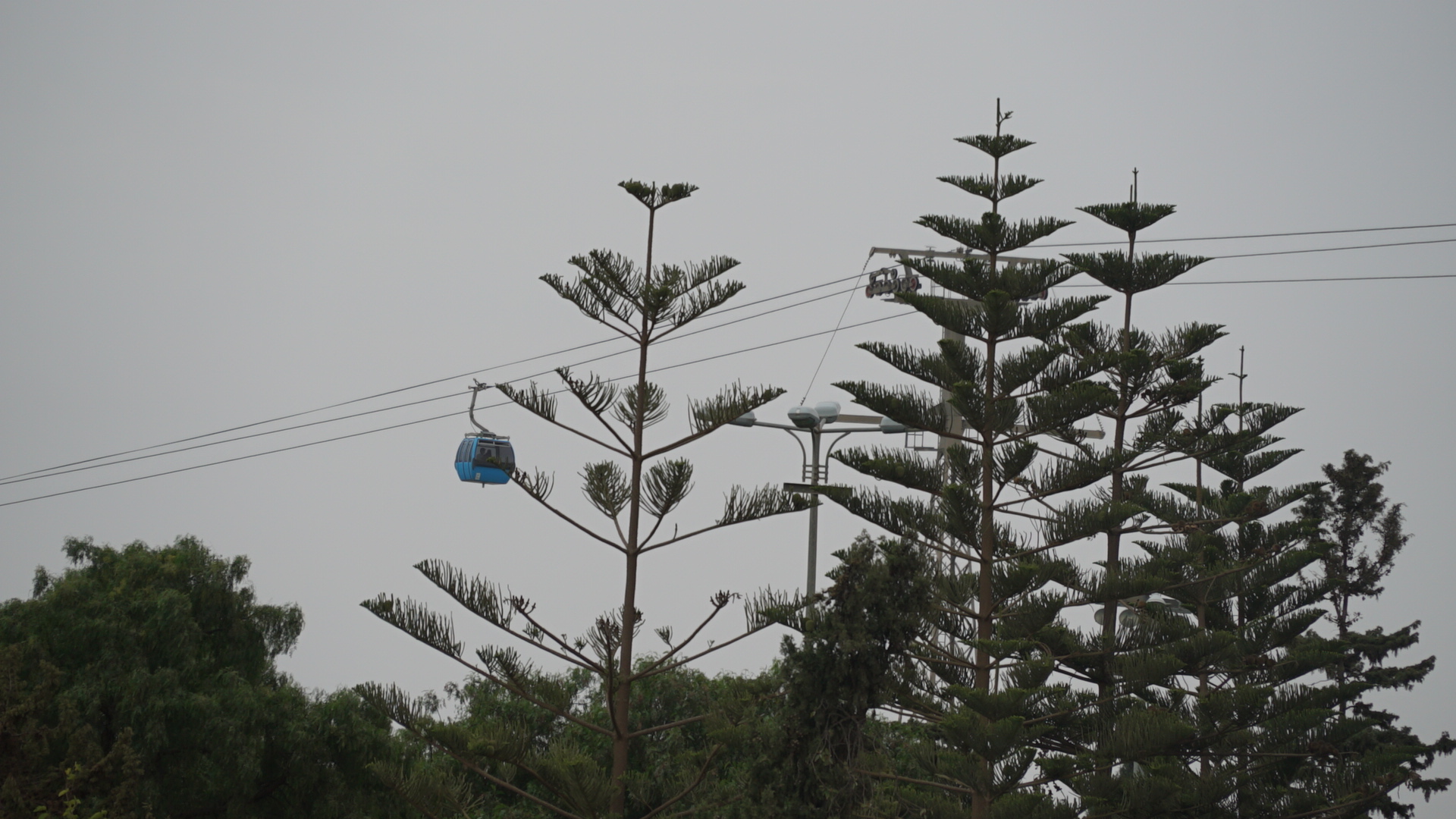
Green Mountain Cable Car — The Signature Ride
What to Expect
The Green Mountain cable car is the most popular of Abha’s three routes and the one most visitors experience first. It departs from the Abha Al Jadidah Cable Car Station, located in the New Abha district south of the city centre. The gondola climbs approximately 400 metres above the New Abha Resort area, offering uninterrupted views of the city’s rolling hills and the man-made Sadd Lake (also known as Abha Dam Lake) below. The ride takes between 25 and 30 minutes in each direction.
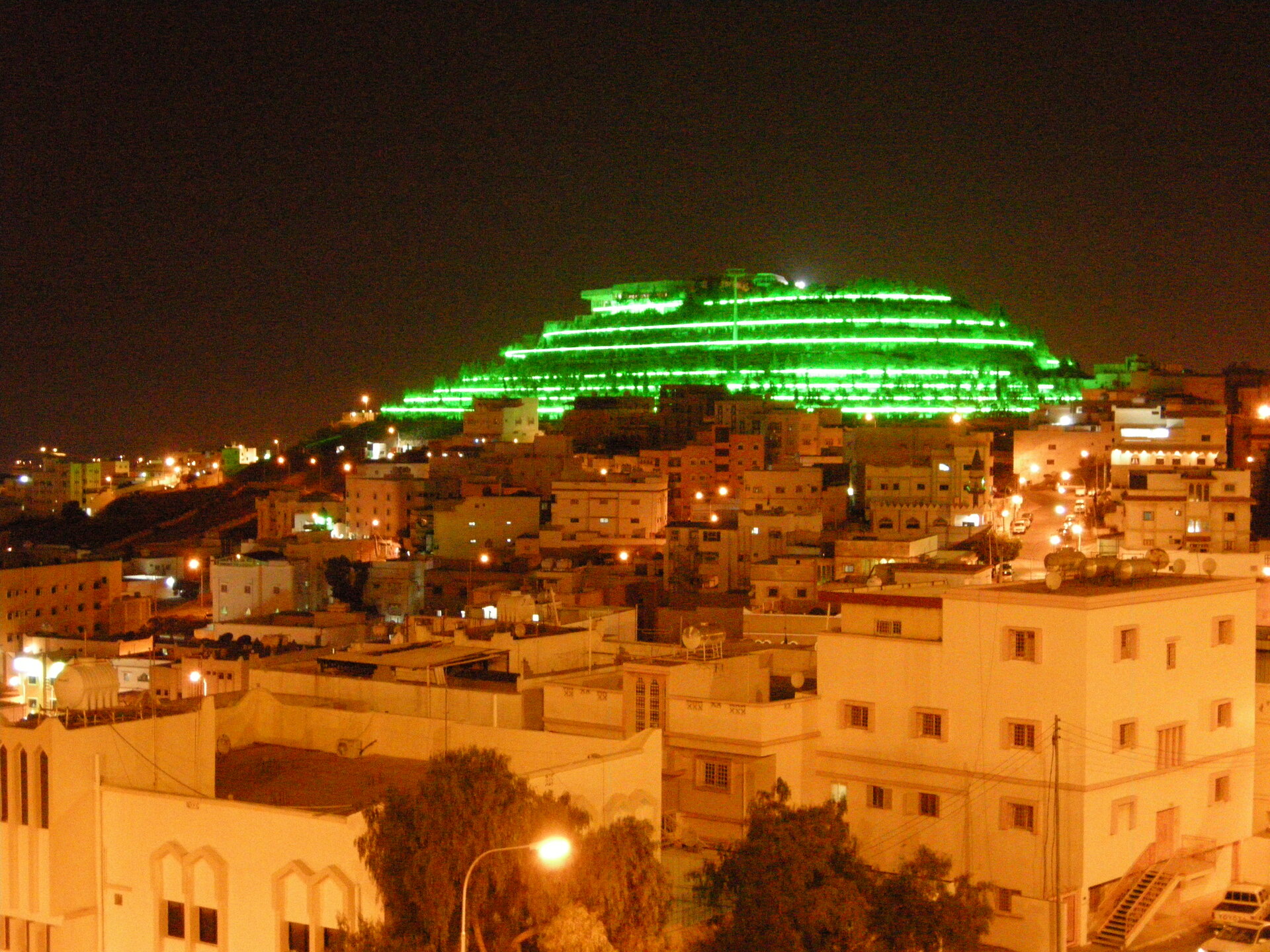
Green Mountain — known locally as Jabal Al Akhdar or Jabal Thera — stands at approximately 2,270 metres (7,450 feet) above sea level. The summit is roughly 13.6 kilometres south of the city centre. During the day it offers panoramic views across the Asir highlands. But the mountain’s real fame comes at night: its slopes are illuminated by rows of green LED lights that create a striking glow visible from across the city. The green illumination has become one of Abha’s most photographed landmarks and is well worth seeing after dark, even if you take the cable car during the day.
Facilities at the Top
The Green Mountain summit area has been developed with visitors in mind. You will find:
This makes Green Mountain the most family-friendly of the three cable car routes and a strong choice if you are planning a Saudi Arabia trip with children or elderly travellers. For those interested in the wider range of hiking opportunities in Saudi Arabia, the trails around Abha’s mountains provide a completely different dimension to the cable car experience.
Schedule and Tickets
The Abha Al Jadidah Cable Car Station operates on the following schedule:
| Season | Days | Hours |
|---|---|---|
| High season (summer / Eid / national holidays) | Wednesday to Saturday | 10:00 AM – 6:00 PM |
| Low season | Wednesday to Saturday | 2:00 PM – 6:00 PM |
Ticket prices for the Green Mountain route are SAR 50-80 per person for a return trip, with discounts available for group bookings. Children typically pay half the adult rate. Tickets are purchased at the station — there is no advance online booking system as of 2026.
Tip: Arrive early in the morning during high season to avoid queues. The first departures offer the clearest skies and best photographic light before afternoon clouds roll in.
Al Souda Cable Car — Saudi Arabia’s Highest Peak
What to Expect
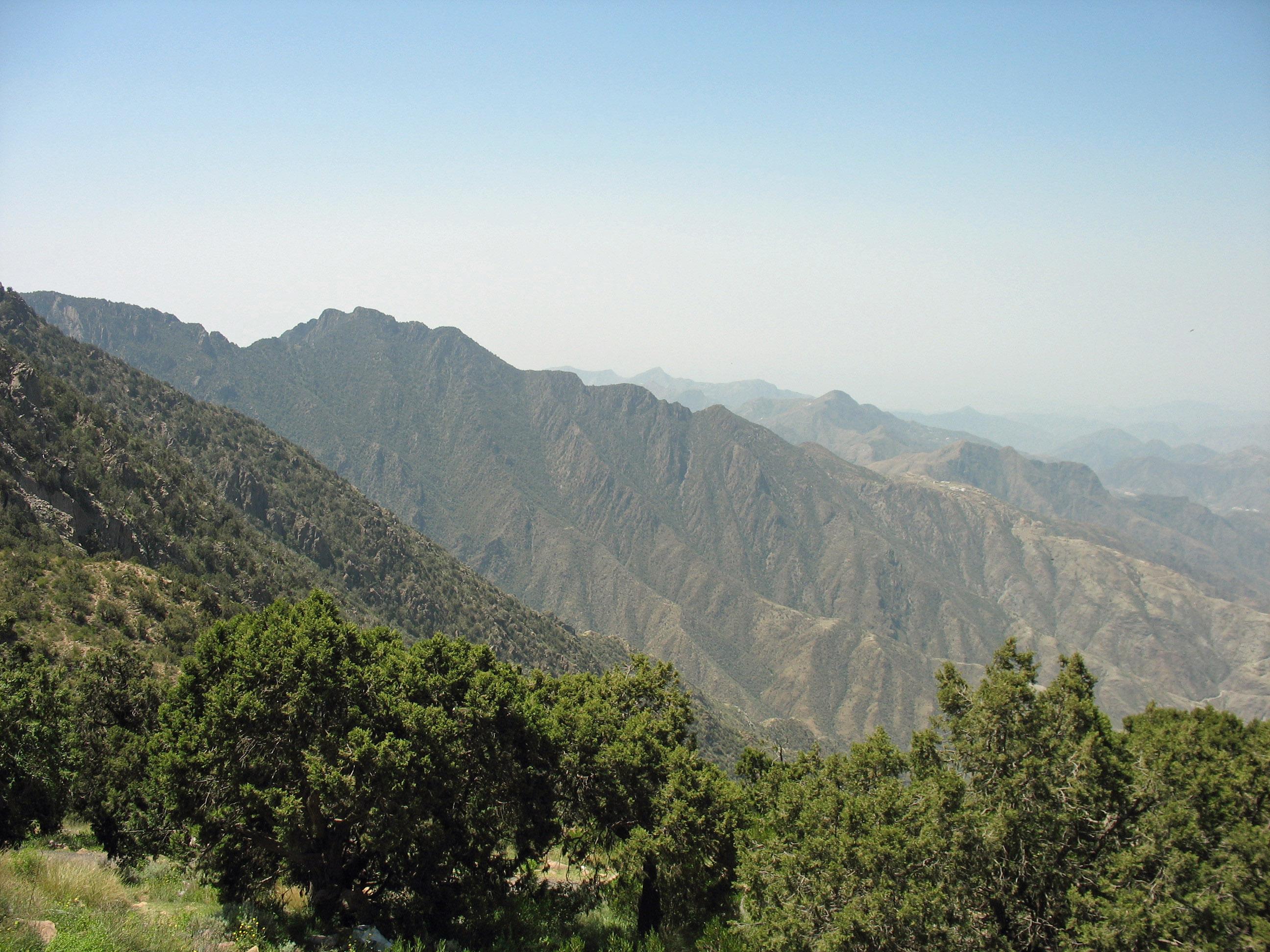
Jabal Al Souda (also written Sawda or Soudah) is widely recognised as Saudi Arabia’s highest point, reaching 3,015 metres (9,892 feet) above sea level. The cable car route here climbs steeply over deep gorges and dense juniper forests — a landscape that feels nothing like the desert most visitors associate with Saudi Arabia. The mountain is covered with aromatic plants and ancient juniper trees, some of them centuries old.
The ride takes approximately 20 minutes each way. The cable spans a significant elevation change, and on clear days the views extend across layer upon layer of mountain ridges fading into the distant Tihama coastal plain. On cloudy days — which are common, especially in the afternoons — the gondola may pass directly through fog and cloud banks, an atmospheric experience in its own right.
Facilities and Practical Notes
The Al Souda route is more rugged than Green Mountain. At the lower station, there is a large garden area with seating but limited food options — bring your own snacks and water. Washrooms are available. The upper station area is being significantly upgraded as part of the Soudah Development Project, a SAR 14 billion Vision 2030 initiative backed by the Public Investment Fund that aims to transform the area into a world-class mountain tourism destination by 2030. Early phases including new cable car infrastructure and lodging are expected by 2027.
If you are interested in how Saudi Arabia is reshaping its tourism infrastructure, the Soudah Development represents one of the most ambitious mountain resort projects anywhere in the Middle East — and the cable car will be a central part of it.
Schedule and Tickets
| Season | Days | Hours |
|---|---|---|
| High season (summer) | Daily (check locally) | 10:00 AM – 6:00 PM |
| Low season | Friday and Saturday only | 10:00 AM – 6:00 PM |
Tickets cost SAR 80 per adult and SAR 40 for children. Group discounts are sometimes available. The Al Souda station is about a 30-minute drive from central Abha along the well-maintained Souda Road.
Tip: Visit in the morning. The peak is frequently shrouded in cloud from midday onward, which limits visibility. Morning rides offer the clearest panoramic views.
Habala Cable Car — Descending to the Hanging Village
The History
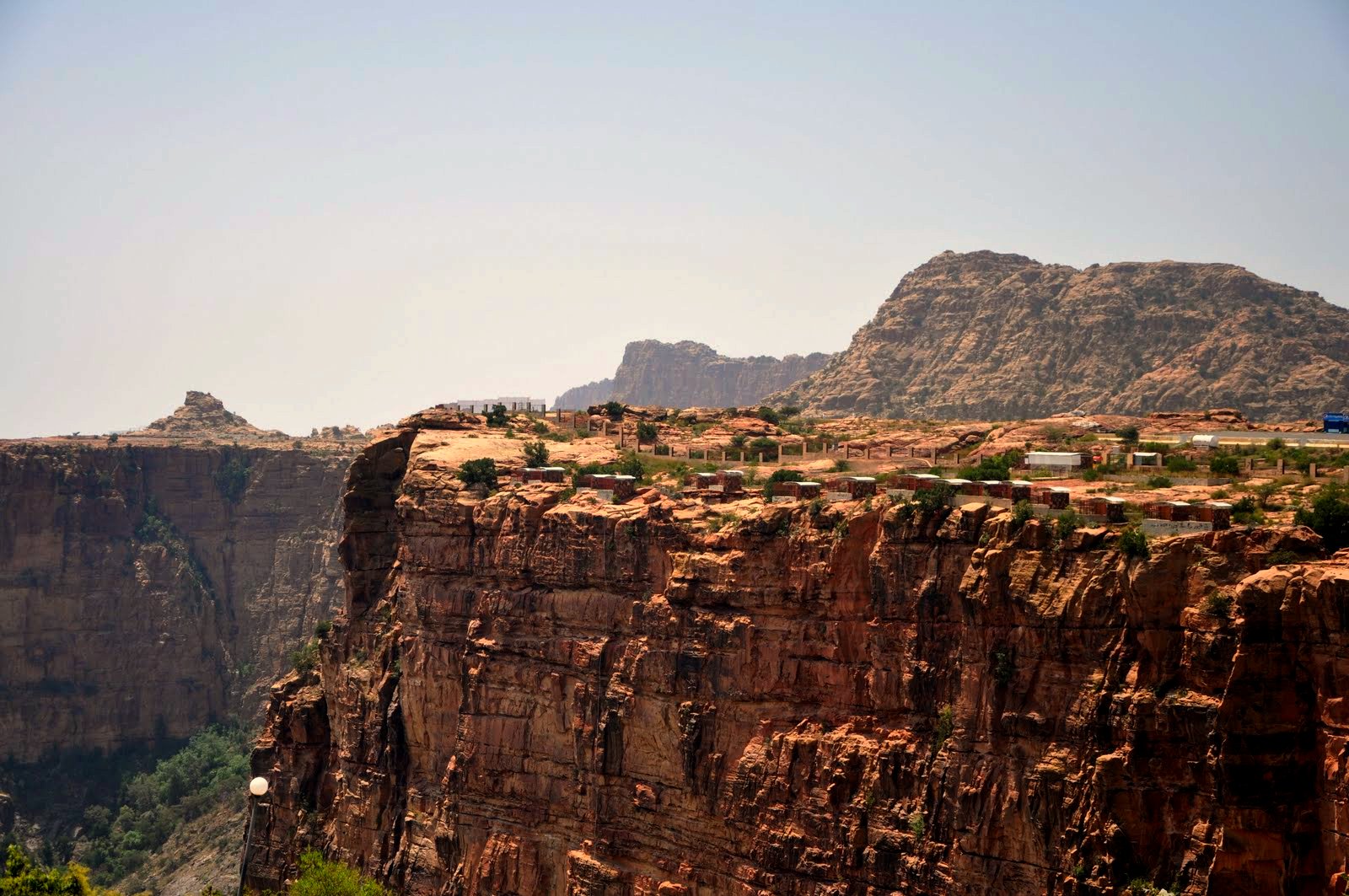
The Habala cable car is the most historically loaded of the three routes. Habala (also written Habla or Al Habala) is a cliff-edge settlement perched in a valley nearly 300 metres below the mountain rim. The name comes from the Arabic word habal (rope) — because for centuries the only way to reach the village was by rope ladder lowered over the cliff face.
The settlement is estimated to be over 370 years old. It was originally inhabited by the Khatani tribe, sometimes called the “flower men” for their tradition of wearing garlands of fragrant herbs and flowers in their hair. During Ottoman rule in the region, the village’s inaccessibility served as a natural fortress — attackers simply could not reach it. The community lived in traditional sandstone houses carved into the cliff face, farming terraced plots and raising livestock on the narrow valley floor.
In the 1990s, the Saudi government built the cable car to open the village to tourism. The original inhabitants were relocated — sometimes forcibly, according to several accounts that mention National Guard involvement — to a modern settlement in the valley below. The traditional village now stands as a preserved heritage site, empty of permanent residents but full of history.
What to Expect
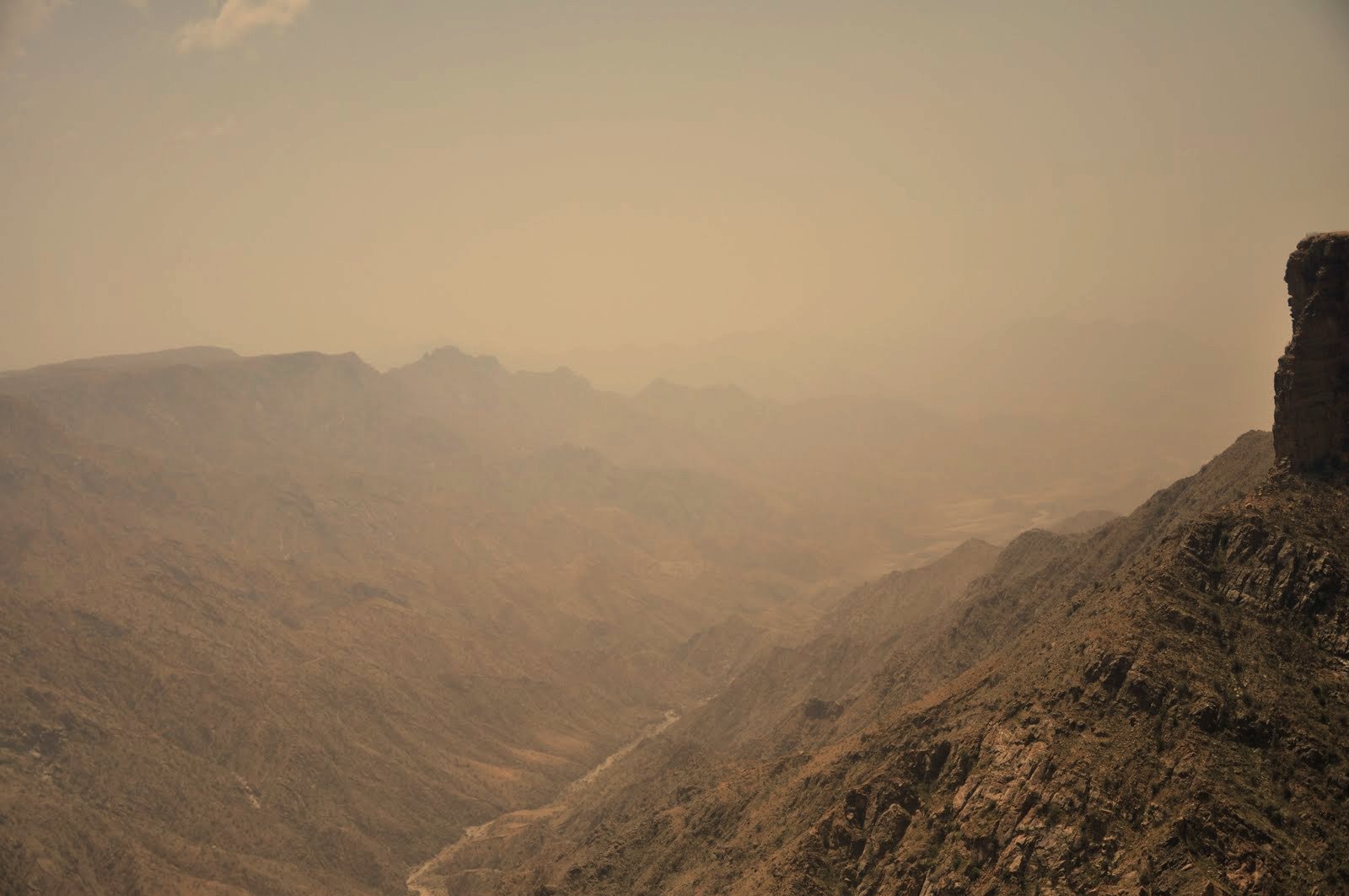
Unlike the other two routes, the Habala cable car descends rather than ascends. You board at the cliff-top station and drop down the escarpment wall into the valley, with the sheer rock face passing close beside you. The views of the surrounding Sarawat Mountain ridges are dramatic — during the descent you can see the layered geology of the escarpment and, on clear days, across the Tihama coastal lowlands toward the Red Sea.
At the bottom, you can explore the preserved sandstone village buildings, walk through the terraced gardens, and visit Al Habala Park, a landscaped area with seating, family amenities, and walkways. A small local market sells handicrafts, woven textiles, and souvenirs. The valley floor itself is cool and shaded — a pleasant contrast to the exposed clifftop.
Schedule and Tickets
| Season | Days | Hours |
|---|---|---|
| High season (summer) | Thursday to Saturday | 10:00 AM – 6:00 PM |
| Low season | Thursday to Saturday | 2:00 PM – 6:00 PM |
The Habala cable car ticket costs approximately SAR 50-75 per person for the return journey. Entry to the Habala heritage area at the bottom has an additional fee of SAR 25 for adults and SAR 15 for children.
Habala is located about a one-hour drive southeast of central Abha. There is no public transport — you will need a rental car or a pre-arranged taxi. The road is paved and well-signposted.
Best Time to Ride the Cable Cars
Abha sits at approximately 2,200 metres above sea level, giving it a climate that is markedly different from the rest of Saudi Arabia. While Riyadh and Jeddah roast in summer heat, Abha enjoys daytime temperatures between 15 and 25 degrees Celsius from June through August — making summer the peak tourist season here.
| Period | Daytime Temperature | Conditions | Cable Car Notes |
|---|---|---|---|
| March – May | 18-25°C | Clear mornings, occasional spring rain | Good visibility; all routes operating in peak-season schedule |
| June – August | 15-25°C | Monsoon mist, afternoon fog common, brief rain showers | Peak season; busiest queues; morning rides recommended for views |
| September – November | 18-24°C | Clear skies, cooler evenings | Excellent visibility; reduced crowds compared to summer |
| December – February | 12-20°C | Cool to cold, rare frost at altitude | Low season; limited operating days (Fri-Sat on some routes); bring warm layers |
The best time to visit Saudi Arabia overall depends on your destination, but for the Abha cable cars specifically, the sweet spot is September and October — clear skies, comfortable temperatures, and fewer crowds than the summer peak.
Weather warning: Fog can descend rapidly in the Asir highlands, especially during the summer monsoon period (July-August). While riding through cloud is atmospheric, it does eliminate the views. Check the forecast and aim for morning departures when visibility is usually best.
Getting to Abha
By Air
Abha Regional Airport (AHB) receives daily direct flights from Riyadh (King Khalid International Airport, RUH) and Jeddah (King Abdulaziz International Airport, JED). The main carriers are Saudia, flynas, and flyadeal.
The airport is about 25 kilometres from central Abha, approximately a 20-minute drive. Taxis and ride-hailing apps (Uber, Careem) operate from the terminal. For more on getting around, see our Saudi Arabia transport guide.
By Road
Abha is connected to the rest of Saudi Arabia by well-maintained highways. Key driving distances:
The drive along Highway 15 from Taif to Abha through the Sarawat Mountains is one of the most scenic road trips in the Kingdom, passing through the Al Baha highlands. See our Al Baha guide if you want to break the journey.
Visa Requirements
All international visitors to Saudi Arabia require a visa. Citizens of over 60 countries can obtain a tourist e-visa online in minutes. The e-visa costs SAR 480 (approximately USD 128) including insurance and allows stays of up to 90 days per visit within a one-year validity period. For full details, check our dedicated Saudi Arabia visa guide.
Comparing the Three Cable Car Routes
Deciding which cable car to prioritise? This comparison breaks down the key differences:
| Feature | Green Mountain | Al Souda | Habala |
|---|---|---|---|
| Direction | Ascent | Ascent | Descent |
| Ride time | 25-30 min each way | ~20 min each way | ~15 min each way |
| Elevation | ~2,270 m summit | ~3,015 m summit | ~300 m descent into valley |
| Adult ticket | SAR 50-80 | SAR 80 | SAR 50-75 + SAR 25 entry |
| Best for | Families, night views, first-time visitors | Nature lovers, photographers, hikers | History buffs, adventurers, photographers |
| Food at station | Yes — restaurants and cafes | Limited — bring your own | Small market; basic options |
| Distance from Abha centre | 5-10 min drive | ~30 min drive | ~60 min drive |
| Low-season days | Wed-Sat | Fri-Sat only | Thu-Sat |
What to Bring and What to Wear
Abha’s mountain climate is significantly cooler than the rest of Saudi Arabia, and the cable car rides take you to exposed, windy altitudes. Prepare accordingly:
For broader guidance on what to pack for Saudi Arabia, our Saudi Arabia dress code guide covers clothing norms for different contexts.
Combining the Cable Cars with Other Asir Attractions
The cable cars are a highlight, but Abha and the wider Asir region offer far more. Here is a practical way to combine them into a two- or three-day itinerary:
Day One: Green Mountain and Abha City
Day Two: Al Souda and Rijal Almaa
Day Three: Habala and the Southern Highlands
Soudah Development Project — What Is Changing
Visitors to the Al Souda area should be aware that the landscape is undergoing a major transformation. The Soudah Development Company, a subsidiary of Saudi Arabia’s Public Investment Fund, was launched in February 2021 by Crown Prince Mohammed bin Salman. The project covers 627 square kilometres and has been allocated a budget of SAR 14 billion (USD 3.7 billion), with SAR 3 billion dedicated to infrastructure.
The development plan includes:
Initial phases of cable cars and lodging are expected by 2027, with full completion by 2033. This means that visiting now gives you the chance to experience the area in a relatively undeveloped state — the mountain landscapes, juniper forests, and village heritage are authentic and unmanicured. By the end of the decade, the experience will likely be polished and resort-oriented.
Practical Tips for Cable Car Visitors
Check before you go: Operating schedules vary by season and can change without notice. Call the Abha tourism office or check the Visit Saudi website for the most current timetable before making the drive to any station.
Where to Stay Near the Cable Cars
Abha offers accommodation ranging from budget hotels to mid-range resorts. The most convenient bases for cable car visits are:
For more detail on hotels across Saudi Arabia, including Abha recommendations, see our Saudi Arabia hotels guide.