
Saudi Arabia is one of the fastest-growing business destinations in the world, driven by the ambitious Vision 2030 transformation programme that is reshaping every sector of the Kingdom’s economy. Whether you are attending a conference in Riyadh’s King Abdullah Financial District, negotiating a joint venture in Jeddah, or pitching to investors in the Eastern Province, understanding Saudi business etiquette is not optional — it is the difference between closing a deal and losing one. This guide covers everything a visiting professional needs to know: from greetings and dress code to meeting culture, negotiation strategy, gift-giving, dining, Ramadan considerations, and the Arabic phrases that will earn you genuine respect.
Best Time to Visit: October to March (cooler weather, outside Ramadan and Hajj periods)
Getting There: Direct flights to King Khalid International Airport (RUH) or King Abdulaziz International Airport (JED)
Visa Required: Yes — business visit visa or tourist e-visa
Budget: $200–$500/day for business travel (hotel, meals, transport)
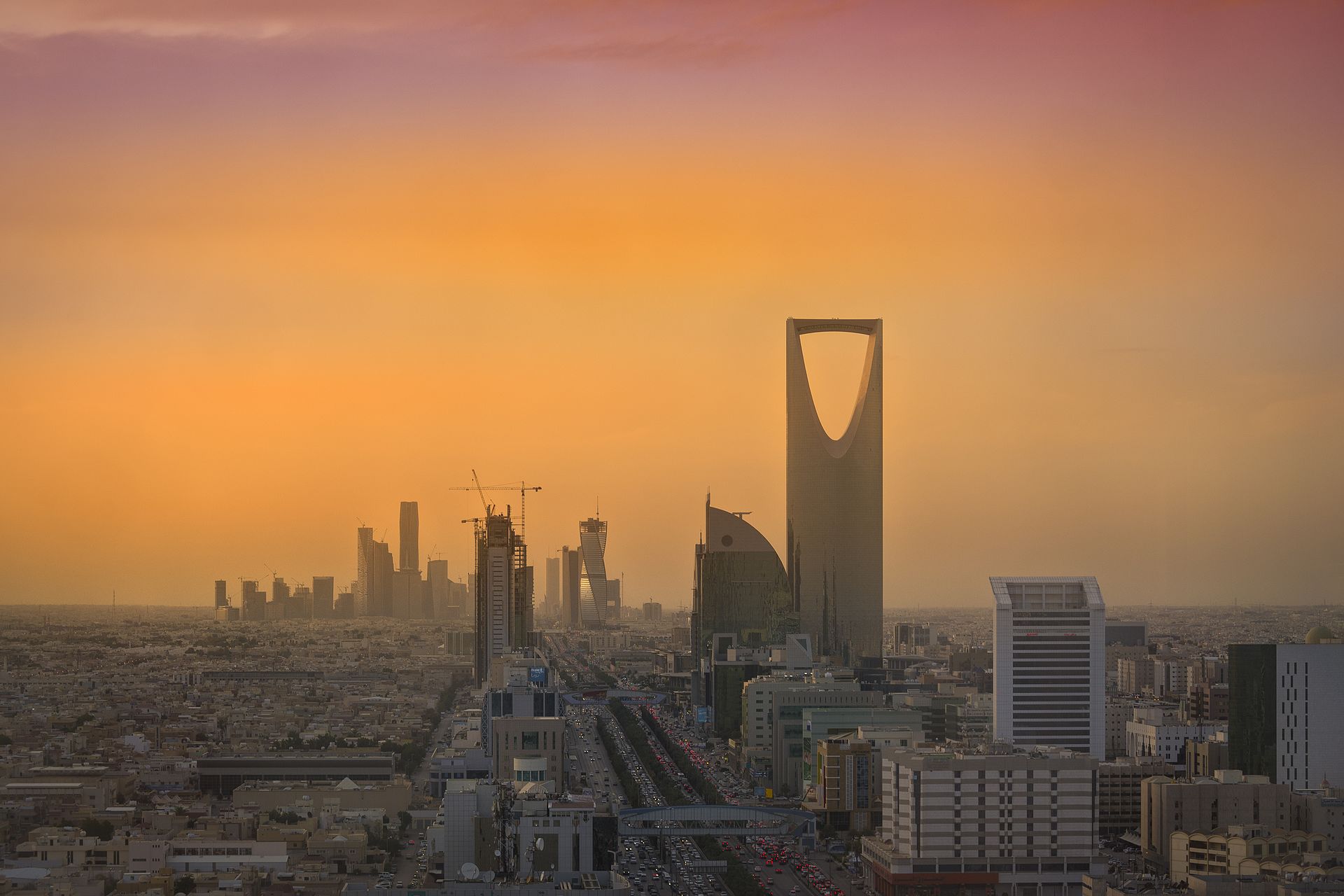
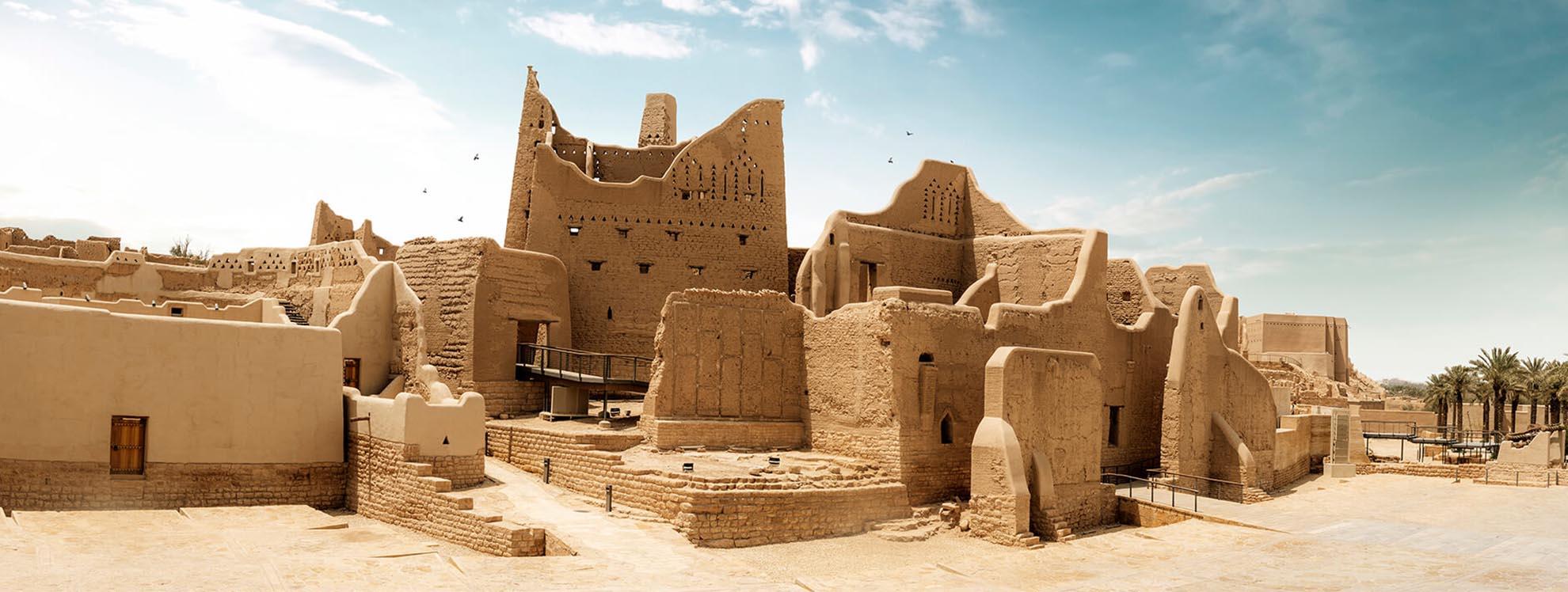
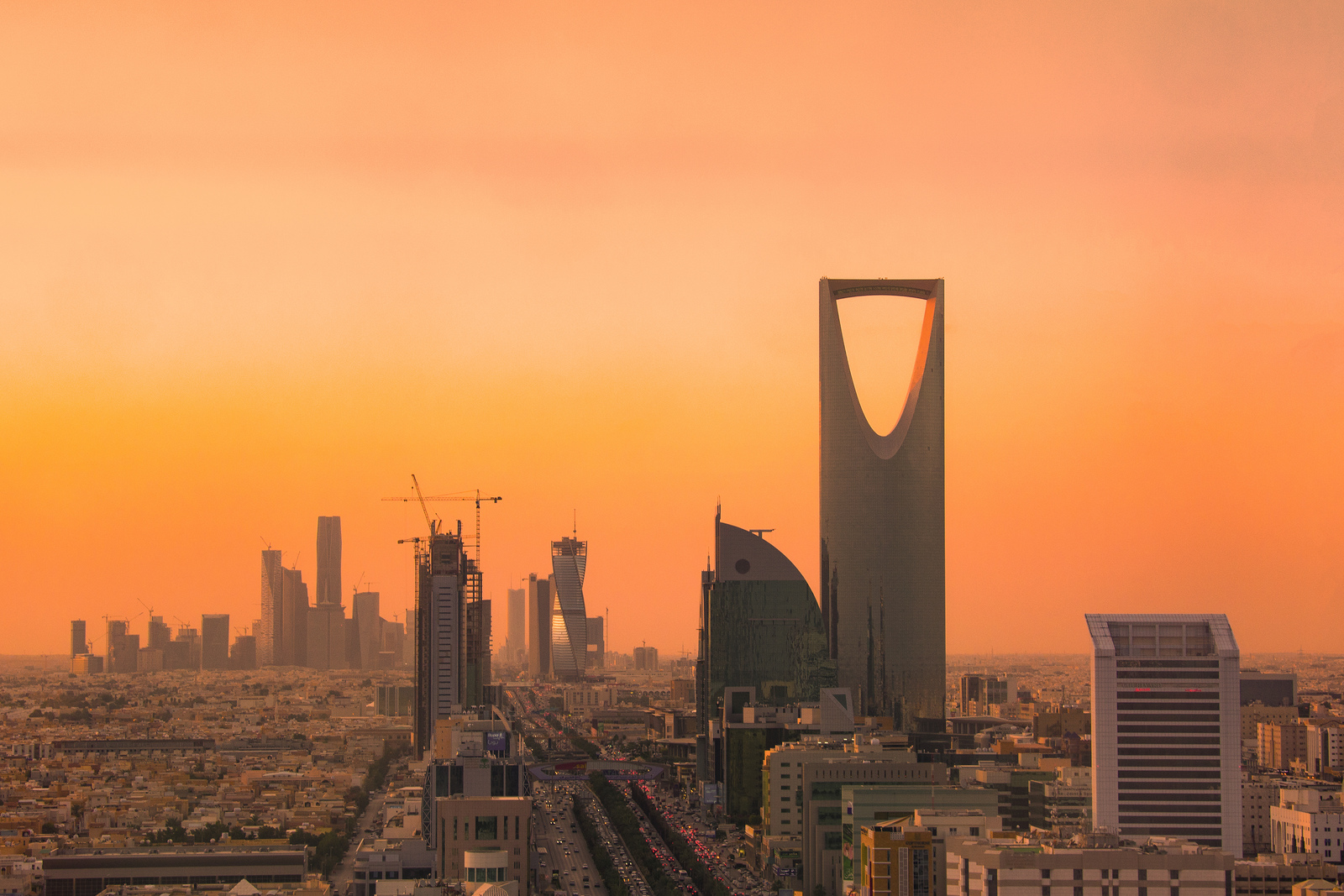
Must-See: KAFD and Kingdom Tower in Riyadh, Diriyah Gate heritage quarter for client entertainment
Avoid: Scheduling meetings during prayer times or arriving in Ramadan without preparation
The Saudi Business Mindset: Relationships Before Transactions
The single most important thing to understand about Saudi business culture is that relationships come before transactions. In Western business environments, professionals often dive straight into agendas, data, and deliverables. In Saudi Arabia, this approach signals that you do not understand what matters. Trust and personal rapport are prerequisites to serious negotiation — rushing to the agenda tells your Saudi counterpart that you value the deal more than the relationship.
This is not a formality. Saudi decision-makers routinely choose business partners they know and trust over those offering marginally better terms. Building that trust requires patience, multiple meetings, and a genuine willingness to invest time in conversation that has nothing to do with the contract on the table. Expect the first meeting — sometimes the first two or three — to be primarily social. Topics will range from family and health to travel, sport, and current affairs. Embrace this process. It is not small talk; it is due diligence.
Under Vision 2030, Saudi Arabia is actively courting foreign investment and international partnerships. The business environment is becoming more transparent and globally integrated, with new regulatory frameworks, digital government services, and a growing cohort of Western-educated Saudi executives. But the cultural foundation of relationship-first business has not changed — if anything, the influx of foreign companies competing for Saudi partnerships means that cultural competence is now a competitive advantage.
Greetings and First Impressions
The Handshake and Salaam
The standard business greeting between men is a firm handshake accompanied by “As-salamu alaykum” (peace be upon you). The correct reply is “Wa alaykum as-salam” (and upon you, peace). This Islamic greeting is used universally regardless of the faith of the speaker — using it shows respect and cultural awareness.
Among Saudi men who have built a relationship, you may encounter a lighter handshake held for longer than Westerners expect, sometimes accompanied by a touch of the right hand to the heart afterward. This gesture signals warmth and sincerity. Do not pull your hand away abruptly.
Greeting Women in Business
Saudi Arabia’s business landscape has changed significantly. Women hold senior positions across government ministries, banks, investment firms, and tech companies. When greeting a Saudi businesswoman, wait for her to extend her hand first. If she does not offer a handshake, place your right hand over your heart and offer a respectful verbal greeting. Never assume physical contact is appropriate. Many Saudi women in business settings do shake hands; many prefer not to. Follow her lead.
Titles and Forms of Address
Use formal titles until explicitly invited to do otherwise. Address someone as “Sheikh” (for senior or traditional figures), “Doctor” (for PhDs and MDs), or the standard “Mr./Mrs.” followed by their first name — not their family name. In Saudi naming convention, the first name is the personal name, so “Mohammed Al-Rashid” is addressed as “Mr. Mohammed” or “Sheikh Mohammed,” not “Mr. Al-Rashid.” If your counterpart holds a government title (Your Excellency, Minister), use it. When in doubt, ask your local contact how to address senior attendees before the meeting.
What to Wear: Business Dress Code
Saudi business environments are formally dressed. Getting this wrong creates an immediate credibility problem. For detailed guidance on clothing for every situation in the Kingdom, see our complete Saudi dress code guide.
Men’s Business Attire
International male visitors should wear a dark, well-tailored suit with a tie for formal meetings, board presentations, and government engagements. For less formal business settings — site visits, working lunches, industry conferences — a blazer with trousers and an open collar is acceptable. Avoid shorts, sandals, or overly casual clothing in any professional context. Your Saudi counterparts may wear the traditional thobe (a white ankle-length garment) with a ghutrah (headdress) — this is formal business attire in Saudi Arabia, equivalent to a Western suit. For more detail, see our men’s dress code guide.
Women’s Business Attire
Female business visitors should wear conservative, professional clothing: long-sleeved blouses or blazers with trousers or skirts that fall below the knee. An abaya is no longer legally required for foreign women in most Saudi cities, but many professional women — both Saudi and expatriate — still wear one over business attire for client-facing meetings as a sign of cultural respect. A headscarf is not expected or required for non-Muslim women in business settings. Avoid tight, sheer, or low-cut clothing. For comprehensive advice, see our women’s dress code guide.
Meeting Culture: What to Expect
Scheduling and Timing
The Saudi business week runs Sunday to Thursday. Friday and Saturday are the weekend. Most offices operate from 8:00 AM to 5:00 or 6:00 PM, though government offices may close earlier and private-sector firms in industries like finance or tech may run later. Schedule meetings mid-morning (10:00–11:30 AM) or mid-afternoon (2:00–3:30 PM) to avoid prayer times and lunch.
Saudi Arabia observes five daily prayers, and business activity pauses for each one — typically for 15 to 30 minutes. Prayer times shift daily based on the solar calendar. Meetings will be interrupted for prayer, and shops and restaurants close briefly. This is non-negotiable and never commented upon. Plan around it.
Practical tip: Download a prayer-time app (such as Muslim Pro or Al-Moazin) before your trip. It will show you the exact prayer windows for each day so you can schedule around them.
Punctuality and Patience
Arrive on time — punctuality shows professionalism. But be prepared to wait. It is common for Saudi executives to keep visitors waiting 15 to 30 minutes, and meetings rarely start at the scheduled minute. This is not disrespect; it reflects a polychronic time orientation where relationships and flexibility take precedence over rigid schedules. Do not show frustration. Use the time to review your notes or build rapport with other attendees.
The Meeting Itself
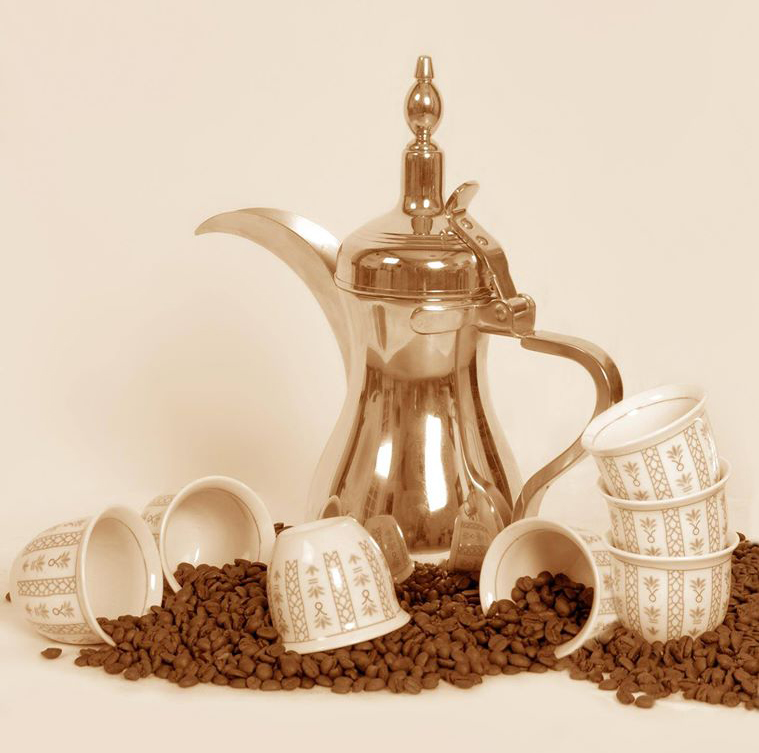
Expect the first 15 to 30 minutes to be dedicated to conversation unrelated to business. Your host will offer Arabic coffee (qahwa) served from a traditional dallah pot into small handleless cups, along with dates, tea, or other refreshments. Always accept — declining hospitality is considered rude. When you have had enough coffee, gently shake the cup side to side to signal that you do not want a refill.
Business discussions will begin when your host is ready. Presentations should be clear and professional but not overly data-heavy in the first meeting — the focus is still on establishing trust. Bring printed materials and business cards. Avoid aggressive sales tactics or ultimatums. Saudi decision-making is consultative and hierarchical, meaning the person in the room may need to consult family members, partners, or superiors before committing. Do not press for an immediate answer.
Business Cards
Business cards remain important in Saudi business culture. Have yours printed with English on one side and Arabic on the other — this shows respect and preparation. Present your card with your right hand (or both hands), Arabic side facing the recipient. When you receive a card, study it for a moment before placing it on the table or in a cardholder. Do not write on it or stuff it directly into a pocket.
Negotiation: Patience Is Strategy
Saudi negotiations are characteristically unhurried. A deal that might take two weeks in London or New York can take two months in Riyadh — and that timeline is normal, not a problem. Decisions often involve consultation across family networks, government contacts, and advisory circles. Pushing for faster timelines signals desperation and erodes trust.
Key negotiation principles to observe:
- Never issue ultimatums. Saudis will walk away from a deal rather than accept a deadline that feels coercive.
- Expect indirect communication. A Saudi counterpart may say “Inshallah” (God willing) or “We will look into it” rather than a direct “no.” Learn to read context and tone rather than relying on explicit statements.
- Relationships carry over. Even if a deal falls through, maintaining the relationship is valuable. Saudi business networks are tightly connected — today’s rejected partner may refer you to tomorrow’s biggest client.
- Hierarchy matters. The most senior person in the room holds decision-making authority. Direct your key points and proposals to them, even if junior staff are doing most of the talking.
- Written agreements are important — but oral commitments carry genuine weight. A Saudi businessperson who gives their word considers it binding. Honour yours the same way.
- High-quality oud or bukhoor (incense) — deeply valued across Saudi culture
- Premium dates or specialty sweets from your home country
- Luxury pens, leather goods, or desk accessories from well-known brands
- Beautifully bound books about your home country, industry, or a subject of shared interest
- Fine perfume (non-alcohol-based if possible)
- Eat with your right hand. The left hand is traditionally considered unclean. Even left-handed people should make an effort to use the right hand for eating and passing dishes.
- Follow your host’s lead on seating, when to begin eating, and the pace of the meal.
- If dining on the floor in a traditional setting (mandi or kabsa served on a communal platter), sit cross-legged and never point the soles of your feet toward anyone or the food.
- Compliment the food — it reflects well on your host’s hospitality. But do not over-praise a specific dish or item in your host’s home, as tradition may compel them to give it to you.
- Alcohol is prohibited in Saudi Arabia. Do not ask for it, joke about it, or bring it as a gift. Business meals revolve around food, conversation, and coffee or tea.
- Working hours are legally shortened to six hours per day for Muslim employees. Most offices operate from around 10:00 AM to 3:00 PM.
- No eating, drinking, or smoking in public between dawn and sunset — this applies to everyone in the Kingdom, regardless of religion. Doing so is disrespectful and can result in a fine.
- Business activity shifts to evenings. After iftar (the sunset meal that breaks the fast), Saudi cities come alive. Many business meetings and social gatherings happen between 9:00 PM and midnight.
- Decision-making slows. Energy levels drop during fasting hours, and many executives take extended leave or work reduced schedules. Do not expect rapid responses to proposals sent during Ramadan.
- Gender-segregated spaces still exist in some traditional settings, but modern corporate offices, hotels, and conference venues are fully mixed.
- Business meetings with male counterparts are routine and expected. There is no need for a male chaperone or intermediary.
- Ride-hailing apps (Uber and Careem) are the safest and most convenient transport option for solo business travellers.
- Hotels in business districts cater fully to solo female travellers. See our hotels guide for recommendations.
- Criticising Islam, the Royal Family, or Saudi politics. These are absolute red lines. Even casual or humorous remarks will end a business relationship permanently.
- Showing the soles of your shoes or feet. This is considered deeply disrespectful across Arab culture. Be mindful of your posture when seated, particularly on low furniture.
- Using your left hand to pass documents, business cards, or food. Always use the right hand.
- Scheduling over prayer times. Never express impatience when a meeting pauses for prayer.
- Discussing a counterpart’s wife or female family members. Ask about “family” in general terms, not about specific individuals.
- Photographing people without permission — especially in government buildings or traditional settings. See our photography rules guide for more detail.
- Bringing prohibited items. Alcohol, pork products, and certain medications are restricted. Check our customs rules guide before packing.
- Saudisation (Nitaqat): The government requires companies to employ a minimum percentage of Saudi nationals. This affects hiring strategies and partnership structures.
- New economic cities and zones: NEOM, the Red Sea project, and KAFD are creating entirely new business ecosystems with distinct regulatory frameworks.
- Digital government: Many business registrations, licences, and approvals are now handled online through platforms like the Ministry of Investment’s portal.
- Entertainment and tourism: Sectors that were previously restricted — entertainment, tourism, sports — are now open for investment, creating opportunities in hospitality, events, and leisure infrastructure.
- Accountability and governance: Anti-corruption measures have intensified since 2017. Transparency, compliance, and proper documentation are more important than ever.
- Saudi Arabia Business Travel Guide — Complete logistics guide for business visitors
- Saudi Arabia Dress Code — What to wear in every situation across the Kingdom
- Essential Arabic Phrases — Key phrases for business and travel
- Saudi Etiquette and Cultural Customs — Social norms beyond the boardroom
- Saudi Arabia Travel Guide 2026 — The complete guide to visiting the Kingdom
- Saudi Arabia Visa Guide — Every visa type explained
Gift-Giving Etiquette
Gifts are not expected at first meetings but are appreciated as the business relationship develops. When the time is right, appropriate gifts include:
Never give: alcohol, pork products, anything made from pigskin, knives or sharp objects (symbolise severing of a relationship), or personal items for a wife or female family member. Present gifts with your right hand or both hands. Your host may not open the gift in front of you — this is normal Saudi etiquette and not a sign of indifference.
Business Dining: Meals as Meetings
Business meals — particularly lunch and dinner — are an extension of the meeting room. Lunch is the main meal in Saudi culture, often served between 1:00 and 3:00 PM. Dinner can run late, sometimes starting at 9:00 or 10:00 PM. If invited to a restaurant or home, accept — it is a significant gesture of trust.
Table Manners
For recommendations on where to host business meals, see our Riyadh travel guide and Jeddah travel guide, both of which feature restaurant sections suited to business entertaining.
Ramadan: The Rules Change
Ramadan — the Islamic holy month of fasting — transforms the Saudi business calendar. If your trip falls during Ramadan, specific adjustments are essential. For broader guidance on timing your visit to Saudi Arabia, see our seasonal planning guide.
What Changes During Ramadan
Practical tip: If you must travel during Ramadan, schedule meetings for late morning and keep them brief. The most productive business conversations will happen at iftar dinners — being invited to one is a mark of real trust. Accepting an iftar invitation is highly recommended.
Essential Arabic Phrases for Business
You do not need to speak Arabic to do business in Saudi Arabia — English is widely spoken in professional settings, particularly in Riyadh, Jeddah, and the Eastern Province. However, using a few Arabic phrases demonstrates respect and effort. For a comprehensive list, see our essential Arabic phrases guide.
| English | Arabic (Transliterated) | When to Use |
|---|---|---|
| Peace be upon you | As-salamu alaykum | Universal greeting — always appropriate |
| And upon you, peace | Wa alaykum as-salam | Reply to the above greeting |
| Welcome | Ahlan wa sahlan | Greeting a guest or being greeted |
| Thank you | Shukran | After receiving hospitality, gifts, or assistance |
| God willing | Inshallah | When discussing future plans or commitments |
| Praise God / Excellent | Mashallah | Complimenting an achievement or good news |
| Please | Min fadlak (m) / Min fadlik (f) | Making a request politely |
| My name is… | Ismi… | Introducing yourself |
| How are you? | Kayf halak (m) / Kayf halik (f) | After initial greeting, before business discussion |
| In the name of God | Bismillah | Before eating or starting something important |
The Role of Wasta: Understanding Influence Networks
Wasta — roughly translated as “connections” or “influence” — is a foundational concept in Saudi business culture. It refers to the network of personal and family relationships that facilitate introductions, approvals, and opportunities. Wasta is not corruption; it is the social infrastructure through which trust is verified and risk is assessed.
For foreign business visitors, this means that who introduces you matters enormously. A cold approach — an unsolicited email or LinkedIn message — carries far less weight than an introduction through a mutual contact. If you are entering the Saudi market for the first time, invest in finding the right local partner, advisor, or sponsor who can make warm introductions. Your embassy’s commercial section, chambers of commerce, and industry-specific trade missions are good starting points.
Women in Saudi Business
Saudi Arabia’s business landscape has undergone a remarkable transformation for women in recent years. Female workforce participation has risen from around 17% in 2017 to over 35% by 2025, exceeding the original Vision 2030 target of 30%. Women now hold positions as bank CEOs, government ministers, investment fund managers, and tech entrepreneurs.
For visiting businesswomen, Saudi Arabia is a professional and welcoming environment. Practical considerations include:
Business Travel Logistics
Getting There and Getting Around
Most business visitors fly into King Khalid International Airport (RUH) in Riyadh or King Abdulaziz International Airport (JED) in Jeddah. For the Eastern Province — home to Saudi Aramco and the petrochemical sector — King Fahd International Airport (DMM) in Dammam is the gateway. See our visa guide for the business visit visa process and e-visa eligibility.
Within cities, Uber and Careem are reliable and widely used. For inter-city travel, domestic flights connect Riyadh, Jeddah, and Dammam in under two hours. The Haramain High-Speed Railway links Jeddah to Makkah and Madinah.
Connectivity and Payments
Arrange a local SIM card or eSIM before arrival for reliable data and calls — see our SIM card guide and eSIM guide. Saudi Arabia is largely cashless in business settings; international credit cards are accepted everywhere. For ATM access and currency information, see our currency guide.
Where to Stay
For business travel, Riyadh’s Olaya district and Diplomatic Quarter offer the highest concentration of five-star hotels, corporate offices, and government ministries within walking or short driving distance. In Jeddah, the Corniche and Al-Hamra districts are the business centres. See our hotels guide for curated recommendations by city and budget, and our comprehensive business travel guide for a complete planning resource.
Common Mistakes to Avoid
Even experienced international travellers can misstep in Saudi Arabia. These are the errors that most commonly damage business relationships:
Vision 2030 and the Changing Business Landscape
Saudi Arabia’s business environment is evolving rapidly under Vision 2030. Foreign investors and business partners should be aware of several structural shifts:
If you are visiting Saudi Arabia for the first time, our first-time visitor guide covers the practical essentials, while our safety guide addresses security considerations.