
Jeddah is Saudi Arabia’s commercial gateway — a Red Sea port city where international trade, Vision 2030 investment, and centuries of merchant tradition converge. Whether you are flying in for a single meeting or spending a week building relationships with Saudi partners, this guide covers everything a business traveller needs: where to stay, where to meet, how to navigate local etiquette, and what to do when the workday ends. Consider it part of a broader Jeddah travel itinerary tailored specifically for the corporate visitor. With direct flights from every major global hub, a rapidly modernising infrastructure, and a business culture that rewards patience and personal connection, Jeddah is one of the most rewarding — and distinctive — business destinations in the Middle East.
Best Time to Visit: October to March (cooler temperatures, 22–30°C; avoid Ramadan for peak productivity)
Getting There: King Abdulaziz International Airport (JED) — direct flights from London, New York, Dubai, Singapore, and 100+ destinations
Visa Required: Yes — tourist e-visa covers meetings and conferences; business visa for commercial work
Budget: $150–$500/day (mid-range to luxury hotel, meals, transport)
Must-See: King Road Tower business district, Jeddah Corniche, Al-Balad historic quarter
Avoid: Scheduling critical meetings during prayer times or the last two weeks of Ramadan
Why Jeddah for Business
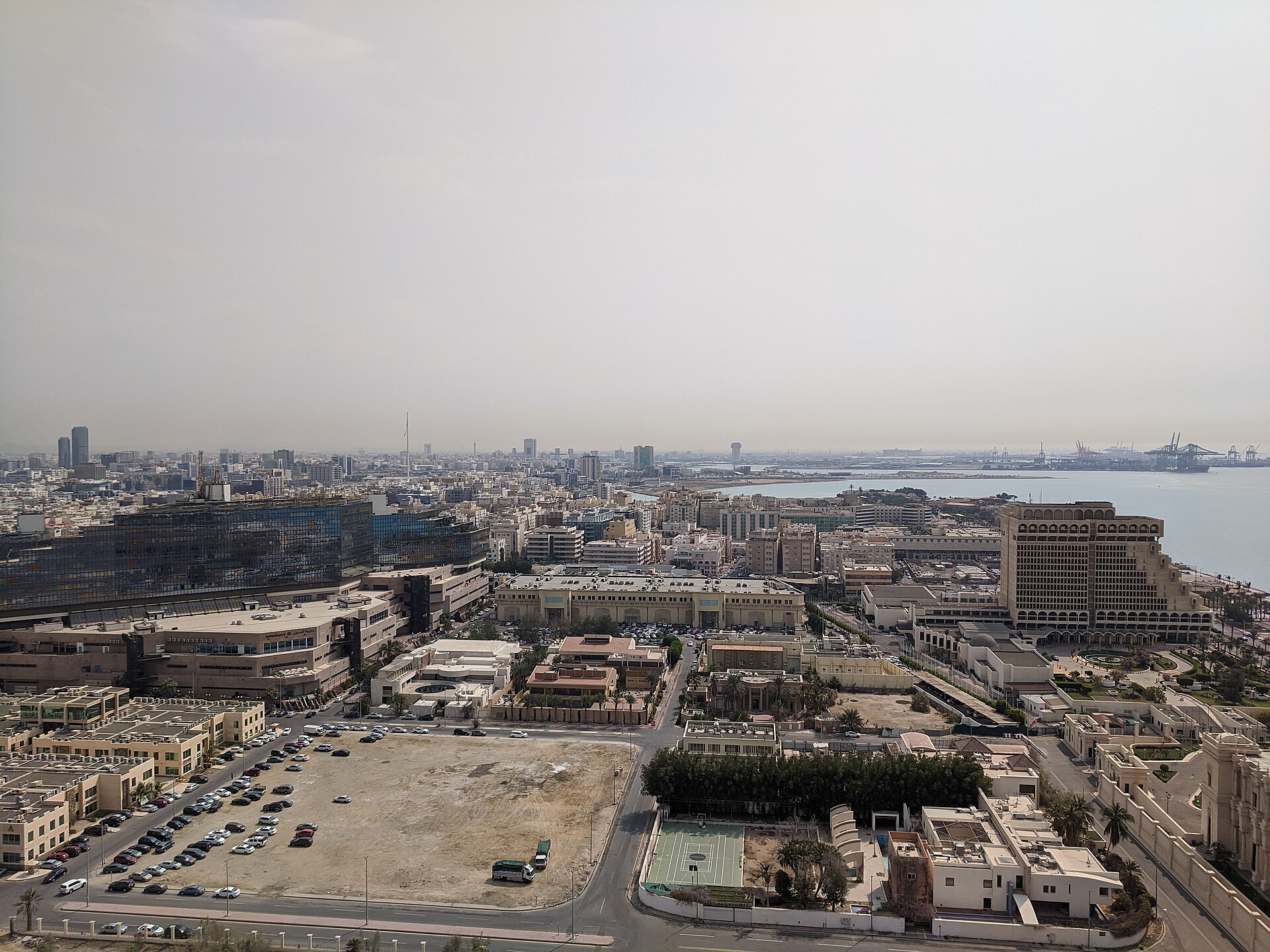
Jeddah is Saudi Arabia’s second-largest city and its traditional commercial capital. While Riyadh houses the government ministries and sovereign wealth funds, Jeddah drives the Kingdom’s private sector. The city is home to the Jeddah Chamber of Commerce and Industry (one of the oldest in the Arab world, founded 1946), major trading houses, the headquarters of the Islamic Development Bank, and a fast-growing technology and startup ecosystem energised by Vision 2030.
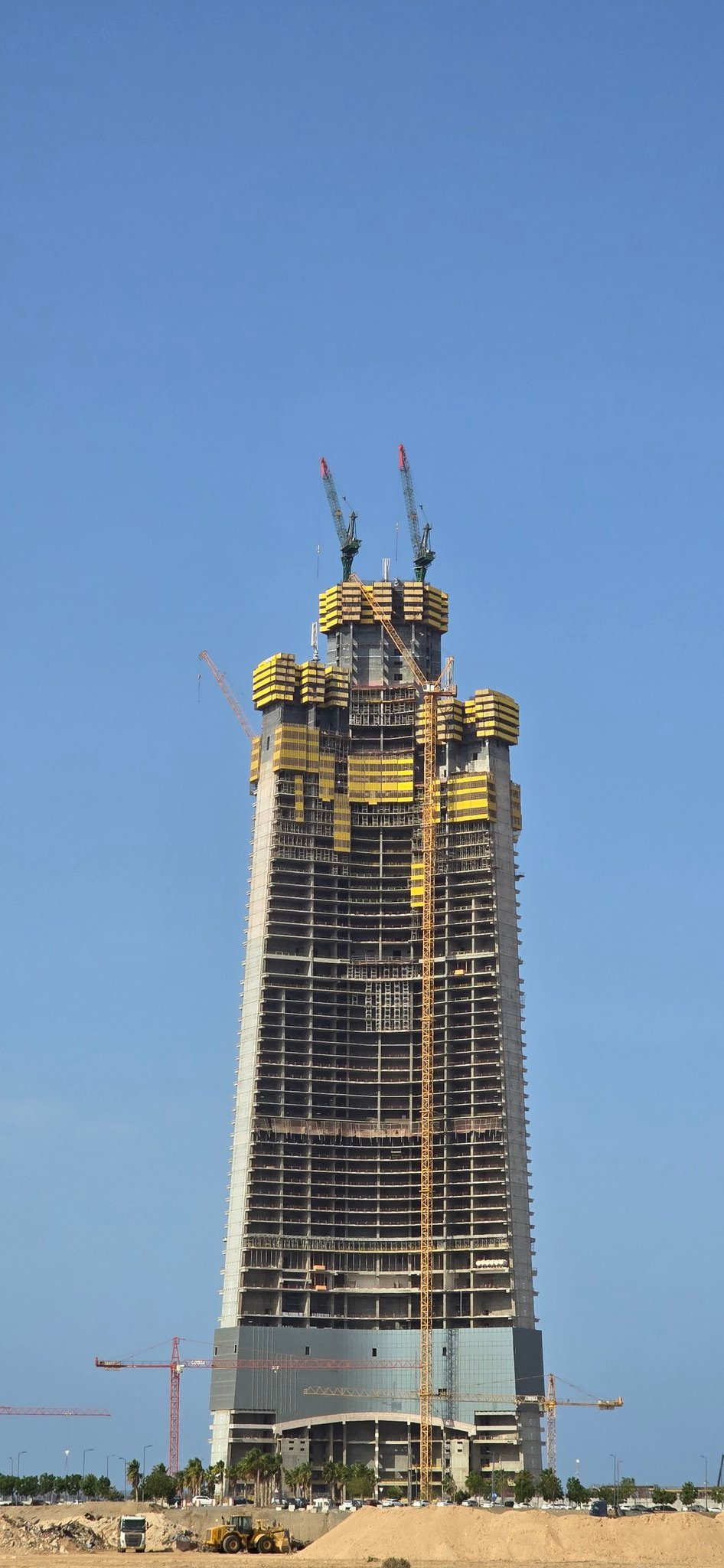
The numbers are compelling. Saudi Arabia is targeting $1.3 trillion in foreign direct investment by 2030 under Crown Prince Mohammed bin Salman’s economic diversification programme. Jeddah sits at the centre of several mega-projects: the Jeddah Tower (set to become the world’s tallest building upon completion), the Jeddah Central waterfront development, and the Kingdom’s Red Sea tourism corridor. For business travellers, this means a city in rapid transformation — new hotels, new conference venues, and a growing appetite for international partnerships across tourism, technology, renewable energy, entertainment, and logistics.
Jeddah also has a cultural advantage. As a historic port city and gateway for Hajj pilgrims, it has absorbed influences from across Africa, South Asia, Southeast Asia, and the Levant for centuries. This cosmopolitan DNA makes it arguably Saudi Arabia’s most internationally comfortable city for foreign business visitors. You can explore its rich heritage in the Al-Balad historic district, a UNESCO World Heritage Site, or unwind along the Jeddah Corniche waterfront after a day of meetings.
Business Districts and Key Areas
Understanding Jeddah’s commercial geography will help you plan meetings efficiently and choose the right hotel.
King Abdulaziz Road (King Road) Corridor
The most important commercial avenue in Jeddah. The landmark King Road Tower — a 37-storey, 170-metre skyscraper — anchors this district with 36 floors of commercial and office space housing companies in finance, technology, and healthcare. Servcorp operates premium serviced offices and co-working space on Level 26 with Red Sea views. The tower also features one of the world’s largest LED screens at nearly 10,000 square metres. If your meetings are in central Jeddah, this is likely where they will be.
Corniche and Al Hamra District
The waterfront strip along Corniche Road is home to major international hotels — InterContinental, Park Hyatt, Shangri-La — and a growing number of commercial towers. The Corniche Commercial District links Jeddah’s northern and southern business zones and offers the highest-profile addresses in the city. Many firms hold client dinners at restaurants overlooking the Red Sea here. The Jeddah Corniche itself stretches over 30 kilometres and is worth walking in the cooler evening hours.
Tahlia Street (Prince Mohammed bin Abdulaziz Street)
Jeddah’s upscale commercial and retail boulevard. Office towers, high-end shopping, and top restaurants cluster along Tahlia Street. The Movenpick Hotel Tahlia sits at its centre. Startups and creative agencies increasingly share this corridor with established corporations, giving it an energetic feel distinct from the more formal King Road district.
Al Shate’e (Al Shati) District
North Jeddah’s prime waterfront business and hospitality zone, home to the Jeddah Hilton, Sheraton, and newer developments. This area is popular with conference organisers and is close to the Jeddah Superdome.
Madinah Road Corridor
The north-south artery connecting the airport to the Jeddah Superdome and major business parks. Budget and mid-range business hotels cluster along this road, making it a practical choice if you need easy airport access without the premium of a Corniche address.
Conference and Meeting Venues
Jeddah has invested heavily in conference infrastructure. These are the major venues you are likely to encounter — or should consider when hosting your own events.
Jeddah Superdome
The world’s largest geodesic dome: 210 metres in diameter, 46 metres high, covering 34,636 square metres with a 40,000-seat capacity. Located on Madinah Road near King Abdullah Sports City, minutes from the airport. The Superdome hosts international conferences, exhibitions, and trade shows including the annual Jeddah Construct and Hajj Conference & Exhibition. Its scale makes it suitable for events that would overwhelm smaller venues.
Jeddah Centre for Forums and Events (JCFE)
Operated by the Jeddah Chamber of Commerce and Industry, the JCFE offers 40,000 square metres of total space with 10,000 square metres of air-conditioned exhibition halls. Facilities include dedicated conference halls, a press centre, VIP lounges, restaurants, and parking for over 2,000 vehicles. Adjacent to King Abdulaziz International Airport, making it ideal for attendees arriving from abroad. This is where many government-linked and chamber-organised business events take place.
Major Hotel Conference Facilities
The Jeddah Hilton Hotel on the North Corniche has 11 meeting rooms and three ballrooms (including Hilton Hall and Al Qasr Ballroom), accommodating events for up to 3,500 guests. The Executive Lounge works well for smaller meetings. The InterContinental Jeddah on Corniche Road offers a full business centre with computers, printing, and business services, plus advanced in-room facilities for working guests. Most five-star hotels in Jeddah maintain at least basic meeting-room facilities that can be booked at short notice.
Where to Stay: Business Hotels
Location matters in Jeddah. Choose a hotel near your meeting venues to avoid rush-hour traffic, which can add 30–60 minutes to a 10-kilometre journey. For a broader look at accommodation options across the Kingdom, see the Saudi Arabia Hotels Guide.
| Hotel | Location | From (USD/night) | Best For |
|---|---|---|---|
| Park Hyatt Jeddah — Marina, Club & Spa | Al Hamra, Southern Corniche | ~$385 | Premium client entertainment, Red Sea views, marina access |
| Shangri-La Jeddah | Central Jeddah, Corniche | ~$500 | Top-tier luxury, rooftop pool, 24-hour business centre |
| Waldorf Astoria Jeddah — Qasr Al Sharq | Entertainment district | ~$397 | Historic Arabian architecture, premium business facilities |
| Rosewood Jeddah | Central Jeddah | ~$299 | Modern elegance, quieter location for focused work |
| Assila, a Luxury Collection Hotel | Near King Fahd Fountain | ~$236 | Arabian-style luxury, close to Jeddah Mall |
| InterContinental Jeddah | Corniche Road, Al Hamra | ~$110 | Strong value, full business centre, King Fahd Fountain views |
| Movenpick Hotel Tahlia Jeddah | Tahlia Street | ~$106 | Central commercial location, modern design, best mid-range |
Tip: Most Jeddah business hotels offer corporate rates 15–25% below rack rate for stays of three nights or more. Contact the hotel’s corporate sales team directly rather than booking through consumer platforms — this also gets you access to meeting rooms and late checkout.
Getting to and Around Jeddah
King Abdulaziz International Airport (JED)
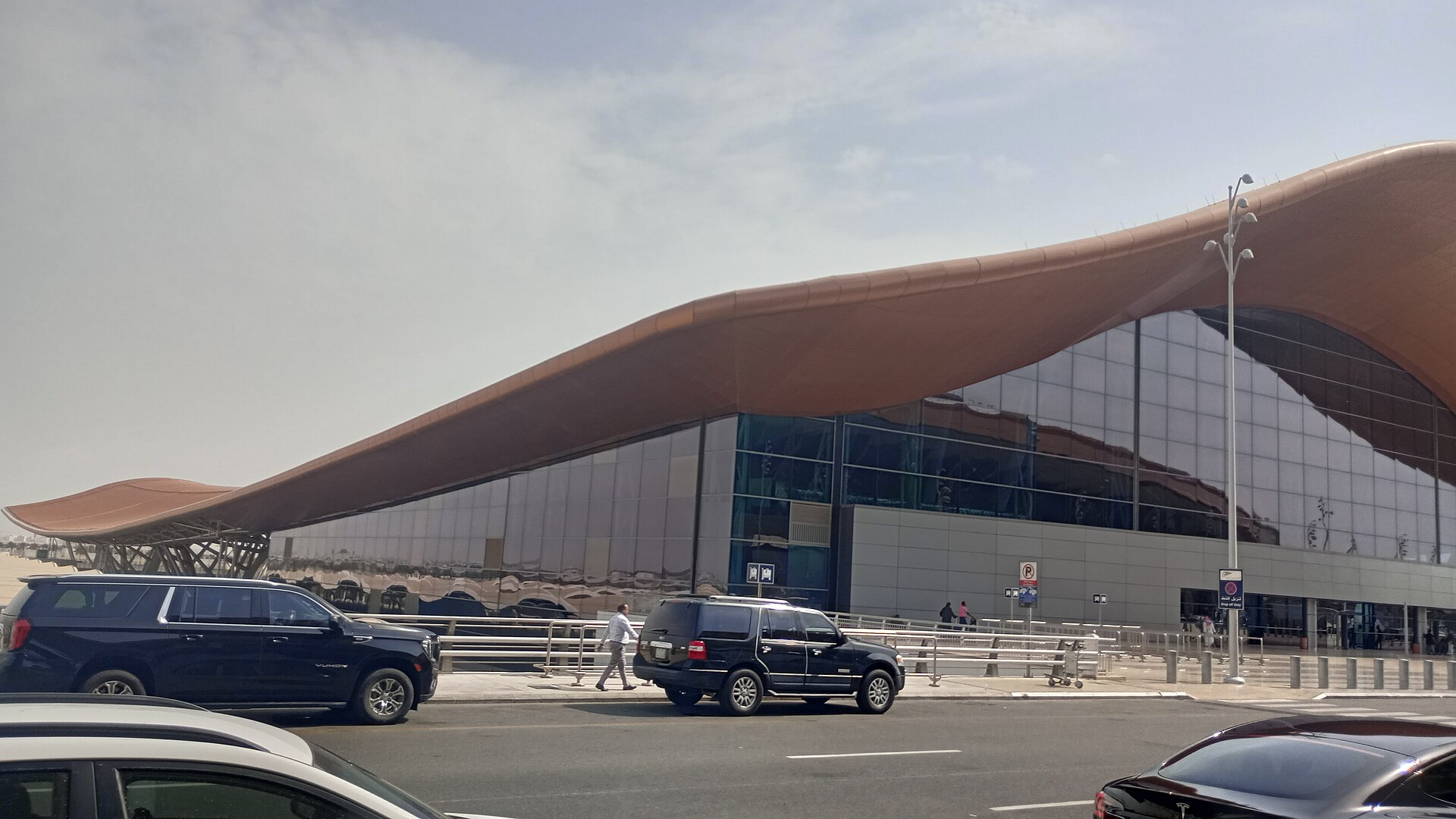
King Abdulaziz International Airport is located approximately 19 kilometres north of the city centre. Terminal 1 handles most international full-service airlines and is one of the largest airport terminals in the world. The Haramain High-Speed Railway station is integrated into Terminal 1, connecting Jeddah to Mecca, Medina, and King Abdullah Economic City — useful if your trip includes meetings in multiple Saudi cities.
Business travellers from 66 eligible countries (including the US, UK, EU, Canada, Australia, Japan, and Singapore) can obtain a tourist e-visa online before departure or on arrival. This visa covers attending meetings and conferences. For commercial work beyond meetings, your Saudi host company will need to arrange a dedicated business visit visa through the Ministry of Foreign Affairs.
Airport Transfers and Transport
- Uber and Careem: Both operate in Jeddah with transparent pricing. Airport to city centre: SAR 50–100 (~$13–27), 30–40 minutes depending on traffic. Careem (acquired by Uber in 2020) often has more available drivers in Saudi Arabia.
- Licensed taxis: Available at all terminals. Airport to city centre: SAR 80–120 (~$21–32). Negotiate the fare or insist on the meter before departure.
- Car rental: All major international brands operate at the airport. Useful for multi-day trips or if meetings span different districts. Women can drive in Saudi Arabia (legal since June 2018).
- Hotel transfers: Most five-star hotels offer airport pickup. Arrange in advance — typically SAR 150–250 (~$40–67) for a sedan.
- Niyyali — Shangri-La Hotel. Modern Lebanese cuisine in a grand setting with chandeliers, Red Sea views, and views of the Jeddah F1 circuit. Upscale and quiet, ideal for impressing clients.
- Rasoi by Vineet — Michelin-starred chef Vineet Bhatia’s Indian fine dining. A modern reimagining of classic Indian flavours in an elegant setting.
- The Globe Restaurant — Fine dining with a revolving interior offering sweeping Red Sea views. Steak, seafood, and gourmet desserts. A dramatic choice for a celebratory dinner.
- San Carlo Cicchetti — Ar Rawdah district. Venetian small-plate sharing concept with elegant atmosphere. Good for relationship-building meals where conversation matters more than formality.
- MYAZU — Elegant Japanese dining (sushi, tempura, Wagyu beef). Traditional Japanese design with modern feel. Quick, high-quality service suits the business lunch format.
- Sakura at Crowne Plaza — Teppanyaki and sushi. Quiet, popular with the corporate lunch crowd. Signature bento boxes offer efficient yet impressive options.
- Alaaly Seafood Restaurant — City Yard business park. Won Time Out Jeddah “Best Seafood Restaurant” for 2024 and 2025. Guests are greeted with traditional Arabic coffee and dates — a natural icebreaker for business meals.
- Servcorp — King’s Road Tower, Level 26: Premium co-working with Red Sea views, private offices, virtual office options, and business lounges. Day passes available. The address itself carries weight on a business card.
- Regus — Quartz Building: International brand offering flexible plans from single desks to full floors. Sea views from the fourth floor. Familiar format for travellers who use Regus globally.
- Basix Coworking Space: Hot desks, dedicated desks, sound studio, smart offices with IP telephony, and Jeddah skyline views. More startup-oriented but well-equipped.
- Zahran Business Centre: Prince Sultan Street. An all-glass landmark building with offices and parking. A more traditional serviced-office model for those who prefer privacy.
- Jeddah Tower: When completed, it will be the world’s tallest building at over 1,000 metres, anchoring the Jeddah Economic City development north of the city.
- Jeddah Central: A massive waterfront development transforming the city’s old airport site into a mixed-use district with residential, commercial, and entertainment zones.
- Red Sea Global: The luxury tourism mega-project along the coast north of Jeddah, creating demand for hospitality, construction, technology, and service providers.
- Entertainment and sports: Jeddah hosts the Saudi Arabian Grand Prix on the Corniche Circuit, plus boxing, football, and e-sports events drawing international audiences and sponsors.
- Technology and startups: The Saudi government has created special economic zones and regulatory sandboxes to attract tech companies, fintech firms, and digital service providers.
- Jeddah Travel Guide 2026 — The complete guide to Saudi Arabia’s Red Sea gateway
- Jeddah Al-Balad Historic District — Exploring the UNESCO World Heritage heart of old Jeddah
- Jeddah Corniche Guide — Walking, dining, and sunsets along the Red Sea waterfront
- Jeddah F1 Guide — Everything you need to know about the Saudi Arabian Grand Prix
- Saudi Arabia Hotels Guide — The best places to stay across the Kingdom
- Saudi Arabia Travel Guide 2026 — The complete guide to visiting the Kingdom
- Saudi Arabia Visa Guide — Every visa type explained
Traffic warning: Jeddah traffic can be severe during rush hours (7–9 AM and 4–7 PM). Allow extra time for cross-city journeys, especially between the airport and southern districts. The afternoon prayer break (around 12:30–1:30 PM) also creates traffic surges as offices empty and refill.
Saudi Business Culture: What You Need to Know
Saudi business culture operates on principles that will be familiar to anyone who has worked in the Gulf — but with distinct local characteristics that repay careful attention. Getting these right will not just avoid offence; it will materially accelerate your deals.
Relationships Come First
The first meeting is almost never about the deal. Expect 30–45 minutes of small talk about health, family, travel, and shared interests before business topics surface. This is not wasted time — it is the foundation of trust, and trust is how business gets done in Saudi Arabia. Repeat visits build cumulative relationship capital. If you can, visit in person rather than sending a junior colleague.
The Arabic Coffee Ritual
Meetings typically begin with gahwa — Saudi Arabic coffee, a light, cardamom-infused brew served in small handleless cups alongside dates. Sip with your right hand. Three sips is the polite standard. When you have had enough, gently shake or tilt the cup side to side. The host or a server will refill your cup until you signal you are done. This ritual is a cornerstone of Saudi hospitality — engage with it warmly.
Greetings and Titles
Open with “As-salamu alaykum” (Peace be upon you). A firm handshake between men is standard. With women, wait for her to extend her hand first — if she does not, a nod and hand over heart is the respectful alternative. Use titles: Sheikh, Doctor, Engineer. First names come only after the relationship has warmed.
Meeting Timing and Prayer
Arrive 10–15 minutes early. Your Saudi counterpart may arrive later — this is not disrespectful, it is normal. Meetings may not start or end on schedule. Interruptions from phone calls or visitors (especially for the senior person) are common and should be accepted gracefully. All meetings will pause for the five daily Islamic prayers. Shops and some offices close briefly during prayer times. Check a prayer-time app to plan your day.
Dress Code
Men: Conservative business suits with long-sleeved shirts and ties. Dark, well-tailored suits are preferred. Some Saudi counterparts will wear the traditional thobe (white robe) and ghutrah (head covering) — this is their equivalent of a business suit.
Women: Loose-fitting, ankle-length clothing with long sleeves and high necklines. Foreign women are not required to wear abayas or headscarves (this changed under Vision 2030 reforms), though modest dress is expected. A dark blazer over a high-collared blouse works well.
Decision-Making
Decisions flow from the most senior person. Consensus-building takes time. Expect multiple meetings — often three or four — before a commitment. Do not pressure for immediate answers. Patience is not a weakness here; it is a strategic advantage.
Ramadan Considerations
During Ramadan (dates shift annually — in 2026 it falls approximately 18 February to 19 March), working hours are significantly shortened. Most business is conducted after Iftar (the sunset meal). Do not eat, drink, or smoke in public during fasting hours. Avoid scheduling major business trips during the last two weeks of Ramadan and the Eid al-Fitr holiday that follows.
Business Cards
Not strictly essential in the smartphone era, but still appreciated in Saudi Arabia. Print cards in both English and Arabic. Present with the right hand at the start of a meeting. Include your professional title — Saudis pay attention to hierarchy.
Dining for Business
Saudi Arabia does not serve alcohol, so business dining here centres on food, conversation, and hospitality. The quality of Jeddah’s restaurant scene has surged in recent years, with several establishments receiving Michelin recognition.
Fine Dining for Client Entertainment
Business Lunch Options
Tip: Reservations are essential for fine dining, especially on weekends (Friday and Saturday). Use the ReserveOut platform or call ahead. Upscale restaurants expect business casual dress. Dining out is entirely dry — there is no need to navigate wine-list etiquette.
Co-Working Spaces and Serviced Offices
If you need a professional workspace between meetings, Jeddah has a growing co-working ecosystem.
Connectivity and Communications
SIM Cards and Mobile Data
Three operators serve Jeddah: STC (largest coverage), Mobily, and Zain. All have stores at the airport and throughout the city. Tourist prepaid SIM packages range from SAR 70 to SAR 150 (~$19–40) for 15–70 GB of data. Passport required for registration. All three operators support eSIM — you can activate before arrival if your device is compatible. 5G coverage is widespread across Jeddah.
WiFi and VoIP
All major hotels, malls, and business centres offer free WiFi. Airport WiFi is available. WhatsApp, Telegram, and standard messaging apps all work. VoIP services (WhatsApp calls, FaceTime) have been unblocked since 2017. Public WiFi outside hotels is limited and unsecured — use your mobile data or a VPN for sensitive communications.
Currency and Payments
The Saudi Riyal (SAR) is pegged to the US dollar at a fixed rate of SAR 3.75 = $1 USD. This makes budgeting straightforward for dollar-based travellers. Contactless payments are extremely widespread — Saudi Arabia is one of the most cashless-leaning economies in the Middle East. The Mada national debit network, Apple Pay, and Visa/Mastercard contactless are accepted virtually everywhere. ATMs are plentiful and accept international cards. Tipping is not mandatory but appreciated: 10–15% at restaurants if no service charge is included, SAR 5–10 for hotel porters and taxi drivers.
Vision 2030 and Business Opportunities
No business guide to Jeddah is complete without understanding the context. Saudi Arabia is in the midst of the most ambitious economic transformation in its history. Vision 2030, launched in 2016, aims to diversify the economy away from oil dependence. For Jeddah specifically, this means:
For business travellers, the message is clear: Saudi Arabia is actively seeking international partners, and Jeddah is where much of the private-sector action happens. The Saudi Arabia Travel Guide covers the broader context of visiting the Kingdom.
After Hours: What to Do in Jeddah
Building relationships often happens outside the boardroom. Here is how to make the most of your evenings and weekends in Jeddah.
Al-Balad Historic District
The Al-Balad historic quarter is a UNESCO World Heritage Site and Jeddah’s cultural heart. Wander the narrow alleys lined with coral-stone tower houses (some dating to the 16th century), browse traditional souks, and visit the Naseef House museum. It is a natural conversation piece with Saudi hosts and shows genuine interest in their heritage.
Jeddah Corniche
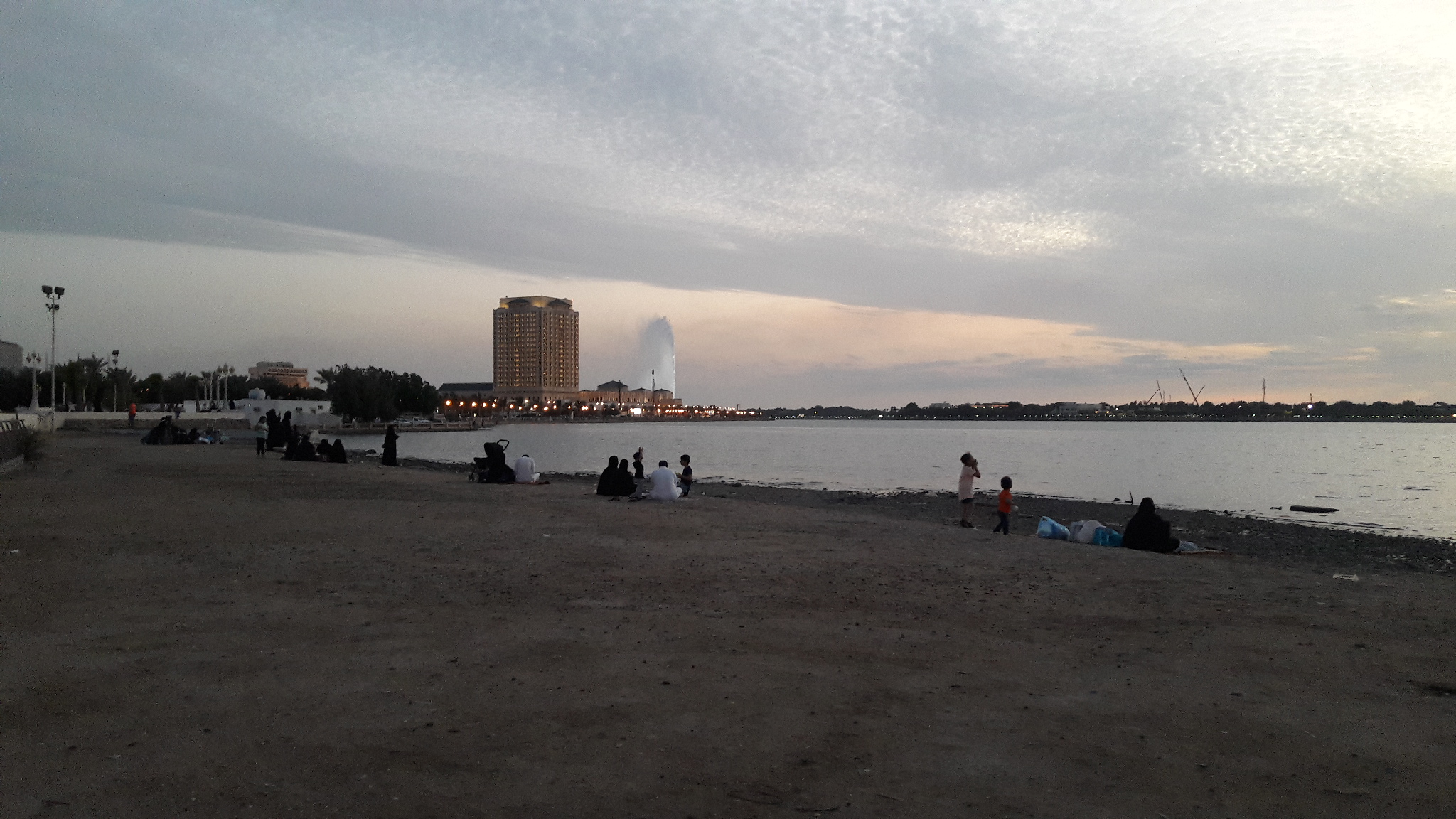
The Jeddah Corniche stretches over 30 kilometres along the Red Sea. The King Fahd Fountain — the world’s tallest water jet, reaching 312 metres — is best seen at night. Walk, cycle, or sit at a waterfront cafe. In cooler months (November to February), the Corniche is at its best in the late afternoon.
Jeddah Season Events
The annual Jeddah Season (typically June–August) brings concerts, festivals, pop-up experiences, and sporting events to the city. If your trip coincides, attending an event is an excellent way to see Saudi Arabia’s entertainment transformation first-hand — and to entertain clients in a relaxed setting.
Shopping
Jeddah offers world-class shopping, from luxury malls (Red Sea Mall, Mall of Arabia) to traditional souks. The Jeddah shopping guide covers the best options for gifts, souvenirs, and high-end retail.
Practical Checklist for Jeddah Business Trips
| Item | Detail |
|---|---|
| Visa | E-visa for meetings; business visa for commercial work (arranged by Saudi host) |
| Currency | SAR (pegged at 3.75/$1 USD). Contactless payments widely accepted. |
| Working week | Sunday to Thursday. Friday–Saturday is the weekend. |
| Office hours | Typically 9:00 AM–1:00 PM, then 4:30 PM–8:00 PM (split shift) |
| Alcohol | Prohibited throughout Saudi Arabia — all dining and entertainment is dry |
| Dress code | Conservative business suits (men); modest, loose-fitting attire (women) |
| Language | Arabic is official; English is widely spoken in business settings |
| Electricity | 220V, Type G plugs (same as UK). Bring an adaptor if travelling from the US/EU. |
| Time zone | AST (UTC+3). No daylight saving time. |
| Emergency | Police: 999 | Ambulance: 997 | Fire: 998 |