
Jeddah and Dubai sit barely two hours apart by air, share a climate of year-round sunshine and ambitious skylines, yet deliver fundamentally different travel experiences. If you are weighing these two Red Sea and Gulf powerhouses against each other, this guide breaks down every category that matters — from culture and cost to nightlife and beaches. Whether you are building a wider Jeddah travel itinerary or comparing Gulf destinations before booking, the comparison below will help you decide which city deserves your next stamp.
Best Time to Visit Jeddah: October to March (25-32 °C, low humidity)
Best Time to Visit Dubai: November to March (20-30 °C, pleasant)
Getting There: Jeddah (JED) and Dubai (DXB) are major international hubs; direct flights connect both cities in ~2 hours
Visa Required: Yes — Saudi e-visa for Jeddah; UAE visa-free for 70+ nationalities for Dubai
Budget: Jeddah $80–180/day mid-range; Dubai $120–250/day mid-range
Must-See: Al-Balad historic district (Jeddah), Burj Khalifa and Dubai Mall (Dubai), Jeddah Corniche
Avoid: Visiting either city in July–August unless you tolerate 45 °C+ heat
The Headline Verdict
Dubai is the more polished, visitor-ready destination. It has had two decades of tourism infrastructure investment, a visa-free entry policy for most Western passport holders, and an entertainment scene that runs around the clock. Jeddah is the deeper, more culturally rooted city. It offers a UNESCO World Heritage quarter, the Red Sea’s best urban diving, a Formula 1 street circuit, and prices roughly 25% lower than Dubai across the board. The right choice depends entirely on what kind of traveller you are.
For a complete overview of what Saudi Arabia offers beyond Jeddah, see the Saudi Arabia Travel Guide 2026.
Culture and History
Jeddah: A Living Heritage City
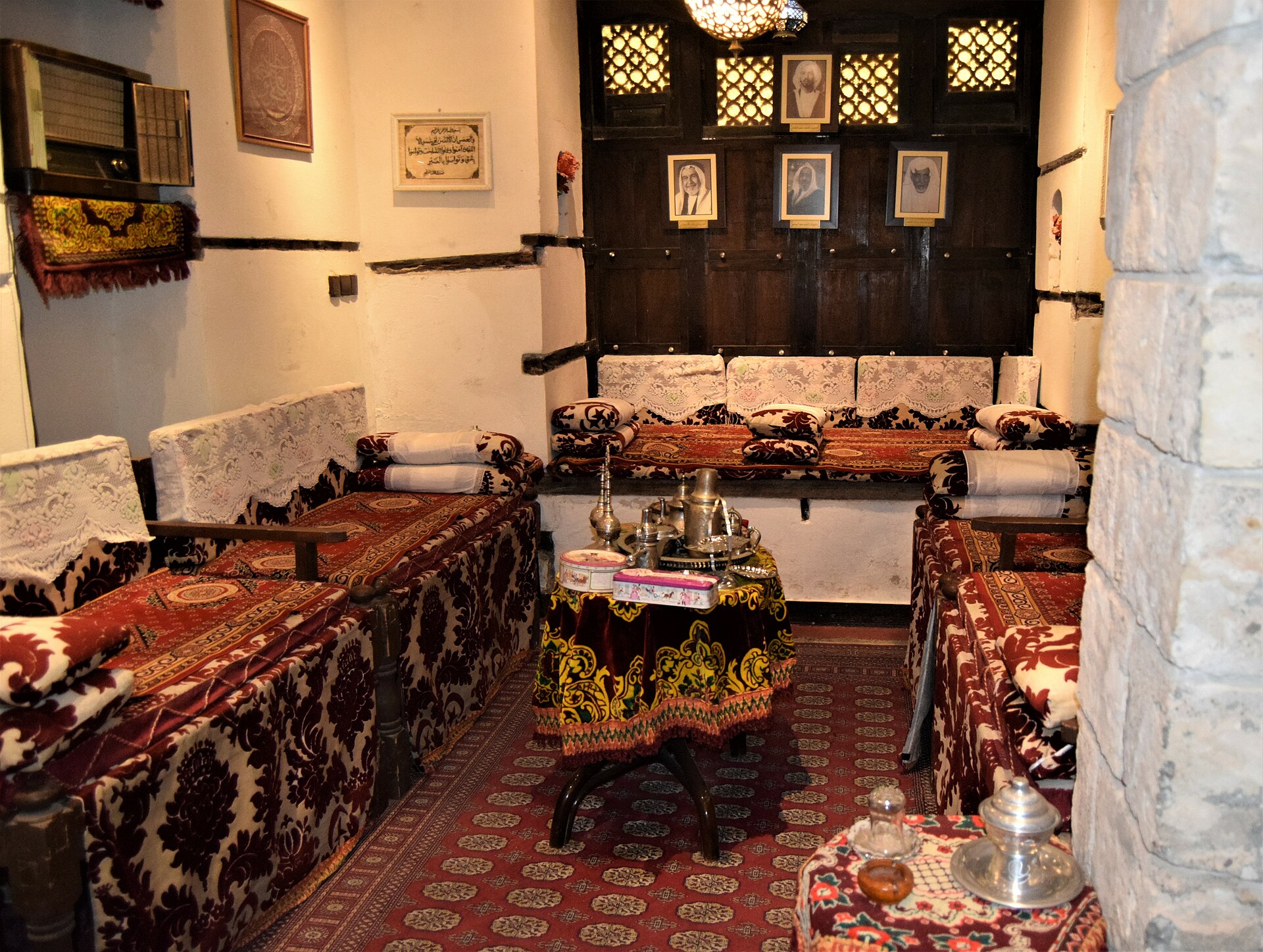
Jeddah’s greatest advantage over Dubai is depth. The city has been a trading port and pilgrimage gateway since the 7th century. Its historic core, Al-Balad, earned UNESCO World Heritage status in 2014. Walking its narrow lanes, you encounter coral-stone houses with ornate roshan (protruding wooden window screens), centuries-old mosques including the Al-Shafi’i Mosque and the Mosque of Uthman ibn Affan, and traditional souqs selling oud, spices, and handmade textiles. Nassif House, a restored merchant mansion, now operates as a museum and cultural centre.
The cultural authenticity here is not manufactured. Al-Balad is still a living neighbourhood — residents hang laundry from the same coral facades that appear in tourism brochures. That layered, organic quality is something Dubai cannot replicate.
Dubai: Engineered Spectacle
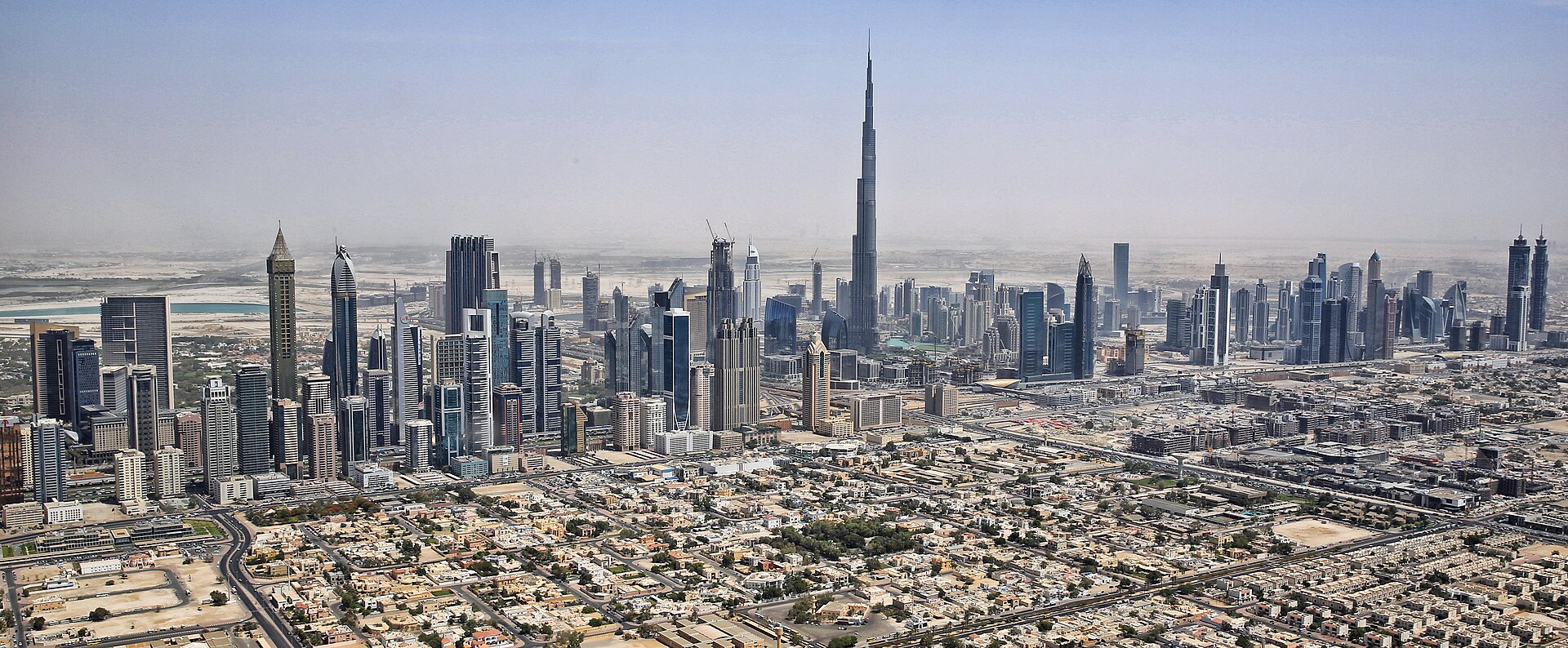
Dubai’s cultural offer is newer but impressive in its own right. The Al Fahidi Historical Neighbourhood and Dubai Museum provide a window into the emirate’s pearl-diving and trading past. The more recent additions — the Museum of the Future (opened 2022), Alserkal Avenue’s contemporary art galleries, and the Dubai Opera — show a city investing heavily in cultural credibility. The Etihad Museum in Jumeirah documents the UAE’s 1971 founding.
Yet Dubai’s cultural experiences tend to feel curated rather than organic. The city’s identity is built on ambition and spectacle — the Burj Khalifa, the Palm Jumeirah, the Dubai Frame — rather than layers of history. That is not a failing; it is a different proposition entirely.
Landmarks and Attractions
| Category | Jeddah | Dubai |
|---|---|---|
| Iconic Structure | Jeddah Tower (under construction, 1,000 m — due 2028) | Burj Khalifa (828 m, observation decks at floors 124 and 148) |
| Historic Quarter | Al-Balad (UNESCO World Heritage, 7th century) | Al Fahidi Historical Neighbourhood (19th century) |
| Waterfront | Jeddah Corniche (30 km), King Fahd Fountain (312 m — world’s tallest) | Dubai Marina, JBR Walk, Palm Jumeirah boardwalk |
| Shopping | Red Sea Mall, Mall of Arabia, Al-Balad souqs | Dubai Mall (1,200+ stores), Mall of the Emirates, Gold Souq |
| Museum | Nassif House, Abdul Raouf Khalil Museum | Museum of the Future, Dubai Museum, Etihad Museum |
| Motorsport | Jeddah Corniche Circuit (F1 — world’s fastest street track, 6.174 km) | Dubai Autodrome (circuit, not an F1 venue) |
Dubai wins on sheer volume of ready-made attractions. The Burj Khalifa observation deck alone draws over 2 million visitors a year, and the Dubai Mall — with its aquarium, ice rink, and 1,200-plus stores — is a destination in itself. Jeddah’s attraction count is smaller, but each carries more historical weight. The Saudi Arabian Grand Prix on the Jeddah Corniche Circuit, the world’s fastest street track at an average speed of 250 km/h, has become one of the most anticipated races on the F1 calendar.
Beaches and Outdoor Activities
Jeddah: The Red Sea Advantage
Jeddah sits on the Red Sea, widely regarded as one of the best diving and snorkelling environments on the planet. The water is warm year-round (25-30 °C), visibility regularly exceeds 30 metres, and pristine coral reef systems lie within a short boat ride of the city. Popular dive sites include the Shi’b Habil reef system and several accessible shipwrecks. For a full guide to underwater exploration, see the Saudi Arabia Diving and Snorkelling Guide.
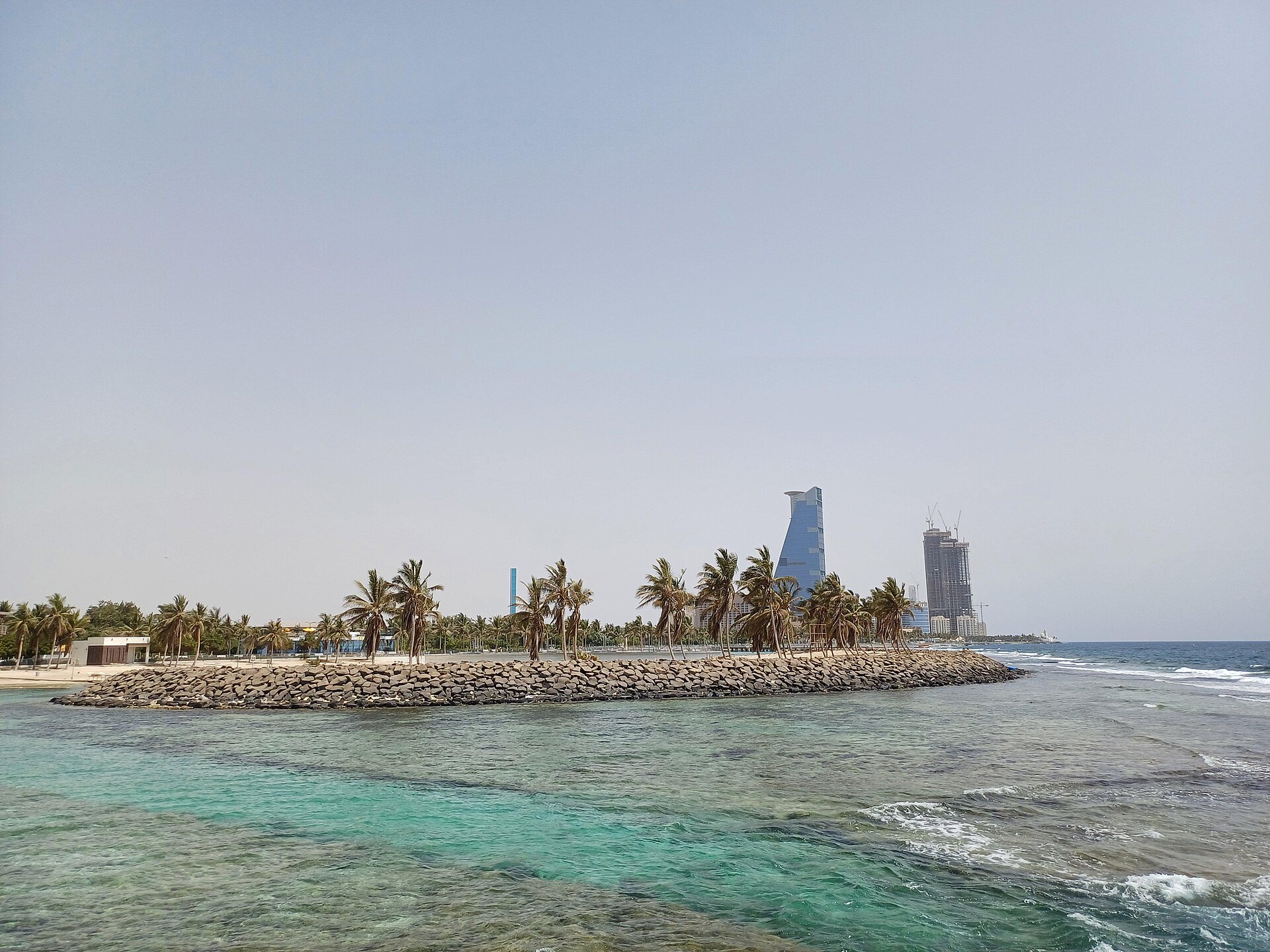
The Jeddah Corniche itself stretches 30 kilometres and includes public beaches, walking and cycling paths, sculpture installations, parks, and the King Fahd Fountain — which shoots water 312 metres into the air, making it the tallest fountain in the world. Obhur Creek, north of the city, is a popular spot for jet-skiing, kayaking, and boat trips.
Dubai: Beach Infrastructure
Dubai’s beaches are better developed in terms of infrastructure. JBR Beach (Jumeirah Beach Residence), Kite Beach, and La Mer offer sun lounger rentals, restaurants, and water sports facilities in a manicured setting. The Gulf water is warmer than the Red Sea in winter but can reach bath-like temperatures above 35 °C in summer. Dubai also offers desert safari experiences — dune bashing, camel rides, and overnight desert camps — which Jeddah, hemmed in by the Red Sea and the Hejaz Mountains, cannot easily match.
However, Dubai cannot compete with Jeddah’s marine biodiversity. The Arabian Gulf’s coral ecosystems are far less extensive than the Red Sea’s, and visibility is generally lower.
Food and Dining
Jeddah: Saudi Arabia’s Culinary Capital
Jeddah has long been considered Saudi Arabia’s food capital. Its position as a port city and pilgrimage gateway has created a culinary melting pot that draws from Hejazi, Yemeni, Indonesian, Indian, Turkish, and Levantine traditions. Must-try dishes include saleeg (creamy rice with slow-cooked chicken), mandi (spiced rice and meat cooked in an underground pit), and fresh Red Sea seafood — grouper, hammour, and shrimp grilled on the waterfront.
Al-Baik, the beloved Saudi fried chicken chain founded in Jeddah in 1974, has near-cult status. A meal at Al-Baik costs under $4. For fine dining, Jeddah’s restaurant scene has been recognised by the Michelin Guide since its Saudi Arabia edition launched, with several Jeddah restaurants earning stars and recommendations.
Dubai: Global Dining Scene
Dubai’s restaurant scene is broader and more international. The city has over 13,000 restaurants ranging from Michelin-starred establishments to street food stalls in Deira. Celebrity chef outposts (Nobu, Zuma, La Petite Maison) cluster around DIFC and Downtown. The sheer range is Dubai’s strength — you can eat Peruvian-Japanese fusion for lunch and Emirati machboos for dinner.
For authentic Gulf cuisine, however, Jeddah arguably has the edge. Dubai’s food scene skews international; finding genuinely local Emirati restaurants requires effort. Jeddah’s Hejazi cuisine is woven into the city’s fabric.
Cost Comparison
Jeddah is approximately 25% cheaper than Dubai overall. Here is how specific categories compare:
| Category | Jeddah (USD) | Dubai (USD) |
|---|---|---|
| Budget hotel (per night) | $40–70 | $60–100 |
| Mid-range hotel (per night) | $90–150 | $130–220 |
| 5-star hotel (per night) | $200–350 | $300–600 |
| Inexpensive restaurant meal | $5–8 | $8–15 |
| Mid-range restaurant (two people) | $40–60 | $70–100 |
| Taxi (per km) | $0.50 | $0.55 |
| Cappuccino | $3.50 | $5.00 |
| Domestic beer | Not available | $10–14 (licensed venues) |
The biggest cost difference is in accommodation. A comfortable 4-star hotel in Jeddah typically costs 30-40% less than an equivalent property in Dubai. Dining is also meaningfully cheaper, particularly at the casual and mid-range level. For detailed accommodation options, see the Saudi Arabia Hotels Guide.
Budget Tip: Jeddah is the clear winner for budget travellers. A comfortable day in Jeddah — hotel, meals, transport, and one attraction — can be managed for $80–120. The same day in Dubai will cost $150–250. The savings are even more pronounced for families.
Nightlife and Entertainment
Dubai: The Clear Winner
This is where Dubai pulls furthest ahead. Dubai has a fully licensed bar and nightclub scene, world-class DJs, beach clubs, rooftop lounges, and a year-round events calendar that includes the Dubai Shopping Festival, Dubai Comedy Festival, Art Dubai, and more. Licensed venues serve alcohol throughout the city’s hotels, restaurants, and freestanding bars.
Jeddah: Culture Over Clubs
Saudi Arabia does not permit the sale of alcohol. Jeddah’s entertainment scene is built around live events, cultural festivals, and dining rather than bars and nightclubs. Jeddah Season, the annual entertainment festival, features international concerts, drone shows, food markets, and sporting events — the 2025 edition ran for 85 days with the West Coast Festival on the beaches. The MDLBEAST music festival (Soundstorm) has brought global DJs to Saudi Arabia, though it is typically held in Riyadh.
If nightlife is a priority, Dubai wins decisively. If you prefer destinations where the evening is spent over long meals, waterfront walks, and cultural experiences, Jeddah holds its own.
Getting There and Visa Requirements
Dubai
Dubai International Airport (DXB) handled 92.3 million passengers in 2024 and is forecast to approach 100 million by 2026. Citizens of over 70 countries receive a free visa on arrival for 30 or 90 days. There is no application process — simply land and pass through immigration. This frictionless entry is one of Dubai’s greatest competitive advantages.
Jeddah
King Abdulaziz International Airport (JED) is Saudi Arabia’s busiest airport and a major hub for Saudia (the national carrier) and flynas. The Saudi tourist e-visa is available to citizens of 49 countries and can be obtained online in minutes for approximately $120 (SAR 450), valid for one year with multiple entries of up to 90 days each. The process is straightforward but represents an extra step and cost that Dubai does not impose.
Both cities are well connected to Europe, Asia, and Africa. Dubai has more direct routes (260+ destinations), but Jeddah’s connectivity has expanded rapidly with Saudia’s fleet growth and the launch of Riyadh Air.
Tip: You can easily combine both cities in a single trip. Direct flights between Jeddah and Dubai take approximately 2 hours, with multiple daily departures on Saudia, Emirates, flynas, and flydubai. See the Saudi Arabia Flights Guide for booking tips.
Getting Around
Dubai has a metro system (two lines covering major tourist areas), a tram, water taxis, and an extensive bus network alongside ride-hailing apps (Uber and Careem). Public transport is clean, air-conditioned, and cheap — a day pass costs under $6.
Jeddah does not yet have a metro (construction is underway). Getting around relies on Uber and Careem, taxis, and rental cars. Ride-hailing is affordable — a 20-minute Uber trip typically costs $5–8 — but the absence of rail transit means rush-hour traffic can be significant. For a full breakdown of transport options, see Getting Around Saudi Arabia.
Weather and Best Time to Visit
Both cities share a broadly similar climate — hot, humid summers and mild winters — but there are differences worth noting. For a detailed month-by-month breakdown, consult the Saudi Arabia Weather Guide or the Best Time to Visit Saudi Arabia guide.
| Month | Jeddah (°C) | Dubai (°C) | Notes |
|---|---|---|---|
| December–February | 23–29 | 19–26 | Peak season for both; Dubai slightly cooler |
| March–April | 27–33 | 24–33 | Shoulder season; excellent for both |
| May–September | 33–41 | 34–42 | Brutal heat; Jeddah more humid, Dubai drier |
| October–November | 30–35 | 28–34 | Shoulder season; good value |
Dubai’s winter months (December–February) are slightly more pleasant, with lower humidity and cooler evening temperatures. Jeddah’s Red Sea humidity makes summer particularly challenging, though the sea temperature remains perfect for diving year-round.
Accommodation
Dubai’s hotel market is massive and mature, with over 140,000 hotel rooms across every conceivable category — from backpacker hostels in Deira to the Burj Al Arab and Atlantis The Royal. Competition keeps quality high.
Jeddah’s hotel market is smaller but growing rapidly. The luxury segment is well represented (Park Hyatt Jeddah, Rosewood Jeddah, Shangri-La), and mid-range options along the Corniche and in the Al-Hamra district offer strong value. Budget accommodation is more limited than in Dubai but improving.
Shopping
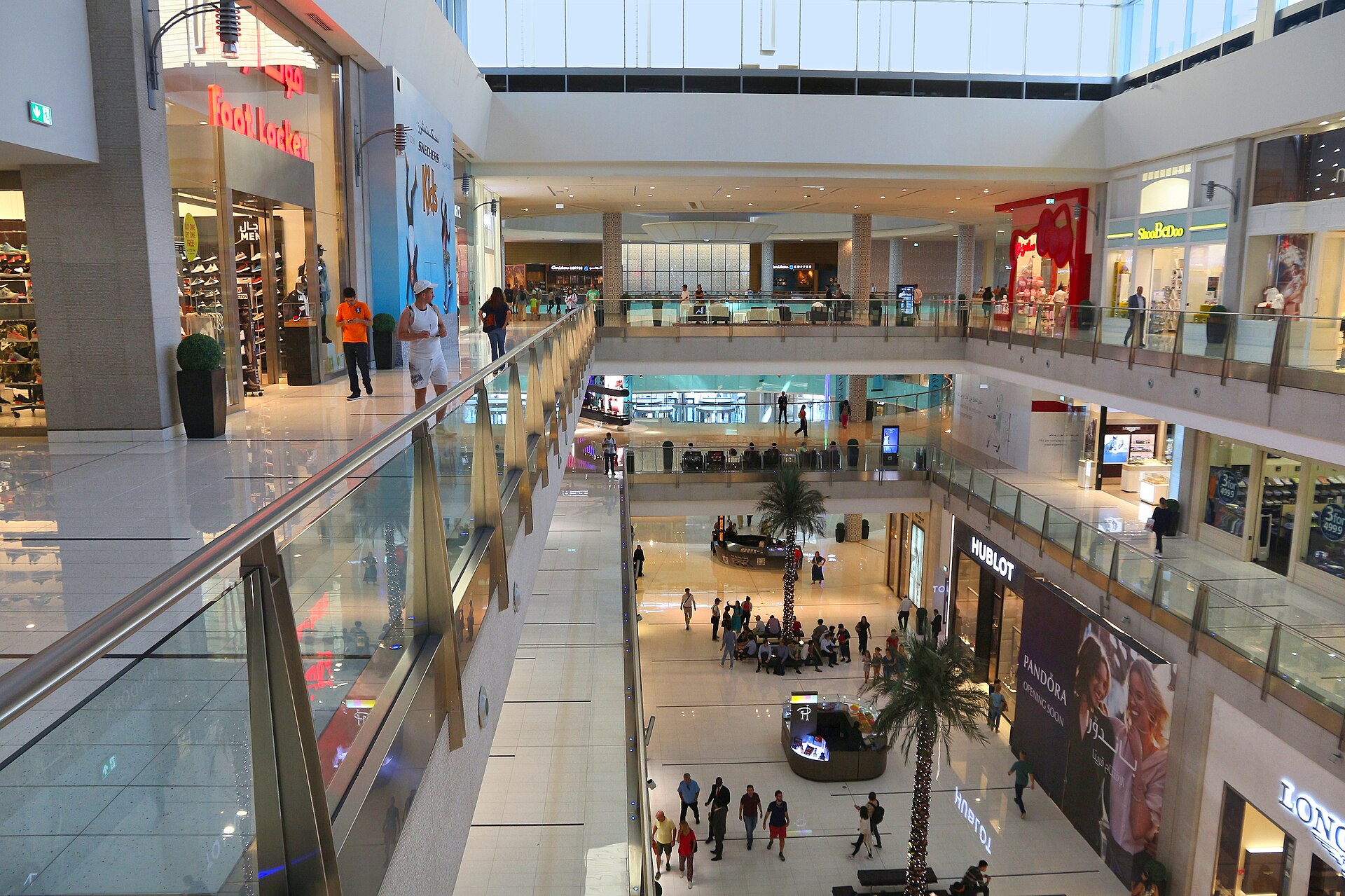
Dubai is the undisputed shopping capital of the Middle East. The Dubai Mall alone contains over 1,200 retail outlets. Mall of the Emirates, Ibn Battuta Mall, and the traditional Gold Souq and Spice Souq in Deira cover every price point. The annual Dubai Shopping Festival (December–January) offers significant discounts.
Jeddah’s shopping is more modest but has its own appeal. Red Sea Mall and Mall of Arabia cover mainstream retail. The real draw is Al-Balad’s traditional souqs — Souq Al-Alawi for spices, incense, and textiles; Souq Bab Makkah for everyday goods; and the Bedouin market for traditional crafts. These markets feel alive in a way that Dubai’s air-conditioned malls cannot match.
Who Should Choose Jeddah?
- Culture-first travellers who want a UNESCO World Heritage district, authentic Hejazi cuisine, and a city with genuine historical layers
- Divers and snorkellers — the Red Sea is in a different league from the Arabian Gulf
- Budget-conscious visitors who want a Gulf-standard experience at 25% lower cost
- F1 fans seeking the world’s fastest street circuit
- Travellers combining with Mecca or Medina — Jeddah is the traditional gateway for Hajj and Umrah
- Those seeking something new — Saudi Arabia’s tourism sector is young, and the sense of discovery is real
Who Should Choose Dubai?
- First-time Middle East visitors who want the easiest possible entry (visa-free, English-dominant, familiar brands)
- Nightlife and entertainment seekers — Dubai’s bar, club, and events scene is unmatched in the Gulf
- Luxury shoppers who want the world’s largest malls and duty-free opportunities
- Families seeking theme parks (Legoland, Motiongate, IMG Worlds of Adventure) and water parks (Aquaventure, Wild Wadi)
- Desert experience seekers — Dubai’s desert safari infrastructure is well-established
- Business travellers who need maximum flight connectivity
Can You Do Both?
Absolutely. A two-week Gulf itinerary combining three to four days in Dubai with four to five days in Jeddah (plus day trips) gives you both the spectacle and the substance. Direct flights take two hours, and one-way fares start from around $80 on flynas or flydubai. For a structured multi-city plan, see the Saudi Arabia Itinerary Guide.
If you are visiting Saudi Arabia for the first time, a Jeddah-based trip also pairs naturally with exploring beyond Jeddah as a non-Muslim visitor — the Red Sea coast, the Hejaz Mountains, and the emerging resorts along the coast.
Explore More Saudi Arabia Travel Guides
- Jeddah Travel Guide 2026 — The complete guide to Saudi Arabia’s Red Sea gateway city
- Jeddah Corniche Guide — Everything to see along 30 km of Red Sea waterfront
- Jeddah F1 Grand Prix Guide — The world’s fastest street circuit explained
- Saudi Arabia Diving and Snorkelling Guide — Red Sea reefs, wrecks, and marine life
- Saudi Arabia Travel Guide 2026 — The complete guide to visiting the Kingdom
- Saudi Arabia Visa Guide — Every visa type explained