
Al Khobar earned its reputation as Saudi Arabia’s quiet food capital not through marketing but through decades of feeding oil workers, causeway day-trippers from Bahrain, Saudi families who drive down from Riyadh for the weekend, and expat communities who built some of the Kingdom’s most enduring restaurants. The city sits on the Arabian Gulf with fishing boats unloading on the same morning you eat the fish, a corniche that stretches nearly the full length of the waterfront, and a dining culture that rewards the traveller willing to leave the hotel. This guide is part of our wider Dammam and Al Khobar travel guide and focuses on the restaurants locals actually return to — not the TripAdvisor top ten with a thousand copy-pasted reviews, but the places where a Saudi family books the floor-seating majlis room, where South Asian engineers queue at 11pm for biryani, and where Bahraini weekend visitors drive three hours round trip for a lunch plate. If you want the wider Kingdom context, the Saudi Arabia travel guide 2026 covers cities, regions and seasons in depth.
Best Time to Visit: November to March (outdoor corniche dining weather)
Getting There: Dammam King Fahd International (DMM), 20 minutes by taxi to Al Khobar corniche
Visa Required: Yes — tourist e-visa
Budget: SAR 25–80 casual meal, SAR 150–400 mid-range, SAR 400–800 fine dining (per person)
Must-Try: Al-Sanbok seafood, Heritage Village majlis dining, Nozomi Khobar sushi
Avoid: Mall food courts on Friday lunch — wait two hours and eat where locals eat instead
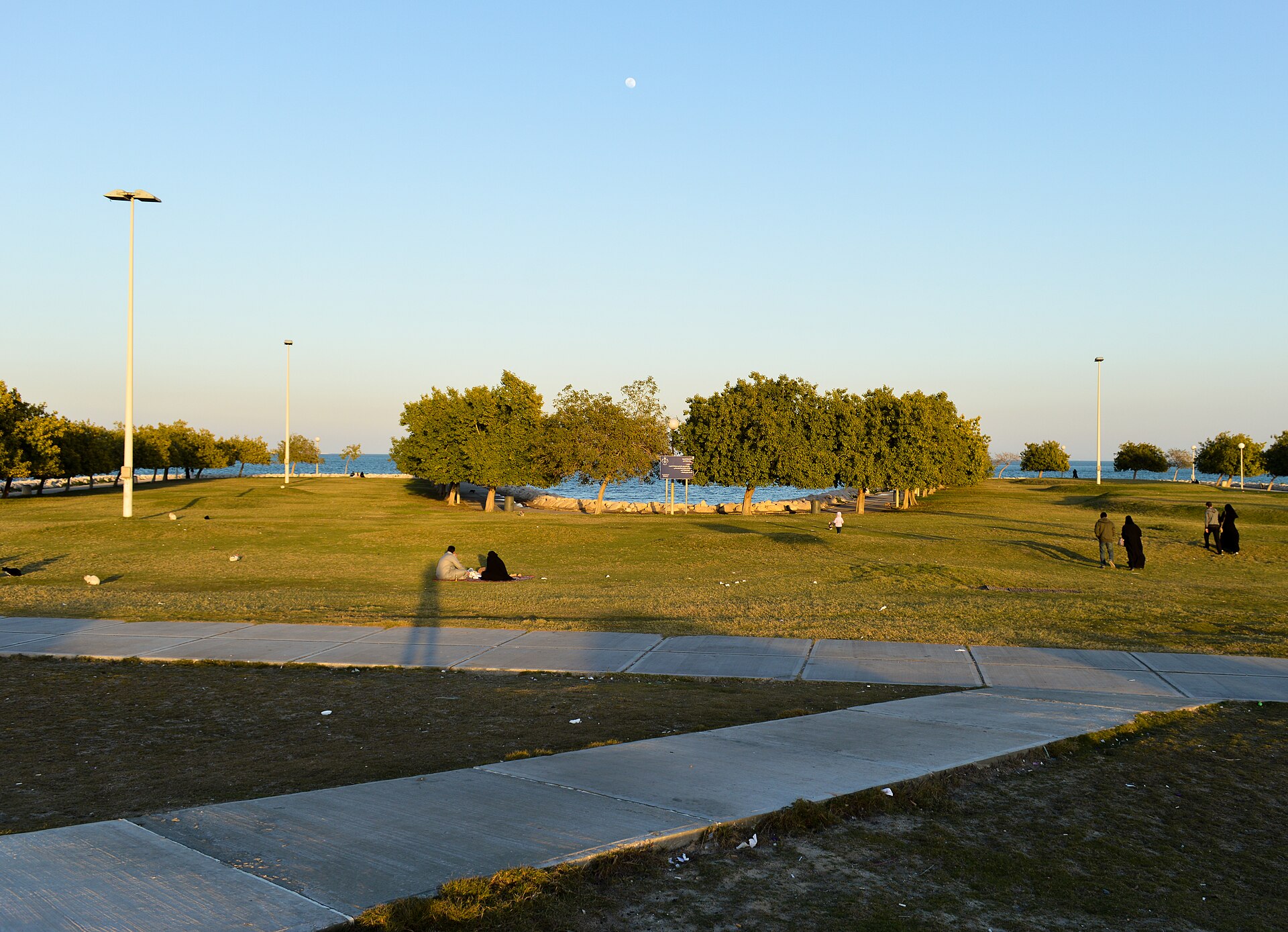
Why Al Khobar’s Food Scene Matters
Understanding why Al Khobar punches above its weight as a food city requires some geography. The city is the closest Saudi urban centre to Bahrain — the King Fahd Causeway links them in under an hour — and for decades before Saudi Arabia opened to international tourism, Al Khobar was where Saudi families went to eat restaurants that wouldn’t exist in Riyadh. It is also the commercial hub for Saudi Aramco’s Dhahran headquarters, meaning the city has fed a continuous stream of international engineers, executives and diplomats since the 1940s. That history created two things: deep-rooted Yemeni, Syrian and Levantine restaurants opened by families who migrated generations ago, and high-end imports that arrived in the Kingdom here before they reached Riyadh or Jeddah.
The dining geography is simple. The corniche waterfront holds most of the fine dining and international restaurants. The older neighbourhoods inland — around Prince Faisal bin Fahd Road, Al Hizam Al Akhdar and Aziziyah — hold the traditional Saudi, Yemeni mandi, and legacy expat restaurants. The malls (Rashid Mall, Dhahran Mall, Mall of Dhahran) are for chain dining and family day-out meals. If you want to eat well in three days, you need to sample from each zone.
Traditional Saudi and Gulf Restaurants
If you are visiting the Kingdom for the first time, this is where to start. Authentic Saudi cooking — not hotel-buffet kabsa, but the real thing with lamb that has cooked for six hours and rice that carries the weight of every spice — is where Al Khobar excels most obviously.
Heritage Village (Al Qaryah Al Turathiyah)
This is the one traditional Saudi restaurant every visitor should book. The original Dammam branch is the more famous of the two Eastern Province locations, and it is effectively a museum-restaurant hybrid — private dining rooms named and themed after regions of Saudi Arabia, with floor seating in traditional majlis rooms upstairs and table seating on the ground floor. The menu is a map of the Kingdom: asida broth with baladi meat, lamb saleeg (the creamy rice dish from Taif), jareesh (crushed wheat), lahm mandi, damamiyah chicken, and kunafa for dessert. Pricing is reasonable for the setting — mains typically SAR 50–90, with a family feast for four landing around SAR 300–400.
Book ahead for the themed private rooms, especially on Thursday and Friday evenings when Saudi families take over the upstairs majlis rooms for multi-generational dinners. The experience is worth more than the food alone.
Al Romansiah
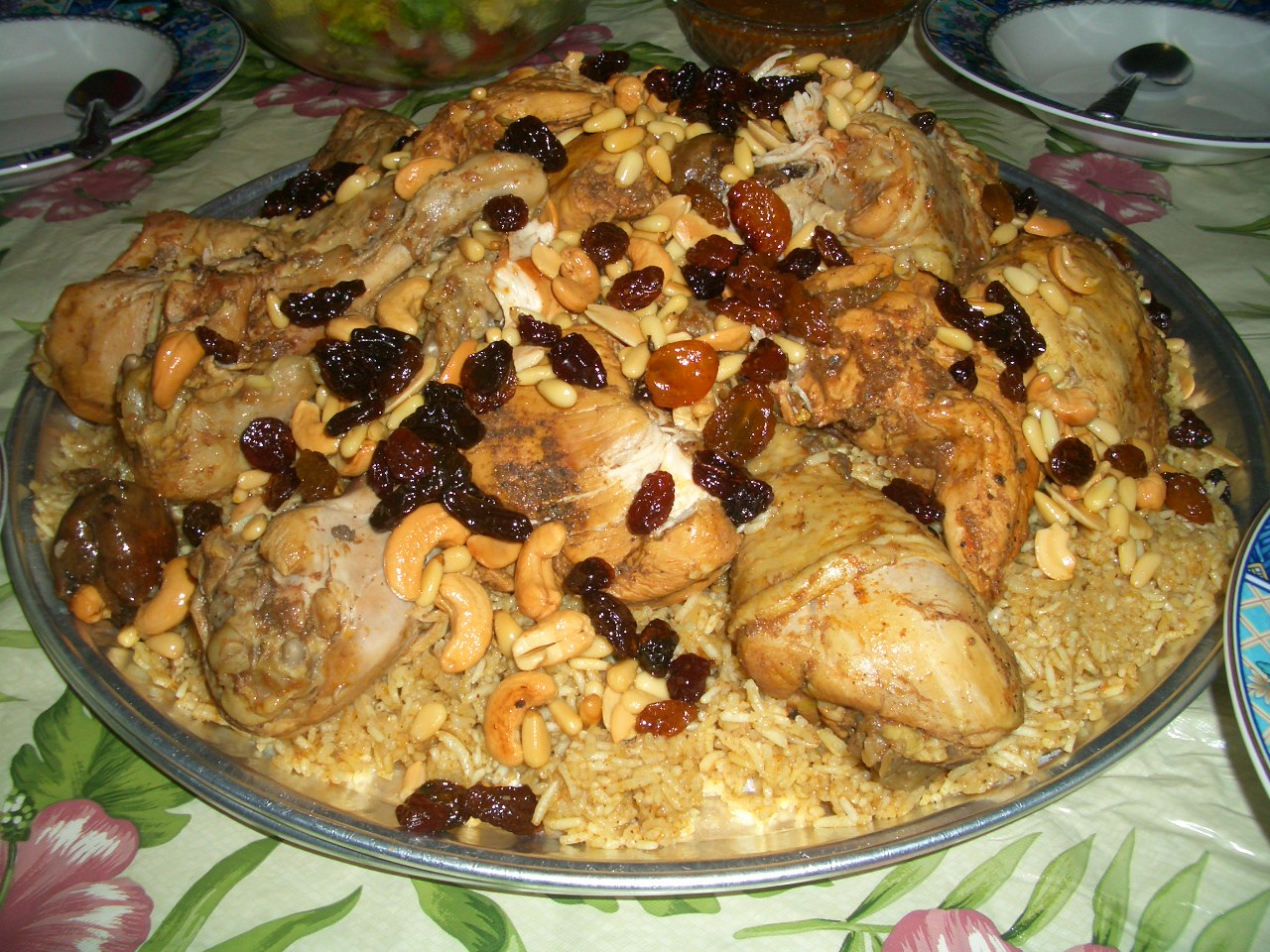
The national chain that converted a generation of Saudis to restaurant dining, with multiple Al Khobar branches. The format is traditional: you sit on the floor, the food arrives on large shared platters, and you eat with your right hand from the communal dish. Order the mandi (chicken or lamb), the kabsa with lamb shoulder, or the thareed (bread-and-broth stew served on Friday). Expect to pay SAR 30–60 per person for a meal that leaves you unable to move. Not a date-night restaurant — a cultural one.
Mandi King
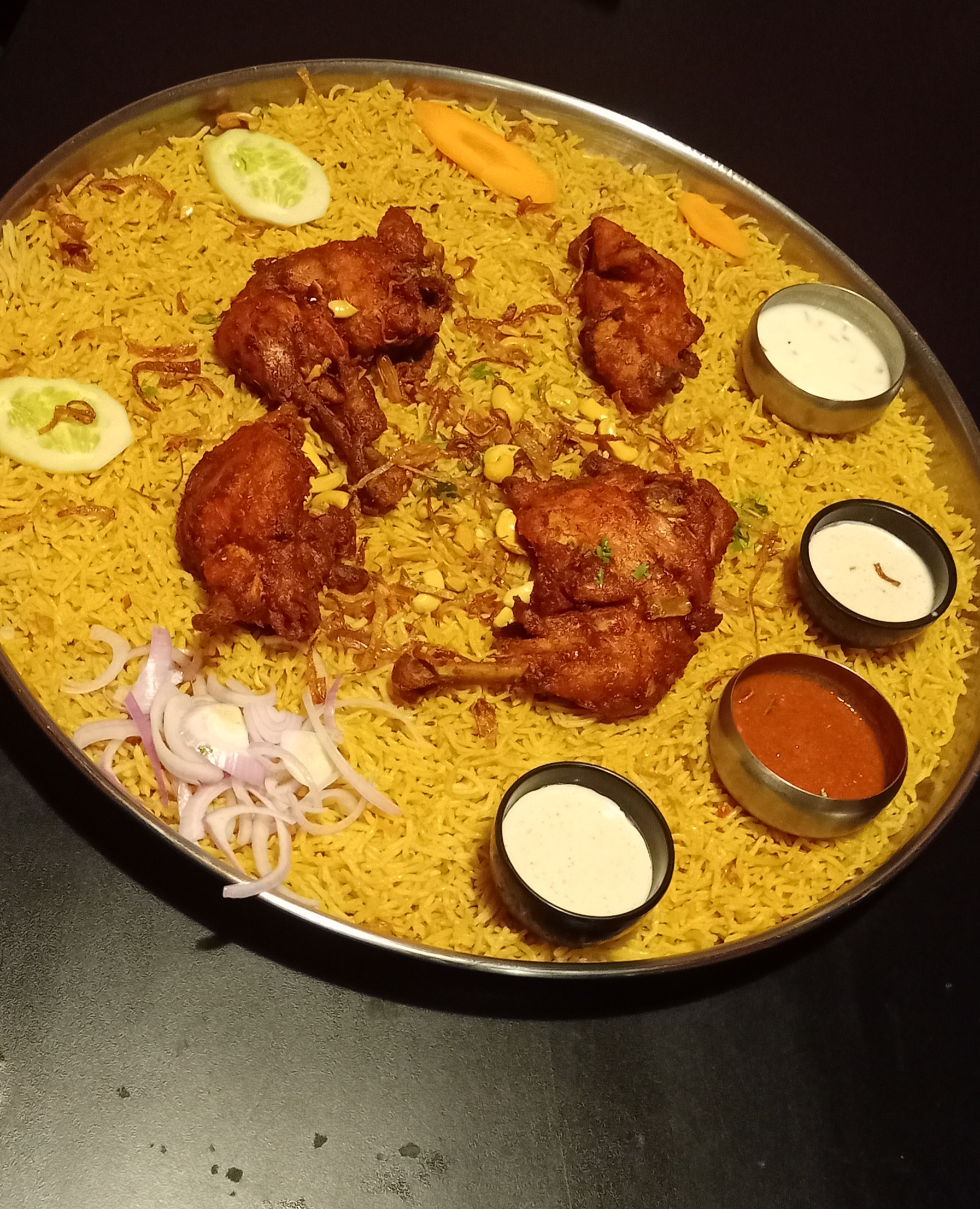
Single-dish specialists in Al Khobar who do one thing seriously — mandi, the Yemeni-origin rice-and-meat dish cooked in a tandoor-like underground pit called a taboon. The lamb mandi is the flagship, but for adventurous travellers they also serve camel mandi, which tastes gamier and deeper than beef. The decor is cultural (palm trunks, woven mats, low lighting) and service is fast. Around SAR 50–70 for a single plate that feeds one generously or two lightly.
Seafood on the Gulf
Al Khobar sits on the Arabian Gulf with an active fishing fleet, and its seafood restaurants reflect that. The Gulf species — hammour (grouper), sherry (emperor), naiser (jobfish), safi (rabbitfish), shrimp, crab and the local parrotfish — arrive at the restaurants the same day they are landed. If you only eat one seafood meal in the Eastern Province, the local rule is simple: go to one of the old-guard restaurants rather than a mall chain.
Al-Sanbok Restaurant
Opened in 1989 in the Eastern Province, Al-Sanbok is the senior name in Al Khobar seafood. It won the Saudi Excellence in Tourism Award for Best Fine Dining Restaurant in 2012, and the restaurant has expanded into catering and a sister Italian restaurant (La Gondola, which opened in 1994 and still operates). The waterfront terrace on the southern corniche is the seat you want — the airy wooden dining room opens directly onto the Gulf. Standout dishes are the Gulf fish soup, lobster ravioli (a bridge from their Italian sibling), and whole grilled parrotfish. Reviews are mixed on value — you will pay SAR 250–500 per person for a full seafood meal — but for the history and the setting it remains the benchmark.
Soul Kitchen
A contemporary seafood-and-sushi restaurant that the corniche crowd has adopted. The menu leans pan-Asian around a seafood core: sashimi platters, salt-baked sea bream, grilled shrimp skewers with saffron butter. This is where younger Khobari diners bring a date or a visiting friend. Expect SAR 180–350 per person, depending on how much sushi is involved.
Ocean Restaurant
Located on Crystal Island on the Khobar corniche, Ocean is the fine-dining seafood room where colour and theatre matter as much as the food — floor-to-ceiling aquarium pillars, dim lighting, a menu of lobster, Mediterranean fish and prime beef as a surf-and-turf fallback. Pricey (SAR 400–700 per head), and divisive among locals — some love the spectacle, some find it overpriced — but the view across the Gulf at sunset is genuinely memorable.
Jimmy’s Killer Prawns
The South African import that found a loyal Khobari following. This is not fine dining — it is the place to go when you want grilled prawns the size of your fist, crab cakes, calamari and chips, eaten over a long table with a group. Reasonably priced for the portions (SAR 100–200 per person), and reliably busy on weekends.
The Fine Dining Shortlist
Al Khobar’s fine-dining scene has grown considerably since 2021 as Saudi Arabia’s tourism opening pulled international brands into the Kingdom’s second-largest metropolitan area. The standouts all cluster on or near the corniche.
Nozomi Khobar
The London Japanese institution opened its Al Khobar outpost in March 2022 at the Al Matal corniche development, and it has remained the hottest reservation in the Eastern Province since. Al Moajil Hospitality ships produce directly from Japan — the seafood, Grade 12+ wagyu beef, and even the wasabi travel from Tokyo’s markets. The dining room is traditional Japanese in feel (bamboo, wood, dim spot lighting) and the terrace overlooks the corniche at moonrise. Signature dishes include mushroom takikomi rice for vegetarians, wagyu beef on the robata charcoal grill, and the sushi-sashimi omakase. Budget SAR 500–900 per person with drinks (non-alcoholic cocktails in Saudi Arabia); reservations essential, often a week ahead for Thursday or Friday evenings.
Maharaja by Vineet
Chef Vineet Bhatia’s Michelin-starred Indian fine-dining brand, hosted inside the Mövenpick Hotel Al Khobar. A 56-seat dining room that takes Indian classics and modernises them without ruining them — chilled tomato and coconut soup, jalpari kebab, tawa lamb tikka with risotto, dal maharani, and a reinvented “Tiffin” business lunch that remains the best-value fine-dining deal in the city at lunchtime. Expect SAR 500–700 for dinner for two including two starters, two mains, rice and naan. Some diners find the portions modest for the price — go for the cooking, not the volume.
Legendz Steakhouse
The award-winning contemporary steakhouse that is Al Khobar’s default for a business dinner. Prime meat cuts, wine-focused menu (non-alcoholic pairings in Saudi Arabia), and a family-friendly separate section. Expect SAR 400–700 per person.
La Gondola
The 1994 Italian sister to Al-Sanbok, and a Khobar institution. Two-storey trattoria with wood-fired pizzas, homemade tomato sauce that has not changed in three decades, and honest Italian classics — osso buco, lobster ravioli, tiramisu. Not the hottest reservation in the city, but the most reliable, and a personal favourite of long-term expats. SAR 200–400 per person.
The Indian and Subcontinental Scene
Al Khobar’s South Asian population — Indian, Pakistani, Bangladeshi and Sri Lankan communities have lived and worked here for three generations — built the second-strongest food cluster in the city after traditional Saudi and seafood. For travellers from Asia, these restaurants are often better than the equivalents back home.
Talwar Indian Restaurant
A long-standing Khobari Indian institution, known for deep-flavoured North Indian curries, tandoor breads from a live oven, and a rotating weekend biryani special. Mid-range pricing (SAR 80–150 per person) and a loyal following among both Indian families and Saudi locals who have adopted it as their Indian of choice.
Bikki Restaurant
Pan-Asian rather than purely Indian — Chinese, Japanese and Asian dishes on one menu on Prince Faisal bin Fahd Road. Prices range SAR 60–250 for two people, which makes it one of the best-value sit-down meals in the city. Dumplings, noodle bowls, stir fries and a sushi section that won’t compete with Nozomi but is perfectly respectable at a fraction of the price.
Gulf Royal Chinese Restaurant
The longest-running Chinese restaurant in Al Khobar, inside Al Rashid Mall but with a proper sit-down dining room. Cantonese-leaning menu with strong dim sum and live seafood tanks. Popular with Khobari families on Thursday night.
Levantine, Syrian and Lebanese
Al Khobar’s Levantine restaurants are unusually good for a Gulf city, thanks to decades of Syrian, Lebanese and Palestinian migration into the Eastern Province.
Naranj Damascus
Widely cited as Al Khobar’s best Syrian restaurant. Authentic Damascene cooking — mezze platters with fresh bread, makloubeh (the upside-down rice dish), freekeh with chicken, kibbeh, muhammara, and grilled meats on charcoal. Mid-range (SAR 100–200 per person) and family-friendly.
Manoosha Alreef
A Lebanese manakish bakery on Prince Faisal bin Fahd Road where the flatbreads come out of the oven in two minutes and cost SAR 10–20 each. Za’atar, cheese, kishk, or lahm bi ajeen (meat-topped) — order three or four to share. This is the Khobar breakfast move, ideally eaten with a glass of black tea with mint.
Asmahan Restaurant
Authentic Levantine-Gulf fusion — shrimp machboos, lamb kabsa, mixed grills — in a setting that sits between casual and mid-range. Good for first-time visitors who want to sample several dishes in one sitting. SAR 100–180 per person.
Street Food and the Late-Night Eats
Khobar is not a city with a pedestrianised street-food district — the Saudi climate discourages it — but the casual end of the dining scene is strong, and this is where most residents actually eat most of their meals.
Shrimpy’s
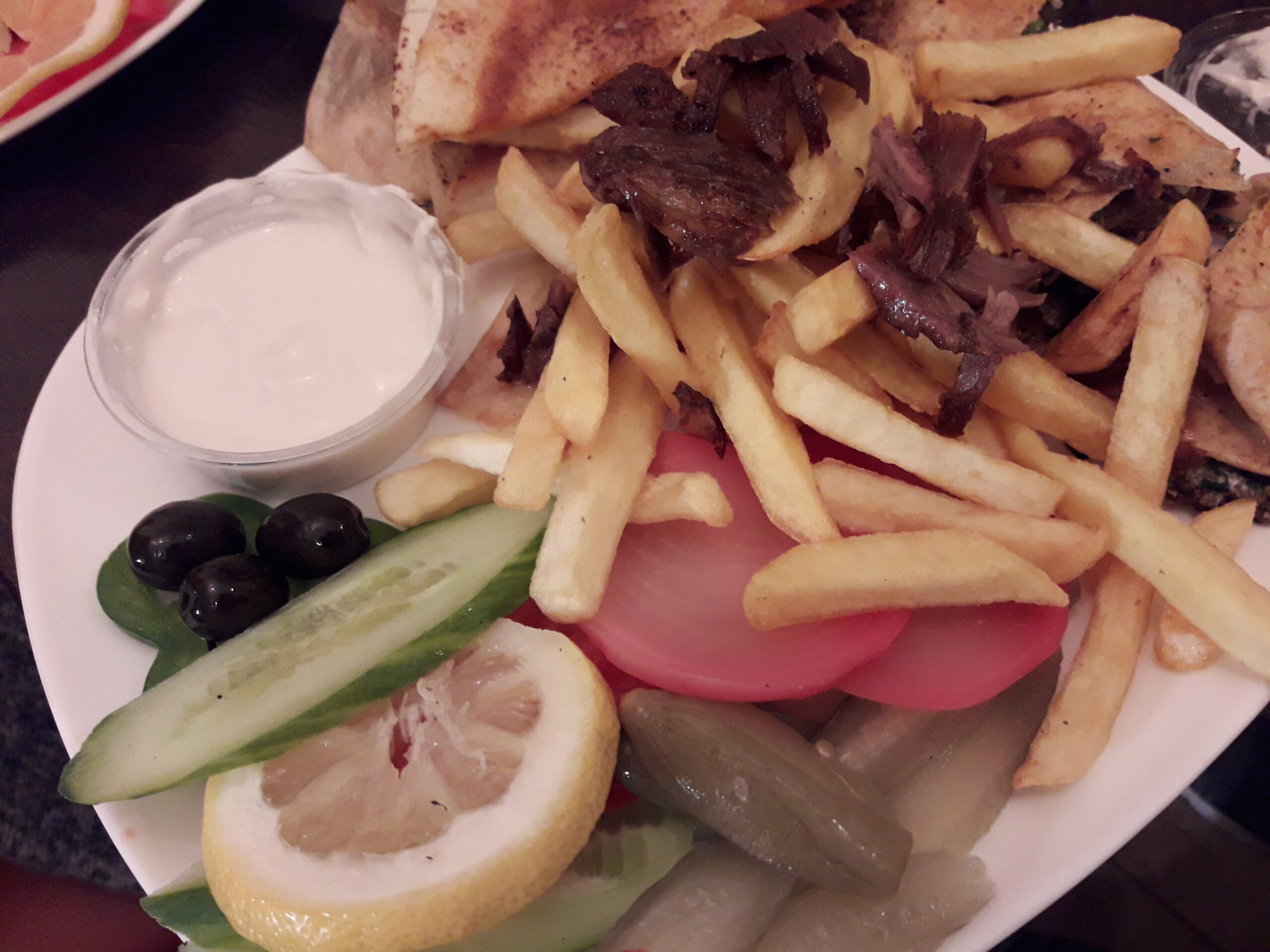
The cult shawarma joint on the corniche. Despite the name it is a shawarma place, not a seafood place, and it is crowded every night of the week. The chicken shawarma sandwich with garlic sauce (toum) is the order. Under SAR 25 for a full meal — the best casual dinner in the city.
Al Wazzan Restaurant
A Khobari hidden gem in the heart of the city, run as a family Arabic restaurant. The ambience is deliberately plain — plastic chairs, fluorescent lights — but the grilled chicken, shish tawouk and hummus are consistently excellent. Under SAR 60 per person.
Shawarmer
The Saudi fast-food chain that elevated the shawarma sandwich with branded wrappers, open kitchens and reliable quality. Every Saudi city has branches; the Prince Faisal bin Fahd Road outlet in Khobar is open late and popular with after-midnight crowds. SAR 20–35 per person.
Egah Restaurant & Cafe
Arabic breakfast specialists — ful medames, shakshouka, fatteh, masabeeb, foul, and strong cardamom-scented coffee. Open from early morning. This is where to eat on your first morning in Khobar before setting out to explore the rest of the Eastern Province.
The Cafe and Specialty Coffee Scene
Al Khobar has quietly built one of the Kingdom’s strongest specialty-coffee cultures, driven by younger Saudis, returning students and the creative scene clustered around the corniche. The cafes are not filler — some serve better coffee than comparable rooms in London or Dubai.
Specialty Bean
The serious roastery in Khobar, sourcing beans from Colombia, Ethiopia and beyond, with a cafe that doubles as a workspace. Good pour-overs, good espresso, and bags of single-origin beans to take home.
Dose
The Saudi-founded cafe chain with multiple Khobar branches. Instagram-friendly interiors, strong espresso, and a loyal local following that fills the outdoor seating on winter evenings.
Bateel Cafe
The Saudi date-and-gourmet brand that opened cafes alongside its retail stores. Date-stuffed chocolates, date smoothies, proper cappuccino, and plated breakfasts. The Khobar branch is a good mid-morning stop before lunch.
Woods, Bohemia, Rosalie, Sky Lounge
Four of the other cafe names worth knowing. Woods and Bohemia sit at the design-conscious end; Rosalie does brunch seriously; Sky Lounge gives you a rooftop view over the corniche at night.
Where to Eat by Neighbourhood
The Corniche (Al Kurnaish, Al Matal, Crystal Island)
The corniche holds Nozomi Khobar, Al-Sanbok, Ocean Restaurant, Soul Kitchen, Shrimpy’s, and most of the fine-dining scene. Book a table for sunset (around 5:30pm in winter, 6:30pm in summer) and walk the waterfront before or after — the Dammam-Khobar corniche walk covers the full 40km promenade in detail.
Olaya and Prince Faisal bin Fahd Road
The inland commercial spine of the city holds Bikki, Shawarmer, Manoosha Alreef, Parker’s American, and most of the mid-range international chains. This is where you eat lunch on a workday or dinner when you can’t face the corniche crowd.
Aziziyah
Residential, quieter, and home to the old-guard Saudi and Levantine family restaurants — Al Romansiah, Asmahan, Al Wazzan. Less touristy, more authentically Khobari. Worth a taxi if you want to eat where Saudi families eat on a Sunday.
Al Rashid Mall and Dhahran Mall
The malls hold the international chains, the food courts and a handful of better restaurants — Gulf Royal Chinese, Sakana House, Patti’s France. Useful for families with small children or when the weather pushes you indoors.
Practical Advice for Eating Out in Khobar
Prayer Times Still Affect Service
Since 2019 Saudi Arabia has allowed restaurants to stay open during prayer times, but many Khobari restaurants — particularly the traditional Saudi ones — still close for fifteen to twenty minutes around each prayer, especially Maghrib (sunset). Check the prayer times on the day and factor this in. Fine dining, hotel restaurants and international chains generally stay open throughout.
Booking Is Real, But Easy
Nozomi, Ocean, Al-Sanbok (weekend), Heritage Village (private rooms) and Legendz all need advance bookings on Thursday and Friday evenings. Most other places take walk-ins. WhatsApp is the preferred booking channel for many local restaurants — the TripAdvisor phone number usually works.
Dress Code
Smart-casual almost everywhere. Shorts and flip-flops are fine at casual street food, but fine dining expects closed shoes and trousers. Women no longer need an abaya inside restaurants, though many Saudi women still wear one culturally.
Alcohol
Saudi Arabia remains dry. Fine-dining restaurants have elaborate non-alcoholic cocktail menus — “mocktails” are taken seriously in Khobar, and some are as good as their alcoholic counterparts elsewhere. Do not bring alcohol into the country; penalties are still severe.
Family vs Singles Sections
Historically Saudi restaurants had separate sections for single men and for families (women, children, mixed groups). Since 2019 this rule has been relaxed, but older restaurants — especially Al-Sanbok — still operate the distinction informally. Solo female travellers are welcome everywhere; the family section usually has a slightly more comfortable setup and better views.
Tipping
10–15% is appreciated but not compulsory. Many finer restaurants add a service charge automatically; check the bill.
Getting Around
Uber and Careem are both active in Al Khobar — the Uber and Careem in Saudi Arabia guide covers how they work. A ride from the corniche to Aziziyah is SAR 15–25. Most restaurants have free valet parking if you drive.
Three-Day Eating Itinerary
If you have three days in Al Khobar and want to build the meals properly, this is the route locals would recommend.
Day One — Arrival and Traditional
- Breakfast: Egah Cafe or a Manoosha Alreef flatbread
- Lunch: Al Romansiah floor-seating mandi with a Saudi family crowd
- Sunset drink: Coffee at Bateel on the corniche
- Dinner: Heritage Village (book the themed private room)
- Breakfast: Specialty Bean for a serious pour-over
- Lunch: Maharaja by Vineet tiffin business lunch
- Afternoon: Corniche walk
- Dinner: Nozomi Khobar sushi-sashimi omakase on the terrace
- Breakfast: Arabic breakfast at Egah or Al Wazzan
- Lunch: Naranj Damascus Syrian mezze platters
- Afternoon: Drive to Half Moon Bay for the beach
- Late dinner: Shrimpy’s corniche shawarma, followed by Dose coffee
- Dammam & Al Khobar Travel Guide 2026 — The complete hub guide to the Eastern Province twin cities, Ithra, beaches and causeway
- Best Hotels in Al Khobar — Corporate and weekend stays in the city
- Best Restaurants in Dammam — Local favourites and hidden gems across the causeway twin
- Dammam Khobar Corniche Walk — 40km waterfront guide connecting every neighbourhood
- Saudi Arabia Food Tour Itinerary — Seven days of eating across the Kingdom
- Saudi Arabia Travel Guide 2026 — The complete guide to visiting the Kingdom
- Saudi Arabia Visa Guide — Every visa type explained
Day Two — Seafood and Fine Dining
Day Three — Casual and Local
What to Bring Home
If you want edible souvenirs, Bateel dates are the default — the Khobar stores pack them in gift boxes at the airport too. The gold-leaf-coated medjool dates are the showpiece. Saudi dukkah (mixed spice-and-nut blend), Saffron-laced tea, and local honey from the Asir mountains are also sold at Bateel and at the airport. For coffee, buy single-origin bags from Specialty Bean before flying out.
How Al Khobar Dining Compares to Elsewhere in the Kingdom
Every Saudi city has its food identity. Al Khobar’s strength is the balance: you can eat serious Saudi, world-class sushi, old-guard Italian and Michelin-trained Indian within a ten-minute drive. Riyadh has more fine-dining imports and the Bujairi Terrace culture; Jeddah has stronger Red Sea seafood and Hijazi cooking. For the Eastern Province’s neighbouring city, our Best Restaurants in Dammam guide covers the twin-city alternatives. If you are combining Al Khobar with Riyadh, the Best Restaurants in Riyadh right now guide is the companion piece, and the Saudi Arabia food tour itinerary maps a seven-day eating route across the Kingdom that uses Al Khobar as the Eastern stop.
Where to Stay Near the Restaurants
If eating is the priority, stay on or near the corniche. The Best Hotels in Al Khobar guide covers corporate and weekend options in detail — Mövenpick puts you at Maharaja by Vineet, Corp Al Khobar Corniche Hotel holds Seaview Restaurant on the tenth floor, and the Radisson Blu on Half Moon Bay gives you the beach-plus-restaurants combination twenty minutes out of the city. For the sister city, Best Hotels in Dammam covers options across the causeway end.