
Saudi Arabia’s tourism boom has brought Airbnb firmly into the Kingdom. Whether you are visiting Riyadh for business, exploring Jeddah’s historic lanes, or seeking a desert retreat in AlUla, short-term rentals now offer a genuine alternative to conventional hotels. As part of a broader Saudi Arabia accommodation strategy, Airbnb gives travellers access to entire apartments, villas with private pools, and distinctive stays that capture the local character of each city. This guide explains what is actually available on the platform, what the regulations require, where to book, how much to budget, and what cultural norms to respect as a guest in a Saudi home.
Best Time to Book: October–March (peak season, book 4–6 weeks ahead)
Top Cities: Riyadh (~10,800 listings), Jeddah (~5,000 listings), AlUla (growing)
Visa Required: Yes — tourist e-visa available for 63 nationalities
Budget: $40–$120/night for an entire apartment; villas $150–$400+
Best For: Families, extended stays, groups wanting space and a kitchen
Avoid: Booking unlicensed properties — check for Ministry of Tourism permit number
Is Airbnb Legal in Saudi Arabia?
Yes. Airbnb operates legally in Saudi Arabia and has done so since the Kingdom opened to international tourism in 2019. Short-term rentals are governed by the Tourism Law, the Travel and Tourism Services Regulations, and the Private Hospitality Facility Regulations — all administered by the Ministry of Tourism. However, there are important distinctions between what is permitted and what you might encounter elsewhere in the world.
Key Regulatory Facts for Guests
- Licensed hosts only: Every Airbnb host in Saudi Arabia must hold a permit from the Ministry of Tourism. The permit number is eight digits and starts with the number 50. If a listing does not display this number, it may not be licensed.
- Entire-unit rentals only: Private rooms and shared rooms within residential properties are not permitted. You can only book an entire apartment, villa, or self-contained unit.
- Saudi nationals as hosts: Hosting permits are currently restricted to Saudi citizens. Expatriates cannot hold hosting licences independently, though some operate through Saudi business partners.
- AlUla exception: Properties in the AlUla region are registered separately through the Royal Commission for AlUla, not the Ministry of Tourism.
- Fire safety and first aid: Licensed properties must provide fire safety equipment and first aid kits — a useful quality indicator when comparing listings.
- Olaya / Al Sulaimaniyah: Central, walkable to malls and restaurants. Higher prices but convenient.
- Al Malaz: Older neighbourhood with character, close to King Fahd National Library and parks. Good value.
- KAFD / Northern Ring Road: Modern towers, premium apartments, close to business centres.
- Al Diriyah area: Growing options near the UNESCO At-Turaif district — ideal for culture-focused stays.
- Al Hamra / Corniche: Sea views, close to the waterfront promenade. Popular with tourists.
- Al Rawdah: Residential, quiet, good for families. Moderate prices.
- Obhur: North Jeddah beach area. Villa and chalet options with pools and beach access.
- Al Balad: Small number of heritage-adjacent stays near the UNESCO-listed historic district.
- Search by city and dates. Use Airbnb’s map view to identify listings in your preferred neighbourhood. Filter by “entire place” — this is the only legal listing type in Saudi Arabia.
- Check the licence number. Look for the Ministry of Tourism permit (eight digits starting with 50) in the listing description. Licensed properties are safer, better maintained, and offer recourse if something goes wrong.
- Read reviews carefully. Pay attention to comments about cleanliness, check-in process, and communication. Saudi Airbnb is a relatively young market, so some listings may have fewer reviews than you are used to.
- Confirm amenities. Not all apartments have ovens, and some villa pools are seasonal. If a specific amenity matters to you, message the host before booking.
- Understand the cancellation policy. Each host sets their own. “Flexible” allows free cancellation up to 24 hours before check-in; “Strict” may charge 50% even weeks in advance. Read this before you click.
- Arrange airport transfer. Unlike hotels, Airbnb hosts rarely offer pickup. Plan your transport in advance — Uber and Careem operate in all major Saudi cities.
- Modest dress in common areas: While foreign women are no longer legally required to wear an abaya, modest clothing is expected — particularly in residential neighbourhoods. Cover shoulders and knees when stepping outside the apartment.
- Noise levels: Saudi residential buildings value quiet. Keep music and conversation at reasonable volumes, especially after 10 PM. Loud or rowdy behaviour in shared buildings is a fast route to complaints.
- No public displays of affection: As with the rest of the Kingdom, overt physical affection between couples in view of neighbours or building staff should be avoided.
- Alcohol is prohibited throughout Saudi Arabia. Do not bring, consume, or store alcohol in your Airbnb — this is a legal matter, not a host preference.
- Smoking: Many hosts prohibit indoor smoking. If you smoke, check the listing rules. Outdoor terraces and balconies are usually acceptable unless stated otherwise.
- Shoes: Remove shoes before entering if the property has rugs or if the host does the same. When in doubt, ask or observe.
- Communication style: Saudi hosts tend to be warm and responsive on WhatsApp. Do not hesitate to reach out with questions — hospitality is deeply valued, and most hosts will go out of their way to help.
- Prayer times: Expect some shops and restaurants near your Airbnb to close briefly during the five daily prayer times. Plan meals and errands around these pauses, especially at Maghrib (sunset) and Isha (evening).
- Wi-Fi: Most Airbnb apartments include Wi-Fi, but speeds vary. If you need reliable connectivity for work, confirm the speed with the host or consider a local SIM card (STC, Mobily, or Zain) with a data plan.
- Getting around: Uber and Careem are the primary ride-hailing apps. Riyadh’s metro system (opened 2024) serves major corridors. Car rental is advisable for AlUla, Abha, and rural areas. See the main travel guide for transport details.
- Supermarkets: Tamimi, Danube, Carrefour, and Panda operate across all major cities. Many offer delivery via apps (Nana, HungerStation, Jahez).
- Kitchen basics: Saudi Airbnb kitchens typically include a stove, refrigerator, kettle, and basic cookware. Ovens and dishwashers are less common in budget listings. Message the host if this matters to you.
- Halal only: All food sold in Saudi Arabia is halal. Pork products are not available.
- Self check-in via lockbox, keypad, or smart lock is increasingly standard in Riyadh and Jeddah. In smaller cities, the host or a representative may meet you in person.
- Late arrivals: If your flight lands after midnight, confirm the check-in process in advance. Unlike hotels, there is no 24-hour front desk.
- Summer (June–August): Temperatures exceed 45°C in Riyadh and the Eastern Province. Airbnbs with reliable air conditioning are non-negotiable. Highland cities like Abha and Taif offer cooler retreats.
- Ramadan: Restaurants close during daylight hours. Having an Airbnb kitchen becomes especially useful during this month, as you can prepare meals privately.
- Hajj period: Airbnb listings in Mecca are extremely limited and subject to special regulations. Medina and Jeddah see heavy demand during Hajj season — book months in advance. See the Hajj 2026 guide for planning details.
- Booking.com apartments: Many Saudi property owners list on both Airbnb and Booking.com. The latter sometimes offers better cancellation policies.
- Gathern: A Saudi-founded short-term rental platform that functions similarly to Airbnb but is designed specifically for the local market. Listings are curated, licensed, and often priced competitively. Available in Arabic and English.
- Agoda and Vrbo: Smaller inventory in Saudi Arabia but worth checking for price comparison.
- Serviced apartments: For stays of a week or more, dedicated serviced apartment operators offer hotel-like amenities (reception, cleaning, gym) with apartment-style space. See the Riyadh and Jeddah serviced apartment guides.
- Hotels: For full-service stays, see the Riyadh hotel guide or Jeddah hotel guide.
- Book on-platform. Never pay a host directly via bank transfer or outside the Airbnb app. If a host asks you to move the conversation off Airbnb, decline.
- Verify the licence. An eight-digit permit number starting with 50 indicates Ministry of Tourism registration. Unlicensed properties offer no regulatory protection if disputes arise.
- Check the address. Use Google Maps or Waze to confirm the listing location matches the neighbourhood described. Some listings use vague location pins.
- Document arrival condition. Take photos of the property on check-in. This protects you against unfair damage claims — standard practice worldwide.
- Emergency contacts: Saudi Arabia’s emergency number is 911 (in Riyadh, Mecca, and Medina) or 999 elsewhere. Tourist police operate in major tourist zones.
- Saudi Arabia Hotels Guide — Complete accommodation overview for every region
- Glamping in Saudi Arabia — Desert luxury under the stars
- Budget Hotels in Saudi Arabia — Best affordable stays by city
- Serviced Apartments in Riyadh — Best options for long stays
- Serviced Apartments in Jeddah — Extended stay picks
- Saudi Arabia Travel Guide 2026 — The complete guide to visiting the Kingdom
- Saudi Arabia Visa Guide — Every visa type explained
For guests, the practical implication is straightforward: stick to listings with visible licence numbers and verified host profiles. The regulatory framework exists to protect you, and licensed properties tend to be better maintained and more reliably managed.
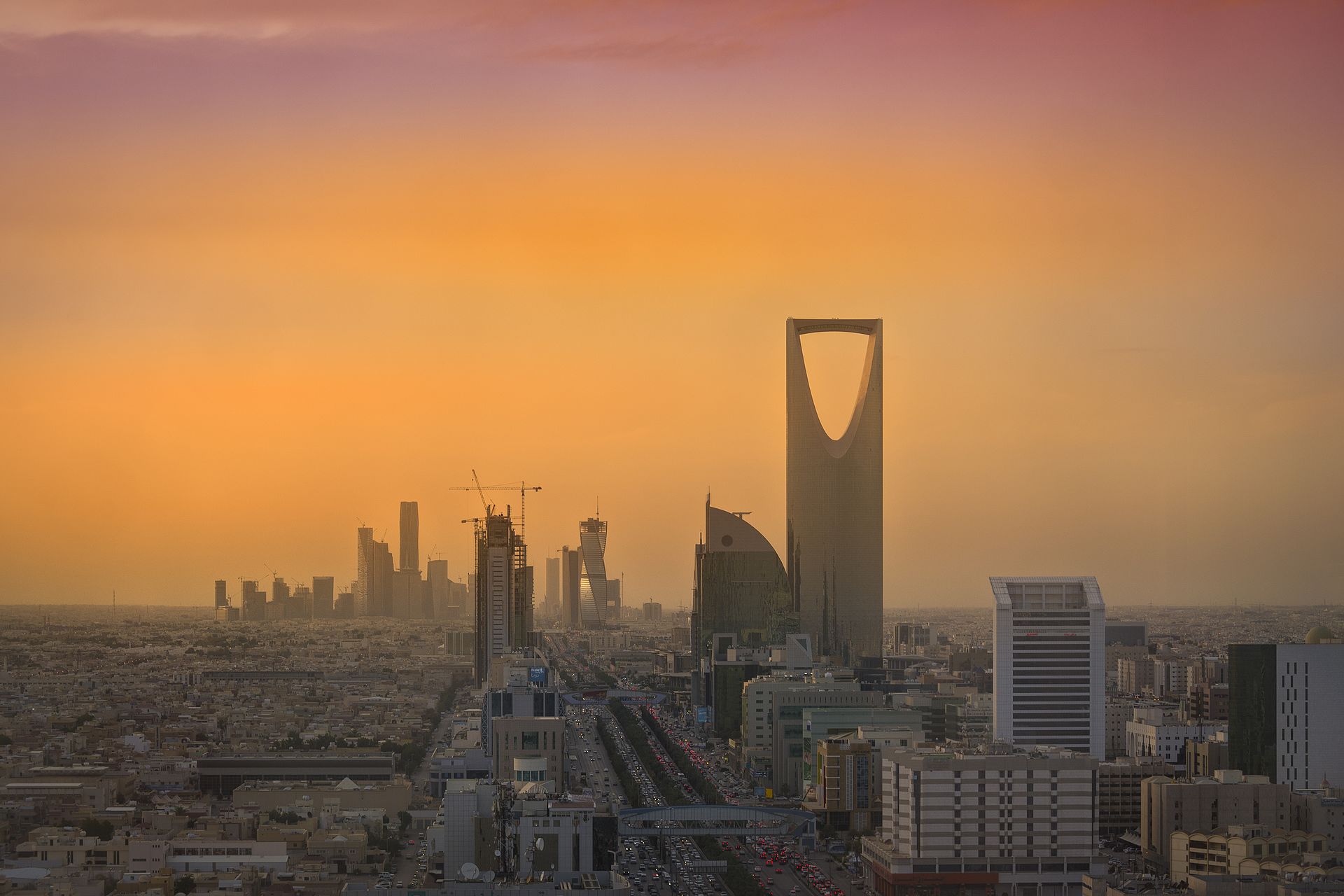
What Types of Airbnb Are Available?
The Saudi Airbnb market is weighted towards entire apartments and villas rather than the room-in-someone’s-home model common in Europe. This reflects both the regulations (no shared-room listings) and local cultural preferences for privacy. Here is what you will find.
Apartments
The most common listing type across Riyadh and Jeddah. Expect modern, furnished apartments ranging from studios to three-bedroom units. Many are located in residential towers in neighbourhoods like Olaya, Al Malaz, and Al Sulaimaniyah in Riyadh, or along the Corniche and in Al Hamra in Jeddah. Standard amenities include air conditioning, Wi-Fi, a kitchen, and a washing machine. Self check-in via lockbox or keypad is increasingly common.
Villas and Entire Houses
Villa rentals are popular for families and groups, particularly in Riyadh’s northern suburbs and Jeddah’s Obhur area. Many come with private pools, gardens, outdoor seating areas, and dedicated parking. Expect to pay SAR 600–1,500 per night ($160–$400) depending on size and location. Some villa compounds include shared facilities such as gyms and playgrounds.
Chalets and Farm Stays
A distinctively Saudi category. Istirahat (rest houses) and farm stays on the outskirts of major cities offer weekend-escape stays with outdoor grilling areas, swimming pools, and green space. These are especially popular among Saudi families for weekend gatherings and are increasingly listed on Airbnb. Expect rural locations 30–60 minutes from the city centre.
Unique and Luxury Stays
In AlUla, you will find minimalist desert lofts, farm stays with transparent walls overlooking sandstone formations, and properties designed around the dramatic landscape. The broader Saudi market also includes a small but growing number of luxury stays: penthouse apartments in Riyadh’s KAFD district, beachfront villas in Jeddah, and heritage-style properties in Jeddah’s historic Al Balad district.
Airbnb by City: Where to Book
Riyadh
Riyadh is the Kingdom’s largest Airbnb market with approximately 10,800 active listings as of 2025. The average nightly rate is SAR 300–430 ($80–$115), though budget apartments in southern districts start from SAR 150 ($40). Occupancy rates run around 29–40%, meaning availability is generally good outside peak event periods like Riyadh Season (October–March). For a full city guide, see the Riyadh travel guide.
Best neighbourhoods for Airbnb:
If you prefer the reliability of a hotel but want apartment-style space, serviced apartments in Riyadh offer a middle ground.
Jeddah
Jeddah has roughly 5,000 Airbnb listings with an average daily rate around SAR 260–380 ($70–$100). The city’s occupancy rate is higher than Riyadh at approximately 37%, driven by year-round Red Sea tourism and proximity to the Holy Cities. See the Jeddah travel guide for full city coverage.
Best neighbourhoods for Airbnb:
For hotel alternatives in Jeddah, the Jeddah serviced apartment guide covers extended-stay options.
AlUla
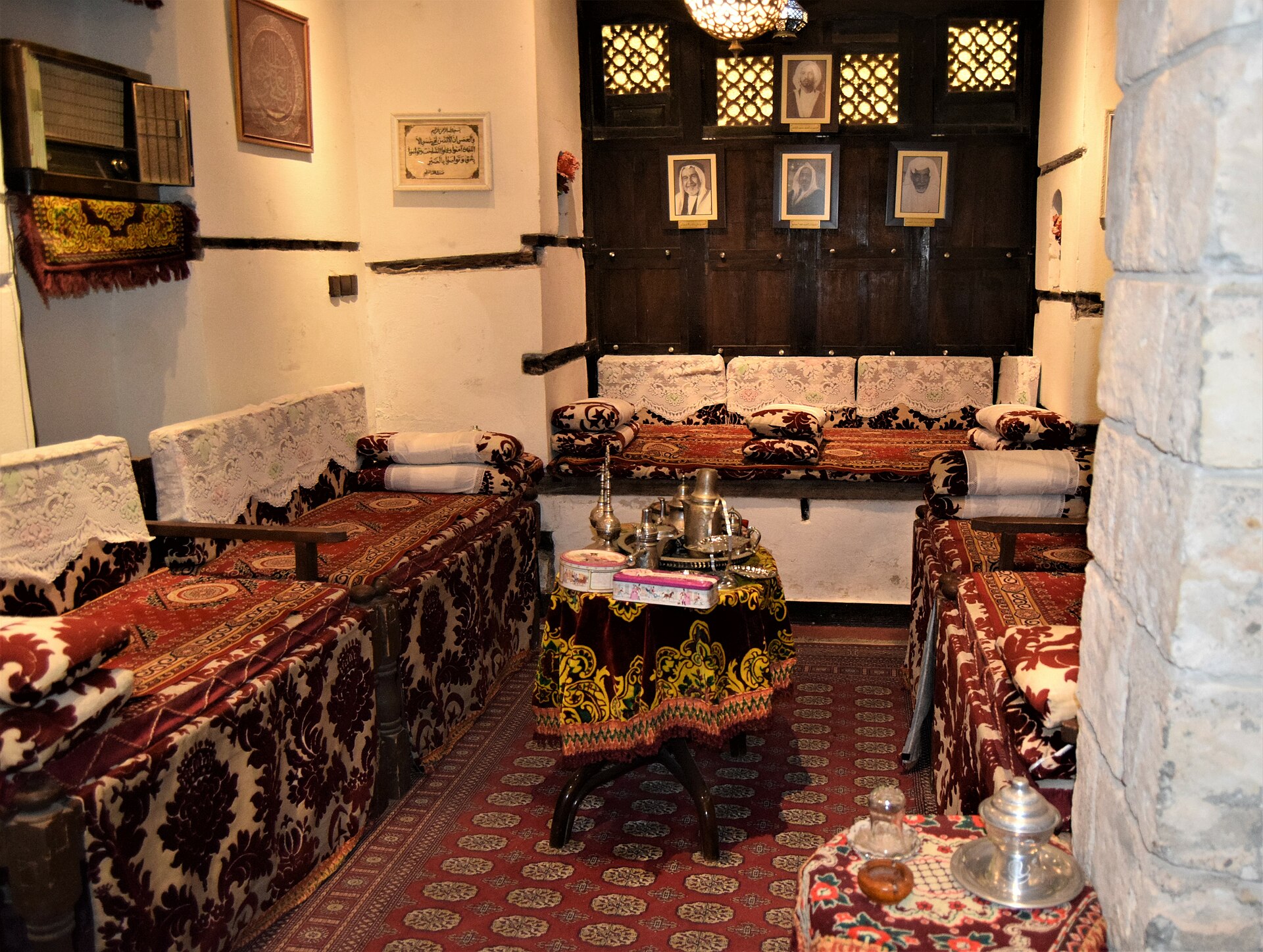
AlUla’s short-term rental market is small but distinctive. Listings start from around SAR 110 ($30) for basic apartments in the AlJadidah modern town, rising to SAR 400–800+ ($110–$220+) for farm stays and desert properties with mountain views. All AlUla hosts register through the Royal Commission for AlUla rather than the Ministry of Tourism. Booking well in advance is essential during the winter season (November–March), when the region hosts its annual arts and culture festival. For full destination planning, see the AlUla travel guide and the AlUla hotels and resorts guide.
Dammam and Al Khobar (Eastern Province)
The Eastern Province offers a smaller selection of Airbnb listings, mostly apartments in Dammam’s central districts and Al Khobar’s waterfront zone. Nightly rates are competitive — SAR 200–350 ($55–$95). The area appeals to business travellers and weekend visitors from Bahrain. See the Dammam and Al Khobar guide for more detail, or check Dammam hotel options and Al Khobar hotel picks.
Other Destinations
Airbnb availability is growing in Abha and the Asir highlands (popular summer escape), Taif (rose season and cool-weather retreats), and Tabuk (gateway to NEOM). Listings in these secondary cities are fewer but often offer exceptional value and more authentic local character than hotel chains.
Airbnb vs Hotels in Saudi Arabia
Choosing between Airbnb and a hotel in Saudi Arabia depends on your travel style, group size, and length of stay. Here is how they compare across the factors that matter most.
| Factor | Airbnb | Hotel |
|---|---|---|
| Price (per night) | SAR 150–600 ($40–$160) for apartments | SAR 300–1,200 ($80–$320) for 3–5 star |
| Space | Entire apartment or villa — living room, kitchen, multiple bedrooms | Single room, typically 25–45 sqm |
| Kitchen | Full kitchen standard | Rarely available except suites |
| Best for families | Strong — privacy, space, laundry, flexible meal times | Moderate — interconnecting rooms, kids’ clubs at resorts |
| Best for solo/business | Good value but less social | Stronger — concierge, gym, on-site dining |
| Location variety | Residential neighbourhoods, suburban villas, rural farms | City centres, tourist zones, business districts |
| Check-in flexibility | Self check-in common (lockbox/keypad) | 24-hour front desk |
| Consistency | Variable — depends on host | Standardised brand quality |
| Cancellation | Varies by host — read policy carefully | Usually flexible up to 24–48 hours |
Tip: For stays of five nights or more, Airbnb almost always offers better value than hotels, especially for families. Many Saudi hosts offer weekly discounts of 10–20%. For short stays of one or two nights, a budget hotel may be simpler and equally affordable.
How Much Does Airbnb Cost in Saudi Arabia?
Prices vary significantly by city, property type, and season. Here is a realistic breakdown based on 2025 market data.
| City | Budget Apartment | Mid-Range Apartment | Villa / Luxury |
|---|---|---|---|
| Riyadh | SAR 150–250 ($40–$67) | SAR 300–500 ($80–$133) | SAR 600–1,500 ($160–$400) |
| Jeddah | SAR 120–220 ($32–$59) | SAR 260–450 ($70–$120) | SAR 500–1,200 ($133–$320) |
| AlUla | SAR 110–200 ($30–$53) | SAR 300–500 ($80–$133) | SAR 600–1,000+ ($160–$267+) |
| Dammam/Khobar | SAR 120–200 ($32–$53) | SAR 250–400 ($67–$107) | SAR 500–900 ($133–$240) |
| Abha/Taif | SAR 100–180 ($27–$48) | SAR 200–350 ($53–$93) | SAR 400–800 ($107–$213) |
Peak season surcharges: During Riyadh Season (October–March), F1 race week in Jeddah, and Hajj/Umrah periods in Mecca-adjacent areas, prices can rise 30–80% above these averages. AlUla’s winter festival season similarly inflates rates. Book early for the best value.
Cleaning and service fees: Most Saudi Airbnb hosts include a one-time cleaning fee (SAR 50–150) and Airbnb’s platform service fee (typically 14–16% of the subtotal). Factor these into your budget comparison — they can add 20% to the headline nightly rate.
How to Book: Step by Step
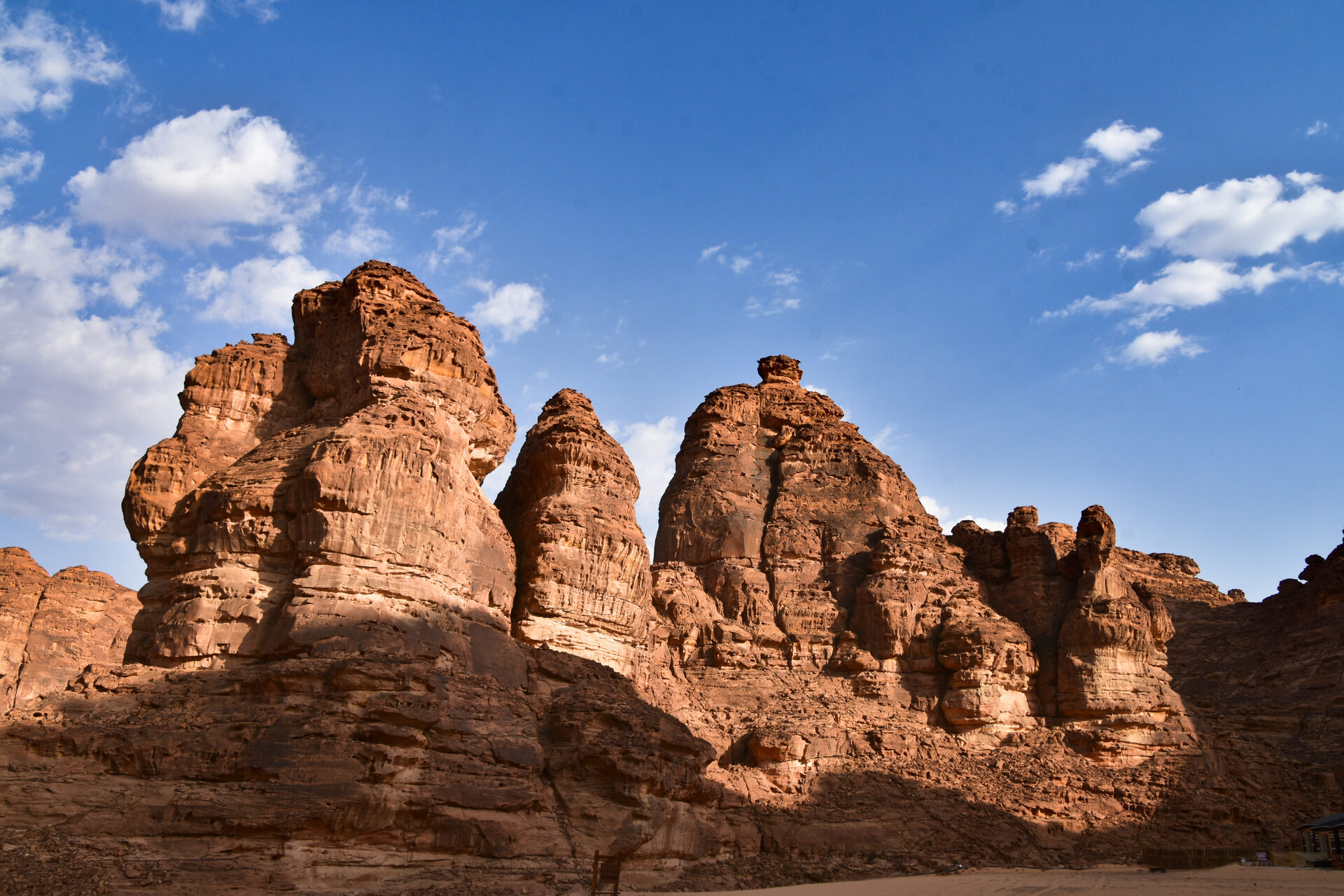
Booking an Airbnb in Saudi Arabia follows the same process as anywhere else on the platform, with a few Saudi-specific considerations.
Visa note: You will need a valid visa before arrival. Most leisure travellers qualify for the Saudi tourist e-visa, which takes minutes to process online and costs SAR 535 ($143) including insurance. Your Airbnb address can be used as your accommodation reference on the visa application.
Cultural Etiquette for Airbnb Guests
Staying in a Saudi-owned property comes with expectations that differ from a hotel. Observing these norms will make your stay smoother and earn you better reviews.
Dress and Behaviour
Alcohol and Smoking
Hospitality Norms
The Ejar Platform: What Guests Should Know
Saudi Arabia uses a national rental registration platform called Ejar, administered by the Real Estate General Authority (REGA). All rental contracts — including short-term stays — must technically be registered through Ejar to be legally enforceable. In practice, Airbnb handles the booking and payment layer, while the underlying property should be registered in the Ejar system by the landlord or host.
As a guest, you do not need to interact with Ejar directly. However, if a host mentions Ejar registration or asks for your passport details for registration purposes, this is a legitimate part of the compliance process. The new regulatory provisions introduced in 2025 exempt contracts under three months from certain requirements, which covers most tourist stays.
Practical Tips for a Better Stay
Connectivity and Transport
Groceries and Cooking
Check-In and Keys
Seasonal Considerations
Alternatives to Airbnb in Saudi Arabia
Airbnb is the most internationally recognised platform, but it is not the only option for short-term rentals in Saudi Arabia.
Safety and Scam Awareness
Saudi Arabia is one of the safest countries in the world for travellers, and Airbnb-specific scams are rare. That said, basic precautions apply.