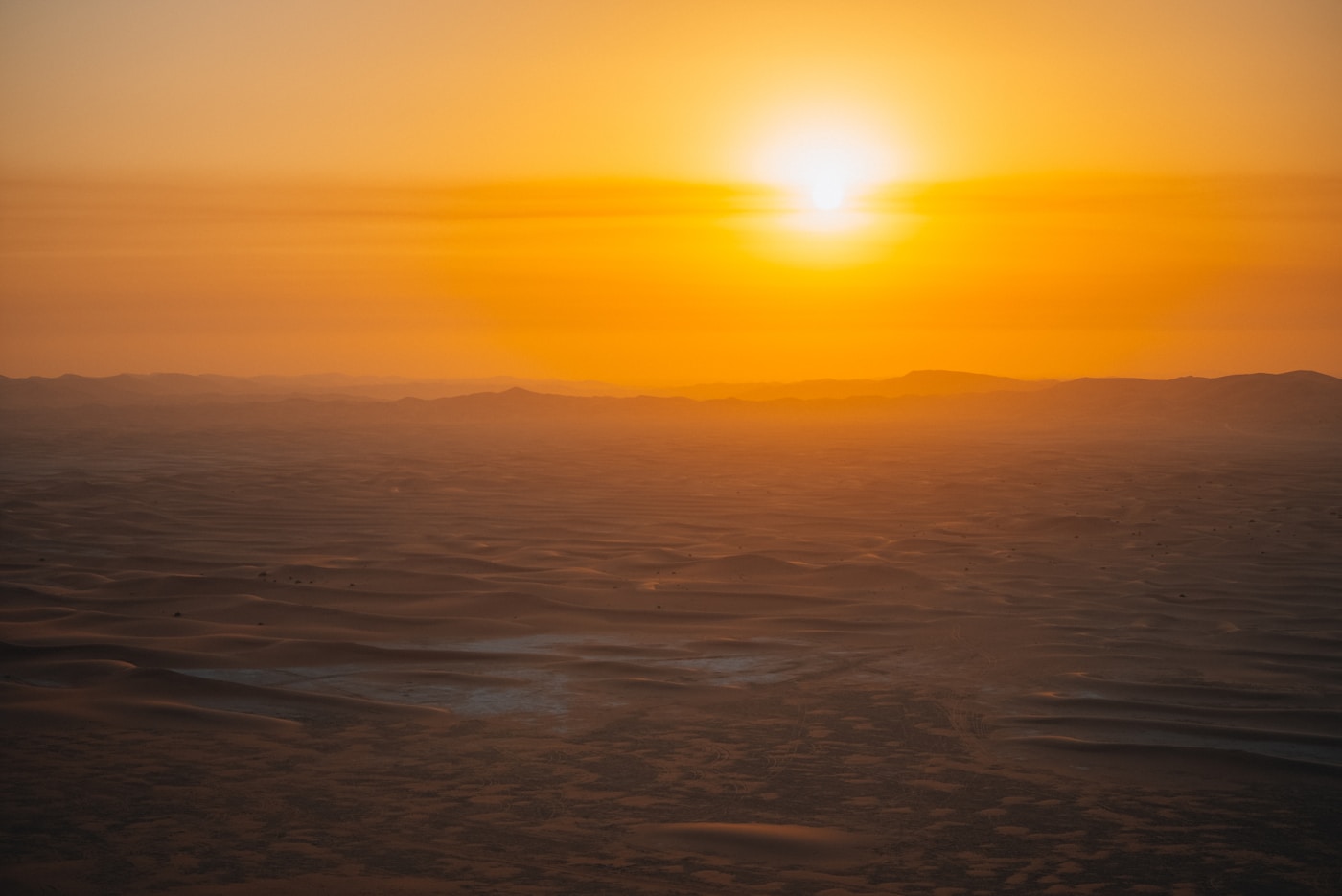

Saudi Arabia is vast. At 2.15 million square kilometres, it is roughly the size of Western Europe, and planning how to divide your time between its ancient ruins, futuristic cities, mountain retreats, and Red Sea coastline can feel overwhelming. This guide cuts through the complexity with three tested itineraries covering seven, ten, and fourteen days, complete with transport options, daily budgets, and the practical detail that most guides leave out.
Whether you have a single week to hit the highlights or two full weeks to explore from coast to coast, these day-by-day plans will help you see the best of the Kingdom without wasting time or money on unnecessary backtracking. For visa requirements before you book, see our Saudi Arabia visa guide.
Quick Facts: Planning Your Saudi Arabia Itinerary
| Detail | Information |
|---|---|
| Best months to visit | October to March (20-30C daytime, cool evenings) |
| Months to avoid | June to September (40C+ across most of the country) |
| Domestic airlines | Saudia, Flynas, Flyadeal |
| Average domestic flight cost | SAR 180-350 (USD 48-93) one-way |
| Ride-hailing apps | Uber and Careem (available in all major cities) |
| High-speed rail | Haramain Railway: Mecca-Jeddah-KAEC-Medina (300 km/h) |
| Budget per day (backpacker) | USD 50-80 (hostel, street food, public transport) |
| Budget per day (mid-range) | USD 120-200 (3-4 star hotel, restaurants, tours) |
| Budget per day (luxury) | USD 300+ (5-star resort, private tours, fine dining) |
| Currency | Saudi Riyal (SAR), pegged at 3.75 to 1 USD |
| Visa | e-Visa available for 60+ nationalities (see visa guide) |
How to Choose Your Itinerary Length
The right itinerary length depends on what kind of traveller you are and which regions interest you most. Here is a quick breakdown to help you decide.
Seven days is enough to cover the core triangle of Riyadh, Jeddah, and AlUla with domestic flights connecting each leg. You will see the essential highlights, including UNESCO World Heritage sites, historic old towns, and dramatic desert landscapes, but the pace is brisk and you will need to be selective about activities.
Ten days opens up space for the Edge of the World day trip, a more relaxed exploration of AlUla’s archaeological sites, and a detour south to the mountain city of Abha. This is the sweet spot for most first-time visitors.
Fourteen days lets you explore the Eastern Province, the mountain retreat of Taif, the Red Sea coast, and even a night in the Empty Quarter. This is the itinerary for travellers who want to understand the full breadth of Saudi Arabia, from its oil-rich east coast to its cloud-wrapped southwestern highlands.
For a deeper look at seasonal timing and weather patterns, read our guide on the best time to visit Saudi Arabia.
Getting Around Saudi Arabia
Before diving into the day-by-day plans, here is a quick overview of how to move between cities. For the full breakdown of domestic airlines, rail networks, car rental, and intercity buses, see our dedicated getting around Saudi Arabia guide.
Domestic Flights
Flights are the fastest and most practical way to cover Saudi Arabia’s enormous distances. Saudia, Flynas, and Flyadeal operate frequent domestic routes between all major cities. One-way fares typically range from SAR 180 to SAR 350 (USD 48-93), with the cheapest deals available when booking three to six weeks ahead. Key flight times include Riyadh to Jeddah (1 hour 45 minutes), Riyadh to AlUla (1 hour 30 minutes), Jeddah to Abha (1 hour 15 minutes), and Riyadh to Dammam (1 hour 10 minutes).
Haramain High-Speed Railway
The Haramain Railway connects Mecca, Jeddah, King Abdullah Economic City (KAEC), and Medina at speeds of up to 300 km/h. The full Mecca-to-Medina journey takes approximately 2 hours 30 minutes, with economy tickets from SAR 86 and business class from SAR 172. Trains run roughly hourly from early morning until late evening. Book tickets online through the official HHR portal at least a few days ahead, particularly during Ramadan and Hajj season.
Car Rental
Renting a car gives you freedom, especially for day trips like the Edge of the World or driving between Jeddah and Taif. Major agencies operate from all airports. International driving permits are accepted, and fuel is exceptionally cheap by global standards (around SAR 2.33 per litre for 91 octane). Roads between cities are modern, well-maintained multilane highways, though the last stretch to remote sites like Jebel Fihrayn requires a 4×4.
Key Distances and Drive Times
| Route | Distance | Drive time | Flight time |
|---|---|---|---|
| Riyadh to Jeddah | 950 km | 9 hours | 1 hr 45 min |
| Jeddah to Medina | 420 km | 4 hours | 1 hr (or Haramain train 1 hr 50 min) |
| Jeddah to Taif | 170 km | 2 hours | No direct flight |
| Jeddah to Abha | 700 km | 8 hours 30 min | 1 hr 15 min |
| Riyadh to Dammam | 410 km | 3 hours 30 min | 1 hr 10 min |
| Riyadh to AlUla | 880 km | 9 hours | 1 hr 30 min |
| Riyadh to Edge of the World | 100 km | 1 hour 30 min | N/A (day trip only) |
Itinerary 1: Seven-Day Saudi Arabia Highlights
This one-week itinerary covers the three destinations every first-time visitor should see: Riyadh, the modern capital with deep historical roots; AlUla, home to Saudi Arabia’s first UNESCO World Heritage Site; and Jeddah, the cosmopolitan gateway to the Red Sea. It requires two domestic flights and moves at a comfortable pace that leaves room for spontaneous exploration.
7-Day Route Overview
| Day | Location | Highlights | Transport |
|---|---|---|---|
| 1 | Riyadh | National Museum, Masmak Fort, Kingdom Centre Sky Bridge | Arrive at RUH airport |
| 2 | Riyadh | Diriyah / At-Turaif UNESCO site, Souq Al Zal, Boulevard Riyadh | Uber/Careem within city |
| 3 | Riyadh to AlUla | Arrive and explore AlUla Old Town, sunset at Elephant Rock | Flynas/Saudia flight (1 hr 30 min) |
| 4 | AlUla | Hegra (Mada’in Saleh) UNESCO site, Dadan, Jabal Ikmah | Guided tours or rental car |
| 5 | AlUla to Jeddah | Morning at Maraya, fly to Jeddah, Corniche sunset | Flight to JED (1 hr 15 min) |
| 6 | Jeddah | Al-Balad historic district, floating mosque, King Fahd Fountain | Uber/Careem within city |
| 7 | Jeddah | Red Sea snorkelling or diving, departure | Depart from JED airport |
Day 1: Arrive in Riyadh
Land at King Khalid International Airport and head to your hotel in the Olaya or KAFD district. After settling in, start with the National Museum of Saudi Arabia, a free museum housing 3,700 artefacts across eight halls that cover everything from pre-Islamic Arabia to the unification of the Kingdom. The adjacent Murabba Palace gives context to the reign of King Abdulaziz.
In the afternoon, walk to Masmak Fort, the clay-and-stone citadel where the young Abdulaziz ibn Saud launched his legendary raid in 1902 to recapture Riyadh. The spearhead lodged in the wooden door is still there. End the day with sunset views from the Kingdom Centre Sky Bridge, a glass-floored walkway 300 metres above the city. For more on the capital, see our full Riyadh travel guide.
Day 2: Diriyah and Old Riyadh
Spend the morning at Diriyah, the birthplace of the first Saudi state and a UNESCO World Heritage Site. The mud-brick ruins of At-Turaif sit on a bluff above Wadi Hanifah, and restored sections now house galleries covering Arabian horses, traditional architecture, and the history of the Al Saud dynasty. The surrounding Bujairi Terrace district has upscale restaurants if you want to linger over lunch.
In the afternoon, browse Souq Al Zal in the old city centre, where vendors sell antiques, daggers, incense, and second-hand goods in a chaotic but authentic market atmosphere. If you still have energy, Boulevard Riyadh City offers a walkable entertainment district with restaurants, pop-up events, and street performances.
Day 3: Fly to AlUla
Catch a morning flight to AlUla (around SAR 200-300 one-way). AlUla is unlike anywhere else in Saudi Arabia. The landscape is a natural gallery of wind-carved sandstone pillars, narrow canyons, and oasis palms set against rust-coloured cliffs.
After checking into your hotel, head to AlUla Old Town, a labyrinth of 900 abandoned mud-brick houses clustered beneath the hilltop Musa ibn Nusayr Castle. Wander the narrow lanes as the light softens, then drive the short distance to Elephant Rock (Jabal Al-Fil) for sunset. This 52-metre natural sandstone formation glows deep crimson as the sun drops, and entry is free. For full details, see our AlUla travel guide.
Day 4: Hegra and the Ancient Kingdoms
This is the highlight of the entire trip for many visitors. Book the morning Hegra Heritage Tour in advance through the Experience AlUla website. Hegra, also known as Mada’in Saleh, is Saudi Arabia’s first UNESCO World Heritage Site. The Nabataean civilisation carved more than 110 monumental tombs into sandstone outcrops here over 2,000 years ago. The most famous, Qasr Al-Farid (the Lonely Castle), stands alone in the desert, its unfinished facade revealing how the ancient masons worked from top to bottom.
In the afternoon, visit the Kingdoms of Dadan, capital of the Dadanite and Lihyanite civilisations, and Jabal Ikmah, an open-air library of thousands of ancient inscriptions carved into a canyon wall. These sites are less visited than Hegra but equally impressive.
Day 5: AlUla to Jeddah
If time allows, visit Maraya, the world’s largest mirrored building, which hosts rotating art exhibitions and concerts. Its walls reflect the surrounding desert and mountains, creating a surreal optical illusion. Then fly to Jeddah (around SAR 250-350).
Arriving in the afternoon, head to the Jeddah Corniche for a sunset walk along the 30-kilometre waterfront. The Corniche stretches along the Red Sea coast with parks, sculptures, and views of the 312-metre King Fahd Fountain. Find a seafood restaurant along the waterfront for dinner. Read our full Jeddah travel guide for restaurant recommendations.
Day 6: Al-Balad and Historic Jeddah
Spend the morning exploring Al-Balad, Jeddah’s UNESCO-listed historic district. This 7th-century trading hub was the main gateway for pilgrims arriving by sea en route to Mecca, and its coral-stone tower houses, hidden mosques, and winding lanes have been painstakingly restored. Highlights include Naseef House, a coral-block mansion built in 1872 and now a museum, and the Sharbatly House with its ornate wooden balconies known as rawashin.
In the afternoon, visit the Floating Mosque (Al Rahma Mosque), built on pillars over the Red Sea, and explore the art galleries and independent cafes that have sprung up across the city’s creative district.
Day 7: Red Sea and Departure
If your flight is in the evening, book a morning snorkelling or diving trip to the reefs off Jeddah’s coast. The Red Sea offers some of the world’s best diving, with visibility regularly exceeding 30 metres and coral gardens teeming with tropical fish, rays, and the occasional whale shark. Popular dive sites include Boiler Wreck and the Shi’b Habil reef system. Half-day boat trips start from around SAR 300.
For more on Red Sea activities, see our Red Sea coast guide.
7-Day Budget Estimate
| Category | Budget (USD) | Mid-range (USD) | Luxury (USD) |
|---|---|---|---|
| Accommodation (6 nights) | 210-360 | 480-720 | 1,200-2,400 |
| Domestic flights (2) | 130-180 | 130-180 | 250-400 |
| Food | 140-210 | 280-420 | 500-700 |
| Activities and tours | 80-150 | 200-350 | 400-800 |
| Local transport (Uber, taxis) | 70-100 | 100-150 | 200-350 |
| Total | 630-1,000 | 1,190-1,820 | 2,550-4,650 |
Itinerary 2: Ten-Day Classic Saudi Arabia
Ten days lets you add the Edge of the World, take your time in AlUla, and venture south to Abha’s cool mountain highlands. This itinerary follows a logical geographic loop and requires three domestic flights.
10-Day Route Overview
| Day | Location | Highlights | Transport |
|---|---|---|---|
| 1 | Riyadh | National Museum, Masmak Fort, Kingdom Centre | Arrive at RUH |
| 2 | Riyadh | Diriyah / At-Turaif, Souq Al Zal | City transport |
| 3 | Riyadh | Edge of the World day trip | 4×4 tour or rental (1.5 hrs each way) |
| 4 | Riyadh to AlUla | Fly to AlUla, Old Town, Elephant Rock sunset | Flight (1 hr 30 min) |
| 5 | AlUla | Hegra, Dadan, Jabal Ikmah | Guided tours |
| 6 | AlUla | Maraya, adventure activities (zip line, hot air balloon) | Local transport |
| 7 | AlUla to Jeddah | Fly to Jeddah, Corniche, seafood dinner | Flight (1 hr 15 min) |
| 8 | Jeddah | Al-Balad, Floating Mosque, galleries | City transport |
| 9 | Jeddah to Abha | Fly to Abha, Soudah cable car, mountain views | Flight (1 hr 15 min) |
| 10 | Abha | Rijal Almaa village, Asir National Park, departure | Rental car or tour, depart AHB |
Days 1-2: Riyadh (Same as 7-Day Itinerary)
Follow the same Riyadh itinerary as above: National Museum, Masmak Fort, and Kingdom Centre on Day 1, then Diriyah, At-Turaif, and Souq Al Zal on Day 2.
Day 3: Edge of the World
The Edge of the World (Jebel Fihrayn) is one of Saudi Arabia’s most dramatic natural sites and the best day trip from Riyadh. The 1,131-metre cliffs of the Tuwaiq Escarpment drop away into a seemingly endless plain, giving the illusion that you are standing at the edge of the planet.
Book a guided tour (from SAR 200-400 per person) or rent a 4×4 and drive yourself. The site is about 100 km northwest of Riyadh. The first 60 km is smooth highway, but the final stretch is unpaved desert track, so a high-clearance vehicle is essential. Most guided tours depart around 2 pm and include sunset viewing plus dinner under the stars. Bring layers if visiting between November and February, as temperatures drop sharply after dark.
There are no fences at the cliff edge, no guardrails, and no safety infrastructure. Take care, especially in windy conditions.
Day 4: Fly to AlUla
Take a morning flight from Riyadh to AlUla. Settle into your accommodation and spend the afternoon exploring the AlUla Old Town, a settlement of over 900 mud-brick houses abandoned in the 1980s that is now being carefully restored. As the sun drops, drive to Elephant Rock for the sunset light show on the sandstone.
Day 5: Hegra and Ancient Sites
Dedicate a full day to Hegra and the surrounding archaeological sites. Book the Hegra Heritage Tour through Experience AlUla and arrive early to beat the heat. After Hegra, visit the Kingdoms of Dadan and the inscriptions at Jabal Ikmah. See our AlUla guide for booking details and seasonal hours.
Day 6: AlUla Adventures
With a third day in AlUla, you have time for activities beyond the archaeological sites. Options include a sunrise hot-air balloon ride over Hegra (one of the most unforgettable experiences in Saudi Arabia), zip-lining through Harrat Uwayrid, or a stargazing experience in the desert. Visit Maraya, the mirrored concert hall, if there is an exhibition running during your visit.
Day 7: Fly to Jeddah
Fly from AlUla to Jeddah and spend the afternoon at the Corniche. Walk the waterfront, watch the King Fahd Fountain erupt 312 metres into the air, and settle into a seafood restaurant for fresh Red Sea catches. The Jeddah fish market at Al-Bont neighbourhood is worth a visit if you enjoy local culinary culture.
Day 8: Jeddah Deep Dive
Spend the day in Al-Balad, Jeddah’s UNESCO World Heritage historic district. Take your time wandering the coral-stone alleyways, visiting the merchant houses with their carved wooden balconies, and browsing the souk for oud, amber, and traditional Arabian perfumes. In the afternoon, visit the Al Tayebat City Museum, a 300-room private museum housed in a traditional Hejazi building that covers Islamic art, archaeology, and regional history.
Day 9: Fly to Abha
Catch a morning flight from Jeddah to Abha (1 hour 15 minutes, from SAR 200). Abha sits at 2,270 metres in the Asir Mountains, and the temperature drop from the coast is immediate and welcome. The city is known as the City of Fog for the clouds that regularly roll through its green valleys.
In the afternoon, take the cable car from Al Soudah, the highest point in Saudi Arabia at 3,015 metres, down through cloud forests to the hanging village of Habala. The 20-minute ride offers views over terraced farms, juniper forests, and cliff-face settlements. For the full Abha experience, see our Abha travel guide.
Day 10: Rijal Almaa and Departure
Drive 45 km south of Abha to Rijal Almaa, a 900-year-old village of stone tower houses decorated with vibrant Asiri geometric patterns. The village has over 60 traditional buildings, and the Rijal Almaa Heritage Museum, housed in the 700-year-old Al-Elwan Fort, displays centuries of regional artefacts. The architecture looks as though it belongs in a storybook, earning the village its nickname as Saudi Arabia’s Gingerbread Village.
Return to Abha for your departure flight, or if your schedule allows, take a detour through Asir National Park for hiking trails and mountain views before heading to the airport.
10-Day Budget Estimate
| Category | Budget (USD) | Mid-range (USD) | Luxury (USD) |
|---|---|---|---|
| Accommodation (9 nights) | 315-540 | 720-1,080 | 1,800-3,600 |
| Domestic flights (3) | 200-280 | 200-280 | 380-600 |
| Food | 200-300 | 400-600 | 700-1,000 |
| Activities and tours | 120-250 | 300-500 | 600-1,200 |
| Local transport | 100-150 | 150-220 | 300-500 |
| Total | 935-1,520 | 1,770-2,680 | 3,780-6,900 |
Itinerary 3: Fourteen-Day Ultimate Saudi Arabia
Two weeks is enough to explore Saudi Arabia from east to west and north to south. This itinerary adds the Eastern Province (Dammam, Al Khobar, and the ancient oasis of Al Ahsa), the mountain city of Taif, the Red Sea coast, and an overnight in the Empty Quarter. It requires four domestic flights and includes a mix of driving and rail.
14-Day Route Overview
| Day | Location | Highlights | Transport |
|---|---|---|---|
| 1 | Riyadh | National Museum, Masmak Fort, Kingdom Centre | Arrive at RUH |
| 2 | Riyadh | Diriyah / At-Turaif, Boulevard Riyadh | City transport |
| 3 | Riyadh | Edge of the World day trip | 4×4 tour (half-day) |
| 4 | Dammam / Al Khobar | Drive east, Half Moon Bay, Corniche | Rental car (3.5 hrs) or flight (1 hr 10 min) |
| 5 | Al Ahsa | Al Qarah caves, Jawatha Mosque, oasis palm groves | Drive from Dammam (1 hr 30 min) |
| 6 | Back to Riyadh, fly to AlUla | Arrive AlUla, Old Town, Elephant Rock | Drive to RUH + flight (1 hr 30 min) |
| 7 | AlUla | Hegra, Dadan, Jabal Ikmah | Guided tours |
| 8 | AlUla to Medina | Drive or fly to Medina, Prophet’s Mosque (Muslims), Al Noor Mall | Drive (3 hrs) or flight |
| 9 | Medina to Jeddah | Haramain train to Jeddah, Corniche, seafood dinner | Haramain Railway (1 hr 50 min) |
| 10 | Jeddah | Al-Balad, Floating Mosque, art galleries | City transport |
| 11 | Jeddah to Taif | Drive to Taif, rose farms, Al Hada cable car | Rental car (2 hrs) |
| 12 | Taif to Abha | Fly to Abha, Soudah cable car, Habala village | Drive to Taif airport + flight |
| 13 | Abha | Rijal Almaa, Asir National Park | Rental car |
| 14 | Abha | Morning market, departure | Depart from AHB |
Days 1-3: Riyadh and Edge of the World
Follow the same three-day Riyadh itinerary as the 10-day plan: Day 1 covers the National Museum, Masmak Fort, and Kingdom Centre Sky Bridge; Day 2 takes in Diriyah and At-Turaif; Day 3 is the Edge of the World day trip. The extra time in the 14-day itinerary comes from the destinations that follow, not from spending additional days in Riyadh.
Day 4: Drive to the Eastern Province
Pick up a rental car in the morning and drive east across the desert plateau to Dammam and Al Khobar (approximately 3 hours 30 minutes on the excellent Highway 40). Alternatively, take a one-hour flight. The Eastern Province is Saudi Arabia’s oil heartland, but it also has some of the country’s best beaches.
Spend the afternoon at Half Moon Bay, a crescent-shaped beach with calm, clear water that is popular with families for swimming, jet-skiing, and kayaking. In the evening, stroll the Al Khobar Corniche and look across the water towards Bahrain, connected by the 25-km King Fahd Causeway.
Day 5: Al Ahsa Oasis
Drive 90 minutes south to Al Ahsa, a UNESCO World Heritage Site and the largest natural oasis in the world, fed by more than 60 artesian springs. Start at the Al Qarah caves, a network of cool, naturally air-conditioned caverns carved into a limestone hill. The caves stay around 20C year-round, making them a welcome refuge from the heat.
Visit Jawatha Mosque, one of the oldest mosques in eastern Arabia, and walk through the oasis palm groves, which contain over 2.5 million date palms producing more than 100,000 tonnes of dates annually. Drive back towards Riyadh in the late afternoon, stopping at Uqair Fort on the coast if time allows.
Day 6: Fly to AlUla
Return to Riyadh and catch an afternoon flight to AlUla. Spend the evening exploring the Old Town and watching sunset at Elephant Rock, following the same approach as in the shorter itineraries.
Day 7: Hegra and Ancient Sites
Devote a full day to Hegra and the surrounding archaeological wonders. With the 14-day itinerary, you can afford to take your time at each site rather than rushing. Consider adding the Hegra After Dark experience if it is running during your visit, when the tombs are illuminated with light installations and the desert sky fills with stars.
Day 8: AlUla to Medina
Drive or fly from AlUla to Medina (3 hours by road, or a short flight). Medina is one of Islam’s two holiest cities, and the Prophet’s Mosque (Al-Masjid an-Nabawi) is one of the largest mosques in the world, with a capacity of over one million worshippers. Non-Muslims cannot enter the Haram area around the mosque but can explore the wider city, including Quba Mosque (the first mosque built in Islam), the Uhud battleground, and the excellent local restaurant scene. See our Medina travel guide for access rules and recommendations.
Day 9: Haramain Train to Jeddah
This is one of the finest rail journeys in the Middle East. Board the Haramain high-speed train at Medina station and glide south at 300 km/h through the Hejaz desert to Jeddah (1 hour 50 minutes, economy from SAR 86). The trains are modern, comfortable, and air-conditioned, with power outlets and a buffet car. Arrive in Jeddah for an afternoon on the Corniche and a fresh seafood dinner.
Day 10: Jeddah
Follow the Jeddah day from the 7-day itinerary: Al-Balad in the morning, the Floating Mosque and art galleries in the afternoon. If you are a certified diver, consider booking a morning dive trip to the Red Sea reefs before exploring the city. For snorkelling and beach excursions, see our Red Sea coast guide.
Day 11: Jeddah to Taif
Rent a car and drive the scenic two-hour route from Jeddah up into the Hejaz Mountains to Taif, the City of Roses. The road climbs from sea level to 1,879 metres through dramatic switchbacks and mountain passes.
Taif is famous for its Damask rose farms, which produce some of the world’s most expensive rose oil (atar). If you visit between March and early April, you can tour working farms and watch the traditional steam distillation process. Over 900 growers harvest more than 300 million roses here each year.
In the afternoon, take the cable car from Al Hada Mountain for 15-minute rides across gorges and through clouds, with views down to the Mecca valley below. The Al Hada road itself, with its serpentine curves and cliff-edge viewpoints, is one of the most scenic drives in Saudi Arabia.
Day 12: Taif to Abha
Fly from Taif to Abha (check seasonal schedules, or drive to Jeddah and fly from there). Arriving in Abha, you will notice the temperature drop immediately. At 2,270 metres, this mountain capital of the Asir region is one of the coolest places in Saudi Arabia, with summer temperatures rarely exceeding 25C.
Take the cable car from Al Soudah down to the hanging village of Habala, built into the cliff face and historically accessible only by rope. The 20-minute ride descends through juniper forests and misty valleys. Back at the top, Al Soudah peak (3,015 metres) offers panoramic views across the Asir range.
Day 13: Rijal Almaa and Asir
Drive 45 km south to Rijal Almaa, the 900-year-old stone tower village decorated with the geometric Al-Qatt Al-Asiri art that earned UNESCO Intangible Cultural Heritage status. Explore the heritage museum in Al-Elwan Fort and walk through the village, where traditional architecture sits alongside contemporary murals.
In the afternoon, hike through Asir National Park, home to rare species including the Arabian leopard and Asir magpie. The park’s juniper and acacia forests feel a world away from the deserts of central Saudi Arabia. See our Abha guide for hiking routes and seasonal wildflower information.
Day 14: Morning in Abha and Departure
Spend your final morning at Abha’s Tuesday market (Souq Al Thulathaa), where Asiri tribespeople sell honey, handicrafts, and fragrant herbs. If your flight is later in the day, drive to Al Habala viewpoint for one last look at the Asir escarpment before heading to the airport.
14-Day Budget Estimate
| Category | Budget (USD) | Mid-range (USD) | Luxury (USD) |
|---|---|---|---|
| Accommodation (13 nights) | 455-780 | 1,040-1,560 | 2,600-5,200 |
| Domestic flights (4) | 280-380 | 280-380 | 520-800 |
| Haramain train | 23-46 | 23-46 | 46-67 |
| Car rental (4 days) | 120-200 | 160-280 | 280-500 |
| Food | 280-420 | 560-840 | 980-1,400 |
| Activities and tours | 180-350 | 400-700 | 800-1,600 |
| Local transport | 140-200 | 200-300 | 400-650 |
| Total | 1,478-2,376 | 2,663-4,106 | 5,626-10,217 |
Where to Stay: Accommodation by City
Here is a quick reference for accommodation options at each stop on these itineraries, with approximate nightly rates.
Riyadh
Budget travellers can find hostels and guesthouses in the Olaya district from SAR 120-200 per night. Mid-range hotels cluster around the KAFD financial district and King Fahd Road, with rates from SAR 300-600. For luxury, the Ritz-Carlton Riyadh and Four Seasons at Kingdom Centre both offer five-star service from SAR 1,200.
AlUla
Accommodation options in AlUla are more limited than other cities and tend to be pricier. Budget options include local guesthouses from SAR 250-400. The Habitas AlUla eco-resort and Banyan Tree AlUla offer luxury desert experiences from SAR 2,000 per night. Book well in advance during winter season (October-March).
Jeddah
Jeddah has the widest range of options. Budget hostels near Al-Balad start from SAR 100-180. Mid-range hotels along the Corniche run SAR 250-500. The Park Hyatt Jeddah and Rosewood Jeddah provide luxury waterfront stays from SAR 1,000.
Abha
Abha is affordable compared to the bigger cities. Clean mid-range hotels are available from SAR 200-400, and mountain resorts near Al Soudah start from SAR 600. During summer (June-September), when Saudis flock to the mountains for cooler weather, prices increase and availability drops.
Medina
Hotels in Medina are concentrated around the Prophet’s Mosque. Budget options start from SAR 150, with five-star hotels like the Dar Al Taqwa and Oberoi Medina from SAR 800. Prices spike during Hajj and Ramadan. For detailed recommendations, see our Medina guide.
Practical Tips for All Itineraries
Booking Flights
Flynas typically offers the cheapest domestic fares (from SAR 180 one-way), while Saudia provides a more premium experience with slightly higher prices. Flyadeal sits in between. Book at least three weeks ahead for the best prices, and further ahead for AlUla flights during winter season. All three airlines allow online check-in and have mobile apps.
Ramadan Considerations
Travelling during Ramadan (dates shift annually by the Islamic calendar) is entirely possible, but opening hours change. Restaurants close during daylight hours (except in hotels), tourist sites may have shortened schedules, and the pace of life slows. The upside is fewer crowds and the chance to experience iftar, the evening meal that breaks the fast, which is a memorable communal event across the country.
Dress Code
Saudi Arabia has relaxed its dress requirements significantly since opening to tourism in 2019. Men can wear shorts and t-shirts in most settings. Women no longer need to wear an abaya, but modest clothing covering shoulders and knees is expected. Both men and women should cover up more conservatively when visiting mosques or holy sites. For detailed guidance, see our safety and etiquette guide.
Photography
Photography is welcome at tourist sites, but always ask before photographing people, particularly women. Photography is prohibited inside some mosques and near military installations. Drones require a permit from the General Authority of Civil Aviation (GACA).
Money
ATMs are widely available in all cities. International credit and debit cards (Visa, Mastercard) are accepted at hotels, restaurants, and shops. Carry some cash for souks, street food vendors, and taxis in smaller towns. Tipping is not mandatory but appreciated at 10-15 percent in restaurants. For detailed cost breakdowns, see our Saudi Arabia cost guide.
Connectivity
Buy a local SIM card on arrival at the airport from STC, Mobily, or Zain. Tourist SIM packages with data start from around SAR 50 for 30 days. Wi-Fi is available at most hotels and many cafes. Uber and Careem work smoothly in all major cities and are the easiest way to get around.
Health and Safety
Saudi Arabia is a very safe country for travellers, with low crime rates across all regions. The main health considerations are heat-related: drink at least three litres of water daily during warm months, wear sun protection, and avoid prolonged exposure during midday (11 am to 3 pm) from April onwards. Pharmacies are well-stocked, and hospitals in major cities are modern and well-equipped.
Customising Your Itinerary
These three itineraries are frameworks, not fixed plans. Here are some common modifications based on traveller preferences.
For Muslim Travellers
Replace the AlUla days in the 7-day itinerary with Mecca and Medina. Take the Haramain train from Jeddah to Mecca (30 minutes), spend two days performing Umrah and visiting the Grand Mosque, then continue to Medina by train (2 hours 30 minutes). This is one of the most spiritually rewarding ways to spend a week in Saudi Arabia. See our Mecca guide and Medina guide for detailed pilgrimage planning.
For Adventure Seekers
Add a two-day Empty Quarter expedition from Riyadh (guided 4×4 tours with overnight Bedouin camp, from SAR 1,500 per person). The Rub’ al Khali is the world’s largest continuous sand desert, with dunes reaching 250 metres. Tours typically include dune bashing, sandboarding, camel rides, and camping under some of the darkest skies in the Middle East.
For Beach Lovers
Extend the Jeddah portion with days on the Red Sea coast. Islands like Bayada and the Farasan Islands (off the southern coast near Jizan) offer pristine snorkelling and diving. For the most ambitious addition, keep an eye on developments at NEOM, where the Sindalah luxury island resort is scheduled to be one of the first tourism destinations to open in the megacity project.
For Culture and History Enthusiasts
Add a day in Ha’il to visit Jubbah, home to some of the Arabian Peninsula’s oldest rock art (dating back 10,000 years and inscribed on the UNESCO World Heritage List). From AlUla, Ha’il is a four-hour drive north, making it a feasible addition to the 10 or 14-day itineraries.
Frequently Asked Questions
How many days do you need in Saudi Arabia?
Seven days is the minimum for a meaningful visit, covering Riyadh, AlUla, and Jeddah. Ten days is the sweet spot for first-time visitors, adding the Edge of the World and Abha. Two weeks allows for a comprehensive exploration including the Eastern Province, Taif, and the Red Sea coast.
What is the best route through Saudi Arabia?
Start in Riyadh (central), fly to AlUla (northwest), then work your way south through Medina and Jeddah along the western coast. This follows a logical geographic flow and minimises backtracking. If you have two weeks, add Dammam (east) at the start and Abha (southwest) at the end.
Is it cheaper to fly or drive between cities?
For distances over 400 km, flying is both faster and often cheaper when you factor in fuel, tolls, and the time cost. Riyadh to Jeddah is a nine-hour drive but only a 1-hour-45-minute flight from SAR 180. However, short-to-medium distances like Jeddah to Taif (2 hours) or Riyadh to Dammam (3.5 hours) are easier and more scenic by car. See our transport guide for a full comparison.
Can non-Muslims visit Mecca and Medina?
Non-Muslims cannot enter Mecca or the Haram zone around the Prophet’s Mosque in Medina. However, non-Muslims can visit Medina and explore the wider city, including restaurants, the Uhud battleground, and Quba Mosque’s exterior. Our itineraries account for this by offering AlUla as an alternative for non-Muslim travellers.
Is Saudi Arabia expensive to travel in?
Saudi Arabia offers good value for money compared to neighbouring Gulf states like the UAE and Qatar. Budget travellers can manage on USD 50-80 per day, mid-range travellers on USD 120-200, and luxury travellers should budget USD 300 or more. Food is particularly affordable, with excellent meals available from SAR 15-30 at local restaurants. For a complete breakdown, see our cost guide.
What is the best time of year for a Saudi Arabia trip?
October to March offers the most comfortable weather across the country, with daytime temperatures between 20-30C in most regions. This is also the peak season for AlUla and desert activities. Summer (June-September) is brutally hot in most of the country but is actually the best time for Abha and the Asir Mountains, where cool temperatures and green landscapes attract domestic tourists. See our seasonal guide for monthly breakdowns.
Do I need a visa for Saudi Arabia?
Citizens of over 60 countries can obtain an e-visa online before travelling, valid for one year with multiple entries and stays of up to 90 days. The process takes minutes and costs around SAR 480 (approximately USD 128), which includes mandatory health insurance. Check our visa guide for eligibility and the step-by-step application process.
Is Saudi Arabia safe for solo female travellers?
Saudi Arabia has undergone dramatic social reforms since 2019 and is generally safe for solo female travellers. Women can drive, stay in hotels alone, and move freely without a male guardian. Dress modestly (covering shoulders and knees), use Uber or Careem for transport, and exercise the same common-sense precautions you would in any unfamiliar country. Read our guide to solo female travel in Saudi Arabia for detailed advice.
For more destination guides and practical information, explore our full Saudi Arabia travel hub.