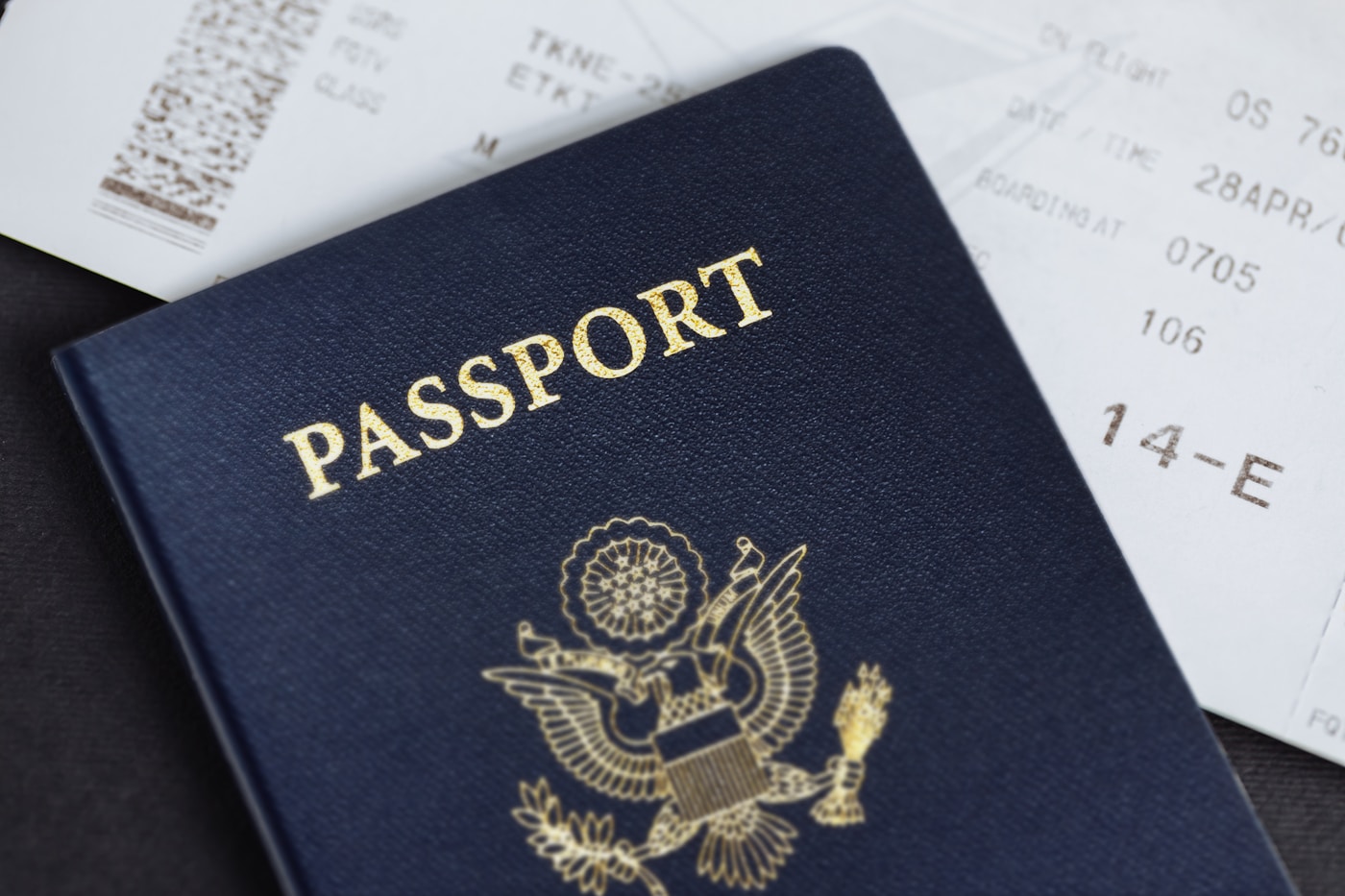

Saudi Arabia has transformed its visa regime over the past five years, opening a country that was once among the most difficult to enter as a tourist. Since the launch of the electronic tourist visa in September 2019, the Kingdom has steadily expanded eligibility, streamlined applications, and introduced new visa categories designed to support Vision 2030’s target of 150 million annual visits by 2030.
This guide covers every visa type available to foreign nationals in 2026 — from the tourist eVisa that takes minutes to approve, to the employer-sponsored work visa that can take months. We explain costs, eligibility, processing times, and the practical steps for each category, drawing on official Saudi government sources, the Visit Saudi platform, and the Nusuk pilgrimage system. Whether you are planning a visit to Riyadh, a pilgrimage to Mecca, or an archaeological trip to AlUla, this is the only visa reference you need.
Last updated: April 2026. Saudi visa policy changes frequently. We will update this page as new rules are announced. For country-specific entry requirements, always verify with the official Saudi eVisa portal before booking travel.
- All Saudi Visa Types
- eVisa-Eligible Countries
- Visa Costs
- How to Apply (Step by Step)
- Visa on Arrival
- Stopover Visa
- Photo Requirements
- Hajj & Umrah Visas
- Work Visas & Iqama
- Premium Residency (Golden Visa)
- Student Visas
- Cruise & Maritime Visa
- Land Border Crossings
- February 2025 Visa Restriction
- Rules by Nationality
- Health Requirements
- Customs & Prohibited Items
- Airport Immigration Tips
- Exit & Re-Entry Rules
- Common Mistakes & Rejections
- Overstay Penalties
- GCC Unified Visa
- FAQ
- Hajj 2026 Guide
- Umrah Guide
- Is Saudi Arabia Safe?
What Types of Visa Does Saudi Arabia Offer?
Saudi Arabia operates more than a dozen distinct visa categories. The table below summarises every current type, who it is designed for, and how long it allows you to stay.
| Visa Type | Purpose | Validity | Max Stay | Entry Type | Approximate Cost |
|---|---|---|---|---|---|
| Tourist eVisa | Tourism, family visits, Umrah | 1 year | 90 days per visit | Multiple entry | SAR 535 (~$142) |
| Visa on Arrival | Tourism (eligible passport holders) | 1 year | 90 days per visit | Multiple entry | SAR 480 (~$128) |
| Stopover/Transit Visa | Transit passengers on Saudia or Flynas | 3 months | 96 hours | Multiple entry | Free (SAR 39.50 + SAR 13 insurance) |
| Hajj Visa | Annual Hajj pilgrimage | Hajj season only | Duration of Hajj | Single entry | Included in Nusuk package |
| Umrah Visa | Umrah pilgrimage | 90 days from issuance | 90 days | Single entry | Included in package |
| e-Maritime (Cruise) Visa | Cruise ship passengers | 30 days | 30 days | Single entry | From ~$24 |
| Business Visit Visa | Conferences, meetings, commercial activity | 90 days | 90 days | Single or multiple | SAR 300+ |
| Work Visa (Employment) | Employment with Saudi employer | Until Iqama issued | Duration of contract | Single entry | Employer-sponsored |
| Family Visit Visa | Visiting family resident in Saudi Arabia | 90 days | 90 days | Single or multiple | SAR 300 |
| Student Visa | University study on scholarship | Duration of programme | Duration of programme | Multiple entry | Free (with scholarship) |
| Premium Residency (Permanent) | Investors, entrepreneurs, talent | Unlimited | Unlimited | Multiple entry | SAR 800,000 one-time |
| Premium Residency (Temporary) | Investors, entrepreneurs, talent | 1–5 years | Continuous | Multiple entry | SAR 100,000/year |
| Diplomatic/Official Visa | Government and diplomatic personnel | Varies | Varies | Varies | No fee |
Which Countries Are Eligible for the Saudi Tourist eVisa?
Citizens of the following countries can apply for a Saudi tourist eVisa online or receive a visa on arrival at Saudi airports. The eVisa programme launched with 49 countries in September 2019 and has since expanded — most recently adding eight countries in August 2023 including Albania, Azerbaijan, Georgia, Kyrgyzstan, Maldives, South Africa, Tajikistan, and Uzbekistan. Note that Uzbekistan and Tajikistan were subsequently removed from the list in April 2025.
As of early 2026, the following nationalities are eligible for the Saudi eVisa:
| Region | Eligible Countries |
|---|---|
| Europe | Albania, Andorra, Austria, Belgium, Bulgaria, Croatia, Cyprus, Czech Republic, Denmark, Estonia, Finland, France, Georgia, Germany, Greece, Hungary, Iceland, Ireland, Italy, Latvia, Liechtenstein, Lithuania, Luxembourg, Malta, Monaco, Montenegro, Netherlands, Norway, Poland, Portugal, Romania, Russia, San Marino, Slovakia, Slovenia, Spain, Sweden, Switzerland, Turkey |
| Americas | Bahamas, Barbados, Canada, Grenada, Panama, Saint Kitts and Nevis, United States |
| Asia-Pacific | Australia, Azerbaijan, Brunei, China, Hong Kong (SAR), Japan, Kazakhstan, Kyrgyzstan, Macau (SAR), Malaysia, Maldives, New Zealand, Singapore, South Korea, Thailand |
| Africa | Mauritius, Seychelles, South Africa |
GCC citizens are visa-exempt. Nationals of Bahrain, Kuwait, Oman, Qatar, and the United Arab Emirates do not need a visa to enter Saudi Arabia and can stay for up to 90 days.
Not on the list? Citizens of countries not listed above — including India, Pakistan, Bangladesh, Nigeria, Egypt, and the Philippines — cannot apply for the eVisa directly. However, holders of a valid US, UK, or Schengen visa (that has been used at least once) from any nationality can apply for a Saudi eVisa through the online portal or receive a visa on arrival when flying on Saudi-based airlines (Saudia, Flynas, Flyadeal). All other applicants must apply through a Saudi embassy or consulate.
How Much Does a Saudi Tourist Visa Cost?
The cost depends on how you apply:
| Application Method | Visa Fee | Medical Insurance | Total |
|---|---|---|---|
| eVisa (online application) | SAR 300 (~$80) | SAR 235 (~$63) | SAR 535 (~$142) |
| Visa on Arrival (airport) | SAR 300 (~$80) | SAR 180 (~$48) | SAR 480 (~$128) |
| Stopover/Transit Visa | Free | SAR 13 | ~SAR 52.50 (processing + insurance) |
| Embassy/Consulate Visa | Varies by country | Varies | $200+ (fees vary by embassy) |
The medical insurance fee is mandatory and non-negotiable. It covers emergency medical treatment up to SAR 100,000 (approximately $27,000) during your stay. The insurance provider is assigned automatically during the application process — typically Tawuniya or MedGulf.
Payment is made online by credit or debit card. The total fee is charged in a single transaction at the end of the application.
How to Apply for a Saudi Tourist eVisa — Step by Step
The online eVisa is the fastest and easiest way to enter Saudi Arabia for eligible nationalities. The entire process can be completed in under 15 minutes, and most applications are approved within 30 minutes.
Step 1: Check eligibility. Visit visa.visitsaudi.com and confirm your nationality is on the eligible list. If you hold a valid US, UK, or Schengen visa, you may also qualify regardless of your passport.
Step 2: Start the application. Select “Apply for eVisa” and choose your nationality. You will need your passport details (valid for at least six months from your planned entry date), a recent passport-style photograph, an email address, and a credit or debit card for payment.
Step 3: Complete the form. Enter your personal information, passport details, travel dates, and accommodation details. Double-check every field — mismatched names or passport numbers are the most common cause of rejection.
Step 4: Pay the fee. The total cost (visa fee plus mandatory medical insurance) will be displayed before payment. Pay by card to complete the application.
Step 5: Receive your eVisa. Most eVisas are issued within 5 to 30 minutes. The approved visa is sent to your email as a PDF. You can also retrieve it from the Visit Saudi portal. Print a copy or save it on your phone — airlines and immigration will need to see it.
Step 6: Travel. Your eVisa is valid for one year from the date of issue, with multiple entries permitted. Each visit allows a maximum stay of 90 days. Present your passport and eVisa at immigration on arrival. For destination ideas, see our guides to Riyadh, Jeddah, AlUla, Abha, and Dammam.
How Does the Saudi Visa on Arrival Work?
Citizens of all 66 eVisa-eligible countries can also obtain their visa on arrival at any Saudi international airport. The process works as follows:
Arrive at a Saudi airport, proceed to the eVisa kiosks or immigration counters, present your passport (valid for at least six months), provide biometric data (fingerprints and photograph), pay SAR 480 by card, and receive your visa stamp. The visa on arrival has the same terms as the eVisa — one year validity, multiple entry, up to 90 days per visit.
Applying online in advance is recommended over the visa on arrival. The online process avoids airport queues, gives you a documented visa before travel, and ensures any issues can be resolved before you board your flight.
What Is the Saudi Stopover Visa?
The stopover visa is a free transit visa for passengers with a connecting flight through Saudi Arabia on Saudia or Flynas. It allows you to leave the airport and explore the country for up to 96 hours (four days).
Key features of the stopover visa:
- Valid for three months from the date of issue, with multiple entries
- Maximum stay of 96 hours per stopover
- Available to passengers from all nationalities travelling on Saudia or Flynas
- The visa itself is free — only processing (SAR 39.50) and insurance (SAR 13) fees apply
- Can be used to visit Makkah and Madinah for Umrah and Ziyarah
- Cannot be used for Hajj
To apply, book a flight with a stopover in Saudi Arabia through the airline’s website and select the stopover visa option during booking. The electronic visa is emailed within a maximum of four hours.
This is one of the best-value ways to visit Saudi Arabia, particularly for travellers connecting through Jeddah or Riyadh who want to perform Umrah or visit historical sites without the cost of a full tourist visa.
Saudi Visa Photo Requirements
Your eVisa application requires a recent digital photograph that meets specific Saudi requirements. Submitting a photo that does not comply is one of the most common reasons for application delays.
Exact specifications:
- Digital size: 200 × 200 pixels; file size between 5 KB and 100 KB
- Print size: 2 × 2 inches (approximately 51 × 51 mm) for embassy applications
- Background: Plain white, no patterns or shadows
- Colour: Full colour only — black-and-white photos are rejected
- Face coverage: Your face should occupy 70–80% of the frame, from chin to crown of head
- Head position: Square to camera, both ears visible, face directly forward
- Expression: Neutral, mouth closed, eyes open and clearly visible
- Glasses: Permitted but no tinted lenses, no flash reflections, frames must not cover eyes
- Head coverings: Not permitted except for documented religious reasons; full face from chin to forehead must remain visible
- Recency: Must be taken within the last six months
- Quality: Sharp focus, no ink marks, creases, or pixelation
Most smartphone cameras produce photos that are too large. Resize your image to 200 × 200 pixels and compress it below 100 KB before uploading. Free online tools can handle this in seconds.
How Do Hajj and Umrah Visas Work?
Hajj Visa
The Hajj visa is a dedicated single-entry visa issued exclusively for the annual Hajj pilgrimage. It cannot be used for tourism or any other purpose. Since 2024, all international Hajj pilgrims from countries served by the Nusuk platform must register and book their pilgrimage through the official Nusuk Hajj platform. For a complete walkthrough, see our Hajj 2026 guide.
How to apply for Hajj 2026:
- Create an account at hajj.nusuk.sa. Select your country of residence, enter your email, and set a password.
- Upload your passport biodata page (valid for at least six months after Hajj) and a passport-style photograph.
- Complete the application form with contact details, health information, arrival preferences, and accessibility requirements.
- Wait for verification — your profile will show “Verified Pilgrim” when confirmed.
- When booking opens, select and pay for a Hajj package. Allocation is first-come, first-served.
What is included in a Hajj package? All Nusuk packages are all-inclusive: visa issuance, flights, accommodation in Makkah and Madinah, catering, ground transportation, Mashair tent services, and religious guidance. You do not apply for the visa separately — it is issued as part of the package.
How much does Hajj cost? Package prices vary by country of origin and accommodation tier. From the United States, estimated costs for Hajj 2026 range from $11,000 to $15,000 depending on occupancy and hotel category, according to Nusuk-authorised providers. From the United Kingdom, budget packages start from approximately £4,500 to £5,700 per person. Standard packages globally range from $5,000 to $7,000, premium packages from $9,000 to $12,000, and luxury packages from $12,000 to $17,000. For a breakdown of costs, see our Umrah costs guide (many expenses overlap).
Important: Registration on the Nusuk platform does not guarantee a Hajj place. Packages are limited and allocated on a first-come, first-served basis once sales open.
Umrah Visa
Umrah — the lesser pilgrimage — can be performed at any time of year except during the Hajj season (typically the last two months of the Islamic calendar). As of 2026, there are two ways to perform Umrah:
1. On a tourist eVisa or stopover visa: Holders of the Saudi tourist eVisa, stopover visa, or any other valid Saudi visa (including work, family visit, and transit visas) can perform Umrah without a separate Umrah visa. This is a significant policy change introduced under Vision 2030 to simplify access. You simply travel to Mecca during your visit and perform the pilgrimage.
2. On a dedicated Umrah visa: Pilgrims from countries not eligible for the tourist eVisa must apply for a dedicated Umrah visa through the Nusuk Umrah platform or an authorised travel agency. Since June 2025, the Saudi Ministry of Hajj and Umrah mandates that a complete Umrah package (confirmed hotel, transport, and compliance documentation) must accompany every visa application — standalone visa-only applications are no longer accepted.
Key Umrah visa changes for 2026:
- Umrah visa validity has been reduced from three months to one month from the date of issuance — the visa is automatically cancelled if the pilgrim does not enter Saudi Arabia within 30 days
- Once in the Kingdom, the stay period remains up to 90 days
- The deadline for Umrah visa issuance before Hajj 2026 was 20 March 2026, with a final entry deadline of 3 April 2026
- Umrah can now be performed on any valid Saudi visa type, not just dedicated Umrah visas
For a detailed guide to planning your Umrah, see our complete Umrah guide. First-time pilgrims should also read our Umrah first-timer guide and Umrah packing list. If you need an Umrah-specific visa (not a tourist eVisa), our Saudi Umrah visa guide explains that process in detail.
How Do Saudi Work Visas and the Iqama System Work?
Foreign nationals cannot work in Saudi Arabia without employer sponsorship. The Saudi work visa system is entirely employer-driven — you cannot apply independently.
The process works as follows:
- Job offer: A Saudi employer offers you a position and agrees to sponsor your visa.
- Block visa approval: The employer applies for a block visa quota through the Ministry of Human Resources and Social Development (MHRSD) via the Qiwa platform. The employer must hold a valid commercial registration, be licensed for the relevant activity, maintain a compliant Saudization (Nitaqat) rating, and have available visa quota for the profession.
- Visa issuance: Once approved, the employer obtains a visa authorisation number from the Ministry of Foreign Affairs (MOFA). You present this at the Saudi embassy or consulate in your country to receive the work visa stamp in your passport.
- Entry and Iqama: After arriving in Saudi Arabia, the employer arranges your medical examination, biometric registration, and submission of data through Absher and the General Directorate of Passports (Jawazat) to convert your entry visa into an Iqama (residence permit).
The Iqama is the mandatory identification card and residency permit for all foreign employees in Saudi Arabia. It must be renewed annually by the employer. Failure to renew on time can result in fines or deportation.
Costs: The employer bears most costs. In addition to the annual Iqama renewal fee, employers must pay a monthly foreign worker levy (SAR 800 per month, or SAR 9,600 annually) for each foreign employee’s work permit.
Skill-based classification (August 2025): All new work permits are now classified under a mandatory skill-based system — high-skilled, skilled, or basic — based on the worker’s education, experience, salary, and age. This classification affects the visa quota available to the employer.
Key restrictions: Your work visa ties you to your sponsoring employer. Changing employers requires an Iqama transfer, which has become easier under recent labour reforms but still requires the agreement of both the current and new employer in most cases. Working on a tourist or visit visa is illegal and can result in fines, deportation, and a ban on re-entry.
Digital nomads and remote workers: Saudi Arabia does not currently offer a dedicated digital nomad visa. Remote workers visiting on a tourist eVisa should note that the visa is issued for tourism purposes only. Freelancers wishing to work legally in Saudi Arabia on a long-term basis must either obtain employer sponsorship or establish a Saudi-registered company. The Premium Residency programme (see below) provides an alternative for entrepreneurs and high-net-worth individuals.
What Is Saudi Arabia’s Premium Residency (Golden Visa)?
Saudi Arabia’s Premium Residency programme, launched in 2019 and expanded in early 2024 from two to seven categories, offers long-term or permanent residency to investors, entrepreneurs, and high-value professionals without requiring a local sponsor.
| Category | Key Requirement | Cost | Duration |
|---|---|---|---|
| Direct Payment (Unlimited) | One-time payment | SAR 800,000 (~$213,000) | Permanent |
| Direct Payment (Limited) | Annual payment | SAR 100,000/year (~$26,600/year) | 1–5 years (2% discount for multi-year) |
| Investor Residency | Invest SAR 7,000,000+ and create 10 jobs | SAR 4,000 application fee | Permanent |
| Entrepreneur Residency | Approved business venture | Varies | Varies |
| Real Estate Owner | Property ownership in approved areas | Varies | Varies |
| Special Talent | Exceptional professional skills | Varies | Varies |
| Gifted Residency | Outstanding achievements in specific fields | Varies | Varies |
Benefits of Premium Residency:
- Reside in Saudi Arabia with family members (spouse, parents, children under 25)
- Own property in approved areas (excluding zones near the holy sites)
- Set up and operate businesses, hire staff, and open bank accounts
- Exit and re-enter Saudi Arabia freely without a separate visa
- Exemption from fees imposed on expatriates and their dependents
- Freedom to move between employers without transfer restrictions
Between January 2024 and July 2025, more than 40,000 people applied for Saudi Premium Residency, and over 8,000 permits were issued in 2024 alone, according to the Saudi Premium Residency Centre.
How Do Student Visas Work in Saudi Arabia?
Saudi Arabia offers student visas exclusively to foreign nationals who have received a scholarship from a Saudi university. You cannot obtain a student visa independently — it must be linked to a university acceptance and scholarship.
Requirements:
- Acceptance letter and scholarship from a Saudi university
- Academic certificates attested by relevant authorities
- Language proficiency documentation
- Medical examination certificate from a licensed physician (within the past three months)
- Clean criminal record certificate
- Valid passport (minimum six months validity)
- Age limits: 17–25 for undergraduate and Arabic diploma programmes, under 30 for Master’s, under 35 for PhD
How to apply: International students apply through the Study in Saudi Arabia platform by selecting a university offering scholarships. Most scholarship application windows open between January and April or September and November. Once accepted, the acceptance letter is presented at the Saudi embassy to obtain the student visa.
Benefits: Scholarship holders receive full sponsorship including tuition, housing, monthly stipend, medical care, and travel allowances. After arrival, students receive a free Iqama (residence permit) valid throughout their studies.
Saudi Cruise and Maritime Visa
Saudi Arabia operates a dedicated e-Maritime Visa (also called the Cruise Tourist Visa) for passengers arriving by sea. As the Kingdom develops its Red Sea and Arabian Gulf cruise infrastructure, this visa category has become increasingly important.
Key features:
- Eligibility: Passengers boarding a cruise in Saudi Arabia and passengers on a cruise with a Saudi port stop (e.g., Jeddah or Dammam)
- Duration: Up to 30 days
- Application: Entirely online; processed in cooperation with the Saudi Cruise Company; visa delivered by email within hours
- Cost: From approximately $24 (varies depending on the insurance option selected)
- Passport requirement: Minimum six months validity
The e-Maritime Visa is a transit and tourism category — it cannot be used for extended stays, employment, or Hajj. Cruise passengers visiting Jeddah typically use the port stop to explore the historic Al-Balad district or take a day trip to Mecca for Umrah (Muslims only).
Entering Saudi Arabia by Land — Border Crossings
Saudi Arabia shares land borders with seven countries, and several crossings are open to tourists. If you are planning a multi-country Gulf trip combining Saudi Arabia with the UAE, Bahrain, or Jordan, here is what you need to know.
Major tourist-accessible border crossings:
- From the UAE: Al Batha / Ghuwaifat crossing (Abu Dhabi side). Open 24/7. The busiest land border for tourists.
- From Bahrain: King Fahd Causeway — the 25-kilometre bridge connecting Bahrain to the Dammam/Al Khobar area. Extremely busy on weekends.
- From Jordan: Three crossings — Al Umari (155 km from Amman, 24/7), Mudawara (322 km, 24/7), and Durra (349 km, 24/7). The Al Umari crossing is the most popular for tourists travelling from Amman to Tabuk and NEOM.
- From Kuwait: Al Nuwaisib / Salwa border crossing.
Visa procedures at land borders:
- eVisa holders present their passport and printed or digital eVisa at the border post
- Visa on arrival is technically available at some major land crossings, but processing is slower and system connectivity can be unreliable — arriving with a pre-arranged eVisa is strongly recommended
- Biometric fingerprinting is required for all adult travellers on first crossing
- Expect longer processing times at land crossings compared to airports, especially on Thursday and Friday evenings
Vehicle insurance: International “Green Card” motor insurance policies do not cover Saudi Arabia. You must purchase local motor insurance through the Manafith portal or at the border crossing before entry. Carry your vehicle registration and international driving permit — both are checked at the crossing.
What Changed in February 2025? The 14-Country Visa Restriction
On 1 February 2025, Saudi Arabia implemented a significant policy change affecting nationals of 14 countries. The Kingdom suspended the issuance of one-year multiple-entry tourist visas for these nationalities, replacing them with single-entry visas valid for a maximum of 30 days.
The 14 affected countries are: Algeria, Bangladesh, Egypt, Ethiopia, India, Indonesia, Iraq, Jordan, Morocco, Nigeria, Pakistan, Sudan, Tunisia, and Yemen.
The restriction was introduced to curb the growing problem of unauthorised Hajj pilgrims obtaining long-term tourist visas and overstaying to perform Hajj without official registration. This issue reached a crisis point during Hajj 2024, when overcrowding contributed to more than 1,200 pilgrim deaths due to extreme heat, according to multiple international news agencies.
What this means in practice:
- Citizens of these 14 countries now receive single-entry tourist visas valid for 30 days only
- The previous one-year multiple-entry option is no longer available
- Hajj, Umrah, diplomatic, and residency visas are unaffected
- Tourist, business, and family visit visas for these nationalities are temporarily suspended each year during the Hajj season (typically April to mid-June)
- Citizens of these countries who hold a valid US, UK, or Schengen visa (used at least once) may still qualify for the standard eVisa through the online portal
Saudi Visa Rules for Specific Nationalities
US Citizens
American citizens are among the 66 nationalities eligible for the Saudi tourist eVisa. Apply online at visa.visitsaudi.com or receive a visa on arrival at any Saudi airport. Cost: SAR 535 online or SAR 480 on arrival. Processing time: 5–30 minutes online. The visa is valid for one year with multiple entries and up to 90 days per visit. No embassy visit required.
UK Citizens
British citizens are eligible for the Saudi eVisa on the same terms as US citizens. Apply online or on arrival. According to the UK Government’s travel advice, your passport must be valid for at least six months from the date of entry. The eVisa allows tourism, family visits, and Umrah.
Indian Citizens
India is not on the eVisa-eligible list, so Indian nationals cannot apply for the standard tourist eVisa directly. However, Indian citizens who hold a valid US, UK, or Schengen visa (used at least once) can apply through the eVisa portal. All other Indian applicants must apply through the Saudi embassy in New Delhi or the consulate in Mumbai, or through authorised travel agencies. Since February 2025, Indian nationals receive single-entry visas valid for 30 days only. Required documents include a passport valid for six or more months, proof of hotel accommodation, return flight booking, and a bank statement or employer letter.
Pakistani Citizens
Pakistani nationals are not eligible for the direct eVisa. Applications must be submitted through Tasheer visa facilitation centres located in Islamabad, Lahore, Karachi, Peshawar, Quetta, and Multan. Since February 2025, Pakistani citizens receive single-entry 30-day visas only. Applicants with a valid US, UK, or Schengen visa may qualify for the eVisa. Financial requirements include a bank statement showing minimum monthly credits of approximately $750 (around PKR 210,000). Tourist, business, and family visit visas are temporarily suspended during Hajj season each year.
Malaysian Citizens
Malaysia is on the eVisa-eligible list. Malaysian citizens can apply online or receive a visa on arrival on the same terms as US and UK citizens — SAR 535 online, one-year validity, multiple entry, up to 90 days per visit. Malaysia’s large Muslim population also means many Malaysians travel for Hajj and Umrah through the Nusuk platform.
Nigerian Citizens
Nigeria is not on the eVisa-eligible list. Nigerian citizens must apply through authorised travel agencies, with processing times of 7 to 15 working days. Since February 2025, Nigerian nationals receive single-entry 30-day visas only. A valid Yellow Fever Vaccination Certificate is mandatory for all Nigerian travellers. Nigerians holding a valid US, UK, or Schengen visa may qualify for visa on arrival when flying Saudia, Flynas, or Flyadeal, though this is subject to immigration officer discretion.
Health Requirements and Vaccinations
Saudi Arabia’s health entry requirements depend on your nationality, the purpose of your visit, and your country of origin. General tourists face fewer requirements than Hajj and Umrah pilgrims. For broader safety information, see our guide on whether Saudi Arabia is safe.
Mandatory vaccinations for Hajj and Umrah pilgrims:
- Meningococcal ACWY quadrivalent vaccine: Required for all pilgrims aged one year and above. Must be administered at least 10 days before travel and within the past three to five years.
- Polio: Required for travellers from countries with active poliovirus circulation. One dose of OPV or IPV must be administered at least four weeks before travel and within the past 12 months.
- Yellow fever: Required for travellers aged nine months and above arriving from countries with yellow fever transmission risk. The international vaccination certificate is valid for life.
For general tourists: No specific vaccinations are mandatory for entry. However, the following are strongly recommended by international health authorities including the CDC:
- Routine vaccinations (MMR, Tdap, influenza, chickenpox)
- Hepatitis A and B
- Typhoid (especially if visiting smaller cities or rural areas)
- Rabies (for extended stays or potential animal exposure)
MERS-CoV: Middle East Respiratory Syndrome coronavirus is present in Saudi Arabia, primarily linked to camel contact. There is no vaccine. Travellers should minimise direct contact with camels and avoid consuming raw camel milk or undercooked camel products.
COVID-19: As of early 2026, Saudi Arabia does not require proof of COVID-19 vaccination for general tourist entry. Check the Saudi Ministry of Health website before travel, as requirements can change at short notice.
Customs, Prohibited Items, and Currency Limits
Saudi Arabia enforces strict customs regulations. Understanding what you can and cannot bring will prevent delays and confiscation at the border.
Absolutely prohibited (confiscation, fines, or criminal charges):
- Alcohol and distillery equipment
- Narcotics and controlled substances (including khat)
- Pork and pork-derived products
- Pornographic material of any kind
- Electronic cigarettes, vapes, e-liquids, and nicotine liquids
- Gambling equipment and lottery tickets
- Weapons and ammunition (without advance authorisation)
- Counterfeit currency or goods
Restricted (require declaration or prior approval):
- Prescription medications: Must be accompanied by a doctor’s prescription. Bring only personal-use quantities. Some medications legal in your home country may be controlled in Saudi Arabia — verify in advance.
- Religious materials: Books and media are screened for content.
- Agricultural products: Seeds, live animals, and certain plant products require prior approval.
- Electronics: Radio-controlled devices and wireless equipment may require clearance from the Communications, Space and Technology Commission.
Currency declaration: You must declare cash and monetary instruments exceeding SAR 60,000 (approximately $16,000) when entering or leaving Saudi Arabia. Failure to declare can result in confiscation.
Duty-free allowance: Personal gifts and effects up to SAR 3,000 (approximately $800) in value can be imported duty-free.
Airport Immigration — What to Expect
Saudi Arabia’s major airports — King Khalid International (Riyadh), King Abdulaziz International (Jeddah), and King Fahd International (Dammam) — have modernised immigration processes significantly. Here is what to expect on arrival.
Queue lanes: Separate lines for GCC nationals, eVisa holders, visa-on-arrival applicants, and returning residents. eVisa holders generally experience the shortest waits.
Smart gates: AI-powered biometric gates are operational at major Saudi airports for eligible passport holders. These reduce processing time to under 30 seconds. Look for the automated gates — they are clearly signposted in the arrivals hall.
Biometrics: All adult travellers are fingerprinted on arrival. This is a one-time registration — subsequent entries are faster.
Fast-track service: “Tashrefat” fast-lane service can be purchased online or through approved resellers for priority processing at immigration.
What immigration officers may ask for:
- Passport with at least six months’ validity and blank visa pages
- Printed or digital copy of your eVisa
- Proof of accommodation (hotel booking)
- Return or onward flight details
- Proof of travel insurance (included with your eVisa fee, but carry the documentation)
After immigration: Baggage claim is one level below the arrival gates. Overhead monitors display belt assignments. After collecting your luggage, pass through customs — green channel (nothing to declare) or red channel (items to declare). Currency exchange desks and ATMs are available in the arrivals hall.
For getting around after arrival, see our Saudi driving guide for car rental information, or our city guides for Riyadh, Jeddah, and Dammam for local transport options.
Exit and Re-Entry Rules
For tourists on an eVisa: Your tourist eVisa is multiple-entry and valid for one year from the date of issue. You can exit and re-enter Saudi Arabia as many times as you wish during the validity period, with each visit capped at 90 days. No separate exit or re-entry permit is required — the eVisa itself covers multiple entries.
For expatriate residents (Iqama holders): Residents must apply for a separate Exit/Re-Entry permit through the Absher platform or the employer’s Muqeem portal before leaving the country. Key rules:
- Your Iqama must have sufficient remaining validity — a two-month exit permit requires at least 150 days remaining; a three-month exit requires at least 180 days
- Single exit/re-entry fee: SAR 200 (~$53) for up to two months, plus SAR 100 for each additional month
- Multiple exit/re-entry: Permits allow unlimited crossings within the validity window (typically three months)
- Final exit visa: Required when leaving Saudi Arabia permanently. The Iqama must have at least 30 days remaining.
- All traffic violations must be cleared before any exit/re-entry permit is issued
2025 update: The three-year re-entry ban previously imposed on employees who overstayed their exit/re-entry permit was lifted in mid-2025, according to Middle East Briefing. A 30-day grace period was also introduced in June 2025 for holders of expired visit visas (tourism, family, business), allowing departure without penalty — this was subsequently extended by a further 30 days.
What Are the Most Common Saudi Visa Mistakes and Rejection Reasons?
Saudi visa applications are rejected more often than most travellers expect. The most frequent causes are entirely avoidable:
1. Mismatched personal details. A misspelled name, incorrect passport number, or wrong date of birth will result in automatic rejection. Every field on the application must exactly match your passport biodata page.
2. Expired passport. Your passport must be valid for at least six months from your planned date of entry. Applications with passports expiring sooner are rejected outright.
3. Insufficient financial documentation. If your bank statements show insufficient funds for your declared length of stay, or contain suspicious or inconsistent transactions, the application may be refused.
4. Incorrect photo specifications. Photos that do not meet the 200 × 200 pixel requirement, have the wrong background colour, or show the applicant wearing glasses with tinted lenses are rejected. See the photo requirements section above.
5. Previous visa violations. Any history of overstaying visas in Saudi Arabia or elsewhere, previous deportations, or undisclosed criminal records will likely result in rejection. Even minor infractions — such as working on a tourist visa — can lead to future denials.
6. Missing accommodation details. Failing to provide hotel reservation details or an invitation from a Saudi resident is a frequent oversight that leads to rejection.
7. Applying during restricted periods. Nationals of the 14 restricted countries should not apply for tourist or visit visas during the annual Hajj season suspension (typically April to mid-June).
If rejected: You may reapply after correcting the issue. There is no mandatory waiting period for most rejections, but repeated applications with the same errors will delay processing further.
What Happens If You Overstay Your Saudi Visa?
Saudi Arabia enforces strict penalties for visa overstays. The Ministry of Interior has warned that penalties escalate with each violation:
| Violation | Fine | Additional Penalty |
|---|---|---|
| First overstay | Up to SAR 15,000 (~$4,000) | Possible deportation |
| Second overstay | SAR 25,000 (~$6,700) | Temporary re-entry ban (multiple years) |
| Third overstay | SAR 50,000 (~$13,300) | Imprisonment (up to 6 months), permanent re-entry ban |
In addition to the tiered fines above, a daily overstay fee of SAR 100 applies. Deportees may also face bans on entering other Gulf Cooperation Council countries.
The Saudi government has periodically offered grace periods for overstayers to exit without penalty. In mid-2025, a 30-day window (26 June to 25 July) allowed holders of expired visit visas to depart without fines, which was subsequently extended by an additional 30 days. These grace periods are announced by the Ministry of Interior and are not guaranteed to recur.
Employers of overstaying workers also face penalties: the Saudi government warns of SAR 50,000 fines, imprisonment, and deportation for employers who fail to report visa overstayers, according to the Saudi Press Agency.
What Is Coming Next? The GCC Unified Visa
The six GCC member states — Saudi Arabia, UAE, Qatar, Kuwait, Oman, and Bahrain — are developing a unified tourist visa modelled on Europe’s Schengen system. A single visa application would grant multi-entry access across all six countries for up to 90 days.
Saudi Tourism Minister Ahmed Al-Khateeb confirmed in November 2025 that the visa will be introduced “in 2026, maximum 2027.” The six member states have completed the technical roadmap for a single-window application platform, but deeper technical and security alignment is still required — including a shared digital immigration platform, real-time data-sharing protocols, and harmonised security vetting across six sovereign states.
A pilot phase was originally planned for late 2025 but has been rescheduled for a staggered deployment, with selected member countries testing the system before a full-scale regional launch. When implemented, this visa will significantly simplify multi-country Gulf travel and is expected to boost tourism across the region.
Frequently Asked Questions
Can I perform Umrah on a tourist visa?
Yes. Since the policy change under Vision 2030, holders of any valid Saudi visa — including tourist eVisas, stopover visas, work visas, and family visit visas — can perform Umrah. A separate Umrah visa is only required for nationals who are not eligible for other Saudi visa types. See our Umrah guide for full details.
How long does the Saudi eVisa take to process?
Most eVisa applications are approved within 5 to 30 minutes. In rare cases, additional verification may take up to 24 hours. Apply at least 48 hours before your planned departure to allow for any delays.
Can I extend my Saudi tourist visa beyond 90 days?
The tourist eVisa allows stays of up to 90 days per visit within a one-year validity period. If you leave and re-enter, the 90-day counter resets. There is no formal extension mechanism for the tourist eVisa — if you need to stay longer than 90 days continuously, you would need a different visa category.
Do I need a COVID-19 vaccination to enter Saudi Arabia?
As of early 2026, Saudi Arabia does not require proof of COVID-19 vaccination for entry. However, requirements can change at short notice. Check the Visit Saudi website before travel for the latest health entry requirements.
Can I drive in Saudi Arabia on a tourist visa?
Yes. Tourists can drive in Saudi Arabia using an International Driving Permit (IDP) alongside their home country driving licence. The IDP must be obtained before arrival. Car rental is widely available at airports and in major cities. See our Saudi driving guide for full details.
What is the dress code for Saudi Arabia?
Saudi Arabia has relaxed its dress code significantly in recent years. Modest clothing is expected in public — covering shoulders and knees for both men and women. Women are no longer required to wear an abaya, though it is respectful to dress conservatively, especially in more traditional areas and when visiting mosques. See our guides to dress code for men and dress code for women.
Is there an age limit for the Saudi tourist visa?
There is no age limit for the tourist eVisa. Minors must travel with a parent or guardian and have their own passport. Unaccompanied minors are not permitted to enter on a tourist visa.
Can I visit Saudi Arabia if I have an Israeli stamp in my passport?
Saudi Arabia no longer denies entry to travellers with Israeli passport stamps or evidence of travel to Israel. This policy changed as part of the broader normalisation of relations in the region. However, Israeli passport holders themselves are not eligible for the Saudi tourist eVisa and would need to apply through diplomatic channels.
What currency should I bring, and are there ATMs?
The Saudi Riyal (SAR) is the local currency, pegged to the US dollar at approximately 3.75 SAR to $1. ATMs are widely available in all cities and accept international cards. Credit and debit cards are accepted almost everywhere, including taxis and small shops. Carrying some cash is recommended for smaller establishments and markets.
Can I enter Saudi Arabia by land on a tourist eVisa?
Yes. The tourist eVisa is valid at all Saudi entry points, including land border crossings from the UAE, Bahrain, Jordan, and Kuwait. However, applying for a visa on arrival at land borders is less reliable than at airports — it is strongly recommended that you complete the eVisa application online before travelling. See the land border crossings section for details.
Where can I find the official Saudi visa application portal?
The official portal is visa.visitsaudi.com, operated by the Saudi Ministry of Tourism. Beware of third-party websites that charge additional processing fees — the official portal is the only site where you should enter your passport details and payment information.
Complete Guide to Saudi Visas: All Pages
Pilgrimage Visas & Guides
- Hajj 2026 Guide — Complete guide to the annual pilgrimage including visa, costs, and logistics
- Umrah Guide — How to plan and perform Umrah, step by step
- Saudi Umrah Visa Guide — Dedicated Umrah visa application process for non-eVisa nationalities
- Umrah First-Timer Guide — Essential advice for your first Umrah
- Umrah Packing List — What to bring for your pilgrimage
- Umrah Costs — Budget breakdown for an Umrah trip
Destinations
- Riyadh Guide — The capital city: attractions, dining, and practical information
- Jeddah Guide — Gateway to Mecca, Red Sea coast, and historic Al-Balad
- Mecca Guide — The holiest city in Islam: what to know before visiting
- Medina Guide — Home of the Prophet’s Mosque: history and visitor information
- AlUla Guide — Ancient Nabataean tombs, desert landscapes, and luxury resorts
- Abha Guide — Cool highland escape in the Asir Mountains
- Dammam Guide — Eastern Province hub, Corniche, and gateway to Bahrain
- Tabuk Guide — Northwestern Saudi Arabia and gateway to NEOM
- NEOM Guide — Saudi Arabia’s futuristic megaproject on the Red Sea
- Taif Guide — The City of Roses: mountain retreat near Mecca
- Red Sea Guide — Coastal resorts and diving along Saudi Arabia’s western shore
Practical Travel Guides
- Is Saudi Arabia Safe? — Safety overview, crime, and travel advisories
- Saudi Driving Guide — Car rental, road rules, and driving tips
- Saudi Dress Code for Men — What men should wear in Saudi Arabia
- Saudi Dress Code for Women — What women should wear in Saudi Arabia
- Saudi Arabia Hotels — Where to stay across the Kingdom
Planning your trip? Start with our Saudi Arabia travel hub for the complete guide to visiting the Kingdom. If you are travelling for Hajj, see our Hajj 2026 guide. For Umrah planning, visit our Umrah guide. And for safety concerns, read Is Saudi Arabia Safe?