
Managing money in Saudi Arabia is straightforward once you understand the local banking landscape. Whether you are withdrawing riyals from an ATM in Riyadh, tapping your phone to pay at a Jeddah restaurant, or exchanging cash at an airport counter, the Kingdom offers a modern financial infrastructure that rivals any Western country. This guide covers everything a visitor needs to know about ATMs, bank cards, currency exchange, tipping, and digital payments — the practical money chapter of our Saudi Arabia Travel Guide. For currency denominations, the riyal peg, and banknote identification, see our companion Saudi Arabia Currency Guide.
Currency: Saudi Riyal (SAR) — pegged at 3.75 SAR / 1 USD since 1986
ATM Availability: Over 17,000 ATMs nationwide; available in airports, malls, petrol stations, hotel lobbies
Cards Accepted: Visa and Mastercard widely accepted; Amex less common; Maestro at many but not all ATMs
ATM Fees: Most Saudi bank ATMs charge 0 SAR local access fee for foreign cards; your home bank may charge 1–3%
Daily ATM Limit: SAR 5,000 per 24 hours (set by SAMA)
Cash vs Card: Urban areas are overwhelmingly card-friendly; carry cash for souqs, small taxis, and rural areas
Contactless / Mobile Pay: Apple Pay, Google Pay, and mada Pay widely accepted in cities
Visa Required: Yes — tourist e-visa available for 63 nationalities
The Saudi Banking System: What Tourists Should Know
Saudi Arabia’s banking sector is regulated by the Saudi Central Bank, known by its Arabic acronym SAMA (Saudi Arabian Monetary Authority). SAMA oversees all commercial banks, ATM networks, and payment systems in the Kingdom. For tourists, the most important thing SAMA does is maintain the national payments network called mada — a unified interbank system that connects every ATM and point-of-sale terminal in the country to a single switch. This means that no matter which bank’s ATM you use, the transaction is processed through the same secure network.
The largest banks you will encounter, measured by branch and ATM footprint, are:
| Bank | ATMs | Branches | Notes for Tourists |
|---|---|---|---|
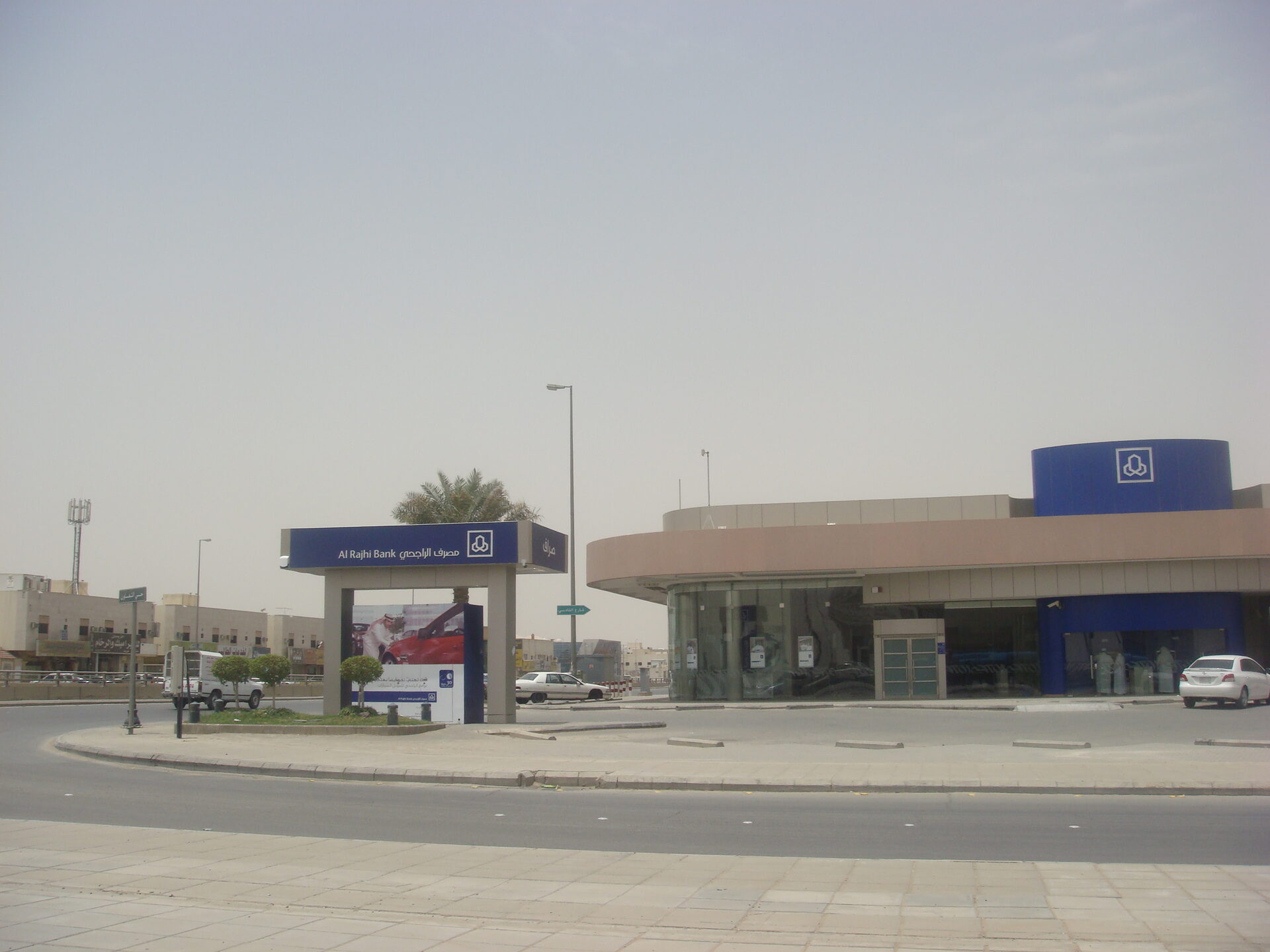
| Al Rajhi Bank | ~4,400 | 500+ | Largest ATM network; present at all major airports; Islamic bank |
| Saudi National Bank (SNB) | ~3,500 | 480+ | Formed from 2021 NCB-Samba merger; second-largest network |
| Riyad Bank | ~1,900 | 330+ | Oldest publicly listed bank (est. 1957); foreign-exchange ATMs at select branches |
| Alinma Bank | ~1,200 | 190+ | Strong airport presence; currency exchange at King Fahd International (Dammam) |
| Banque Saudi Fransi (BSF) | ~800 | 100+ | Multi-currency ATMs at select locations dispensing USD, EUR, and GBP |
All of these banks operate under SAMA regulations, so the withdrawal experience is standardised regardless of which blue, green, or purple ATM you approach.
ATM Withdrawals: Fees, Limits and How to Avoid Charges
Local Access Fees
Here is the good news: most Saudi bank ATMs do not charge a local access fee to foreign cardholders. When you withdraw from an Al Rajhi, SNB, Riyad Bank, or Alinma ATM with a foreign Visa or Mastercard debit card, the ATM screen will typically display a local fee of 0.00 SAR. Any fee you see on your bank statement almost always comes from your home bank, not the Saudi ATM operator.
This is a SAMA-regulated benefit of the mada network. Because all domestic interbank transactions are settled through mada at zero cost, banks have limited incentive to levy surcharges on international cardholders either — though this is a commercial decision and a small number of independent ATMs (particularly non-bank kiosks in remote areas) may charge SAR 10–15 per withdrawal.
Daily Withdrawal Limits
SAMA sets the maximum daily ATM cash withdrawal at SAR 5,000 per 24 hours (approximately USD 1,333 / GBP 1,060 / EUR 1,230). The limit resets at midnight local time. Per-transaction limits vary by machine but are typically SAR 2,000–5,000. If you need more than SAR 5,000 in a day, you will need to visit a bank branch with your passport for a counter withdrawal.
Your Home Bank Fees
While the Saudi ATM may not charge you, your card issuer almost certainly will. Typical charges include:
- Fixed ATM fee: GBP 1.50–3.00 / USD 2.00–5.00 per withdrawal
- Foreign transaction fee: 1.5–3% of the withdrawal amount
- Exchange rate markup: 0.5–2% above the interbank mid-market rate
- Visa and Mastercard (debit and credit) — accepted at virtually all POS terminals. This is the safest bet.
- Maestro — works at many Saudi ATMs and some POS terminals, but not all. Carry a Visa or Mastercard backup.
- American Express — accepted at international hotels, high-end restaurants, and airline offices, but rejected at most smaller merchants and many malls.
- UnionPay — accepted at select ATMs (particularly SNB and Al Rajhi) and larger retailers. Coverage is growing but not yet universal.
- Al Rajhi Exchange (Tahweel Al Rajhi) — extensive network; competitive rates
- Al Subaie Exchange — well-regarded in Riyadh; airport branch offers better rates than many competitors
- Western Union / Al Rajhi — combined money-transfer and exchange services
- Bank branches — Al Rajhi, SNB, Riyad Bank, and BSF all offer over-the-counter exchange; you will need your passport
- Traditional souqs and small market stalls
- Some independent taxis (though Uber and Careem are cashless)
- Street food vendors and small cafeterias
- Tips for hotel porters, drivers, and guides
- Remote rural areas and smaller towns
- Non-resident tourists aged 18 and above, holding a valid passport
- GCC nationals (from Bahrain, Kuwait, Oman, Qatar, and the UAE) presenting a passport or valid GCC ID
- Minimum spend of SAR 500 in a single transaction, or accumulated through up to three receipts from the same store on the same day
- Goods must be exported within 90 days of purchase
- Purchases must be made at registered retail outlets displaying the tax-free shopping logo
- King Khalid International (Riyadh / RUH): Al Rajhi Bank ATMs before and after security in all terminals; SNB and Alinma also available
- King Abdulaziz International (Jeddah / JED): Multiple bank ATMs in the new Terminal 1 arrivals hall; currency exchange counters adjacent
- King Fahd International (Dammam / DMM): Al Rajhi, Alinma, and Riyad Bank ATMs in the international arrivals area
- Use ATMs inside bank branches, shopping malls, or well-lit locations rather than standalone street machines at night
- Shield your PIN entry with your hand
- Check the card slot for skimming devices — if anything feels loose or unusual, use a different machine
- Take your card and receipt promptly; do not walk away while the machine is processing
- Sunday to Thursday: 09:30 – 16:30 (some branches reopen 19:30 – 21:00)
- Friday and Saturday: Closed (Friday is the Islamic holy day; Saturday is the weekend)
- During Ramadan: Reduced hours, typically 10:00 – 15:00. ATMs remain available 24/7 but may run out of cash faster near iftar time as demand spikes. See our Ramadan travel guide for more seasonal tips.
- Saudi Arabia Travel Guide 2026 — The complete guide to visiting the Kingdom
- Saudi Arabia Currency Guide — Riyal denominations, exchange rates, and banknote identification
- How Much Does It Cost to Visit Saudi Arabia? — Complete budget breakdown for every travel style
- Saudi Arabia Shopping Guide — Best malls, souqs, and what to buy
- Uber and Careem in Saudi Arabia — How app-based taxis work across the Kingdom
- Saudi Arabia Visa Guide — Every visa type explained, including the tourist e-visa
Over a two-week trip with, say, five ATM withdrawals of SAR 2,000 each, these charges can add up to USD 50–100 in hidden costs. The solutions are covered in the travel card section below.
Dynamic Currency Conversion — Always Decline
Golden Rule: When a Saudi ATM asks whether you want to be charged in your home currency (GBP, USD, EUR, etc.) or in Saudi Riyals, always choose Saudi Riyals. Choosing your home currency triggers Dynamic Currency Conversion (DCC), which applies the ATM operator’s own exchange rate — typically 5–10% worse than the interbank rate your card issuer would use. This is the single most expensive mistake tourists make at foreign ATMs.
Paying by Card: Visa, Mastercard and Contactless
Saudi Arabia has embraced cashless payments with remarkable speed. As of early 2025, non-cash retail transactions accounted for 79% of all payments, surpassing the Vision 2030 interim target of 70%. Contactless tap-to-pay penetration exceeds 94% of all card transactions in urban centres. For visitors, this means that card payment is the norm in cities — from five-star hotel restaurants to coffee shops and supermarket chains.
Which Cards Work
Contactless and Mobile Wallets
Apple Pay launched in Saudi Arabia in 2019 and is now supported by most major Saudi banks including Al Rajhi, SNB, Riyad Bank, and BSF. Google Pay launched in September 2025, integrated with mada, with Al Rajhi and Riyad Bank as initial partners. mada Pay, the local mobile wallet built into the mada network, offers the broadest merchant acceptance due to its integration with existing banking infrastructure. STCPay, run by telecom giant STC, has over 10 million users and functions as a pre-paid digital wallet.
For tourists, Apple Pay and Google Pay are the most practical options. Simply add your home bank’s Visa or Mastercard to your phone wallet before departing, and you can tap to pay at most Saudi merchants without pulling out a physical card. This also avoids the card-skimming risk that comes with physically inserting your card at unfamiliar terminals.
Best Travel Cards for Saudi Arabia
If you want to minimise fees and get the best exchange rate on every transaction, consider getting a specialist travel card before your trip. The best options for Saudi Arabia in 2026 are:
Wise (formerly TransferWise)
Wise offers the interbank mid-market exchange rate with a transparent conversion fee of around 0.4–0.6%. You get two free ATM withdrawals per month and up to GBP 200 / USD 200 / EUR 200 free before a fixed fee per withdrawal kicks in. The Wise card works at POS terminals and ATMs throughout Saudi Arabia. It is the best option for most travellers who want minimal fees and full transparency.
Revolut
Revolut offers fee-free currency exchange at the interbank rate during market hours (a small markup applies on weekends and outside trading hours). ATM withdrawals are free up to GBP 200–800 per month depending on your plan (Standard, Plus, Premium, or Metal), after which a 2% fee applies. Revolut works reliably at Saudi ATMs and POS terminals.
Monzo
UK-based Monzo charges no foreign transaction fees on card payments. ATM withdrawals abroad are free up to GBP 200 per rolling 30-day period, then GBP 0.50 per withdrawal. The exchange rate is the Mastercard rate, which is close to interbank. A solid budget option for UK travellers.
Tip: Whichever card you choose, notify your bank before travelling to Saudi Arabia. Some card issuers still flag transactions from the Middle East as suspicious and may freeze your card unless you have set a travel notice. Also ensure your PIN is four digits — Saudi ATMs do not accept five- or six-digit PINs.
Currency Exchange: Where, When and How Much
Airport Exchange Counters
Every major Saudi airport has currency exchange counters in the arrivals hall. At King Khalid International Airport (Riyadh), Al Rajhi Bank operates counters and ATMs in both domestic and international terminals. At King Abdulaziz International Airport (Jeddah), multiple exchange houses compete for business in the arrivals area. At King Fahd International Airport (Dammam), Alinma Bank and Al Rajhi both provide exchange and ATM services.
Airport rates are typically 3–10% worse than city-centre rates. The recommendation: exchange only a small amount at the airport (SAR 200–300 for a taxi and first meal) and withdraw the rest from a city ATM or exchange the bulk at a city-centre bureau.
City Exchange Houses
The best exchange rates are found at dedicated money-exchange offices in commercial districts. These are regulated by SAMA and must display their rates prominently. Notable chains include:
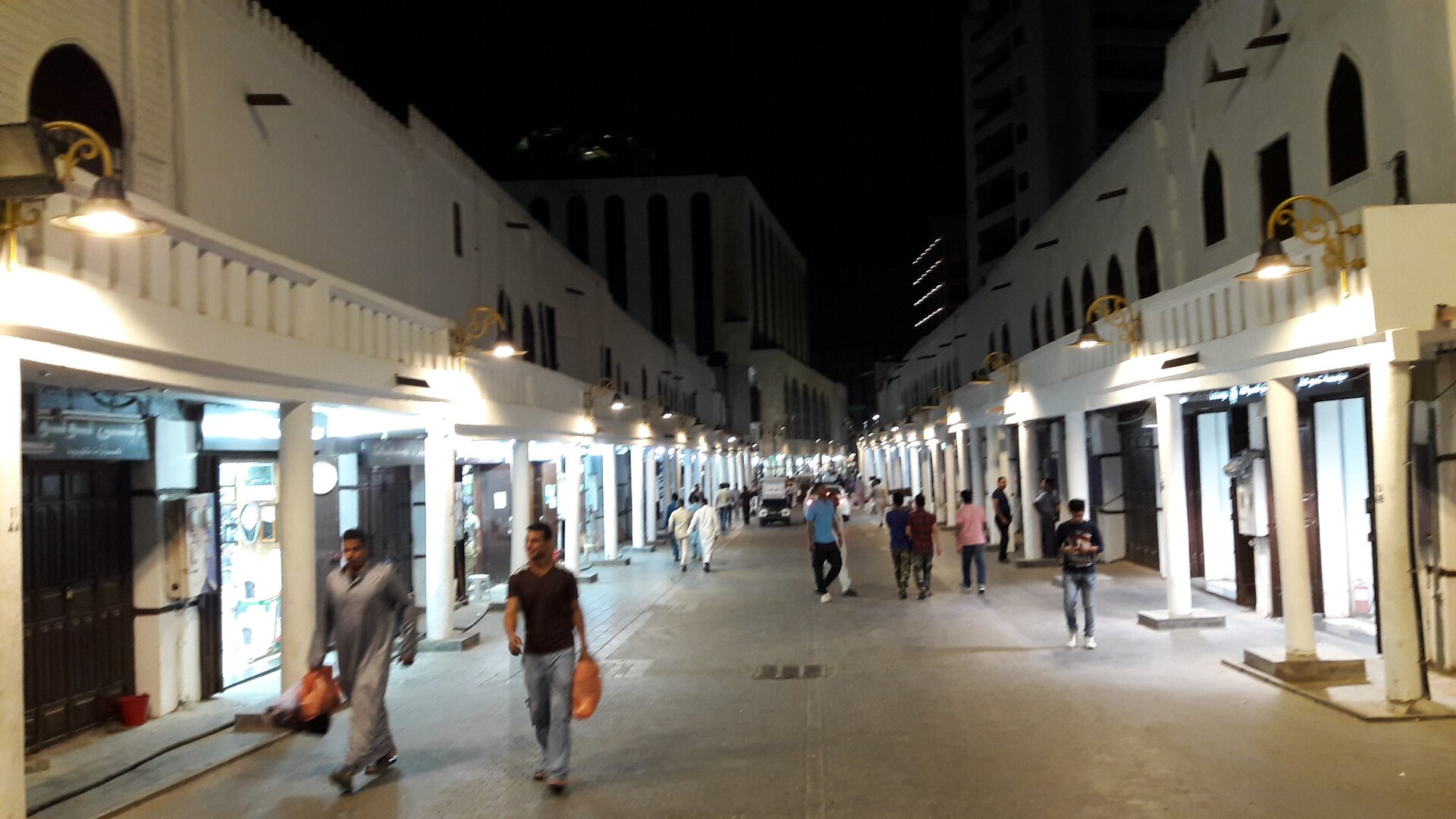
For visitors planning to explore the shopping districts and souqs, exchanging cash at a city exchange house before hitting the markets will save you money compared to hotel lobby rates.
How Much Cash to Carry
For a typical day of sightseeing, meals, and transport in a Saudi city, budget SAR 100–300 in cash alongside your card. Most tourist-facing businesses accept cards, but you will need cash for:
ATMs dispense SAR 50 and SAR 100 notes. If you need smaller denominations for taxis or market haggling, break a SAR 100 note at a supermarket (Panda, Tamimi, or Danube) or at a hotel reception early in your trip.
Tipping in Saudi Arabia
Saudi Arabia is not a heavy tipping culture, but gratuities are appreciated for good service. Unlike North America, where 20% is standard, the Saudi approach is more relaxed and discretionary. Here is a practical guide:
| Situation | Suggested Tip | Notes |
|---|---|---|
| Restaurant (no service charge) | 10–15% of the bill | If a 10–15% service charge appears on the bill, no extra tip is needed |
| Restaurant (service charge included) | Round up or add 5% for excellent service | Check the bill — many upscale restaurants add 15% automatically |
| Cafe / counter service | SAR 2–5 | Round up or drop coins in the tip jar |
| Hotel porter | SAR 5–10 per bag | SAR 10 for heavy bags or long distances |
| Hotel housekeeping | SAR 5–10 per room per night | Leave daily with a note saying “For housekeeping” |
| Hotel concierge | SAR 10–30 | For special assistance such as booking restaurants or arranging transport |
| Taxi (metered) | 10% of the fare | Round up to the nearest SAR 5 or 10 |
| Private tour guide (half-day) | SAR 20–50 per person | More for exceptional guides; adjust for group size |
| Private tour guide (full-day) | SAR 40–80 per person | Consider the quality and depth of the experience |
| Private driver (full-day) | SAR 30–50 | For cleanliness, punctuality, and good local knowledge |
| Barber / salon | SAR 5–10 or ~10% | Standard across the Kingdom |
| Food delivery | SAR 2–5 | SAR 5–10 in extreme heat or for bulky orders |
Tips are always paid in cash (SAR notes), even if you paid for the service by card. Keep a supply of SAR 5 and SAR 10 notes in your pocket for this purpose.
VAT Refund for Tourists
Saudi Arabia launched a VAT refund programme for tourists on 18 April 2025, allowing eligible visitors to reclaim the 15% VAT on qualifying purchases. This is a significant benefit — particularly for visitors buying electronics, fashion, perfumes, or jewellery.
Eligibility
Requirements
What Is Not Eligible
Services such as hotel accommodation, dining, and hospitality expenses are excluded. Consumables including food, beverages, tobacco, and fuel are also excluded. The refund applies only to physical goods that you take out of the country.
Tip: Ask the retailer for a tax-free shopping form at the time of purchase. Process the refund at the airport before check-in. Refund kiosks are located in departure areas at major international airports including Riyadh, Jeddah, and Dammam. For more on managing your overall trip budget, see our cost guide.
Finding ATMs: Airports, Cities and Remote Areas
Airports
All three major international airports have ATMs in both arrivals and departures:
For detailed terminal layouts and transfer information, see our Saudi Arabia Airport Guide.
Cities and Towns
In Riyadh, Jeddah, and Dammam and Al Khobar, ATMs are everywhere — inside shopping malls, on commercial high streets, at petrol stations, and in hotel lobbies. You will rarely walk more than five minutes without passing one. Most ATMs offer English-language interfaces alongside Arabic.
In medium-sized cities such as Taif, Hail, and Buraydah, ATMs are plentiful in the city centre but may be scarcer in outlying districts.
Remote and Rural Areas
If you are heading to remote areas — the Empty Quarter for desert camping, mountain villages in the Asir highlands, or the canyons around Tabuk — withdraw enough cash before leaving the nearest city. ATMs in small villages, if they exist, may be out of service or out of cash. A good rule of thumb: carry at least two days’ worth of spending money in SAR whenever you leave a major city.
Banking Safety and Scam Prevention
ATM Safety
Saudi Arabia has a very low crime rate, and ATM fraud is rare. That said, apply the same precautions you would anywhere:
Currency Exchange Scams
Stick to SAMA-licensed exchange houses and bank branches. Avoid unofficial money changers who approach you in souqs or near mosques — the rates may seem attractive, but counterfeit notes, short-changing, and bait-and-switch tactics have been reported. If an exchange rate looks significantly better than the posted bank rate, it is almost certainly a scam.
Online and Card Fraud
Keep your phone connected with a local SIM or eSIM so you can receive two-factor authentication codes from your bank. Enable transaction notifications on your banking app so you are alerted to any unauthorised charges in real time. If your card is lost or stolen, contact your bank immediately — most international banks have 24-hour hotlines.
Practical Money Tips for Specific Trip Types
Hajj and Umrah Pilgrims
Mecca and Medina have extensive ATM networks, particularly around the Haram areas. However, ATMs near the Grand Mosque can have long queues during peak pilgrimage season. Withdraw cash from your hotel lobby ATM or a quieter side-street machine. Many shops in the Haram area accept cards, but cash is essential for small purchases around the perimeter. See our Hajj 2026 Guide for complete pilgrimage planning.
Business Travellers
Corporate hotels, conference venues, and business restaurants in Riyadh and Jeddah accept all major international cards. Expense management is easy — ensure your corporate card has no foreign transaction fee and request itemised receipts (most Saudi restaurants provide them automatically). The SAR / USD peg at 3.75 makes expense reporting simple for US-based travellers.
Budget Travellers
To minimise banking costs on a tight budget: get a fee-free travel card (Wise or Revolut) before departure; withdraw larger amounts less frequently (one SAR 5,000 withdrawal costs less in fees than five SAR 1,000 withdrawals); pay by card whenever possible to avoid ATM fees entirely; and take advantage of the 15% VAT refund on qualifying purchases over SAR 500.
Driving and Road Trips
If you are driving across Saudi Arabia, note that most petrol stations accept cards, but some in remote areas are cash-only. Carry at least SAR 500 in cash when road-tripping outside the main highway corridors. Toll booths on Saudi expressways use the Salik / mada electronic toll system and do not accept cash.
The SAR / USD Peg: What It Means for You
Since 1986, the Saudi Riyal has been pegged to the US dollar at a fixed rate of 3.75 SAR to 1 USD. This peg is maintained by SAMA and has never been adjusted. For US-dollar travellers, this means perfect predictability — SAR 100 is always USD 26.67, SAR 1,000 is always USD 266.67. There is no currency risk.
For travellers from the UK, EU, or other non-USD currencies, the SAR effectively tracks the dollar. When the dollar strengthens against the pound or euro, the riyal becomes more expensive too. Check the GBP/SAR or EUR/SAR rate before your trip, but remember that any movement is driven by your home currency against the dollar, not by anything happening in Saudi Arabia.
Opening Hours and Availability
ATMs operate 24 hours a day, seven days a week. Bank branches follow a different schedule:
Currency exchange offices generally follow mall hours (10:00 – 22:00 or later) and may open on Fridays from 16:00.