
Saudi Arabia contains some of the most dramatic desert landscapes on earth, from the crimson dunes southeast of Riyadh to the vast, empty silence of the Rub’ al Khali. Spending a night under the stars in this terrain is one of the most memorable experiences available to visitors, and it is rapidly becoming a cornerstone of any Saudi Arabia travel itinerary. But desert camping here demands respect: temperatures swing violently between day and night, wildlife includes venomous scorpions and snakes, and flash floods can turn a dry wadi into a torrent with little warning. This guide covers everything you need to plan a safe, rewarding desert camping trip in the Kingdom, whether you are pitching your own tent near the Edge of the World or booking a luxury glamping experience in AlUla.
Best Time to Visit: November to March (winter season; daytime 18–28°C, nights can drop below 10°C)
Getting There: Most camping sites require a 4×4 vehicle. Fly into Riyadh, Jeddah, or Tabuk and rent an SUV, or book a guided tour with transport included.
Visa Required: Yes — tourist e-visa available for 63 nationalities
Budget: $30–$80/day for independent camping; $150–$500+/night for guided or glamping experiences
Must-See: Edge of the World (Tuwaiq Escarpment), Rub’ al Khali (Empty Quarter), Red Sand Dunes near Riyadh
Avoid: Camping June–September (daytime temperatures exceed 45°C); camping in dry wadi beds during rainy season
Why Camp in the Saudi Desert?
The Arabian Peninsula holds roughly half the sand found in the Sahara, compressed into a landmass one-fifteenth the size. The result is a concentration of towering dunes, flat gravel plains, deep wadis, and sheer cliff escarpments that few other countries can match. Saudi Arabia alone covers 2.15 million square kilometres, and the vast majority of that area is desert of one form or another. For campers, this means an extraordinary range of terrain within a single country: you can camp on the 300-metre cliffs of the Tuwaiq Escarpment one weekend, sleep among the orange-red dunes of the Empty Quarter the next, and pitch a tent in the palm-filled canyon of Wadi Disah the weekend after.
Night skies are another draw. With light pollution largely absent outside the major cities, the Milky Way is visible in stunning detail from most camping locations. The Kingdom is actively developing stargazing tourism, and several desert camping sites now rank among the best dark-sky locations in the Middle East.
Culturally, camping has deep roots here. The Bedouin tradition of spending nights in the open desert, cooking over open fires, and moving with the seasons is part of the national identity. Modern Saudi campers carry that tradition forward every winter, when thousands of families head out of cities like Riyadh, Jeddah, and Dammam to camp in the surrounding desert from November through March.
Best Time for Desert Camping
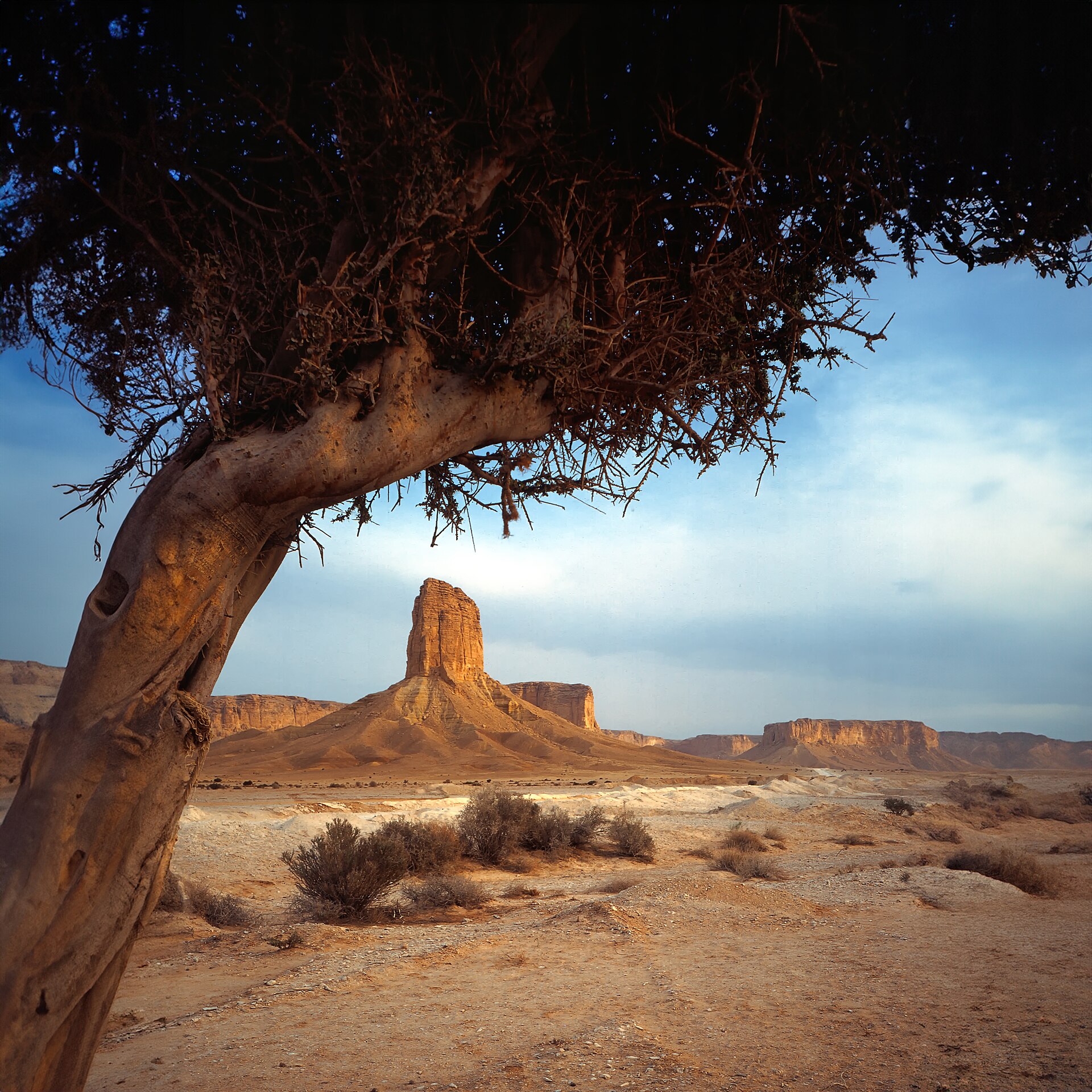
The camping season in Saudi Arabia runs from November to March, when daytime temperatures are comfortable and nights are cool enough to sleep without air conditioning. Here is what to expect by month:
| Month | Daytime Temp | Nighttime Temp | Conditions |
|---|---|---|---|
| November | 24–30°C | 12–18°C | Season begins. Warm days, cool evenings. Light jacket for after dark. |
| December | 18–25°C | 6–12°C | Peak season. Cold nights require a proper sleeping bag. Occasional rain in the north. |
| January | 16–24°C | 4–10°C | Coldest month. Northern areas (Tabuk, Hail) can drop below freezing. Best stargazing conditions. |
| February | 18–26°C | 6–14°C | Wildflowers appear after rain. Still cold at night. Some sandstorms possible. |
| March | 22–32°C | 10–18°C | Season winding down. Warm days, pleasant evenings. Last comfortable month. |
Important: Never attempt desert camping between June and September. Daytime temperatures regularly exceed 45°C across most of Saudi Arabia, and even nighttime temperatures remain above 30°C. Heatstroke is a genuine risk, and air-conditioned shelter is essential during these months.
Best Desert Camping Locations
Edge of the World (Tuwaiq Escarpment)
Located approximately 96 km northwest of Riyadh, the Edge of the World is the most popular desert camping destination in the Kingdom. The site sits on the ancient Tuwaiq Escarpment, a 700 km limestone ridge that runs across central Arabia. At the camping area, the plateau drops away in sheer 300-metre cliffs, revealing an ancient ocean bed that once served as a caravan route below. The combination of the dramatic cliff edge, fossils embedded in the rock (approximately 50 million years old), and unobstructed sunset and sunrise views makes this a must-visit.
Camping here is a semi-wilderness experience. There are no permanent facilities, toilets, or running water. You need a 4×4 to reach the site, and you must be entirely self-sufficient. The flat areas near the trailhead serve as the main camping zone. A 30–45 minute hike from the camp reaches the best viewpoints. At sunset, the rock glows golden and red; at night, the Milky Way arches overhead with remarkable clarity.
Safety warning: There are no fences or warning signs at the cliff edge. Stay at least 10–15 metres from the edge, especially after dark. Wind gusts can be strong — anchor your tent securely. For a detailed visitor guide, see our Edge of the World guide.
Red Sand Dunes (Riyadh)
The Red Sand dunes lie approximately 60 km east of Riyadh and offer the most accessible overnight desert experience from the capital. The dunes get their distinctive colour from iron oxide in the sand, and they provide a classic Arabian desert backdrop. No permits are required for casual camping here, though a 4×4 vehicle is essential for reaching the dune fields themselves.
The area is popular with families on weekends. Activities include dune bashing, sandboarding, quad biking, and camel riding. Organised tours typically include a 4×4 ride to the dunes, a campfire with dinner, and overnight tent accommodation. Independent campers should note that there are no restaurants or shops nearby — bring all supplies from the city.
Thumamah National Park (Riyadh)
About 40 km north of downtown Riyadh, Thumamah National Park is the most beginner-friendly desert camping option in the country. The park has more than 200 permanent Bedouin-style camps with kitchens, grilling areas, and restrooms. Visitors can also rent tents with lights and access shared toilet facilities. Food stalls and kiosks operate within the park.
This is the best option for families, first-time campers, and anyone who wants a desert experience without going fully off-grid. Prior online booking is required for the parking-area camping zones. The ideal visiting period is November to March, when daytime temperatures range between 18°C and 28°C.
Rub’ al Khali (Empty Quarter)
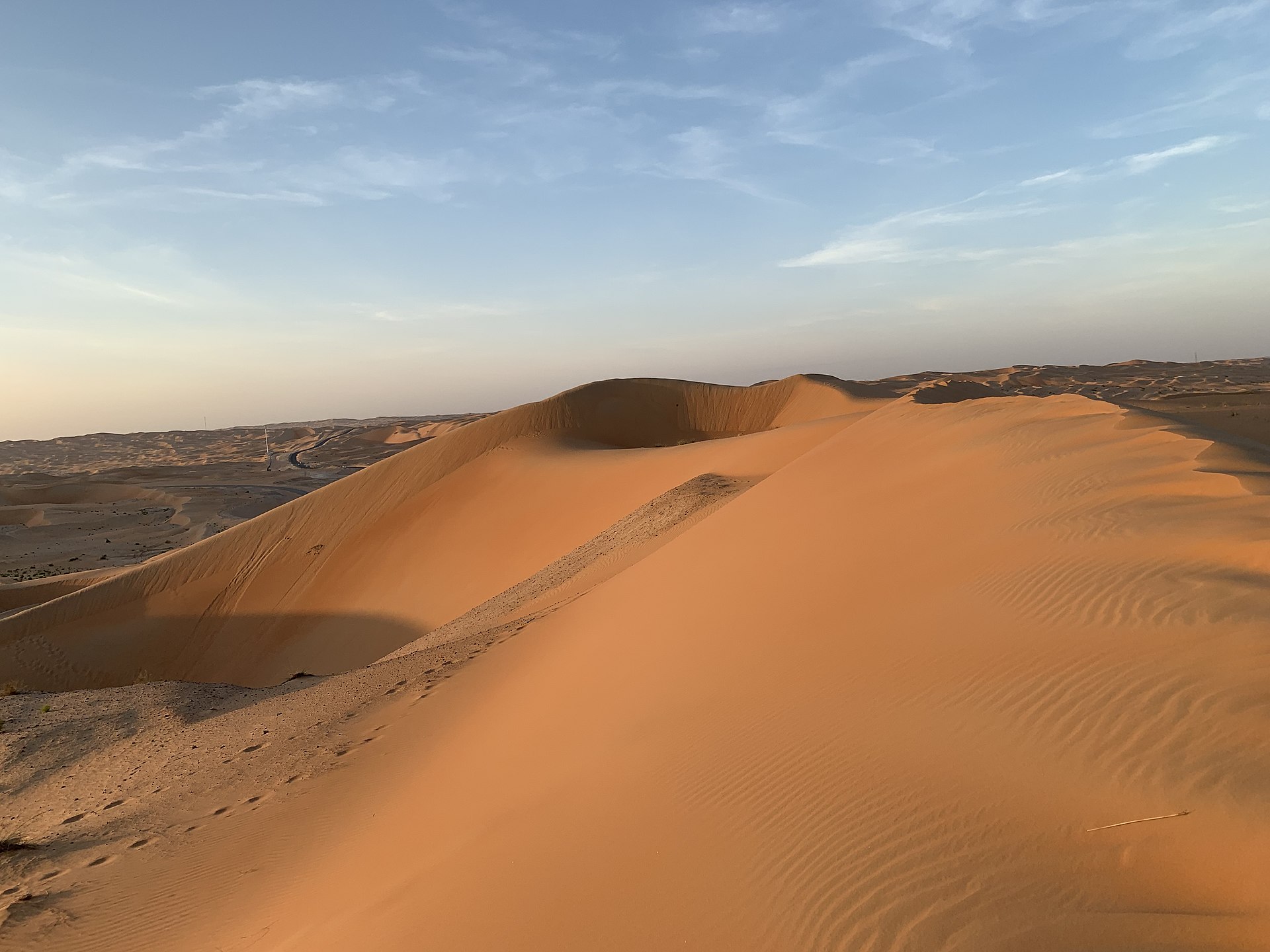
The Rub’ al Khali is the largest contiguous sand desert on Earth, covering 650,000 square kilometres across the southern third of the Arabian Peninsula. The Saudi portion alone stretches over 430,000 square kilometres. Dunes here reach heights of more than 250 metres, and the silence at night is absolute.
This is not a destination for beginners. The Empty Quarter should only be attempted with a professional guide, a convoy of at least two 4×4 vehicles, satellite communication equipment, and enough water and fuel for a full self-rescue if a vehicle becomes stuck. Multi-day guided tours (typically 3–10 days) are available from operators based in Riyadh, and they include all camping equipment, food, and experienced Bedouin guides who know the terrain intimately.
The Uruq Bani Ma’arid Protected Area, one of the best-documented parts of the Saudi Empty Quarter, offers authorised guided 4×4 drives and wildlife-spotting opportunities, including the reintroduced Arabian oryx. The best months to visit are October to March, when daytime temperatures drop to around 28°C.
For more on desert driving and safari options, see our desert safari guide and 4×4 off-roading guide.
Hisma Desert (Tabuk)
The Hisma Desert in northwest Saudi Arabia is one of the most visually striking camping locations in the country. Crimson sand stretches between red sandstone mountains that have been sculpted by erosion over more than 500 million years. The geological formations change colour throughout the day, glowing deep red at sunrise and sunset.
The desert lies within the Tabuk region and is accessible from Tabuk city. Unlike the Empty Quarter, the Hisma is manageable for moderately experienced campers with a 4×4. Guided tours with overnight camping are available from local operators. The area also sits along an ancient trade route, and archaeological inscriptions are carved into the mountain faces.
Wadi Disah (Tabuk)
Located approximately 220 km southwest of Tabuk city, Wadi Disah (the Valley of Palms) is a 125 km canyon with towering red sandstone cliffs, natural springs, palm groves, and transparent streams. It sits within the Prince Mohammed bin Salman Natural Reserve and offers a completely different desert camping experience: green, shaded, and watered.
Entry is free. There are no formal facilities, so bring all food and supplies from Tabuk. A 4×4 is essential for accessing the inner wadi, though locals in open-top vehicles offer rides for around 300 SAR (negotiable). The valley is best visited in winter; summers are extremely hot.
AlUla Desert Camps
The desert surrounding AlUla offers some of the most upmarket camping options in Saudi Arabia. The Ashar Tented Resort by Banyan Tree features 47 ultra-luxury glamping suites with en-suite bathrooms and air conditioning, located just 15 km from the UNESCO-listed Hegra archaeological site. Masarat AlUla Camp provides a more traditionally styled experience with luxury tents and traditional Arabian hospitality. Madakhil Camp offers mid-range glamping with attached-bathroom master tents.
For independent campers, the desert around Elephant Rock and the surrounding sandstone formations provides excellent wild-camping terrain, though you should check current regulations with the Royal Commission for AlUla before pitching a tent.
Types of Desert Camping in Saudi Arabia
Independent Wild Camping
Wild camping is legal across most of Saudi Arabia’s desert areas, provided you avoid private property, military zones, protected wildlife reserves, and vegetation-cover areas that require permits. You need your own vehicle (a 4×4 is strongly recommended for anything beyond paved roads), all camping equipment, food, water, and fuel. This is the most rewarding and most demanding option.
Organised Tour Camping
Tour operators in Riyadh, Jeddah, Tabuk, and AlUla run overnight and multi-day desert camping trips that include transport in a 4×4, tents, sleeping bags, meals, and a guide. Prices range from approximately 300–800 SAR ($80–$215) per person for a single overnight trip, depending on the location and inclusions. This is the best option for first-time desert campers or those without their own vehicle.
Glamping and Luxury Desert Camps
Saudi Arabia’s luxury desert camp sector has expanded rapidly under Vision 2030. Options include the Banyan Tree Ashar Resort in AlUla, Nofa Riyadh (African-style luxury tents with a wildlife reserve, golf course, and swimming lagoons), and Fursan Escapes near the Red Sand Dunes outside Riyadh (eco-glamping with buggy tours and yoga). Expect to pay $200–$1,000+ per night. For a detailed overview, see our luxury travel guide.
Essential Gear and Packing List
Shelter and Sleep System
- Tent: A sturdy 3-season tent with a full rainfly is essential. The rainfly blocks wind and keeps sand out of your sleeping space. Ensure all zips seal fully — sand and scorpions will exploit any gap.
- Sleeping pad: An insulated sleeping pad is critical. Desert ground loses heat rapidly after dark, and without insulation between your body and the cold sand, you will lose heat fast.
- Sleeping bag: Rated to at least 5°C for December–January camping, especially in northern areas (Tabuk, Hail). A 10°C bag is sufficient for November and March.
- Ground sheet: A heavy-duty ground sheet or footprint protects your tent floor from sharp stones and thorns.
- Water: The single most critical supply. Plan for a minimum of 5 litres per person per day for drinking alone, with extra for cooking and cleaning. It is better to carry twice as much as you think you need. There are no water sources in most desert areas.
- Food: Focus on items that are easy to prepare and do not require excessive washing. Canned goods, dried foods, flatbread, dates, and pre-cooked rice work well. Traditional Saudi camping often involves cooking on a saj (a domed metal griddle) over a portable gas stove or wood fire.
- Portable gas stove: More reliable than open fires and compliant with regulations in most areas.
- Cooler box: Essential for keeping water cold and perishable food safe in transit.
- Layering system: Days can be warm (20–30°C) while nights drop to 5°C or below. Bring a wool or fleece jacket, a warm hat, and gloves for December–January trips.
- Shemagh (keffiyeh): The traditional Arab headscarf is the single most versatile piece of desert gear. It protects your face and head from sun, wind, and sand, and doubles as a towel, a pillow cover, or a bag. Available at any Saudi market for 20–50 SAR.
- Closed-toe boots: Desert boots or hiking shoes that cover the ankle protect against hot sand, sharp rocks, scorpions, and snakes. Never walk barefoot in the desert, especially at night.
- Sunglasses and sunscreen: SPF 50+ sunscreen and UV-blocking sunglasses are non-negotiable.
- First-aid kit: Include bandages, antiseptic, tweezers (for thorns), antihistamines, and any personal medication. A tourniquet and compression bandage are advisable in remote areas.
- Flashlight/headlamp: With spare batteries. Essential for navigating around camp after dark and for checking your tent and boots for scorpions.
- Fire extinguisher: The Saudi Civil Defense recommends one fire extinguisher per tent when grilling or lighting bonfires.
- Satellite communicator or PLB: For remote locations like the Empty Quarter where mobile signal is absent. A satellite messenger (such as a Garmin inReach) can be rented.
- GPS device or offline maps: Do not rely solely on mobile data in the desert. Download offline maps on your phone (Google Maps or maps.me) and carry a power bank.
- Tyre repair kit and air compressor: Essential for any 4×4 desert driving. Lowering tyre pressure improves traction on sand, and you need to re-inflate for road driving.
- Tow rope and sand tracks: If driving off-road, a kinetic tow rope and MaxTrax-style sand recovery tracks can save hours of digging.
- Always zip your tent fully closed, even during the day.
- Shake out boots, clothing, and sleeping bags before use — scorpions seek shelter in dark, enclosed spaces.
- Never walk barefoot outside your tent, day or night.
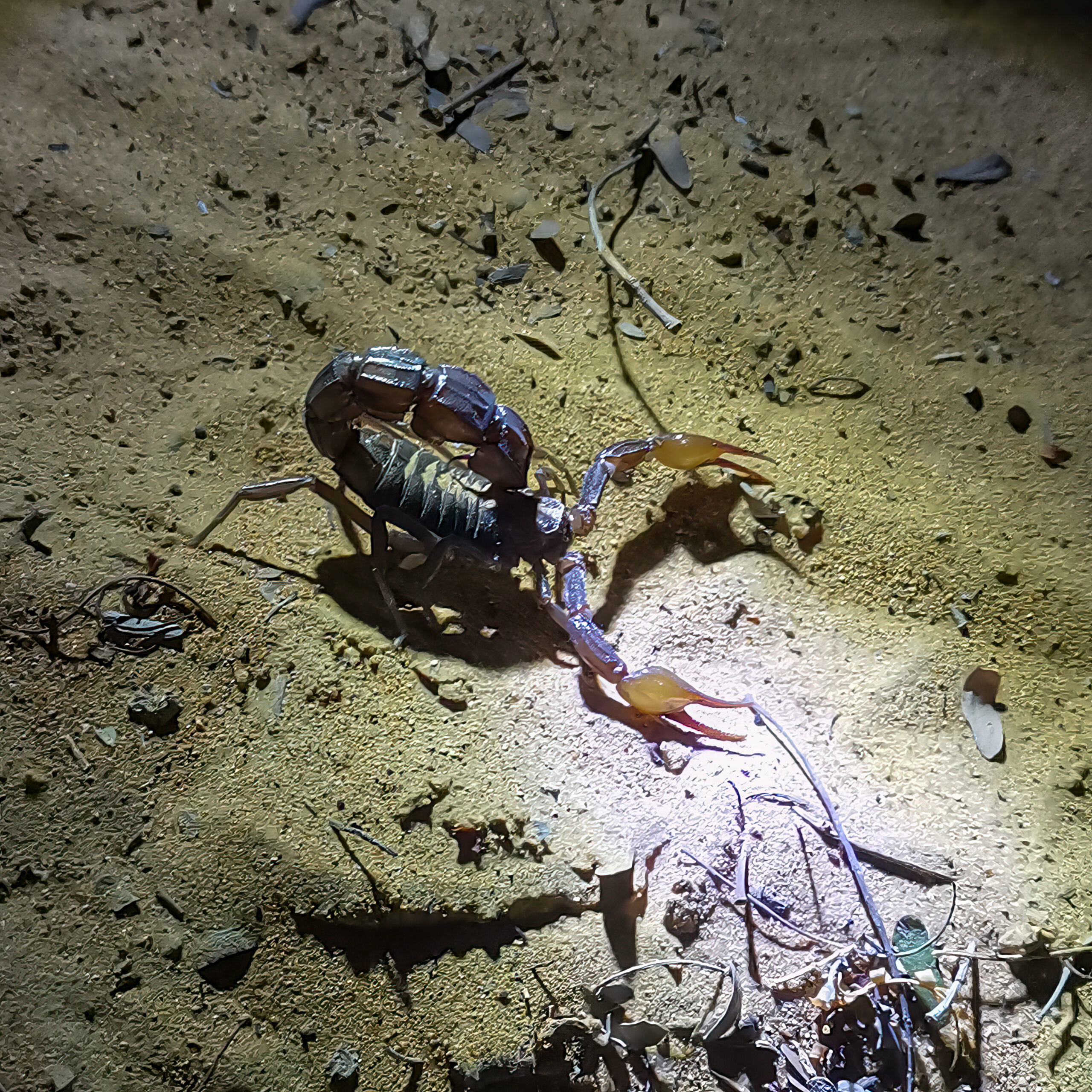
- Use a headlamp or flashlight when moving around camp after dark. UV lights make scorpions glow fluorescent, making them easier to spot.
- Do not reach under rocks, logs, or into crevices without looking first.
- If stung or bitten, stay calm, immobilise the affected limb, and seek medical attention. Do not attempt to suck out venom or apply a tourniquet.
- Prohibited zones: No camping in environmentally sensitive areas, forests, grazing-regulated pastures, flood-prone areas, private property, military zones, or protected wildlife reserves unless they are designated for camping.
- Fires: Never light a fire directly on the ground. Use a brazier, portable grill, or lay aluminium foil. Fires are prohibited in vegetation-cover areas unless in designated fire pits. Do not use local charcoal or firewood — bring your own or use a gas stove. Penalties apply under the Environment Law.
- Drones: Flying a drone for photography without a licence is prohibited in camping and wilderness areas.
- Leave no trace: Pack out everything you pack in, including all rubbish. Respect wildlife and leave plants undisturbed.
- Noise: Keep noise levels low, particularly at night. Many camping areas are shared with other families.
- Camp removal: Licensed camps must be removed within 10 days of the permit expiring.
- Breakfast: Flatbread cooked on the saj, ful medames (mashed fava beans) heated in a pot, dates, Arabic coffee (qahwa) brewed in a dallah.
- Lunch/Dinner: Grilled chicken or lamb on a portable barbecue, pre-made kabsa rice reheated in a pot, grilled vegetables, hummus with flatbread. For cooking class inspiration, see our Saudi cooking guide.
- Snacks: Dates, nuts, dried fruit, energy bars, and plenty of water.
- Extra water (children dehydrate faster than adults)
- Sun shelter or shade canopy for daytime rest
- Closed shoes for children at all times (scorpion/snake risk)
- A mesh-screen tent inner to allow airflow while keeping insects out
- Games, books, and a star chart for evening entertainment
- Respect other campers’ space. Saudi families often camp in large groups. Maintain a comfortable distance and avoid walking through occupied campsites.
- Dress modestly. Even in remote desert areas, Saudi social norms apply. Covering shoulders and knees is expected. Consult our dress code guide for specifics.
- Accept hospitality graciously. If a neighbouring camp offers you Arabic coffee or tea, it is culturally appropriate and appreciated to accept.
- Avoid loud music after 10 PM. Many campers, especially families, retire early.
- Leave the site cleaner than you found it. This is both a regulation and a deeply held local expectation.
- Saudi Arabia Travel Guide 2026 — The complete guide to visiting the Kingdom
- Saudi Arabia Desert Safari Guide — Dune bashing, safari tours, and the Empty Quarter
- Dune Bashing in Saudi Arabia — Best deserts and tour operators for adrenaline seekers
- Sandboarding in Saudi Arabia — Best dunes and operators across the Kingdom
- Stargazing in Saudi Arabia — The best dark-sky locations for night sky viewing
- Camel Trekking in Saudi Arabia — Multi-day desert routes and operators
- Saudi Arabia Visa Guide — Every visa type explained
Water and Food
Clothing
Safety and Navigation
Desert Safety: Hazards and How to Handle Them
Extreme Temperature Swings
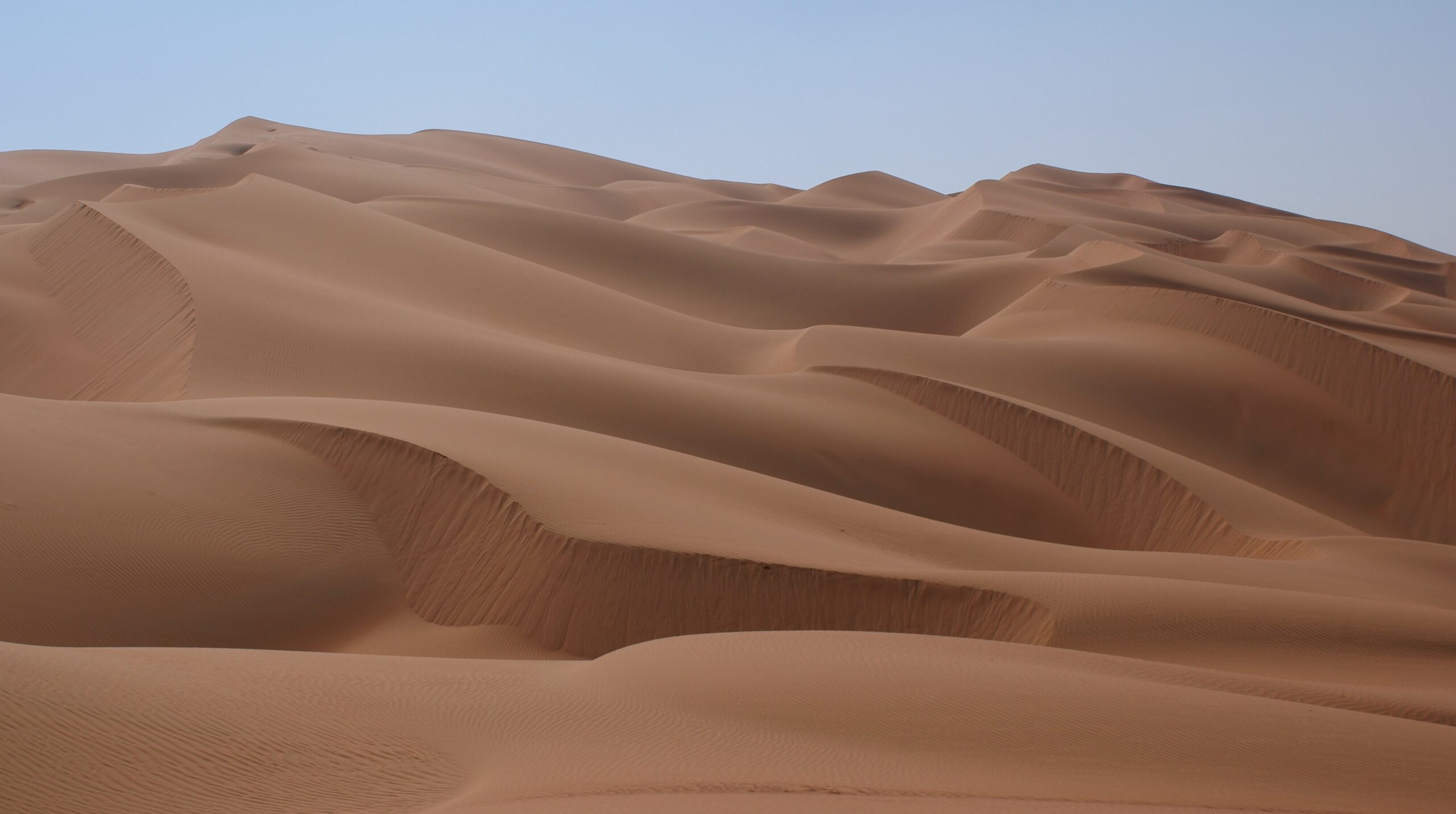
The defining characteristic of the Arabian desert climate is a drastic difference between day and night temperatures. Even in the “cool” winter season, you may experience 28°C at noon and 5°C at midnight on the same day. In the northern deserts around Tabuk and Hail, nighttime temperatures in January can drop below freezing. This means heatstroke is a risk during the day and hypothermia is a risk at night, particularly for those who underestimate how cold the desert gets.
Mitigation: layer your clothing, carry a warm sleeping bag, drink water steadily throughout the day (dehydration accelerates both heat and cold stress), and avoid physical exertion during the hottest hours (11 AM–3 PM).
Scorpions, Snakes, and Spiders
Saudi Arabia’s deserts are home to several medically significant species. The Arabian fat-tailed scorpion (Androctonus crassicauda) is one of the most venomous scorpions in the world, with a potent neurotoxic sting that can cause nausea, headaches, abdominal cramps, and in severe cases, convulsions and pulmonary oedema. The Deathstalker scorpion (Leiurus quinquestriatus) is another highly venomous species found in the same habitat. An estimated 14,500 scorpion stings are documented annually across Saudi Arabia.
The Arabian horned viper (Cerastes gasperettii) buries itself in sand during the day and is active at night, exactly when campers are moving around. The Desert black snake (Walterinnesia aegyptia) carries neurotoxic venom comparable to a cobra.
Scorpion and snake safety rules:
Flash Floods
Despite the apparent aridity, flash floods are a serious hazard in Saudi Arabia. Wadis — dry riverbeds that may not have seen water in months — can fill rapidly and violently during rainstorms. The 2009 Jeddah flood killed 113 people and damaged over 10,000 homes. Even in the inland desert, isolated thunderstorms between November and March can send walls of water down wadis with little warning.
Rules: Never camp inside a wadi bed or in a low-lying area that shows signs of water flow (polished rocks, debris lines, water-carved channels). Check the weather forecast before every trip. If you hear thunder or see lightning, even at a distance, move to high ground immediately. For hiking through wadis, see our wadi walking guide and canyoning guide.
Sand and Dust Storms
Sandstorms (shamal) are most common from March to May and can reduce visibility to near zero within minutes. If caught in a sandstorm while camping, stay inside your tent with all openings sealed, cover your nose and mouth with a damp cloth or shemagh, and protect electronics in sealed bags. If driving, pull over, turn off the engine, and wait it out. Storms rarely last more than a few hours.
Vehicle Recovery
Getting stuck in soft sand is not a risk — it is a near-certainty for anyone driving off established tracks. Reduce tyre pressure to approximately 15–18 PSI for sand driving (re-inflate before returning to tarmac). Carry sand tracks, a shovel, a kinetic tow rope, and ensure you travel with at least one other vehicle in remote areas. Never drive into the desert alone without telling someone your route, destination, and expected return time.
Rules, Regulations, and Permits
The National Center for Vegetation Cover and Combating Desertification (NCVC) oversees camping activities in vegetation-cover areas across Saudi Arabia. In 2025, the NCVC expanded its network to 51 designated camping sites across eight regions, with a total capacity exceeding 13,650 camps. An additional seven sites accommodate over 1,400 camps, plus nine caravan-specific sites for more than 1,000 caravans in Aseer, Al Baha, and Taif.
When You Need a Permit
A permit is required for camping in vegetation-cover areas managed by the NCVC. You can apply through the NCVC electronic platform at nabati.ncvc.gov.sa. The application process takes a few minutes on a smartphone and involves filling out your details, recording site information, and accepting a pledge to follow the regulations.
For camping in open desert (non-vegetated areas, sand dunes, gravel plains), no permit is generally required, though you must still follow the general rules listed below.
Key Rules
For full entry requirements and visa details, see our Saudi Arabia visa guide.
How to Get to Desert Camping Sites
By Car
A rental 4×4 is the most practical way to reach Saudi Arabia’s desert camping locations. Major international rental companies (Hertz, Budget, Sixt) operate at all Saudi airports. A 4×4 SUV costs approximately 250–500 SAR ($65–$135) per day. Ensure your rental agreement covers off-road use, as many standard policies exclude it.
Fuel stations are widely available along highways but scarce in remote desert areas. Fill your tank and carry a spare jerrycan before heading off the main roads. GPS coordinates for camping sites are widely shared on Saudi camping forums and social media groups — search for the Arabic hashtag #كشتة (keshta, meaning camping trip).
By Guided Tour
If you do not have a 4×4 or desert driving experience, book a guided tour. Operators such as Saudi Private Tours, Arabian Sand Tours, Hisma Tours (Tabuk), and 365 Adventures run overnight and multi-day desert camping trips from Riyadh, Jeddah, and Tabuk. Prices start at approximately 300 SAR ($80) per person for a basic overnight trip with transport and meals.
Flights
For camping in the Tabuk region (Hisma Desert, Wadi Disah), fly into Tabuk Regional Airport. For the Empty Quarter, fly into Riyadh and drive south, or into Sharurah for the southeastern Empty Quarter. For AlUla, fly into AlUla Airport (domestic flights from Riyadh and Jeddah). Check our flights guide for routes and prices.
Cooking in the Desert
Desert cooking is central to the Saudi camping tradition. The most common method is the saj, a convex metal griddle placed over a gas burner or small wood fire. It is used to make flatbread, cook meat, and warm pre-prepared dishes. A portable butane gas stove is the most practical and regulation-compliant cooking method for most campers.
Meal Ideas
Fire safety: The Saudi Civil Defense recommends one fire extinguisher per tent for any camping trip involving grilling or bonfires. Keep fires at least 5 metres from tents, and never leave a fire unattended. Fully extinguish all fires before sleeping.
Glamping: Luxury Desert Camping Options
For those who want the desert atmosphere without roughing it, Saudi Arabia’s glamping sector offers increasingly sophisticated options:
| Camp | Location | Starting Price | Highlights |
|---|---|---|---|
| Banyan Tree Ashar Resort | AlUla | ~$500/night | 47 ultra-luxury suites, en-suite bathrooms, A/C, 15 km from Hegra |
| Habitas AlUla | AlUla | ~$350/night | Minimalist luxury villas, wellness spa, farm-to-table dining |
| Masarat AlUla Camp | AlUla | ~$200/night | Traditional-style luxury tents, cultural heritage programmes |
| Nofa Riyadh | Near Riyadh | ~$300/night | African-style luxury tents, wildlife reserve, golf course, lagoons |
| Fursan Escapes | Red Sand Dunes, Riyadh | ~$150/night | Eco-glamping, buggy tours, dune picnics, yoga |
For a complete overview, visit our Saudi Arabia hotels guide.
Camping with Children
Desert camping with children is a popular Saudi family tradition, and the best starting point is a site with facilities. Thumamah National Park near Riyadh has playgrounds, food stalls, and pre-set camps with restrooms — ideal for young children. The Red Sand Dunes outside Riyadh offer a more adventurous family option with sandboarding and short 4×4 rides.
For family camping, additional considerations include:
See our Saudi Arabia with kids guide for broader family travel planning.
Desert Camping Etiquette
Connectivity and Communication
Mobile signal (STC, Mobily, Zain) is available within 50–100 km of major cities, covering popular sites like the Edge of the World, Red Sand Dunes, and Thumamah. Signal drops off rapidly in remote desert areas like the Empty Quarter, interior Hisma, and deep wadis. For full SIM card and eSIM options, see our SIM card guide.
For remote expeditions, carry a satellite communicator (Garmin inReach Mini or similar). These devices allow two-way text messaging and SOS signalling via the Iridium satellite network, independent of mobile coverage.