
Saudi Arabia has opened its doors to international tourism at a pace that would have been unthinkable a decade ago, but the Kingdom remains a deeply conservative society rooted in Islamic tradition, tribal custom, and codified public decency laws. Understanding what not to do matters as much as knowing what to see. This guide, part of our complete Saudi Arabia travel guide, walks you through every cultural expectation, legal obligation, and social norm you need to navigate the Kingdom confidently and respectfully — whether you are visiting Riyadh for business, exploring AlUla’s ancient tombs, or making your first trip to Saudi Arabia as a non-Muslim.
Key Law: The Public Decorum Regulations identify 19 offences, with fines up to SAR 5,000 (USD 1,330) and double for repeat violations within a year
Dress Code: Shoulders and knees covered in public for both men and women — see our Saudi dress code guide for full details
Visa Required: Yes — tourist e-visa available for 63 nationalities
Alcohol: Completely banned — no exceptions for tourists, not even inside international hotel rooms
Must Know: Always use your right hand for greetings and eating; never photograph people without consent; respect prayer times
Avoid: Public displays of affection, criticism of the government or royal family (including on social media), and any attempt to bring alcohol or drugs into the country
The Public Decorum Law: What Tourists Are Legally Required to Know
Saudi Arabia formalised its expectations for visitor behaviour in the Public Decorum Regulations, enforced by the Saudi police. The law was introduced alongside the tourist visa programme to make sure visitors understand the rules before they arrive. It covers 19 specific offences, and ignorance is not a defence.
Fines and Penalties at a Glance
| Offence | Fine (SAR) | Fine (USD approx.) |
|---|---|---|
| Indecent behaviour or acts of a sexual nature | 3,000–6,000 | 800–1,600 |
| Immodest dress in public | Up to 5,000 | Up to 1,330 |
| Playing loud music in residential areas | 500–1,000 | 130–265 |
| Playing music during prayer times | 1,000–2,000 | 265–530 |
| Profane language or offensive gestures | Up to 3,000 | Up to 800 |
| Littering or spitting in public | 100–1,000 | 25–265 |
| Repeat violation within one year | Double the original fine | — |
More serious offences — drug possession, alcohol smuggling, photographing people without consent — fall under criminal law and can carry imprisonment and deportation. The Saudi system draws on Sharia (Islamic law), and penalties can be significantly harsher than what Western visitors may expect.
Dress Code: What to Wear and What to Avoid
Saudi Arabia scrapped the mandatory abaya requirement for foreign women in 2019 and replaced rigid enforcement with the Public Decorum Code. The principle is modest dress that covers shoulders and knees for everyone, both men and women. For the full breakdown of what to pack, see our dedicated Saudi Arabia dress code guide.
For Women
- Do not wear see-through, extremely tight, or sleeveless clothing in public
- Do not wear underwear, nightgowns, or swimwear outside of pool and beach areas
- Do not wear clothing with inappropriate images or slogans
- An abaya is no longer legally required, but many women still choose to wear one for comfort and to blend in, particularly in conservative areas
- A headscarf is not mandatory in public, though it is required when entering any mosque
- Jeddah is the most relaxed city; Riyadh is more conservative but increasingly tolerant of Western-style modest clothing; smaller towns and villages are the most traditional
For Men
- Do not wear shorts, singlets, or flip-flops in malls, restaurants, or formal settings
- Do not go shirtless anywhere outside a private pool or beach
- Long trousers and a collared shirt are safe in any context; smart casual is the standard for most restaurants
At Beaches and Pools
From January 2026, Saudi Arabia introduced mandatory beach regulations for Red Sea coastal operators. At public beaches, modest swimwear is expected: one-piece suits or rash guards for women, knee-length swim shorts for men. Bikinis and standard swimwear are generally acceptable at private resort pools and beach clubs. Appearing naked or in excessively revealing clothing is prohibited everywhere. You must cover up when leaving the beach area.
Greetings and Social Interaction
How you greet people in Saudi Arabia matters far more than in most Western countries. Get it right and you earn immediate warmth; get it wrong and you create an awkward moment that Saudis are too polite to acknowledge openly.
The Handshake
- A gentle handshake is the standard greeting between men — not a crushing Western power grip. Some Saudi men will place their left hand over the handshake to signal sincerity
- Never extend your hand to a Saudi woman unless she initiates it. If she does not offer her hand, a polite nod with your right hand placed over your heart is the correct alternative
- Between Saudi men who know each other well, you will see cheek-touching or nose-touching greetings. Do not attempt these unless invited
Verbal Greetings
The universal greeting is Assalamu Alaikum (Peace be upon you), to which you reply Wa Alaikum Assalam (And upon you, peace). Non-Muslims are welcome and encouraged to use this phrase — it is not considered appropriation but rather a sign of cultural respect.
Cross-Gender Interaction
- Never initiate physical contact with a Saudi woman — no handshakes, no shoulder touches, no guiding by the elbow
- In mixed business settings, always wait for the woman to set the terms of the greeting
- Cheek-kissing between unrelated men and women (common in France, Lebanon, and parts of Latin America) is a profound cultural taboo in Saudi Arabia
Right Hand Rules
The left hand is traditionally associated with personal hygiene in Arab culture. Use your right hand for greetings, eating, giving and receiving items, and gesturing. Keep your left hand at your side during meals. If you need to pass something to someone, use both hands together — never the left hand alone.
Alcohol, Drugs, and Prohibited Substances
This is the most common area where tourists make dangerous assumptions. Saudi Arabia is not Dubai. There are no hotel bars, no in-room minibars, no wine lists at restaurants, and no duty-free alcohol allowances at airports.
Alcohol
- The manufacture, sale, purchase, transport, and consumption of alcohol are all illegal throughout Saudi Arabia
- Tourists are not exempt. There are no exceptions for international hotels, private residences, or diplomatic functions (with the sole exception of a diplomatic quarter store in Riyadh, restricted to credentialed diplomats)
- Customs officials at airports are trained to detect alcohol in checked and carry-on luggage. You can be arrested if you cross the Saudi border while intoxicated, in possession of alcohol, or even smelling of alcohol
- Penalties include imprisonment, fines, and deportation
Drugs
- Drug trafficking can carry the death penalty in Saudi Arabia. Even small quantities of recreational drugs can result in years of imprisonment
- Prescription medications containing controlled substances (certain painkillers, ADHD medication, anxiety medication) require a doctor’s letter and may need pre-clearance with the Saudi embassy before travel
- Vaping is legal but regulated; e-cigarettes and vape liquids are sold in licensed shops
Critical warning: Never attempt to bring alcohol or drugs into Saudi Arabia. The consequences are severe and the detection systems are sophisticated. The risk is not theoretical — tourists have been arrested, jailed, and deported.
Prayer Times and Religious Etiquette
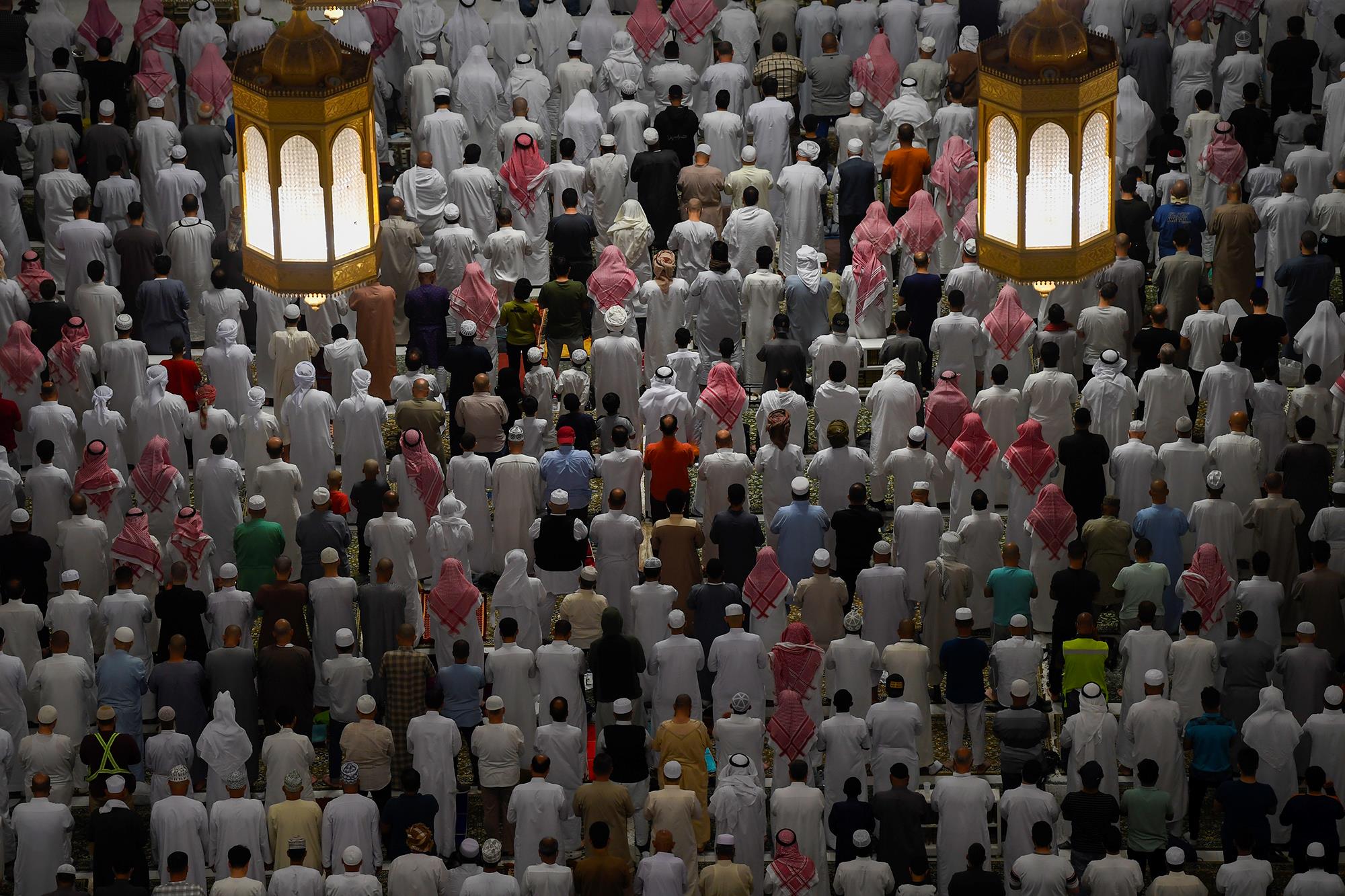
Islam structures daily life in Saudi Arabia around five prayer times: Fajr (dawn), Dhuhr (midday), Asr (afternoon), Maghrib (sunset), and Isha (night). Understanding this rhythm is essential for practical planning and cultural respect.
What Happens During Prayer Times
- Some shops and smaller businesses close briefly during prayer times, typically for 20–30 minutes. Major shopping malls may remain open but individual stores within them may close
- Restaurant service may pause during prayer; some draw curtains and stop serving until prayers conclude
- The call to prayer (adhan) is broadcast from loudspeakers at every mosque. Do not play loud music or create noise during this time — doing so can carry a fine of SAR 1,000–2,000
Visiting Mosques
For detailed guidance on mosque visits, see our Saudi mosque etiquette guide. The key rules:
- Remove your shoes before entering
- Women must cover their hair completely with a hijab and wear loose, full-length clothing
- Men should wear long trousers and covered shoulders
- Photography is restricted during prayer times and may be prohibited entirely in certain areas
- Non-Muslims cannot enter the holy cities of Mecca and Medina — checkpoints enforce this on all approach roads
Ramadan Etiquette
During Ramadan (February–March in 2026), public eating, drinking, and smoking between sunrise and sunset are illegal for everyone — Muslim and non-Muslim alike. Violators face fines of up to SAR 500 (USD 133), and authorities can detain or deport repeat offenders. Hotels typically serve meals to non-fasting guests behind screens or via room service. Plan your daytime eating accordingly.
Dining Etiquette
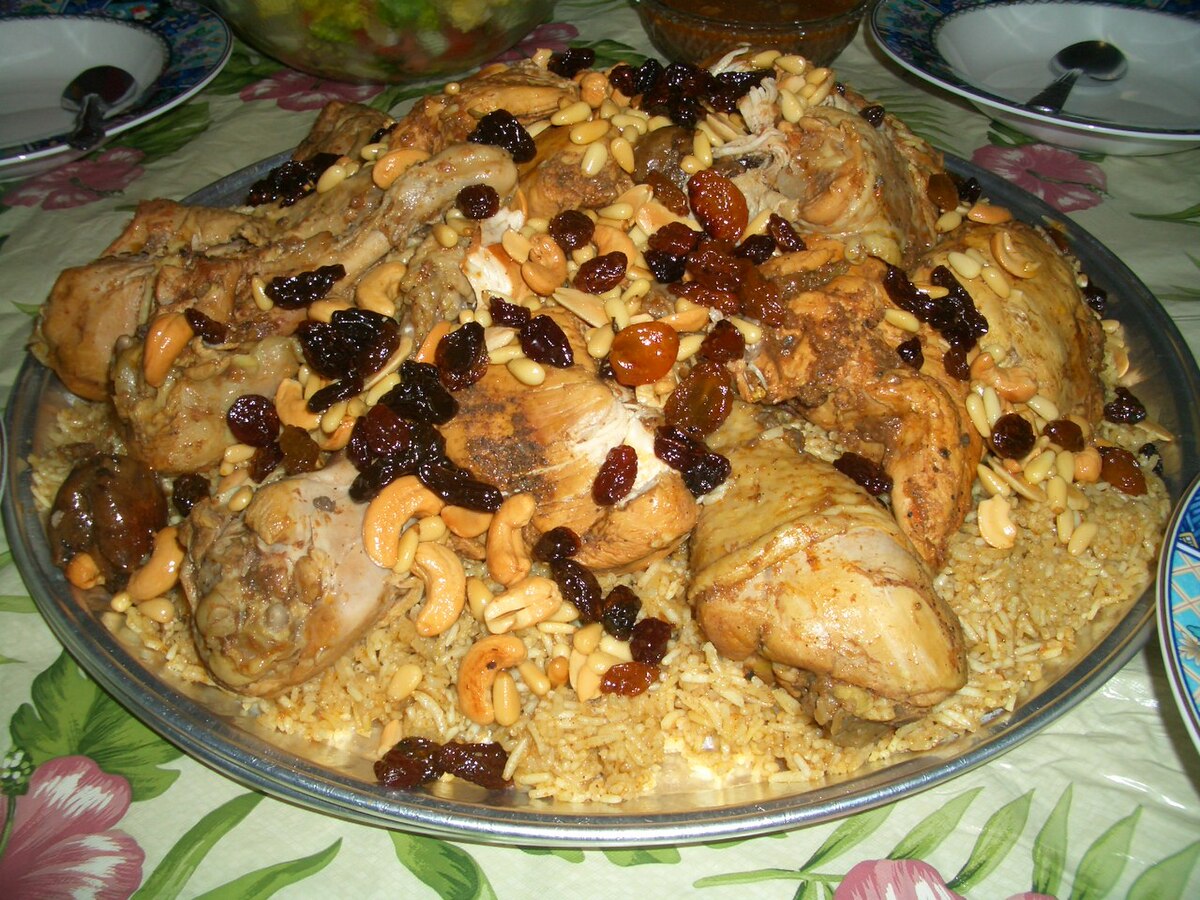
Saudi hospitality, known as hafawa, is among the most generous you will encounter anywhere. Meals are a social occasion, and the customs around them reflect deep cultural values. Violating dining etiquette will not get you fined, but it will disappoint your hosts in ways they may be too gracious to mention.
The Fundamentals
- Always eat with your right hand. This is the single most important dining rule. Your left hand should remain at your side or in your lap — never on the table, never touching food
- Wait for the host to signal the start of the meal, usually with Bismillah (in the name of God) or Sahtain (good health)
- Do not begin eating before the eldest or most senior person at the table
- If sitting on the floor for a traditional meal, do not stretch your legs out or point the soles of your feet toward other diners — this is considered deeply disrespectful
Accepting and Refusing Hospitality
- Arabic coffee (qahwa) will be offered in small handleless cups. Accept with your right hand. When you have had enough, gently shake the cup side to side — otherwise, your host will keep refilling it
- Refusing food or drink outright can cause offence. Accept at least a small amount, even if you are not hungry
- It is polite to leave a small amount of food on your plate to show you have been generously served. Finishing everything suggests your host did not provide enough
Restaurant Norms
- Some older restaurants have separate sections for single men and for families. Newer restaurants typically have open-plan seating but may still offer private family sections
- Tipping is not mandatory but appreciated. In sit-down restaurants, 10–12% is a standard tip; up to 15% for exceptional service. If a service charge already appears on the bill, no additional tip is required
- Pork and alcohol are never served. Do not ask for either — there are no exceptions
Photography: What You Can and Cannot Shoot
Saudi Arabia offers extraordinary photographic opportunities, from the sandstone valleys of AlUla to the coral-latticed houses of Al-Balad in Jeddah. But the rules around photography are stricter than most tourists expect.
Prohibited Subjects
- Government buildings, military installations, and police/security personnel — photographing these is illegal and can result in arrest
- People without their consent — Saudi privacy law makes it illegal to photograph anyone without their explicit permission. This applies to everyone but is especially sensitive when it comes to women, children, and families
- Areas perceived as unflattering — the government is sensitive to photographs that portray the country negatively, including impoverished areas
What Is Generally Fine
- Public landmarks, street scenes without identifiable faces, architecture, landscapes, and food
- Tourist attractions, heritage sites, and natural landscapes
- Social media content that respects the country’s image and does not show illegal activity
Drone Photography
Drone rules are strict. Tourists need a permit from the General Authority of Civil Aviation (GACA), and flying over residential areas, heritage zones, government facilities, and airports is prohibited. Unauthorised drone use can result in confiscation, fines, or criminal charges.
Practical tip: If you want to photograph a person — a shopkeeper, a street vendor, a child — always ask first with a smile and a gesture toward your camera. Most Saudis will say yes. Some will say no. Respect both answers immediately.
Public Displays of Affection
Public displays of affection (PDA) are prohibited under Saudi Arabia’s public decency laws. This applies to everyone — married couples, dating couples, and same-sex partners alike.
- Do not kiss, hug romantically, or hold hands with a partner in public spaces
- Do not sit on a partner’s lap or engage in any physical intimacy in public
- Married couples are expected to exercise the same restraint in public as everyone else
- Violations can result in fines under the public decency regulations, or in some cases, detention and deportation
This is one of the most common areas where Western tourists misstep. What feels like a natural gesture at home — a goodbye kiss at a hotel entrance, holding hands while walking through a souk — can attract attention and, in some cases, police intervention.
Social Media and Online Behaviour
Saudi Arabia’s cyber crime and anti-terrorism laws apply to social media activity — and their reach extends beyond the Kingdom’s borders in ways that catch visitors off guard.
What Not to Post
- Criticism of the Saudi government, royal family, or religious establishment — this can result in arrest, even if posted before you entered the country. The US State Department has confirmed that US citizens have been arrested in Saudi Arabia for social media posts made while outside the Kingdom
- Content promoting alcohol, drugs, or gambling
- Content perceived as promoting immorality — the definition is broad and includes nudity, suggestive imagery, and content supporting LGBTQ+ rights
- Photos or videos of other people taken without consent
Practical Precautions
- Review your social media history before travelling — delete or hide any posts that could be considered critical of Saudi Arabia, Islam, or the royal family
- Be aware that Saudi authorities monitor social media. VPNs are widely used in Saudi Arabia (and not illegal), but they do not make you invisible
- Penalties can be severe: prison sentences for social media activity have reached up to 45 years in high-profile cases involving Saudi nationals
US State Department advisory: “Exercise increased caution in Saudi Arabia. U.S. citizens have been arrested for past social media activity, including comments posted while outside of Saudi Arabia.”
Business Etiquette
If your trip to Saudi Arabia has a business component, the cultural expectations around meetings, negotiations, and professional interaction are distinct from Western norms and worth understanding in detail.
Hierarchy and Titles
- Saudi organisations follow strict hierarchies. Decisions flow from the top down. Always greet the most senior person in the room first
- Use appropriate titles: Sheikh or Sayyid for men, Sheikha or Sayyida for women, unless invited to use first names
- Business cards are exchanged with the right hand or both hands. Take a moment to read the card you receive — do not immediately pocket it
Meetings and Timekeeping
- Meetings begin with coffee, tea, and small talk. Rushing straight into business is considered impersonal and even disrespectful. Allow 15–30 minutes of social conversation before raising business topics
- Decision-making is gradual. Business deals are rarely finalised in a single meeting. Expect multiple rounds of discussion over days or weeks
- Punctuality is valued but meetings may start late. Be on time yourself but do not express frustration if your counterpart is delayed
Professional Dress
- Men: conservative suits and ties in dark or neutral colours. No shorts, no casual wear
- Women: modest business attire with minimal exposed skin. Trouser suits and long-sleeved blouses are standard
- Saudi men in business settings wear the traditional thobe (long white robe) and ghutra (headdress). Foreigners are not expected to wear Saudi dress — doing so without invitation can seem presumptuous
The Weekend
The Saudi workweek runs Sunday to Thursday. Friday and Saturday are the weekend. Do not schedule business meetings for Friday, which is the Islamic holy day. Government offices and many businesses are closed.
LGBTQ+ Travellers: Legal Reality
Same-sex relationships are illegal in Saudi Arabia under Sharia law, and the penalties are severe. While the Saudi Tourism Authority stated in 2023 that “all visitors, including LGBTQ visitors, are welcome,” the law has not changed. Anything perceived to promote or display homosexuality — including clothing, social media activity, and public behaviour — can result in prosecution.
Practical enforcement against discreet foreign tourists is uncommon, but the legal risk is real and non-trivial. LGBTQ+ travellers should be aware that:
- There is no legal recognition of same-sex relationships
- Public displays of same-sex affection carry significant legal risk
- Dating apps may be monitored
- What feels discreet and low-risk for visitors could be life-threatening for LGBTQ+ Saudis, who live under immense social and legal pressure
Women Travelling in Saudi Arabia
Saudi Arabia has changed dramatically for women in recent years. Women can now drive, attend sporting events, travel without a male guardian’s permission, and access most public spaces. For women visiting as tourists, the experience is broadly safe and increasingly welcoming, but cultural awareness remains important.
- A male guardian (mahram) is no longer required for women to enter, travel within, or leave Saudi Arabia
- Women can check into hotels alone and rent cars without issue
- In rural or very conservative areas, a solo woman may attract more attention. This is curiosity, not hostility — but it can be uncomfortable
- Some older restaurants still enforce gender-segregated seating. This is becoming less common in major cities
- Women should dress modestly in line with the public decorum code. A headscarf is not required in public but is mandatory in mosques
What Not to Bring Into Saudi Arabia
Saudi customs enforce strict import controls. The following items are prohibited or restricted:
| Prohibited | Restricted (Requires Approval) |
|---|---|
| Alcohol in any form | Prescription medications with controlled substances |
| Narcotics and recreational drugs | Drones (require GACA permit) |
| Pork products | Satellite phones |
| Pornographic material | Professional camera equipment (may require permit) |
| Religious materials intended for proselytising | Large sums of cash (SAR 60,000+ must be declared) |
| Items bearing the Star of David or Israeli symbols | Firearms and ammunition (hunting permit required) |
Medication warning: If you take prescription medication that contains controlled substances — codeine, tramadol, amphetamines (including some ADHD medications), or benzodiazepines — carry your doctor’s letter and check with the Saudi embassy before travelling. Arriving with undeclared controlled substances can result in arrest.
Tipping and Money Etiquette
Saudi Arabia uses the Saudi Riyal (SAR), pegged to the US dollar at SAR 3.75 = USD 1. For a detailed breakdown of currency, ATMs, and payment methods, see our Saudi Arabia currency guide.
Tipping Guidelines
- Restaurants: 10–12% for table service; 15% for exceptional service. Round up or leave SAR 2–5 at cafes or counter-service spots. Skip the tip if a service charge is already on the bill
- Hotels: SAR 5–10 per bag for porters; SAR 10–20 per day for housekeeping
- Taxis: Round up to the nearest SAR 5. For long rides or special assistance, SAR 10–20 is generous
- Tour guides: SAR 50–100 per day, depending on the quality and length of the tour
Bargaining
Bargaining is expected and encouraged in souks and traditional markets. It is not appropriate in shopping malls, chain stores, or restaurants. Start at about 50–60% of the asking price and negotiate from there. Keep the exchange friendly — aggressive bargaining is considered poor form.
Language and Communication
Arabic is the official language of Saudi Arabia. English is widely understood in major cities, international hotels, and tourist-facing businesses, but far less so in rural areas, smaller towns, and traditional souks.
Useful Arabic Phrases
| English | Arabic (transliterated) | When to Use |
|---|---|---|
| Peace be upon you | Assalamu Alaikum | Universal greeting (appropriate for anyone) |
| And upon you, peace | Wa Alaikum Assalam | Reply to the above greeting |
| Thank you | Shukran | Everywhere, always |
| God willing | Inshallah | When discussing future plans or uncertain outcomes |
| Good health / Bon appetit | Sahtain | Before or during a meal |
| In the name of God | Bismillah | Before starting a meal |
| If God wills / God bless | Mashallah | Expressing admiration or gratitude |
| No, thank you | La, shukran | Polite refusal |
| Excuse me | Afwan | Getting attention or apologising |
Even a few words of Arabic will earn you significant goodwill. Saudis appreciate the effort enormously, and a simple Shukran at the end of a transaction changes the dynamic of the entire interaction.
Other Behaviours to Avoid
Showing the Soles of Your Feet
In Arab culture, the sole of the foot is considered the lowest and dirtiest part of the body. Do not point your feet at another person, do not put your feet up on furniture in someone’s home, and do not cross your legs in a way that exposes the sole of your shoe to someone sitting opposite you.
Pointing with Your Finger
Pointing directly at someone with your index finger is considered rude. Use an open hand to gesture toward people, or nod in their direction.
Discussing Politics and Religion
Do not criticise the Saudi government, the royal family, or Islam — not in conversation, not on social media, not even in what you consider a private setting. This is both a cultural expectation and a legal requirement. Religious debate and proselytising for non-Islamic faiths are illegal.
Refusing Hospitality
If a Saudi offers you coffee, tea, dates, or food, accept graciously. Flat refusal is considered impolite. You do not need to consume a large amount — even a sip or a single date demonstrates respect for the gesture.
Using Your Left Hand
This deserves emphasis because it catches Western visitors more than almost anything else. Do not eat with your left hand. Do not offer items with your left hand. Do not shake hands with your left hand. If you are left-handed, make a conscious effort to use your right hand for social interactions and eating.
Practical Tips for a Smooth Visit
- Download a prayer times app (Muslim Pro or similar) so you know when shops may close
- Carry a light scarf or shawl in your bag at all times, even if you are male — it can serve as emergency shoulder coverage for entering a mosque or conservative area
- Get a local SIM card at the airport for reliable data. See our Saudi Arabia SIM card guide for providers and pricing
- Stay connected on accommodation options with our Saudi Arabia hotels guide
- Learn two phrases: Assalamu Alaikum and Shukran. They will carry you a surprising distance
- Respect the heat: during summer months (June–September), midday temperatures in Riyadh regularly exceed 45°C (113°F). Plan outdoor activities for early morning or late afternoon
- Do not photograph security personnel or government buildings under any circumstances
- Keep your passport and visa documentation accessible — police can request identification at any time
When Things Go Wrong
If you do make a cultural mistake — and nearly everyone does at some point — Saudis are generally forgiving with tourists who show genuine respect and willingness to learn. A sincere Afwan (excuse me) and an immediate correction will resolve most situations. For legal issues, contact your country’s embassy immediately. If dining or navigating local food culture feels overwhelming at first, remember that Saudi hospitality is legendary — your hosts genuinely want you to feel welcome.
Explore More Saudi Arabia Travel Guides
- Saudi Arabia Travel Guide 2026 — The complete guide to visiting the Kingdom
- Saudi Arabia Dress Code for Tourists — Exactly what to wear in every situation
- Non-Muslim Travel in Saudi Arabia — What is allowed, what to expect, and how to prepare
- Saudi Mosque Etiquette — How to visit a mosque respectfully
- Travelling During Ramadan — Planning your trip around the holy month
- Saudi Arabia Visa Guide — Every visa type explained