
Saudi Arabia sits between two of the world’s most productive fishing waters: the Red Sea to the west and the Arabian Gulf to the east. Together they offer more than 2,500 kilometres of coastline, over 1,200 documented fish species, and fishing traditions stretching back millennia. Whether you want to cast a fly at giant trevally on the pristine Farasan Banks, troll for yellowfin tuna off Jeddah, land a hamour (greasy grouper) from a reef near Yanbu, or simply drop a handline from the Dammam Corniche at sunset, the Kingdom delivers an experience that most visiting anglers do not expect. This guide covers everything you need to plan a fishing trip in Saudi Arabia as part of a wider Saudi Arabia travel itinerary — from species and seasons to regulations, charter operators and shore-fishing hotspots.
Best Time to Visit: October to April (cooler temperatures, calmer seas; peak sport fishing November–March)
Getting There: Fly into Jeddah (Red Sea coast) or Dammam (Arabian Gulf coast); domestic flights to Yanbu, Jizan or Al Lith for specialist destinations
Visa Required: Yes — tourist e-visa available for 63 nationalities
Budget: Shore fishing free to minimal cost; deep-sea charters from US $500–$1,500/day; luxury liveaboard fly-fishing expeditions from US $5,000–$8,000/week
Must-See: Farasan Banks (world-class fly fishing), Jeddah deep-sea charters, Obhur Creek shore fishing
Avoid: Fishing during the annual shrimp ban (February–July in the Arabian Gulf) or the grouper closed season; spearfishing with scuba gear is illegal
Why Fish in Saudi Arabia?
Saudi Arabia’s fishing waters have flown under the international radar for decades, overshadowed by the more-marketed fisheries of Oman, the Maldives and East Africa. That is changing rapidly. The Kingdom’s Red Sea coast hosts some of the healthiest coral reef systems left on the planet — vast stretches of it untouched by commercial diving or heavy boat traffic. The result is fish populations that rival remote oceanic atolls, all accessible from a modern city like Jeddah in under an hour by boat.
The Arabian Gulf coast, anchored by Dammam and Al Khobar, offers a different experience: calmer waters, extensive shallow flats, and a centuries-old fishing heritage built around shrimp, hammour and emperor fish. The Eastern Province’s cornichelined waterfront makes shore fishing genuinely easy for beginners.
Under Saudi Arabia’s Vision 2030 tourism push, the government has invested heavily in marina infrastructure, licensed new charter operators, and opened remote coastline like the Umluj archipelago and the Farasan Islands to visitors. The fishing is excellent — and it is getting more accessible every year.
Fish Species: What You Can Catch
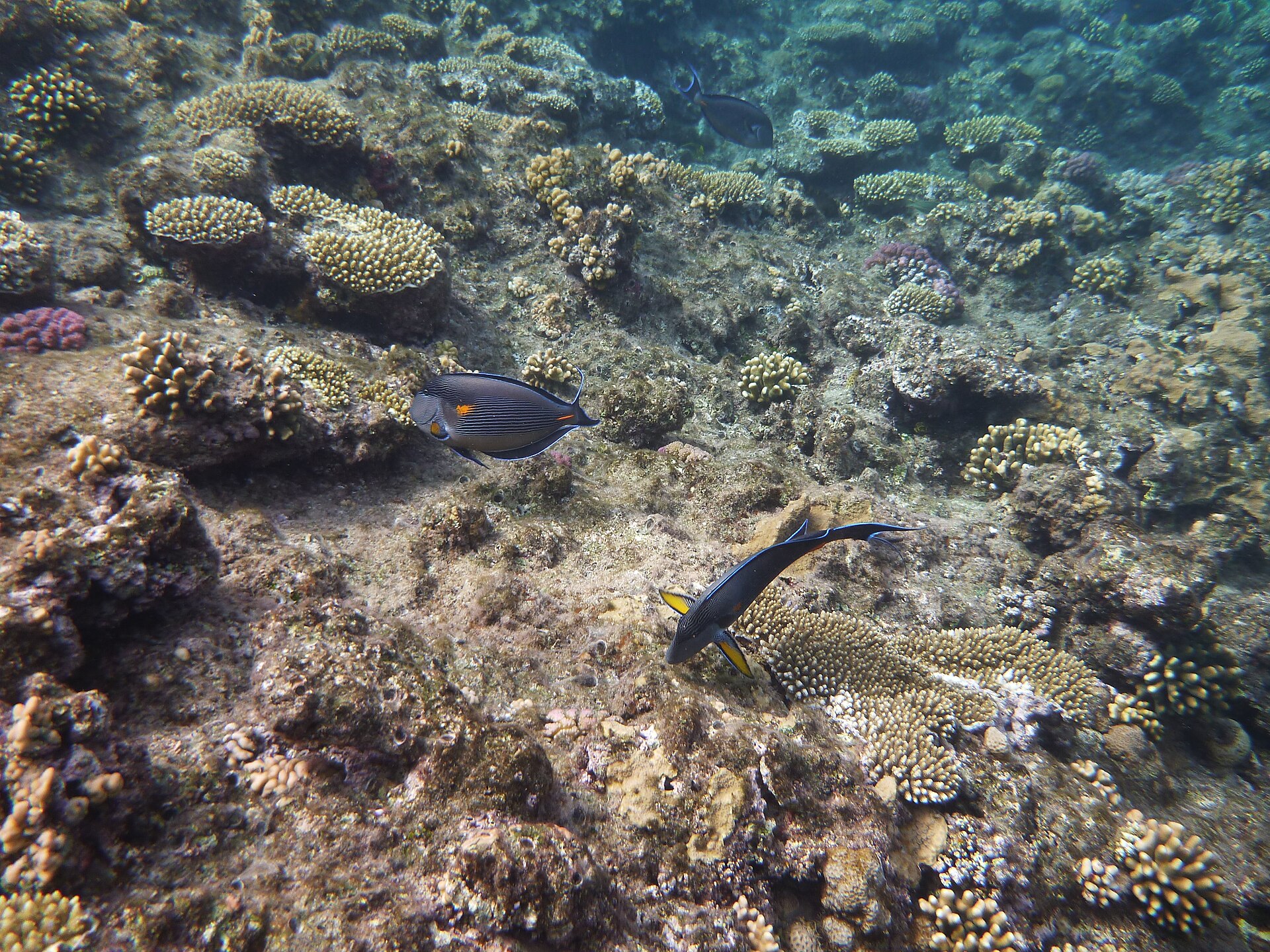
The Red Sea alone hosts more than 1,200 species of fish. You will not catch all of them, but the diversity means there is genuinely something biting in every season and at every depth. Below are the species that matter most to sport and recreational anglers.
Red Sea Trophy Species
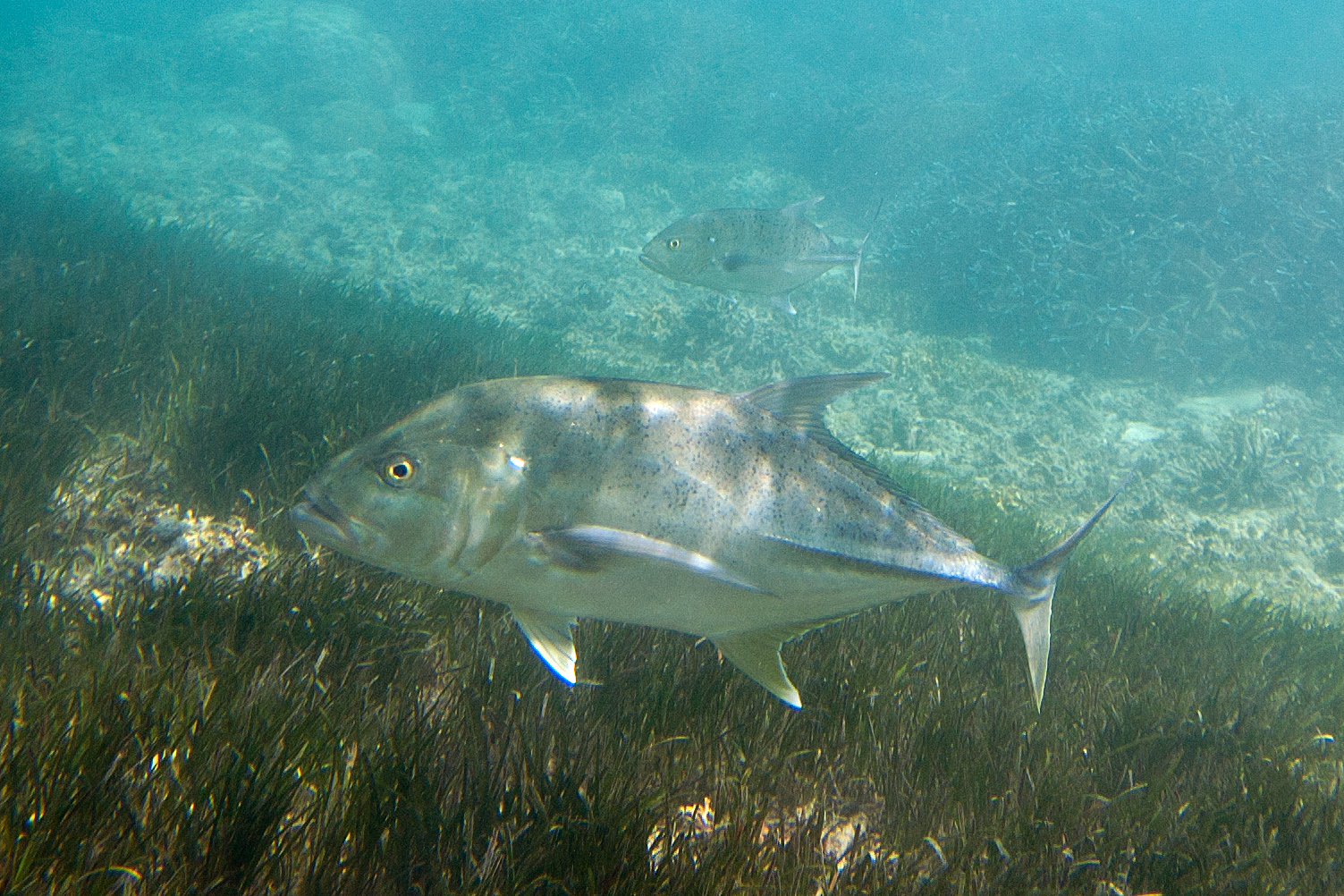
- Giant Trevally (GT) — The apex predator of the flats. The Farasan Banks between Al Lith and Jizan are now considered one of the world’s best GT fly-fishing destinations. Fish regularly exceed 30 kg. Season peaks from September to December.
- Yellowfin Tuna — Caught trolling in deep water off Jeddah and Yanbu, typically from October to March. Fish from 10 kg to over 50 kg are common.
- Sailfish and Marlin — Present in the deeper southern Red Sea, particularly around the Farasan Islands and towards the Bab el-Mandeb strait. Sightings peak in winter months.
- Barracuda — Abundant around every reef structure on both coasts. Great light-tackle sport fish, commonly caught trolling or casting near coral drop-offs.
- Kingfish (King Mackerel) — One of the most reliable catches off Jeddah and Yanbu. Fast, aggressive and excellent eating.
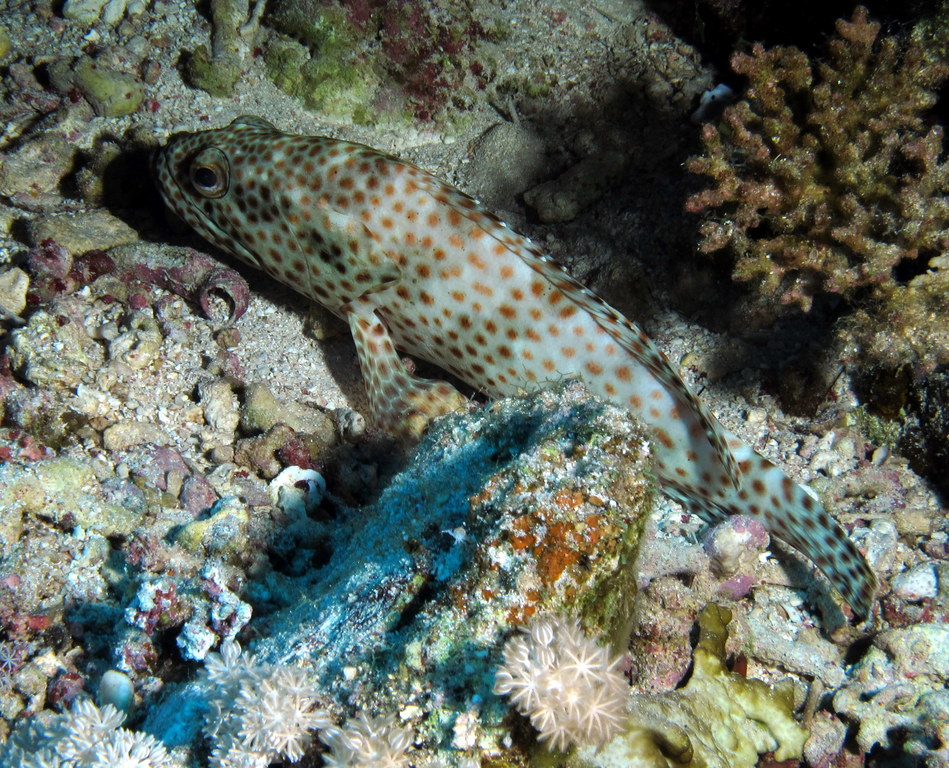
- Hamour (Greasy Grouper) — The most prized eating fish in the Arabian Gulf and Red Sea. Known scientifically as Epinephelus tauvina, hamour is culturally central to Gulf cuisine. Subject to seasonal closed periods — check current MEWA regulations before targeting.
- Coral Trout (Leopard Coral Grouper) — Prized reef species, also subject to seasonal restrictions.
- Spangled Emperor (Shaour) — The most common shore-fishing catch across both coasts. Responds well to bait such as squid, shrimp and sardine.
- Snapper — Multiple species inhabit reef structures at all depths. Bohar snapper and two-spot red snapper are among the most frequently caught.
- Safi (Rabbitfish) — Small but abundant and excellent eating. A staple of shore anglers in the Eastern Province.
- Shrimp — The Arabian Gulf shrimp fishery is among the most important in the region. Recreational shrimping is possible, though subject to a seasonal ban (typically February to July).
- Small Sharks — Various small shark species are commonly caught off the Jubail coast and around offshore platforms. Most should be released.
- Giant trevally (GT)
- Golden trevally
- Bonefish
- Indo-Pacific permit
- Titan triggerfish and yellowmargin triggerfish
- Bumphead parrotfish
- Milkfish
- Spearfishing with scuba gear is illegal. This is one of the most important rules for visiting divers to understand. Freediving spearfishing exists in a grey area, but MEWA has expressed concern about its impact on reef populations.
- Explosives, chemicals, poisons and electrical devices are strictly prohibited.
- Seven types of fishing nets are banned, including nylon monofilament nets, three-layer nets, and any net with mesh smaller than 2 inches. Gill nets must have a mesh size of at least 3.75 inches and cannot exceed 2,400 metres in length.
- The collection of marine mammals (dugongs, dolphins) is absolutely prohibited.
- Shrimp ban: Shrimp fishing in the Arabian Gulf is banned annually from approximately February to July, allowing populations to reproduce. The exact dates vary slightly each year and are announced by MEWA. Fines for breaching the ban can reach SR 10,000 (approximately US $2,700).
- Grouper closed season: Certain grouper species (including hamour and coral trout) are subject to seasonal fishing bans in the Red Sea. The exact dates are set annually by MEWA. Check the ministry’s website or ask your charter operator before targeting grouper.
- Sea cucumbers, crabs, prawns and coral trout also have specific prohibited seasons that rotate — always verify before your trip.
- Captain and crew
- Fishing tackle and bait
- Any required permits
- Refreshments and water
- Safety equipment and life jackets
- Seven nights aboard the mothership
- Six days of guided fishing on skiffs
- All meals and accommodation
- Four experienced saltwater fly-fishing guides
- Ground transfer from Jeddah to Al Lith
- Saghalla and Saghalla Kori jetties (near Al Bilad Hotel/Movenpick and Westin on the Corniche) — the most popular shore spots in Jeddah. Emperor fish, barracuda and trevally are common catches.
- Obhur Creek — calmer waters north of the city centre. Good for family fishing with bottom rigs and natural bait.
- Al Mujran Beach — accessible and reasonably productive for shore casting.
- Dammam Corniche — the entire waterfront offers light-tackle opportunities. Bream and emperor fish are the main targets.
- Al Khobar Corniche — similar to Dammam, with the added attraction of views across to Bahrain.
- Half Moon Bay — south of Al Khobar, this popular beach area offers shallow-water fishing from the sandy shore.
- Sun protection is non-negotiable. The Saudi sun is intense year-round. Bring SPF 50+ sunscreen, a wide-brimmed hat, UV-protective clothing, and quality polarised sunglasses (essential for sight-fishing on flats).
- Hydration: Carry at least 3–4 litres of water per person per day on boat trips. Dehydration is a genuine risk.
- Personal tackle: Charter operators provide basic gear, but serious anglers should bring their own rods, reels and terminal tackle. Airlines flying into Saudi Arabia generally allow fishing rods as checked sporting equipment — confirm with your airline in advance.
- Reef-safe footwear: Neoprene booties or wading boots protect against coral cuts, stonefish and sea urchins when fishing from shore or wading on flats.
- Scuba diving — the Red Sea is one of the world’s premier diving destinations, and many fishing charter operators also offer dive trips.
- Kayaking — paddle through mangroves and along coral-fringed coastline between fishing sessions.
- Kite surfing — the Red Sea wind conditions that sometimes complicate fishing are perfect for kite surfing.
- Beach days — Saudi Arabia’s beaches are among the most beautiful and least crowded in the Middle East.
- Saudi Arabia Travel Guide 2026 — The complete guide to visiting the Kingdom
- Scuba Diving in Saudi Arabia — Red Sea sites, operators and what to see beneath the surface
- Snorkeling in Saudi Arabia — The best Red Sea sites for non-divers
- Yacht Charter Saudi Arabia — Private island cruises on the Red Sea
- Kayaking in Saudi Arabia — Red Sea coastline, mangroves and lakes
- Saudi Arabia Visa Guide — Every visa type explained
Reef and Bottom Species
Arabian Gulf Species
Farasan Banks Fly-Fishing Species
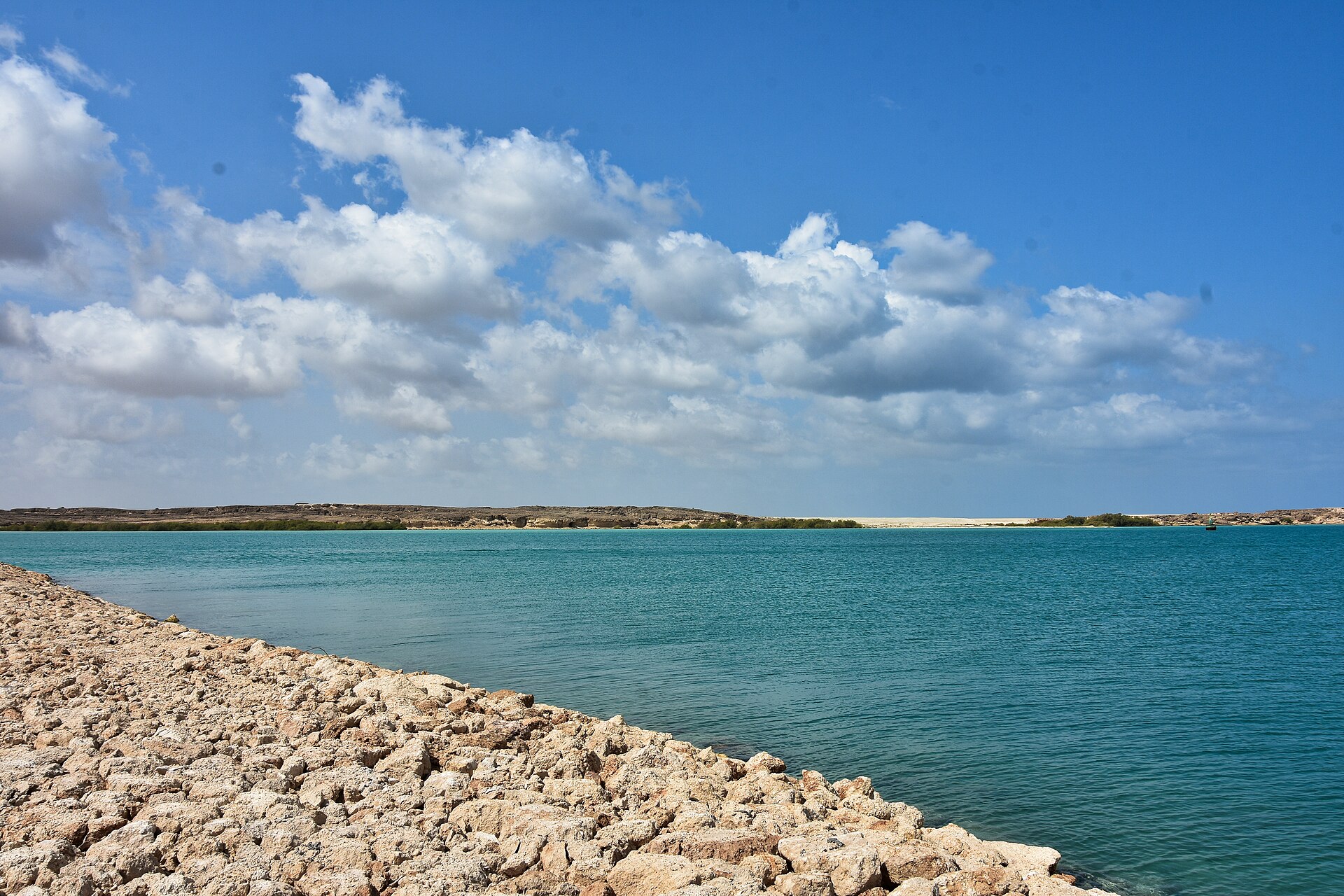
The Farasan Banks — a 300+ kilometre stretch of pristine flats, channels and reef between Al Lith and Jizan — have only been open to international fly-fishing since the early 2020s. Species confirmed on the fly here include:
This is frontier fly fishing in the truest sense. Operators like Aardvark McLeod and FlyCastaway run week-long liveaboard expeditions from Al Lith with experienced guides who know the flats intimately.
Top Fishing Destinations
Jeddah
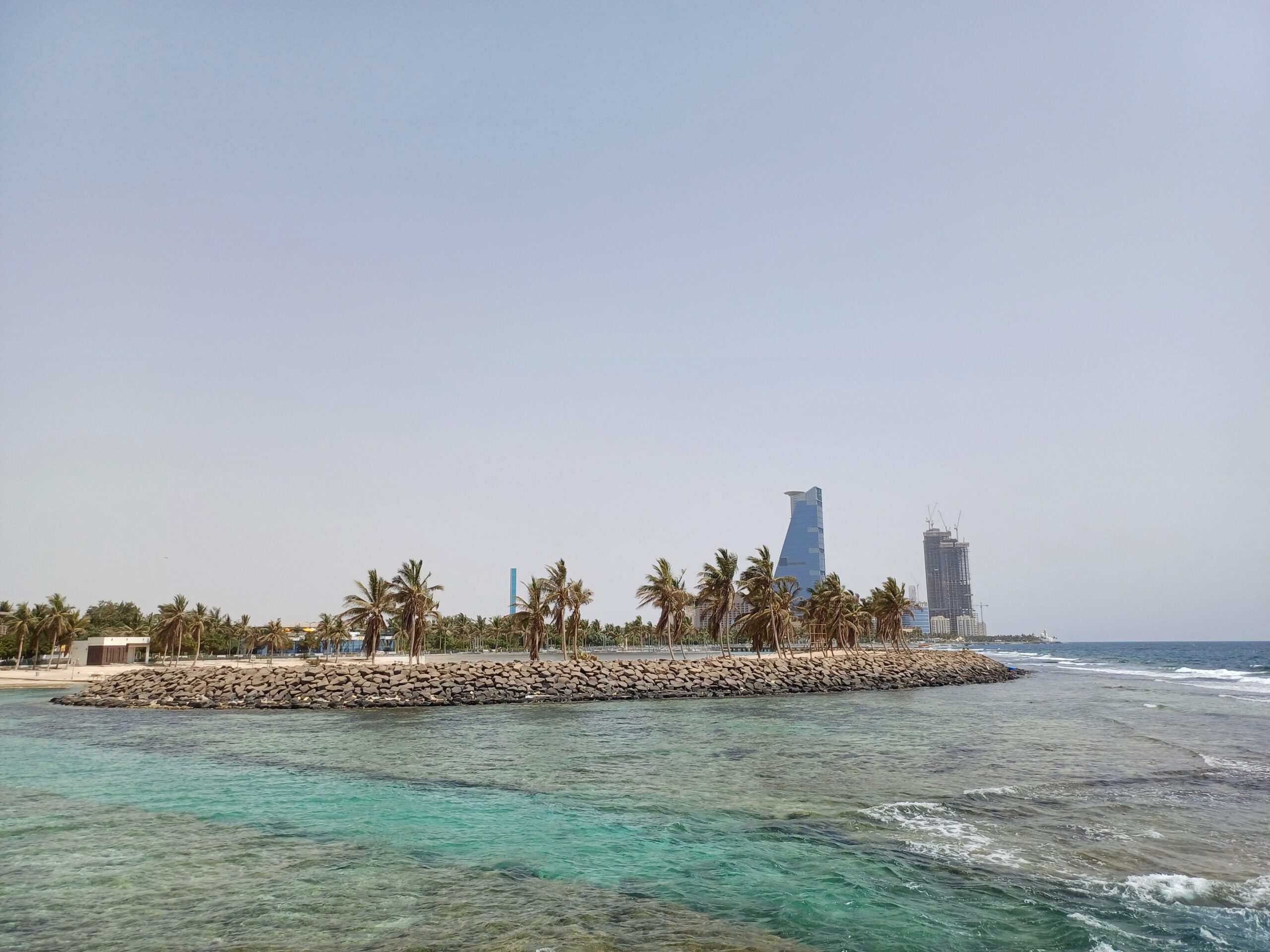
Jeddah is the most accessible base for Red Sea fishing. The deep water begins just a few kilometres offshore, meaning even a half-day charter can put you over productive ground. The city has well-established marinas, multiple charter operators, and tackle shops along the corniche.
Shore fishing: The Jeddah Corniche offers accessible shore fishing from several jetties. The area near Al Bilad Hotel (Saghalla and Saghalla Kori jetties) is known for decent catch rates of emperor fish, barracuda and small trevally. Obhur Creek, north of the city centre, is another productive shore spot — calmer waters and good baitfish presence.
Offshore: Half-day and full-day charters target yellowfin tuna, kingfish, barracuda, grouper and snapper. Reef fishing for grouper and snapper is productive year-round; pelagic trolling is best from October to March.
Bait tip: The most effective shore bait in Jeddah is lugworm, sold by a single vendor near the Al Hamra Corniche behind the InterContinental Hotel (look for the parking area beside the green-painted mosque — a seller appears on Thursdays from around 1:00 PM). Squid (habar), mackerel (bagha), sardine and shrimp are widely available alternatives.
Yanbu
Yanbu, roughly 350 km north of Jeddah on the Red Sea coast, is known for exceptionally clear waters and pristine reef systems. The Seven Sisters Reef chain is a particularly productive area, and the wreck of the Iona (a British cargo vessel that struck a reef) has become a thriving marine habitat.
Yanbu Marina is the main departure point for fishing charters. Target species include trevally, barracuda, kingfish, snapper and grouper. Barracuda Beach, an underwater trail park along a chain of reefs, also serves as a combined fishing and snorkelling destination.
Al Lith and the Farasan Banks
Al Lith, about 275 km south of Jeddah, is the gateway to the Farasan Banks — the premier fly-fishing destination in the Middle East. The typical format is a liveaboard trip: guests fly into Jeddah, transfer overland to Al Lith (roughly 2.5 hours by road), then board the mothership for a week of fishing across the banks.
The flats here are remote, largely uncharted, and teeming with fish. Day temperatures from September to December range from the mid-30s to 40°C, so most fishing is done in the early morning, returning to the boat by 2–3 PM. Four experienced guides typically accompany groups of six to eight anglers.
Al Lith also offers excellent conventional deep-sea fishing for yellowfin tuna, sailfish and king mackerel, particularly for anglers who prefer trolling or bottom fishing to sight-casting on flats.
Farasan Islands
The Farasan Islands, accessible by ferry from Jizan in Saudi Arabia’s far south, offer a completely different experience. This archipelago of over 80 islands is a protected area with rich biodiversity. Fishing is permitted in designated zones, and the islands are known for abundant catches of Spanish mackerel during the al-Kannah season (mid-April to late June), when Jizan Province fishermen celebrate one of the most productive periods of the year.
The islands are best combined with a visit to Jizan and the surrounding tropical coastline.
Umluj
The Umluj archipelago — over 100 islands scattered across turquoise shallows north of Yanbu in Tabuk Province — is Saudi Arabia’s answer to the Maldives. Underwater visibility reaches 40 metres, and the area hosts dugongs, manta rays and hammerhead sharks.
While Umluj is better known for snorkelling and island-hopping, boat-based fishing excursions are increasingly available from the marina. The reef structure and relatively light fishing pressure make this a promising location for species like trevally, grouper and snapper.
Dammam, Al Khobar and the Eastern Province
The Dammam and Al Khobar cornichecoast along the Arabian Gulf is the most accessible shore-fishing destination in the Kingdom. Light tackle fishing for bream and emperor fish from the cornichewall is productive and family-friendly. For deeper-water options, boat charters depart from Jubail marina, targeting hamour, safi and various reef species.
Jubail, located roughly 100 km north of Dammam, was historically one of the Gulf coast’s most important fishing communities, operating a fleet of approximately 160 boats before its industrial transformation in the 1970s. Fishing remains part of the local culture, and charter operators based at the marina offer both fishing and sunset cruise excursions.
Traditional technique: Eastern Province fishermen have long used the hadra method in shallow Gulf waters — deploying nets from top to bottom along the coast, calibrated to the direction and flow of tidal changes. While visitors are unlikely to use this technique, understanding it enriches the experience of watching local fishermen at work.
Fishing Seasons and Timing
| Season | Red Sea Conditions | Arabian Gulf Conditions | Key Species |
|---|---|---|---|
| October–December | Cooling temperatures, calm seas, excellent visibility | Pleasant temperatures, moderate seas | GT (peak), yellowfin tuna, kingfish, barracuda |
| January–March | Coolest months, some wind; great for deep-sea pelagics | Coolest; shrimp ban begins February | Tuna, sailfish, marlin (southern Red Sea), hamour |
| April–June | Warming quickly; al-Kannah season in Jizan (Spanish mackerel peak) | Warming; shrimp ban continues | Spanish mackerel, reef species |
| July–September | Extremely hot (40–45°C); offshore fishing still productive early morning | Very hot and humid; shrimp season opens August | Reduced pelagic activity; bottom fishing still productive |
The best overall period for visiting anglers is October to March, when air and water temperatures are comfortable, seas are generally calm, and both pelagic and reef species are active. The Farasan Banks fly-fishing season runs from approximately September to December.
Fishing Regulations and Licences
Saudi Arabia’s fishing regulations are administered by the Ministry of Environment, Water and Agriculture (MEWA). While enforcement has historically been uneven, the rules are taken increasingly seriously — particularly in marine protected areas and during closed seasons.
Licences
Professional fishing licences are issued by MEWA branch offices and are technically required for anyone fishing commercially. For recreational tourists, the situation is simpler: most charter operators include any necessary permits as part of their package, and shore fishing from public areas like the corniche does not require a licence.
If you are bringing your own boat or fishing from a private vessel, you should carry documentation and be prepared to show it if asked by the Coast Guard. Contact MEWA or the Red Sea Authority (redsea.gov.sa) for current requirements.
Prohibited Methods and Equipment
Closed Seasons
Marine Protected Areas
Saudi Arabia has designated several marine protected areas where fishing is restricted or prohibited. These include zones within the Farasan Islands Marine Protected Area and areas being developed as part of the Red Sea Global tourism project. Charter operators are well aware of these boundaries and will not take you into restricted zones.
Charter Operators and Costs
Deep-Sea Fishing Charters (Jeddah)
Jeddah is the main hub for Red Sea fishing charters. FishingBooker, the international charter booking platform, lists multiple Jeddah-based operators with prices starting from approximately US $500 for a half-day trip and US $800–$1,500 for a full day. A featured operator, Jeddah Red Sea Fishing, runs a 42-foot motor yacht equipped with outriggers, accommodating up to 12 passengers.
Most charters include:
For smaller groups, expect to pay around US $100–$200 per person on a shared charter, or US $500+ for a private boat.
Fly-Fishing Expeditions (Farasan Banks)
The Farasan Banks operations are specialist affairs. Aardvark McLeod (UK-based, contact: +44 1980 847389), FlyCastaway and Fly Water Travel are the main international outfitters booking trips here. Expect to pay in the range of US $5,000–$8,000 per person for a week-long liveaboard expedition including:
Fly rods in 10- to 12-weight are standard. You will need intermediate and sinking lines, large baitfish patterns for GT, and crab patterns for permit and triggerfish. The operators will supply detailed tackle lists upon booking.
Arabian Gulf Charters (Dammam/Jubail)
Fishing charters on the Arabian Gulf coast are generally less expensive than Red Sea options. Half-day trips from Jubail or Dammam marinas start from approximately US $300–$500. Operators like Adventure Khobar run dedicated fishing trips from the Eastern Province coast.
Yacht Charters
For a luxury fishing experience, several operators offer private yacht charters along the Red Sea coast. Companies like Marcus Yachting and Experiences by ROAM operate crewed vessels that combine fishing with island-hopping, diving and general cruising. Some yachts include helicopter transfers from NEOM airport to Sindalah Island as part of premium packages.
Shore Fishing: Where and How
You do not need a boat to fish in Saudi Arabia. Both coasts offer accessible shore fishing that can be genuinely productive.
Jeddah Shore Spots
Eastern Province Shore Spots
Shore Fishing Tackle
A medium-weight spinning rod (7–8 foot, 15–30 lb line) covers most shore situations. Bait fishing with a bottom rig (sinker, hooks, natural bait) is the most productive approach. Lure fishing with metal jigs and soft plastics also works, particularly for trevally and barracuda near reef structures.
Tackle from major brands — Abu Garcia, Daiwa, Shimano, Rapala — is available in Saudi Arabia, though selection may be limited outside major cities. If you have specific gear requirements, bring your own.
Practical Information for Visiting Anglers
Getting There
International flights arrive at King Abdulaziz International Airport (JED) in Jeddah for the Red Sea coast, and King Fahd International Airport (DMM) in Dammam for the Arabian Gulf coast. Domestic flights on Saudia, flynas and flyadeal connect both cities to Yanbu, Jizan and other coastal towns.
You will need a valid tourist e-visa, which is available online for citizens of 63 eligible countries. The application takes minutes and costs approximately US $120 including insurance.
For more detail on getting around, consult the transport guide or the car rental guide if you plan to drive between coastal towns.
What to Bring
Weather and Safety
Summer temperatures on both coasts regularly exceed 40°C. Heat exhaustion is a real concern, particularly on open boats. The best time to visit for fishing (and general comfort) is the cooler months from October to March.
Red Sea conditions are generally calm, but winter winds (particularly the shamal in the Gulf) can create rough seas. Charter captains will cancel trips if conditions are unsafe. If you are prone to seasickness, take medication before departing — swells outside the reef can be significant.
Catch and Release vs. Keeping Fish
Catch-and-release is encouraged for most sport species, particularly giant trevally, sailfish and marlin. If you intend to keep fish for eating, most charters will clean your catch on board or at the marina. Hamour, kingfish, snapper and emperor fish are all excellent table fare — many hotels and restaurants in Jeddah and Dammam will cook your fresh catch if you ask.
Combining Fishing with Other Activities
Saudi Arabia’s coast offers far more than fishing. Consider combining your trip with:
Fishing Culture and Heritage
Fishing is woven into Saudi Arabia’s coastal identity. Before the discovery of oil, fishing and pearl diving were the primary livelihoods of communities along both coasts. The traditional hadra fishery technique of the Eastern Province, the centuries-old dhow-building traditions, and the communal fish markets that still operate in Jeddah, Jizan and Dammam all speak to a relationship with the sea that predates the modern Kingdom.
The al-Kannah season in Jizan Province (mid-April to late June) remains a culturally significant event, when the abundance of Spanish mackerel draws fishermen from across the region. It is one of the rare moments where Saudi Arabia’s ancient maritime heritage is visible in full practice.
For visitors interested in the broader cultural context, the food guide covers the fish dishes — particularly samak mashwi (grilled fish) and sayadieh (fish and rice) — that are central to coastal Saudi cuisine.