
Saudi Arabia has moved from a near-impossible tourist destination to one of the most talked-about in the world — and Europeans are arriving in record numbers. Whether you’re flying from London, Paris, Frankfurt, or Madrid, the Kingdom is now just five to seven hours away, with e-visas processed in minutes and direct flights from most major European hubs. This guide is part of our complete Saudi Arabia travel guide and covers everything a European visitor specifically needs to know: visa rules for EU and non-EU citizens, cultural expectations that differ sharply from home, practical logistics like power adapters and health insurance, and the legal boundaries every visitor must respect.
Saudi Arabia is not Europe. That is precisely the point — and precisely why preparation matters. The reward is a country of staggering archaeological sites, futuristic cities, vast desert landscapes, and a hospitality culture that will likely surpass anything you’ve experienced on the continent. But the rules are different, and understanding them before you board the plane will make the difference between a trip that feels liberating and one that feels frustrating.
Best Time to Visit: October to March (cooler temperatures, 20–30°C in most regions)
Getting There: Direct flights from London, Paris, Frankfurt, Madrid, Rome, and other European cities (5–7 hours)
Visa Required: Yes — tourist e-visa for all EU/EEA/Schengen and UK citizens
Budget: $80–200/day (mid-range); budget travellers can manage $55–80/day
Must-See: AlUla and Hegra, Riyadh’s Diriyah, Jeddah’s historic Al-Balad district
Avoid: Travelling in July–August without desert experience (temperatures exceed 45°C)
Visa and Entry: How It Works for Europeans
The Saudi tourist e-visa is available to citizens of all EU member states, all EEA countries (Norway, Iceland, Liechtenstein), Switzerland, and the United Kingdom. The visa is a multiple-entry authorization valid for one year, allowing stays of up to 90 days per visit. You can apply online at visa.visitsaudi.com in under ten minutes.
What You Need to Apply
- Passport valid for at least six months beyond your entry date
- Passport-sized photograph (digital upload)
- Valid email address to receive the e-visa
- Payment method — credit card, debit card, or international payment gateway
The visa fee is approximately $125 (SAR 480), which includes mandatory health insurance coverage for your stay. Processing is typically instant — most applicants receive approval within minutes. For a full breakdown of every visa type, fee, and requirement, see our Saudi Arabia visa guide.
Visa-on-Arrival Alternative
Citizens of EU and Schengen countries can also obtain a visa on arrival at Saudi airports. However, the e-visa is strongly recommended — it avoids queues at immigration and lets you confirm entry before booking flights.
EU vs Non-EU European Countries
Not all European nationalities qualify for the e-visa. Citizens of countries such as Albania, Bosnia and Herzegovina, North Macedonia, Serbia, and Ukraine must apply through a Saudi embassy or consulate. If your country is not on the e-visa eligible list, check with the nearest Saudi diplomatic mission for current requirements.
Tip: Your visa includes basic health insurance, but it offers only emergency coverage. Europeans accustomed to EHIC/GHIC reciprocal healthcare should note that these cards are not valid in Saudi Arabia. Travel insurance with medical evacuation coverage is strongly recommended — a private hospital visit in Riyadh can easily cost SAR 1,000–3,000 ($270–$800) without insurance.
Flights from Europe to Saudi Arabia
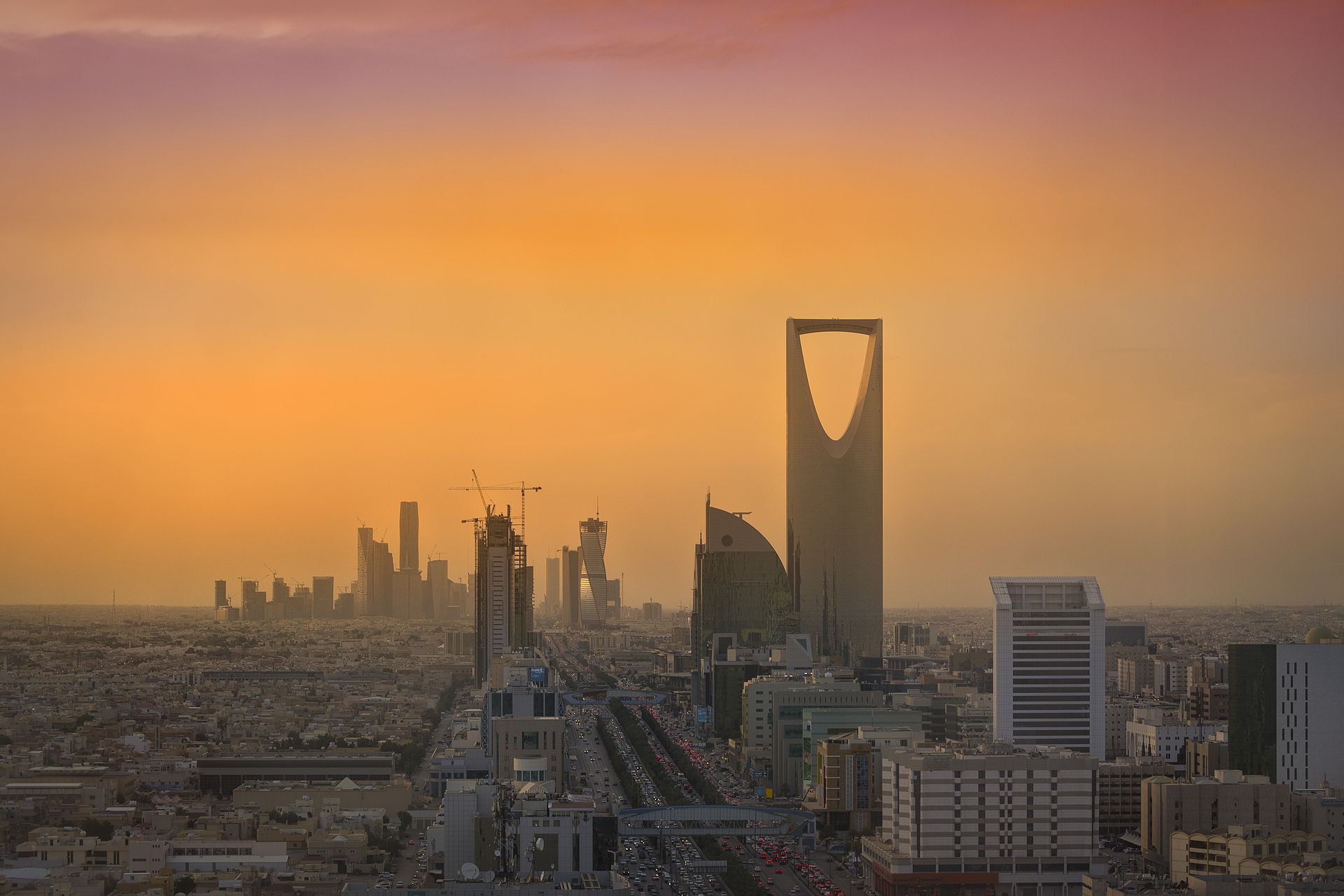
Direct flights connect Saudi Arabia to more European cities than ever. Flight times range from around five hours (from southern Europe) to seven hours (from Scandinavia). For a complete route map and booking tips, see our flights to Saudi Arabia guide.
Major Routes and Airlines
| European City | Saudi Destination | Airlines | Flight Time |
|---|---|---|---|
| London Heathrow | Riyadh / Jeddah | Saudia, British Airways, Riyadh Air | 6h 30m |
| Paris CDG | Riyadh / Jeddah | Saudia, Air France | 6h |
| Frankfurt | Riyadh / Jeddah | Saudia, Lufthansa | 5h 45m |
| Madrid | Riyadh / Jeddah | Saudia | 6h 15m |
| Rome Fiumicino | Riyadh / Jeddah | Saudia, ITA Airways | 5h 15m |
| Istanbul | Riyadh / Jeddah | Turkish Airlines, Saudia | 4h 15m |
| Amsterdam | Riyadh | Saudia, KLM (via codeshare) | 6h 30m |
Riyadh Air, the Kingdom’s new national carrier launched in late 2025, is scaling up European routes through 2026 with London as a confirmed hub. It positions itself as a premium competitor to Emirates and Qatar Airways for European–Gulf traffic.
What European Flights to Saudi Arabia Cost
Return flights from Europe typically cost €250–700 depending on season, route, and how far in advance you book. Low-season (May–September) fares from London or Paris can drop below €300 return. Peak-season (October–March, Ramadan, Hajj period) fares often exceed €600. Budget airlines do not currently serve the route — Saudia, BA, Lufthansa, and Turkish Airlines dominate.
Important for Saudia flights: Saudia does not serve alcohol on any flight, including those departing from Europe. If you’re used to a glass of wine on long-haul flights, this is worth knowing in advance. Other carriers like BA and Lufthansa serve alcohol until entering Saudi airspace.
Money, Currency, and Costs
Saudi Arabia uses the Saudi riyal (SAR), pegged to the US dollar at a fixed rate of 3.75 SAR = $1 USD. For Europeans, this means the exchange rate moves with the euro-dollar rate — as of early 2026, roughly 1 EUR = 4.00–4.10 SAR. For a detailed daily budget breakdown, see our Saudi Arabia cost guide.
Paying and Tipping
- Card payments are accepted almost everywhere — contactless (Apple Pay, Google Pay) works in most shops, restaurants, and petrol stations. Visa and Mastercard are universal; Amex is less reliable outside hotels.
- Cash is still useful for souks, small shops, and tipping. ATMs are widespread and accept European cards — check your bank’s foreign transaction fees before travelling.
- Tipping is not obligatory but appreciated. 10–15% at restaurants is standard if no service charge is included. Hotel porters expect SAR 5–10 per bag. Taxi drivers don’t expect tips.
- VAT is 15% and is included in listed prices. Tourists can claim VAT refunds on purchases over SAR 375 at designated retail outlets through the Planet Tax Free scheme at departure airports.
Daily Budget Comparison for Europeans
| Expense | Budget (€/day) | Mid-Range (€/day) | Luxury (€/day) |
|---|---|---|---|
| Accommodation | €25–40 | €70–130 | €200+ |
| Food | €10–20 | €30–50 | €80+ |
| Transport | €5–10 | €15–30 | €50+ |
| Activities | €0–10 | €15–40 | €50+ |
| Total | €40–80 | €130–250 | €380+ |
Saudi Arabia is broadly comparable in cost to southern Spain or Italy for mid-range travellers, but budget accommodation is harder to find than in Southeast Asia or Eastern Europe. The Riyadh Metro (opened 2024) has made urban transport remarkably cheap — SAR 4–6 per trip (€1–1.50).
What to Wear: Dress Code for Europeans
This is where the culture gap hits hardest for most European visitors. Saudi Arabia no longer legally requires foreign women to wear the abaya, but modest dress remains a social expectation and a legal requirement under the public decency code. For a full visual guide with photo examples, see our Saudi Arabia dress code guide.
For Women
- Cover shoulders, upper arms, and knees at minimum — this is the non-negotiable baseline everywhere
- Loose-fitting clothing is key — maxi dresses, linen trousers, tunics, and long skirts work well
- No headscarf required in public (except inside mosques, if you’re invited)
- Swimwear is fine at hotel pools and private beach resorts — but not public beaches
- In smaller towns and conservative neighbourhoods (parts of Riyadh’s old city, Qassim, Ha’il), carry a light scarf and looser outfit as a courtesy
For Men
- Shorts above the knee attract attention and are considered disrespectful in most settings — knee-length or longer is safer
- Sleeveless tops (tank tops, muscle vests) are frowned upon outside hotels and resorts
- T-shirts and lightweight trousers are perfectly fine in cities
- Avoid clothing with offensive images, political slogans, or profanity
European comparison: Think of the dress code as similar to visiting a church in rural Italy — you wouldn’t wear a bikini top or very short shorts. Apply the same standard everywhere in Saudi Arabia, and you’ll be fine. The main difference is consistency — in Saudi Arabia, these expectations apply in malls, restaurants, and streets, not just religious buildings.
Cultural Differences Europeans Should Understand
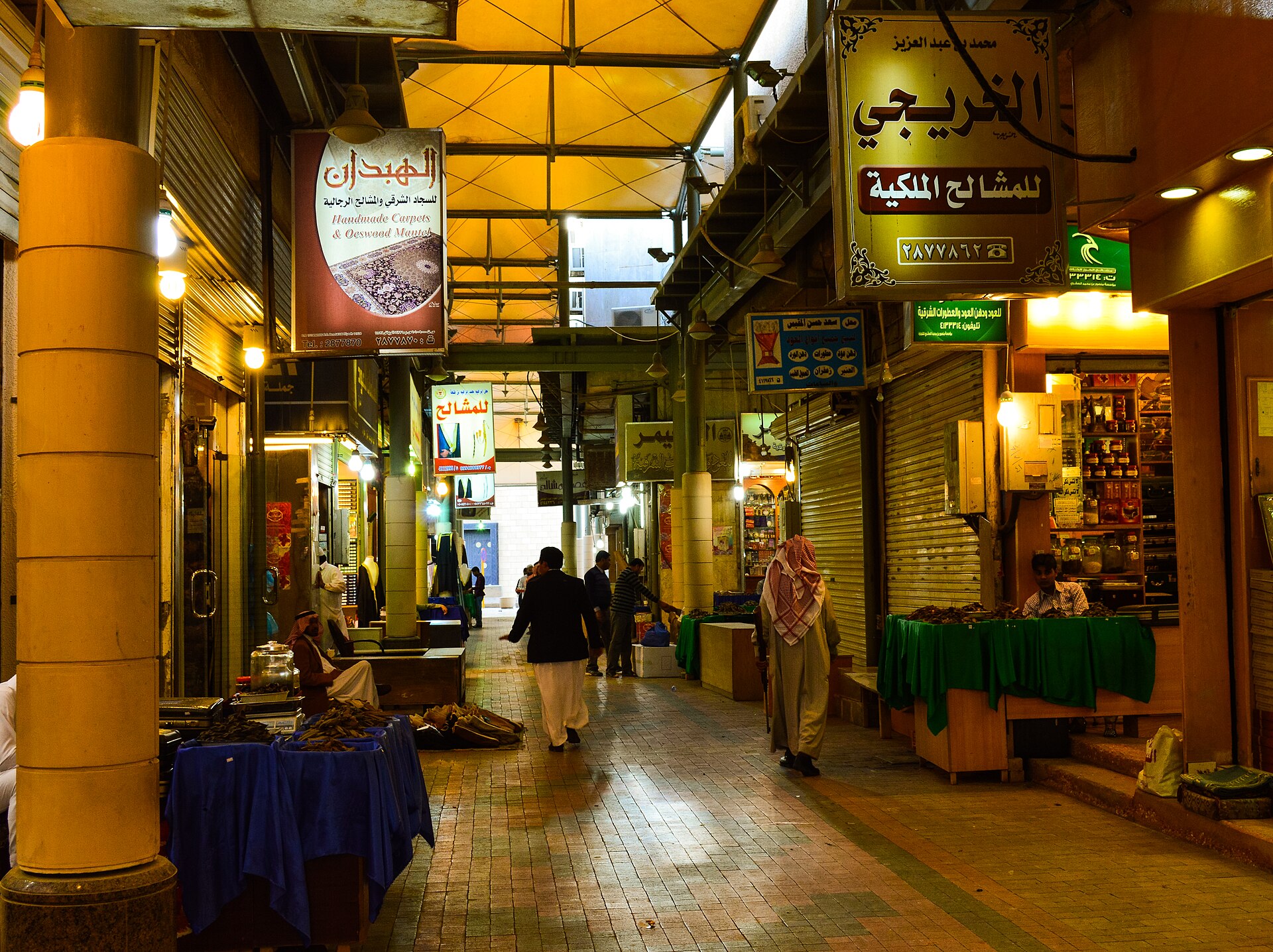
Saudi culture operates on different social assumptions than most European societies. None of these differences are obstacles — but understanding them prevents the awkwardness that comes from accidentally crossing a line you didn’t know existed.
Alcohol Is Completely Banned
There are no bars, no wine lists at restaurants, no beer with dinner, and no exceptions for tourists. Bringing alcohol into the country is a criminal offence that can result in fines, detention, or deportation. This applies to miniature bottles in luggage and duty-free purchases. Non-alcoholic beer and mocktails are widely available, and Saudi Arabia has developed a sophisticated café and juice culture in its place.
Prayer Times Shape the Day
Five daily prayers punctuate Saudi life. Some shops and restaurants close briefly for prayer (typically 20–30 minutes), especially at Dhuhr (midday) and Maghrib (sunset). Large malls and international chains may stay open but dim their music and pause service. Friday is the holy day — the Jumu’ah (Friday noon prayer) is the week’s most important, and Friday mornings are quiet.
The Weekend Is Friday–Saturday
Saudi Arabia’s weekend shifted from Thursday–Friday to Friday–Saturday in 2013, aligning more closely with international practice. Government offices and some businesses close on Fridays. Museums and tourist attractions generally operate seven days a week, though Friday morning hours may be limited.
Gender Norms
Saudi Arabia has relaxed many gender-related restrictions since 2019. Women can drive, travel alone, and stay in hotels without a male guardian. Mixed-gender socialising in public is now normal in major cities. However:
- Avoid public displays of affection — this applies to all couples, including married ones. Holding hands is generally tolerated; kissing is not.
- Some restaurants still have family sections and single (male-only) sections, though this is becoming less common in cities.
- Greetings between men and women — let the Saudi person initiate. Some will shake hands with the opposite sex; many won’t. A slight nod and hand-on-heart gesture is always appreciated.
Photography Etiquette
Photographing people without permission is a fineable offence under the Public Decorum Code — SAR 1,000 ($270) for the first offence. Never photograph women without explicit consent, particularly those in traditional dress. Government buildings, military installations, and police stations must not be photographed.
Hospitality Culture
Saudis are among the most generous hosts in the world. If invited into someone’s home, accept — it’s considered rude to decline outright. Remove shoes at the door. Accept the Arabic coffee (qahwa) and dates that are offered as a greeting. Eat with your right hand. Compliment the food. European visitors are often overwhelmed by the warmth and generosity — lean into it.
Health, Insurance, and Medication
Travel Insurance
The e-visa fee includes basic health insurance, but its coverage is limited to emergencies and won’t cover medical evacuation, trip cancellation, or comprehensive treatment. European travellers should purchase separate travel insurance — a policy covering at least €100,000 in medical expenses and repatriation is recommended. Companies like Allianz, AXA, and World Nomads offer Saudi-specific plans.
Your EHIC/GHIC card is not valid in Saudi Arabia. There is no reciprocal healthcare agreement between Saudi Arabia and any European country.
Medication Rules — Critical for Europeans
Since November 2025, passengers carrying medications containing narcotic or psychotropic substances must obtain a clearance permit before travelling to Saudi Arabia. This includes many commonly prescribed European medications:
- Benzodiazepines: Diazepam (Valium), Alprazolam (Xanax), Lorazepam (Ativan)
- ADHD medications: Methylphenidate (Ritalin/Concerta), Amphetamine-based medications (Adderall)
- Strong painkillers: Tramadol, Codeine-containing products (common in UK over-the-counter painkillers)
- Sleep medications: Zolpidem (Stilnoct/Ambien), Zopiclone
Apply for clearance through the Saudi Food & Drug Authority’s Controlled Drugs System (CDS) platform. You’ll need a doctor’s prescription, a medical report, and your travel documents. Only a 30-day supply (or trip duration, whichever is shorter) is permitted.
Warning: Codeine is widely available over the counter in the UK (in products like co-codamol and Nurofen Plus) but is a controlled substance in Saudi Arabia. Do not pack UK over-the-counter painkillers containing codeine without a clearance permit. The consequences — detention and potential prosecution — are serious.
General Health
- Tap water is safe in cities (desalinated) but tastes mineral-heavy. Bottled water is cheap (SAR 1–2) and ubiquitous.
- Pharmacies are well-stocked and pharmacists often speak English. Many medications available only on prescription in Europe are sold over the counter in Saudi Arabia (excluding controlled substances).
- Hospitals in Riyadh, Jeddah, and Dammam are world-class. Dr. Sulaiman Al Habib, King Faisal Specialist Hospital, and Saudi German Hospital all have English-speaking staff accustomed to treating international patients.
- Heat-related illness is the biggest practical health risk for Europeans not used to desert climates. Drink 3–4 litres of water per day, use SPF 50+, and avoid extended outdoor activity between 11am and 3pm from April to October.
Safety and Legal Considerations
Saudi Arabia is statistically one of the safest countries in the world for tourists. Violent crime against visitors is extremely rare, and petty crime rates are far lower than in most European cities. The UK, French, and German foreign travel advisories all assess Saudi Arabia as a generally safe destination with standard precautions.
Laws That Differ Significantly from Europe
- Drug offences carry severe penalties, including the death penalty for trafficking. This applies to recreational substances that may be decriminalised or tolerated in some European countries (cannabis, MDMA, cocaine).
- Alcohol possession is a criminal offence — including residual amounts in luggage.
- Blasphemy and criticism of Islam or the Saudi royal family are criminal offences.
- LGBTQ+ relationships are illegal. Same-sex activity carries penalties including imprisonment. There are no legal protections for LGBTQ+ individuals. While enforcement against discreet tourists is uncommon, the legal reality is absolute — European visitors should be aware of the risk.
- Unmarried couples can now share hotel rooms — this restriction was formally lifted in 2019 as part of the tourism reforms.
- Social media posts criticising the government, religion, or public figures can lead to prosecution, even if posted after leaving the country.
For Women Travelling Alone
Solo female travel in Saudi Arabia is legal and increasingly common. Saudi Arabia ranks first among G20 nations in the Global Peace Index safety sub-indicators for personal safety. Practical advice:
- Use Uber or Careem (the regional ride-hailing app) rather than flagging taxis
- Book well-reviewed hotels in central locations — Booking.com and the Visit Saudi app both work well for finding options (see our Saudi Arabia hotels guide for recommendations)
- Carry a light scarf for situations where extra coverage feels appropriate
- Saudi men may stare more openly than is socially acceptable in Europe — this is generally curiosity, not hostility, but trust your instincts
Connectivity: SIM Cards, eSIMs, and Internet
Staying connected in Saudi Arabia is straightforward. The three major networks — STC, Mobily, and Zain — all offer tourist SIM cards and eSIMs with 4G/5G coverage across urban areas. For a complete comparison, see our Saudi Arabia SIM card and eSIM guide.
Best Options for Europeans
- eSIM (recommended): If your phone supports eSIM (most European flagship phones from 2020 onward), buy an international eSIM from Airalo, Holafly, or Nomad before you fly. Plans start at around €8–15 for 5–10 GB. No registration needed at the airport.
- Physical SIM: Available at airport kiosks and phone shops. Mobily tourist plans range from SAR 75 ($20) for 5 GB to SAR 220 ($59) for 100 GB, valid for four weeks. ID registration is mandatory — bring your passport.
- Roaming: EU roaming regulations do not apply in Saudi Arabia. Check with your European carrier — roaming charges vary widely and can be expensive (€5–12/MB with some providers).
VoIP note: WhatsApp voice and video calling, FaceTime, and other VoIP services have historically been restricted in Saudi Arabia. As of early 2026, WhatsApp calling appears to work on most networks, but access can be inconsistent. Download a VPN before you travel as a backup — some eSIM providers (like Jetpac) include one.
Power Adapters and Practical Kit
Saudi Arabia uses Type A, B, C, and G power sockets — a mixed system that reflects its historical ties to both American and British standards. The voltage is 220V at 60Hz (an unusual combination).
- Type G (UK three-pin) is the most common socket in modern buildings, hotels, and malls
- Type C (European two-pin) fits many older sockets — European travellers with Type C plugs may not need an adapter at all in some hotels
- Bring a universal adapter to be safe — the inconsistency between socket types means you can’t rely on any single plug type working everywhere
- 60Hz frequency — this won’t affect phone chargers or laptop adapters (they auto-adjust), but European appliances designed for 50Hz (hair dryers, electric shavers with motors) may run slightly faster. In practice, this causes no problems for short trips.
Other Things to Pack
- Sunscreen (SPF 50+) — widely available locally but often more expensive than in Europe
- Reusable water bottle — filling stations are common in malls and airports
- Light layers — air conditioning in Saudi Arabia is aggressive. You’ll need a cardigan or light jacket indoors, even when it’s 40°C outside.
- Modest swimwear if visiting public beaches (rash guards and board shorts are practical)
- International driving licence — required alongside your national licence if you plan to rent a car
Getting Around Saudi Arabia
Distances in Saudi Arabia are vast — Riyadh to Jeddah is 950 km, roughly the same as London to Edinburgh and back. Plan your transport carefully.
Domestic Flights
The fastest way to cover distance. Saudia, flynas, and flyadeal operate frequent domestic routes. Riyadh–Jeddah flights take 90 minutes and cost SAR 200–600 (€50–150) when booked in advance. AlUla has its own airport with seasonal service from Riyadh and Jeddah.
Car Rental
The most flexible option, and Saudi roads are excellent. Major international agencies (Hertz, Avis, Europcar, Sixt) operate at all airports. Fuel is remarkably cheap — SAR 2.18/litre for 91-octane (roughly €0.55/litre, less than a third of European prices). You’ll need an international driving permit alongside your national European licence.
Driving warning: Saudi driving culture is more aggressive than most of Europe. Speed limits on highways are 120–140 km/h, but many drivers exceed them. Riyadh traffic can be intense. If you’re nervous about driving, use ride-hailing apps in cities and consider a driver for longer desert routes.
The Riyadh Metro
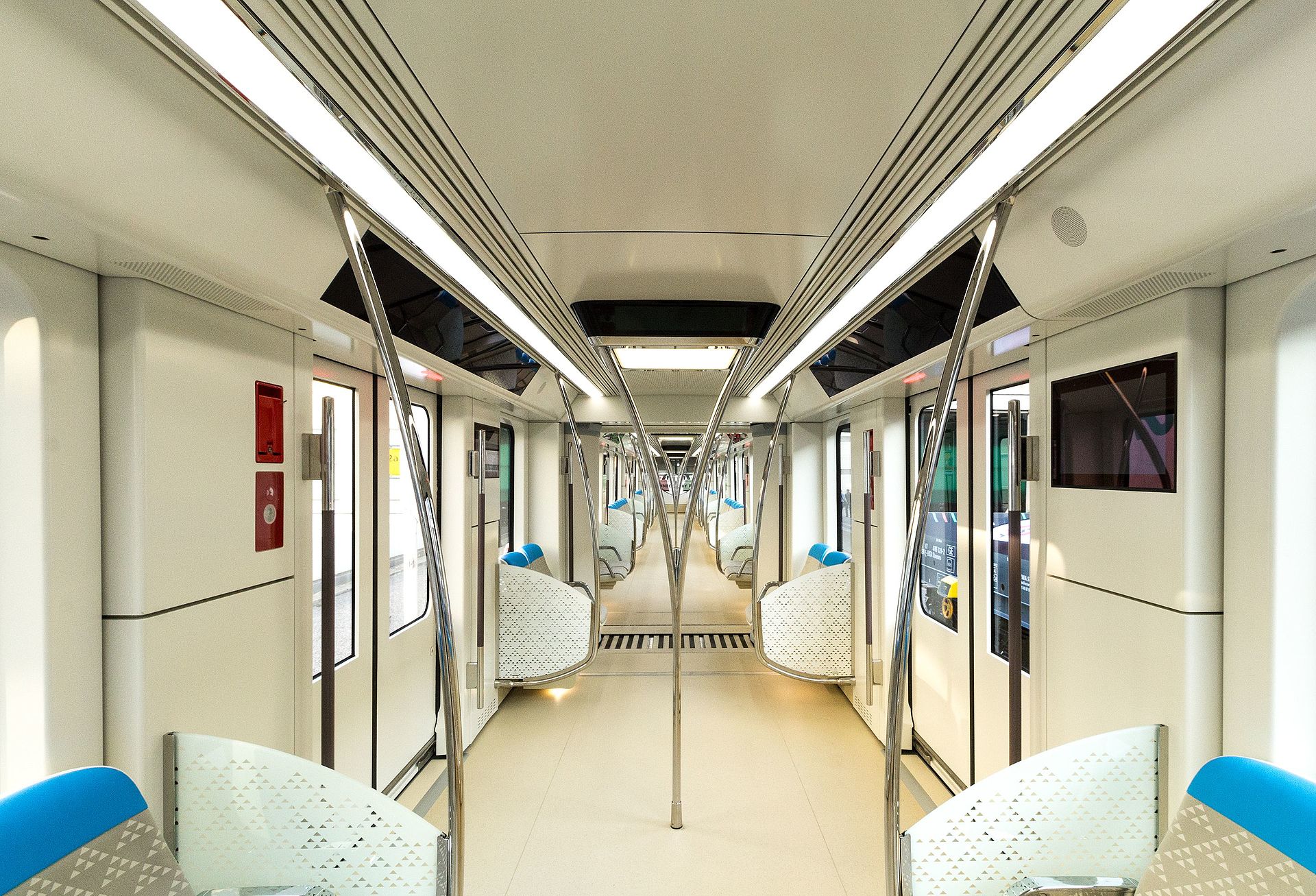
Opened in late 2024, the Riyadh Metro is a game-changer. Six lines covering 176 km, air-conditioned stations, and fares starting at SAR 4 (€1). It connects the airport, Diriyah, King Abdullah Financial District, and most key attractions. Women-only carriages are available on all lines.
Buses and Rail
The Haramain High-Speed Railway connects Jeddah to Mecca and Medina (non-Muslims cannot disembark at Mecca). SAR (Saudi Arabia Railways) runs a Riyadh–Dammam service. SAPTCO buses cover intercity routes at low cost — Riyadh to Jeddah by bus takes about 10 hours and costs from SAR 180 (€45).
When to Visit: Climate Guide for Europeans
Saudi Arabia’s climate is the single biggest practical difference from Europe. Coastal Jeddah is humid year-round; interior Riyadh is dry but extreme; the Asir highlands (Abha) are cooler and receive monsoon rain.
| Season | Months | Riyadh Temp | Jeddah Temp | Best For |
|---|---|---|---|---|
| Peak (winter) | Nov–Feb | 15–25°C | 24–30°C | Desert exploration, city sightseeing, outdoor activities |
| Shoulder | Mar–Apr, Oct | 25–35°C | 28–34°C | Lower prices, fewer crowds, still manageable heat |
| Summer | May–Sep | 38–48°C | 32–40°C | Indoor attractions, budget flights, Red Sea diving |
For most European visitors, November to February offers the most comfortable conditions — temperatures similar to a warm Mediterranean summer. Avoid Riyadh and the Empty Quarter from June to August unless you have genuine desert experience.
Ramadan
Ramadan 2026 falls approximately in mid-February to mid-March. During Ramadan, eating, drinking, and smoking in public during daylight hours is forbidden — this applies to non-Muslims too. Restaurants open after sunset for iftar (the breaking of the fast), and evenings become festive. Some tourist attractions reduce daytime hours. Ramadan can be a fascinating time to visit, but plan around it: eat in your hotel room during the day, and enjoy the vibrant evening atmosphere.
Language
Arabic is the official language, and most signage is bilingual (Arabic and English). English is widely spoken in hotels, airports, malls, and tourist-facing businesses in Riyadh, Jeddah, and the Eastern Province. You can navigate a tourist trip entirely in English — but a few Arabic phrases earn enormous goodwill:
- As-salamu alaykum — “Peace be upon you” (universal greeting)
- Shukran — “Thank you”
- Inshallah — “God willing” (you’ll hear this constantly)
- La, shukran — “No, thank you” (useful in souks)
- Kam? — “How much?” (essential for market shopping)
Google Translate’s Arabic camera function works well for menus and signs. Download the Arabic language pack offline before you travel.
Top Destinations for European Visitors
Saudi Arabia is enormous — 2.15 million km², more than four times the size of France. Most European visitors focus on two or three regions in a single trip.
Riyadh
The capital is evolving at extraordinary speed. Don’t miss Diriyah (the UNESCO-listed birthplace of the first Saudi state), the National Museum, Kingdom Centre’s Sky Bridge, and the new Boulevard Riyadh City entertainment district. Allow two to three days. See our Riyadh travel guide for the full itinerary.
Jeddah
The historic gateway to Mecca, Jeddah’s Al-Balad old town is a UNESCO World Heritage Site with coral-stone architecture and bustling souks. The Corniche, King Fahd Fountain, and the Red Sea waterfront are unmissable. Two to three days. See our Jeddah travel guide.
AlUla
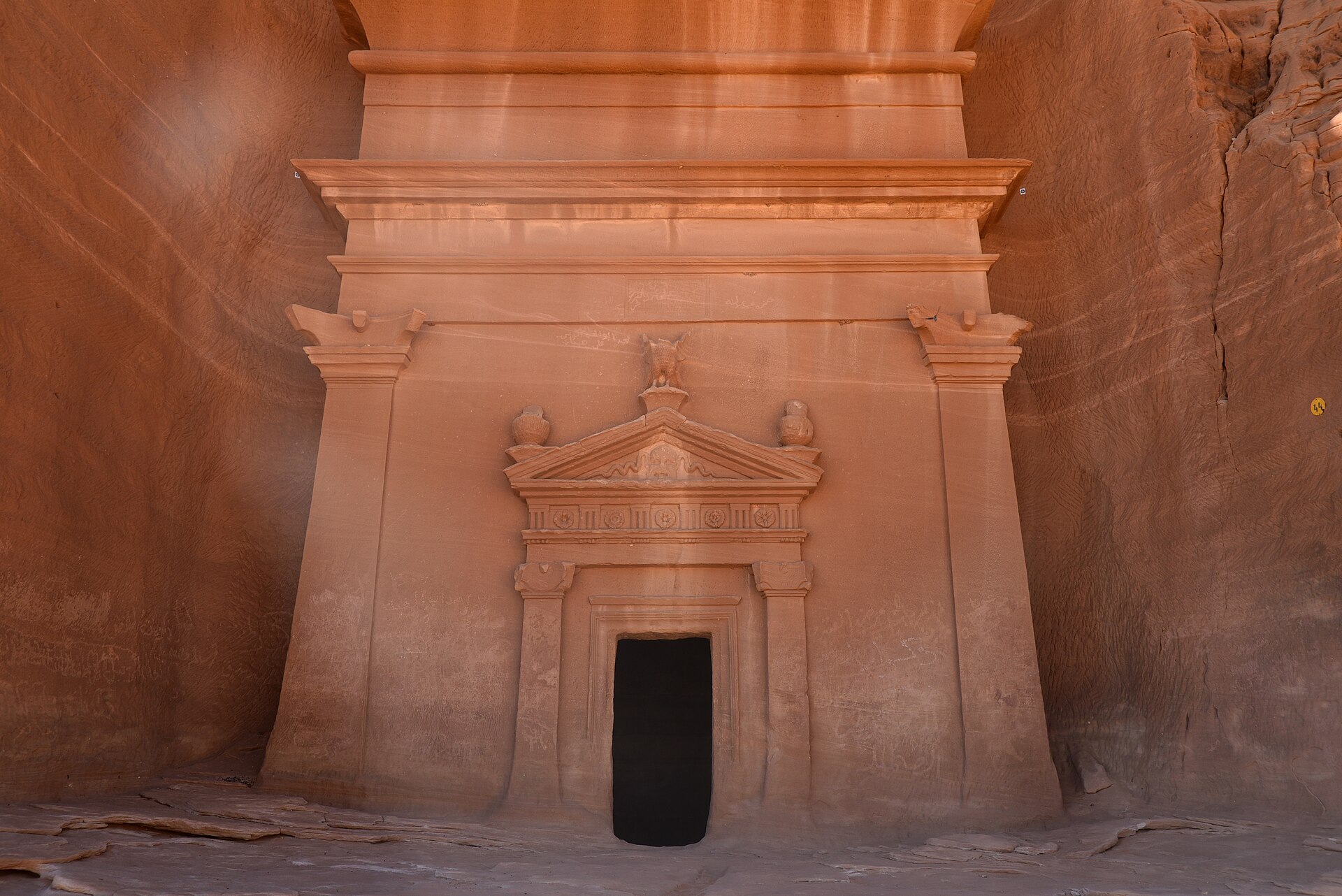
Europe has its Roman ruins; Saudi Arabia has Hegra (Mada’in Salih), the Nabataean sister city of Petra with 111 monumental tombs carved into sandstone. Elephant Rock, Dadan, and the AlUla Old Town complete a destination that rivals anything in Jordan or Egypt. Two to three days minimum. See our AlUla travel guide.
The Red Sea Coast
Saudi Arabia’s western coastline offers world-class diving with pristine, uncrowded reefs — a dramatic contrast to the overdeveloped Red Sea resorts of Egypt. The AMAALA and Red Sea Global resort projects are opening in phases. For experienced divers, the Saudi diving guide covers the best sites.
Asir Highlands
For Europeans who’ve had enough desert, the Asir region around Abha offers green mountains, cool temperatures (15–25°C year-round), terraced villages, and a landscape that feels more like Yemen or Ethiopia than the Arabian Peninsula. The Abha and Asir travel guide has the full details. Nearby hiking routes through the Sarawat Mountains are among the Kingdom’s best-kept secrets.
Common Mistakes Europeans Make
These are the errors we see most often from first-time European visitors:
- Underestimating distances. Saudi Arabia is not a small country you can “do” in a weekend city break. Riyadh to AlUla is 1,000 km. Plan internal flights.
- Packing codeine-based painkillers from the UK. Over-the-counter in Britain, controlled substance in Saudi Arabia. Leave them at home or get a clearance permit.
- Assuming European roaming rates apply. They don’t. Buy a local SIM or eSIM on arrival.
- Visiting in July–August without preparation. 48°C in Riyadh is not like 35°C in Athens. Heatstroke is a genuine risk.
- Forgetting that Friday is the holy day. Many independent shops, museums, and government offices close Friday morning. Plan accordingly.
- Photographing people without asking. It’s not just rude — it’s illegal and carries a fine.
- Expecting nightlife. There are no clubs or bars. Saudi entertainment revolves around cafés, restaurants, outdoor events, and seasonal festivals. Riyadh Season (October–March) hosts concerts, motorsport events, and immersive experiences.
- Not downloading apps. Get Uber, Careem, HungerStation (food delivery), Visit Saudi, and Google Maps (offline maps for Saudi Arabia) before you land.
Checklist: Before You Fly
| Task | When | Notes |
|---|---|---|
| Apply for e-visa | 1–2 weeks before | Visa guide — usually instant, but allow buffer |
| Buy travel insurance | At time of booking | EHIC/GHIC not valid — get private cover |
| Check medication permits | 2–4 weeks before | Apply via SFDA Controlled Drugs System if needed |
| Buy eSIM or unlock phone | Before departure | EU roaming charges apply outside EU |
| Download offline maps | Before departure | Google Maps — Saudi Arabia coverage is excellent |
| Get international driving licence | 1–2 weeks before | Only if renting a car — available from AA/RAC/ADAC/similar |
| Pack modest clothing | Day before | Shoulders and knees covered; light fabrics |
| Leave prohibited items at home | Day before | Alcohol, pork products, religious materials for proselytising, codeine |
| Exchange currency or check bank fees | Before departure | ATMs widespread; cards accepted almost everywhere |
Explore More Saudi Arabia Travel Guides
- Saudi Arabia Travel Guide 2026 — The complete guide to visiting the Kingdom
- Saudi Arabia Visa Guide — Every visa type, cost, and requirement explained
- Saudi Arabia Dress Code — What to wear and what not to as a tourist
- Saudi Arabia Cost Guide — Daily budgets, prices, and money-saving tips
- Flights to Saudi Arabia — Airlines, routes, prices, and booking tips
- Saudi Arabia Hotels Guide — Where to stay across the Kingdom
- SIM Card and eSIM Guide — Stay connected with the best data plans