
Saudi Arabia’s museum scene has transformed dramatically in recent years. From Nabataean tombs carved into desert sandstone to a Zaha Hadid-designed gallery exploring oil through art, the Kingdom now offers some of the Middle East’s most compelling cultural experiences. Whether you are building a full Saudi Arabia travel itinerary or adding a cultural day to a business trip, this guide covers every museum worth your time — in Riyadh, Jeddah, Dammam and the Eastern Province, AlUla, and the holy cities. Most are free. All are genuine.
Best Time to Visit: November to February (comfortable weather for outdoor heritage sites; indoor museums year-round)
Getting There: Riyadh (RUH), Jeddah (JED), and Dammam (DMM) are the main gateways; AlUla has its own airport (ULH)
Visa Required: Yes — tourist e-visa available online
Budget: $0–25 USD per museum; most major museums are free
Must-See: National Museum (Riyadh), Ithra (Dhahran), Hegra (AlUla)
Avoid: Visiting outdoor heritage sites (Hegra, Diriyah) in June–September midday heat exceeding 45°C
Riyadh Museums
The capital holds Saudi Arabia’s densest concentration of museums. Three days is enough to cover the essentials, though Diriyah alone can absorb an entire evening.
National Museum of Saudi Arabia
Located in the Al-Murabba district as part of the King Abdulaziz Historical Center, the National Museum is the country’s flagship cultural institution. Its 28,000 square metres span eight chronological galleries containing more than 3,700 artefacts — from pre-Islamic fossils and Nabataean stone inscriptions to Qur’anic manuscripts and the story of the Kingdom’s unification under Abdulaziz ibn Saud.
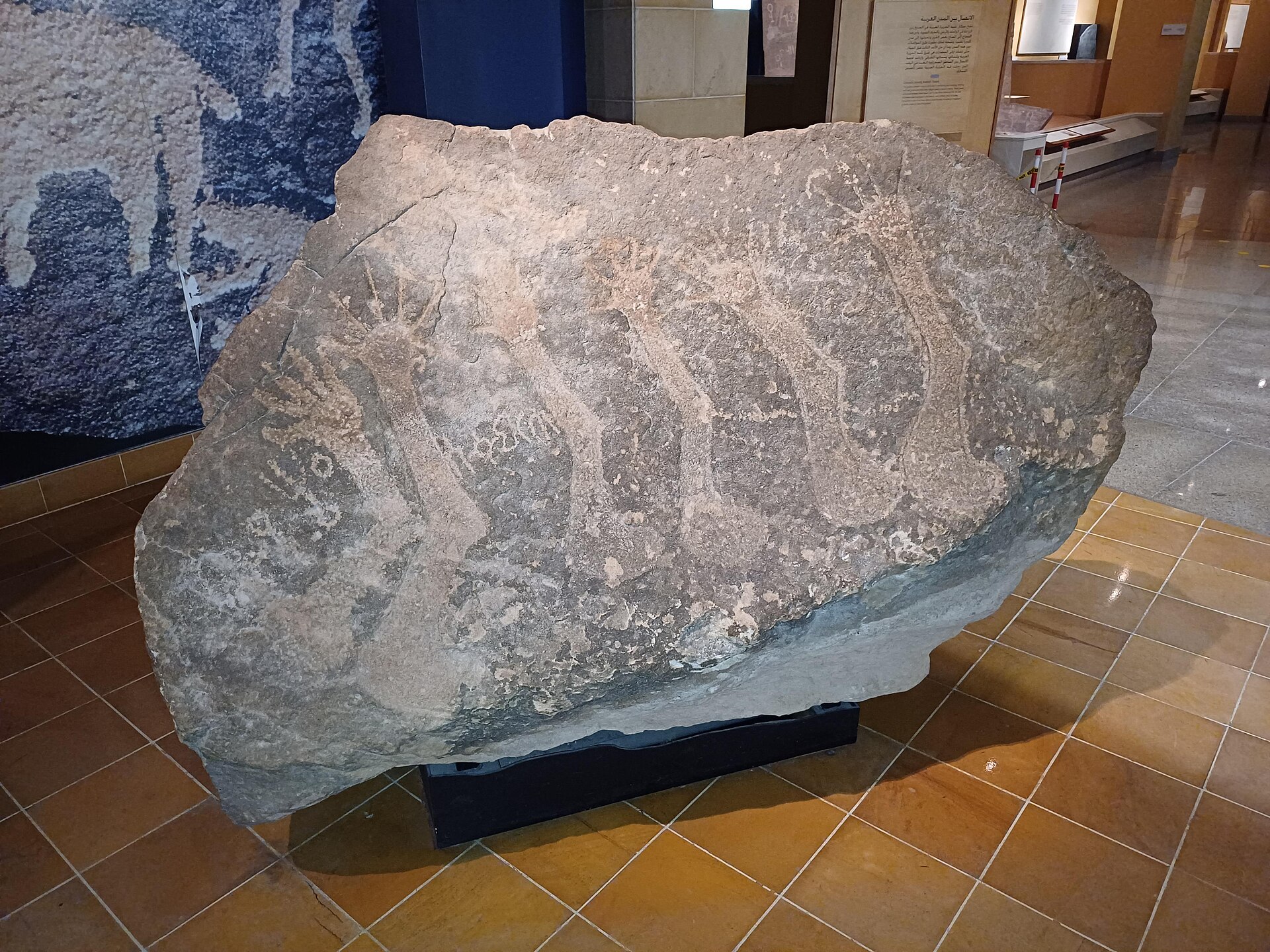
The eight galleries are:
- Man and Universe Hall — geology, palaeontology, fossils, and ancient rock carvings
- Arabian Kingdoms Hall — pre-Islamic civilisations, stone inscriptions, and ancient jewellery
- Pre-Islamic Era Hall
- Prophet’s Mission Hall
- Islam and the Arabian Peninsula Hall — Qur’anic manuscripts and ceramic artefacts
- First and Second Saudi State Halls
- Unification of the Kingdom Hall — the modern Saudi state from 1902
- Hajj and the Two Holy Mosques Hall
Practical tip: Admission is free. Reserve timed tickets via engage.moc.gov.sa. Open Saturday–Wednesday 9 AM–7 PM, Thursday until 10 PM, Friday 2–10 PM. Closed Sunday. Allow 2–3 hours. Thursday evenings draw large family crowds.
Masmak Fortress
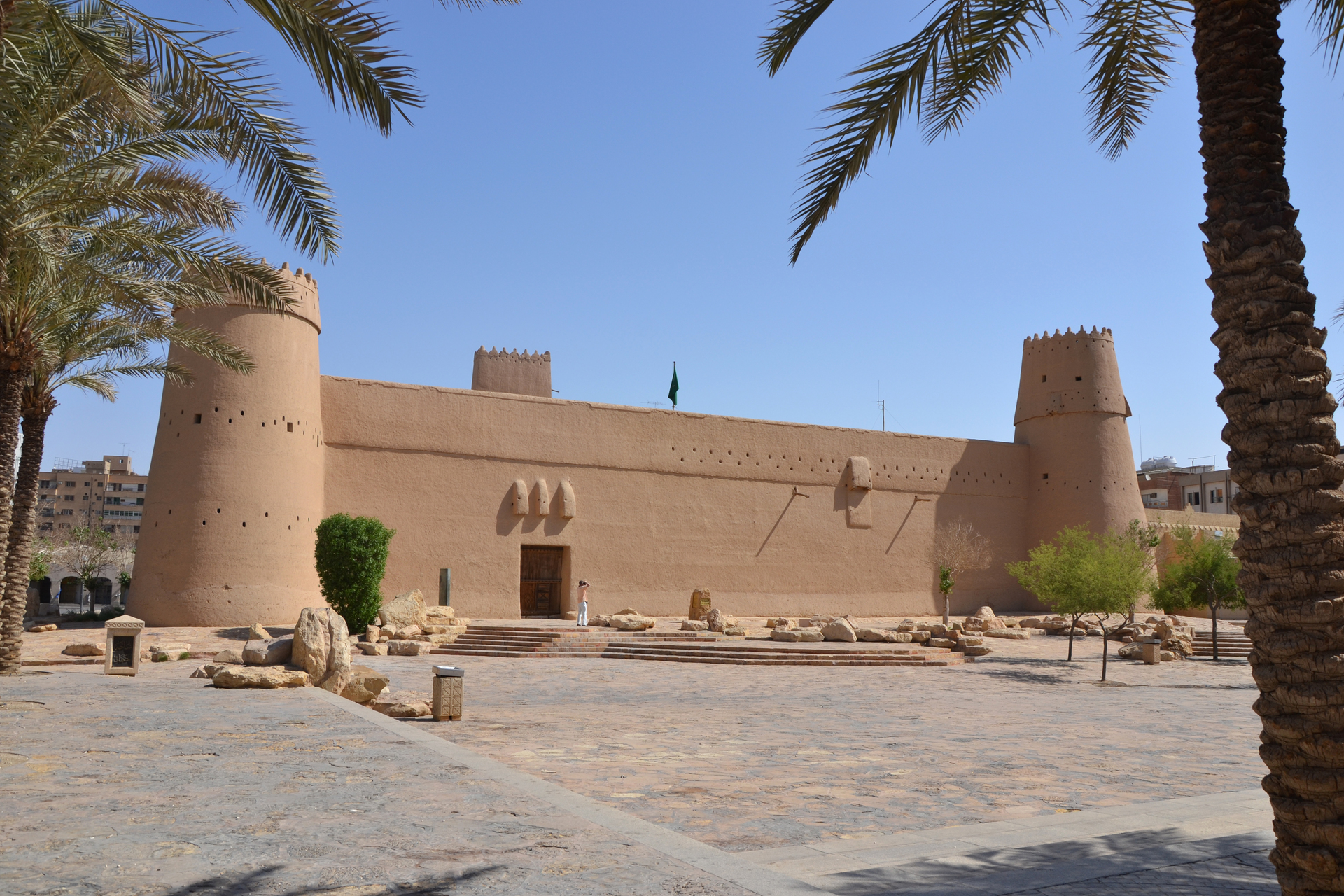
This mud-brick fortress in the Al-Dirah district is where modern Saudi history began. On 15 January 1902, the young Abdulaziz ibn Saud and a small raiding party scaled the walls and captured the fort from the Rashidi garrison — the event that launched the three-decade campaign to unify the Kingdom. The wooden entrance door still bears the spearhead embedded during the assault.
Inside, the museum displays historical maps, photographs from 1912–1937, traditional weapons and armour, a short documentary on the 1902 capture, and exhibits on daily life in old Riyadh.
Practical tip: Free admission. Open Saturday–Thursday 8 AM–9 PM (closed Friday). Note that the fortress was undergoing restoration as of early 2025 — check current status before visiting. Located in the heart of old Riyadh’s souq district, making it easy to combine with a market walk.
Diriyah — At-Turaif UNESCO World Heritage Site
Twenty minutes northwest of central Riyadh, Diriyah is the birthplace of the First Saudi State (founded 1744). The restored At-Turaif district — a UNESCO World Heritage Site since 2010 — comprises Najdi mud-brick palaces, mosques, and watchtowers built along the edge of Wadi Hanifah.
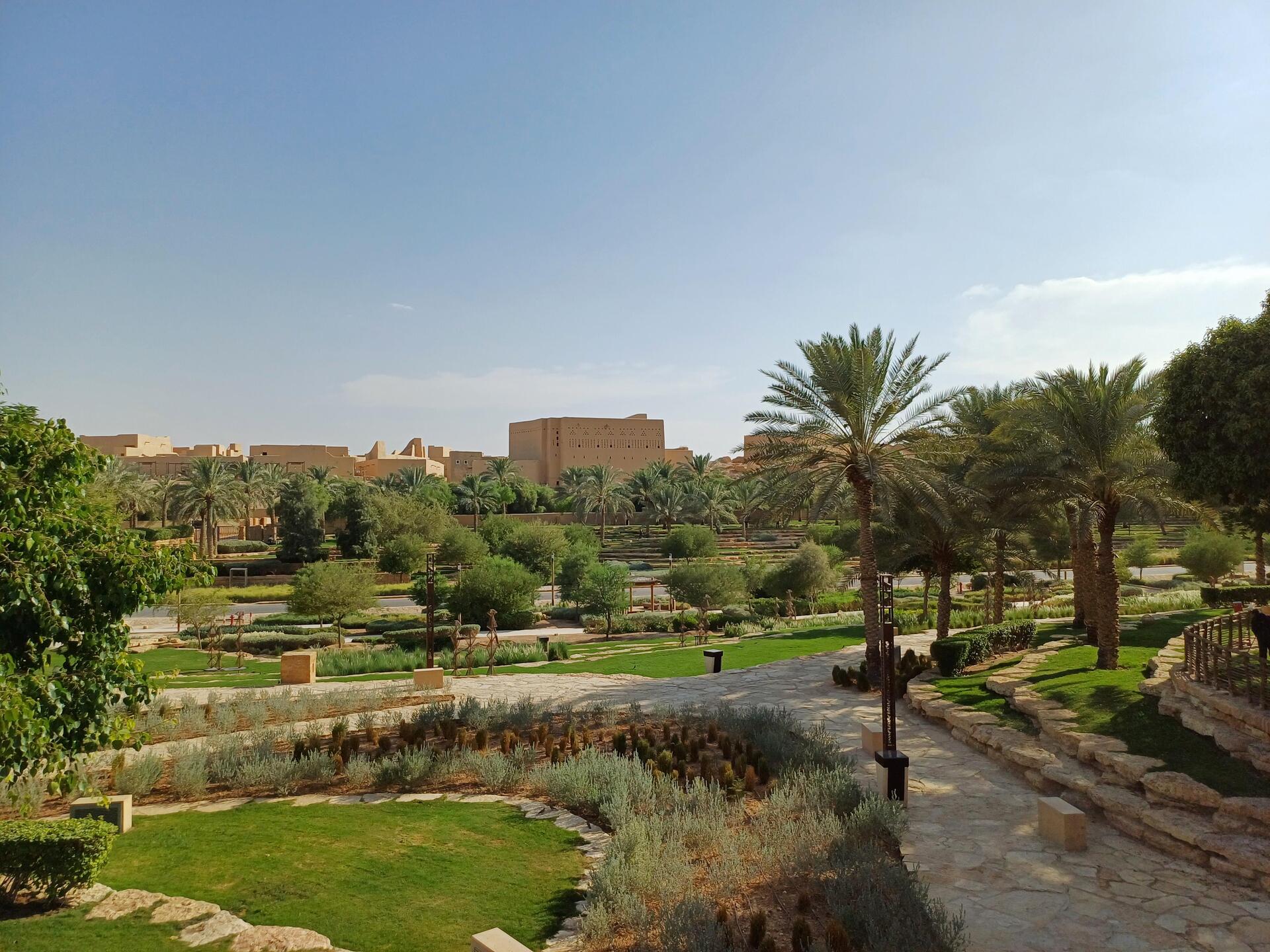
Within At-Turaif, several small museums occupy the restored palaces:
- Diriyah Gallery — history of Diriyah and the First Saudi State
- Arabian Horse Gallery — the horse in Saudi culture
- Military Gallery — weapons and campaign history
- Museum of Bygone Days — everyday life in central Arabia
The adjacent Bujairi Terrace — an upscale dining district across the wadi — offers terrace views of At-Turaif’s illuminated walls after dark.
Practical tip: Free entry before 5 PM. Evening entry (after 5 PM) costs SAR 100–200 ($27–53) depending on the day, redeemable as credit at Bujairi Terrace restaurants. Children under 13 free. Open Saturday–Tuesday 9 AM–midnight, Wednesday–Friday until 1 AM. The evening light show is the highlight — plan accordingly.
Diriyah Art Futures (DAF)
Opened in November 2024, Diriyah Art Futures is the MENA region’s first dedicated hub for New Media Arts. The 12,000 sqm campus, designed by Schiattarella Associati, explores the intersection of art, science, and technology through rotating exhibitions, digital labs, and artist residencies. It was named among the world’s most beautiful museums in 2025.
Practical tip: Open Monday–Saturday 10 AM–10 PM, Friday from 3 PM. Located within the Diriyah complex — combine with At-Turaif.
Black Gold Museum
Saudi Arabia’s newest major museum opened in April 2026 inside the KAPSARC complex — a Zaha Hadid-designed building in northern Riyadh. The permanent collection features 350+ artworks by 170+ artists from over 30 countries, all exploring the cultural, social, and environmental dimensions of oil and energy.
Practical tip: Free admission (reserve via the Discover Culture website). Open Monday–Thursday 10 AM–10 PM, Friday–Saturday 4–10 PM. Closed Sunday.
Saqr Al Jazira Aviation Museum
Aviation enthusiasts and families should not miss this Royal Saudi Air Force museum on the East Ring Road. The outdoor static park displays over a dozen vintage aircraft including a BAC Lightning, Panavia Tornado, C-130 Hercules, and a full-size Lockheed L-1011 TriStar in Saudia livery. Inside, exhibits trace RSAF history from the 1920s, with a dedicated section on Prince Sultan bin Salman — the first Saudi and first Arab in space (STS-51-G, 1985). Interactive flight simulators and a 4D theatre keep younger visitors engaged.
Practical tip: SAR 10 adults ($2.67), SAR 5 children ($1.33). Open 9 AM–3:30 PM. Visit on weekdays to avoid crowds. Allow 2–3 hours.
Jeddah Museums
Jeddah’s museum scene reflects its character as Saudi Arabia’s cosmopolitan Red Sea gateway. The historic Al-Balad district — itself a UNESCO World Heritage Site — functions as an open-air museum of Hijazi coral-stone architecture, while purpose-built collections explore the city’s maritime and Islamic heritage.
Red Sea Museum
Opened in December 2025, this is Jeddah’s most significant new cultural institution. Housed in the restored Bab Al-Bunt building at the historic meeting point of land and sea in Al-Balad, the museum displays over 1,000 artefacts across 23 galleries in seven thematic sections. Exhibits include Chinese ceramics from Red Sea trade routes, incense burners, coral pieces, navigation instruments, historic maps and manuscripts, and contemporary artworks. The inaugural exhibition, “Gateway of Gateways” by Saudi artist Moath Alofi, explores Jeddah’s role as the traditional arrival point for Hajj pilgrims.
Al-Tayebat International City Museum
One of Saudi Arabia’s most impressive private museums, Al-Tayebat occupies a stunning traditional Hijazi-style palace in Jeddah’s Al-Faisaliyyah district. Across 18 wings and 300+ rooms, more than 60,000 artefacts span Islamic art and calligraphy, rare Qur’anic manuscripts, pottery and ceramics, traditional textiles, and a replica of the Kaaba. The Hijazi architecture of the building itself — with its ornate wooden mashrabiya screens and coral-stone walls — is worth the visit.
Practical tip: SAR 50–80 adults ($13–21), SAR 25 children ($7). Opening hours vary by source; confirm before visiting. Generally Saturday–Thursday, closed Fridays. Allow 2–3 hours.
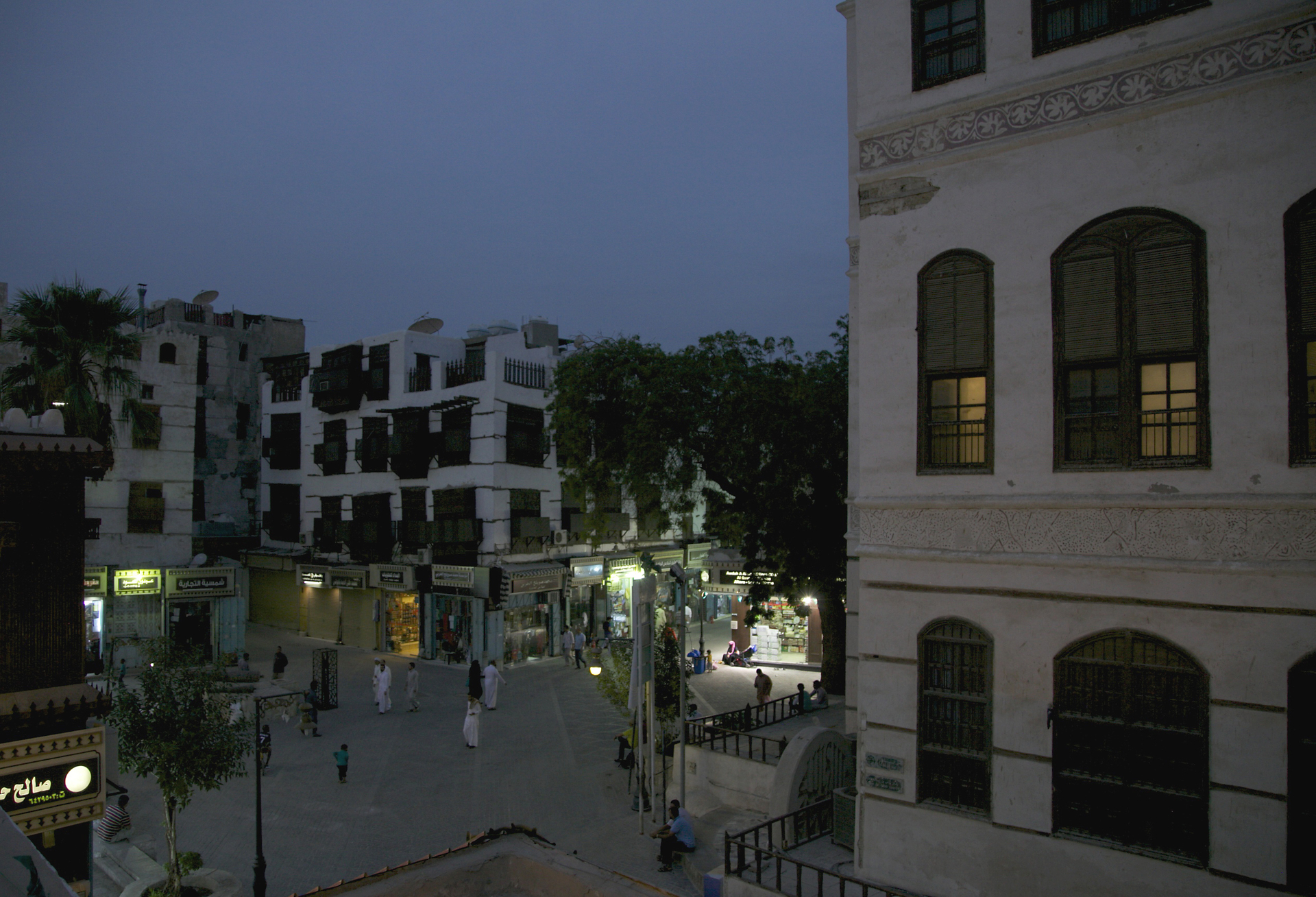
Abdul Raouf Khalil Museum
Founded in 1996 in the Al-Andalus neighbourhood, this private museum complex encompasses more than 12 buildings and 300 rooms. Collections cover Saudi heritage, Islamic art, and international artefacts spanning 2,500 years of Jeddah’s history. The museum is best known for its eclectic mix — Ottoman-era weaponry sits alongside African art and European furniture, reflecting Jeddah’s historic role as a crossroads of trade and pilgrimage.
Eastern Province: Ithra
The Eastern Province’s cultural landmark stands on the exact spot where oil was first struck in Saudi Arabia in 1938.
King Abdulaziz Center for World Culture (Ithra)
Designed by Norwegian firm Snøhetta, Ithra’s distinctive pebble-shaped towers in Dhahran house one of the most ambitious cultural complexes in the Gulf. Built by Saudi Aramco as a gift to the Kingdom, the centre contains a four-floor museum (contemporary art, Saudi heritage, Islamic civilisation, and natural history galleries), a 900-seat theatre, an IMAX-capable cinema, one of Saudi Arabia’s largest public libraries, an innovation lab, and an interactive energy exhibit tracing the story of oil.
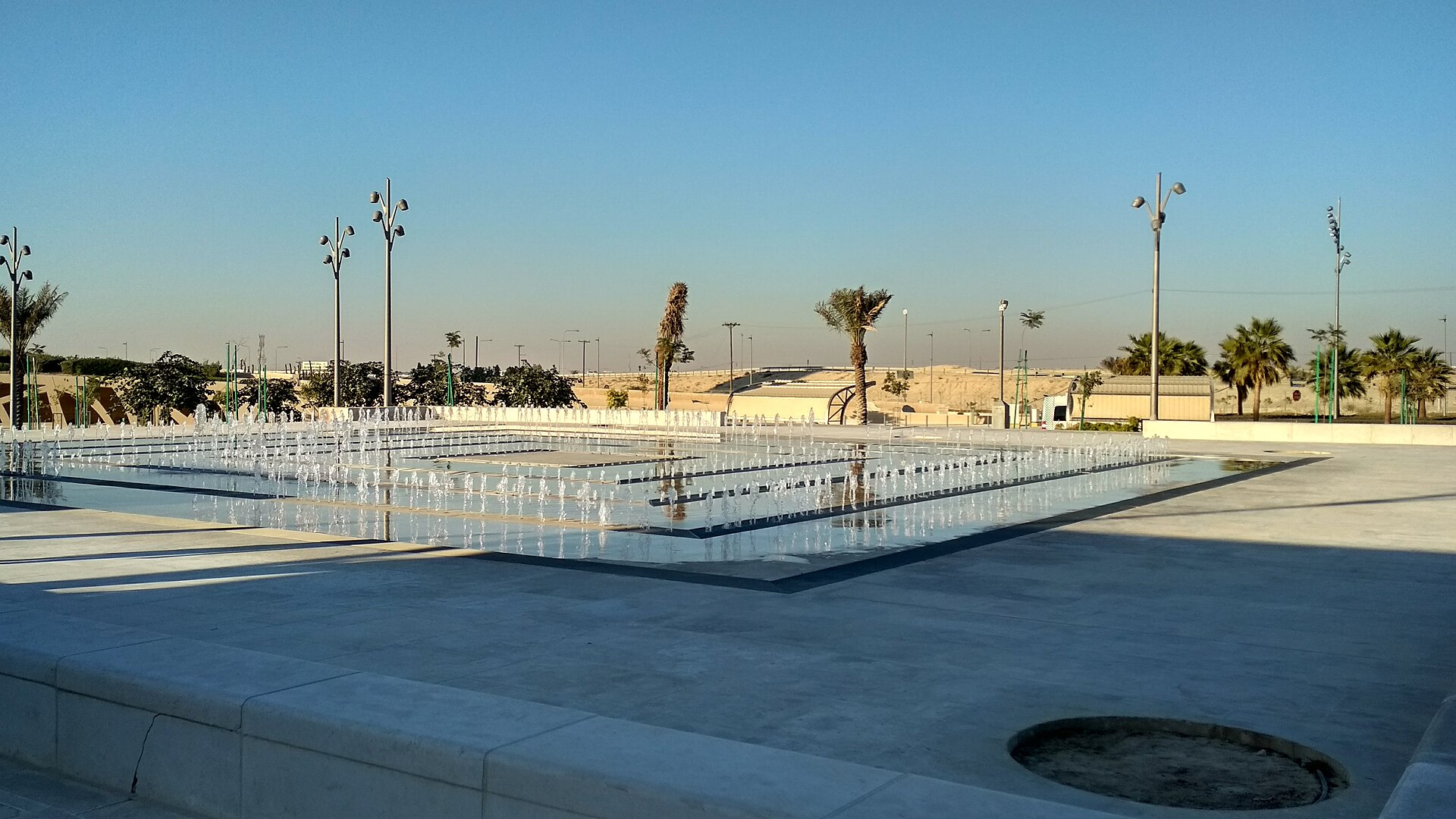
Practical tip: Building access is free. Museum galleries SAR 35 ($9). Open daily; indoor sections generally until 10 PM. This is easily a full-day destination. Combine with the Dammam Corniche and Al-Khobar waterfront, both within 30 minutes.
Dammam Regional Museum
Overlooking the Corniche in King Abdullah Park, this five-floor, 17,849 sqm museum covers the archaeology and history of the Eastern Province from pre-Islamic civilisations to the oil era. Seven exhibition halls display pottery, jewellery, tools, and artefacts from the ancient Dilmun and Tarout civilisations.
AlUla: Open-Air Heritage
AlUla is less a conventional museum destination and more a 22,000 sq km open-air archaeological landscape. The AlUla region holds Saudi Arabia’s first UNESCO World Heritage Site and is the centrepiece of the Kingdom’s Vision 2030 cultural tourism strategy.
Hegra (Mada’in Saleh)
Saudi Arabia’s first UNESCO World Heritage Site (inscribed 2008), Hegra contains more than 110 monumental Nabataean tombs carved into rose sandstone outcrops between the 1st century BCE and 1st century CE. The most photographed is Qasr Al-Farid (the Lonely Castle) — a single, unfinished tomb standing alone on a massive rock face. Other highlights include the Qasr Al-Bint tomb cluster, the carved Diwan meeting hall, and remnants of the Hejaz Railway.
Practical tip: SAR 95 adults ($25), SAR 45 children 5–12 ($12), under-4 free. Guided bus tours only (no self-driving); 2–3 hours including transfers. Book in advance at experiencealula.com. Arrive 15 minutes early — late arrivals forfeit their booking. Open 8 AM–5 PM (last entry 4 PM). Not wheelchair accessible. Best October–April.
Desert X AlUla
Running annually in January–February, this open-air art biennial installs site-specific works by Saudi and international artists across AlUla’s desert landscape. Free to visit. The biennial is a precursor to Wadi AlFann (Valley of the Arts), a planned 65 sq km permanent land art destination. A Contemporary Art Museum developed in partnership with the Centre Pompidou is expected to open around 2027.
Holy Cities
Makkah and Madinah are accessible only to Muslims, but their museums hold irreplaceable collections for those who can visit.
Exhibition of the Two Holy Mosques Architecture (Makkah)
Located approximately 10 km from the Haram, this free museum spans seven halls containing more than 100,000 artefacts documenting the architectural evolution of the Sacred Mosque in Makkah and the Prophet’s Mosque in Madinah. Highlights include a 200-year-old teakwood staircase of the Kaaba (carved 1825), the historic enclosure of Maqam Ibrahim, original Kaaba doors, pieces of the sacred Kiswah (Kaaba covering), and an Ottoman pulpit door from the Prophet’s Mosque dating to 1590.
Practical tip: Free admission with complimentary Zamzam water. Open 9 AM–8 PM daily; closes briefly for each prayer time. Visit after Asr prayer for fewer crowds. An ideal activity between prayer times during Hajj or Umrah.
Hejaz Railway Museum (Madinah)
Housed in the historic Hejaz Railway terminal — the southern terminus of the Ottoman-era railway built 1900–1908 to connect Damascus with Madinah — this free museum displays original steam locomotives, rolling stock, Byzantine gold dinars, ancient Qur’anic stone inscriptions, and historic photographs. The railway itself was famously raided by T.E. Lawrence during World War I. Four exhibition halls cover Madinah’s history from prehistoric times to the present.
Practical tip: Free admission. Open daily 9 AM–10 PM (closed 4–5 PM; Friday from 5 PM). The site has been undergoing partial renovation — confirm current access before visiting. Allow 1–2 hours.
Museum Comparison Table
| Museum | City | Price | Time Needed | Best For |
|---|---|---|---|---|
| National Museum | Riyadh | Free | 2–3 hours | Saudi history overview |
| Masmak Fortress | Riyadh | Free | 1–2 hours | Founding of modern Saudi Arabia |
| Diriyah At-Turaif | Riyadh | Free / SAR 100–200 evenings | 2–4 hours | First Saudi State, architecture |
| Black Gold Museum | Riyadh | Free | 1–2 hours | Oil, art, Zaha Hadid architecture |
| Diriyah Art Futures | Riyadh | Varies | 1–2 hours | New media and digital art |
| Saqr Al Jazira | Riyadh | SAR 10 ($3) | 2–3 hours | Aviation, families |
| Red Sea Museum | Jeddah | TBC | 1–2 hours | Maritime heritage, trade routes |
| Al-Tayebat Museum | Jeddah | SAR 50–80 ($13–21) | 2–3 hours | Islamic art, Hijazi architecture |
| Ithra | Dhahran | Free / SAR 35 galleries | 4–6 hours | World-class cultural complex |
| Hegra | AlUla | SAR 95 ($25) | 2–3 hours | Nabataean archaeology, UNESCO |
| Two Holy Mosques Exhibition | Makkah | Free | 1–2 hours | Islamic architecture history |
| Hejaz Railway Museum | Madinah | Free | 1–2 hours | Ottoman-era railway, Islamic history |
Planning Your Museum Itinerary
One Day in Riyadh
Start at the National Museum when it opens at 9 AM, then walk to Masmak Fortress and the surrounding souq for lunch. In the late afternoon, head to Diriyah to explore At-Turaif in daylight, then stay for dinner at Bujairi Terrace as the walls light up. This covers the three essential Riyadh cultural sites in a single day.
Two Days Across Riyadh
Add the Black Gold Museum and Diriyah Art Futures on day two, with the Saqr Al Jazira Aviation Museum in the morning if travelling with children. If you plan to stay longer, the Riyadh travel guide covers restaurants, neighbourhoods, and day trips.
Jeddah Cultural Day
Spend the morning in Al-Balad, visiting the Red Sea Museum and walking the historic streets. After lunch in a traditional Hijazi restaurant, take a taxi to Al-Tayebat Museum for the afternoon. If you have a second day, add the Abdul Raouf Khalil Museum. Our Jeddah travel guide has the full city breakdown.
Eastern Province Day Trip
Ithra in Dhahran warrants a full day on its own. Start with the museum galleries, break for lunch at one of the on-site dining options, then explore the Idea Lab, Energy Exhibit, and library. If time permits, the Dammam Regional Museum on the Corniche is 20 minutes away.
AlUla (2–3 Days)
Hegra demands a morning. Combine it with Dadan, Jabal Ikmah (the open library of inscriptions), Elephant Rock at sunset, and AlUla Old Town. If visiting January–February, Desert X installations are free and scattered across the landscape. The AlUla travel guide has detailed logistics.
Practical Information
Tickets and Passes
There is no nationwide Saudi museum pass as of 2026. The good news: most major museums are free, including the National Museum, Masmak Fortress, Hejaz Railway Museum, Black Gold Museum, and the Exhibition of the Two Holy Mosques. Diriyah and AlUla have their own booking systems. Budget SAR 200–300 ($53–80) total for a week of museum-hopping across the country, including the paid sites.
Getting Around
The Riyadh Metro (opened 2024) connects several museum districts and makes car-free cultural exploration viable for the first time. In Jeddah, Al-Balad is walkable. AlUla requires pre-booked guided tours for Hegra; Elephant Rock and Old Town can be visited independently with a rental car. Ithra in Dhahran is best reached by car from Dammam or Al-Khobar.
Visa and Entry
Most nationalities can obtain a Saudi tourist e-visa online in minutes. The e-visa is valid for one year with multiple entries and allows stays of up to 90 days. Makkah and Madinah are accessible only to Muslims — this applies to the Two Holy Mosques Exhibition and the Hejaz Railway Museum.
Best Time to Visit
November–February offers the best weather for outdoor heritage sites like Hegra and Diriyah (15–25°C / 59–77°F). Indoor museums — the National Museum, Ithra, Al-Tayebat, Black Gold Museum — are comfortable year-round and make ideal afternoon retreats during the hotter months of March–May and September–October. Avoid outdoor sites entirely in summer (June–August), when temperatures in Riyadh and AlUla regularly exceed 45°C (113°F). During Ramadan and Hajj seasons, many museums adjust hours; check before visiting.
Where to Stay
For a museum-focused trip, Riyadh is the natural base — it has the most museums within a compact area. Hotels in Diriyah and the Diplomatic Quarter put you within easy reach of At-Turaif and the National Museum. In Jeddah, stay in or near Al-Balad for the historic district museums. For Ithra, base yourself in Al-Khobar or Dammam.
Vision 2030 and the Future
Saudi Arabia currently operates more than 200 museums, with 16 new museums planned by 2030 under the Kingdom’s cultural investment programme. Over $2 billion has been invested in cultural development since 2016. Key projects to watch:
- Museum of World Cultures (Riyadh) — a Ricardo Bofill-designed building with Hartwig Fischer, former director of the British Museum, as founding director
- Contemporary Art Museum (AlUla) — developed with the Centre Pompidou, expected around 2027
- Wadi AlFann (Valley of the Arts) — a 65 sq km permanent land art destination in AlUla
- Diriyah Gate — a $63 billion mega-project expanding the heritage district with additional museums and galleries
The Kingdom’s Saudi Museums Commission, operating under the Ministry of Culture, coordinates the national museum strategy. For travellers, the practical implication is clear: the museum landscape is expanding rapidly, and return visits will find new institutions open.
Explore More Saudi Arabia Travel Guides
- Saudi Arabia Travel Guide 2026 — The complete guide to visiting the Kingdom
- Riyadh Travel Guide 2026 — Neighbourhoods, attractions, restaurants, and day trips from the capital
- Jeddah Travel Guide 2026 — Red Sea gateway, Al-Balad, F1, and the Corniche
- AlUla Travel Guide 2026 — Hegra, Elephant Rock, Dadan, and the desert landscape
- Dammam and Al-Khobar Travel Guide 2026 — Eastern Province, Ithra, and the Gulf coast
- Saudi Arabia Visa Guide 2026 — Every visa type explained
- Saudi Arabia Hotels Guide — Where to stay across the Kingdom