
Tipping in Saudi Arabia is one of those subjects that trips up even seasoned travellers. The Kingdom sits somewhere between the service-charge-heavy culture of the UAE and the deeply ingrained baksheesh tradition of Egypt. Gratuities are appreciated but almost never demanded, and knowing when to reach for your wallet — and how much to leave — will make every interaction smoother. Whether you are planning a first trip to Saudi Arabia or returning for Hajj, this guide covers every situation you will actually encounter, from fine-dining restaurants in Riyadh to roadside coffee stops along the Jeddah–Medina highway.
Standard Restaurant Tip: 10–15 % when no service charge is included
Hotel Porter: 5–10 SAR per bag
Visa Required: Yes — tourist e-visa
Currency: Saudi Riyal (SAR); 1 USD ≈ 3.75 SAR (pegged)
Tip Denominations to Carry: 1, 5, 10 and 20 SAR notes
Avoid: Tipping on top of an already-included service charge without checking your receipt first
Is Tipping Expected in Saudi Arabia?
The short answer is: appreciated, yes; mandatory, no. Saudi Arabia does not have a legal tipping requirement. Unlike the United States, where servers earn below-minimum wage and rely on gratuities, service-sector wages in the Kingdom are set independently of tips. Many service workers are expatriates from the Philippines, India, Pakistan, Bangladesh and other countries, and a well-judged tip can make a real difference to their day — but you should never feel pressured.
Saudi culture places immense value on hospitality. The tradition of welcoming guests with Arabic coffee and dates predates modern tipping by centuries. Today the custom has evolved into a quiet acknowledgement of good service, usually handled discreetly and in cash. Think of it less as a percentage calculation and more as a gesture of thanks.
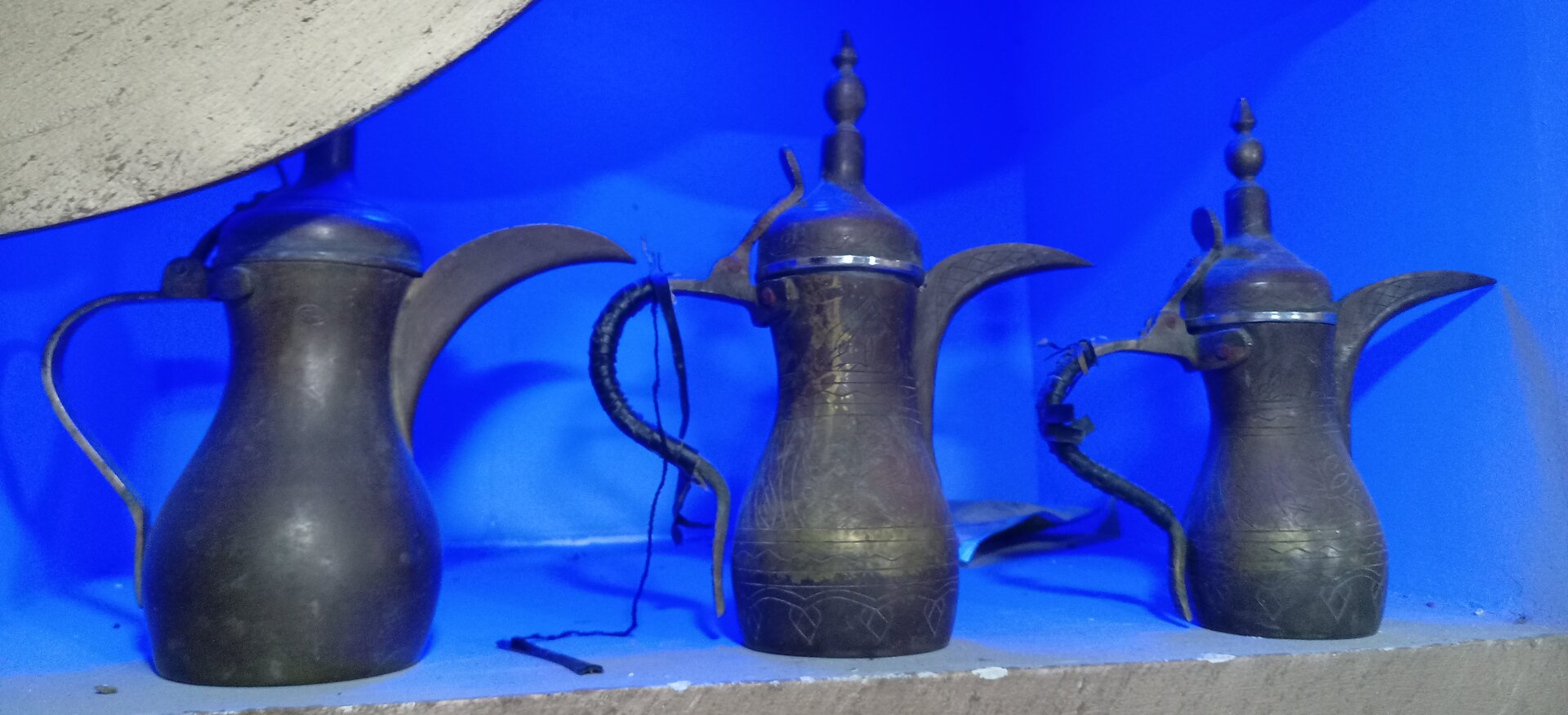
Restaurant Tipping: How Much to Leave
Checking Your Bill for a Service Charge
Before reaching for your wallet, always read your receipt carefully. Some Saudi restaurants — particularly international chains, upscale hotel restaurants and higher-end independent establishments — add a 10–15 % service charge directly to the bill. If you see a line item labelled “service charge” or “service fee”, that is effectively your tip. You do not need to add more, though rounding up by 5–10 SAR for genuinely excellent service is a kind touch.
Note that the 15 % VAT charged on all restaurant bills in Saudi Arabia is a government tax, not a service charge. Do not confuse the two — the VAT line does not go to your server.
Sit-Down Restaurants Without a Service Charge
If there is no service charge, a tip of 10–15 % of the pre-tax total is the friendly norm for sit-down meals. At a typical mid-range restaurant where a meal for two might cost 120–200 SAR, that translates to roughly 12–30 SAR. For an exceptional multi-course dinner at one of Riyadh’s fine-dining restaurants, 15 % is generous but warranted.
If you are dining in Riyadh’s Olaya District or along the Jeddah waterfront, expect slightly higher bills — but the same 10–15 % rule applies.
Casual Dining, Cafes and Coffee Shops
At casual cafes, bakeries and coffee shops, the approach is much more relaxed. If your specialty coffee costs 27 SAR, simply round up to 30 SAR. For counter-service establishments, leaving 2–5 SAR in the tip jar is perfectly adequate. Nobody will raise an eyebrow if you leave nothing at a fast-food chain.
Buffet Restaurants
Self-service buffets technically require no tip, but if a waiter clears your plates, refills your drinks or provides attentive service throughout the meal, leaving 5–10 SAR is a courteous acknowledgement.
Hotel Tipping: Porters, Housekeeping and Concierge
Hotels are the one environment in Saudi Arabia where tipping is most consistently expected. Staff in the Kingdom’s growing collection of five-star properties — covered in detail in our Saudi Arabia hotels guide — are accustomed to receiving gratuities, and the amounts are straightforward.
Porters and Bellboys
Tip 5–10 SAR per bag. If your luggage is heavy, if there are stairs involved, or if the porter walks a long distance from the lobby to your room, lean toward 10 SAR per bag. At ultra-luxury properties such as The Ritz-Carlton Riyadh or the Jeddah Rosewood, 10 SAR per bag is standard.
Housekeeping
Leave 10–15 SAR per night, placed on the desk or a clearly visible surface each morning. Do not leave it on the pillow (staff may not want to touch bedding) and do not wait until the end of a multi-night stay — different housekeepers may service your room on different days.
Concierge
For a simple recommendation, no tip is needed. If the concierge secures a difficult restaurant reservation, arranges a private tour, or goes out of their way on a complex booking, 20–50 SAR at the end of your stay is a professional way to acknowledge their help.
Room Service
Most room-service bills include a delivery charge or service fee. Check the bill. If no fee is listed, leave 5–10 SAR for the person who delivers the tray.
Valet Parking
Valet parking is ubiquitous at Saudi hotels, malls and upscale restaurants. While some services charge a set fee, it is customary to tip the driver who returns your car 5–10 SAR. Have the note ready when they hand over the keys — standing around searching for change while other guests wait is awkward for everyone.
Taxis, Ride-Hailing Apps and Private Drivers
Metered Taxis
The traditional rule for metered taxis in Saudi Arabia is simple: round up to the nearest 5 or 10 SAR. If the fare is 23 SAR, hand over 25 SAR. If it is 47 SAR, round up to 50 SAR. For longer rides — airport transfers or inter-city journeys — a tip of 10–20 SAR is generous. There is no need to calculate a percentage.
Uber and Careem
Both Uber and Careem operate widely across Saudi Arabia. Both apps allow in-app tipping after your ride. A 5–10 SAR in-app tip for good service is a nice gesture, particularly in difficult traffic or extreme heat. Cash tips are also welcomed. If a driver helps with luggage or waits patiently at a stop, consider adding a few riyals.
Private Tour Drivers
If you hire a private driver for a half-day excursion — to Diriyah from Riyadh, for example, or to the Edge of the World — a tip of 20–40 SAR is appropriate. For a full-day private driver, 40–80 SAR is reasonable, depending on the quality of service, cleanliness of the vehicle and how far you have travelled. If you are on a self-drive road trip instead, tipping is obviously not a factor, but the petrol station attendant who fills your tank and cleans your windscreen will appreciate 2–5 SAR.
Tour Guides
Guided tours are increasingly popular across the Kingdom, from Dadan and Hegra in AlUla to the historical sites of Riyadh’s Diplomatic Quarter. Tipping your guide is not mandatory, but it is a meaningful way to show appreciation for genuine expertise.
Group Tour Guides
For a half-day group tour, 10–20 SAR per person is a fair tip. For a full-day group tour, 20–30 SAR per person is appropriate. These amounts acknowledge the guide’s knowledge without creating an uncomfortable dynamic in a group setting.
Private Tour Guides
Private guides command a higher tip because the experience is personalised. For a half-day, 50–80 SAR is reasonable. For a full day, 80–150 SAR depending on the depth of the tour and the guide’s quality. Multi-day desert or adventure tours — such as those offered through desert safari operators — warrant a larger tip at the end, often 100–200 SAR total.
Tipping During Hajj and Umrah
Pilgrims visiting Makkah and Madinah should be aware that the tipping environment around the holy cities is different from the rest of the Kingdom. The volume of visitors, particularly during Hajj season, means that service workers encounter thousands of travellers daily and tips are deeply appreciated.
Hotel Staff Near the Haram
Hotels in Makkah and Madinah range from budget to ultra-luxury, and the tipping expectations scale accordingly. At budget hotels, 5 SAR per bag for the porter and 5–10 SAR per night for housekeeping is sufficient. At five-star properties near the Haram, tip as you would at any luxury hotel: 10 SAR per bag and 10–15 SAR per night for housekeeping.
Religious Tour Guides and Mutawwif
If your Hajj or Umrah package includes a mutawwif (religious guide), tipping at the end of the pilgrimage is customary. 50–100 SAR is common for an Umrah guide; for a full Hajj guide who accompanies your group over several days, 100–200 SAR is reasonable. Some groups pool a tip collectively.
Zamzam Water Distributors
Around the Masjid al-Haram, you may encounter attendants distributing Zamzam water. A tip of 2–5 SAR is kind but entirely optional.
Food Delivery: Hungerstation, Jahez, Mrsool and Others
Saudi Arabia has a thriving food-delivery market, with apps including Hungerstation, Jahez, Mrsool, Deliveroo, Talabat and the newer entrant Keeta. Tipping delivery riders is straightforward:
- Standard food order: 2–5 SAR
- Large, heavy or multi-bag grocery delivery: 5–10 SAR
- Extreme weather (45°C+ summer heat or heavy rain): 10 SAR or more is a humane gesture
- Double-tipping on service charges. Always scan your receipt for a service charge or service fee line. Adding 15 % on top of an existing 15 % charge is generous but unnecessary and can look like you did not read the bill.
- Confusing VAT with a service charge. The 15 % VAT that appears on every Saudi restaurant bill is a government tax. It does not go to your waiter. Only a line specifically labelled “service charge” counts as a built-in tip.
- Not carrying cash. Even in a country where Apple Pay works in a roadside shawarma shop, tips are still best given in physical riyals. Digital wallets do not help when you want to thank a bellboy.
- Over-tipping out of Western habit. A 20–25 % tip in Saudi Arabia is excessive and can create uncomfortable situations. Stick to 10–15 % for restaurants and the fixed amounts listed above for everything else.
- Tipping with foreign currency. Always tip in Saudi Riyals. US dollars, euros or British pounds may not be easily exchangeable by the recipient and can come across as thoughtless rather than generous.
- Leaving coins as a restaurant tip. While dropping a 1 SAR coin in a tip jar is fine, leaving a handful of small coins on a restaurant table can feel dismissive. Use notes for sit-down meals.
- Use your right hand. When handing cash to someone, use your right hand or both hands. The left hand alone is considered impolite in Saudi culture.
- Be discreet. Tipping in Saudi Arabia is a quiet gesture, not a performance. A folded note passed with a handshake or placed on the table without fanfare is the right approach. Do not wave money around or announce the amount.
- Do not tip government officials. This should be self-evident, but tipping police, immigration officers, customs staff or any government employee is inappropriate and could be interpreted as bribery.
- Tipping is never an obligation. If you receive poor service, you are under no obligation to leave a gratuity. Saudis themselves do not tip for substandard experiences.
- During Ramadan. Service staff may be fasting, which makes their work harder. A slightly more generous tip during Ramadan is thoughtful.
- Riyadh: The capital has the highest concentration of luxury hotels and fine-dining restaurants, so tipping is slightly more common and expected at the top end. The Kingdom Centre Sky Bridge area and Olaya District set the tone.
- Jeddah: A more relaxed, cosmopolitan atmosphere. Tipping is common at waterfront restaurants and beach clubs. The F1 Grand Prix weekend inflates service expectations temporarily.
- Makkah and Madinah: Higher tipping frequency due to pilgrim volume. Staff are accustomed to tips and some may be more forward about it, particularly around the Haram.
- AlUla: Tourism infrastructure is newer and more curated. Tour guides at Dadan and hot-air-balloon operators appreciate tips, as do hotel staff at the growing number of desert resorts.
- Eastern Province: In Dammam and Al Khobar, tipping customs mirror Riyadh but at slightly lower price points.
- Saudi Arabia Travel Guide 2026 — The complete guide to visiting the Kingdom
- Saudi Arabia Currency Guide — Exchange rates, banknotes and where to change money
- Saudi Arabia Shopping Guide — Best malls, souks and what to buy
- Saudi Arabia Hotels Guide — Where to stay across the Kingdom
- Saudi Arabia Nightlife Guide — Entertainment, dining and late-night culture
- Saudi Arabia Visa Guide — Every visa type explained
Some apps offer an in-app tipping feature after delivery; others rely on cash at the door. Keep small notes handy — asking a rider to break a 100 SAR note is not ideal.
Barbers, Salons and Spas
A visit to a Saudi barbershop or salon is an experience in itself. After a haircut, beard trim or traditional shave, 5–10 SAR is a standard tip — roughly 10 % of the service cost. For spa treatments and massages at hotel spas, 10–15 % of the treatment price is appropriate where the venue permits cash tips. Some luxury spas add a service charge; check before doubling up.
Supermarket Baggers and Car Loaders
At many Saudi supermarkets, an attendant will bag your groceries and may carry them to your car. This is a common tipping situation that catches first-time visitors off guard. 2–5 SAR is the norm. If the attendant loads multiple heavy bags into your boot in the midday heat, 5 SAR is well deserved.
The Complete Tipping Cheat Sheet
Use this table as a quick reference. Amounts are in Saudi Riyals (SAR). For context, 10 SAR is approximately USD 2.67.
| Service | Recommended Tip | Notes |
|---|---|---|
| Restaurant (no service charge) | 10–15 % | Check receipt for existing service charge first |
| Restaurant (with service charge) | 0–5 % extra | Only if service was truly exceptional |
| Cafe / coffee shop | Round up or 2–5 SAR | Tip jar is fine |
| Hotel porter | 5–10 SAR per bag | 10 SAR for heavy luggage or long walks |
| Housekeeping | 10–15 SAR per night | Leave on desk each morning |
| Hotel concierge | 20–50 SAR | For complex bookings; simple advice needs no tip |
| Room service | 5–10 SAR | Only if no delivery charge on bill |
| Valet parking | 5–10 SAR | Have the note ready when keys are returned |
| Metered taxi | Round up to nearest 5 or 10 SAR | No need to calculate a percentage |
| Uber / Careem | 5–10 SAR | In-app or cash; tip for luggage help or difficult routes |
| Private driver (half-day) | 20–40 SAR | Scale up for full-day trips |
| Private driver (full-day) | 40–80 SAR | Higher end if vehicle was exceptionally clean |
| Group tour guide (half-day) | 10–20 SAR per person | Full-day: 20–30 SAR per person |
| Private tour guide (full-day) | 80–150 SAR | Reflects personalised, expert service |
| Hajj / Umrah guide | 50–200 SAR | Depends on duration and group size |
| Food delivery | 2–10 SAR | Higher in extreme weather or large orders |
| Barber / salon | 5–10 SAR or ~10 % | After haircut, trim or traditional shave |
| Spa / massage | 10–15 % | Check if venue adds service charge |
| Supermarket bagger | 2–5 SAR | Especially if they carry bags to your car |
| Petrol station attendant | 2–5 SAR | When they fill your tank and clean the windscreen |
Cash vs Card: How to Actually Tip
Saudi Arabia is one of the most digitally advanced payment markets in the Middle East. In 2024, approximately 79 % of all retail transactions were electronic, and contactless penetration exceeded 94 % in urban centres. The Mada debit card system, Apple Pay, Google Pay and STC Pay are accepted at the vast majority of shops, restaurants and hotels. You can read more about managing money in our Saudi Arabia currency guide.
However, tipping remains overwhelmingly a cash-based practice. Research indicates that roughly 39 % of peer-to-peer transactions — including tips — are still conducted in cash. Very few restaurants split a digital tip to the server directly; most card tips disappear into the establishment’s general revenue. For that reason:
Practical tip: Always carry a small stash of 5 SAR and 10 SAR notes. These are the denominations you will use most often for tips. A 1 SAR coin works for tip jars, and a 20 SAR note covers a generous hotel porter tip. You can break larger notes at any convenience store or petrol station.
Saudi Riyal banknotes come in denominations of 1, 5, 10, 20, 50, 100, 200 and 500 SAR. The riyal is pegged to the US dollar at 3.75 SAR to USD 1, so quick mental arithmetic is easy: 10 SAR is about USD 2.67, and 50 SAR is about USD 13.33.
Common Tipping Mistakes to Avoid
A few pitfalls that catch visitors off guard:
Cultural Etiquette Around Tipping
A few cultural nuances that will help you navigate tipping smoothly:
How Much to Budget for Tips
For practical trip planning, here is a rough daily tipping budget based on travel style:
| Travel Style | Estimated Daily Tips (SAR) | Approximate USD |
|---|---|---|
| Budget traveller | 15–30 SAR | $4–$8 |
| Mid-range traveller | 30–60 SAR | $8–$16 |
| Luxury traveller | 60–120 SAR | $16–$32 |
| Hajj / Umrah pilgrim | 20–50 SAR | $5–$13 |
Over a 10-day trip, a mid-range traveller should budget approximately 300–600 SAR (USD 80–160) total for tips. This is a modest amount that will not strain any travel budget but will leave a positive impression at every stop.
Money-saving note: If you are visiting on a tourist e-visa, you can withdraw riyals from ATMs across the Kingdom using international debit cards. Withdraw a mix of 10 SAR and 50 SAR notes to ensure you always have tip-friendly denominations on hand. ATMs are available at every Saudi airport and in all major cities.
Tipping by City: Any Differences?
The amounts in this guide apply consistently across Saudi Arabia, but there are minor regional variations worth noting: