
Saudi Arabia has transformed how the world experiences Umrah. What was once a strictly religious journey — fly in, perform the rites, fly home — has become something far richer. Under Vision 2030, the Kingdom actively encourages pilgrims to extend their stay and explore, and the visa framework now makes this straightforward. An Umrah plus holiday lets you fulfil a profound spiritual obligation and then discover a country that most visitors never knew existed: Red Sea coastline, mountain escarpments, UNESCO heritage sites, and cities reinventing themselves at extraordinary speed. This guide, part of our comprehensive Hajj 2026 Guide, walks you through how to plan, book, and execute a combined Umrah-and-tourism itinerary — day by day, city by city, with real costs and practical logistics.
Best Time to Visit: October to March (cooler weather, outside Hajj season)
Getting There: Fly into Jeddah (IATA: JED) or Madinah (IATA: MED); internal flights via Saudia, flynas, or flyadeal
Visa Required: Yes — tourist e-visa or Umrah visa via Nusuk
Budget: $150–$350/day depending on hotel tier and city
Must-See: Masjid al-Haram, Al-Masjid an-Nabawi, Jeddah’s Al-Balad historic quarter
Avoid: Booking Umrah during peak Hajj season (late May–June 2026) when Makkah is restricted to Hajj permit holders
Why Combine Umrah with a Saudi Holiday?
The traditional Umrah trip lasts five to seven days — three or four nights in Makkah, two or three in Madinah, and a transfer day in between. That format still works, but it leaves an enormous amount of the country unseen. Saudi Arabia spans 2.15 million square kilometres. It contains six UNESCO World Heritage Sites, a 1,800-kilometre Red Sea coastline, and cities where billions of dollars in new cultural infrastructure have opened in the last three years alone.
The practical barrier that once prevented combining pilgrimage with tourism has been removed. The Saudi tourist e-visa (available to citizens of 63 countries) is valid for one year with multiple entries and permits stays of up to 90 days. It explicitly allows Umrah. The dedicated Umrah visa, issued through the Nusuk platform, also allows a 90-day stay. Either route gives you more than enough time to perform Umrah and then spend a week or two exploring Jeddah, Taif, AlUla, Riyadh, or the Red Sea coast.
Financially, the logic is compelling. Your international flight — typically the most expensive component — is already booked. Internal Saudi flights between cities cost $30–$80 one way on budget carriers like flynas and flyadeal. Hotels outside Makkah and Madinah are significantly cheaper than those near the Haram. By adding a week in Jeddah or AlUla, you get a genuine holiday at a fraction of what a separate trip would cost.
Visa Options: Tourist E-Visa vs Umrah Visa
Understanding which visa to choose is the first practical decision for your Umrah plus holiday. Both options work, but they differ in important ways.
Tourist E-Visa
The Saudi tourist e-visa costs approximately SAR 535 (around $142) including insurance, is processed online in minutes, and allows you to perform Umrah without a separate Umrah visa. It is valid for one year with multiple entries, and each visit allows up to 90 days in the Kingdom. You still need to register for an Umrah permit through the Nusuk app before entering Masjid al-Haram, but the visa itself does not restrict your travel to the holy cities.
This is the best option if you plan to combine Umrah with tourism. You can fly into Jeddah, spend a few days exploring the city, drive to Makkah for Umrah, continue to Madinah, and then fly to Riyadh or AlUla — all on one visa, no itinerary restrictions.
Umrah Visa (via Nusuk)
The dedicated Umrah visa is issued through the official Nusuk platform (umrah.nusuk.sa). It requires verified hotel bookings in Makkah and/or Madinah through Nusuk-approved providers, plus pre-booked ground transport. You must enter Saudi Arabia within 30 days of visa issuance and can stay up to 90 days. The visa is free of charge, but the mandatory bookings add cost.
This visa works for combined trips but offers less flexibility. Your Makkah and Madinah bookings are locked in through the platform, and changing them after issuance requires going through the Nusuk system. For tourism add-ons in other cities, you book independently.
Practical tip: If you hold a tourist e-visa, you still need to download the Nusuk app and book an Umrah permit before visiting Masjid al-Haram. The permit generates a QR code that is scanned at entry gates. Screenshots are not accepted — the QR code must be displayed live in the app. Book your Rawdah (Riaz ul Jannah) appointment in Madinah through the same app, and do so early — slots fill within seconds of release each week.
The Ideal Umrah Plus Holiday Itinerary: 14 Days
The following itinerary balances spiritual fulfilment with genuine tourism. It assumes you fly into Jeddah and out of Jeddah (or Riyadh), though the route is adjustable. Each segment includes realistic timing, transport options, and budget estimates.
Days 1–2: Arrive in Jeddah
Fly into King Abdulaziz International Airport (JED). Most international Umrah flights arrive here. Rather than transferring immediately to Makkah, spend one or two nights in Jeddah to recover from jet lag and begin your Saudi experience.
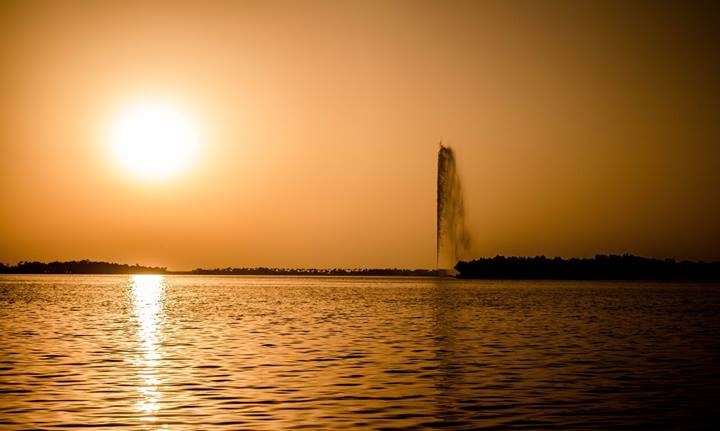
What to do: Walk through Jeddah’s Al-Balad historic quarter — a UNESCO World Heritage Site with coral-stone townhouses, carved wooden balconies (rawasheen), and narrow alleyways that date back centuries. Visit the Floating Mosque (Al Rahma Mosque) at sunset, when the high tide makes it appear to hover above the Red Sea. Stroll the Jeddah Corniche, the 30-kilometre waterfront promenade, and watch the King Fahd Fountain — the tallest of its kind in the world, shooting water 312 metres into the air.
Where to stay: For Umrah-focused travellers, hotels near the Haramain high-speed rail station are practical — you can reach Makkah in under 30 minutes by train. Budget hotels in Al-Balad start from $60/night; mid-range options along the Corniche run $120–$200/night.
Budget: $80–$180/day (hotel, food, local transport).
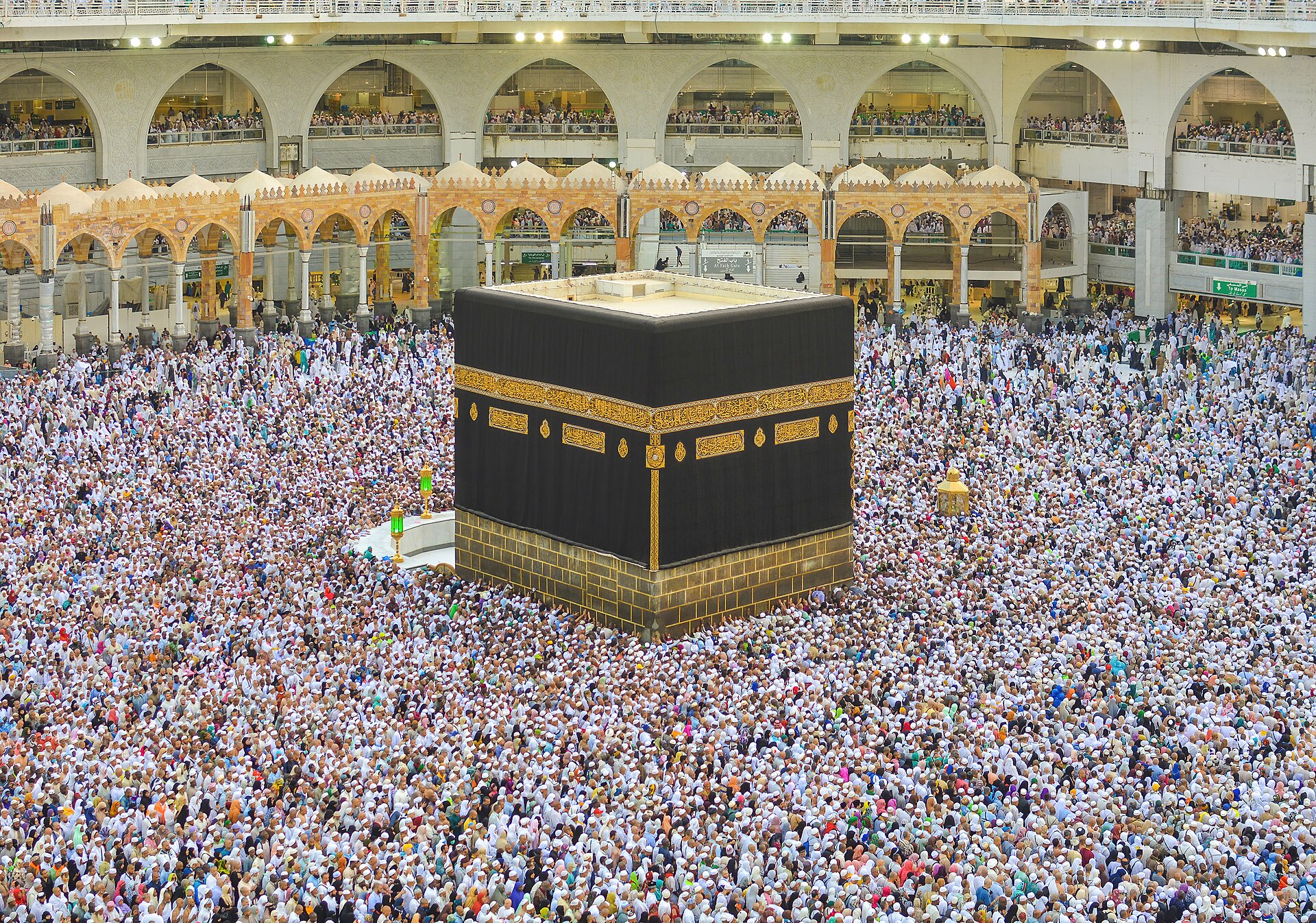
Days 3–6: Makkah — Umrah and Spiritual Immersion
Travel from Jeddah to Makkah by the Haramain high-speed train (approximately 25 minutes, SAR 50–75 one way) or by car (80 km, roughly one hour). Enter into Ihram before crossing the Miqat boundary — the designated station for Jeddah arrivals is Masjid Aisha (also called Masjid at-Tan’im), located on Makkah’s northern edge.
Perform your Umrah rites: Tawaf (seven circuits around the Kaaba), Sa’i (walking seven times between Safa and Marwah), and Halq or Taqsir (shaving or trimming the hair). For first-time pilgrims, the entire Umrah can be completed in three to four hours, though many prefer to take their time.
With four nights in Makkah, you have ample time to perform additional voluntary Tawaf, pray in different sections of the expanded Masjid al-Haram, and visit key Islamic sites in the city.
Makkah Ziyarah (holy sites):
- Jabal al-Noor — the mountain containing the Cave of Hira, where the Prophet Muhammad (peace be upon him) received the first revelation. The climb takes 45–90 minutes.
- Jabal Thawr — the cave where the Prophet and Abu Bakr sheltered during the Hijra. A more demanding hike than Jabal al-Noor.
- Mina, Muzdalifah, and Arafat — the Hajj stations. Outside Hajj season, these areas are accessible and uncrowded, offering a contemplative experience.
- Abraj Al-Bait Clock Tower — the iconic tower complex adjacent to the Haram, housing the Makkah Clock Tower Museum on the upper floors.
- Rawdah (Riaz ul Jannah) — the area between the Prophet’s pulpit and his tomb, described in hadith as “a garden from the gardens of Paradise.” Access requires a timed permit booked through the Nusuk app. Slots are limited and fill within seconds of release.
- Quba Mosque — the first mosque built in Islam, located in southern Madinah. Praying two rak’ahs here is equivalent in reward to performing Umrah, according to hadith.
- Masjid Qiblatain — the mosque where the direction of prayer (Qibla) was changed from Jerusalem to Makkah.
- Mount Uhud and the Martyrs’ Cemetery — the site of the Battle of Uhud (625 CE). The mountain and adjacent cemetery are among the most historically significant locations in Islam.
- Al-Baqi Cemetery — the ancient burial ground adjacent to the Prophet’s Mosque, where many companions and family members of the Prophet are interred.
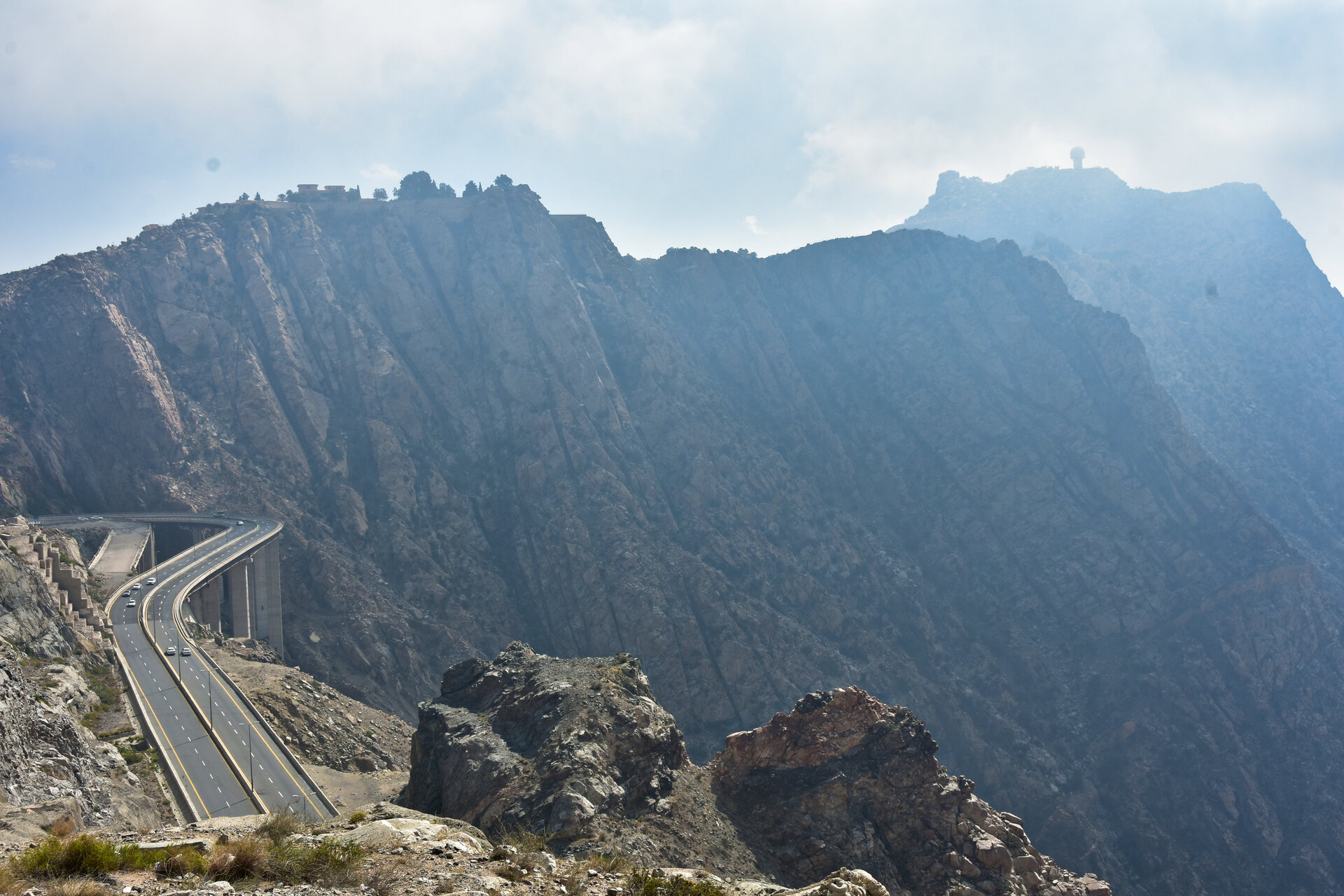
- Al-Hada Mountain Road — one of the most dramatic drives in Saudi Arabia, with hairpin bends ascending through cloud-draped escarpments. Stop at the cable car station for panoramic views.
- Al-Shafa Village — a highland village surrounded by juniper forests, fruit orchards, and honey farms. Taif honey is considered among the finest in the world.
- Taif Rose Farms — visit the rose distilleries in the Al-Hada and Al-Shafa districts. Taif produces 300 million roses annually, distilled into rose water and rose oil (attar) used in perfuming the Kaaba.
- Souq Al-Balad — the old market, excellent for rose products, local honey, and traditional silver jewellery.
- Shubra Palace — the historical residence of King Faisal, now a regional museum with Ottoman and Hejazi architectural details.
- Download the Nusuk app from the App Store or Google Play. Only use the official app — clones exist and harvest personal data.
- Create an account with your passport details and a personal email address.
- Link your visa to confirm eligibility. Wait 24–48 hours after visa issuance before attempting this step, as data takes time to sync into the ministry system.
- Book your Umrah permit for your preferred date and prayer time. A QR code is generated.
- Book a Rawdah appointment (optional but recommended) for Madinah. Slots release weekly and fill almost instantly.
- Children and Umrah: Children can perform Umrah, and the reward is credited to their parents. For very young children, consider performing Tawaf during off-peak prayer times (late morning or early afternoon) when the Mataf is less crowded. Wheelchair pushers are available for hire at the Haram.
- Strollers and prams: These are not permitted inside Masjid al-Haram. Leave them at the designated storage areas near the gates.
- Family hotels: Many Makkah hotels offer connecting rooms and family suites. The Hilton Suites Makkah and Makkah Towers Millennium are popular with families.
- Women travellers: Women can perform Umrah without a mahram (male guardian) under current Saudi regulations, provided they are 18 or older. The women’s sections in both the Makkah and Madinah mosques are spacious and well-managed.
- Child-friendly tourism: In Jeddah, the Fakieh Aquarium and Atallah Happy Land amusement park are solid options. In Riyadh, Boulevard Riyadh City and the National Museum engage children well.
- Ihram garments (men) — two unstitched white cloths. Bring a spare set.
- Modest, comfortable clothing — for both the holy cities and tourist destinations. Loose-fitting, breathable fabrics.
- Comfortable walking shoes — you will walk 10–15 km/day in Makkah. Shoes that slip on and off easily are essential (you remove them at mosque entrances).
- Sun protection — hat, sunscreen (SPF 50+), sunglasses. Essential outside the mosques.
- Lightweight layers — for Taif and AlUla evenings, where temperatures can drop below 15°C.
- Prayer mat and Quran — though both are available at the mosques.
- Universal power adapter — Saudi Arabia uses Type G (British-style) sockets.
- Nusuk app installed and tested — before departure.
- Dress code: Modest dress is expected everywhere. In Makkah and Madinah, this is strictly observed. In Jeddah, Riyadh, and AlUla, the dress code is more relaxed in tourist areas, but shoulders and knees should remain covered in public spaces.
- Prayer times: Shops and restaurants close briefly during the five daily prayers. In Makkah and Madinah, this is strictly enforced. In other cities, closures are shorter and some establishments remain open.
- Photography: Photography inside the Haram is technically restricted, though widely practiced. Use discretion and never photograph individuals without consent, particularly women.
- Alcohol: Saudi Arabia is entirely dry — no alcohol is sold or permitted anywhere in the Kingdom.
- Ramadan: If visiting during Ramadan, do not eat, drink, or smoke in public during daylight fasting hours.
- Tabuk and NEOM — the northwest frontier, with dramatic wadis, the Hejaz Railway ruins, and the emerging NEOM development.
- Dammam and Al Khobar — the Eastern Province, offering a Gulf coastline perspective, the Ithra cultural centre, and day trips to the Hofuf oases.
- The Asir Highlands — if Taif appeals, the deeper Asir mountains around Abha offer even more dramatic scenery, terraced villages, and cloud forests.
- Red Sea resorts — luxury beach properties along the Red Sea coast north of Jeddah, including the emerging Amaala and Red Sea Global (Shura Island) developments.
- Hajj 2026: The Complete Guide — Dates, costs, packages, rituals, and everything you need to know
- Umrah Guide — The lesser pilgrimage: rituals, best times, costs, and accommodation
- Umrah for First Timers — Step-by-step guidance for your first pilgrimage
- Umrah Packing List — Everything you need to bring
- Umrah Costs — Detailed financial breakdown for pilgrims
- Mecca Travel Guide — Hotels, logistics, and everything beyond the Haram
- Medina Travel Guide — The Prophet’s city, calmer and welcoming
- Saudi Arabia Travel Guide 2026 — The complete guide to visiting the Kingdom
- Saudi Arabia Visa Guide — Every visa type explained
Where to stay: Hotels within walking distance of Masjid al-Haram range from $80/night (budget, 10–15 minute walk) to $400+/night (luxury, direct Haram access). The Swissotel Makkah and Fairmont Makkah Clock Royal Tower offer direct connections to the Haram. The Anjum Hotel and Elaf Ajyad provide mid-range options within a 5-minute walk. See our Umrah costs breakdown for detailed pricing.
Budget: $120–$400/day depending on hotel proximity to the Haram.
Days 7–9: Madinah — The Prophet’s City
Travel from Makkah to Madinah by the Haramain high-speed train (approximately 2 hours, SAR 150–250) or by road (around 4.5 hours). The train is the preferred option — comfortable, air-conditioned, and dramatically faster than driving.
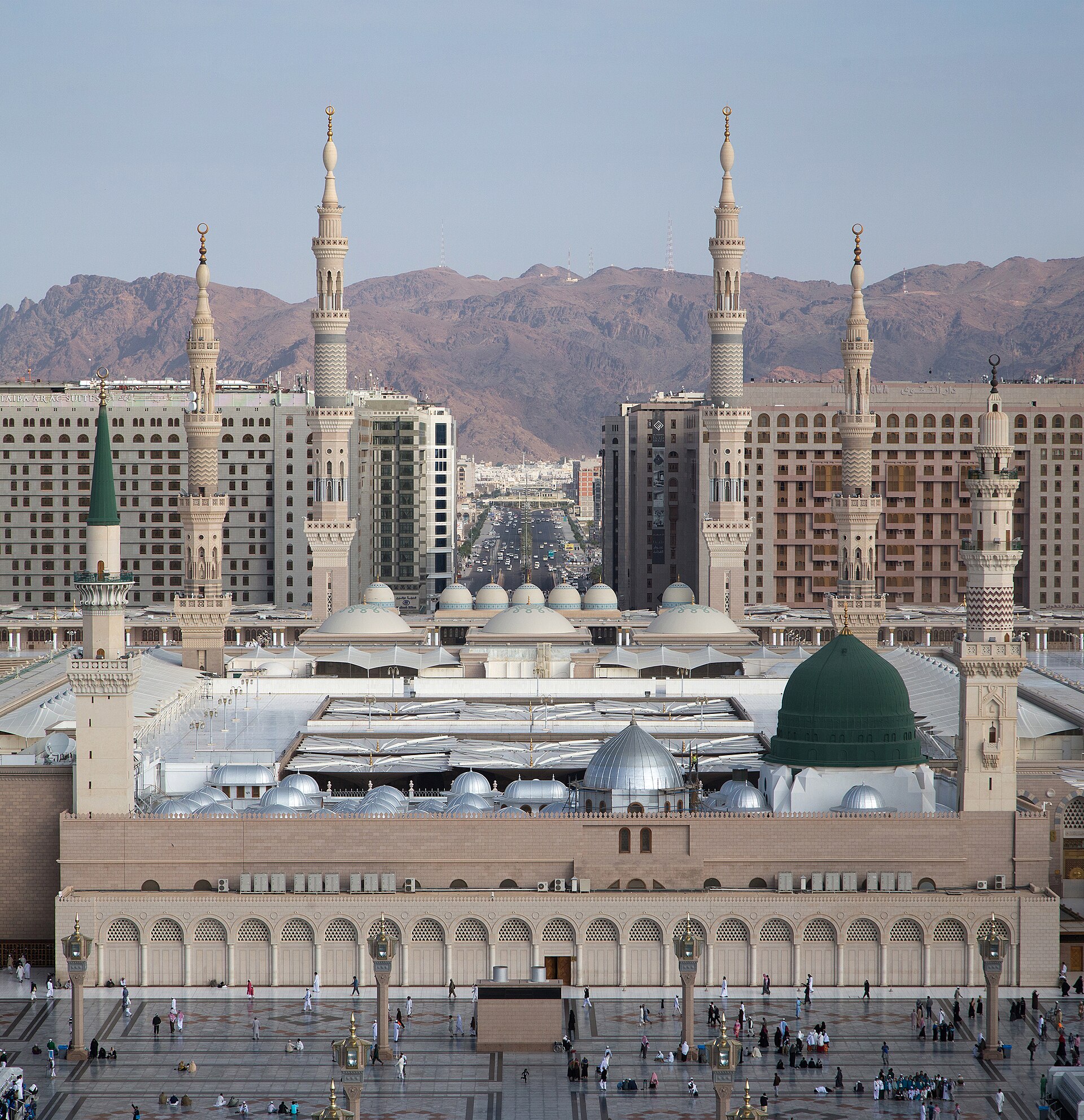
Madinah is calmer than Makkah, with a more spacious atmosphere around Al-Masjid an-Nabawi (the Prophet’s Mosque). The mosque’s iconic green dome marks the location of the Prophet’s tomb. Visiting Madinah is not a required part of Umrah, but it is deeply meaningful for most Muslims and virtually every Umrah package includes it.
Madinah highlights:
Where to stay: Hotels near the Prophet’s Mosque start from $50/night for budget options and rise to $250+/night for premium properties like the Shaza Madinah or Hilton Madinah. The Oberoi Madinah offers one of the most refined experiences in the city.
Days 10–11: Taif — Mountain Escape
From Madinah, fly back to Jeddah or Makkah, then drive to Taif (approximately 1.5–2 hours from Makkah via the spectacular Al-Hada mountain road). Taif sits at 1,879 metres above sea level in the Hejaz Mountains and is dramatically cooler than the lowland cities — temperatures average 10–15°C lower than Makkah, making it a natural retreat.
Taif has been the traditional summer capital of the Saudi royal family for decades, and it has a character distinct from any other Saudi city: lush rose gardens (the Taif rose harvest in March and April is famous), terraced agriculture, and forested hillsides.
What to do in Taif:
This is a natural extension for pilgrims returning from Makkah — the change in altitude and climate is physically restorative after days in the Haram’s heat. Read more in our Abha and Asir Travel Guide for highland travel across the region.
Budget: $80–$150/day. Hotels in Taif are affordable; boutique properties start from $70/night.
Days 12–14: Return to Jeddah or Extend to AlUla/Riyadh
For your final days, you have two strong options:
Option A: Jeddah Red Sea leisure. Return to Jeddah for beach time, diving, and modern Saudi culture. The Red Sea coast near Jeddah offers world-class coral reefs — Farasan Banks, the Boiler wreck, and Chicken Rock are all accessible by day boat. The Jeddah Season cultural festival (typically November–January) brings concerts, exhibitions, and food events to the city. End your trip with a seafood dinner at one of the Corniche restaurants before your departure flight.
Option B: Fly to AlUla (2–3 days). If you have the time and budget, AlUla is the single most extraordinary tourism destination in Saudi Arabia. Hegra (Mada’in Saleh), the country’s first UNESCO World Heritage Site, contains 111 monumental Nabataean tombs carved into sandstone outcrops — often compared to Petra but virtually crowd-free. Elephant Rock, the Dadan archaeological site, and the Maraya concert hall (the world’s largest mirrored building) are all within a short drive. AlUla flights from Jeddah take around 75 minutes.
Option C: Fly to Riyadh (2–3 days). The capital offers a completely different Saudi experience. Visit the Diriyah UNESCO quarter (At-Turaif), the National Museum, the Edge of the World escarpment, and Boulevard Riyadh City for evening entertainment. Riyadh flights from Jeddah or Madinah take around 90 minutes.
Sample Itinerary Comparison Table
| Day | 14-Day Full Itinerary | 10-Day Compact | 7-Day Umrah Only |
|---|---|---|---|
| 1 | Arrive Jeddah — Al-Balad, Corniche | Arrive Jeddah — transfer to Makkah | Arrive Makkah |
| 2 | Jeddah — Red Sea, Floating Mosque | Makkah — Umrah | Makkah — Umrah |
| 3 | Train to Makkah — Umrah | Makkah — Ziyarah sites | Makkah — Ziyarah |
| 4 | Makkah — additional Tawaf, Ziyarah | Makkah — prayers, rest | Train to Madinah |
| 5 | Makkah — Jabal al-Noor, Mina visit | Train to Madinah | Madinah — Prophet’s Mosque |
| 6 | Makkah — final prayers | Madinah — Prophet’s Mosque, Rawdah | Madinah — Quba, Uhud |
| 7 | Train to Madinah | Madinah — Uhud, Quba | Depart |
| 8 | Madinah — Prophet’s Mosque, Rawdah | Fly to Jeddah — free day | — |
| 9 | Madinah — Uhud, Quba, Qiblatain | Jeddah — Al-Balad, departure | — |
| 10 | Drive to Taif via Al-Hada road | Depart | — |
| 11 | Taif — roses, Shubra, souqs | — | — |
| 12 | Drive to Jeddah or fly to AlUla | — | — |
| 13 | AlUla — Hegra / Jeddah — Red Sea | — | — |
| 14 | Depart | — | — |
Costs: What an Umrah Plus Holiday Actually Costs
Pricing varies significantly based on season, hotel tier, and how far you extend beyond the holy cities. The following estimates are per person, based on double occupancy.
| Component | Budget | Mid-Range | Premium |
|---|---|---|---|
| International flight (return) | $600–$900 | $900–$1,500 | $1,500–$3,500 |
| Makkah hotel (4 nights) | $320–$480 | $480–$1,200 | $1,200–$2,400 |
| Madinah hotel (3 nights) | $150–$270 | $270–$600 | $600–$1,200 |
| Tourism extension (5–7 nights) | $350–$700 | $700–$1,500 | $1,500–$3,500 |
| Internal flights (2–3) | $60–$150 | $150–$300 | $300–$600 |
| Food & transport (14 days) | $350–$500 | $500–$900 | $900–$1,800 |
| Activities & entry fees | $50–$100 | $100–$300 | $300–$700 |
| Total (14 days) | $1,880–$3,100 | $3,100–$6,300 | $6,300–$13,700 |
Money-saving tip: Book Umrah during the off-peak months of October, November, or January–February. Hotel rates in Makkah drop by 30–50% compared to Ramadan or the weeks preceding Hajj. Internal flights on flynas and flyadeal are cheapest when booked 3–4 weeks ahead.
Booking Your Umrah: The Nusuk Platform
Whether you hold a tourist e-visa or a dedicated Umrah visa, you must register through the Nusuk app to obtain your Umrah permit. The process works as follows:
The QR code must be shown live through the Nusuk app at the Haram entry gates. Without a valid permit, you will be denied entry to Masjid al-Haram even with a valid visa.
Best Time for an Umrah Plus Holiday
Timing matters for both the spiritual and tourism components of your trip.
| Period | Umrah Experience | Tourism Experience | Overall Rating |
|---|---|---|---|
| October–November | Moderate crowds, pleasant | Ideal weather across all regions | Excellent |
| December–January | Higher crowds (school holidays) | Cool weather, peak tourism season | Very good |
| February–March | Lower crowds, comfortable | Good weather, Taif rose season (March) | Excellent |
| Ramadan | Intensely spiritual, very crowded | Limited — many restaurants closed daytime | Spiritual focus only |
| April–May | Rising heat, pre-Hajj restrictions begin | Very hot in lowlands, AlUla still pleasant | Fair |
| June–September | Hajj season (June), extreme heat | Challenging — temperatures 45°C+ in most cities | Not recommended |
For the best combined experience, October to March is the optimal window. Temperatures in Makkah sit around 25–32°C (compared to 40–45°C in summer), tourism sites across the country are fully operational, and hotel rates outside the Hajj and Ramadan windows are at their lowest.
Transport Between Cities
Saudi Arabia’s transport infrastructure has improved dramatically. Here are the key connections for an Umrah plus holiday itinerary:
Haramain High-Speed Railway
The 450 km/h railway connects Makkah, Jeddah, King Abdullah Economic City, and Madinah. It is the backbone of any Umrah trip. Journey times: Makkah to Jeddah (25 minutes), Jeddah to Madinah (approximately 2 hours), Makkah to Madinah (approximately 2.5 hours). Tickets cost SAR 50–250 depending on class and route. Book via the SAR (Saudi Arabia Railways) app or website.
Domestic Flights
Saudia (full-service), flynas, and flyadeal (budget) connect all major cities. Key routes for Umrah plus holiday travellers: Jeddah–Riyadh (90 min), Jeddah–AlUla (75 min), Madinah–Riyadh (80 min). Budget carrier one-way fares start from SAR 120 ($32) when booked in advance.
Car Rental and Road Trips
Saudi Arabia’s motorway network is excellent. The Jeddah–Makkah highway is a fast, well-maintained expressway (80 km). The Makkah–Taif road via Al-Hada is one of the country’s most scenic drives. International licences are accepted. Fuel costs are low (approximately SAR 2.33/litre for 95 octane). Rental cars start from $30/day for compact vehicles. Note: non-Muslims cannot enter Makkah or Madinah, so if travelling with non-Muslim family members, plan accordingly.
Practical Tips for Families
Umrah plus holiday trips are increasingly popular with families, and Saudi Arabia has become notably more family-friendly in recent years.
What to Pack for an Umrah Plus Holiday
Packing for a combined pilgrimage and tourism trip requires planning for two very different experiences. See our detailed Umrah packing list for the full checklist, but the essentials for a combined trip include:
Respecting Local Customs and Mosque Etiquette
Saudi Arabia has liberalised significantly under Vision 2030, but respect for local customs remains important — particularly in the holy cities.
Extending Your Trip: Other Destinations Worth Considering
If your schedule and visa allow, several other destinations complement an Umrah plus holiday: