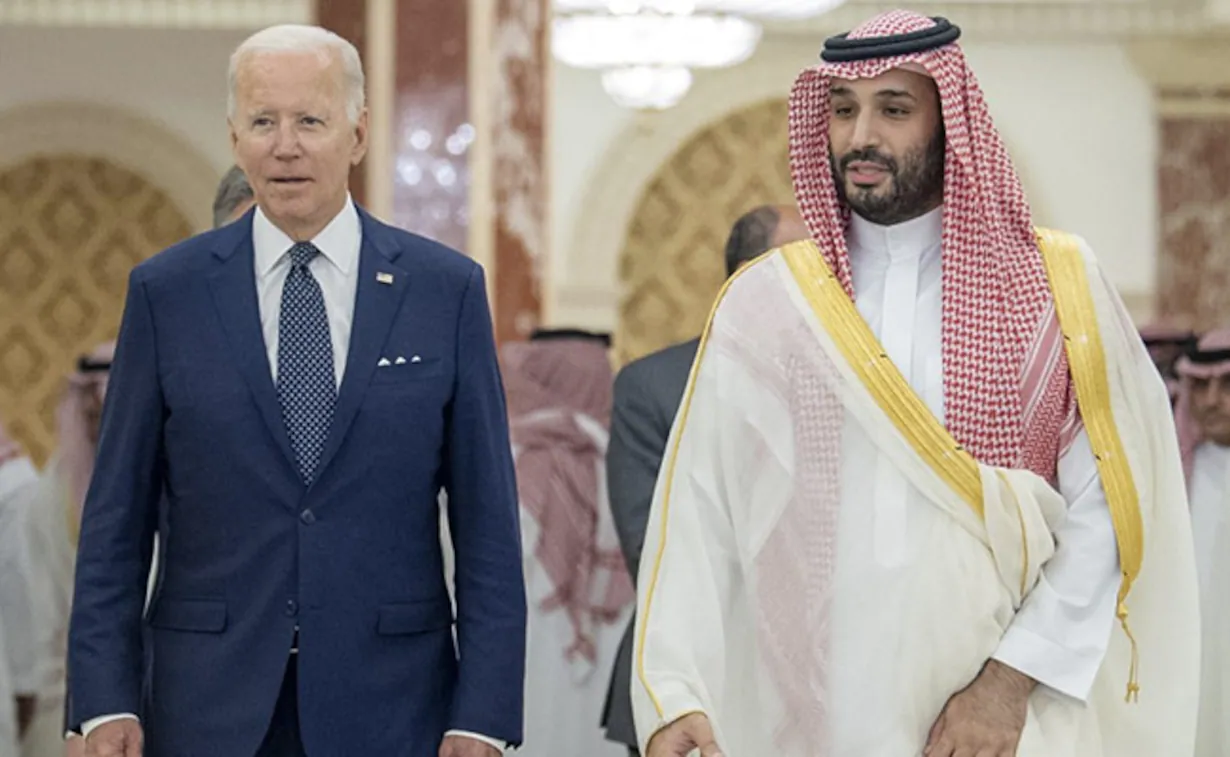
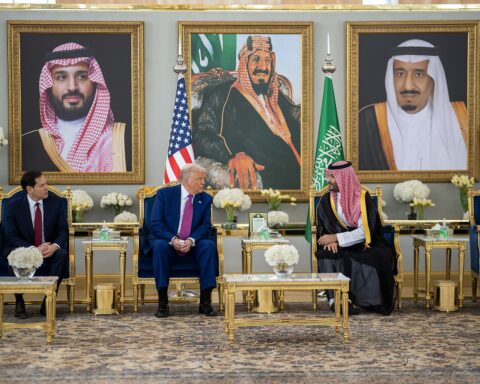
Saudi Arabia, under the leadership of Crown Prince Mohammed bin Salman, is undergoing a significant transformation that aims to reshape the role of Islam in the kingdom. By reducing the influence of Saudi religious institutions, which have historically upheld a strict interpretation of Sunni Islam known as Wahhabism, the crown prince is ushering in a new era of moderation and balance.
For decades, the Saudi monarchy supported and promoted Wahhabi scholars and institutions, resulting in a society governed by stringent moral codes and restrictions on the rights of women and religious minorities. However, under the leadership of MBS, Saudi Arabia has witnessed a series of reforms that challenge these longstanding norms.
The most notable change has been the lifting of the ban on women driving, a symbolic step towards gender equality. Co-educational classrooms, movie theaters, and even all-night concerts featuring men and women dancing together have become part of the new Saudi normal. These reforms, according to scholars Yasmine Farouk and Nathan J. Brown, represent nothing short of a revolution in Saudi affairs, as they significantly diminish the influence of Wahhabi religious scholars.
Yet, this bold vision of a moderate Islam does not come without risks. MBS is well aware that these reforms may provoke anger and even retaliation from certain segments of society. As an expert in Islamic law and militancy, I have closely followed the potential consequences of these changes.
In the past, those who dared to challenge the authority of Wahhabi scholars faced unrest. King Fahd, who ruled from 1982 to 2005, dealt with violent opposition when he defied the advice of his Wahhabi advisors and allowed the presence of US military forces on Saudi soil. This led to a violent insurrection against him.
However, MBS appears undeterred by these historical precedents. In a widely broadcast interview, he openly criticized Wahhabi scholars, accusing some of manipulating Islamic doctrines. He even detained a prominent Wahhabi scholar who had been a trusted advisor, charging him with crimes against the monarchy. Justifying these actions, MBS stated that Saudi Arabia is returning to its roots as a country of moderate Islam, open to all religions, traditions, and people.
The Middle East briefing 3,000+ readers start their day with.
One email. Every weekday morning. Free.
The crown prince’s call for moderation echoes the reforms implemented by his grandfather, King Abdulaziz, who founded the modern Saudi kingdom. Abdulaziz suppressed Wahhabi scholars and militants in the 1920s and 1930s, choosing to prioritize trade and development over their puritanical vision of Islam. He firmly established the authority of the monarchy.
However, the booming Saudi oil economy during King Abdulaziz’s era necessitated a different approach. His son, King Faisal, sought to engage Wahhabi scholars and tap into their support in countering the revolutionary politics of figures like Egypt’s Gamal Abdel Nasser. Faisal believed that co-opting these scholars and promoting Wahhabism internationally would help secure the kingdom’s future.
Faisal’s strategies proved successful, but they also created challenges. King Khalid, who succeeded Faisal, continued to favor Wahhabi scholars, especially in response to the 1979 Grand Mosque seizure and the Saudi youth’s involvement in resisting the Soviet invasion of Afghanistan. These events highlighted the need to reaffirm the Islamic credentials of the monarchy.
Nonetheless, not all conservative Islamist leaders advocated violence. Many framed themselves as reformers seeking to correct perceived deviations from “authentic” Islam. MBS, by condemning violence and criticizing Wahhabi scholars, is following in their footsteps. He is determined to dismantle the accommodations made by his predecessors and assert the supremacy of the monarchy, just as his grandfather did.
These reforms are occurring alongside the unveiling of “Saudi Vision 2030,” a comprehensive plan for transforming the country politically, economically, educationally, and culturally. MBS aims to meet the demands of the majority youthful population and create a society that embraces Saudi values and patriotism, moving away from a strictly Wahhabi Islamic identity.
Changes include overhauling the religious curriculum and downplaying the influence of Wahhabi ideology in textbooks. Additionally, Saudi Arabia has resolved to halt funding for mosques and educational institutions propagating Wahhabism abroad. The religious police’s powers have been curtailed, limiting their ability to enforce moral codes and punish perceived moral transgressions.
However, critics remain skeptical. They argue that these reforms do not address the underlying violence perpetrated by the Saudi state. The religious police may have lost some powers, but they continue to monitor social media. The tragic killing of journalist Jamal Khashoggi in 2018, following his advocacy for Islamist reform, further highlights concerns about the suppression of dissenting voices and the emergence of a surveillance state in Saudi Arabia.
While MBS presents a vision of a more tolerant Saudi Arabia, there are complexities beneath the surface. Internally, the crown prince expects Saudi youth to submit to the monarchy’s authority as a reflection of their faith. Some experts argue that the current configuration of the monarchy contradicts the independent thinking that MBS seeks in religious matters. They argue that true flourishing of Saudi society can only occur when Muslims are allowed to rule themselves politically.
MBS’s transformation of Wahhabism aims to secure the loyalty and support of the younger generation. However, Saudi history teaches us that such bargains require constant renegotiation and renewal. The delicate balance between reform and control will shape the future of Saudi Arabia, as it navigates the challenges of a rapidly changing society while preserving the authority of the monarchy.