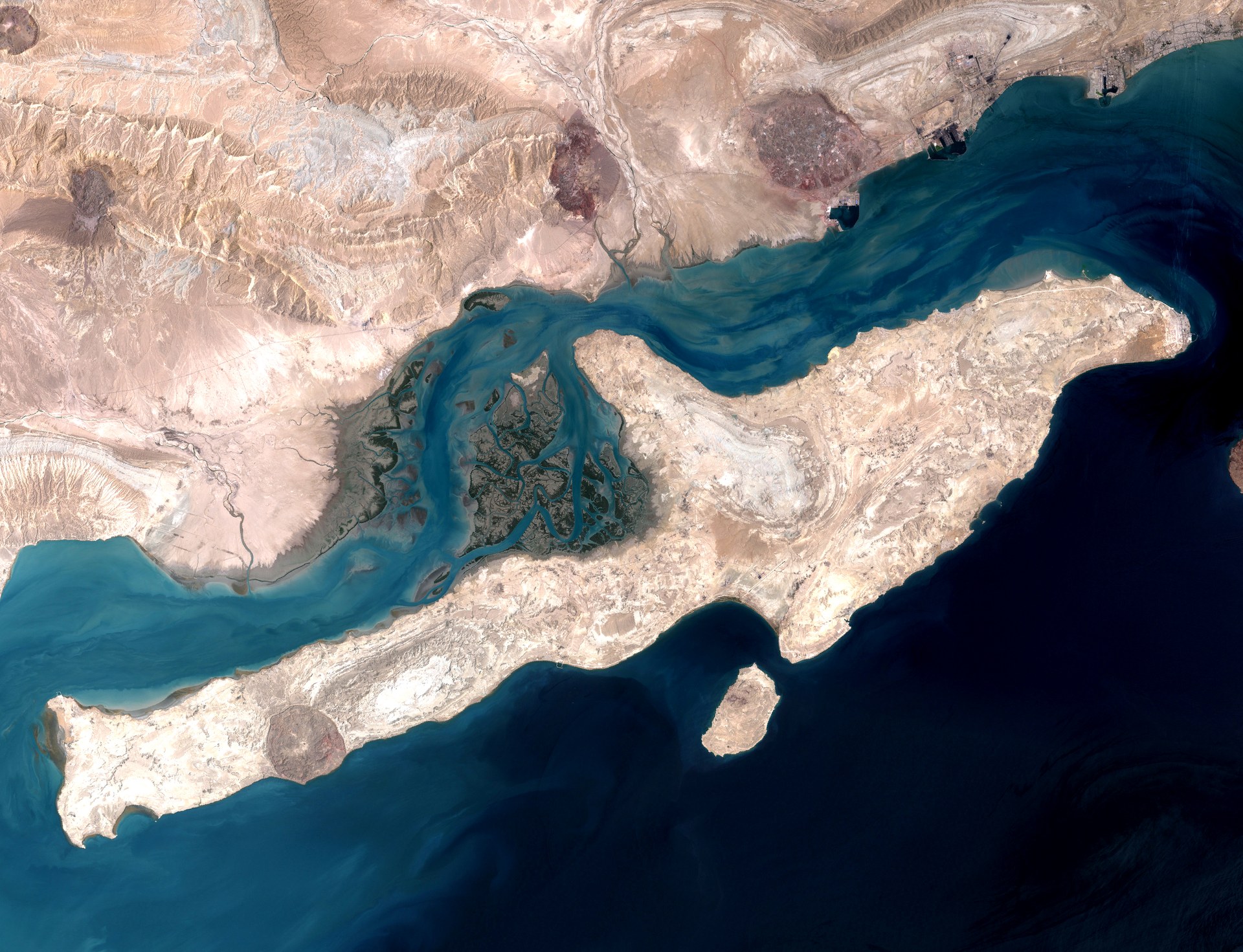
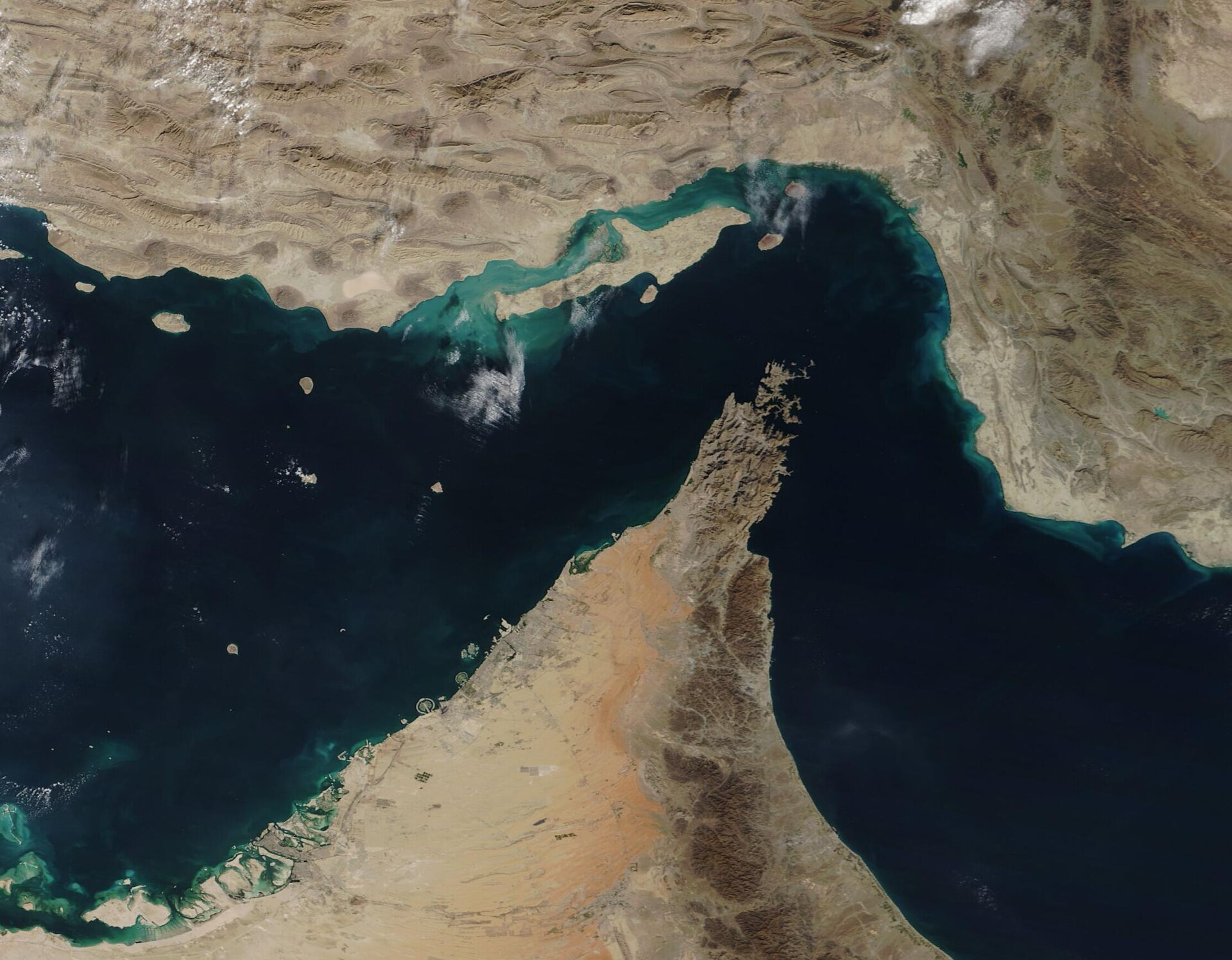
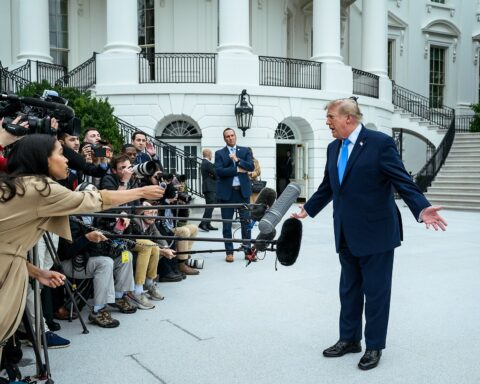
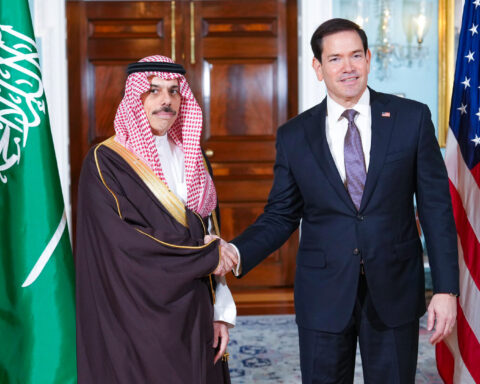
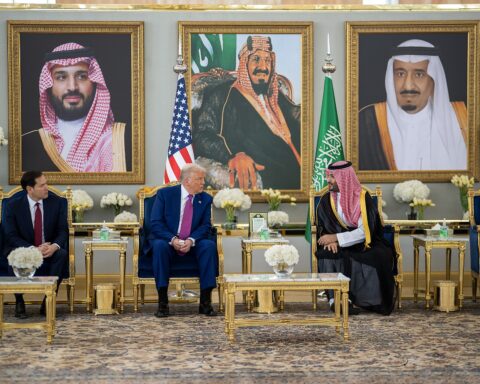
RIYADH — Marco Rubio told Fox News on Monday that Iran’s revised nuclear proposal was “better than what we thought they were going to submit,” and within hours the White House rejected it. The sequence opens the most dangerous diplomatic window Saudi Arabia has faced since the JCPOA talks of 2015 — when a nuclear deal was sealed over Riyadh’s explicit objections and its consequences landed on Gulf shores for a decade. The gap between “better than expected” and “rejected” is precisely the space in which a framework can solidify that addresses Washington’s nuclear concerns while leaving Saudi Arabia’s 30-percent production collapse, its shattered Eastern Province infrastructure, and the 96.4-percent closure of the Strait of Hormuz as problems for a later phase that never arrives.
Iran’s three-phase proposal — transmitted through Pakistan on April 25–27 and structured so that a full ceasefire comes first, Hormuz “management and security” second, and nuclear talks third — is not a refusal to negotiate. It is a sequencing strategy designed to lock in a cessation of hostilities and extract binding guarantees against renewed strikes on Iran and Lebanon before the enrichment question is even opened. For Saudi Arabia, whose March output of 7.25 million barrels per day requires oil at $115 a barrel to break even against a Goldman Sachs Q4 forecast of $90, every day that Hormuz reopening is deferred to Phase 2 is a day the kingdom bleeds revenue it cannot recover. MBS convened the first in-person GCC leaders’ summit since the war began — the so-called “Decisiveness Summit” in Jeddah on April 28 — on the same day Trump’s rejection landed, and the communiqué’s language (“any attack on one is an attack on all”) suggests Riyadh understands that Washington’s timeline and its own are diverging.
Table of Contents
- The Rubio Gap: “Better Than Expected” for Whom?
- How Does Iran’s Three-Phase Proposal Trap Saudi Arabia?
- The JCPOA Pattern: Has Saudi Arabia Been Here Before?
- What Did the Decisiveness Summit Actually Decide?
- What Does Goldman’s “Sloppy Peace” Mean for Saudi Fiscal Survival?
- Pakistan: Mediator or Saudi Instrument?
- Can Araghchi Deliver What He Filed?
- The CFR Framework Saudi Arabia Must Preempt
- How Many Days Does Riyadh Have?
- FAQ
The Rubio Gap: “Better Than Expected” for Whom?
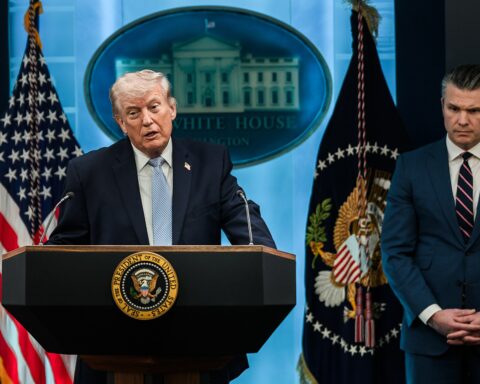
Rubio’s Fox News appearance on April 28 was a masterclass in diplomatic contradiction — the kind that only matters if you are the country whose oil infrastructure is on fire. He called the Iranian proposal “better than what we thought they were going to submit,” immediately qualified that any deal must “definitively prevent Iran from obtaining nuclear weapons,” and then, in the same breath, questioned whether the Iranian foreign minister who submitted the proposal “had the authority to submit that offer.” An unnamed US official told CNN the same day that Trump “doesn’t love the proposal” because it defers nuclear provisions to Phase 3 — a rejection that was simultaneously principled (nuclear is non-negotiable) and tactical (it leaves room for a counter-offer that restructures sequencing without addressing Hormuz timelines at all).
Vice President Vance reinforced the authorization-ceiling argument, expressing frustration that the Supreme Leader — “who ran the country” — had not participated in negotiations. This is a real structural problem, as Pezeshkian’s own public accusation that Vahidi and Abdollahi at Khatam al-Anbiya wrecked the prior ceasefire mandate confirms. But it is also a framing that serves Washington’s interests more than Riyadh’s: if the proposal lacks Iranian internal authorization, then it can be rejected without consequences, and the status quo — in which Saudi Arabia loses $25 per barrel against break-even every day Hormuz remains effectively closed — continues as background noise to a negotiation focused on centrifuges.
The gap matters because Rubio also called Iran’s Hormuz terms “extortion” in a separate statement — a word that suggests Washington sees Hormuz as a subsidiary concern, a coercive tactic by Tehran rather than a structural economic crisis for the Gulf. For Saudi Arabia, which lost 3.15 million barrels per day of production capacity in a single month, “extortion” is an odd description of the mechanism that is systematically draining the kingdom’s reserves.
How Does Iran’s Three-Phase Proposal Trap Saudi Arabia?
Iran’s three-phase structure is the product of Araghchi’s third Islamabad draft, transmitted through Pakistan’s foreign ministry between April 25 and 27 after two prior versions failed — the first rejected by IRGC hardliners who demanded Zolghadr on the delegation, the second collapsed when Iran formally rejected the US deadline and the IRGC command structure fractured. The new draft unbundles what the prior versions had combined: Phase 1 is a full cessation of hostilities with binding guarantees against renewed strikes on Iran and Lebanon, Phase 2 addresses Hormuz “management and security,” and Phase 3 opens nuclear talks. The nuclear file is not refused — it is ring-fenced behind two phases that Iran controls the pace of, and each phase becomes a precondition for the next.
The Middle East briefing 3,000+ readers start their day with.
One email. Every weekday morning. Free.
The trap for Saudi Arabia is architectural. Phase 1 requires the United States to lift its naval blockade of Iranian ports (imposed April 13) as part of the cessation of hostilities — a concession Washington might accept because the blockade is expensive to maintain and domestically unpopular. Phase 2 then opens a negotiation over Hormuz in which Iran enters from a position of restored sovereignty, the IRGC retains its infrastructure of control (mines, patrol boats, the Larak Island corridor), and the discussion becomes one of “management” rather than unconditional reopening. Iran’s 10-point plan, Point 7, already demanded IRGC “coordination” over Hormuz as a treaty requirement — the three-phase structure simply buries that demand inside a sequence that looks reasonable from Washington’s vantage point because the nuclear file, which is what Washington cares about, sits at the end of it.
Saudi Arabia’s core economic interests — unconditional Hormuz reopening, mine clearance, restoration of pre-war maritime conditions — do not appear in any phase as binding requirements. They are subsumed into Phase 2’s deliberately vague language of “management and security,” a formulation that could mean anything from full international freedom of navigation to an Iranian toll architecture with IRGC “coordination” layered on top. The speed with which Araghchi filed this third draft — 48 hours from conception to transmission — suggests Tehran understands the window is narrow and is racing to establish its sequencing as the default before Saudi Arabia or the GCC can propose an alternative.
The JCPOA Pattern: Has Saudi Arabia Been Here Before?
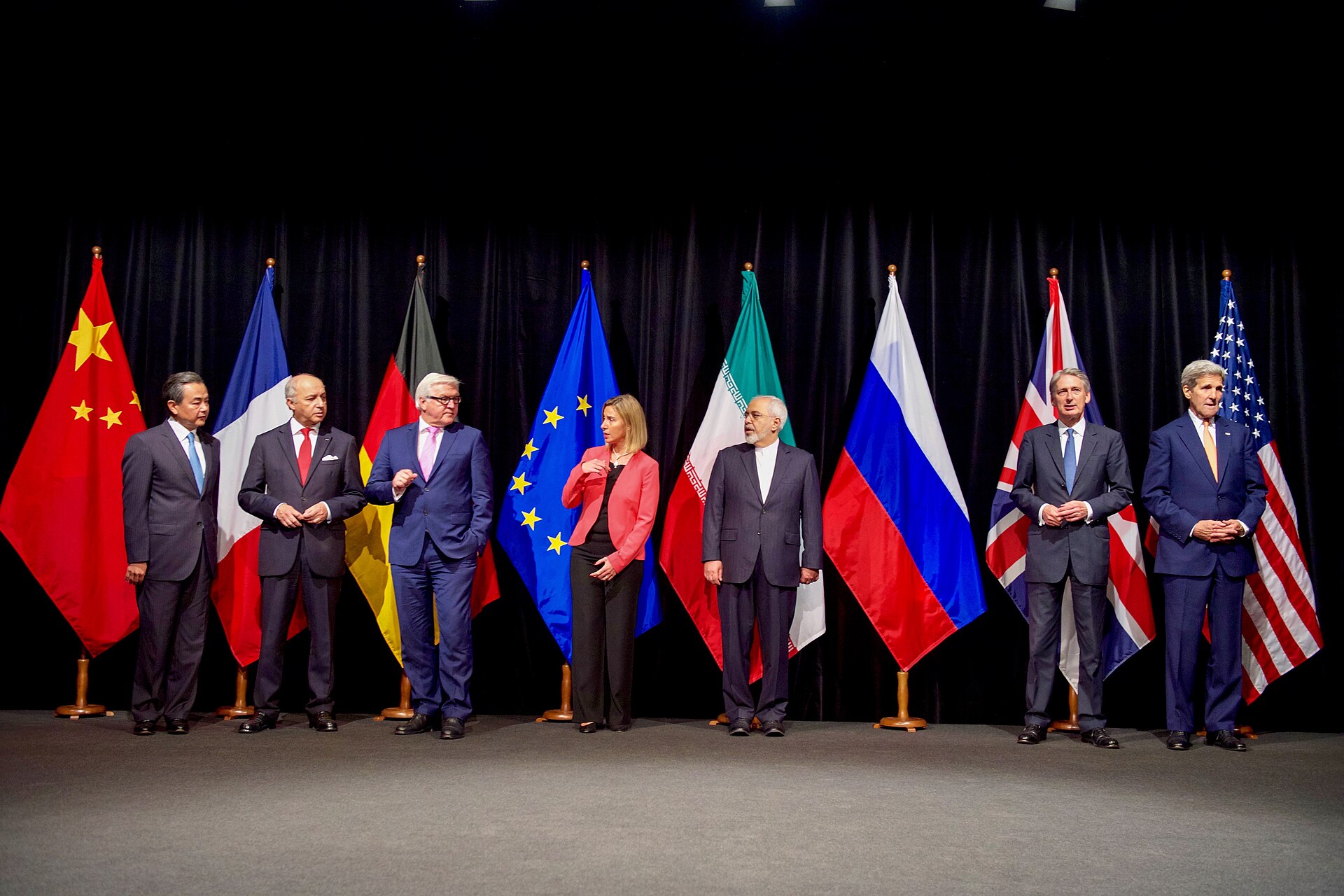
In 2014 and 2015, Saudi Arabia and the UAE demanded direct inclusion in the P5+1 negotiations that produced the JCPOA. Iran rejected GCC participation outright, and the five permanent Security Council members plus Germany did not push back — not because they agreed with Iran’s objection, but because adding parties to an already fragile negotiation was easier to defer than to fight for. Oman had facilitated the secret US-Iran back-channel that preceded the formal talks, and the other GCC states were not informed until after the dialogue was revealed, leaving them, as one Gulf International Forum analysis put it, “understandably stunned.” The pattern is structural, not personal: when Washington’s priority is a nuclear agreement and a Gulf state’s priority is regional security architecture, the nuclear agreement wins because it is measurable, verifiable, and generates a signing ceremony.
Obama’s Camp David summit of May 2015 was the compensatory gesture — and its emptiness is the precedent MBS should be studying most carefully. The summit produced a joint statement, no treaty commitments, and no mechanism by which GCC concerns could amend or condition the JCPOA text. King Salman sent Crown Prince Mohammed bin Nayef in his place, a deliberate rebuke that Saudi state media did not attempt to soften and that the Obama administration chose to interpret as a scheduling conflict. Saudi demands — IRGC operational constraints, proxy financing caps, missile limitations, Hormuz naval deployment restrictions — appeared nowhere in the final JCPOA text. When sanctions relief flowed, it funded continued Houthi arms shipments, IRGC expansion across Iraq and Syria, and the very proxy infrastructure that contributed to the war Saudi Arabia is now fighting.
The structural parallel to April 2026 is exact. Washington’s stated priority is preventing Iranian nuclear capability — Rubio’s “core issue.” Iran’s proposal defers nuclear to Phase 3, which Washington rejects, meaning the counter-offer will restructure sequencing to bring nuclear forward. In that restructuring, Hormuz — which is Saudi Arabia’s existential economic concern — gets pushed backward or bundled into vague language about “confidence-building measures.” The GCC is not a party to the Pakistan-mediated talks, has no veto over the framework, and its only formal multilateral mechanism (a UN Security Council resolution on Hormuz) was vetoed by Russia and China. The Presidential Statement that replaced it recognizes the GCC mediation role but carries no binding authority.
What Did the Decisiveness Summit Actually Decide?
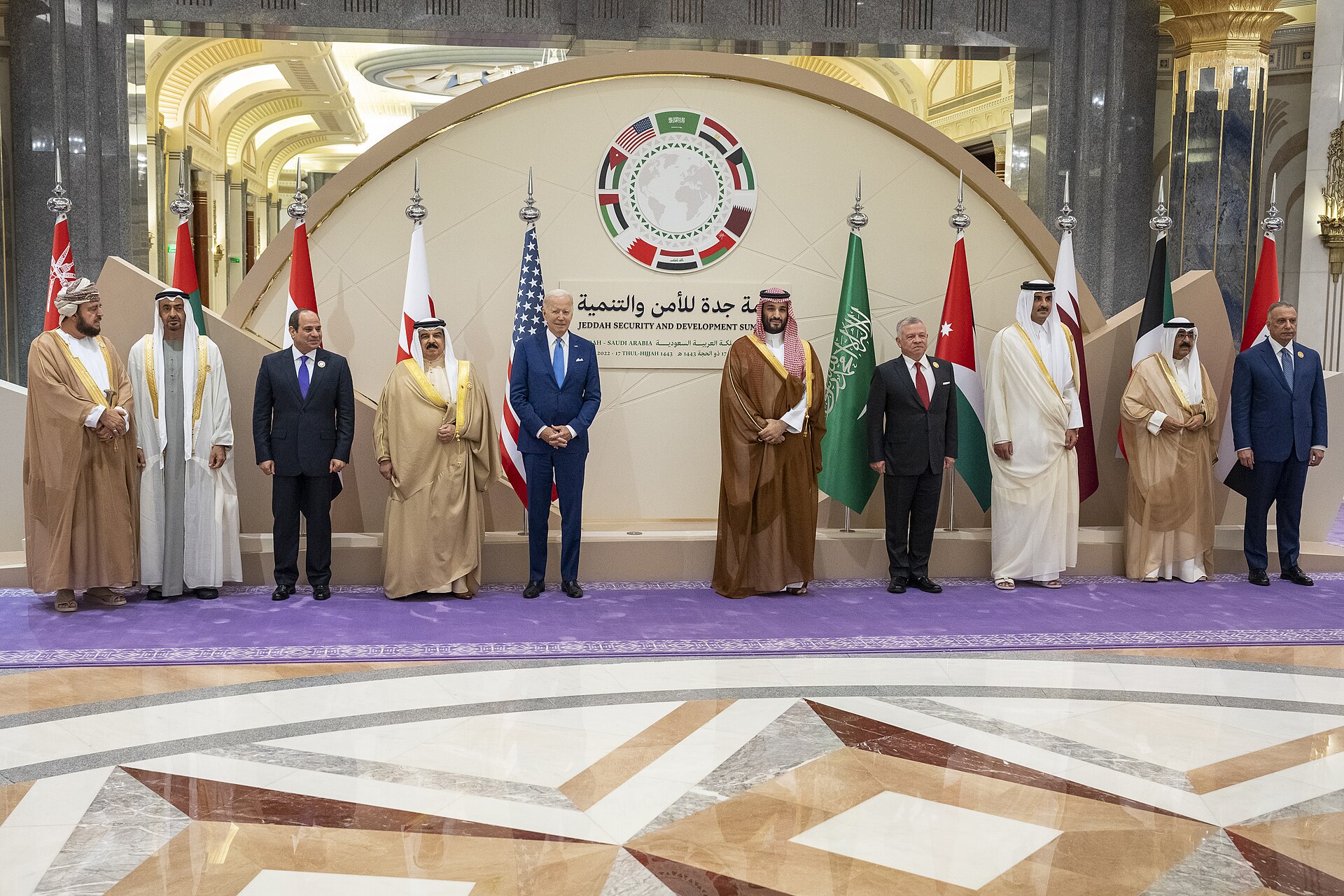
The GCC’s Jeddah summit on April 28 — branded the “Decisiveness Summit” and convened as the first in-person gathering of Gulf leaders since the war began on February 28 — produced language that was simultaneously aggressive in tone and careful in mechanism. The headline formulation, “our security is a red line; any attack on one is an attack on all,” echoes NATO’s Article 5 without the treaty infrastructure to enforce it, and the communiqué “categorically rejected Iranian attempts to impose fees or close the Strait of Hormuz, demanding a return to maritime conditions as they were before last February’s crisis” — a position that is incompatible with Iran’s Phase 2 “management and security” formulation and that no one outside the GCC has endorsed.
The operational decisions were more revealing than the rhetoric. GCC Secretary General Jasem Al Budaiwi called for “accelerated” completion of a joint missile warning system, leaders issued “urgent execution” directives on the Unified Gulf Railway and cross-border oil and gas pipelines, and the summit decided to “immediately begin establishing a Gulf Strategic Reserve for commodities and fuel.” These are not diplomatic signals — they are infrastructure decisions that assume Hormuz will not return to pre-war conditions regardless of what is negotiated in Islamabad, a hedging posture that contradicts the communiqué’s demand for full restoration of maritime freedom.
Qatar’s contribution was characteristically calibrated. Sheikh Tamim called for “the unified Gulf stance” on social media, while Qatar’s foreign ministry spokesperson Majed al-Ansari delivered the more substantive line: “We do not want to see a return to hostilities in the region anytime soon. We do not want to see a frozen conflict that ends up being thawed every time there is a political reason.” That last phrase — “every time there is a political reason” — is a direct description of Goldman Sachs’s “sloppy peace” scenario, and al-Ansari’s framing suggests at least one GCC foreign ministry understands the structural risk even if the summit communiqué did not name it.
What Does Goldman’s “Sloppy Peace” Mean for Saudi Fiscal Survival?
Jared Cohen, co-head of the Goldman Sachs Global Institute and president of global affairs at the firm, gave the definitive framing in a Fortune interview published April 25: “My guess is the North Star on this, and where it goes is: you go from a sloppy ceasefire to a strong, enduring ceasefire and a sloppy peace. And a sloppy peace is basically a bunch of half solutions on all the big issues.” He defined what that looks like in practice — “oil tankers transiting Hormuz freely, but Iran retains the ability to close it again at any time for any reason” — and added the structural conclusion that should be pinned to every wall in the Saudi finance ministry: “Unless Iran’s regime collapses, the Strait of Hormuz will never be open like it was before the war.”
The fiscal arithmetic is unforgiving. Saudi production collapsed from 10.4 million barrels per day in February to 7.25 million in March — a 30-percent drop that the IEA called the “largest disruption on record.” At 7.25 million bpd, Saudi Arabia needs oil at $115 per barrel to meet its fiscal break-even, a figure that incorporates the Public Investment Fund’s spending commitments and the war-adjusted deficit that Goldman estimates at 6.6 percent of GDP (roughly $80–90 billion) against the official projection of 3.3 percent ($44 billion). Goldman’s Q4 2026 Brent forecast is $90 — a $25-per-barrel gap that compounds daily. SAMA reserves stand at approximately $475 billion, but at a drawdown rate of $50–60 billion per year under war conditions, the ratings-agency floor of roughly $350 billion is reached by 2028.
| Metric | Pre-War (Feb 2026) | Current (March 2026) | Gap |
|---|---|---|---|
| Saudi production (bpd) | 10.4M | 7.25M | -3.15M (30%) |
| Fiscal break-even ($/bbl) | ~$96 | ~$115 | +$19 |
| Brent forecast Q4 2026 (Goldman) | — | $90 | -$25 vs break-even |
| War-adjusted deficit (% GDP) | 3.3% (official) | 6.6% (Goldman) | ~$40-46B additional |
| SAMA reserves | ~$490B | ~$475B | Ratings floor by 2028 |
| Hormuz transits (post-ceasefire) | ~1,250/month baseline | ~45 total since April 8 | 3.6% of pre-war |
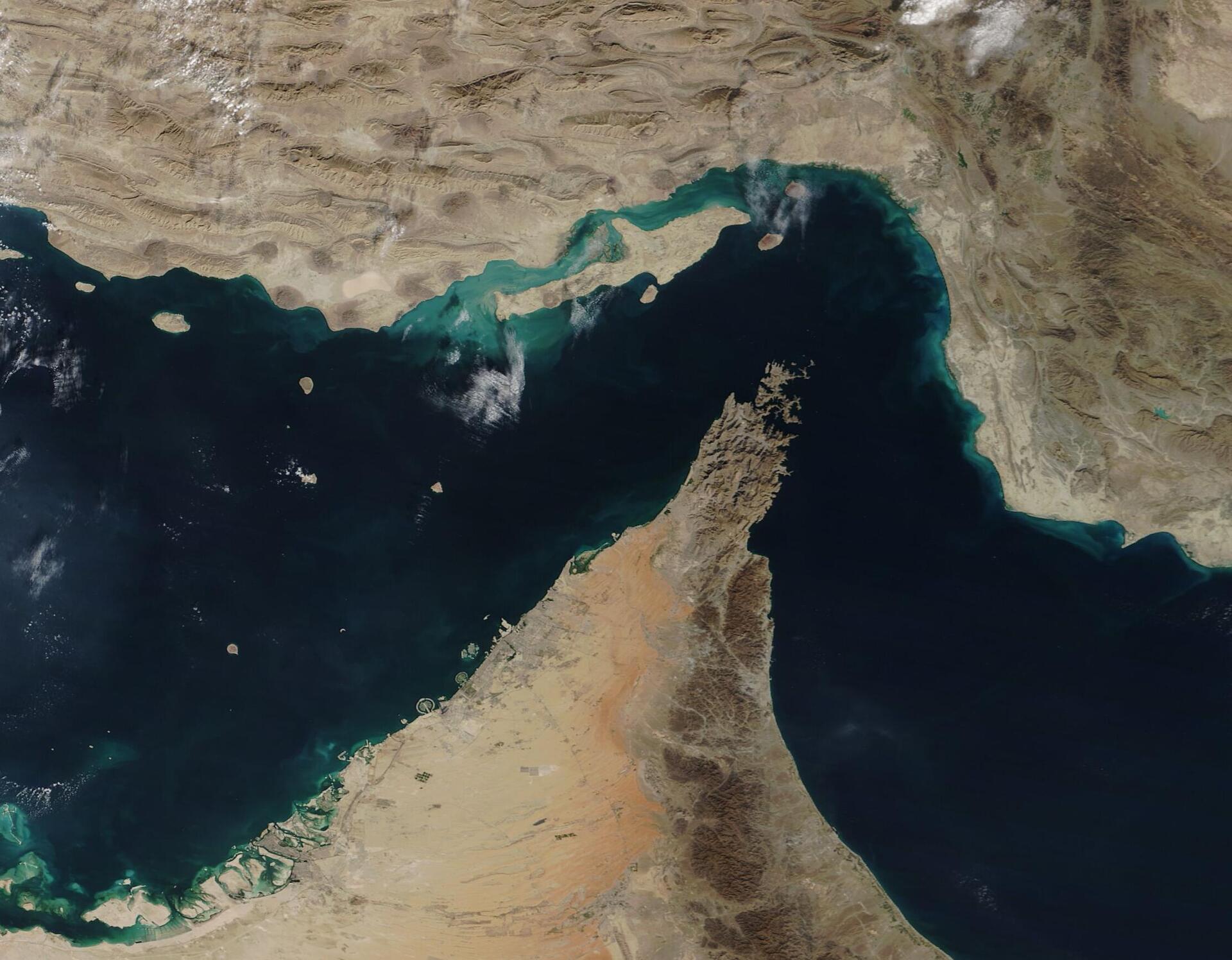
A “sloppy peace” in which Hormuz is nominally open but Iran retains closure capability means insurance premiums stay elevated, shipping routes remain diverted through Yanbu (which has a ceiling of 4–5.9 million bpd against a pre-war Hormuz throughput of 7–7.5 million), and Saudi Arabia’s structural export gap of 1.1–1.6 million bpd persists as a permanent feature rather than a wartime emergency. Cohen’s description of the current standoff as “maritime trench warfare” — both sides employing economic coercion, each betting the other will break first — is accurate, but it misses the asymmetry: the United States can sustain a naval blockade indefinitely at manageable cost, while Saudi Arabia’s reserves have a visible expiration date.
Pakistan: Mediator or Saudi Instrument?
Pakistan is the sole mediator in the Islamabad framework, and Saudi Arabia has spent $3 billion in the past two weeks to ensure that mediation does not produce a deal structurally hostile to Gulf interests. The payment — three tranches of $1 billion each, completed between April 15 and 21 — was delivered against a backdrop of Pakistani financial distress that includes a $3.5 billion UAE loan Islamabad failed to repay and a $5.5 billion Saudi deposit that functions as standing collateral. Pakistan’s army chief, General Munir, visited Khatam al-Anbiya headquarters (the IRGC construction and engineering command run by Abdollahi) on April 16 — one day after the first Saudi tranche landed — in what amounts to an enforcement architecture that runs directly through the IRGC command structure Pezeshkian publicly accused of wrecking the prior ceasefire mandate.
The Saudi-Pakistan-Turkey-Egypt quadrilateral, which held its third high-level meeting at the Antalya Diplomacy Forum on April 17–19, gives Saudi Foreign Minister Prince Faisal a structural seat inside the only diplomatic framework Pakistan is operating through. Faisal attended alongside his Pakistani, Turkish, and Egyptian counterparts — no substantive public statement on Iran’s proposal emerged, which in diplomatic terms means the discussion was about red lines rather than endorsements. Saudi Arabia does not need Pakistan to advocate for it openly; it needs Pakistan to ensure that no framework solidifies without Saudi conditions having been presented, considered, and either incorporated or visibly rejected (which creates its own political cost for Washington).
The financial dependency is not subtle, and Tehran understands it. Araghchi called Faisal on April 27 — mid-flight from Muscat to Islamabad, before the three-phase proposal was publicly disclosed or transmitted to Washington — in what amounts to a briefing of the kingdom before the mediator’s patron saw the text. The Saudi readout was deliberately empty: “exchange of views on latest developments in West Asia and ongoing diplomatic efforts.” No endorsement, no rejection, no substance. That silence is itself a form of pressure — Riyadh is keeping its options open while ensuring that its parallel Hormuz diplomacy track operates outside the Islamabad framework entirely, through channels that Russia and China cannot veto.
Can Araghchi Deliver What He Filed?
The authorization ceiling is the structural feature of Iranian negotiations that neither Washington nor the GCC can engineer around, and every piece of evidence from the past 60 days confirms it is real and getting worse. Rubio questioned whether Araghchi “had the authority to submit that offer.” Vance noted the Supreme Leader’s absence. Pezeshkian himself — in the most extraordinary public statement by an Iranian president in years — named Vahidi and Abdollahi as the officials who deviated from the delegation’s mandate and wrecked the prior ceasefire effort, an accusation that under Article 110 of the Iranian constitution he has no power to act on because the president has zero authority over the IRGC.
Tasnim News Agency, the IRGC-aligned outlet that functions as the Revolutionary Guards’ unofficial wire service, insisted on April 28 that the Strait of Hormuz would “not return to pre-war levels of travel” and framed the Araghchi proposal as “an effort to sow discord within Iran” — language that directly contradicts the Iranian foreign ministry’s claim that “Mr Araghchi is acting entirely within the framework of the specified red lines.” The Artesh spokesperson, Brigadier General Akraminia, told Tasnim the same day that “a ceasefire does not make much difference to wartime conditions” — a statement that is either insubordinate or reflects the actual military posture that no diplomatic text will alter. Khamenei has been absent for over 60 days, Mojtaba communicates only by audio, and the IRGC Navy — whose commander Tangsiri was killed on March 30 with no named successor — operates under a “full authority” declaration that requires Khamenei’s ratification to override.
For Saudi Arabia, the authorization ceiling is both a risk and an opportunity. The risk is that any deal Araghchi signs cannot be enforced against the IRGC commanders who control Hormuz in practice. The opportunity is that Washington’s own skepticism about Iranian internal authorization — Rubio’s “I’m not sure you can reach a deal with these guys” — creates space for Saudi Arabia to argue that a phased framework is meaningless without enforcement mechanisms, and that enforcement mechanisms require Gulf participation in the deal structure. That argument is stronger now than it was a week ago, because the Decisiveness Summit’s communiqué explicitly rejected Iran’s Phase 2 formulation — creating a documented GCC position that Washington would have to visibly override to accept Iran’s sequencing.
The CFR Framework Saudi Arabia Must Preempt
The Council on Foreign Relations published an article titled “An ‘Open for Open’ Hormuz Deal Could Break the Iran Stalemate” — authored by Max Boot, the Jeane J. Kirkpatrick Senior Fellow for National Security Studies — that proposes decoupling the mutual blockades from the broader nuclear and security negotiation. Under Boot’s formula, both sides simultaneously end their respective blockades as a standalone confidence-building step, leaving nuclear talks to a separate track. The framework maps almost exactly onto what Iran’s Phase 1 and Phase 2 structure is attempting, with one critical difference: Boot’s version makes the blockade lifts simultaneous rather than sequential, which removes Iran’s ability to pocket Phase 1 concessions before opening Phase 2.
The problem for Saudi Arabia is not Boot’s specific proposal but the intellectual infrastructure it represents. “Open for open” is elegant, symmetrical, and entirely focused on the US-Iran bilateral relationship — the phrase appears nowhere in the article alongside the words “Saudi Arabia,” “GCC,” or “Gulf states” as parties whose conditions must be incorporated. It is the kind of framework that Washington think tanks produce and Washington policymakers adopt because it solves the problem as Washington defines it (mutual blockades creating a stalemate) without incorporating the problem as Riyadh defines it (a production collapse, a structural export gap, and mine-infested waters that will take six months to clear even after a deal is signed). If the “open for open” framing becomes the default in Washington’s policy conversation — and CFR’s institutional weight makes that plausible — Saudi Arabia will find itself in the same position it occupied in 2015: objecting to a framework that has already been intellectually ratified by the people who write the options memos.
Riyadh’s counter must be specific and pre-emptive. The Decisiveness Summit’s demand for “a return to maritime conditions as they were before last February’s crisis” is a starting position, but it needs to be operationalized: mine clearance timelines with international verification, the decommissioning of the Larak Island corridor, insurance underwriter certification of safe passage, and a mechanism by which Hormuz reopening is concurrent with — not subsequent to — the ceasefire, removing Iran’s ability to sequence its way to permanent “management” authority over the strait. None of this appears in any proposal currently on the table, which is precisely the problem.
How Many Days Does Riyadh Have?
The window is defined by three converging timelines. First, Trump’s rejection of the three-phase proposal will generate a US counter-offer — likely within days, given the pace of the Islamabad channel — and that counter-offer will restructure nuclear sequencing without necessarily restructuring Hormuz timelines. Second, the Hajj arrival window opened on April 18 and the cordon is sealed, meaning Saudi Arabia’s military and diplomatic bandwidth is divided between managing 1.2–1.5 million pilgrims under wartime PAC-3 coverage and shaping a deal framework. Third, Goldman’s “maritime trench warfare” description implies that both sides are operating under a theory that the other will break first — and Saudi Arabia’s fiscal clock is more visible than Iran’s.
Prince Faisal’s eight-capital phone blitz on April 26 — calls to Araghchi, the Afghan foreign minister, Bahrain, and Qatar in a single day, plus Iraq, Jordan, Turkey, and Spain — is the behavioral evidence that Riyadh understands the urgency. Araghchi briefed Faisal on the three-phase proposal before Washington saw it, which means Saudi Arabia had at least 24 hours of advance knowledge and chose to use that time to convene the Decisiveness Summit rather than issue a public position. The silence is strategic: Riyadh is building coalition depth (the GCC communiqué, the quad framework, the French and British alignment documented at Antalya) before deploying it against a specific text.
But coalition depth is worthless if it arrives after the framework locks. The JCPOA precedent is not that Saudi Arabia lacked allies — France was sympathetic, Britain was cautious, even Russia initially signaled willingness to discuss regional security architecture — but that those allies’ sympathy did not translate into structural conditions in the final text because the text was written to solve the nuclear problem and nothing else. Prince Faisal’s diplomatic blitz, the $3 billion to Pakistan, the Decisiveness Summit communiqué, the quad mechanism — these are the components of a strategy that can work, but only if they converge on a specific, operationalized set of conditions inserted into the next round of the Islamabad framework before the US counter-offer defines the negotiating space. Days, not weeks. The kingdom has been here before, and last time it arrived too late.
“A sloppy peace is basically a bunch of half solutions on all the big issues.”
Jared Cohen, Goldman Sachs Global Institute, Fortune, April 25, 2026
FAQ
What exactly did Iran’s three-phase proposal contain that Rubio called “better than expected”?
Araghchi’s third Islamabad draft, transmitted through Pakistan between April 25 and 27, structured a full ceasefire with binding no-strike guarantees as Phase 1, Hormuz “management and security” as Phase 2, and nuclear negotiations as Phase 3. Rubio’s “better than expected” comment referred specifically to the nuclear dimension — that Iran did not refuse to discuss its nuclear program entirely, as Washington had feared, but instead ring-fenced it to Phase 3 with an indication that enrichment levels and quantities were “negotiable” even if the right to enrich was not. The proposal also included a demand for binding guarantees covering Lebanon, which had not appeared in the prior two Islamabad drafts and which extends Iran’s Phase 1 conditions beyond the bilateral US-Iran war.
Why can’t Saudi Arabia simply join the Islamabad negotiations directly?
The Islamabad framework is mediated by Pakistan under a structure that Iran agreed to specifically because it excluded direct Gulf participation — the same structural veto Iran exercised against GCC inclusion in the P5+1 JCPOA talks. Saudi Arabia’s only formal multilateral path to the table, a UN Security Council resolution on Hormuz, was blocked by Russian and Chinese vetoes; the Presidential Statement that replaced it recognizes a GCC mediation role but carries no binding authority. Riyadh’s alternative is indirect: financial pressure on Pakistan ($3 billion in April alone, plus the $5.5 billion deposit), the quad mechanism with Turkey and Egypt that gives Prince Faisal a seat inside Pakistan’s diplomatic orbit, and bilateral channels to Araghchi that ensure Saudi positions are communicated even if they cannot be formally tabled. The risk is that indirect influence is exactly what Saudi Arabia had in 2015, and it produced zero conditions in the final JCPOA text.
What is the US-Saudi 123 Agreement and how does it relate to the Iran nuclear proposal?
The US-Saudi 123 Agreement is a draft civil nuclear cooperation pact under Section 123 of the US Atomic Energy Act. Unlike the “gold standard” 123 agreement with the UAE (which explicitly prohibits enrichment and reprocessing on Emirati soil), the Saudi draft does not contain a blanket prohibition on Saudi enrichment — an asymmetry that becomes politically explosive if Washington simultaneously pressures Iran to accept a 20-year enrichment moratorium. If a deal emerges that caps Iranian enrichment while leaving the Saudi program unconstrained, MBS has a window to demand that the asymmetry be formalized as a structural feature of the regional nuclear order rather than an oversight — but that window closes the moment a framework is signed that does not reference it. The argument for why the war has permanently altered the political conditions under which Congress must evaluate that asymmetry is made in full in Iran Lost Its Nuclear Programme. Saudi Arabia Is About to Get One.
How long can Saudi Arabia sustain the current production shortfall without a deal?
The cumulative supply shortfall since effective Hormuz closure has reached approximately 700 million barrels — a figure that does not appear on any single balance sheet but represents the aggregated economic damage to Gulf exporters since February 28. IEA Executive Director Fatih Birol has called the 13 million bpd offline across the region “the biggest energy security threat in history.” The fiscal arithmetic is in the table above: at Goldman’s Q4 Brent forecast of $90, Saudi Arabia is bleeding approximately $180 million per day against its war-adjusted break-even. At that rate, the kingdom does not run out of reserves — it runs out of political tolerance for a stalemate before reserves formally hit the ratings floor.
What would a successful Saudi intervention in the deal framework look like?
The Decisiveness Summit communiqué’s demand for “a return to maritime conditions as they were before last February’s crisis” would need to be operationalized as specific, binding conditions: internationally supervised mine clearance with a fixed timeline (the 1991 Kuwait benchmark suggests 51 days for 200 square miles, but only two Avenger-class MCM ships remain in theater after four were decommissioned from Bahrain in September 2025), decommissioning of the IRGC’s Larak Island corridor, insurance underwriter certification of safe passage before “reopening” is declared, and a mechanism tying Hormuz restoration to Phase 1 rather than Phase 2 — making it concurrent with the ceasefire rather than a separate negotiation Iran can defer indefinitely. The GCC’s call for an immediate “Gulf Strategic Reserve for commodities and fuel” suggests Riyadh is already hedging against the possibility that none of these conditions will be met.