{“content”: “
JEDDAH u2014 The UAE quit OPEC on the morning of April 28, effective May 1, without consulting Saudi Arabia u2014 and then sent its foreign minister, not its president, to the GCC emergency summit Mohammed bin Salman had convened in Jeddah the same day to project wartime unity. The sequencing was not an accident. It was an argument, delivered in the grammar of Gulf protocol, that the alliance Saudi Arabia is trying to hold together during the Iran war is fracturing along lines the war was supposed to seal. That fracture has been actively cultivated: Iran’s deliberate strategy to fracture Saudi-Emirati solidarity operated not through direct threats to Abu Dhabi but through weaponised disclosures designed to detonate inside Riyadh’s decision-making apparatus.
n
Energy Minister Suhail Al Mazrouei confirmed to Reuters that no OPEC member was consulted. “This is a policy decision,” he said. “It has been done after a careful look at current and future policies related to level of production.” In OPEC’s nearly 60-year history, major production decisions have always been coordinated with Riyadh first. What Al Mazrouei called a “sovereign national decision” is, in the diplomatic vocabulary of the Gulf, a phrase constructed against the premise of bloc loyalty.
n
Twenty-four hours earlier, Anwar Gargash u2014 the UAE’s diplomatic adviser to the president u2014 stood at Atlantis The Palm in Dubai and delivered what amounted to a public indictment of the GCC. “I expect this weak stance from the Arab League, and I am not surprised by it,” Gargash told the Gulf Creators Forum, “but I haven’t expected it from the Cooperation Council, and I am surprised by it.” Abu Dhabi published its verdict on the collective the day before walking out of one of the collective’s organizing institutions.
The Middle East briefing 3,000+ readers start their day with.
One email. Every weekday morning. Free.
n
n
Table of Contents
n
- n
- The Three-Day Sequence
- Why Did the UAE Leave OPEC?
- The Protocol Signal: Who Showed Up in Jeddah
- Why Did the UAE Secure a Dollar Swap Line Before Exiting?
- Yemen, Sudan, and the Wars Within the Alliance
- Iron Dome on Emirati Soil
- What Does OPEC Look Like Without the UAE?
- Carnegie’s Gulf Rift u2014 Activated
- Frequently Asked Questions
- n
n
n
n
n
n
n
n
n
n
n
n
n
The Three-Day Sequence
n
On April 27, Gargash addressed the Gulf Creators Forum at Atlantis The Palm, delivering what amounted to a public indictment of GCC collective security. He called the council’s wartime response “the weakest historically” and said the UAE faced “a profound crisis of confidence” that would “extend for decades.” The venue u2014 Dubai, a creators’ forum rather than a diplomatic channel u2014 was itself a statement. He was speaking to the public, not to Riyadh.
n
On the morning of April 28, Al Mazrouei made it official. The UAE would leave OPEC and OPEC+ effective May 1. Asked by Reuters whether Riyadh had been consulted, he was precise: “The UAE did not raise the issue with any other country.” In sixty years of OPEC politics, no Gulf state has used the phrase “sovereign national decision” to describe a production decision made without Saudi input.
n
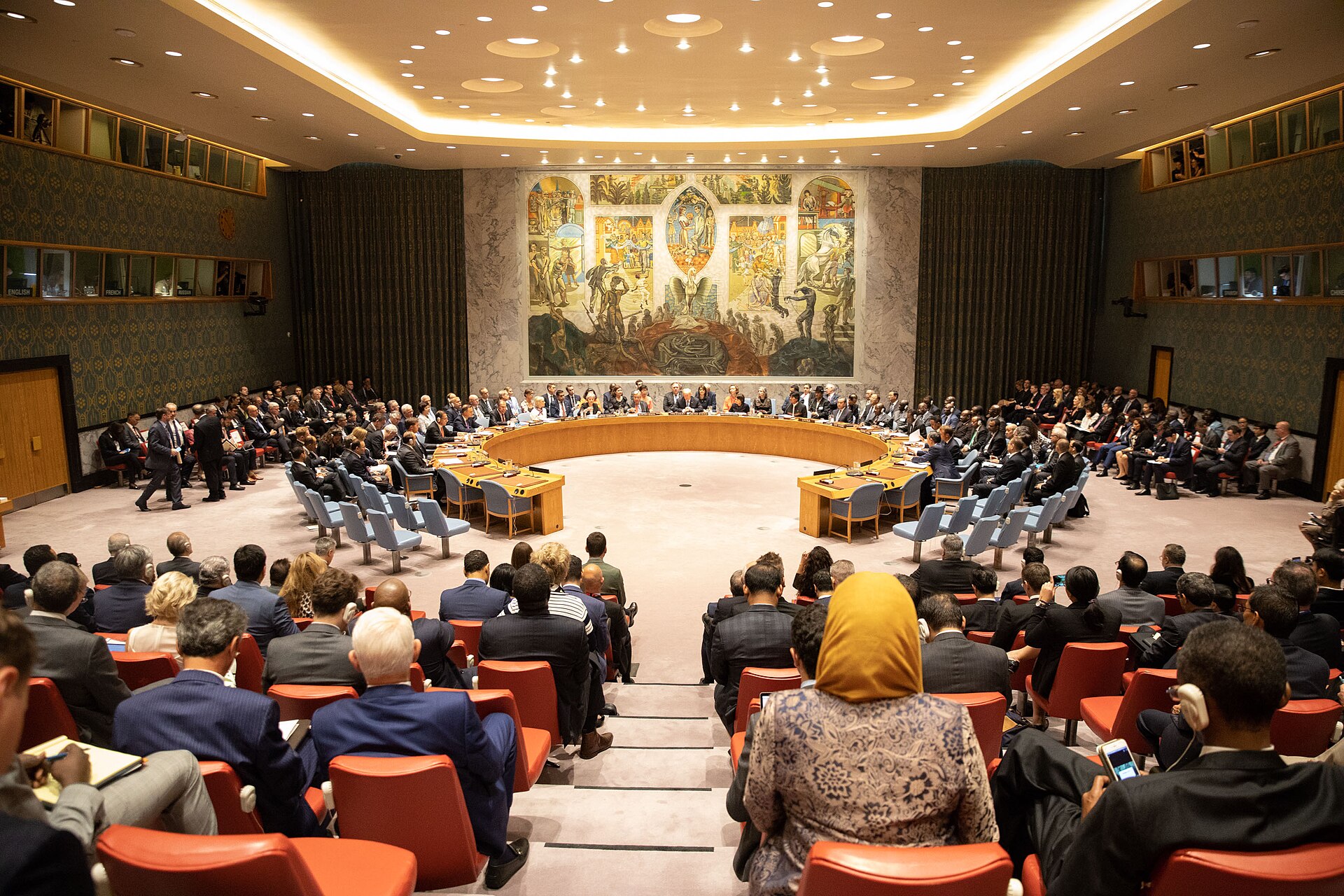
Hours later, the GCC summit opened in Jeddah. MBZ was not in the room. His foreign minister was. The three-day sequence u2014 speech, exit, protocol downgrade u2014 was complete.
n
| Date | Event | Signal |
|---|---|---|
| April 26 | Axios breaks Iron Dome / IDF on UAE soil | Bilateral security alternative made public |
| April 27 | Gargash speech, Gulf Creators Forum, Dubai | GCC “historically weakest” u2014 public indictment |
| April 27 | OPEC+ meeting reaffirms May +206,000 bpd | UAE participates as member for last time |
| April 28 (AM) | UAE OPEC exit announced, effective May 1 | “Sovereign national decision” u2014 no Saudi consultation |
| April 28 (PM) | GCC Consultative Summit, Jeddah | UAE sends FM, not president; others send heads of state |
n
n
Why Did the UAE Leave OPEC?
n
The UAE left OPEC because it had spent $150 billion building production capacity it was not permitted to use. ADNOC’s capacity reached 4.85 million barrels per day by mid-2025, with a target of 5 million by 2027, according to S&P Global. Under OPEC+ quotas, the UAE was producing approximately 3.4 million bpd pre-crisis u2014 operating roughly 30% below what its infrastructure could deliver.
n
This gap has a history. In July 2021, the UAE nearly collapsed OPEC+ negotiations by demanding its production baseline be raised from 3.2 million to 3.8 million bpd. The compromise u2014 3.65 million u2014 satisfied no one in Abu Dhabi. It established the structural logic that produced the 2026 exit: the UAE had been investing beyond its quota ceiling, tolerating the constraint, and accumulating resentment denominated in barrels.
n
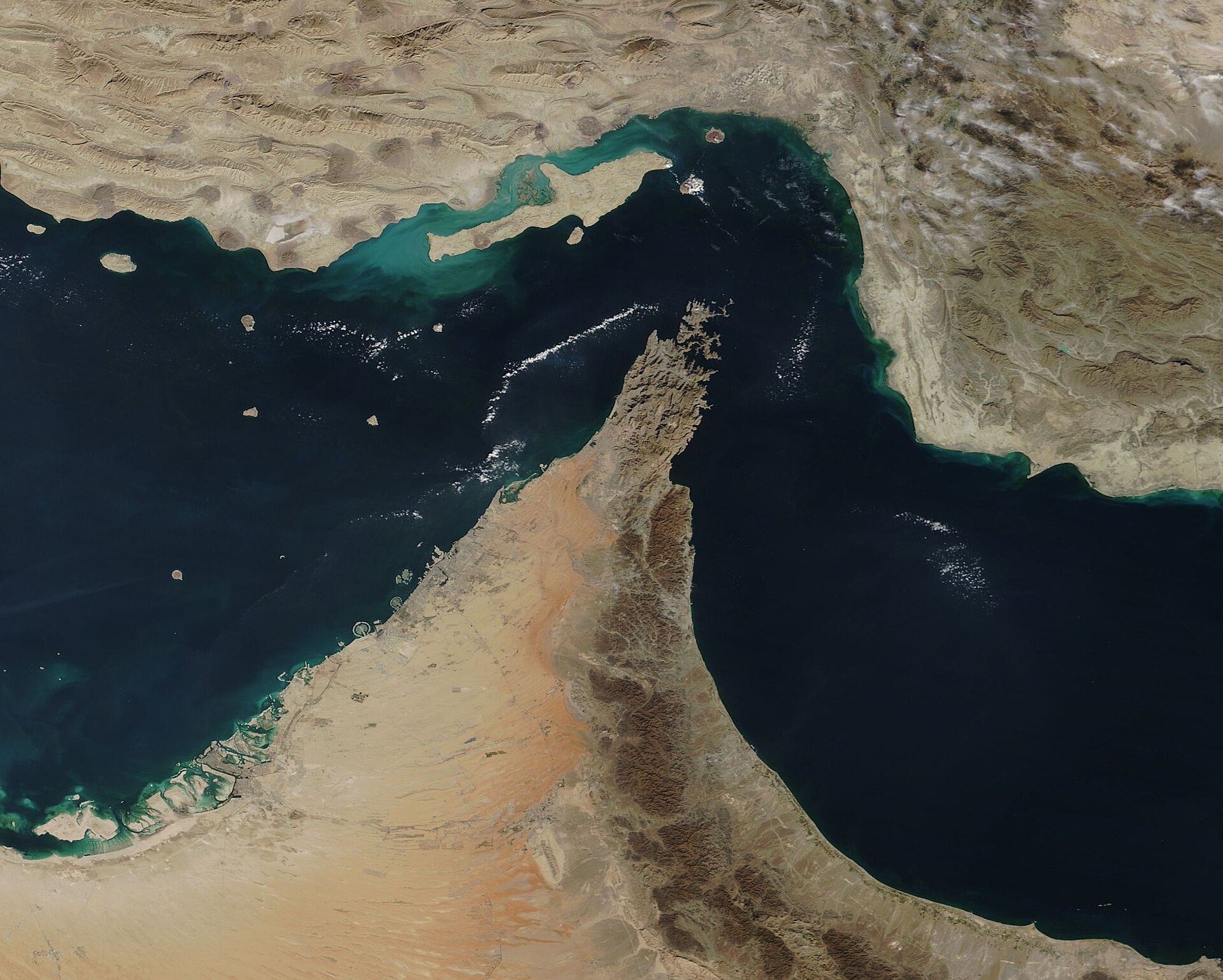
Al Mazrouei’s explanation for the timing was disarmingly direct. “Timing is right because it will not significantly impact the market and the price because the Strait of Hormuz is closed and restricted,” he told CNN’s Becky Anderson. With UAE production already down to approximately 1.9 million bpd during the war u2014 44% below pre-crisis levels, per The National News u2014 the exit removes a constraint the UAE cannot currently exercise. The cost to the market is theoretical. The cost to OPEC is structural.
n
| Metric | Volume (million bpd) | Source |
|---|---|---|
| ADNOC installed capacity (2025) | 4.85 | S&P Global, May 2024 |
| ADNOC target capacity (2027) | 5.00 | ADNOC corporate guidance |
| OPEC+ quota baseline (post-2021) | 3.65 | S&P Global, July 2021 |
| Pre-crisis actual production | ~3.40 | OPEC secondary sources |
| Wartime production (April 2026) | ~1.90 | The National News, April 28 |
| Capacity idled under quota regime | ~1.45 | Calculated (capacity minus pre-crisis) |
n
n
Robin Mills of QamarEnergy noted that quota restrictions had long prevented the UAE from maximizing its output potential. David Oxley of Capital Economics went further: the UAE is “well placed to increase supplies and live with lower oil prices” given its diversified economy. Abu Dhabi’s sovereign wealth funds u2014 ADIA at $1.18 trillion, Mubadala at $358 billion, combined assets over $1.5 trillion u2014 provide a fiscal cushion that most OPEC members lack. The UAE can survive a price war. Most of OPEC cannot.
n
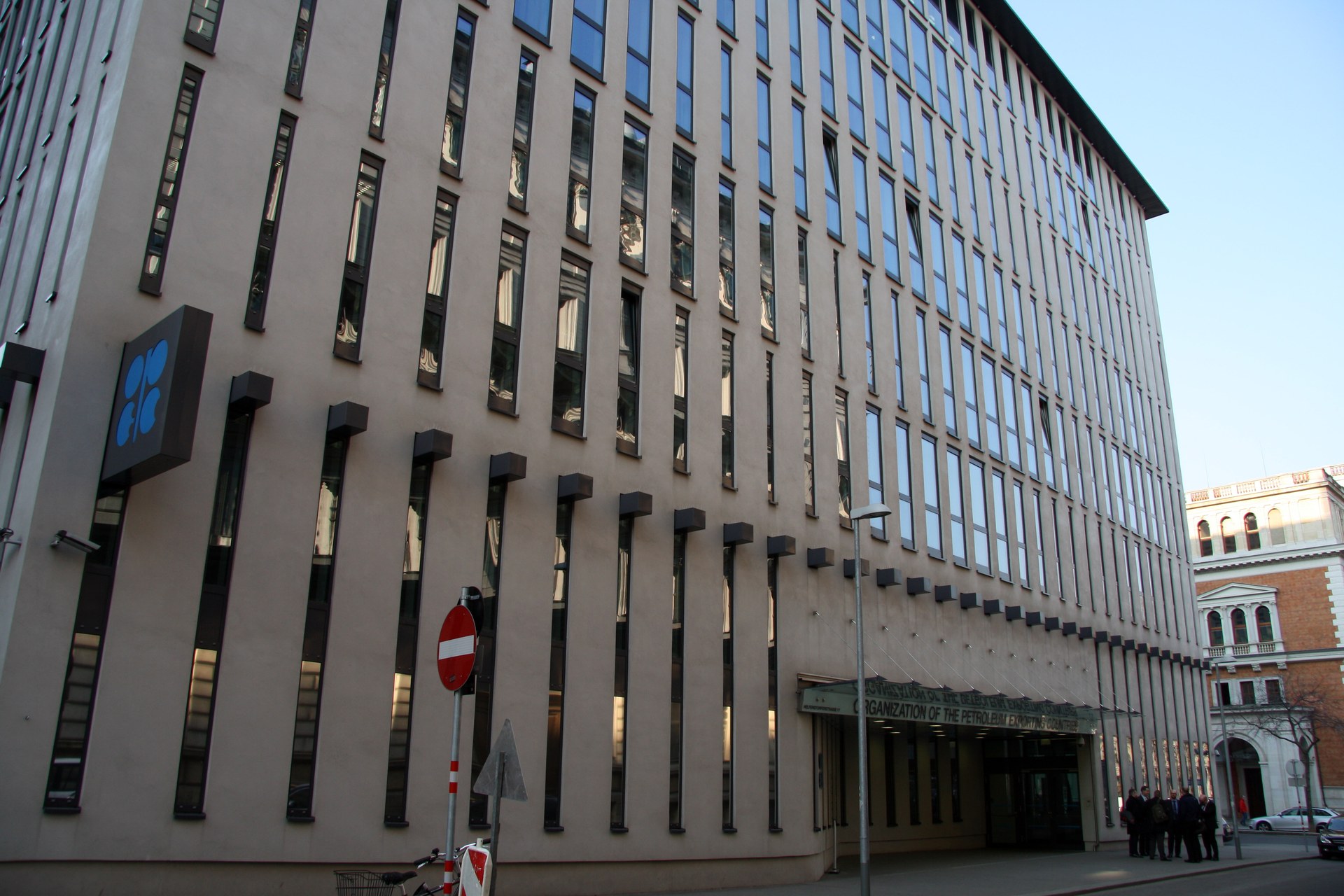
Qatar’s 2019 OPEC exit offers a misleading precedent. Doha was primarily a gas producer; its departure was operationally marginal. Angola left in 2024 with minimal impact. The UAE was OPEC’s third-largest producer behind Saudi Arabia and Iraq. Multiple outlets described the exit as the single biggest defection in the organization’s history u2014 3.2 million bpd of spare capacity removed from OPEC coordination, according to Crux Investor.
n
The Protocol Signal: Who Showed Up in Jeddah
n
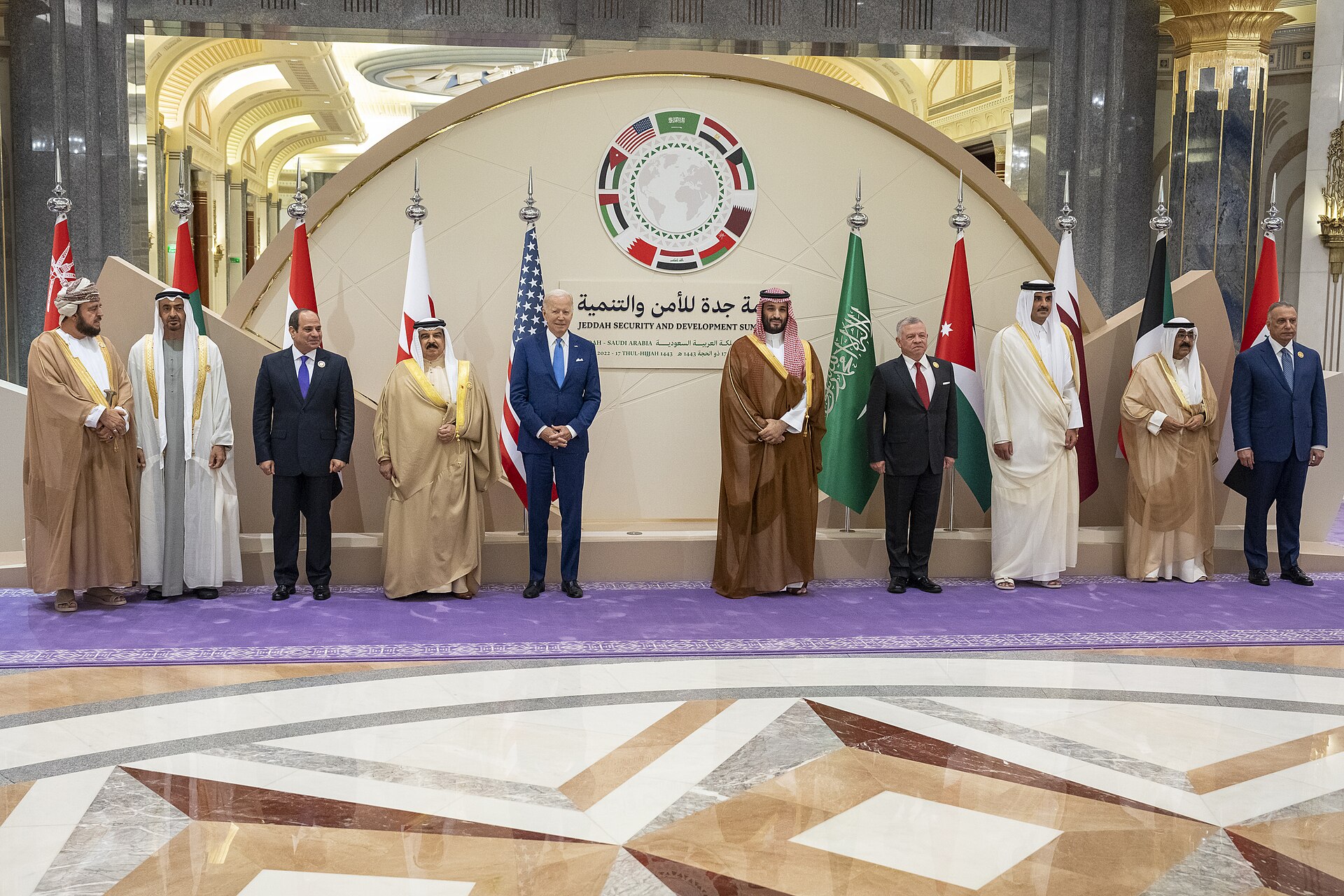
In the Gulf states, who attends a summit is diplomatic language. Attendance rank is not bureaucratic delegation u2014 it is a signal calibrated with the same precision as a production quota or a military overflight. When Mohammed bin Salman convened the GCC Consultative Summit in Jeddah on April 28, the attendance list told a story the communiquu00e9 would not.
n
Qatar’s Emir Sheikh Tamim bin Hamad Al Thani attended in person. Kuwait’s Crown Prince Sheikh Sabah Al Khaled attended in person. Bahrain’s King Hamad bin Isa Al Khalifa attended in person. The UAE sent Foreign Minister Abdullah bin Zayed Al Nahyan “on behalf of” President Mohammed bin Zayed, per the UAE Ministry of Foreign Affairs statement.
n
Abdullah bin Zayed is not a minor figure u2014 he is MBZ’s brother, a senior royal, and the UAE’s chief diplomat. But he is not the head of state. In a system where rulers routinely fly hours for dinners they do not need to attend because presence is the message, sending a foreign minister to a wartime emergency summit convened by the de facto leader of the GCC is a protocol downgrade. It says: we showed up, but not all the way.
n
The timing compounds the signal. Abdullah bin Zayed arrived in Jeddah representing a country that had, hours earlier, announced its departure from the oil cartel his host had led for decades. His presence meant Abu Dhabi could not be accused of boycotting the summit. His rank meant Abu Dhabi could not be accused of endorsing it. When the emir of Qatar u2014 a country Saudi Arabia blockaded from 2017 to 2021 u2014 shows up in person to a Saudi-hosted wartime summit and the UAE president does not, the attendance sheet is the communiquu00e9.
n
n
Why Did the UAE Secure a Dollar Swap Line Before Exiting?
n
In the days before announcing its departure from OPEC, the UAE secured something from Washington that made the exit financially viable. UAE Central Bank Governor Khaled Mohamed Balama negotiated a dollar swap line with Treasury Secretary Scott Bessent during the IMF/World Bank spring meetings, Fortune reported on April 28.
n
The swap line matters because of what it replaced. The UAE had previously signaled u2014 in the kind of background briefing Gulf states use as negotiating leverage u2014 that it might price oil in yuan if dollar liquidity tightened. The Bessent swap line took that threat off the table. Abu Dhabi priced its OPEC membership against its US financial integration and concluded that dollar access was worth more than cartel membership.
n
The sequencing is precise: secure the dollar backstop, announce the OPEC exit, attend the Saudi summit at reduced rank. Each step required the previous one. Without the swap line, the exit carried currency risk u2014 the UAE’s dirham is pegged to the dollar, and leaving OPEC without assured liquidity would have exposed the peg to exactly the kind of volatility that makes cartel membership attractive. Without the exit, the protocol downgrade at Jeddah would have been a gesture without structural weight.
n
China watches this arithmetic closely. Gulf sovereign wealth funds hold over $2 trillion in US-denominated assets. The Bessent swap line binds the UAE deeper into the dollar system at the precise moment it is unbinding from the Saudi-led production system. For Beijing, which had been building yuan-denominated energy trade infrastructure across the Gulf, the swap line is a setback disguised as a bilateral banking arrangement. The United States was not a passive observer of the UAE’s OPEC departure. Through the swap line, it was a structural enabler.
n
Yemen, Sudan, and the Wars Within the Alliance
n
The OPEC exit did not emerge from an energy policy disagreement. It emerged from a relationship between two states u2014 and two men u2014 that has been fracturing across multiple theaters for years. Energy was the last institutional tie holding the pretense together.
n
In Yemen, Saudi Arabia and the UAE entered the war together in March 2015 and diverged almost immediately. Saudi Arabia backed the internationally recognized government. The UAE backed the Southern Transitional Council, a separatist movement with no interest in reunifying Yemen under a government Riyadh supports. On January 2, 2026, Saudi aircraft bombed STC positions in southern Yemen, killing approximately 20 fighters u2014 the first time Saudi Arabia directly struck UAE-aligned proxy forces. NBC News and Al Jazeera confirmed the strike. The coalition partners were, by the new year, bombing each other’s proxies.
n
In Sudan, the pattern repeated. The UAE backs Rapid Support Forces commander Mohamed Hamdan “Hemedti” Dagalo. Saudi Arabia supports General Abdel Fattah al-Burhan’s recognized government. Two nominal allies funding opposing sides of Africa’s largest active displacement crisis.
n
The ideological divergence runs deeper than proxies. The UAE pursues what amounts to zero tolerance toward political Islamism and the Muslim Brotherhood. Saudi Arabia works with Islamist movements instrumentally u2014 including Yemen’s Islah party, which the UAE has been lobbying the Trump administration to designate as a Specially Designated Global Terrorist entity. An informed Saudi source told Middle East Eye: “The UAE wanted all Muslim Brotherhood branches banned, but in particular Islah” because of “its political weight and its role in Yemen.” Abu Dhabi is asking Washington to classify a Saudi ally as a terrorist organization.
n
The personal dimension compounds the structural one. The Israel National Security Institute’s Yoel Guzansky, head of Gulf Research, has documented the MBZ-MBS relationship as having “degenerated into rivalry.” MBZ, now 64, once mentored the younger MBS, now 40. The relationship inverted as Saudi Arabia’s ambitions expanded under Vision 2030 u2014 Riyadh’s mandatory regional headquarters relocation policy was broadly understood as targeting Dubai, and Al Arabiya completed its relocation from Dubai to Riyadh. INSS documented that MBS allegedly threatened: “What happened to Qatar in 2017u20132021 would be nothing compared to what awaited the UAE.”
n
Iron Dome on Emirati Soil
n
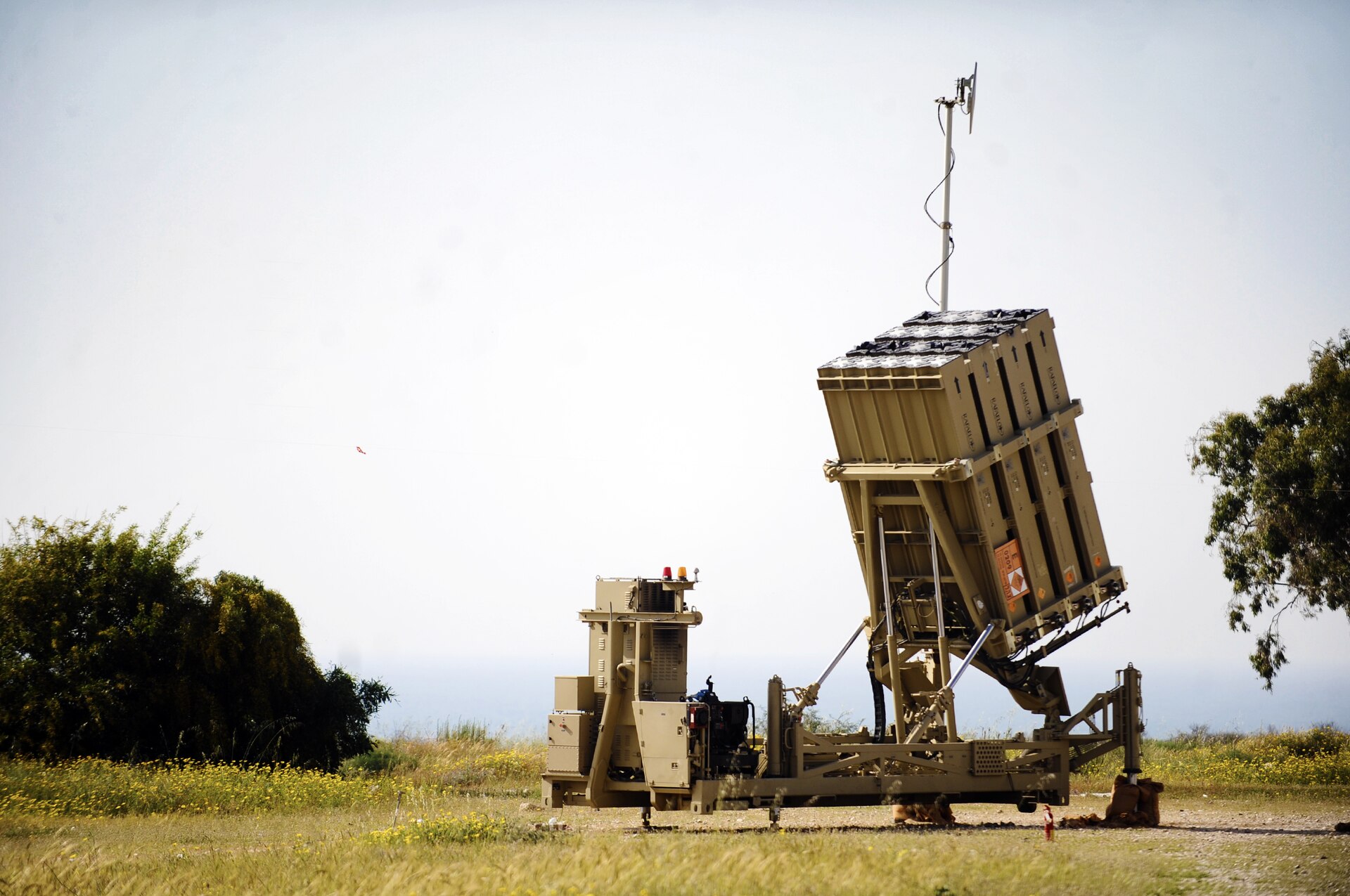
Two days before the OPEC exit, Axios reported that Israel had deployed an Iron Dome battery with IDF operators to UAE soil during the Iran war u2014 the first foreign deployment of the system in its history. The UAE absorbed approximately 550 ballistic and cruise missiles and 2,200 drones. It sought protection from wherever protection was available.
n
The deployment is the security architecture that corresponds to the OPEC exit’s economic architecture. Gargash’s verdict u2014 that GCC collective security “failed miserably” u2014 was not abstract. It was a damage assessment delivered by a state that had taken hits and concluded the collective was not absorbing enough of the burden. Abu Dhabi’s answer was not to demand better collective defense. It was to build bilateral alternatives: Israeli air defense on Emirati soil, a US dollar swap line in its central bank, and sovereign control over its production policy.
n
Each of these arrangements is bilateral u2014 none runs through Riyadh. The pattern is not defection from the Gulf system but a parallel system, constructed relationship by relationship, that does not require Saudi approval to function.
n
For Saudi Arabia, the Iron Dome deployment carries a specific charge. The Abraham Accords u2014 which the UAE signed in 2020, becoming the first Gulf state to normalize with Israel u2014 have deepened into an operational military alliance with Israeli soldiers on Gulf territory during a war with Iran. Riyadh has observed this bilateral deepening without equivalent access. MBS has his own normalization conditions. MBZ has IDF operators on his runways.
n
Iran’s response framework makes no distinction. PressTV reported on April 26 that Tehran “demanded compensation from Bahrain, Saudi Arabia, Qatar, the UAE, and Jordan for committing internationally wrongful acts” and warned that “any country facilitating aggression against the country will be held directly responsible.” The Iron Dome deployment deepens the UAE’s exposure to Iranian retaliation while simultaneously reducing its dependence on the Saudi-led collective that was supposed to mitigate that exposure.
n
n
What Does OPEC Look Like Without the UAE?
n
Structurally weaker. OPEC’s global production share falls from approximately 30% to 26% with the UAE’s departure, according to CNN Business. Jorge Leon of Rystad Energy told Al Jazeera that Saudi Arabia is now “left doing more of the heavy lifting on price stability” and that OPEC emerges “structurally weaker.” That is the polite version. The operational version is that Saudi Arabia lost the one OPEC member whose production capacity made the cartel’s supply management credible to traders.
n
| Metric | With UAE | Without UAE | Source |
|---|---|---|---|
| Global production share | ~30% | ~26% | CNN Business, April 28 |
| Coordinated spare capacity | Includes 3.2M bpd UAE | Minus 3.2M bpd | Crux Investor, April 2026 |
| March 2026 OPEC output | 20.79M bpd (down 27% from pre-war) | Egypt Oil & Gas / Gulf News | |
| Supply disruption (Iran war) | 7.88M bpd removed from market | Egypt Oil & Gas / Gulf News | |
| Saudi March production | 7.25M bpd (down from 10.4M Feb) | IEA | |
| Brent crude (April 28) | $111u2013112/barrel | Bloomberg | |
| OPEC+ May increase | +206,000 bpd across 8 members | OPEC release, April 5 | |
n
n
Saudi Arabia now leads a cartel that is both more manageable and more brittle. The remaining major non-Saudi producers are Iraq u2014 subject to Saudi pressure and consumed by internal dysfunction u2014 Kuwait, which is smaller and less assertive, and Algeria, which has negligible spare capacity. The external OPEC+ partner, Russia, is financially weakened: oil revenues collapsed 24% in 2025 to 8.5 trillion rubles, with Urals crude at $34.52 per barrel against a $69.70 budget assumption and a federal budget deficit of 5.7 trillion rubles u2014 worst since 2009, per Euromaidan Press. Moscow’s capacity to co-manage global oil supply alongside Riyadh erodes with every month of depressed Urals pricing.
n
The UAE was OPEC’s reluctant moderating voice. Its presence inside the cartel meant Saudi Arabia had to negotiate with a member whose interests increasingly diverged. That internal friction was also institutional legitimacy u2014 a cartel where the third-largest producer stays despite disagreement is more credible than one from which it walks. On April 27, the day before the exit, OPEC+ met and reaffirmed its May increase with Saudi Arabia and Russia each allocated 62,000 bpd. The UAE participated as a member. Within 12 hours, it was gone.
n
Robert Mogielnicki of Polisphere Advisory described the exit as reflecting “intensifying focus on national interests” among Gulf states amid the energy crisis. Michael Brown of Pepperstone captured the market’s read: “The main surprise regarding today’s announcement is in its timing, as opposed to its substance.” Everyone in the oil markets knew the UAE would eventually leave OPEC. The decision to formalize it on the morning of MBS’s wartime unity summit u2014 that was the line Abu Dhabi chose to write.
n
Carnegie’s Gulf Rift u2014 Activated
n
On April 16, twelve days before the OPEC exit, Andrew Leber and Sam Worby of the Carnegie Endowment published an analysis identifying three post-war GCC scenarios. Scenario 1: a cooperative bloc with integrated air defense. Scenario 2: the status quo. Scenario 3: “Gulf Rift” u2014 open competition across economic rivalry, divergent Israeli relations, and differing approaches to Iran accommodation. Qatar’s divergent incentives within that fracture are the sharpest of any GCC member: as examined in what a frozen Hormuz conflict means for Saudi Arabia’s fiscal position, Doha’s 80 billion QIA buffer and Al Udeid leverage give it structural reasons to outlast a prolonged crisis that would be existential for Riyadh.
n
The three fracture lines Carnegie identified map precisely onto the events of the last twelve days. Economic rivalry: the OPEC exit frees Abu Dhabi to compete on volume while Riyadh competes on diversification and price. Divergent assessments of Israel: IDF operators are on Emirati soil while Saudi normalization remains conditional. Differing approaches to Iran: the UAE, having secured bilateral US and Israeli security guarantees, has less structural need for the collective Iran-containment framework that justifies Saudi leadership of the GCC.
n
Carnegie framed Scenario 3 as a possibility. The Gargash speech, the OPEC exit, the Iron Dome deployment, the protocol downgrade at Jeddah, and the Bessent swap line are not possibilities. They are a sequence of institutional facts that, taken together, constitute the activation of the scenario Carnegie described in theoretical terms less than two weeks earlier.
n
n
“We are facing a profound crisis of confidence today, one that I believe will extend for decades to come.”
n
u2014 Dr. Anwar Gargash, UAE diplomatic adviser, Gulf Creators Forum, April 27, 2026
n
n
The Iran war was supposed to push the GCC toward Scenario 1 u2014 integrated defense, shared threat, institutional deepening. Iran fired missiles at both Saudi Arabia and the UAE. Both needed American protection. The logic of collective action was supposed to be overwhelming. Instead, Abu Dhabi looked at the collective, measured its performance against those same 550 missiles and 2,200 drones, and concluded it was better off building bilateral arrangements with Washington and Jerusalem than relying on a Riyadh-led institution that Gargash described as historically weak.
n
The word “decades” in Gargash’s formulation is not diplomatic hyperbole in a system where diplomatic language is precise. He is telling Riyadh u2014 and the rest of the GCC u2014 that what happened this week is not a tantrum. It is a structural realignment that Abu Dhabi expects to outlast the war, the ceasefire, and whatever institutional architecture emerges from both.
n
For Saudi diplomacy, the challenge is not getting the UAE back into OPEC. The challenge is preventing the OPEC exit from becoming the template u2014 the demonstration that a Gulf state can leave a Saudi-led institution, secure bilateral alternatives from Washington, deepen security ties with Israel, and suffer no consequences that Abu Dhabi’s $1.5 trillion in sovereign wealth cannot absorb.
n
The adversary perspective frames it differently. From Moscow’s vantage point, the UAE exit “damages the Saudi-Russia production-management machine” u2014 a machine Russia needs because Urals at $34.52 is destroying its federal budget. Tehran and Moscow both benefit from GCC fracture, though for different reasons: Iran because division weakens collective containment, Russia because a fragmented OPEC is less capable of managing the price floor Moscow requires. ADNOC CEO Sultan Al Jaber offered what may be the exit’s epitaph: “This moment requires clarity. So let’s be clear: the Strait of Hormuz is not open. Access is being restricted, conditioned and controlled.” Iran has since added a legal dimension to that control: a $270 billion counter-reparations claim at the UN Security Council against Saudi Arabia and five other Arab states, citing CENTCOM’s own commendations as the evidentiary basis for co-belligerence.
n
n
Frequently Asked Questions
n
When does the UAE’s OPEC exit take effect, and can it be reversed?
n
May 1, 2026. The UAE joined OPEC in 1967, making it a 59-year membership. The OPEC Statute permits readmission by majority vote u2014 Indonesia, Ecuador, and Gabon have all left and rejoined u2014 but the $150 billion ADNOC capacity expansion was predicated on eventually producing without quota constraints. Re-entry would require Abu Dhabi to accept precisely the production ceiling it spent a decade building beyond. No OPEC member that has exited with this level of invested capacity has returned. Gargash’s statement that the “crisis of confidence” would extend for decades suggests Abu Dhabi has priced in a long separation.
n
How does the UAE’s exit compare to Qatar’s 2019 departure?
n
Qatar left OPEC in January 2019 as primarily a gas producer with minimal oil output, framing its departure as “purely a business decision” during the Saudi-led blockade. The UAE is OPEC’s third-largest crude producer u2014 its exit removes 3.2 million bpd of spare capacity from cartel coordination. Qatar’s departure reduced the member count. The UAE’s departure reduces the cartel’s production credibility. The structural comparison is Ecuador leaving the UN versus France leaving NATO’s integrated command u2014 the institution survives, but its claim to represent its domain is diminished.
n
What role did the US play in enabling the UAE’s OPEC exit?
n
The Bessent-Balama dollar swap line, negotiated at the IMF/World Bank spring meetings days before the announcement, provided the financial architecture for exit. The UAE’s dirham is pegged to the dollar; leaving OPEC without assured dollar liquidity risked currency instability. Washington also has a strategic interest in weakening OPEC’s price-management capacity u2014 cheaper post-war oil benefits US consumers u2014 though no US official publicly endorsed the decision. The swap line was the quiet green light. It also foreclosed the UAE’s prior threat to price oil in yuan, which had served as leverage against Washington in previous negotiations.
n
Does the UAE’s exit benefit or harm Iran?
n
In the short term, it is neutral u2014 Hormuz closure means neither the UAE nor Iran is exporting at meaningful volumes. In the medium term, a weaker OPEC may harm Iran: post-war, the UAE will be free to produce at full capacity without quota constraints, depressing prices that Iran’s war economy requires above $140 per barrel to cover reconstruction costs u2014 an estimate from analysts tracking Iran’s fiscal trajectory under sanctions and wartime expenditure. Iran’s April 26 demand for “compensation” from all Gulf states for “internationally wrongful acts” u2014 reported by PressTV u2014 did not distinguish between OPEC members and non-members. Tehran’s threat framework treats the GCC as a bloc regardless of institutional affiliations.
n
What does “strategic autonomy” mean for UAE foreign policy going forward?
n
The full account of what the Jeddah summit actually produced u2014 the collective-defence declaration, the Gulf Strategic Reserve directive, and MBZu2019s absence as the signal that defined the communiquu00e9 u2014 is analysed in the GCCu2019s Decisiveness Summit and the UAEu2019s empty chair.
n
Gargash’s phrase signals a doctrine of bilateral deal-making over multilateral coordination u2014 already visible in the Iron Dome deployment with Israel, the Bessent swap line with the US, and the OPEC exit against the Saudi-led bloc. The model is closer to Singapore’s foreign policy u2014 a small, wealthy state maintaining maximum optionality through diversified bilateral ties u2014 than the bloc solidarity MBS’s Jeddah summit was designed to project. The more operative question for the region is whether other Gulf producers interpret the UAE exit as permission to renegotiate their own terms, testing Saudi Arabia’s ability to hold the cartel together without Abu Dhabi’s institutional ballast. Whether Saudi Arabia can exercise that anchor role at all — given its 5.9M bpd export ceiling, Khurais offline, and Iran’s quota exemption intact — is the subject of Saudi Arabia Inherits an OPEC It Cannot Operate.
n”}