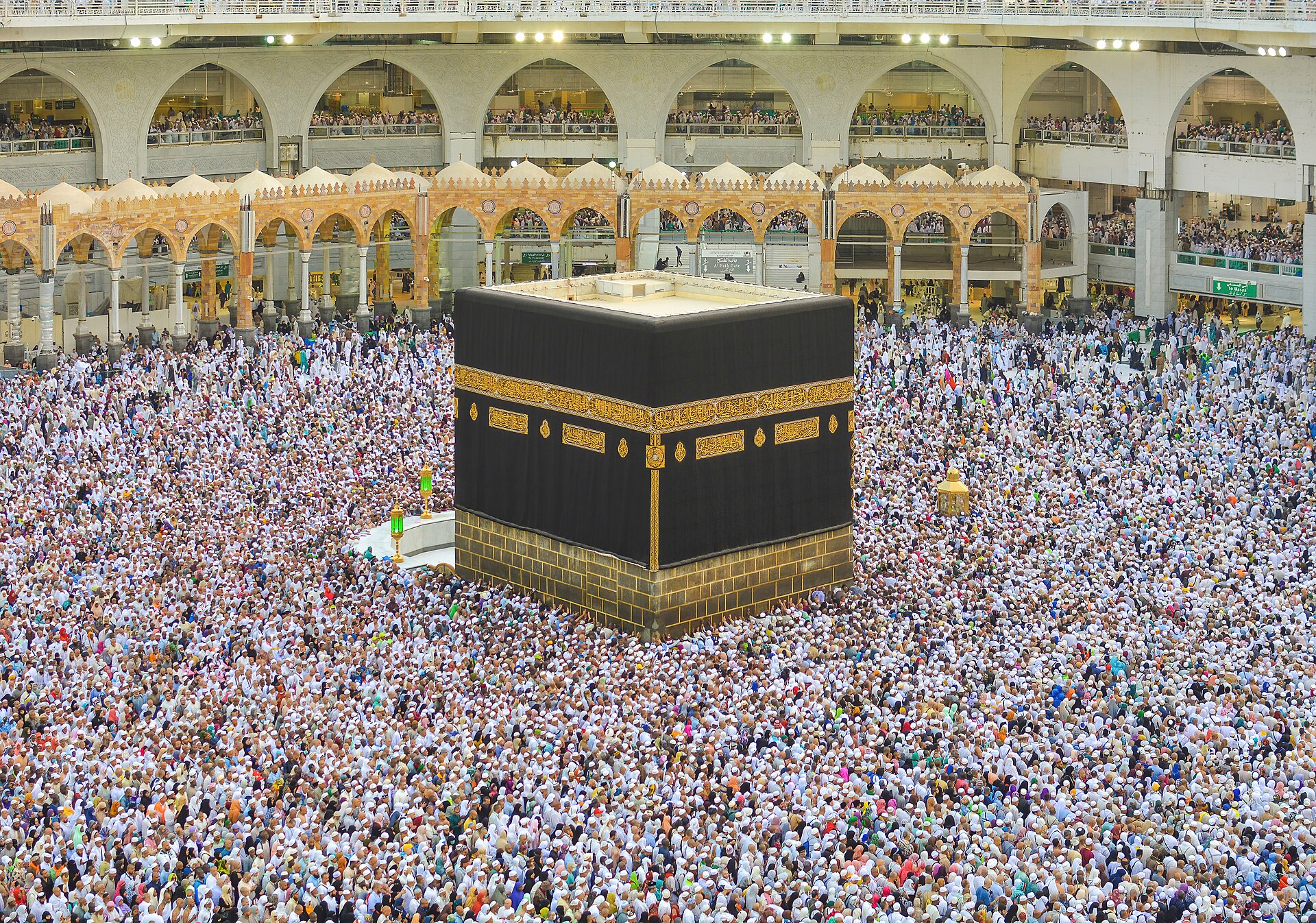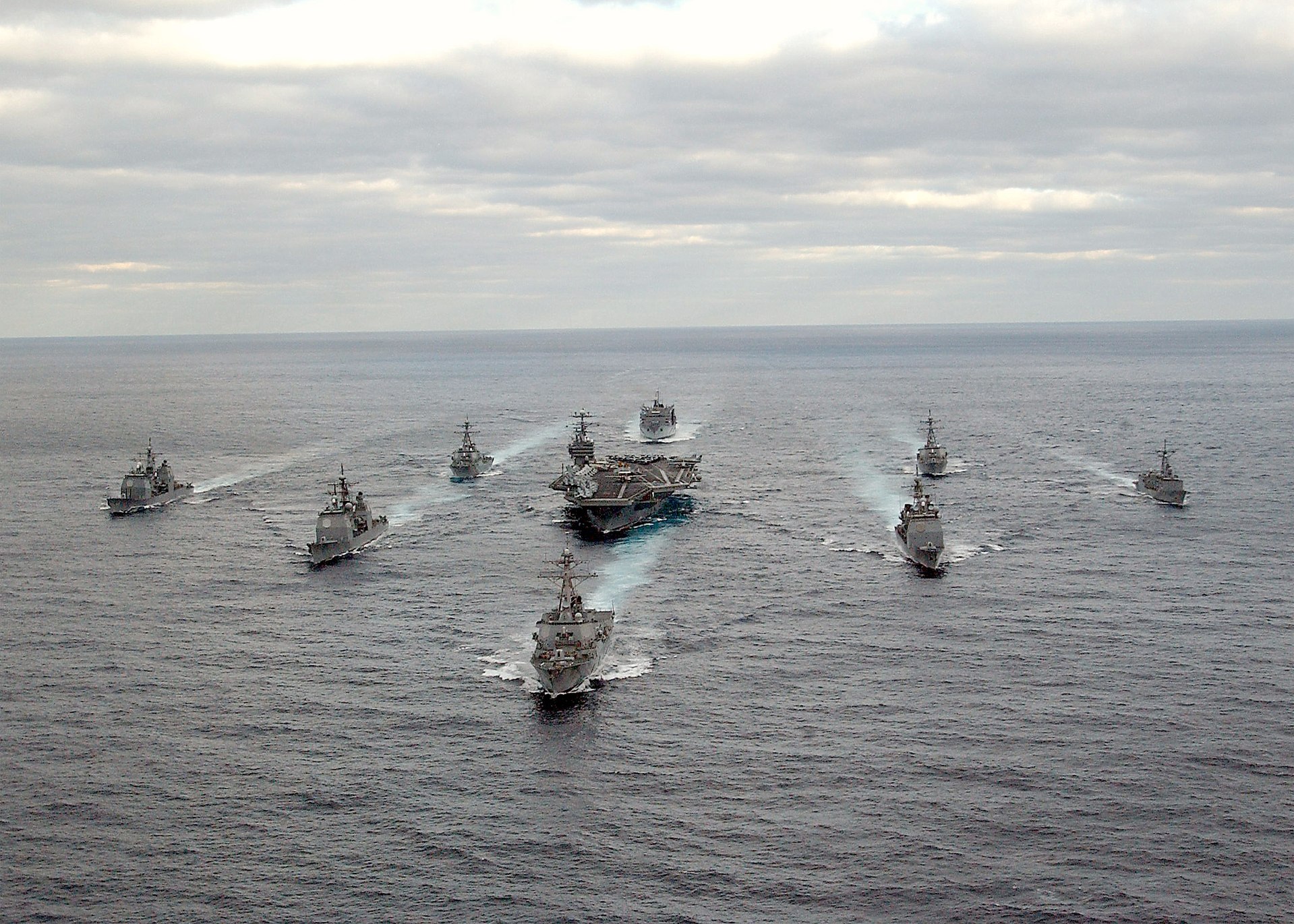

LONDON — Britain has deployed RAF Typhoon fighter jets and F-35 stealth aircraft to defend Gulf Cooperation Council states against Iranian drone and missile attacks, as GCC and UK foreign ministers issued a joint condemnation of Tehran’s “blatant aggression” at an extraordinary summit on March 15, 2026. The deployment marks the most significant British military intervention in the Persian Gulf since the 2003 Iraq War, with RAF aircraft shooting down Iranian drones over Qatar, Jordan, and Iraq in the first combat kills recorded by British F-35s.
The GCC-UK ministerial meeting, chaired by Bahrain’s Foreign Minister Abdullatif bin Rashid Al Zayani and UK Foreign Secretary Yvette Cooper, produced a joint statement affirming the Gulf states’ right to collective self-defense under Article 51 of the UN Charter. The ministers also welcomed the passage of UN Security Council Resolution 2817, which drew co-sponsorship from 136 member states — believed to be the largest number ever to co-sponsor a Security Council draft resolution.
Table of Contents
- What Did the GCC-UK Extraordinary Summit Agree?
- What Has Britain Deployed to the Gulf?
- How Many Iranian Drones Has the RAF Shot Down?
- The UK-Saudi Defense Relationship Under Fire
- UNSC Resolution 2817 and the Diplomatic Coalition
- Healey Accuses Russia of Guiding Iran’s Drone Tactics
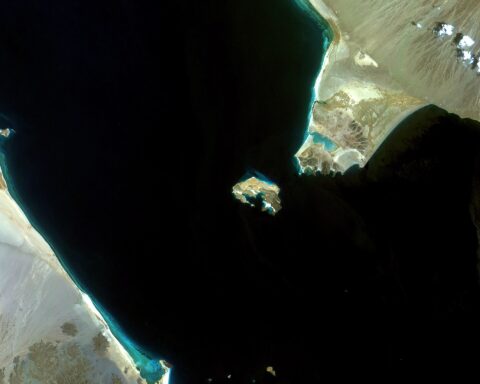
- The Maritime Dimension and Hormuz
- What Comes Next for UK Forces in the Gulf?
- Frequently Asked Questions
What Did the GCC-UK Extraordinary Summit Agree?
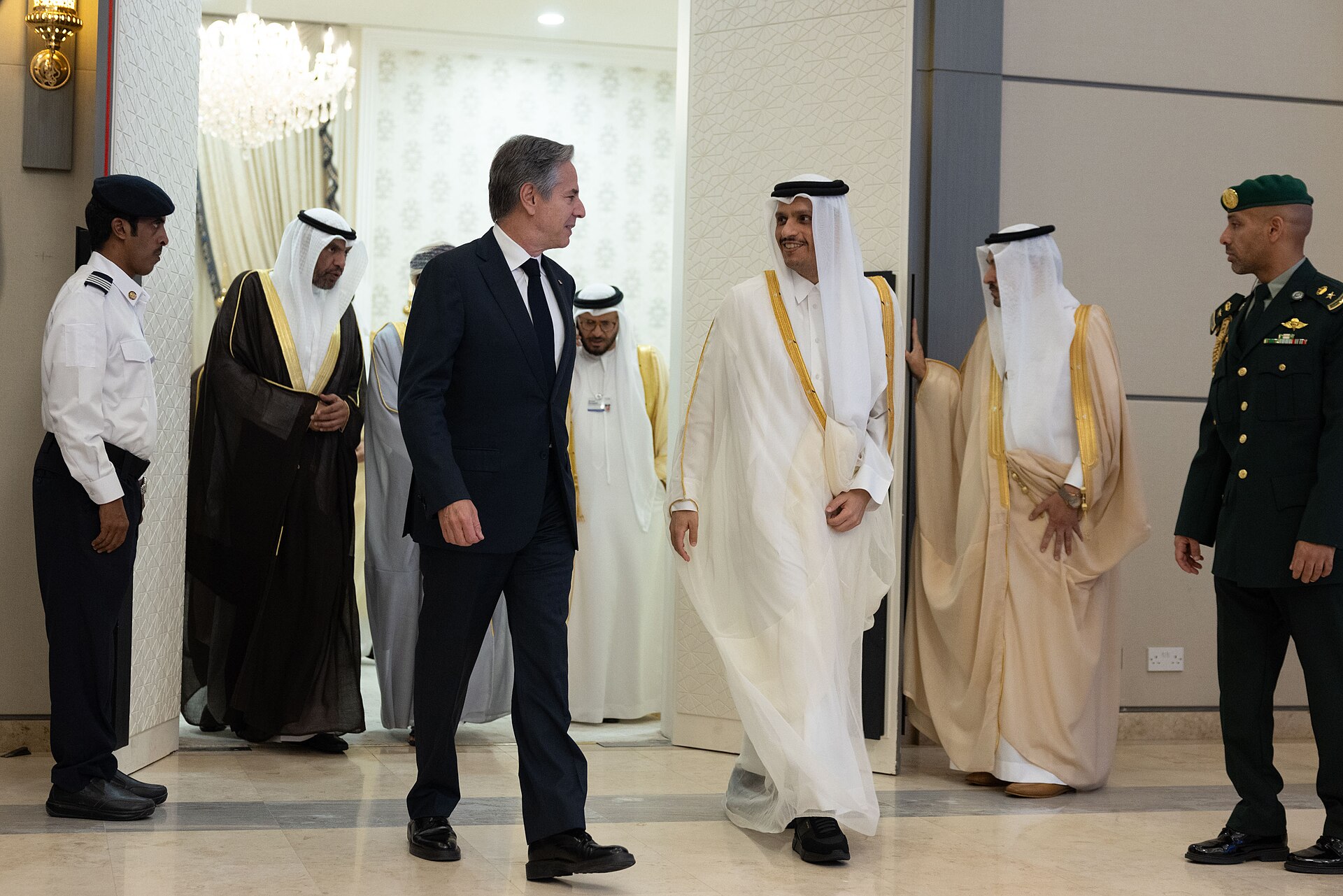
The foreign ministers of all six GCC member states and the United Kingdom convened on March 15 to address what the joint statement called “the escalation in the Middle East and the blatant aggression by Iran and its regional proxies against the GCC countries and Jordan.” The meeting was held virtually, with the GCC side led by Dr. Abdullatif bin Rashid Al Zayani, Bahrain’s Foreign Minister and chairman of the current session of the GCC Ministerial Council. The UK was represented by Foreign Secretary Yvette Cooper.
The statement contained several concrete commitments. Ministers affirmed the “inherent right” of GCC countries under Article 51 of the UN Charter “to defend themselves, individually and collectively, against the armed attacks of Iran.” That language is significant because it provides legal grounding for expanded military operations, including the possibility of offensive action, should Gulf states choose to exercise that right.
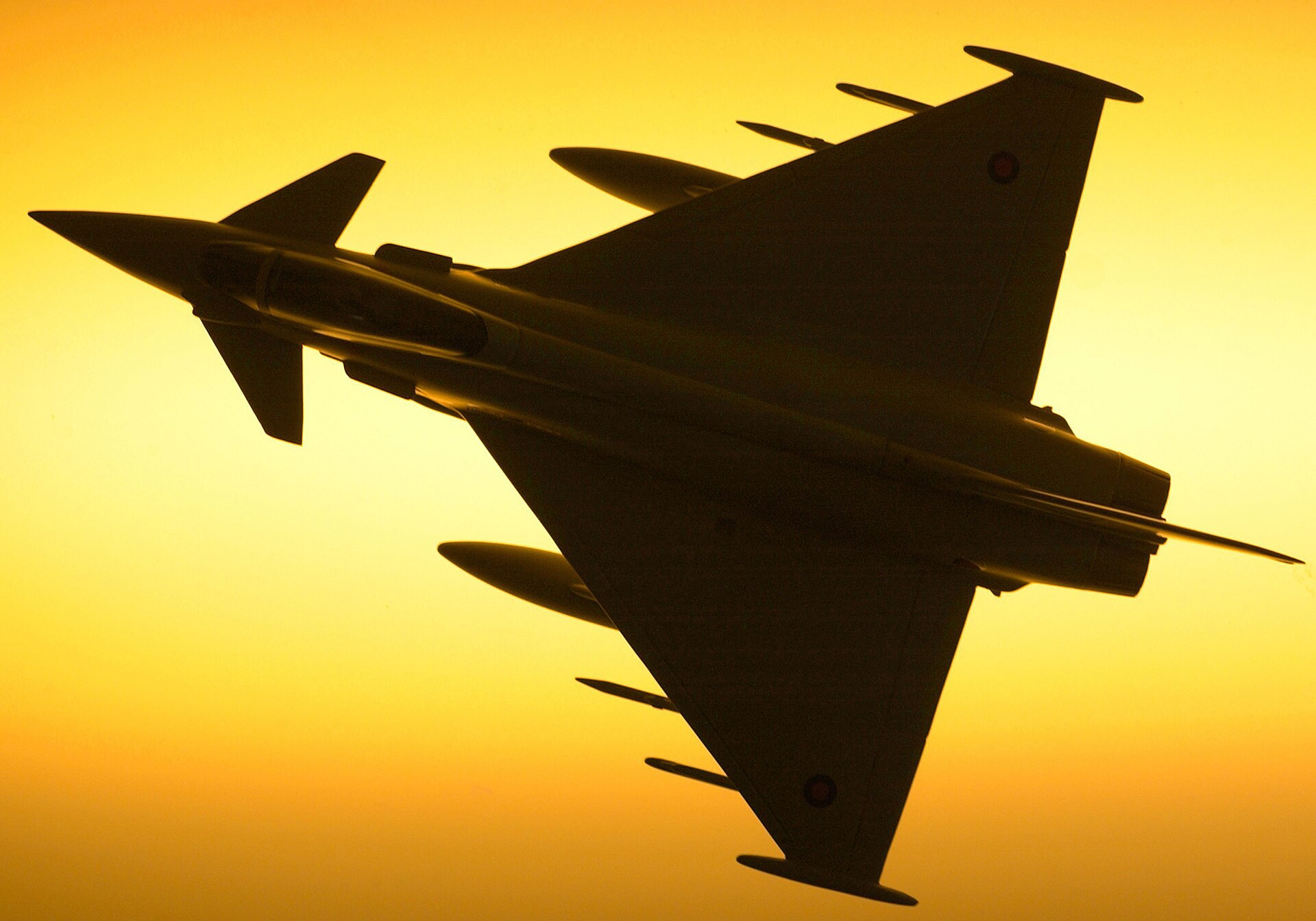
GCC ministers “welcomed and expressed appreciation” for Britain’s “recent decision to enhance defensive capabilities in the region, including through the participation of RAF Typhoon jets in defensive operations,” according to the statement published by the GCC General Secretariat. The ministers also committed to joint diplomatic efforts to prevent Iran from acquiring nuclear weapons, halt the development and proliferation of ballistic missiles and unmanned aerial vehicles, and protect maritime routes through the Strait of Hormuz. The rhetorical commitment contrasted sharply with the muted allied response to Trump’s coalition call, with no nation having publicly pledged warships to escort commercial traffic through the waterway.
The summit followed a series of similar emergency meetings. The GCC had already held its 50th Extraordinary Ministerial Council meeting on March 1, immediately after Iran launched retaliatory strikes across the Gulf. Subsequent joint ministerial sessions with the European Union on March 5, the Arab League on March 8, and with Jordan, Egypt, and Morocco on March 13 expanded the growing diplomatic coalition backing the Gulf states.
The Middle East briefing 3,000+ readers start their day with.
One email. Every weekday morning. Free.
Progress on the GCC-UK Free Trade Agreement was also welcomed, with both sides seeking a rapid conclusion to negotiations that began after Britain left the European Union.
What Has Britain Deployed to the Gulf?
Britain has assembled its most significant military presence east of Suez in over two decades, according to British defence officials. The deployments, announced in stages since the war began on February 28, include both air and naval assets spread across multiple bases in the region.
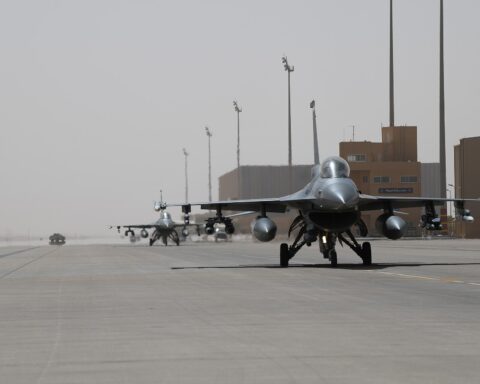
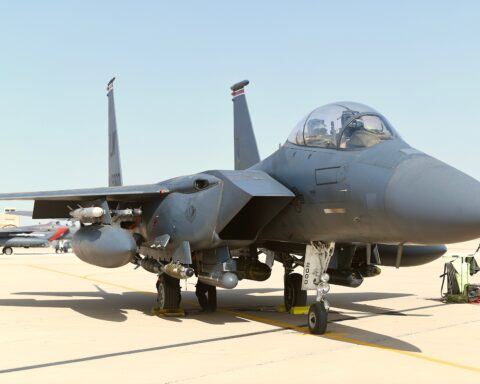
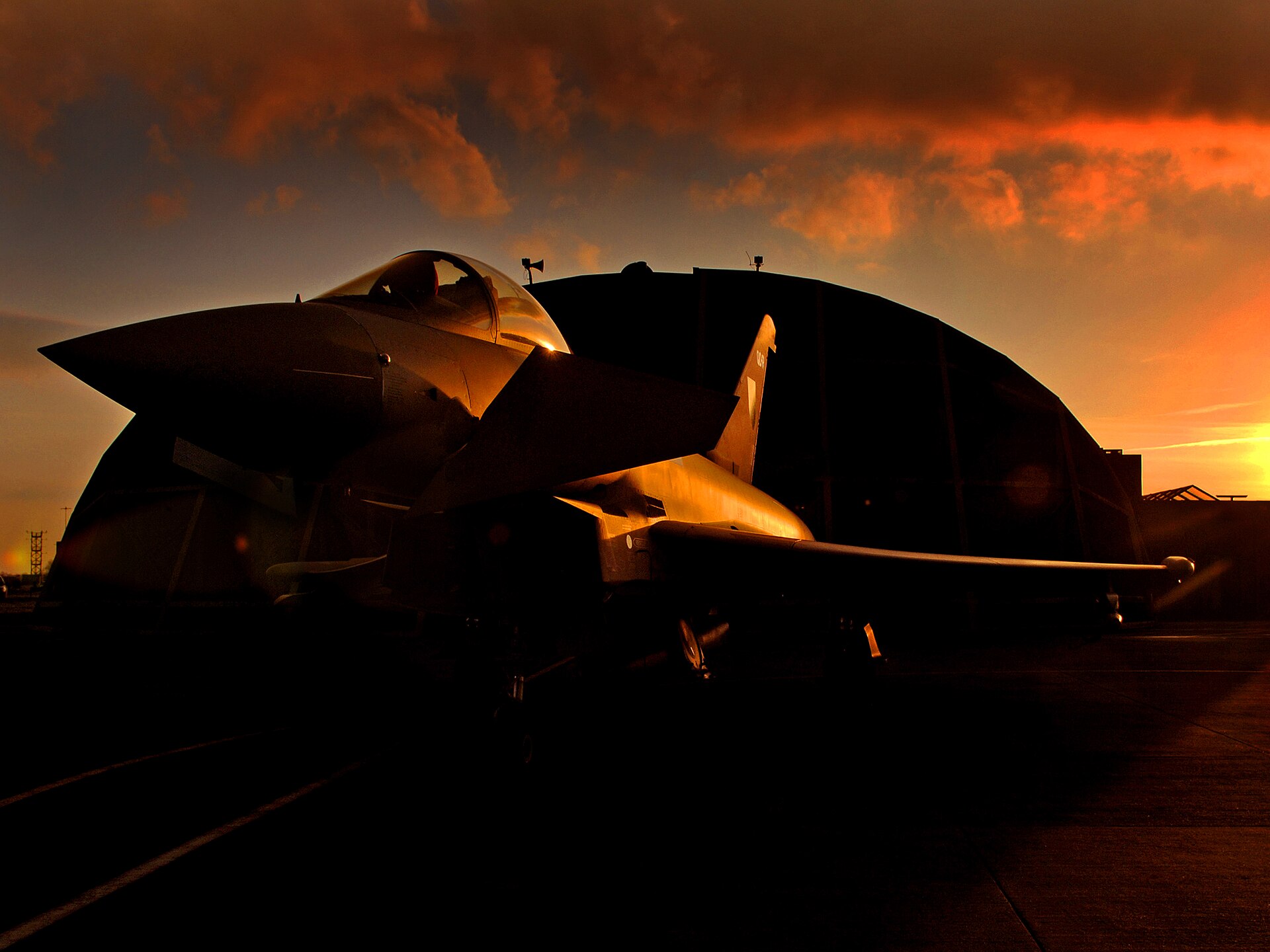
The RAF has stationed Eurofighter Typhoon jets at Al Udeid air base in Qatar, the coalition’s operational headquarters. Four additional Typhoons were deployed to Qatar after Iranian drones struck British sovereign bases in Cyprus in early March. F-35B Lightning stealth fighters, operating from RAF Akrotiri in Cyprus, have conducted air defense patrols across the region, covering Qatar, the UAE, Bahrain, Jordan, and Iraq.
Supporting the fighter aircraft are three Voyager tanker aircraft based at Akrotiri, enabling extended air patrols, and four A400M transport aircraft for logistics. Six F-35s are on standby at Akrotiri alongside reinforced radar systems.
At sea, HMS Dragon, a Type 45 Daring-class air defense destroyer, was redeployed to the Eastern Mediterranean to defend Cyprus after the drone attacks on Akrotiri. Two Royal Navy Wildcat helicopters armed with Martlet counter-drone missiles were also dispatched to the island. The deployments came after the withdrawal of HMS Middleton, the last crewed Royal Navy vessel permanently assigned to the Persian Gulf, left the UK Naval Support Facility in Bahrain without a permanently stationed warship for the first time since its establishment.
On the ground, approximately 300 personnel are stationed in Bahrain and a further 100 in the UAE, primarily sailors and Royal Marines. Two battalions of infantry are deployed to Cyprus to assist with base defense.
Defence Secretary John Healey told Parliament that “all our actions are about defending UK interests and defending UK allies,” explicitly ruling out offensive strikes against Iran. Prime Minister Keir Starmer reinforced this message in a call with Crown Prince Mohammed bin Salman on March 6, saying Britain stood “ready to support the defence of the Kingdom of Saudi Arabia should it be needed,” according to a Downing Street readout.
How Many Iranian Drones Has the RAF Shot Down?
RAF jets have destroyed multiple Iranian-made drones across at least three countries since the war began, marking the first operational combat kills for British F-35s. On March 2, an RAF F-35B shot down Iranian Shahed drones over Jordan using an ASRAAM (Advanced Short Range Air-to-Air Missile), the first time a British F-35 destroyed a target in an operational engagement, according to the Ministry of Defence.
The same day, a British Typhoon intercepted and destroyed a drone directed at Qatari territory, while RAF counter-drone units defeated further attacks targeting coalition bases in Iraqi airspace. These engagements represented the first time RAF aircraft had engaged hostile targets in combat since operations against Islamic State in Syria.
On March 4, additional F-35B sorties shot down further drones over Jordan, with Typhoon fighters and a Voyager tanker aircraft supporting the missions. The pattern of RAF interceptions continued in subsequent days, though the Ministry of Defence has not released a cumulative total of Iranian drones destroyed by British forces.
The engagements occurred within the context of a far larger regional air defense effort. Saudi Arabia alone has intercepted and destroyed more than 200 drones since the war began, according to the Saudi Ministry of Defence. The UAE reported that its air defenses had dealt with 298 ballistic missiles, 15 cruise missiles, and 1,606 drones by March 15, according to the Emirati Ministry of Defence. Across the Gulf, six people have been killed and 142 injured in the UAE alone from Iranian attacks.
Healey described Iran’s drone campaign in blunt terms during a parliamentary statement: “In the last week, Iran has launched dangerous, indiscriminate and reckless strikes, including multiple attacks after the Iranian President’s apology, with 32 civilians injured in one attack on Bahrain.”
The UK-Saudi Defense Relationship Under Fire
The Iran war has stress-tested the decades-long UK-Saudi defense partnership in ways neither side anticipated. Saudi Arabia is the single largest recipient of British arms export licences, worth £2.9 billion in 2024 alone, according to UK government data. BAE Systems, Britain’s largest defense contractor, employs 7,300 people in the Kingdom and has earned an estimated £43 billion from Saudi contracts over four decades through the Al-Yamamah and Saudi British Defence Co-operation Programme agreements.
The Saudi-UK Military Cooperation Committee held its fourth meeting in late 2025, with Saudi Defence Minister Prince Khalid bin Salman visiting London to discuss expanded collaboration on land-based air defense systems, armored vehicles, precision-guided missiles, and uncrewed aerial systems. Those discussions have taken on new urgency as the war exposed the limits of America’s arms monopoly on Saudi Arabia.
Britain’s deployment of Typhoon jets carries particular significance for Saudi Arabia. The Royal Saudi Air Force operates 72 Eurofighter Typhoons, the same aircraft type now defending Gulf airspace under RAF markings. Saudi pilots train alongside their British counterparts, and BAE Systems provides through-life support for the Saudi Typhoon fleet from its base at King Abdulaziz Air Base in Dhahran.
The interoperability between British and Saudi Typhoon operations means that tactics, procedures, and technical intelligence developed during RAF combat missions against Iranian drones are directly transferable to Saudi forces. A senior British defence official, speaking on condition of anonymity, told Reuters that “what we learn in the air, they learn on the ground — and vice versa.”
UNSC Resolution 2817 and the Diplomatic Coalition
The GCC-UK summit took place four days after the UN Security Council adopted Resolution 2817, which condemned Iran’s “egregious attacks” against the Gulf states and Jordan. The resolution, submitted by Bahrain on behalf of the GCC members and Jordan, passed with 13 votes in favor and two abstentions from China and Russia.
The resolution’s 136 co-sponsors represented what Bahrain’s ambassador to the UN described as “the largest number of countries ever to co-sponsor a Security Council draft resolution.” It demanded the immediate cessation of attacks against residential areas and civilian infrastructure, called on Iran to halt threats against neighboring states, and urged restraint from the use of proxy forces across the region.
Russia’s abstention — rather than a veto — surprised diplomats, according to Reuters. Moscow introduced a short counter-draft on the same day that called for an immediate ceasefire by all parties, including the United States and Israel, but it failed to secure the nine positive votes needed for adoption. China also abstained, maintaining its position of calling for “dialogue and negotiation” while declining to condemn either side explicitly.
The diplomatic coalition has continued to expand since the resolution’s passage. The GCC-EU ministerial meeting on March 5 produced a joint statement condemning Iran’s attacks. The Arab League convened an extraordinary session on March 8, invoking collective defense provisions. By mid-March, the GCC had held emergency diplomatic sessions with the UK, EU, Arab League, Jordan, Egypt, Morocco, and representatives of the Non-Aligned Movement — a pace of wartime diplomacy unprecedented in the organization’s 45-year history.
The joint statement from the GCC-UK meeting commended “Oman’s constructive role” in de-escalation efforts, a reference to Muscat’s traditional role as a back-channel mediator with Tehran. Oman remains the GCC’s primary diplomatic conduit to Iran, though its own territory has not been spared from the conflict — Iranian drones struck Oman’s Salalah port in early March, drawing the Sultanate into the broader conflict despite its neutrality.
Healey Accuses Russia of Guiding Iran’s Drone Tactics
Defence Secretary Healey made a pointed accusation during his parliamentary update on March 13, asserting that Russian expertise was behind Iran’s drone campaign against Gulf states. “I think no one will be surprised to believe that Putin’s hidden hand is behind some of the Iranian tactics and potentially, potentially some of their capabilities as well,” Healey told MPs.
The claim followed an incident in which drones targeted a base used by Western forces in Erbil, northern Iraq, using flight patterns and electronic warfare countermeasures that British intelligence assessed as consistent with Russian rather than Iranian doctrine, according to the Daily Post Nigeria, citing UK government sources.
Iran’s extensive use of Shahed-136 one-way attack drones mirrors the tactics employed by Russia against Ukrainian infrastructure since 2022. Iran supplied Russia with thousands of Shahed drones for use in Ukraine, and British intelligence agencies have long assessed that the technology transfer ran both ways, with Russian electronic warfare expertise and satellite targeting data flowing back to Tehran.
Ukraine’s decision to send drone defense teams to Saudi Arabia and Gulf states further underscored the Russia-Iran nexus. Ukrainian technicians brought firsthand experience of countering Iranian-made drones — experience gained defending Kyiv and Odesa from the same Shahed models now flying over Riyadh and Abu Dhabi.
Healey told the New Statesman in a profile published on March 14 that Britain would not repeat “the mistakes of Iraq,” drawing a sharp distinction between the strictly defensive posture in the Gulf and the offensive campaign waged by the US and Israel against Iran. “We are very clear about what we are doing and what we are not doing,” he said.
The Maritime Dimension and Hormuz
The GCC-UK joint statement devoted significant attention to maritime security, with ministers committing to “protect maritime routes and the Strait of Hormuz” and safeguard “regional airspace and freedom of navigation.” The language reflected the centrality of the Hormuz chokepoint to the conflict’s economic consequences.
The Strait of Hormuz remains under what the UK Maritime Trade Operations office has classified as a “critical” threat level. At least 20 vessels have been attacked in and around the Persian Gulf, the Strait, and the Gulf of Oman since the war began, according to UKMTO reports. Iran’s IRGC Navy has demanded that all commercial ships seek permission before transiting the waterway, effectively imposing an undeclared blockade.
Saudi Arabia has cut oil output by approximately 20 percent to around 8 million barrels per day after shutting down the Safaniya and Zuluf offshore fields, according to Bloomberg. Combined cuts by Saudi Arabia, Iraq, the UAE, and Kuwait total roughly 6.7 million barrels per day — nearly 6 percent of global supply. Brent crude surged past $100 per barrel and briefly touched $120, according to Reuters.
Britain’s maritime contribution, however, has been limited. The withdrawal of HMS Middleton from the Gulf before the war left the UK Naval Support Facility in Bahrain without a permanently stationed warship. HMS Dragon’s redeployment to the Eastern Mediterranean addressed the Cyprus threat but left the Persian Gulf without a major British naval combatant.
The UK is exploring additional Gulf deployments, according to Al-Monitor, but the Royal Navy’s limited fleet size constrains options. Defence Secretary Healey described attacks on maritime navigation as “a breach of international law” and indicated Britain was “considering additional options for deploying military forces to the Gulf region.” Operation Maritime Shield, the multinational convoy escort operation, has struggled to reopen the Strait, and the addition of British naval assets could strengthen the international task force.
What Comes Next for UK Forces in the Gulf?
Britain’s defensive posture in the Gulf faces mounting pressure from multiple directions. Domestically, the Starmer government must navigate public opinion wary of entanglement in another Middle Eastern conflict. Internationally, the GCC states want more than defensive patrols — they want security guarantees that extend beyond the current crisis.
The GCC-UK summit’s reference to the strategic partnership established in November 2016, and the ongoing Free Trade Agreement negotiations, suggests both sides view the military cooperation as the foundation for a broader economic and security architecture. The war has accelerated discussions that might otherwise have taken years.
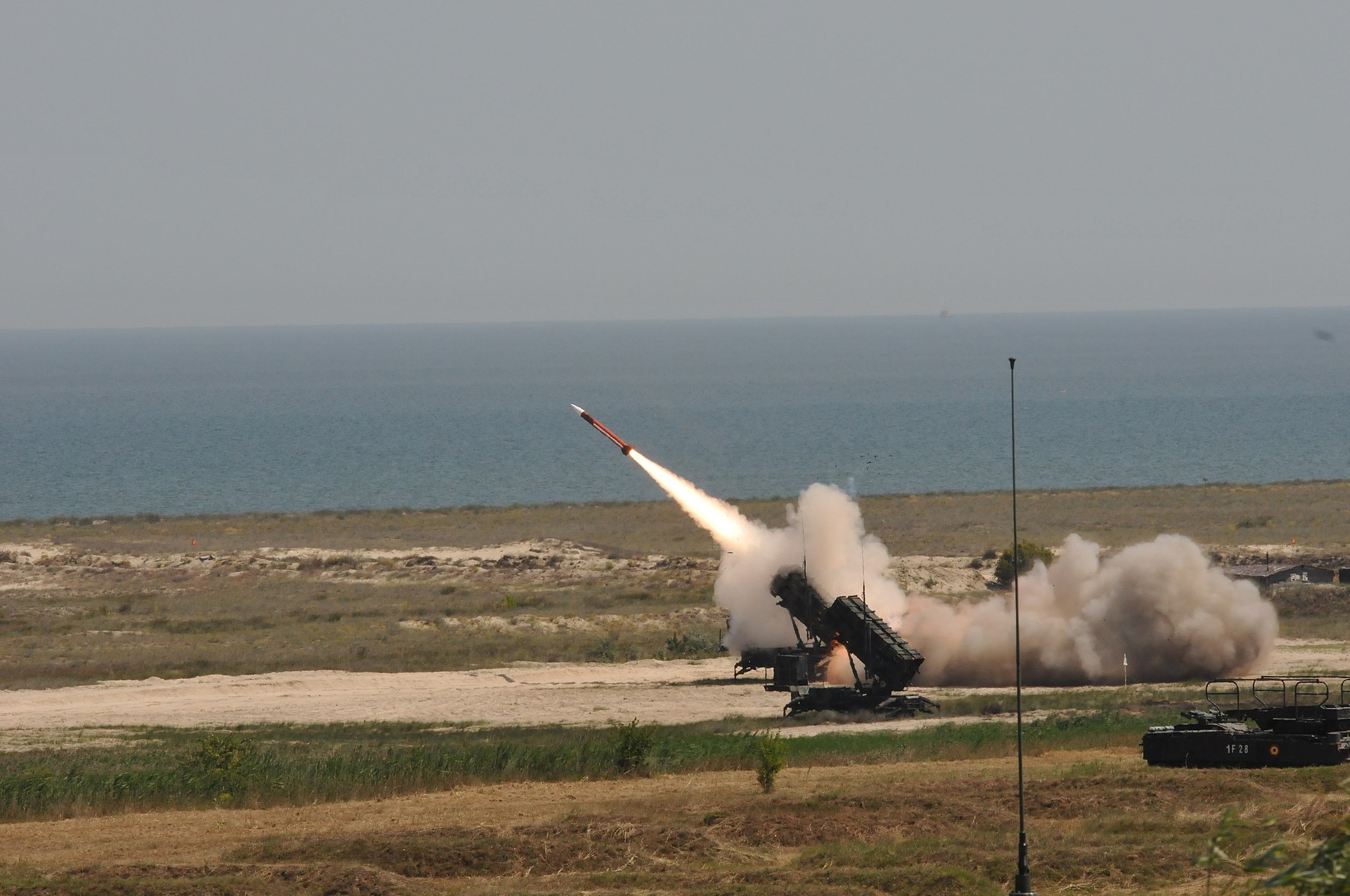
For Saudi Arabia, Britain’s involvement addresses a critical gap. The Kingdom operates 72 Typhoons but has relied primarily on American Patriot and THAAD systems for air defense. British expertise in electronic warfare, counter-drone tactics, and intelligence sharing complements the hardware-focused American contribution. The fractures within the GCC over how aggressively to respond to Iran have made bilateral partnerships with external powers more important than multilateral Gulf consensus.
Healey’s New Statesman interview offered a glimpse of the government’s long-term thinking. “The Gulf’s security is Britain’s security,” he said. “Sixty percent of global oil trade passes through waters where we have obligations and interests. We cannot pretend otherwise.”
Whether that commitment translates into a permanent increase in British military presence east of Suez — reversing a withdrawal begun in 1971 — will depend on the war’s duration and outcome. For now, the RAF’s Typhoons and F-35s represent the most visible sign that Britain’s Gulf commitment extends beyond arms sales and diplomatic statements.
| Asset | Type | Location | Role |
|---|---|---|---|
| Eurofighter Typhoons | Multirole fighter | Al Udeid, Qatar | Air defense patrols, drone interception |
| F-35B Lightning II | Stealth fighter | RAF Akrotiri, Cyprus | Air defense, first combat kills on Shahed drones |
| Voyager tankers (x3) | Aerial refueling | RAF Akrotiri, Cyprus | Extended patrol support |
| A400M Atlas (x4) | Transport | RAF Akrotiri, Cyprus | Logistics and resupply |
| HMS Dragon | Type 45 destroyer | Eastern Mediterranean | Air defense of Cyprus |
| Wildcat helicopters (x2) | Armed helicopter | Cyprus | Counter-drone with Martlet missiles |
| Infantry (2 battalions) | Ground forces | Cyprus | Base defense |
| Naval personnel (~300) | Sailors, Royal Marines | Bahrain | Naval support, force protection |
Frequently Asked Questions
Has Britain joined the war against Iran?
Britain has not joined the offensive campaign against Iran. Defence Secretary John Healey has explicitly ruled out offensive strikes, describing the UK role as “strictly defensive.” RAF jets have shot down Iranian drones heading toward allied territory in Qatar, Jordan, and Iraq, but have not struck targets inside Iran.
How many RAF aircraft are deployed in the Gulf?
The exact number has not been disclosed, but known deployments include multiple Typhoon fighters in Qatar, six F-35Bs at RAF Akrotiri in Cyprus, three Voyager tankers, and four A400M transport aircraft. Additional Typhoons were deployed to Qatar after drones struck British bases in Cyprus in early March.
What is UNSC Resolution 2817?
Adopted on March 11, 2026, UN Security Council Resolution 2817 condemned Iran’s “egregious attacks” against the GCC states and Jordan. It was co-sponsored by 136 UN member states, believed to be the largest number ever to co-sponsor a Security Council resolution. China and Russia abstained rather than vetoing.
What weapons has the RAF used against Iranian drones?
RAF F-35Bs have used ASRAAM (Advanced Short Range Air-to-Air Missile) to destroy Iranian Shahed drones over Jordan. Typhoon fighters have also intercepted drones approaching Qatari airspace. Royal Navy Wildcat helicopters in Cyprus carry Martlet missiles designed for counter-drone operations.
What is the UK Naval Support Facility in Bahrain?
The UK Naval Support Facility, also known as HMS Jufair, is Britain’s main naval base in the Persian Gulf. Established in 2018, it supports Royal Navy operations in the region. However, the withdrawal of HMS Middleton before the Iran war left the facility without a permanently stationed warship, a gap that has drawn criticism from defence analysts.