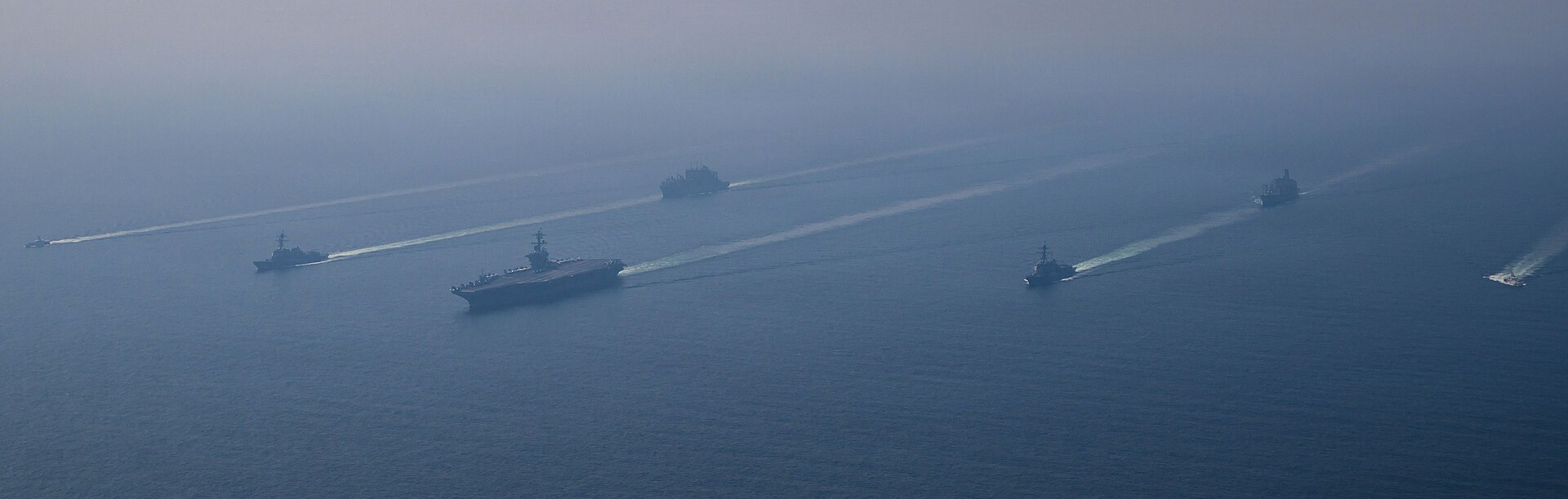

RIYADH — Three American aircraft carriers are now operating inside Central Command’s area of responsibility for the first time since the 2003 invasion of Iraq, and the country absorbing the greatest cost of their presence — Saudi Arabia — had no voice in the decision to send them. The USS Abraham Lincoln, USS Gerald R. Ford, and USS George H.W. Bush together represent roughly a quarter of America’s deployable carrier fleet, more than 200 combat aircraft, 15,000 sailors and Marines, and nine Arleigh Burke–class destroyers, all positioned across three maritime axes stretching from the Red Sea to the Arabian Sea. Riyadh provides the basing, the airspace, the fuel infrastructure, and the political exposure that makes the posture possible, while Washington sets the rules of engagement, the blockade parameters, and the diplomatic calendar without a Saudi principal in the room.
- What Does a Three-Carrier Posture Actually Look Like?
- The Last Time Washington Sent This Many Carriers
- The Bases That Make It Possible
- What Has Saudi Arabia Already Absorbed?
- Why Was Riyadh Excluded from Its Own War?
- Does the Strategic Defense Agreement Protect Saudi Arabia?
- What the Three Carriers Have Not Changed
- The Host-Nation Ledger
- FAQ
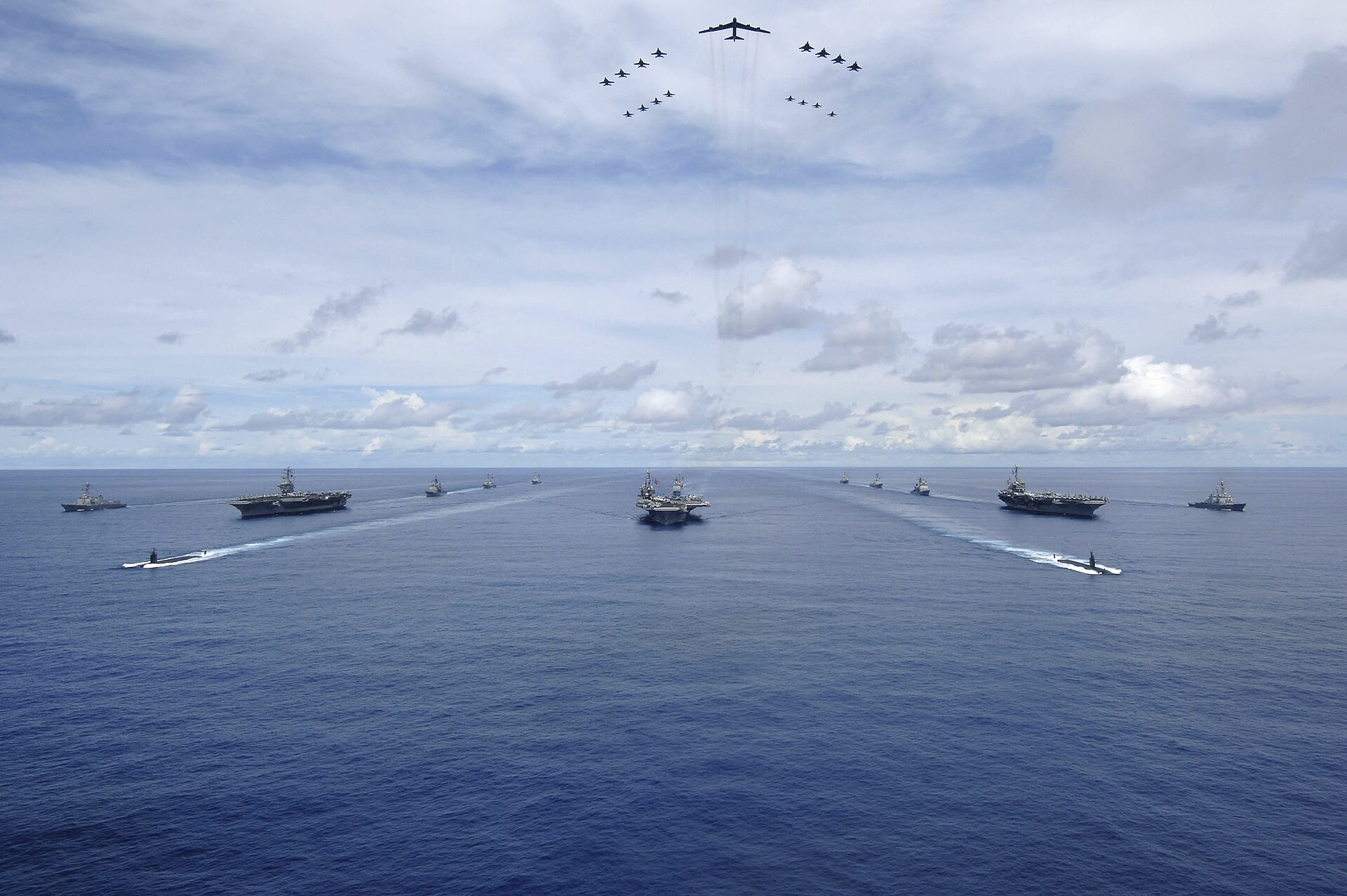
What Does a Three-Carrier Posture Actually Look Like?
The Lincoln has been in the Arabian Sea since January 2026, operating as the backbone of the naval blockade that CENTCOM imposed on Iranian ports on April 13. The Ford, the Navy’s newest and most expensive carrier at $13.3 billion, holds the Red Sea from a position that allows its air wing to cover both the Bab el-Mandeb chokepoint and the western Saudi coast. The Bush, which departed Norfolk on March 31, entered CENTCOM’s area of responsibility on April 23 after routing around the Cape of Good Hope — because the United States has not sent a carrier through Bab el-Mandeb since 2023, a concession to Houthi anti-ship missile capability that the Navy does not publicly frame as such.
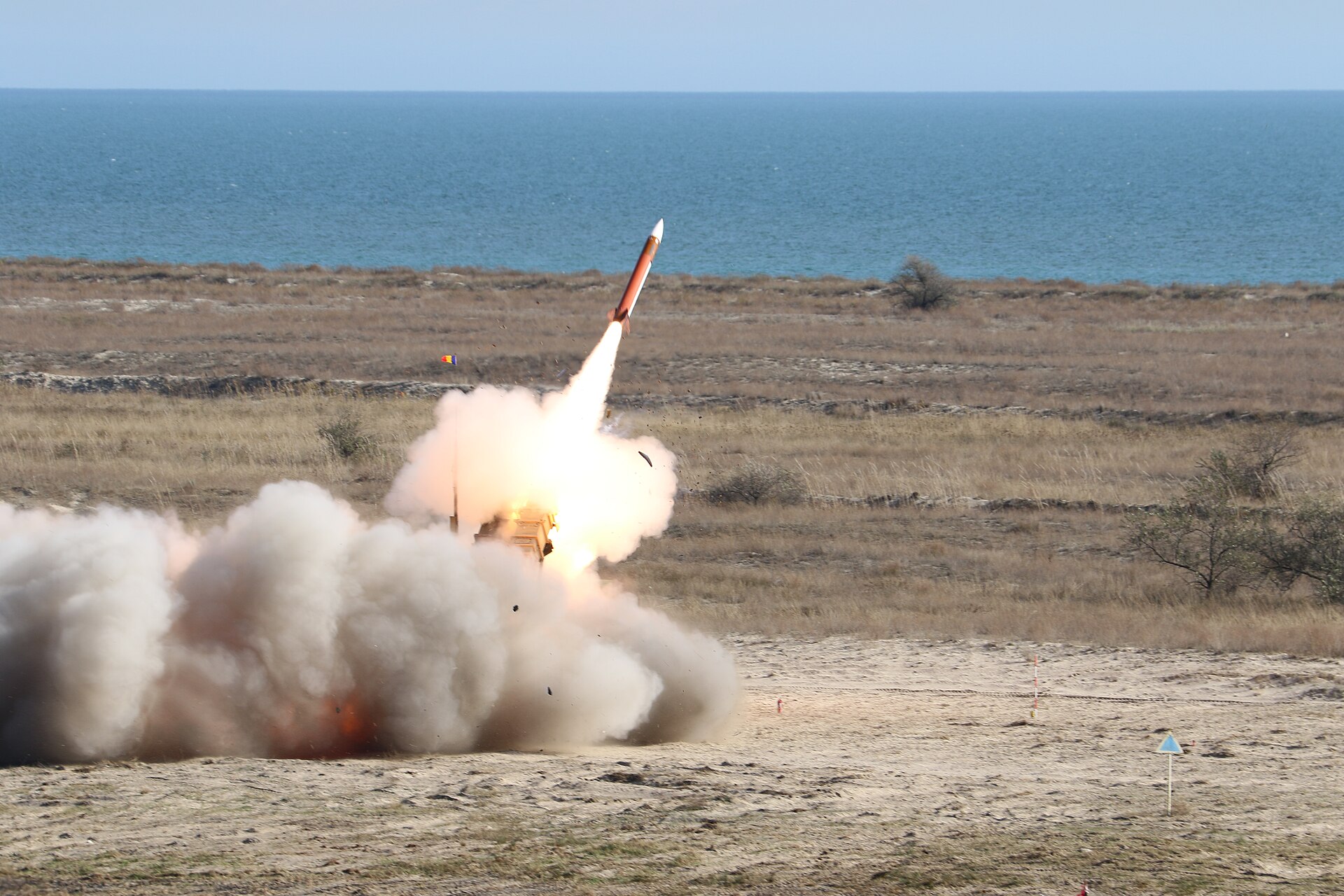
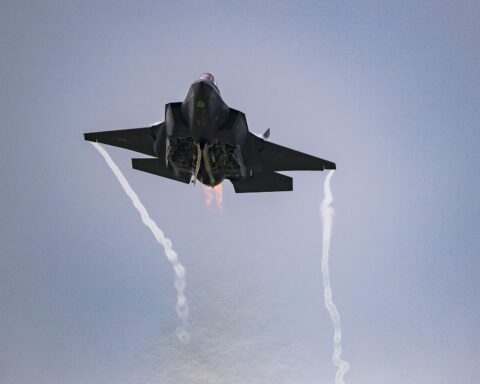
Between them, the three strike groups carry more than 200 aircraft: F-35C Lightning IIs, F/A-18E/F Super Hornets, and EA-18G Growler electronic warfare jets, along with E-2D Hawkeye airborne early warning planes that have taken on expanded roles since the destruction of an E-3G Sentry AWACS at Prince Sultan Air Base on March 27. The nine escorting destroyers carry a combined vertical launch capacity of roughly 720 cells, loaded with a mix of SM-2, SM-6, and Tomahawk cruise missiles, though exact loadouts remain classified and the actual Tomahawk count is almost certainly lower than theoretical maximum given the air defense demands of the theater. This is, by any measure, the most concentrated American naval force assembled since Operation Iraqi Freedom, and it sits inside a theater where the host nation that makes the logistics chain function has been treated as furniture.
That crew count does not include the approximately 2,700 US personnel already stationed at Prince Sultan Air Base under the 378th Air Expeditionary Wing, nor the unknown number at King Fahd Air Base in Taif, nor the roughly 20,000 total US troops now in theater according to the Soufan Center’s estimate. Saudi Arabia is, in personnel terms alone, hosting its largest American military presence since the drawdown that followed the 2003 Iraq invasion.
The Last Time Washington Sent This Many Carriers
The 2003 comparison is instructive less for what it reveals about American capability than for what it reveals about the relationship between Washington and its host nations. Operation Iraqi Freedom deployed five to six carriers — the Roosevelt, Truman, Constellation, Lincoln, Kitty Hawk, and eventually Nimitz — along with more than 40 warships and roughly 1,200 Tomahawk cruise missiles. But in 2003, the United States operated a fleet that could sustain that level of deployment without cannibalizing maintenance schedules elsewhere. In 2026, the Navy maintains 11 carriers, of which only six to seven are typically available for deployment at any given time due to maintenance and training cycles, which means three carriers in CENTCOM represents somewhere between 43 and 50 percent of deployable capacity committed to a single theater. As 19FortyFive reported in March, the third carrier “is not an escalation signal — it’s a sign America is running out of options.”
The Middle East briefing 3,000+ readers start their day with.
One email. Every weekday morning. Free.
The other difference is political. In 2003, Saudi Arabia refused to allow offensive combat operations from its territory, and the United States moved its entire air operations center from Prince Sultan Air Base to Al Udeid in Qatar. The Combined Air Operations Center relocated, the combat sorties flew from Qatari and Kuwaiti bases, and Saudi Arabia maintained a degree of political separation from the invasion of a neighboring Arab state. That separation was the product of an explicit Saudi decision to constrain American use of its bases, a constraint that held despite enormous pressure from the Rumsfeld Pentagon. Twenty-three years later, Riyadh has made the opposite choice: King Fahd Air Base in Taif was opened to US offensive operations on March 20–21, 2026, reversing Crown Prince Mohammed bin Salman’s own public pledge of February 28 that “the Kingdom will not allow its airspace or land to be used for attack on Iran” — a commitment that survived exactly 21 days.
The Bases That Make It Possible
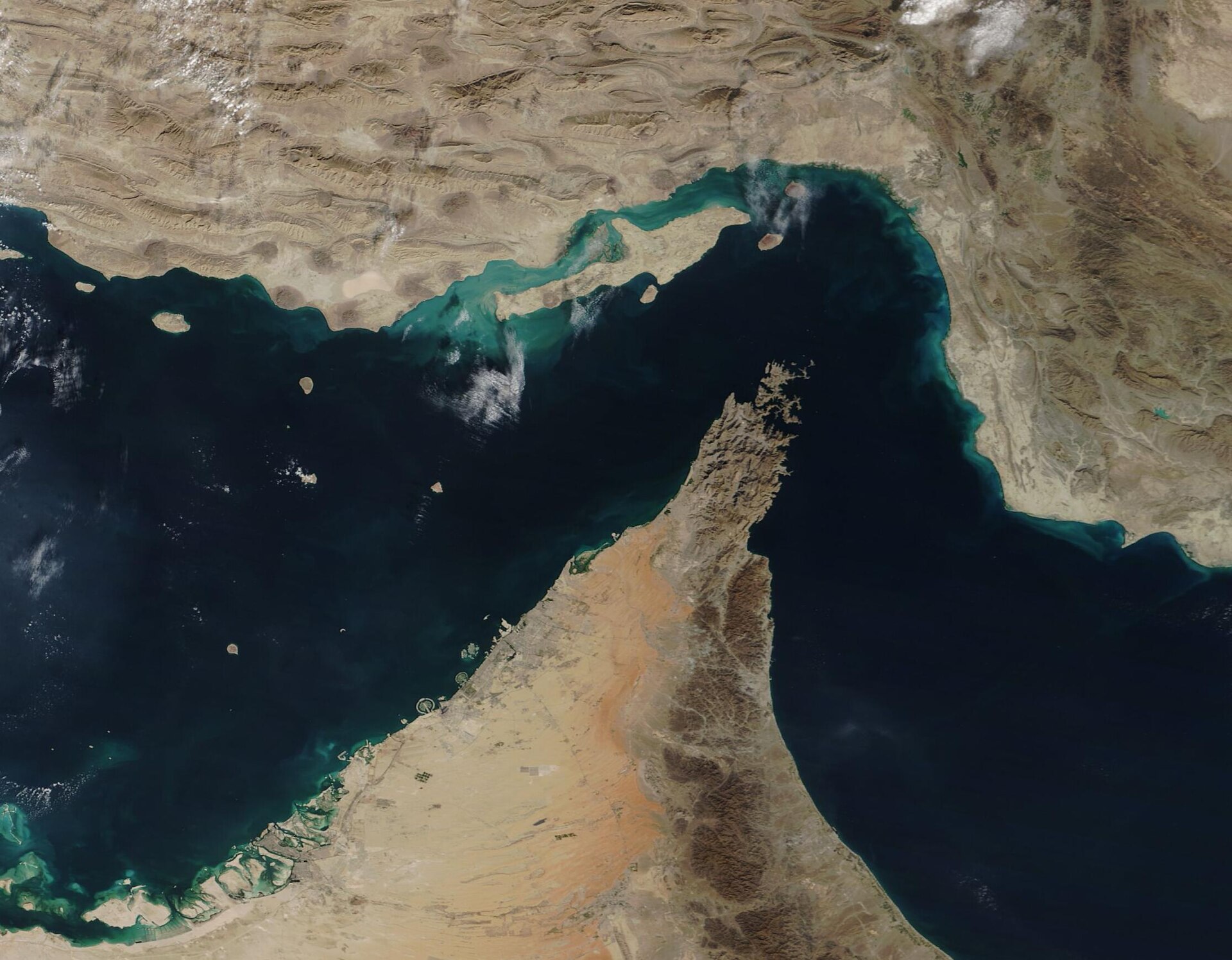
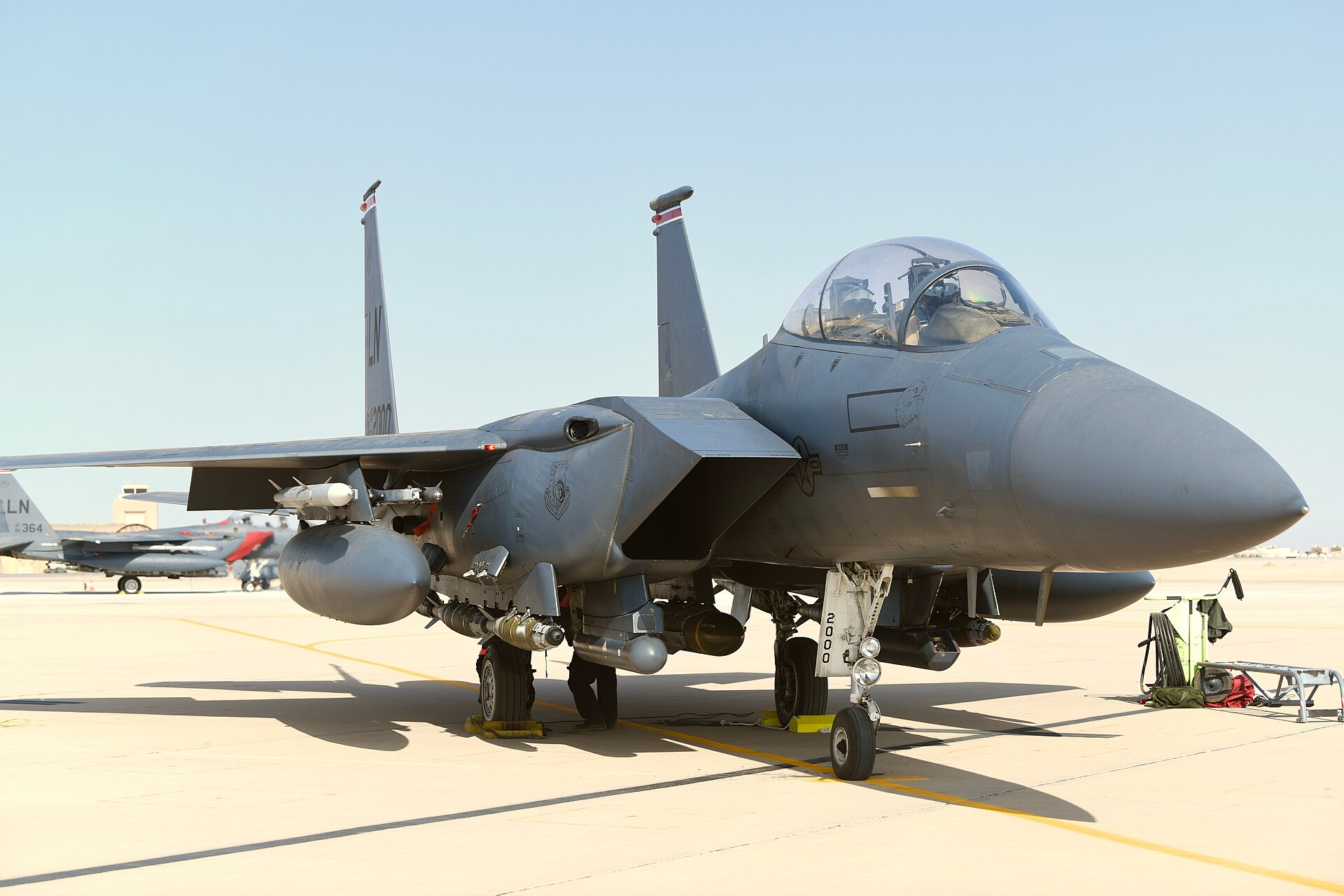
Prince Sultan Air Base sits approximately 80 kilometers south of Riyadh, on the edge of the Empty Quarter, and has functioned as the primary American air operations hub in Saudi Arabia since the 378th Air Expeditionary Wing was activated there on December 17, 2019. The base hosts E-3 Sentry AWACS aircraft — or hosted them, before one was destroyed — KC-135 Stratotanker refueling aircraft that are essential to sustaining carrier air wing operations over Iranian territory, and a fighter contingent whose exact composition the Department of Defense does not publicly disclose. Without the tanker fleet at PSAB, the carrier air wings operating from the Arabian Sea would face dramatically reduced time-on-station over targets in western and central Iran, because the distance from a carrier in the Arabian Sea to, say, Isfahan is roughly 1,400 kilometers — at the outer edge of an F/A-18E/F’s combat radius even with a single aerial refueling.
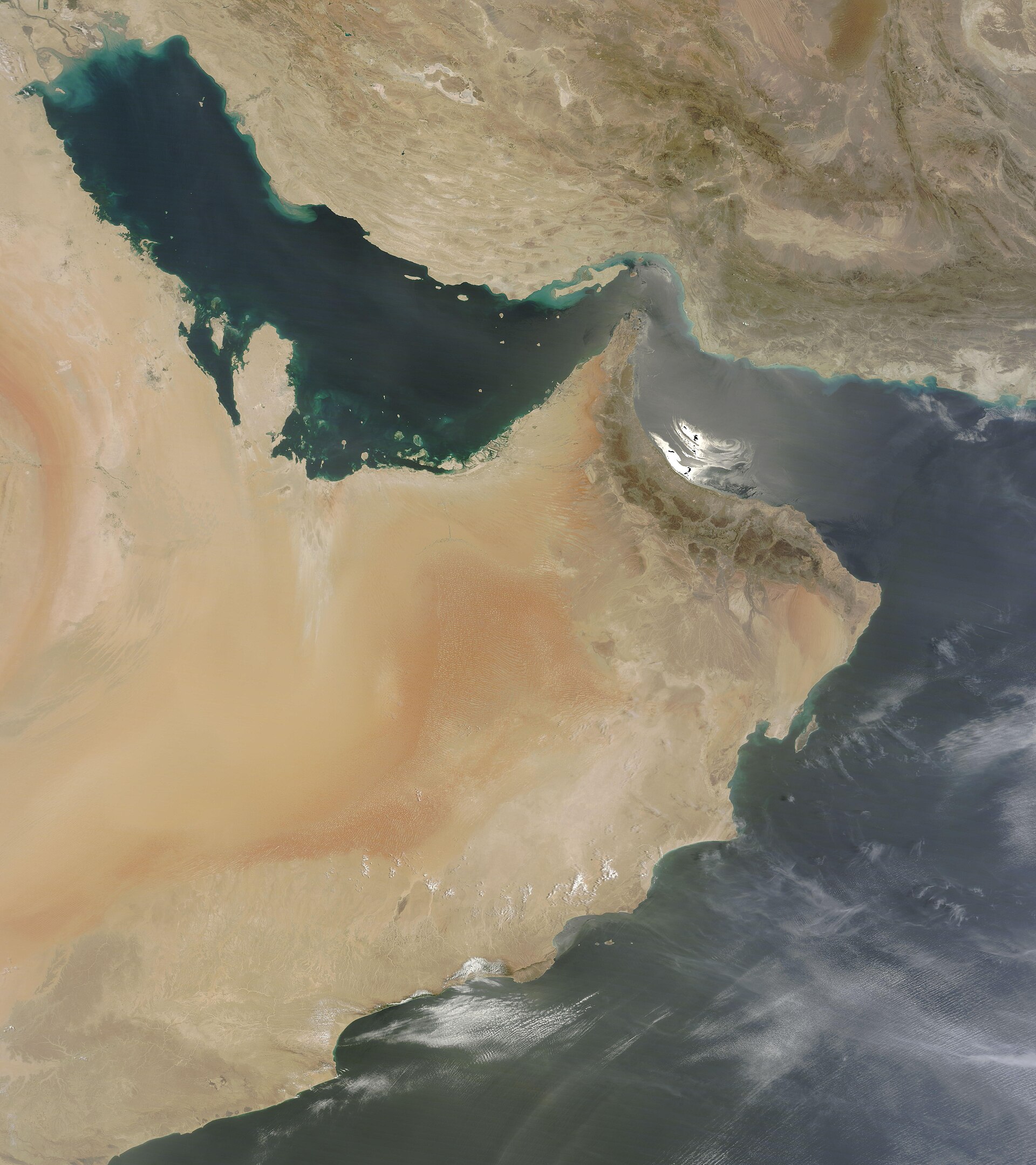
King Fahd Air Base in Taif presents a different calculation. Located approximately 1,400 kilometers from the nearest Iranian ballistic missile launch positions, Taif was selected precisely because it sits outside the effective range of Iran’s Shahed-series one-way attack drones, which have a maximum range of roughly 1,000–1,500 kilometers depending on variant. The distance buys response time against ballistic missiles as well, though it does not provide immunity — Iran’s Kheibar Shekan and Fattah-series missiles can reach Taif, and the IRGC’s April 3 counter-target list, which named eight bridges across four Gulf states, demonstrated that Iran’s targeting doctrine extends well beyond the eastern seaboard. The decision to open Taif to offensive operations was, under international humanitarian law, the moment Saudi Arabia crossed from host to co-belligerent, a distinction that Iran’s UN ambassador has formally documented at the Security Council.
The carrier strike groups depend on these bases in ways that are not always visible. Carrier operations require shore-based logistics: ammunition resupply, aircraft parts, crew rotation flights, intelligence distribution nodes, and medical evacuation corridors. The three carriers are not self-sufficient floating cities; they are the visible portion of a supply chain that runs through Saudi ports, Saudi airfields, and Saudi airspace, and every link in that chain makes the Kingdom a legitimate military target under the laws of armed conflict as Iran interprets them.
What Has Saudi Arabia Already Absorbed?
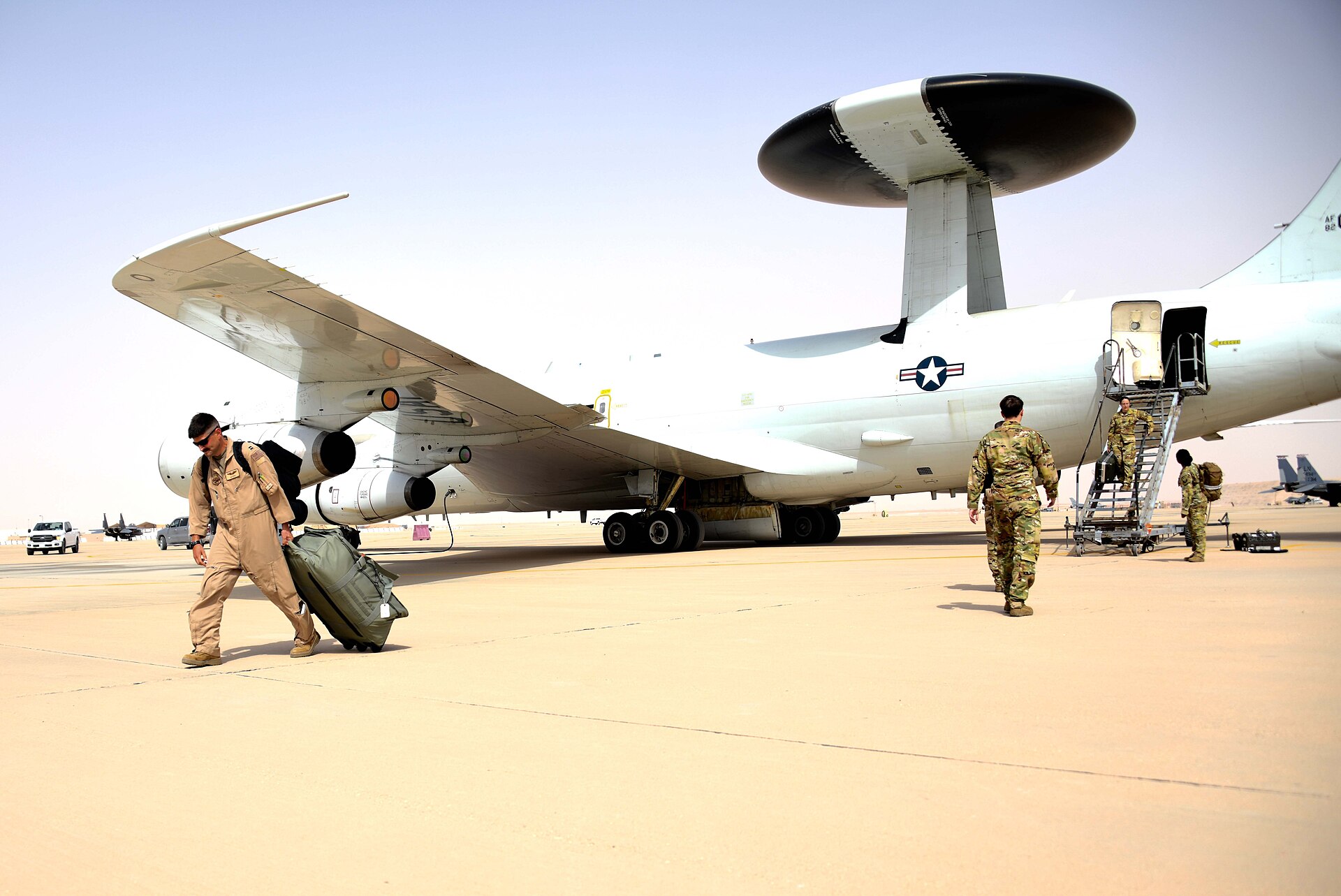
The ledger of Iranian strikes on Saudi territory since the war began on February 28 is not ambiguous. On March 14, five KC-135 Stratotankers at Prince Sultan Air Base were damaged in a strike that the Pentagon initially described with careful language — “damaged,” not “destroyed” — though satellite imagery subsequently showed at least two aircraft with structural deformation inconsistent with continued airworthiness. On March 27, a coordinated attack involving six ballistic missiles and 29 one-way attack drones struck PSAB again, destroying an E-3G Sentry AWACS (serial number 81-0005), the first combat loss of an AWACS aircraft in the platform’s history and a roughly $500 million asset that cannot be replaced because Boeing’s E-3 production line closed decades ago. Fifteen US service members were wounded in that attack, five of them seriously. Total US casualties in Operation Epic Fury now exceed 300 wounded according to Pentagon briefings, and while the Department of Defense does not break down the geography of those casualties, a substantial proportion occurred on Saudi soil.
The SAMREF refinery at Yanbu was struck on April 3 as part of a broader IRGC campaign against Saudi energy infrastructure that has progressively degraded Saudi production capacity since the war began. The Jubail petrochemical complex sits on the IRGC’s published counter-target list alongside the King Fahd Causeway, which was briefly closed on April 7 after seven Iranian ballistic missiles targeted Saudi Arabia’s Eastern Province. None of these strikes targeted American carriers at sea; they targeted the country that hosts the carriers, because the host is softer, closer, and more economically vulnerable than a carrier strike group with Aegis combat systems and a layered missile defense screen.
| Date | Target | Munitions | Result |
|---|---|---|---|
| Mar 14 | PSAB — KC-135 flight line | Ballistic missiles | 5 tankers damaged, at least 2 likely non-airworthy |
| Mar 27 | PSAB — apron/runway | 6 BMs + 29 OWADs | E-3G AWACS destroyed ($500M); 15 US wounded |
| Apr 3 | SAMREF refinery, Yanbu | Cruise missiles | Refinery damage; Yanbu throughput constrained |
| Apr 7 | Eastern Province (multiple) | 7 BMs | King Fahd Causeway closed; civilian disruption |
Why Was Riyadh Excluded from Its Own War?
The US blockade of Iranian ports was announced on April 13 without prior Saudi consultation, according to unnamed Saudi officials cited by the Wall Street Journal and reported by the Jerusalem Post. The officials said Riyadh subsequently pressed Washington to end the blockade, fearing “broader regional escalation” — a remarkable formulation from a country that is already absorbing ballistic missile strikes on its own air bases. The blockade was a unilateral American decision, enforced by American carriers operating from Saudi-enabled basing, creating consequences that fall disproportionately on Saudi economic interests: the double blockade that Bloomberg described on April 26, in which the US controls Arabian Sea entry while the IRGC controls Gulf of Oman exit, has reduced Hormuz transits to 45 since the April 8 ceasefire, and Saudi exports through the strait have effectively ceased.
The Islamabad talks of April 10–12 were structured as a US-Iran bilateral with Pakistan as host. Saudi Arabia was not in the room, was not offered observer status, and learned the details of Vice President Vance’s face-to-face meeting with Iranian Parliament Speaker Ghalibaf — the first direct US-Iran engagement since 1979 — through the same media channels as everyone else. When Saudi Foreign Minister Prince Faisal bin Farhan received calls from Iranian Foreign Minister Araghchi on April 9, April 13, and April 27, the Saudi readouts described these as an “exchange of views on latest developments,” which is diplomatic language for being briefed rather than consulted. Prince Faisal has been building a mediation architecture through parallel channels, but the primary US-Iran negotiating track runs through Islamabad and Oman — neither of which includes a Saudi seat.
This exclusion is not incidental; it is structural. Washington’s negotiating position with Iran focuses on the nuclear file, the blockade, and Hormuz transit — issues on which the United States and Iran are the direct parties, and Saudi Arabia is treated as a downstream stakeholder whose interests will presumably be addressed once the principals reach agreement. The problem with this framework is that Saudi Arabia is bearing principal-level costs. A country that has lost 30 percent of its oil production, absorbed missile strikes on its military and energy infrastructure, crossed the co-belligerency threshold under IHL, and is hosting a quarter of America’s deployable carrier fleet is not a downstream stakeholder. It is a belligerent without a negotiating position, which is the most expensive status in any war.
Does the Strategic Defense Agreement Protect Saudi Arabia?
The Strategic Defense Agreement signed on November 18, 2025, was presented as the largest upgrade in US-Saudi military relations in a generation: $142 billion in total foreign military sales, the long-sought F-35 purchase, 300 M1A2 Abrams tanks, and Major Non-NATO Ally designation. The MNNA status was the headline, and it was designed to be. But as Breaking Defense and Time both noted at the time of signing, MNNA designation “does not provide any special or enforceable security guarantees, nor is it a binding treaty.” It is a procurement category, not a security commitment. It means Saudi Arabia can purchase certain US weapons systems through expedited channels; it does not mean the United States is obligated to defend Saudi Arabia, consult Saudi Arabia before launching operations from Saudi territory, or include Saudi Arabia in the diplomatic resolution of a war being fought partly from Saudi bases.
There is no disclosed Status of Forces Agreement governing the approximately 2,700 US personnel at PSAB or the unknown number at Taif. There is no public consultation clause requiring Washington to seek Saudi input before changing rules of engagement, imposing blockades, or escalating operations conducted from Saudi soil. The absence of such mechanisms is not an oversight; it reflects a deliberate American preference for operational flexibility, which in practice means the freedom to use Saudi bases without the constraint of Saudi opinions. The 1990 deployment that brought 500,000 American troops to Saudi Arabia for Operation Desert Shield operated without a formal SOFA as well — a precedent that suggests this is not a gap in the relationship but a feature of it.
The $142 billion in arms sales does create a dependency, but the dependency runs in both directions, and not symmetrically. Saudi Arabia needs the weapons systems — particularly the PAC-3 interceptors that are now at roughly 14 percent of pre-war inventory — to survive the Iranian counter-strike campaign that hosting American forces has invited. The United States needs Saudi basing to sustain a three-carrier posture that would otherwise require an entirely sea-based logistics chain — considerably more expensive and operationally constrained. But the asymmetry is in who sets the terms: Washington sells the weapons, Washington decides how the bases are used, and Washington conducts the diplomacy. Riyadh writes the checks and absorbs the missiles.
The legal foundation of that commitment is now under direct pressure: the War Powers Resolution’s 60-day clock, triggered when the administration notified Congress on March 2, expires May 1 without any request for congressional authorization — a deadline that transforms Washington’s procedural posture into a strategic variable for Riyadh precisely as the three-carrier deployment reaches its maximum operational tempo.
What the Three Carriers Have Not Changed
The IRGC’s operational behavior since the Bush entered CENTCOM’s area of responsibility on April 23 has not detectably shifted. On April 22 — the day the ceasefire nominally expired — IRGC naval forces seized the MSC Francesca, an 11,660-TEU container ship, and the Epaminodas, a 6,690-TEU vessel, in the Gulf of Oman. The IRGC Navy’s declaration of “full authority to manage the Strait,” first issued April 5 and repeated April 10 while Araghchi was in Islamabad, remains in effect. Iran’s parliament is advancing a 12-article Hormuz sovereignty law that would codify IRGC control over transit as a matter of domestic legislation. None of this has been deterred by the presence of three carrier strike groups.
The IRGC has explicitly named the Ford “a potential target — a threat to the Islamic Republic,” according to IranWire, and warned that any vessel approaching Hormuz “would meet a severe response.” This is not necessarily bluster; Iran’s anti-ship ballistic missile capability, including the Khalij-e Fars and Fateh-110 derivatives, represents a threat that the US Navy takes seriously enough to maintain carrier positions well outside the Persian Gulf itself. The Lincoln operates in the Arabian Sea, not the Gulf. The Ford holds the Red Sea. The Bush’s exact position is not publicly disclosed but is assessed to be in the Gulf of Oman or Arabian Sea approaches. No American carrier has entered the Persian Gulf since the war began, which means the three-carrier posture is designed to project power around Iranian-controlled waters, not through them — a geometry that concedes Hormuz to the IRGC in practice while contesting it in rhetoric.
The double blockade described by Bloomberg on April 26 captures this reality precisely: the US controls access from the Indian Ocean side, Iran controls the strait itself, and the result is that almost nothing moves. The 45 transits recorded in the 19 days since April 8 — against a pre-war monthly baseline of roughly 1,250 — represent a collapse in maritime commerce that three carriers have neither reversed nor been tasked to reverse. The carriers are there to enforce the American blockade and to provide air cover for operations against Iranian nuclear and military infrastructure; they are not there to reopen Hormuz, which is the thing Saudi Arabia needs most. As Foreign Policy noted on April 27, the current maritime posture may warrant “a more restrained strategy” — an argument that gains force when the host nation bearing the costs of the maximalist approach has no input into whether restraint or escalation prevails.
The Host-Nation Ledger
The economic cost to Saudi Arabia of hosting this war is not theoretical and it is not deferred. Saudi oil production fell from 10.4 million barrels per day in February to 7.25 million in March, a loss of 3.15 million bpd that the IEA characterized as the largest supply disruption on record. Brent crude’s slide from $109.27 in early April to roughly $90 by late April means Saudi Arabia is producing less oil and selling it for less money simultaneously. Goldman Sachs estimates the war-adjusted fiscal deficit at 6.6 percent of GDP, roughly double the official 3.3 percent projection, and the June OSP reset of +$3.50 per barrel — down $16 from May’s +$19.50 war premium — reflects Aramco’s acknowledgment that the premium it could charge when panic ruled the market has evaporated even as the underlying disruption continues.
The Khurais field, which produces approximately 300,000 barrels per day, remains offline with no announced restoration timeline. The Yanbu bypass pipeline, which was supposed to provide the alternative to Hormuz-dependent exports, has an effective loading ceiling of 4–5.9 million bpd against a pre-war Hormuz throughput of 7–7.5 million bpd, leaving a structural gap of 1.1–1.6 million bpd that no amount of pipeline optimization can close. Asia-bound Saudi exports fell 38.6 percent according to Kpler tracking data, which means Saudi Arabia’s most important customers — China, India, Japan, South Korea — are buying less Saudi crude because the logistical architecture to deliver it has been degraded by a war that Riyadh hosts but does not direct.
| Metric | Pre-War (Feb 2026) | Current (Apr 2026) | Change |
|---|---|---|---|
| Oil production (M bpd) | 10.4 | 7.25 | −30% |
| Asia exports | Baseline | −38.6% (Kpler) | Severe decline |
| PAC-3 interceptor stock | ~2,800 (est.) | ~400 (~14%) | −86% |
| Brent crude | ~$80/bbl | ~$90/bbl | +$10 but below $108–111 fiscal break-even |
| Fiscal deficit (Goldman est.) | 3.3% official | 6.6% war-adjusted | Doubled |
| Hormuz transits (post-ceasefire) | ~1,250/month (pre-war) | 45 total since Apr 8 (19 days) | ~94% decline (daily rate basis) |
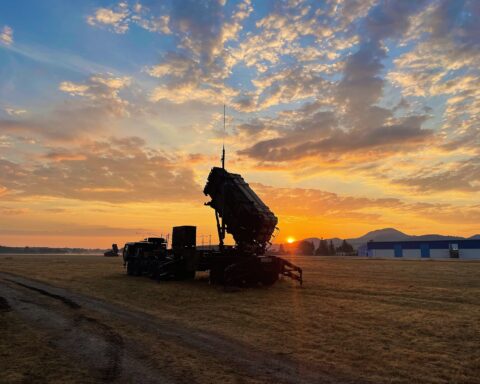
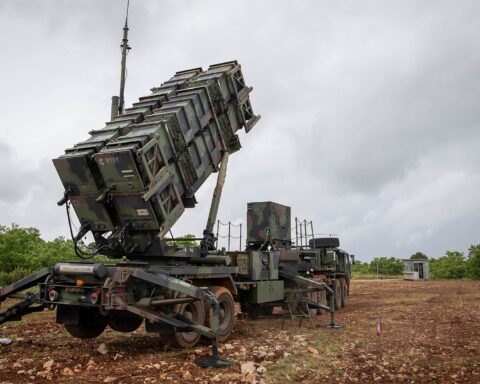
The military cost is measured in interceptors. Saudi Arabia’s PAC-3 inventory has been drawn down to approximately 14 percent of pre-war levels — roughly 400 rounds to defend 1.2–1.5 million Hajj pilgrims, two major American air bases, the eastern oil infrastructure, and the western pipeline terminus at Yanbu simultaneously. The $142 billion Strategic Defense Agreement includes PAC-3 resupply, but production timelines for Patriot interceptors are measured in years, not weeks, and Lockheed Martin’s current production rate cannot replenish wartime consumption faster than Iran can manufacture Shahed drones. The three carriers add their own Aegis-based air defense to the theater, but ship-based SM-2 and SM-6 missiles are optimized for fleet defense, not area defense of shore installations — they protect the carriers, not PSAB. The decision to exclude Saudi Arabia from Secretary Rubio’s May 1–2 emergency arms authorization — while resupplying Qatar, Kuwait, UAE, and Israel — is examined in the emergency arms package that skipped Saudi Arabia.
What Saudi Arabia has purchased with this expenditure of treasure, infrastructure, and diplomatic capital is the privilege of being America’s indispensable partner in a war whose conduct, objectives, and resolution are being determined in Washington, Islamabad, and Muscat. The three carriers are a statement of American commitment to the theater, but commitment to the theater is not commitment to the host, and the distinction matters when the host is the one whose oil fields are burning and whose interceptor magazines are approaching empty.
Frequently Asked Questions
Why did the USS George H.W. Bush route around the Cape of Good Hope instead of through the Suez Canal and Red Sea?
The Bush departed Norfolk on March 31 and entered CENTCOM’s area of responsibility on April 23, a transit time of approximately 23 days that reflects the 12,000-nautical-mile Cape route versus the roughly 6,500-nautical-mile Suez route. The US Navy has not sent a carrier through Bab el-Mandeb since 2023 due to Houthi anti-ship missile and drone capability in the southern Red Sea, which has forced even commercial shipping into longer routing. The Ford is already positioned in the Red Sea, having entered from the Mediterranean through Suez, but it did so before the Houthi threat escalation reached its current intensity. The Cape routing adds roughly $8–12 million in additional fuel costs per transit for a carrier strike group and delays arrival by 10–14 days, which is the operational price of Bab el-Mandeb denial.
Has Saudi Arabia ever refused to allow US offensive operations from its bases before?
During the 1991 Gulf War, Saudi Arabia permitted offensive operations from its territory, but under tight political constraints and with Saudi forces participating as co-equals in the coalition command structure under Prince Khalid bin Sultan. In 2003, Riyadh explicitly refused to allow offensive combat operations against Iraq from Saudi soil, leading to the relocation of the Combined Air Operations Center from Prince Sultan Air Base to Al Udeid, Qatar — a move that was completed by September 2003 and that effectively ended the major US military presence in Saudi Arabia for 16 years. The current arrangement, in which Saudi Arabia permits offensive operations without a disclosed co-command structure or consultation mechanism, is historically unprecedented in the US-Saudi military relationship.
What would happen if Saudi Arabia revoked basing permission for US forces?
The three-carrier posture could theoretically operate without Saudi basing, but at sharply reduced effectiveness. The KC-135 tanker fleet at PSAB extends the combat radius of carrier-based aircraft by 30–40 percent; without it, the air wings would be limited to targets within roughly 800–900 kilometers of their carrier positions, effectively excluding most of western Iran from coverage. Al Udeid in Qatar, which hosts 10,000+ US personnel and the Combined Air Operations Center, could absorb some of those functions, but Qatar’s own exposure to Iranian retaliation makes this a lateral transfer of risk rather than a reduction. Al Dhafra in the UAE hosts F-35As and tankers but carries its own political constraints. The practical consequence is that revoking basing permission is Saudi Arabia’s most powerful instrument of pressure — and the one it appears least willing to use, because doing so would jeopardize the $142 billion arms relationship and the MNNA status that Riyadh spent years pursuing.
How does the current carrier deployment compare to the US naval presence during the 2019 Iran tensions?
The 2019 crisis following the Abqaiq-Khurais drone attacks and the tanker seizures in the Gulf of Oman involved a single carrier strike group (the Lincoln) supplemented by the amphibious assault ship USS Bataan and additional Patriot batteries. The US deployed approximately 14,000 additional troops to the region in 2019, reactivated the 378th AEW at PSAB, and sent B-52 bombers to Al Udeid, but at no point did the posture approach the current three-carrier configuration. The 2019 deployment was explicitly defensive and deterrent; the 2026 deployment supports active combat operations including the April 13 blockade, strike missions against Iranian military targets, and a diplomatic posture that treats the military presence as a coercive instrument in ongoing negotiations — a fundamentally different operational context.
Could the IRGC actually target an aircraft carrier?
Iran’s anti-ship ballistic missile inventory — the Khalij-e Fars, Persian Gulf-2, and derivatives of the Fateh-110 — are designed specifically for this purpose, with ranges of 300–700 kilometers and terminal guidance systems intended to strike moving vessels. The US Navy has invested heavily in defeating this threat through the Aegis Combat System, SM-6 interceptors, and the Cooperative Engagement Capability that networks multiple ships’ radars into a single targeting picture. No anti-ship ballistic missile has ever been used against a carrier in combat, so the actual effectiveness of both the attack and defense systems remains untested at scale. What is known is that the Navy’s operational geometry — keeping all three carriers outside the Persian Gulf and at maximum distance from Iranian launch positions — reflects a genuine assessment that the threat is credible enough to shape force disposition, even if it is not credible enough to deter deployment entirely. The diplomatic track running parallel to this military posture accelerated on April 28, when Iran filed a third counter-proposal through Pakistan in under 48 hours — covered in Araghchi Files Third Islamabad Draft in 48 Hours.
The legal framework underpinning that deployment is now under congressional challenge: the 60-day War Powers Act deadline and what it means for the US military presence in the Gulf is examined in Trump Says Iran Is Collapsing. Congress Says the War Is Illegal.