
BEIRUT — Israeli forces destroyed the Qasmiyeh Bridge and at least two other crossings over the Litani River in southern Lebanon on Saturday and Sunday, severing the last major ground links between the country’s south and the rest of the nation. Lebanese President Joseph Aoun called the strikes a “prelude to ground invasion,” and Israeli Defence Minister Israel Katz confirmed he had ordered the military to destroy all crossings over the Litani and demolish structures near the border. The escalation opens a full second front in the broader Iran war, stretching an already overstretched coalition of air defence systems that protect Saudi Arabia and the wider Gulf from Iranian missiles and drones.
The IDF chief of staff declared on Saturday that the campaign against Hezbollah “has only begun” and would be “prolonged,” signalling that Israel intends to prosecute operations in Lebanon for weeks, if not months. For Riyadh, the timing is disastrous. Every Patriot battery, every Iron Dome component, and every intelligence asset diverted to the Lebanon theatre is one fewer resource available to intercept the hundreds of Iranian drones and ballistic missiles that have struck Saudi territory over the past 24 days. The Iran war is no longer a single conflict. It is now four simultaneous wars, and the Gulf sits at the centre of all of them.
Table of Contents
- What Did Israel Target in Lebanon?
- The IDF Chief Declared the Fight Has Only Begun
- How Many People Have Been Displaced in Lebanon?
- Why Does the Lebanon Front Matter for Saudi Arabia?
- The Four-Front War Stretching Coalition Resources
- Hezbollah’s Rocket Campaign and Iran’s Proxy Strategy
- Saudi Arabia and Lebanon Share a Complicated History
- What Happens Next in Lebanon?
- Frequently Asked Questions
What Did Israel Target in Lebanon?
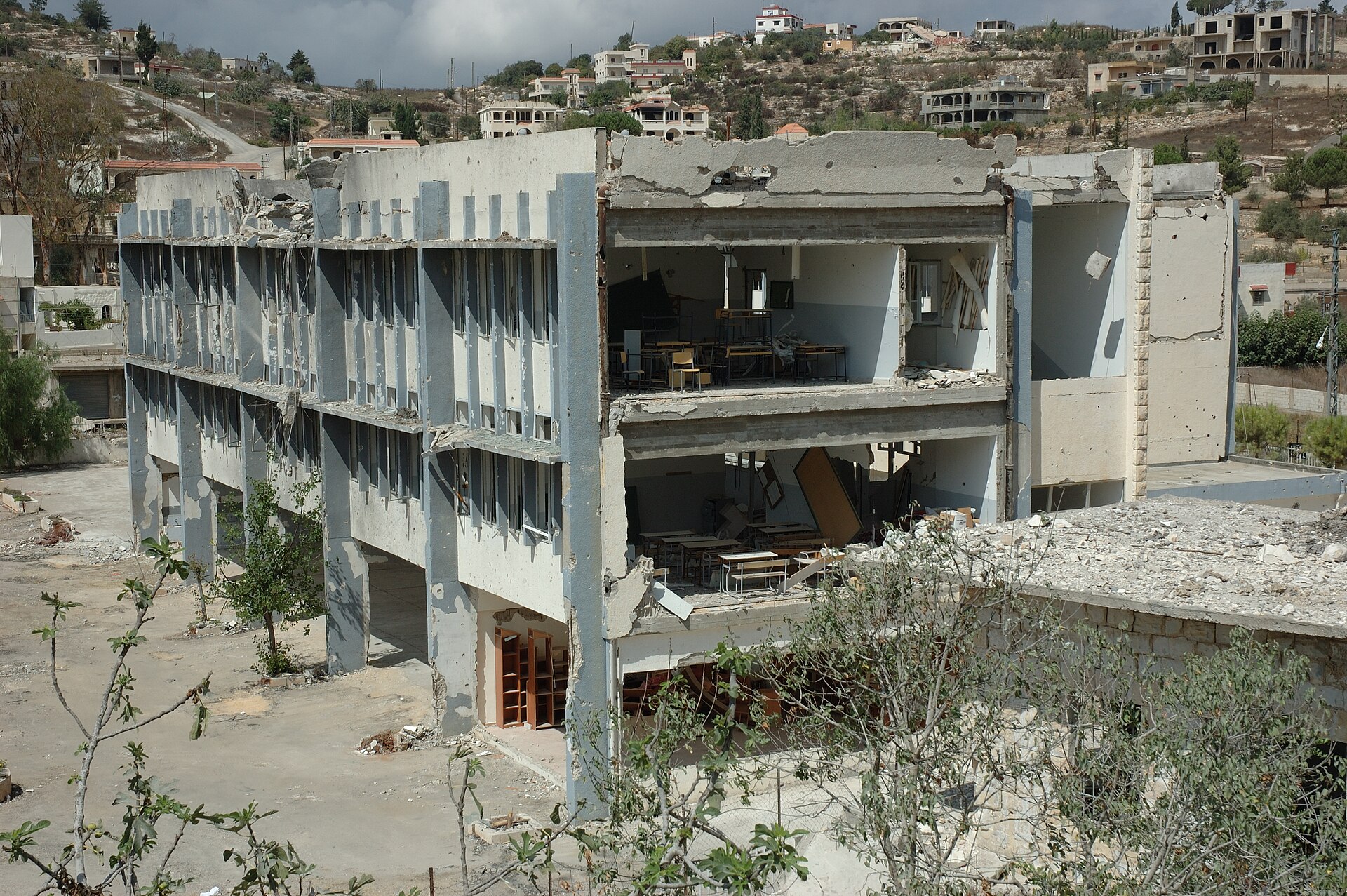
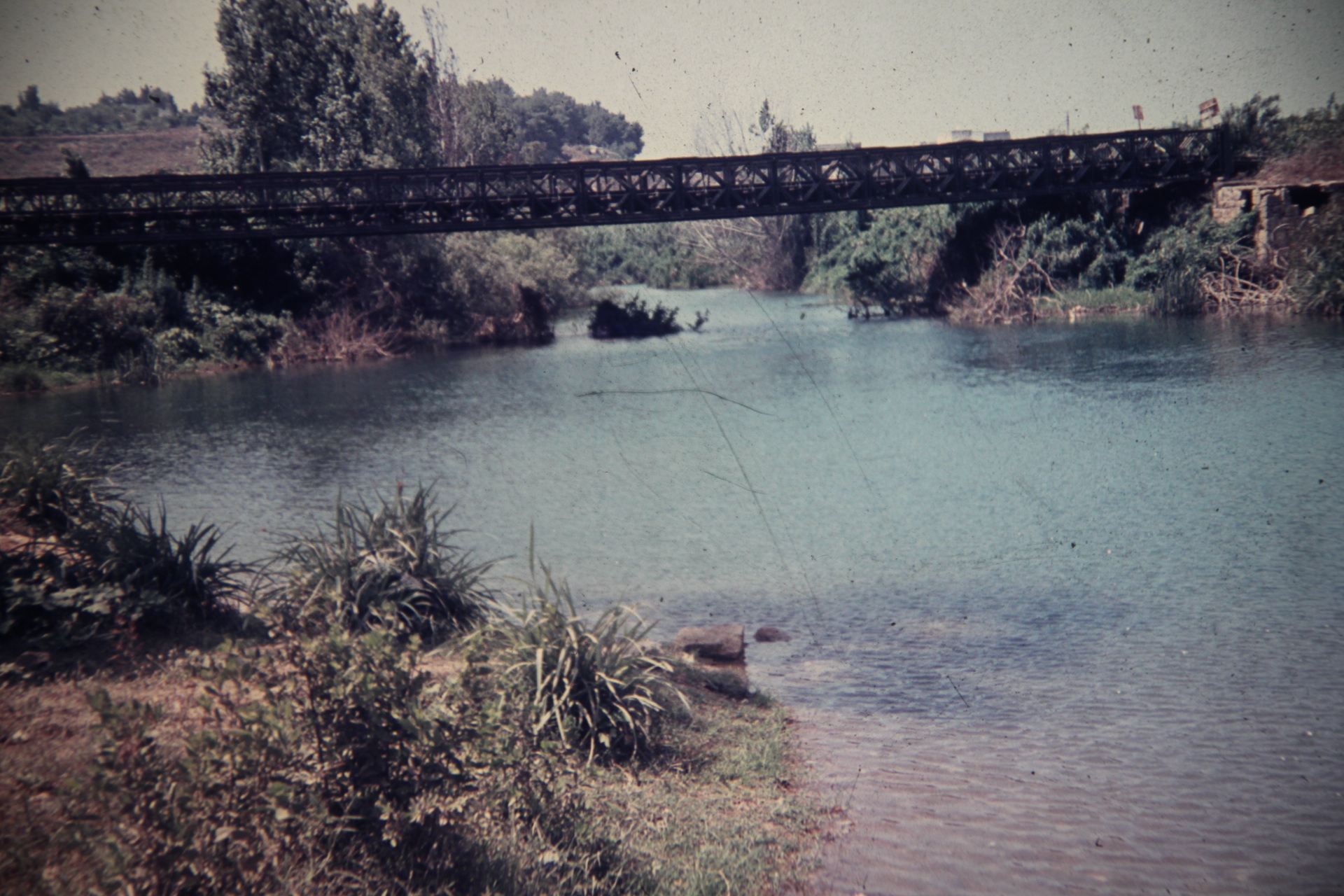
Israeli forces struck the Qasmiyeh Bridge, a key arterial crossing linking southern Lebanon to the port city of Tyre and the rest of the country, with three precision strikes that “caused extensive damage, rendering it unusable,” according to Lebanon’s National News Agency. The bridge carried the main coastal highway, and its destruction isolates approximately 400,000 residents south of the Litani River from access to hospitals, food supplies, and evacuation routes to the north.
The strikes were not limited to the Qasmiyeh crossing. Israeli Defence Minister Israel Katz ordered the destruction of all bridges over the Litani River, according to Al Jazeera. Additional crossings further inland were targeted in parallel strikes, and the IDF confirmed it had also demolished structures close to the Lebanon-Israel border that it alleged Hezbollah used as staging positions.
On Sunday afternoon, an Israeli armoured force of several vehicles advanced toward the Tal al-Nahas axis south of Marjayoun, approximately two kilometres inside Lebanese territory, preceded by heavy artillery shelling on Qlayaa, Burj al-Muluk, Deir Mimas, and the Khiam plain, CGTN reported. The advance marked the deepest penetration of Israeli ground forces since the current Lebanon front opened on March 2, when Hezbollah began firing rockets into northern Israel in retaliation for the US-Israeli killing of Iran’s Supreme Leader Ali Khamenei.
Israeli warplanes simultaneously struck more than 200 targets across Iran and Lebanon over the weekend, hitting what the IDF described as compounds storing weapons and ballistic missiles. In Lebanon, the air campaign has concentrated on the Bekaa Valley, the southern suburbs of Beirut, and positions along the border, according to Al-Monitor.
The Middle East briefing 3,000+ readers start their day with.
One email. Every weekday morning. Free.
The IDF Chief Declared the Fight Has Only Begun
IDF Chief of Staff Eyal Zamir said on Saturday that “the operation against the Hezbollah terrorist organization has only begun” and described it as “a prolonged operation,” signalling that Israel has no intention of scaling back. The statement was the clearest indication yet that Israel views the Lebanon campaign as a sustained multi-week or multi-month effort, not a limited retaliatory strike.
Zamir added that the military was “preparing to advance the targeted ground operations and strikes according to an organised plan.” The IDF spokesman separately told reporters that Israel expected “several more weeks of fighting against Iran and Hezbollah,” according to The Times of Israel, placing the Lebanon campaign on the same operational timeline as the air war against Iran itself.
The strategic logic, as articulated by Israeli officials, is sequential. Zamir stated that “at the end of the campaign in Iran, Hezbollah will be left alone and isolated,” suggesting that Israel plans to degrade Iran’s ability to resupply Hezbollah before turning its full attention to the Lebanese front. But the sequencing assumes that the Iran air campaign will conclude before Hezbollah exhausts its missile stockpile, an assumption that multiple analysts have questioned.
“The IDF is betting on a timeline that may not hold,” Anthony Cordesman of the Center for Strategic and International Studies wrote on March 22. “Hezbollah’s arsenal is larger today than it was in 2006, and Iran has had three weeks to push additional supplies through Syria.” The Foundation for Defense of Democracies assessed that Israel had been expanding its ground footprint in southern Lebanon incrementally since March 2, but the destruction of the Litani bridges marked a qualitative shift from limited incursions to preparation for a sustained campaign.
How Many People Have Been Displaced in Lebanon?
More than one million Lebanese have been displaced since the current conflict began on March 2, according to the United Nations Office for the Coordination of Humanitarian Affairs. The figure represents approximately 19 percent of Lebanon’s entire population and includes over 300,000 children. Lebanon’s Health Ministry reported that 1,029 people had been killed as of March 22, with four additional fatalities on Sunday from strikes in the south.
The humanitarian crisis is compounded by Lebanon’s existing refugee burden. The country already hosts approximately 1.35 million Syrian refugees and 250,000 Palestinian refugees, the highest number of refugees per capita in the world, according to the International Rescue Committee. Many of these communities have been displaced again by the current violence.
More than 822,000 people have registered as displaced with UN agencies, and approximately 128,000 are sheltering in nearly 600 collective sites across the country. The UN and its partners have appealed for $308.3 million to fund a three-month response plan running through May 2026, aiming to assist up to one million people, but only a fraction of the funding has materialised.
The destruction of bridges over the Litani River threatens to make the crisis significantly worse. Aid organisations operating in the south rely on the coastal highway and the Litani crossings to deliver food, medicine, and fuel. With those routes now severed, the population south of the river faces potential isolation.
Why Does the Lebanon Front Matter for Saudi Arabia?
The opening of a sustained ground campaign in Lebanon directly affects Saudi Arabia’s security calculus in at least four ways. Every additional front in the Iran war draws resources away from the Gulf air defence network that has intercepted hundreds of Iranian drones and ballistic missiles since February 28. Saudi Arabia’s Ministry of Defence confirmed on Sunday that its forces intercepted one ballistic missile over Riyadh and shot down 15 drones over the Eastern Province in the latest wave of Iranian strikes alone.
The Lebanon front strains US military capacity in the region. The United States has deployed additional aircraft carrier strike groups, fighter squadrons, and Patriot batteries to the Middle East since the war began, but these assets are finite. If the IDF requires expanded American intelligence, surveillance, and reconnaissance support for a Lebanon ground campaign, some of that capacity will be redirected from the Gulf. Crown Prince Mohammed bin Salman has positioned Saudi Arabia as the indispensable partner for American operations against Iran, but that partnership depends on sustained American attention to the Gulf theatre.
A prolonged Lebanon war also complicates the ceasefire timeline that Riyadh desperately needs. Saudi Arabia has been working through multiple mediators to find an off-ramp from the Iran conflict, but any ceasefire that does not include Lebanon would be incomplete. Israel’s declared intention to fight for weeks or months in Lebanon makes a comprehensive regional ceasefire significantly harder to achieve.
Hezbollah’s involvement also validates the worst-case scenario that Saudi defence planners have warned about for years. The fragmentation of Iran’s proxy network across multiple theatres means Saudi Arabia faces threats not from a single adversary but from a constellation of armed groups operating on different fronts with varying degrees of Iranian command and control.
The Four-Front War Stretching Coalition Resources
The Iran war has now expanded into four distinct but interconnected theatres, each placing demands on the same pool of American and allied military assets that underpin Saudi Arabia’s defence.
| Front | Primary Combatants | Key Threat to Saudi Arabia | Status |
|---|---|---|---|
| Iran (air campaign) | US, Israel vs. Iran | Ballistic missiles, drones targeting Saudi cities and oil infrastructure | Day 24, ongoing |
| Lebanon | Israel vs. Hezbollah | Diverts US/allied assets; complicates ceasefire | Escalating — ground invasion imminent |
| Iraq | Iranian-backed militias vs. US bases | Direct attacks on US forces providing Saudi air defence | 21 attacks in 24 hours on March 22 |
| Houthis (Yemen/Red Sea) | Houthis vs. coalition shipping | Threats to Saudi Red Sea shipping routes | Active — Yanbu targeted |
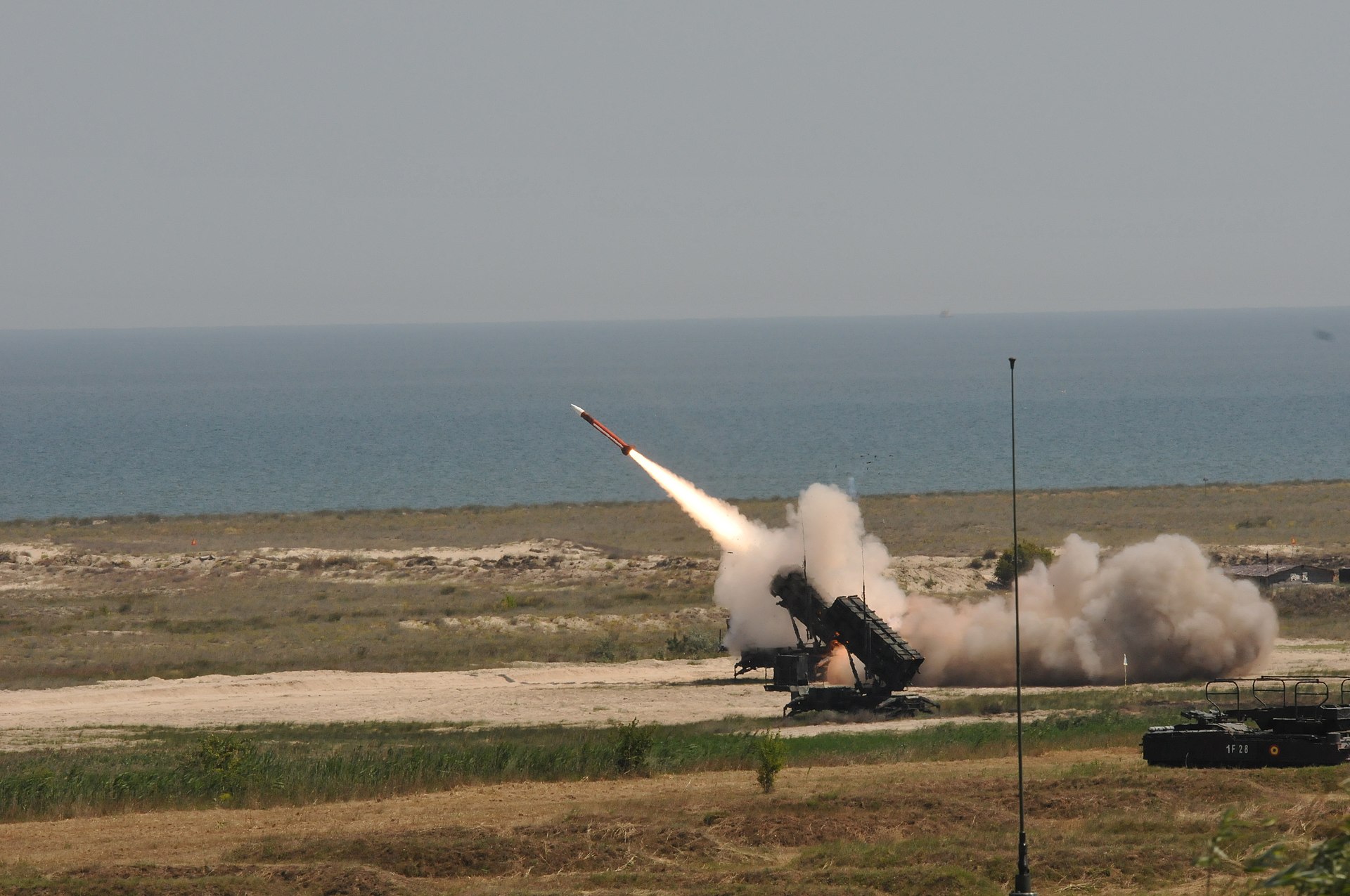
Each front consumes interceptor missiles at an unsustainable rate. Saudi Arabia’s Patriot batteries have fired hundreds of PAC-3 interceptors since the war began, at a cost of between $4 million and $12 million per missile, according to Breaking Defense. Iran’s Shahed-136 drones cost an estimated $20,000 to $50,000 each, creating a cost asymmetry that favours the attacker by a ratio of roughly 100 to 1.
The Lebanon front worsens this equation. Israel’s Iron Dome and David’s Sling systems are already stretched defending Israeli cities from Hezbollah rockets, reducing the number of interceptors available for sale or transfer to Gulf states. The $9 billion Patriot missile deal that Washington approved for Saudi Arabia in January has not yet delivered a single round, according to the US Defense Security Cooperation Agency.
Meanwhile, Iraqi militias have intensified their campaign against US bases in Iraq and Syria, with 21 attacks recorded in a single 24-hour period on March 22, Reuters reported. Each attack on Al Asad Air Base, Ain al-Assad, or the smaller US positions in eastern Syria degrades the logistics chain that supports American air defence operations over Saudi Arabia.
Hezbollah’s Rocket Campaign and Iran’s Proxy Strategy
Hezbollah resumed its rocket campaign against northern Israel on March 2, the day after the US-Israeli killing of Supreme Leader Ali Khamenei, violating a fragile ceasefire that had been in place since late 2024. Since then, the group has fired hundreds of rockets into Israeli territory, including cluster munitions that struck central Israel on March 22, according to The Jerusalem Post.
The group’s arsenal remains formidable. Western intelligence estimates from before the war assessed Hezbollah’s stockpile at approximately 130,000 rockets and missiles, ranging from short-range Katyushas to precision-guided Fateh-110 variants capable of reaching Tel Aviv, according to the International Institute for Strategic Studies. Three weeks of Israeli strikes have degraded but not eliminated this stockpile.
Iran’s proxy strategy, as it has evolved during the 2026 war, relies on forcing Israel and the United States to fight on multiple fronts simultaneously. Hezbollah in Lebanon, Kataib Hezbollah and allied groups in Iraq, and the Houthis in Yemen each impose costs and divert attention. The strategy is working in one narrow sense — the multi-front nature of the conflict is consuming interceptors, overstretching intelligence assets, and complicating ceasefire negotiations.
But Iran’s own blockade is proving self-defeating in economic terms. And the proxy campaign has produced an unintended consequence. Gulf states that initially opposed the war are now pushing Washington to continue the campaign and degrade Iran’s military capacity permanently, according to senior Gulf officials who spoke to NBC News. The calculation is simple: if the war ends before Hezbollah and the IRGC are significantly weakened, the Gulf will face decades of the same threats with even less American willingness to intervene.
Saudi Arabia and Lebanon Share a Complicated History
Saudi Arabia’s relationship with Lebanon has oscillated between patronage and rupture for decades. The Kingdom was the primary backer of former Prime Minister Rafic Hariri, whose assassination in 2005 was attributed to Hezbollah, and his son Saad Hariri served as a Saudi-aligned counterweight to the Iran-backed movement in Lebanese politics. The 2017 crisis, in which Saad Hariri appeared to resign under pressure while visiting Riyadh, exposed the limits of Saudi leverage in a country where Hezbollah’s armed wing operates as a parallel state.
Since 2022, Saudi Arabia has re-engaged with Lebanon through its ambassador, Walid Bukhari, who has cultivated relationships with Sunni political figures in northern Lebanon and the Bekaa Valley, according to L’Orient Today. But Riyadh’s influence remains constrained by Lebanon’s sectarian politics and by the reality that Hezbollah controls the country’s southern border — precisely the territory that Israel is now invading.
The destruction of southern Lebanon creates a longer-term concern for Saudi policymakers. Post-war reconstruction has historically been one of Riyadh’s tools for building influence in Lebanon. After the 2006 war, Saudi Arabia pledged $1 billion in reconstruction aid. A similar dynamic could emerge after the current conflict, but only if Hezbollah’s grip on the south is broken — a outcome that Israel’s current campaign is explicitly designed to achieve.
For Crown Prince Mohammed bin Salman, the Lebanon front presents a paradox. The degradation of Hezbollah serves Saudi strategic interests — the group has been Riyadh’s primary non-state adversary in the Levant for more than a decade, and its weakening would remove a major obstacle to Saudi influence in Lebanese politics. But the humanitarian cost and the expansion of the war undermine the stability that Vision 2030 requires. Riyadh’s public statements have focused on calling for civilian protection and restraint, while privately, Gulf officials have indicated support for continued military operations against Iran and its proxies, NBC News reported on March 22, citing senior officials from multiple Gulf capitals.
What Happens Next in Lebanon?
The IDF’s destruction of bridges over the Litani River is a textbook precursor to a sustained ground operation. By severing lines of communication and supply south of the river, Israel has created a de facto isolation zone that mirrors the security belt it maintained in southern Lebanon between 1985 and 2000. Analysts at the Foundation for Defense of Democracies noted on March 16 that the IDF had been expanding its ground footprint incrementally, and the bridge strikes represent a significant acceleration of that timeline.
Israel is planning a “massive ground invasion” of Lebanon, according to Axios, citing Israeli officials who described the operation as intended to push Hezbollah forces north of the Litani River and establish a buffer zone. The operation would involve significantly more troops than the limited incursions of recent weeks and could last months.
For Saudi Arabia and the Gulf, the implications are direct. A prolonged Lebanese front means the Iran war will not end quickly, ceasefire negotiations will remain stalled, and the drain on US military resources will intensify. The UN Security Council has shown no ability to enforce a ceasefire in Lebanon, and the existing UNIFIL peacekeeping force has been rendered largely ineffective by the scale of the fighting.
The war that began with American and Israeli strikes on Iran on February 28 has metastasised into a regional conflagration spanning four countries and multiple armed groups. For Riyadh, each new front is another claim on the finite pool of interceptors, intelligence assets, and diplomatic capital that the Kingdom needs to survive the crisis. The question is no longer whether the war will end. The question is whether it will end before the Gulf’s defences are exhausted.
Frequently Asked Questions
Why did Israel destroy the bridges over the Litani River?
Israel destroyed the Qasmiyeh Bridge and other Litani crossings to isolate southern Lebanon from Hezbollah resupply routes and civilian traffic, creating conditions for a sustained ground operation. The Litani River has historically served as the boundary of Israeli security zones in Lebanon, and controlling its crossings is a prerequisite for any large-scale ground campaign south of the waterway.
How does the Lebanon war affect Saudi Arabia’s air defences?
Every additional front in the Iran war consumes interceptor missiles, intelligence capacity, and US military attention. Saudi Arabia relies on Patriot missile systems and American surveillance assets to defend against Iranian drones and ballistic missiles. A sustained Israeli campaign in Lebanon diverts some of these finite resources, particularly Iron Dome components and intelligence feeds, away from the Gulf theatre.
How many people have been killed and displaced in Lebanon since March 2026?
As of March 22, Lebanon’s Health Ministry reported 1,029 killed and more than one million displaced, representing 19 percent of the country’s population. The UN has appealed for $308.3 million in emergency funding to assist affected populations, including Lebanese civilians, Syrian refugees, and Palestinian refugees who have been displaced again by the violence.
What is the connection between the Lebanon front and the Iran war?
Hezbollah resumed rocket attacks on Israel on March 2, one day after the US and Israel killed Iran’s Supreme Leader Ali Khamenei. The group acts as Iran’s most powerful proxy, and its campaign is coordinated with Iranian strikes on the Gulf and Iraqi militia attacks on US bases. Israel views degrading Hezbollah as integral to the broader campaign against Iran’s military infrastructure.
Will the Lebanon invasion delay a ceasefire in the Gulf?
Almost certainly. A comprehensive ceasefire must address all active fronts, and Israel’s declared intention to fight in Lebanon for weeks or months makes a quick resolution unlikely. Saudi Arabia has been working through multiple mediators, but any agreement that excludes Lebanon and the proxy fronts would be incomplete and fragile.