
RIYADH — Iran on Wednesday rejected President Donald Trump’s 15-point ceasefire proposal and issued a five-point counterproposal that demands international recognition of Iranian sovereignty over the Strait of Hormuz, war reparations from the United States and Israel, and a complete halt to hostilities across all fronts, according to Iranian state television. The White House responded within hours, warning that Trump is “prepared to unleash hell” if Tehran does not accept the “reality” of its military defeat. The diplomatic standoff, now entering its most dangerous phase on day 26 of the conflict, prompted UN Secretary-General Antonio Guterres to declare the war “out of control” and appoint veteran French diplomat Jean Arnault as his personal envoy to the Middle East.
The rejection marked the first formal Iranian response to Washington’s peace terms, which were transmitted via intermediaries on March 24 and included demands for nuclear concessions, ballistic missile limitations, and the reopening of the Strait of Hormuz. For Saudi Arabia and its Gulf Cooperation Council allies, Iran’s demand for sovereignty over the strait represents what Kuwait’s ambassador to the United Nations Human Rights Council called “an existential threat to international and regional security” — a claim that, if accepted, would hand Tehran permanent control over the waterway that carries roughly 20 percent of the world’s oil supply.
Table of Contents
- What Did Iran’s Five-Point Counterproposal Demand?
- What Was in Trump’s 15-Point Peace Plan?
- White House Threatens to ‘Unleash Hell’ on Iran
- Why Does Iran Want Sovereignty Over the Strait of Hormuz?
- How Have Gulf States Responded to Iran’s Demands?
- UN Appoints Jean Arnault as Middle East Envoy
- Strikes Continue Across the Region on Day 26
- What Happens Next?
- Frequently Asked Questions
What Did Iran’s Five-Point Counterproposal Demand?
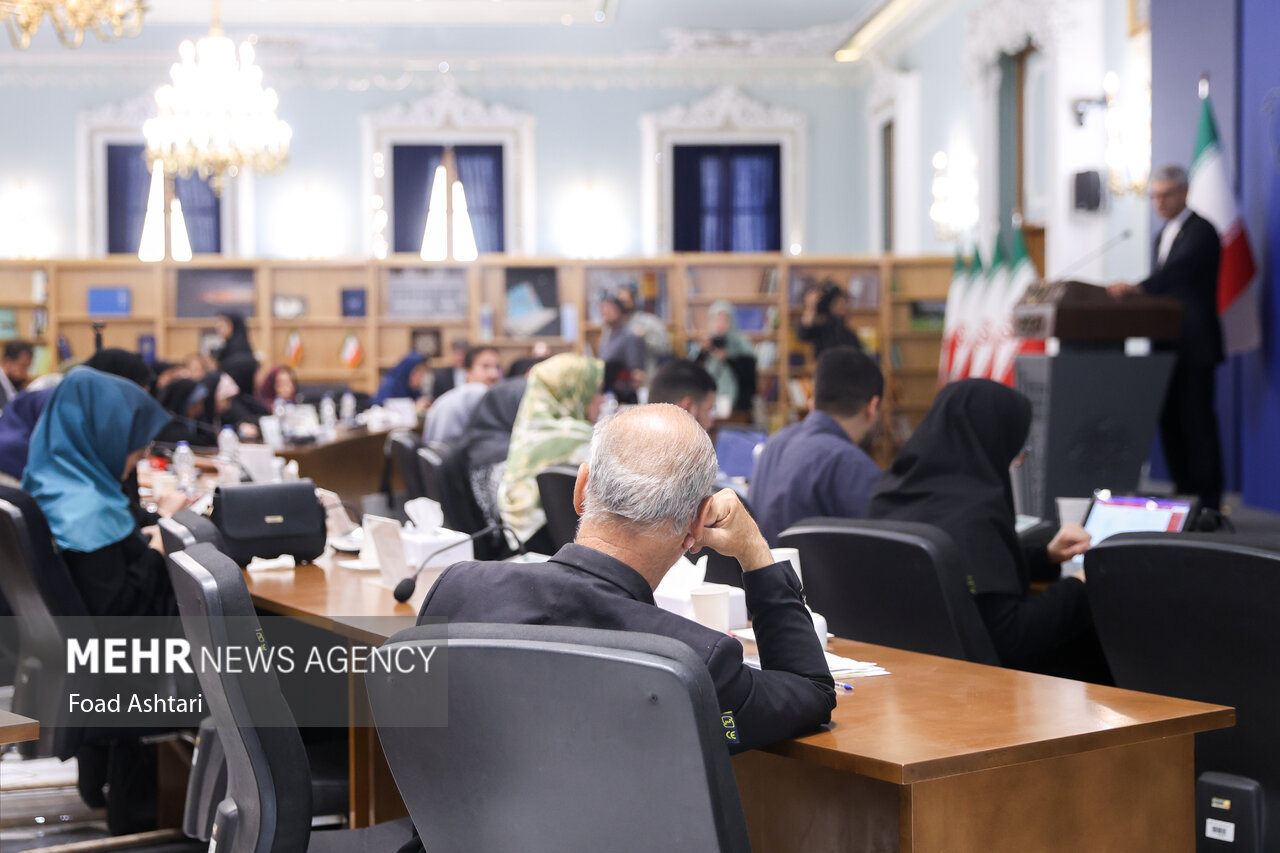
Iran’s government broadcast its counterproposal on state-run Press TV on Wednesday, March 25, calling Trump’s 15-point plan “maximalist and unreasonable,” according to Al Jazeera. The five conditions laid out by Tehran represent the most detailed set of demands Iran has issued since the war began on February 28, and they significantly exceed what most analysts considered a realistic negotiating position.
The five conditions, as reported by NPR, CNBC, and PBS News, are:
| Condition | Detail |
|---|---|
| Complete halt to aggression and assassinations | Immediate cessation of all US and Israeli military operations against Iran, including targeted killings of government and military officials |
| Mechanisms to prevent future war | Establishment of concrete, verifiable guarantees that no new conflict will be imposed on Iran |
| War reparations | Payment of damages for destruction caused by US and Israeli strikes, which Iran claims have destroyed 82,000 structures across the country |
| End to hostilities on all fronts | Cessation of attacks against Hezbollah in Lebanon and pro-Iranian militias in Iraq, ending the war across all theatres simultaneously |
| International recognition of Hormuz sovereignty | Guaranteed recognition of Iran’s “natural and legal right” to exercise sovereignty over the Strait of Hormuz, serving as a guarantee for implementation of the other conditions |
The counterproposal was communicated to the United States through the same intermediary channel — believed to be Pakistan, which has been hosting shuttle diplomacy efforts alongside Turkey — that carried Trump’s original 15 conditions to Tehran. A senior Iranian official told Reuters that the counterproposal “reflects the reality that Iran did not start this war and will not accept terms that treat it as a defeated party.”
The demand for Hormuz sovereignty, in particular, drew immediate condemnation from Gulf states and Western governments. Iran framed it as a “guarantee for the implementation of the other party’s commitments,” according to Press TV — effectively making Iranian control of the strait the enforcement mechanism for any future peace agreement.
The Middle East briefing 3,000+ readers start their day with.
One email. Every weekday morning. Free.
What Was in Trump’s 15-Point Peace Plan?
The US proposal, transmitted to Tehran on March 24, represented the most comprehensive peace offer Washington has made since the conflict began. According to Time magazine’s reporting, the 15-point plan would have required Iran to make significant concessions on its nuclear programme and agree to additional talks about its ballistic missile arsenal. In exchange, the United States would lift sanctions on Iran and end the conflict.
Key elements of the American proposal, as reported by multiple outlets, included:
- Immediate reopening of the Strait of Hormuz to all commercial shipping
- Verifiable dismantlement of Iran’s remaining nuclear enrichment capabilities
- Negotiations on limiting Iran’s ballistic missile programme
- Cessation of support for proxy forces in Lebanon, Iraq, Syria, and Yemen
- Comprehensive sanctions relief upon verified compliance
- Security guarantees against future military action
Iran’s government received the proposal through an intermediary — widely reported to be Pakistan — and responded within approximately 24 hours. The speed of the rejection, and the scale of Iran’s counterdemands, suggest that Tehran had prepared its negotiating position well in advance, according to analysts at the International Crisis Group cited by PBS News.
The original 15-point plan had already drawn criticism from some American allies who argued it was too demanding, while hawkish voices in Washington complained it offered too much in return. Iran’s flat rejection and maximalist counterproposal now leaves both sides further apart than at any point since the war began.
White House Threatens to ‘Unleash Hell’ on Iran
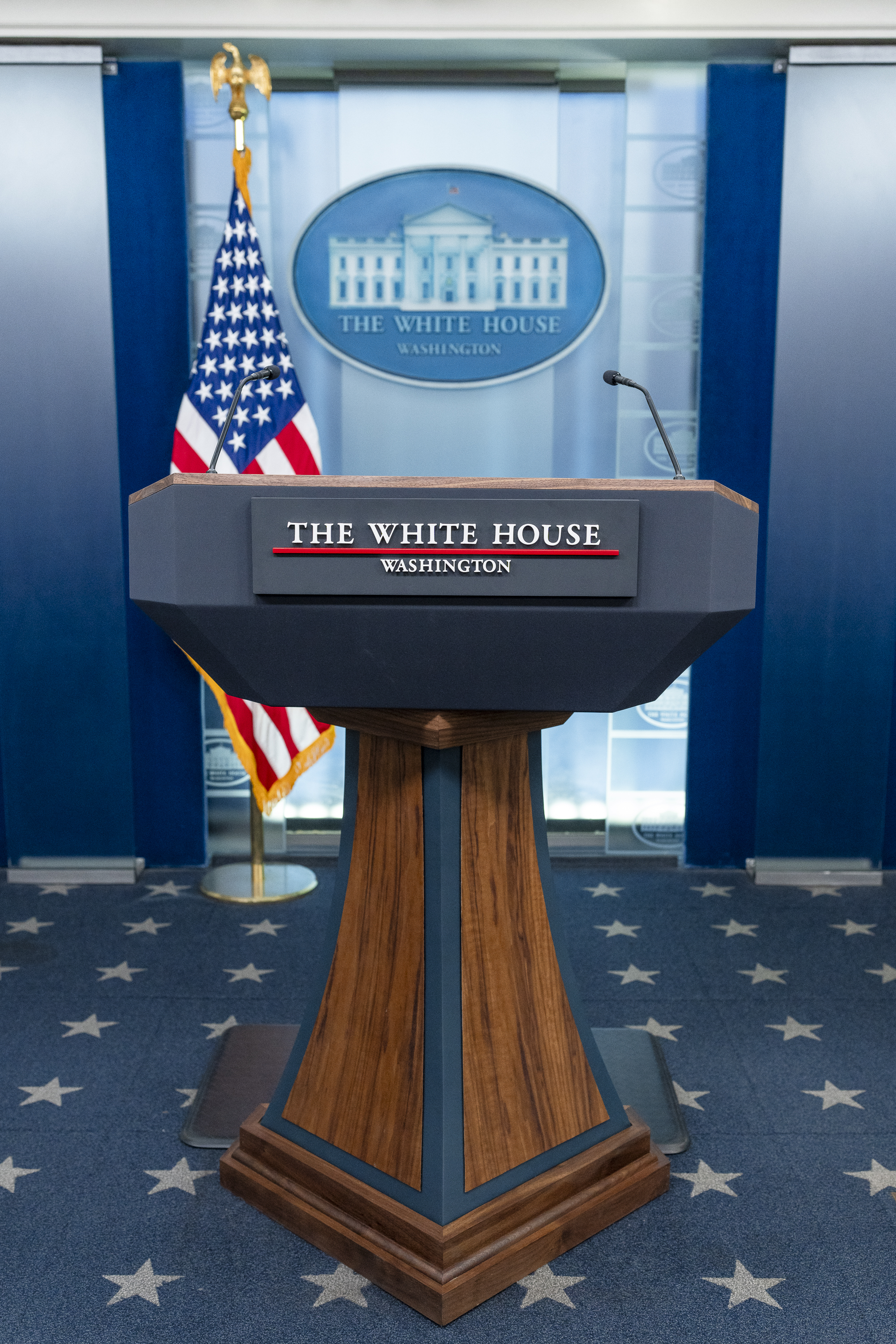
The White House responded to Iran’s counterproposal within hours. Press Secretary Karoline Leavitt told reporters at the James S. Brady Briefing Room that Trump was prepared to escalate military operations dramatically if Tehran refused to negotiate in what Washington considers good faith.
“If Iran fails to accept the reality of the current moment, if they fail to understand that they have been defeated militarily and will continue to be, President Trump will ensure they are hit harder than they have ever been hit before,” Leavitt said, according to CBS News. “President Trump does not bluff and he is prepared to unleash hell.”
Trump eventually set April 6 as the final deadline for Iran to reopen the Strait of Hormuz or face the destruction of its energy grid — a deadline that now threatens Saudi Arabia as much as it threatens Iran.
A senior US official separately told the Wall Street Journal that Iran’s five conditions were “ridiculous and unrealistic,” adding that the Hormuz sovereignty demand in particular was “a non-starter that no responsible government could accept.” The official said the US and Israel had already rejected the counterproposal in its entirety.
The warning came as Trump approved the deployment of more than 1,000 soldiers from the 82nd Airborne Division to the Middle East, according to NPR. The deployment of paratroopers — the second major troop increase in a week — raised questions about whether Washington was preparing for a ground component to what has thus far been an air and naval campaign.
Trump himself told reporters at the White House that negotiations with Iran were “ongoing” but provided no specifics. Earlier on Wednesday, he had suggested that Iran’s leadership understood it was losing the war. Iran’s government disputed those characterisations, though a senior official acknowledged that Tehran had exchanged messages with intermediaries, according to NBC News.
Why Does Iran Want Sovereignty Over the Strait of Hormuz?
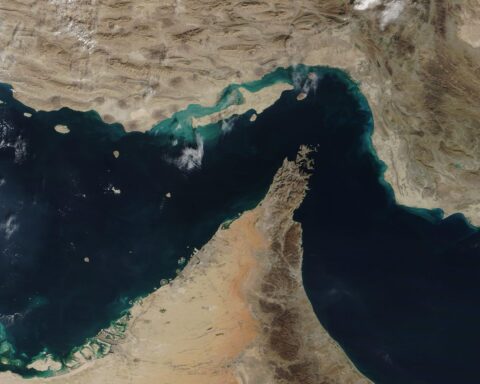
Iran’s demand for international recognition of its sovereignty over the Strait of Hormuz represents the single most consequential element of its counterproposal — and the one most directly threatening to Saudi Arabia and the broader Gulf region. Approximately 20 percent of global oil supply and roughly 25 percent of global liquefied natural gas passes through the 33-kilometre-wide waterway that separates Iran from Oman and the United Arab Emirates.
Under existing international law, the Strait of Hormuz is governed by the United Nations Convention on the Law of the Sea, which guarantees the right of transit passage through international straits regardless of which nations border them. Iran’s counterproposal would effectively override this framework, giving Tehran unilateral authority to regulate — or block — commercial shipping through the world’s most important energy chokepoint.
Iran has already demonstrated its willingness to use Hormuz as a weapon during the current conflict. Since the war began on February 28, Tehran has selectively permitted passage to vessels it deems “non-hostile” while blocking or attacking ships associated with the United States, Israel, and their allies. The resulting disruption to global shipping has trapped approximately 2,000 vessels and 20,000 seafarers in the Persian Gulf, according to the International Maritime Organization.
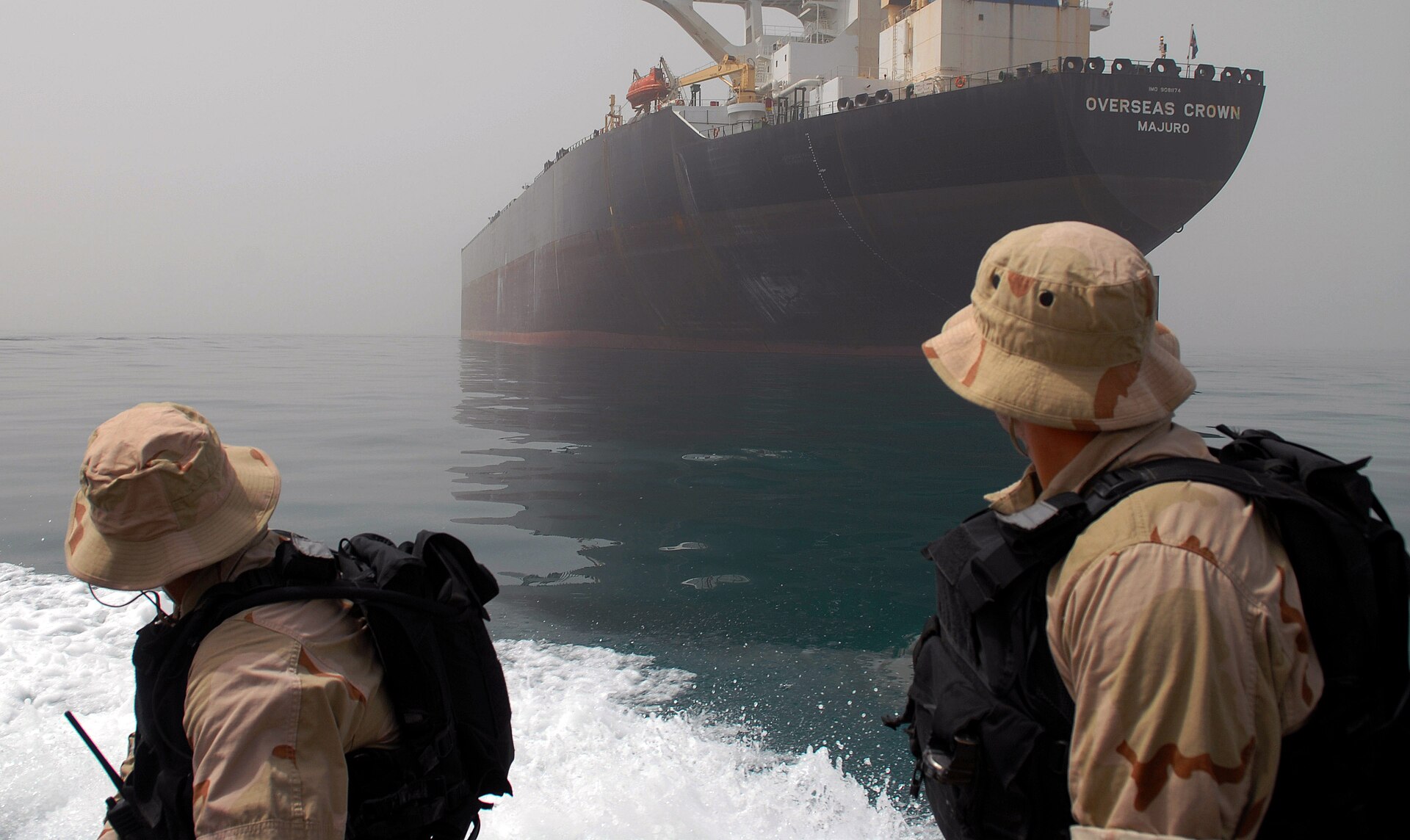
For Saudi Arabia, formal Iranian sovereignty over Hormuz would be catastrophic. The Kingdom exports approximately 7.5 million barrels of oil per day, and while the East-West Pipeline to the Red Sea port of Yanbu provides an alternative route for up to 4 million barrels daily, the bulk of Saudi crude historically flows through the Gulf and the strait. Even with Yanbu operating at record capacity — approaching 3.8 million barrels per day since the Hormuz disruption began — Saudi Arabia cannot fully bypass the waterway indefinitely.
BloombergNEF analysis published on March 25 estimated that the prolonged closure of Hormuz had already cost Gulf oil exporters more than $30 billion in deferred revenue, with Saudi Arabia absorbing the largest share. The market reaction was swift: Brent crude fell below $100 on the same day as traders bet the proposals could lead to a Hormuz reopening. The International Energy Agency warned this week that the crisis had already surpassed the 1970s oil shocks in its disruption to global energy flows.
How Have Gulf States Responded to Iran’s Demands?
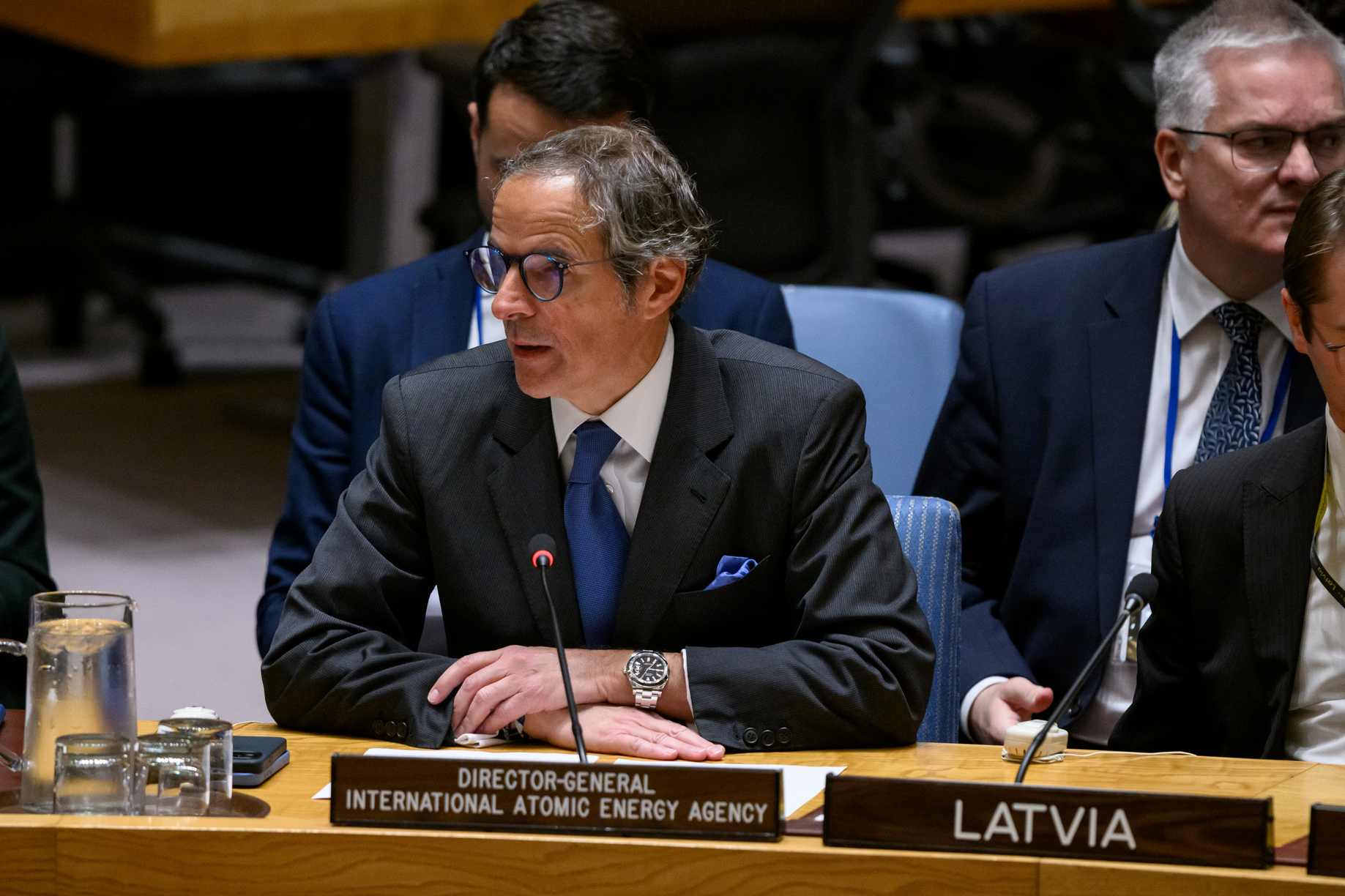
Gulf Cooperation Council member states responded with a unified condemnation of Iran’s counterproposal, particularly the Hormuz sovereignty demand. In a joint statement to the UN Human Rights Council in Geneva on Wednesday, all six GCC nations — Bahrain, Kuwait, Oman, Qatar, Saudi Arabia, and the UAE — adopted a resolution condemning what they called Iran’s “unprovoked and deliberate” attacks on Gulf territory, according to Iran International.
Kuwait’s ambassador to the council delivered the statement on behalf of the bloc, declaring that Persian Gulf states were confronting “an existential threat to international and regional security.” The ambassador called on Tehran to immediately cease attacks on Gulf nations and demanded “full and swift reparations for victims” — directly countering Iran’s own demand for reparations from the United States and Israel.
The GCC’s response underscored a broader diplomatic concern: Gulf states have insisted on being represented in any peace talks, demanding guarantees for the free flow of energy and the cessation of threats from Iranian missiles, Tehran’s nuclear programme, and its network of regional proxies. Bahrain has separately asked the UN Security Council to authorise the use of force to reopen the strait under Chapter VII of the UN Charter.
The UN Human Rights Council subsequently adopted a resolution by consensus demanding Iran cease all attacks on Gulf states and pay reparations, adding a multilateral legal dimension to the GCC’s diplomatic campaign.
Pakistan’s Prime Minister reaffirmed on Wednesday that Islamabad’s “commitment to the security and defence of Saudi Arabia remains unequivocal,” according to Pakistani media. The statement came as France and Saudi Arabia deepened their defence cooperation earlier this week, with Saudi Defence Minister Prince Khalid bin Salman hosting French Minister of the Armed Forces Catherine Vautrin in Riyadh.
The diplomatic posturing from multiple capitals reflected growing concern that without a negotiated settlement, the conflict could escalate into a direct military confrontation between Iran and GCC states. Saudi Arabia and the UAE have already taken steps toward joining the war, with Riyadh granting the US military access to King Fahd Air Base in Taif and Crown Prince Mohammed bin Salman reportedly nearing a decision on direct military participation, according to the Wall Street Journal.
UN Appoints Jean Arnault as Middle East Envoy
UN Secretary-General Antonio Guterres used a press conference on Wednesday to declare the Middle East war “out of control” and announce the appointment of veteran French diplomat Jean Arnault as his personal envoy to the conflict, according to UN News.
“The conflict has broken past the limits even leaders thought imaginable,” Guterres said. “The world is staring down the barrel of a wider war, a rising tide of human suffering, and a deeper global economic shock. This has gone too far.”
Guterres specifically called on the United States and Israel to end their bombing campaign while simultaneously demanding that Iran stop attacking Gulf neighbours “who have played no direct part in the war.” He highlighted the economic ripple effects of the conflict, noting that “the prolonged closure of the Strait is choking the movement of oil, gas, and fertiliser at a critical moment in the global planting season.”
Arnault, according to the UN, has more than 30 years of experience in international diplomacy focusing on peace settlements and mediation. His most recent assignment was as Guterres’ personal envoy on Afghanistan and regional issues in 2021. The UN described him as having a background in missions across Africa, Asia, Europe, and Latin America — though the Middle East has not previously been among his primary areas of focus.
The appointment represented the United Nations’ most significant diplomatic intervention in the conflict to date. Previous mediation efforts have been led by individual states — Pakistan, Turkey, Oman, and Qatar among them — rather than through multilateral institutions. Guterres’ decision to create a personal envoy role suggests the UN sees existing diplomatic channels as insufficient.
Whether Arnault can succeed where others have failed remains an open question. As the conflict enters its fourth week, neither side has shown willingness to make the concessions the other considers minimal. Iran’s counterproposal and Washington’s “unleash hell” response suggest the gap between the two sides is widening rather than narrowing.
Strikes Continue Across the Region on Day 26
Diplomatic exchanges on Wednesday took place against a backdrop of continued military operations across multiple fronts. Saudi Arabia’s Ministry of Defence announced the interception and destruction of 21 drones over the Eastern Province, which houses the Kingdom’s most critical oil infrastructure including the Ras Tanura terminal, the Ghawar oil field, and the Abqaiq processing facility, according to Al Arabiya.
In Kuwait, a drone strike hit a fuel tank at Kuwait International Airport earlier on Wednesday, causing a major fire that disrupted operations. Iran also continued to launch missiles and drones at Israel, with at least one missile striking a street in Tel Aviv, according to Al Jazeera’s live coverage of day 26.
The Lebanese Ministry of Public Health reported that at least 1,072 people have been killed and 2,966 wounded in Lebanon since the offensive escalated on March 2, with 33 deaths recorded in the 24 hours preceding Wednesday’s update. Israeli forces continued operations in southern Lebanon, including strikes on bridges along the Litani River.
In Iran, US and Israeli strikes continued to target military and infrastructure sites. The 25-day air campaign has destroyed an estimated 82,000 structures across the country, according to figures cited by multiple media outlets. The destruction of Iran’s power grid, ordered by Trump earlier in the week, has left large sections of the country without reliable electricity.
The combined civilian toll and infrastructure damage on both sides have fuelled growing international pressure for a ceasefire — pressure that Wednesday’s diplomatic breakdown did little to address. UK Prime Minister Keir Starmer condemned Iran’s attacks on Saudi Arabia, while expressing hope that the counterproposal represented at least “the opening of some sort of negotiating channel” between the warring parties.
What Happens Next?
The collapse of the first formal exchange of ceasefire proposals leaves three immediate paths forward, according to analysts at the International Crisis Group and the Brookings Institution.
The first is continued military escalation. Trump’s “unleash hell” warning, combined with the deployment of additional troops and the ongoing destruction of Iranian infrastructure, suggests Washington may intensify operations to force Tehran into more favourable terms. Iran, for its part, has shown no sign of reducing its attacks on Gulf states, Israel, or US-allied positions across the region.
The second is quiet back-channel negotiation. Despite the public rejection on both sides, the exchange itself represents the most substantive diplomatic engagement since the war began. Iran’s willingness to issue a counterproposal — rather than simply refusing to negotiate — has been interpreted by some diplomats as a signal that Tehran is open to talks under different terms. The appointment of Arnault as UN envoy provides an additional channel through which such negotiations could proceed.
The third, and most concerning for Saudi Arabia and its neighbours, is a prolonged stalemate in which neither side can deliver a decisive military blow but both refuse to compromise on their core demands. In this scenario, the Strait of Hormuz remains contested, Iranian control over maritime traffic continues, and the economic damage to the global economy deepens with each passing week.
Compounding this impasse, Washington and Tehran are not the only parties with demands on the table. Saudi Arabia has been quietly assembling five preconditions of its own for any ceasefire — including a binding US defense treaty, nuclear enrichment rights, and advanced fighter jet deliveries — requirements that make the existing gap between fifteen American points and five Iranian conditions even wider.
A UN Security Council vote on a resolution regarding the Strait of Hormuz is expected in the coming days. Bahrain’s proposal for a Chapter VII resolution authorising the use of force to reopen the strait faces likely vetoes from Russia and China, but the vote itself will serve as a test of international consensus on the conflict.
For Crown Prince Mohammed bin Salman, the breakdown in ceasefire talks intensifies the pressure to choose between continued restraint — which has left Saudi Arabia absorbing Iranian attacks without retaliating directly — and joining the US-led military campaign, a step that would mark the most significant Saudi military engagement since the Yemen war. The Wall Street Journal reported on March 24 that MBS is “close to a decision” on direct military participation, though sources cautioned that no final order had been given.
Iran’s demand for Hormuz sovereignty became further complicated on March 26 when Israel announced it had killed the IRGC Navy commander responsible for enforcing the blockade, Rear Admiral Alireza Tangsiri, in an air strike on the Bandar Abbas naval headquarters.
The Tangsiri strike was part of Netanyahu’s broader 48-hour blitz on Iran’s arms industry, ordered as Israeli officials grew concerned that a ceasefire could freeze the remaining one-third of Iran’s production capacity in place.
Despite Iran’s rejection, Trump extended his pause on energy strikes by an additional ten days on March 26, setting a new deadline of April 6 as indirect talks continued through Pakistani intermediaries.
Frequently Asked Questions
The diplomatic manoeuvring accelerated further on Wednesday evening, with the White House confirming plans to send Vice President Vance to Pakistan for what could become the first face-to-face engagement between American and Iranian officials since the war began 26 days ago.
What are Iran’s five conditions for a ceasefire?
Iran demands a complete halt to US and Israeli military operations and assassinations, verifiable mechanisms to prevent future wars, payment of war reparations for damage caused by 26 days of strikes, an end to hostilities against all Iranian allies including Hezbollah and Iraqi militias, and international recognition of Iranian sovereignty over the Strait of Hormuz.
Why did Iran reject Trump’s 15-point peace plan?
Iran called the US proposal “maximalist and unreasonable,” according to state television. The plan required significant Iranian concessions on nuclear enrichment, ballistic missiles, and proxy support in exchange for sanctions relief. Tehran’s counterproposal signals it considers the US terms to be surrender conditions rather than a genuine negotiation starting point.
What does Iran’s Hormuz sovereignty demand mean for Saudi Arabia?
Iranian sovereignty over the Strait of Hormuz would give Tehran permanent legal authority over the waterway that carries approximately 20 percent of global oil supply. Saudi Arabia exports roughly 7.5 million barrels per day, and while the Yanbu pipeline provides a partial alternative, the Kingdom cannot fully bypass Hormuz. Gulf states have called the demand an existential threat.
Who is Jean Arnault, the new UN envoy?
Jean Arnault is a veteran French diplomat with more than 30 years of experience in peace settlements and mediation. His most recent UN assignment was as Secretary-General Guterres’ personal envoy on Afghanistan in 2021. He has worked on UN missions across Africa, Asia, Europe, and Latin America, though the Middle East has not previously been his primary focus.
What did the White House mean by “unleash hell”?
Press Secretary Karoline Leavitt warned that if Iran does not “accept the reality” of its military situation, Trump will order strikes “harder than they have ever been hit before.” The threat follows Trump’s earlier ultimatum to destroy Iran’s power grid if the Strait of Hormuz was not reopened, and the deployment of additional 82nd Airborne paratroopers to the Gulf region.
The structural incompatibility between Washington’s fifteen demands and Tehran’s five conditions became even clearer when scored through the Ceasefire Feasibility Matrix, which found zero overlap on the two most critical issues — nuclear disarmament and Hormuz sovereignty.