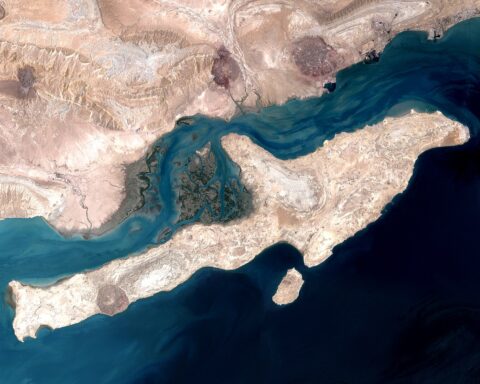

ISLAMABAD — The White House is working to arrange Vice President JD Vance’s travel to Pakistan this weekend for what would be the first face-to-face diplomatic engagement between the United States and Iran since the war began on 28 February, according to CNN and multiple officials familiar with the planning. The development came hours after Iran rejected Washington’s 15-point peace proposal as “extremely maximalist and unreasonable,” while simultaneously opening the Strait of Hormuz to “non-hostile” vessels for the first time since hostilities shut down the critical waterway.
The parallel signals — rejection of the American terms alongside a partial reopening of global oil’s most important chokepoint — suggested Tehran was manoeuvring for leverage ahead of any negotiating table, rather than refusing engagement entirely. Oil markets responded immediately, with Brent crude falling 6.1 percent to $98.03 per barrel on Wednesday, wiping out billions of dollars in war premium that had kept energy prices elevated for nearly four weeks. For Saudi Arabia, whose oil exports remain constrained by the Hormuz closure and whose territory has absorbed hundreds of Iranian drone and missile strikes, the stakes in any weekend talks could hardly be higher.
Table of Contents
- Vance Trip Takes Shape Amid Fluid Planning
- What Does the US 15-Point Plan Propose?
- How Did Iran Respond With Five Conditions of Its Own?
- Why Did Pakistan Emerge as the War’s Mediator?
- What Does Saudi Arabia Want From Any Deal?
- Iran Opens Hormuz to Non-Hostile Ships
- Gulf States Tell the UN That Iran Poses an Existential Threat
- Oil Markets Drop on Hopes of Diplomacy
- Frequently Asked Questions
Vance Trip Takes Shape Amid Fluid Planning
Trump administration officials confirmed on Wednesday that planning was under way for Vice President JD Vance to travel to Pakistan, potentially this weekend, for discussions aimed at finding an off-ramp to the war, CNN reported. The plans remain fluid, with officials cautioning that the timing, location, and the precise list of attendees had not been finalised.

Turkey has also emerged as a possible alternative venue, two sources familiar with the matter told CNN, as some officials have raised security concerns about a visit to Pakistan. Turkish officials indicated willingness to host the talks, with a senior Turkish diplomat telling Middle East Eye that “the exact location of the meeting has not yet been finalised” but that Ankara was “ready to contribute wherever the diplomatic table is established.”
The potential Vance trip represents a significant escalation of diplomatic engagement, one made more complex by Vance’s tense confrontation with Netanyahu over the Israeli leader’s failed war predictions. Previous back-channel communications had been conducted through intermediaries — primarily Pakistan’s army chief General Asim Munir, who spoke directly with President Trump about the war, according to the Financial Times. Senior Pakistani officials were also back-channelling communications between Tehran and Trump envoys Steve Witkoff and Jared Kushner, the Washington Post reported.
If the talks proceed in Islamabad, it would mark the first time since the war began 26 days ago that a senior US official has sat across from Iranian counterparts. Iran’s foreign ministry, however, maintained on Wednesday that Tehran had “no plans for negotiations with the United States,” even as it engaged with the American proposal through Pakistani intermediaries, according to NBC News.
The Middle East briefing 3,000+ readers start their day with.
One email. Every weekday morning. Free.
What Does the US 15-Point Plan Propose?
The United States has sent Iran a 15-point peace proposal through Pakistan’s army chief, Bloomberg and the Washington Post reported on Tuesday. The plan represents Washington’s most comprehensive diplomatic offer since the war began and covers the core disputes that have driven US-Iran tensions for decades.
According to officials briefed on the proposal and reporting by the Jerusalem Post, Time, and Iran International, the 15-point plan includes:
- A five-year moratorium on Iran’s ballistic missile programme
- The physical transfer of enriched uranium to Russia for safekeeping
- Iran’s commitment to never pursue nuclear weapons and dismantle any existing capabilities
- Stronger International Atomic Energy Agency monitoring and inspection access
- Sanctions relief and the rollback of critical economic restrictions
- Civilian nuclear cooperation between the US and Iran
- Guarantees for freedom of navigation through the Strait of Hormuz
- A regional consortium linking Iran, the United States, the Emirates, Qatar, and Saudi Arabia for uranium enrichment management, with enrichment capped at 3.67 percent purity
- The permanent reopening of the Strait of Hormuz to all commercial shipping
The plan was characterised by American officials as a starting point for negotiations rather than a final offer. “The president is prepared to unleash hell on Iran but prefers peace,” a White House official told the Irish Times on Wednesday. Trump himself said on Tuesday that he had sent the plan to Tehran, expressing “cautious optimism” about ending the war.
The 15 conditions Washington laid out touch on virtually every dimension of the US-Iran relationship, from nuclear ambitions to regional proxy networks. The breadth of the proposal — far wider than the 2015 Joint Comprehensive Plan of Action, which focused narrowly on nuclear issues — reflects the Trump administration’s ambition to secure what officials have called a “grand bargain” that resolves multiple disputes simultaneously.
How Did Iran Respond With Five Conditions of Its Own?
Iran rejected the US proposal within hours of its reported delivery, then outlined five conditions of its own for ending the war. The response, reported by NPR, The Hill, and Al Jazeera on Wednesday, marked Tehran’s first public articulation of what it would accept as terms for a ceasefire.
Iran’s five conditions, as reported by multiple outlets, are:
- An immediate end to all “acts of aggression” — meaning a complete halt to US and Israeli strikes on Iranian territory
- Guarantees that the war will not recur — security assurances that would prevent future military action
- Payment of war damages and reparations for destruction caused by US and Israeli strikes
- An end to hostilities across all fronts involving all resistance groups — effectively requiring Israel to halt operations in Lebanon and elsewhere
- Iranian sovereignty over the Strait of Hormuz — the most contentious demand, as it would formalise Tehran’s claim to control the waterway
Notably absent from Iran’s counterproposal was any mention of the country’s nuclear programme, the central focus of the American plan. This omission suggested that Tehran intended to keep the nuclear file off the table in initial ceasefire negotiations, a position consistent with its longstanding insistence that the nuclear issue was a separate matter from regional security.
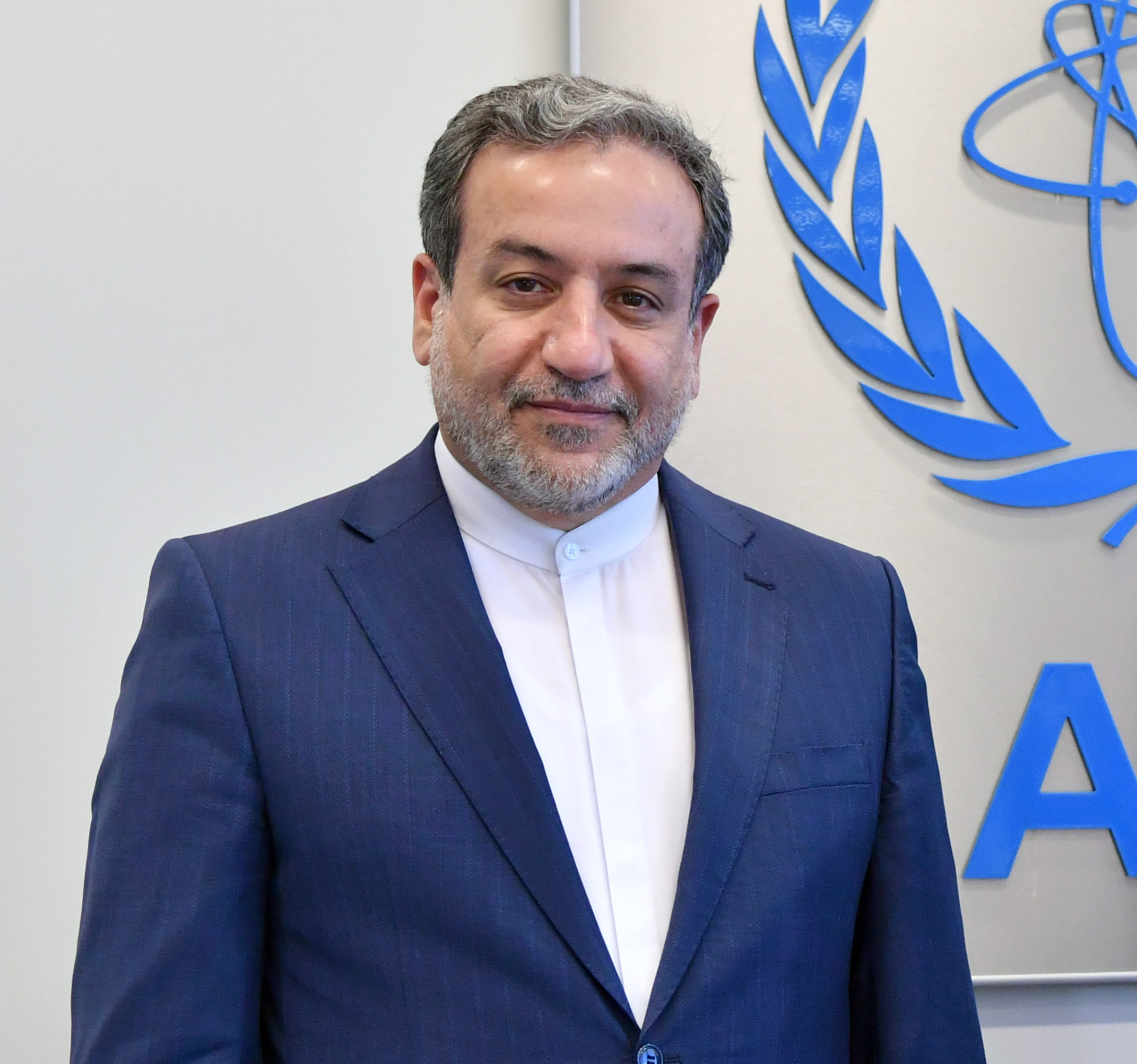
Iran’s foreign minister, Abbas Araghchi, described the American proposal as “extremely maximalist and unreasonable,” according to Al Jazeera. State broadcaster Press TV confirmed the rejection, while a senior Iranian source told CNBC that the proposal was “being reviewed” even as public statements dismissed it. Iran’s military separately mocked the Trump administration’s diplomatic efforts, telling Reuters that Washington was “negotiating with yourselves.”
Separately, the UN Human Rights Council adopted a resolution by consensus on Wednesday demanding Iran cease all attacks on Gulf states and pay reparations, establishing a parallel multilateral diplomatic track alongside the US-Iran bilateral negotiations.
The gap between the two positions appeared vast. Washington’s plan demanded the dismantlement of Iran’s nuclear capabilities and missile programme; Tehran’s counter-conditions demanded reparations, security guarantees, and sovereignty over the world’s most important oil chokepoint. But the fact that both sides had now put terms on paper — however far apart — represented the most structured diplomatic exchange since the war began, according to Bloomberg.
As Tehran rejected Washington’s ceasefire terms, analysts noted that the public posturing masked quieter back-channel engagement. An Iranian source told CNN on Tuesday that Tehran was willing to listen to “sustainable” proposals to end the war, suggesting that the rhetoric of rejection was not necessarily the final word.
The negotiation challenge is further complicated by the collapse of Iran’s diplomatic network across the Gulf, where five countries have expelled or downgraded Iranian diplomatic personnel in twenty-six days, eliminating the regional channels that historically facilitated back-channel communication.
Why Did Pakistan Emerge as the War’s Mediator?
Pakistan’s role as the primary intermediary between Washington and Tehran has surprised many observers, given that the country is neither a major Gulf power nor a traditional Middle East diplomatic broker. But Pakistan possesses a unique combination of relationships that no other country can match: warm ties with both Washington and Tehran, a powerful military establishment with direct channels to Trump, and geographic proximity to Iran.
General Asim Munir, Pakistan’s army chief, spoke directly with President Trump about the war in late March, according to the Financial Times and Anadolu Agency. The conversation was described as substantive, with Munir using his established rapport with the Trump administration — built through Pakistan’s cooperation on counterterrorism — to pitch Islamabad as a credible mediator.
Pakistan has already successfully conveyed the American 15-point proposal to Tehran, Reuters reported, citing a senior Iranian source. This marked one of the clearest signs of Pakistan’s growing role as a back-channel intermediary. The Asia Times described Pakistan as the war’s “indispensable mediator,” noting that Islamabad’s simultaneous relationships with Washington, Tehran, and Riyadh positioned it uniquely.
Pakistani Prime Minister Shehbaz Sharif amplified the diplomatic push on Wednesday with a phone call to Saudi Crown Prince Mohammed bin Salman, according to Arab News. The two leaders discussed the latest regional developments, the repercussions of the ongoing military escalation on regional and global stability, and the mediation efforts under way. Sharif reiterated Pakistan’s “full support and commitment to stand firmly with the Kingdom against repeated Iranian attacks threatening its security and sovereignty.”
The Sharif-MBS call underscored a critical dimension of Pakistan’s mediation: it was not operating independently but coordinating closely with Saudi Arabia. For Riyadh, which has absorbed hundreds of Iranian drone strikes but remains formally outside the war, having an aligned mediator at the table carried significant strategic value.
Sharif wrote publicly that Pakistan “stands ready and honoured to be the host to facilitate meaningful and conclusive talks for a comprehensive settlement of the ongoing conflict.” Egypt, Turkey, and Oman have also been involved in back-channel communications, but Pakistan has emerged as the most active channel, partly because of Turkey’s competing diplomatic agenda and partly because of Munir’s personal access to both Trump and Iranian military leaders.
For a deeper examination of how Islamabad has leveraged its unique position — maintaining a defence pact with Riyadh while serving as the sole channel between Washington and Tehran — see the full analysis of how Islamabad became the most important capital in the Iran war.
What Does Saudi Arabia Want From Any Deal?
Saudi Arabia is not at the negotiating table — and Crown Prince Mohammed bin Salman appears to prefer it that way. But Riyadh’s interests are woven through virtually every element of any potential peace deal, from Hormuz navigation rights to the nuclear enrichment consortium to the cessation of Iranian drone strikes on Saudi territory.
The Kingdom’s primary demand is straightforward: an end to Iranian attacks on Saudi soil. Since the war began on 28 February, Saudi air defences have intercepted hundreds of drones and missiles, with the Saudi Ministry of Defence announcing the interception and destruction of 35 drone attacks in the Eastern Province on Tuesday alone, Anadolu Agency reported. An Iranian drone strike on the Red Sea port of Yanbu, Saudi Arabia’s main alternative oil export outlet, prompted the expulsion of Iran’s military attaché and four embassy staff on 21 March, according to Al Jazeera.
Beyond the immediate security threat, Saudi Arabia has a profound economic interest in any deal that reopens the Strait of Hormuz. The Kingdom’s oil exports have been severely constrained since Iran effectively closed the waterway, with only five vessels tracked transiting Hormuz on Monday, down from an average of 120 daily transits before the conflict, according to France 24. Saudi Arabia has diverted some exports through Yanbu on the Red Sea, but the port lacks the capacity to replace Hormuz volumes.
The 15-point plan’s proposal for a regional uranium enrichment consortium — linking Iran, the United States, the Emirates, Qatar, and Saudi Arabia — would give Riyadh a seat at the table on Iran’s nuclear future, a long-sought strategic objective. MBS has previously stated that Saudi Arabia would pursue nuclear weapons if Iran acquired them, making the nuclear dimension of any deal directly relevant to the Kingdom’s security calculus.
Reports that MBS has been urging Trump to continue the war and even send ground troops into Iran, as the New York Times reported, suggested that Riyadh saw the current conflict as a historic opportunity to permanently degrade Iran’s military capabilities. Any peace deal that left Iran’s missile arsenal and proxy networks intact would fall short of what Saudi Arabia’s leadership appeared to want, according to multiple analysts cited by Bloomberg.
The financial cost of the war was mounting, however. Goldman Sachs had warned that Gulf states faced their worst recession in a generation, and the disruption to Saudi oil revenues from the Hormuz closure was threatening Vision 2030’s megaproject timelines. The tension between MBS’s desire for a decisive military outcome and the economic pressure to end the conflict defined Riyadh’s approach to any talks.
Iran Opens Hormuz to Non-Hostile Ships
In a significant development on Tuesday, Iran’s mission to the United Nations announced that “non-hostile” ships could transit the Strait of Hormuz, the first easing of the effective blockade since the war began. The statement said vessels could avail of “safe passage” through the waterway “provided that they neither participate in nor support acts of aggression against Iran and fully comply with the declared safety and security regulations,” according to Al Jazeera.
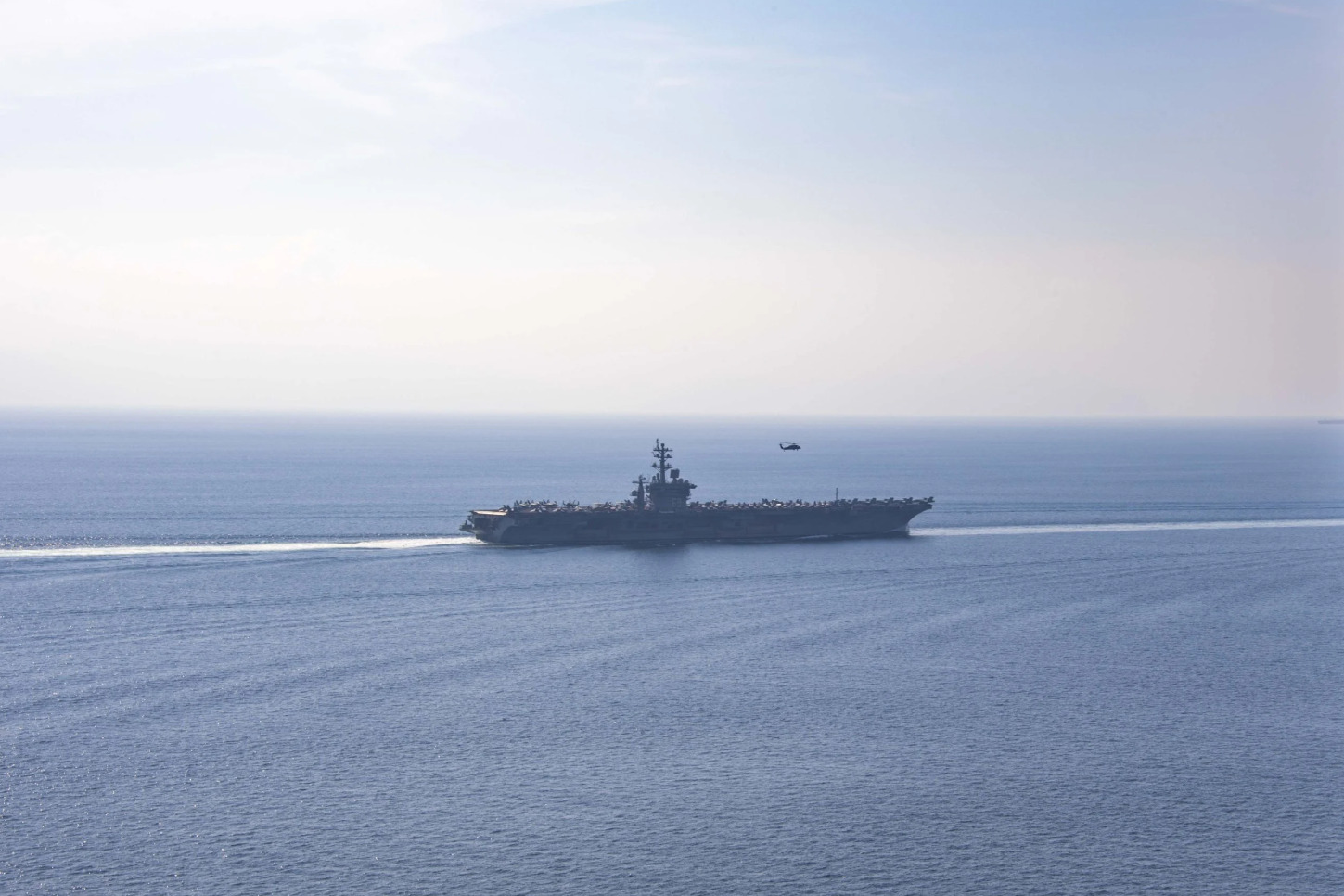
Ships would be allowed to transit “in coordination with the competent Iranian authorities,” the statement added, effectively requiring vessels to seek permission from Tehran. The Hill reported that US- and Israel-linked ships would remain blocked, significantly limiting the practical impact of the offer for Western energy companies.
Shipping analysts remained sceptical. The Strait of Hormuz saw only five vessel transits on Monday, compared with 120 daily before the conflict, France 24 reported. Commercial shipping companies and their insurers had already priced the strait as uninsurable, and the presence of Iranian mines — which the US Navy has struggled to clear — meant that even “permitted” transits carried enormous risk. Business Today reported that the partial reopening was largely symbolic and that “commercial transit through Hormuz is unlikely to resume at meaningful volumes for the remainder of 2026 due to the prevailing security conditions.”
Nevertheless, oil markets treated the announcement as a de-escalation signal. Iran’s demand for Hormuz sovereignty as one of its five conditions for peace, combined with the partial reopening, suggested that Tehran intended to use the waterway as a bargaining chip in any negotiations rather than maintain a permanent closure.
Gulf States Tell the UN That Iran Poses an Existential Threat
In Geneva on Wednesday, the United Nations Human Rights Council adopted by consensus a resolution brought by Bahrain, Kuwait, Oman, Qatar, Saudi Arabia, the United Arab Emirates, and Jordan condemning Iran’s attacks on regional countries and demanding full and swift reparations, Iran International reported.
Kuwait’s ambassador, Naser Abdullah H. M. Alhayen, told the 47-member council that Persian Gulf states were confronting “an existential threat to international and regional security” and said Iran’s actions were “undermining international law and sovereignty,” according to Reuters. The resolution described Iran’s strikes as “unprovoked and deliberate” and called on Tehran to immediately cease all attacks.
The unanimous adoption — including votes from countries that have maintained closer ties with Iran — reflected the broad international concern over the humanitarian impact of the conflict. More than 1,500 Iranian civilians had been killed in US-Israeli strikes, according to Iran’s ambassador to the UN in Geneva, who told the council that Iran was fighting “on behalf of all of you against an enemy that, if not restrained today, will be beyond containment tomorrow.”
For Saudi Arabia, the UN resolution provided diplomatic cover for what had been a months-long effort to internationalise the Gulf security crisis. Bahrain had separately asked the UN Security Council to authorise the use of force to reopen the Strait of Hormuz under Chapter VII, though that effort faced likely Russian and Chinese vetoes.
The Gulf states’ UN push coincided with the diplomatic manoeuvring around weekend talks, creating a two-track approach: building international legal and moral pressure on Iran while simultaneously exploring a negotiated settlement through Pakistan.
Oil Markets Drop on Hopes of Diplomacy
Global oil prices fell sharply on Wednesday as markets priced in the possibility of a diplomatic breakthrough. Brent crude tumbled 6.1 percent to settle at $98.03 per barrel, while West Texas Intermediate futures dropped 5.5 percent to close near $87.50, according to Bloomberg and Financial Content.
The decline wiped out a significant portion of the “war premium” that had kept energy prices elevated since the conflict began. Oil had traded above $119 per barrel earlier in March before Trump’s initial ceasefire signals, and a 13-percent single-day drop on 23 March following Trump’s announcement of a five-day pause in strikes on Iranian energy infrastructure had already rattled markets.
Wednesday’s sell-off was driven by the convergence of three signals: the reported 15-point peace plan, Iran’s partial reopening of Hormuz to non-hostile vessels, and the White House’s efforts to arrange a Vance trip to Pakistan. Traders interpreted the combination as evidence that both sides were moving, however tentatively, toward the negotiating table.
Analysts at major investment banks cautioned against over-interpreting the price drop. “The gap between the US and Iranian positions remains enormous,” a Goldman Sachs energy strategist told Bloomberg. “We are pricing in hope, not an agreement.” The bank maintained its forecast that oil would remain above $90 per barrel through the second quarter of 2026 regardless of diplomatic developments, given the structural damage to Gulf shipping infrastructure.
For Saudi Arabia and other OPEC producers, the oil price volatility created a policy dilemma. Lower prices reduced the fiscal pressure from the Hormuz closure but also diminished the revenues needed to fund military spending and sustain war-strained economic programmes. OPEC+ members were watching closely to determine whether production cuts would be needed to stabilise prices if diplomatic progress accelerated.
| Development | Source | Significance |
|---|---|---|
| White House arranging Vance trip to Pakistan | CNN | First potential face-to-face US-Iran engagement since war began |
| Iran rejects US 15-point plan | NPR, Al Jazeera | Called “maximalist and unreasonable” — but Iran issued counter-conditions |
| Iran outlines 5 conditions for peace | The Hill, NPR | Includes Hormuz sovereignty demand and reparations |
| Iran opens Hormuz to “non-hostile” ships | France 24, Al Jazeera | First easing of blockade — but US/Israel-linked vessels excluded |
| UN Human Rights Council condemns Iran strikes | Reuters, Iran International | Adopted by consensus — 7 Gulf states plus Jordan co-sponsored |
| Brent crude falls 6.1% to $98.03 | Bloomberg | War premium eroding on diplomatic hopes |
| MBS-Shehbaz phone call | Arab News | Saudi-Pakistan coordination on mediation effort |
| 1,000 more 82nd Airborne troops deploying | CNN | Military pressure continues alongside diplomacy |
Frequently Asked Questions
When could US-Iran talks take place in Pakistan?
The White House is working to arrange discussions this weekend, with Vice President JD Vance expected to travel to Pakistan. However, officials told CNN that the timing, location, and attendee list remain fluid. Turkey has also been discussed as an alternative venue due to security concerns about a Pakistan visit, according to two sources familiar with the planning.
What are Iran’s five conditions for ending the war?
Iran outlined five demands in response to the US 15-point proposal: an immediate end to all military strikes against Iran, guarantees that the war will not recur, payment of war damages and reparations, cessation of hostilities across all fronts involving resistance groups, and Iranian sovereignty over the Strait of Hormuz. Notably, Iran’s conditions made no mention of the country’s nuclear programme.
Why is Pakistan mediating the Iran war?
Pakistan has emerged as the primary intermediary because of its unique position: warm ties with both Washington and Tehran, a military establishment with direct channels to President Trump through army chief General Asim Munir, and geographic proximity to Iran. Pakistan successfully conveyed the American 15-point proposal to Tehran, according to Reuters, and Prime Minister Shehbaz Sharif has coordinated closely with Saudi Crown Prince Mohammed bin Salman on the mediation effort.
How has the Strait of Hormuz changed since Iran’s announcement?
Iran’s UN mission announced on Tuesday that “non-hostile” vessels could transit Hormuz with Tehran’s coordination, the first easing of the blockade since late February. However, US- and Israel-linked ships remain excluded, and only five vessels transited the strait on Monday compared with 120 daily before the conflict. Shipping analysts and insurers have assessed that meaningful commercial traffic is unlikely to resume in 2026 due to the mine threat and ongoing military operations.
What does Saudi Arabia want from any peace deal?
Saudi Arabia’s core demands include an end to Iranian drone and missile strikes on Saudi territory, the reopening of the Strait of Hormuz for unrestricted oil exports, and a role in any regional nuclear enrichment framework. The 15-point plan’s proposed regional uranium consortium would give Riyadh a seat at the table on Iran’s nuclear future. However, reports that MBS has urged Trump to pursue regime change suggest the Kingdom may seek a more decisive military outcome than any negotiated settlement is likely to deliver.
Whether those talks produce results depends on the scale of the gap between the two sides. Analysis of the fifteen American demands against Iran’s five counter-conditions suggests the distance between Washington and Tehran has widened, not narrowed, since the plan was published.