
Ramadan in Saudi Arabia is unlike anywhere else on Earth. For 30 days each year, the Kingdom transforms — the pace of daily life inverts, cities come alive after dark, and a spirit of generosity, devotion, and communal feasting takes hold from Riyadh to Jeddah to the holy cities of Mecca and Medina. In 2026, Ramadan falls during the cooler winter months, making it one of the most comfortable years in recent memory for visitors. Whether you are a Muslim traveller planning Umrah during the holiest month, or a non-Muslim tourist curious about experiencing Saudi culture at its most distinctive, this guide — part of our complete Saudi Arabia travel guide — covers everything you need to know: confirmed dates, practical rules, where to find the best iftar spreads, and how to navigate a country where the night becomes the day.
Ramadan Dates: Wednesday 18 February – Thursday 19 March 2026 (1447 AH)
Eid al-Fitr: Friday 20 March 2026 (subject to moon sighting)
Fasting Hours: Approximately 12–13 hours (sunrise to sunset)
Visa Required: Yes — tourist e-visa available
Budget: USD 80–200/day (hotel iftars from SAR 140–400 per person)
Must-See: Taraweeh prayers at the Two Holy Mosques, Ramadan night markets, iftar in historic Al-Balad
Avoid: Eating, drinking, or smoking in public during daylight hours — fines up to SAR 500
Ramadan 2026 Dates: When Does It Start and End?
Ramadan 2026 (1447 AH) officially began on Wednesday 18 February 2026 following the sighting of the crescent moon on the evening of 17 February. The holy month runs for 30 days, with the last day of fasting on Wednesday 19 March. Eid al-Fitr — the three-day festival marking the end of Ramadan — begins on Friday 20 March 2026, as announced by Saudi Arabia’s Supreme Court based on the sighting of the Shawwal crescent moon.
Ramadan follows the Hijri lunar calendar, which shifts approximately 10–11 days earlier each Gregorian year. In 2025, Ramadan ran from 1–29 March. By 2027, it will begin in early February. The 2026 dates place Ramadan squarely in Saudi Arabia’s winter season — meaning shorter fasting hours (roughly 12 hours from dawn to sunset) and mild daytime temperatures in the mid-20s°C across most of the country. For travellers, this is a significant advantage over years when Ramadan falls in the scorching summer months.
Key dates for your calendar: The last ten nights of Ramadan — the most spiritually intense period, including the Night of Power (Laylat al-Qadr) — fall between 9–18 March 2026. The Eid al-Fitr public holiday runs from the evening of Wednesday 18 March through Tuesday 24 March, with employees returning to work on Wednesday 25 March.
What Is Ramadan? A Brief Explainer for Visitors
Ramadan is the ninth month of the Islamic calendar and the holiest period in the Muslim year. It commemorates the month in which the Quran was first revealed to the Prophet Muhammad. During Ramadan, Muslims fast from dawn (Fajr prayer) to sunset (Maghrib prayer), abstaining from food, drink, smoking, and other physical needs during daylight hours. The fast is one of the Five Pillars of Islam.
In Saudi Arabia — home to Islam’s two holiest cities — Ramadan carries particular weight. Roughly 97% of the population observes the fast, and the entire rhythm of the country shifts to accommodate it. Government offices reduce hours, businesses adjust schedules, and the streets empty during the day only to burst with life after sunset. The pre-dawn meal is called suhoor, and the evening meal that breaks the fast is iftar.
For a deeper understanding of how prayer times shape daily life in the Kingdom, see our dedicated guide.
The Daily Rhythm of Ramadan
- 3:00–4:30 AM: Suhoor — the pre-dawn meal. Restaurants and hotel lobbies buzz with diners eating before the Fajr call to prayer
- ~5:00 AM: Fajr prayer — the fast begins. The city goes quiet
- 9:00 AM – 2:00 PM: Government offices open with reduced hours. Private businesses typically operate 10:00 AM – 4:00 PM
- 2:00–5:30 PM: The quietest period — many people rest at home. Roads are empty, shops close
- ~6:00–6:20 PM: Maghrib prayer — the fast breaks. Iftar is served. This is the most social moment of the day
- 8:00–9:30 PM: Taraweeh prayers — special Ramadan evening prayers held in mosques across the country
- 9:30 PM – 2:00 AM: The city comes alive. Shopping malls, night markets, and restaurants operate at full capacity. This is when Saudi Arabia truly wakes up during Ramadan
- No eating in public during daylight hours. This includes snacking, chewing gum, and drinking water on the street, in parks, or in any public space
- No drinking in public. Carry water discreetly and drink in your hotel room, car, or other private space
- No smoking in public. This applies to cigarettes, vapes, and shisha during fasting hours
- No loud music from car speakers or portable speakers in public areas during the day
- Eat in your hotel room at any time — hotels provide room service throughout the day
- Eat at hotel restaurants that serve non-fasting guests, usually behind screens or in designated areas
- Drink water discreetly — carry a bottle in your bag and step into a private area when needed
- Visit attractions, museums, and historical sites — many remain open, though with adjusted hours
- Shop during evening hours — malls are open late and bustling after iftar
- Al Mirkaz: Jeddah’s iconic Ramadan tent, now in its seventh season, offering iftar and suhoor buffets inspired by Hijazi hospitality and the heritage of historic Jeddah
- Maritime Restaurant: Waterfront iftar featuring classic Hijazi dishes and traditional Ramadan beverages — Tamir Hindi, Sobia, Jallab, and Laban
- Twenty Four Restaurant (Assila Hotel): Lavish iftar buffet with six live cooking stations and Ramadan favourites, SAR 402 per person
- Niyyali at Shangri-La Jeddah: Lebanese-inspired seafood iftar with shisha available after sunset
- Ramadaniyat Promenade: A free-entry waterfront Ramadan experience running until 3 AM for the first 25 nights, with food stalls, entertainment, and family activities
- Hotels in Mecca and Medina should be booked well in advance — prices can double or triple during the last ten nights
- Crowds at the Holy Mosques are at their peak, particularly on odd nights
- Traffic and transportation around the holy cities becomes extremely congested
- The atmosphere is electric — if you can manage the logistics, these nights offer the most intense Ramadan experience possible
- Salat al-Eid: The day begins with a special communal prayer performed in mosques and open prayer grounds across the country
- Family feasts: Eid breakfast traditionally features dates and sweets — particularly Maamoul (date-filled shortbread cookies), earning Eid al-Fitr its nickname as the “Sweet Eid”
- Eidiya: Children receive gifts of money from elders — a beloved tradition that fills the streets with excited children in new clothes
- Fireworks: The General Entertainment Authority stages massive firework displays in Riyadh, Jeddah, and other major cities
- City decorations: Streets and malls are illuminated with Eid decorations, and community festivals take place in parks and public spaces
- Book domestic flights at least 2–3 weeks in advance
- Expect heavy traffic on highways, particularly between Riyadh and Jeddah
- Hotels in tourist destinations (AlUla, Abha, Taif) fill up for the Eid break
- Many restaurants and attractions operate special Eid hours — some close for the first day, then reopen with festive programming
- The atmosphere is joyful and celebratory — a wonderful time to be in the Kingdom if you plan ahead
- Screened or private dining areas for daytime meals
- Room service throughout the day
- Special iftar and suhoor buffets open to guests and outside visitors
- Ramadan tent experiences (at higher-end properties)
- Museums: Typically open 10 AM – 3 PM, then reopen 9 PM – midnight
- Historical sites: Similar split schedules; outdoor sites like Diriyah may close during the hottest afternoon hours
- Theme parks and entertainment venues: Often close during the day and operate evening-only schedules from 9 PM – 2 AM
- Restaurants: Street-level cafés and most restaurants close during fasting hours; hotel restaurants may serve discreetly behind screens
- Modest clothing: Loose-fitting, covering shoulders and knees — see our dress code guide
- Reusable water bottle: Essential for discreet hydration during the day
- Snack supply: Granola bars, nuts, or dried fruit to eat in your hotel room
- Light layers: February–March evenings can be cool (15–20°C), especially in Riyadh and the highlands
- Portable charger: Late nights and extended evening outings drain batteries
- Cash: Some Ramadan bazaars and street vendors are cash-only
- Crowds: The Grand Mosque is packed throughout Ramadan, with the last ten nights seeing the highest numbers — over 2.5 million worshippers on peak nights
- Accommodation: Book hotels as early as possible; prices rise 50–100% during Ramadan, and 100–200% during the last ten nights
- Umrah permit: Apply through the Nusuk app well in advance, especially for the last ten nights
- Physical demands: Performing Tawaf and Sa’i while fasting requires preparation and stamina — carry Zamzam water for iftar inside the mosque
- Experience Saudi culture at its most authentic and distinctive
- Enjoy iftar — the communal evening feast — in world-class restaurants and traditional settings
- Witness the atmosphere of Taraweeh prayers and Ramadan night markets
- Travel with fewer daytime crowds at tourist sites
- Take advantage of cooler February–March weather (in 2026)
- Perform Umrah during the holiest month
- Want full access to restaurants and cafés throughout the day
- Prefer to drink water freely while walking around
- Plan to visit primarily daytime attractions with full operating hours
- Prefer a trip that doesn’t require adjusting to a nocturnal schedule
- Saudi Arabia Travel Guide 2026 — The complete guide to visiting the Kingdom
- Travelling During Ramadan as a Non-Muslim — Specific guidance for non-Muslim visitors during the holy month
- Best Time to Visit Saudi Arabia — Month-by-month breakdown including Ramadan, Hajj, and peak seasons
- Saudi Arabia Events Calendar 2026 — Every major festival, race, and season throughout the year
- Saudi Arabia Food and Dining Guide — What to eat and where across the Kingdom
- Saudi Arabia Visa Guide 2026 — Every visa type explained
Rules for Tourists During Ramadan
Saudi Arabia expects all residents and visitors — regardless of faith — to respect the observance of Ramadan in public. The rules are straightforward, but enforcement is real, and understanding them before you arrive will save you discomfort. For a comprehensive overview of what non-Muslim visitors can expect year-round, see our non-Muslim travel guide.
What You Must Not Do in Public
Fines for violations can reach SAR 500 (approximately USD 133). For tourists, first offences are typically met with a warning, but repeat or flagrant violations can result in fines. In extreme cases, deportation is a possibility — though this is exceedingly rare for tourists.
What You Can Do
Practical tip: Keep a small bag of dates and a water bottle in your day bag. You can eat in your hotel, in a taxi, or in other private spaces. Most international hotels have dedicated daytime dining for non-fasting guests — just ask at reception.
Dress Code During Ramadan
Saudi Arabia’s dress code for tourists applies year-round, but modest clothing is particularly important during Ramadan. Both men and women should cover shoulders and knees. Women do not need to wear an abaya (this requirement was relaxed in 2019), but loose-fitting, non-revealing clothing is expected. Avoid shorts, sleeveless tops, and tight or transparent fabrics, especially in traditional neighbourhoods and near mosques.
Where to Experience Iftar in Saudi Arabia
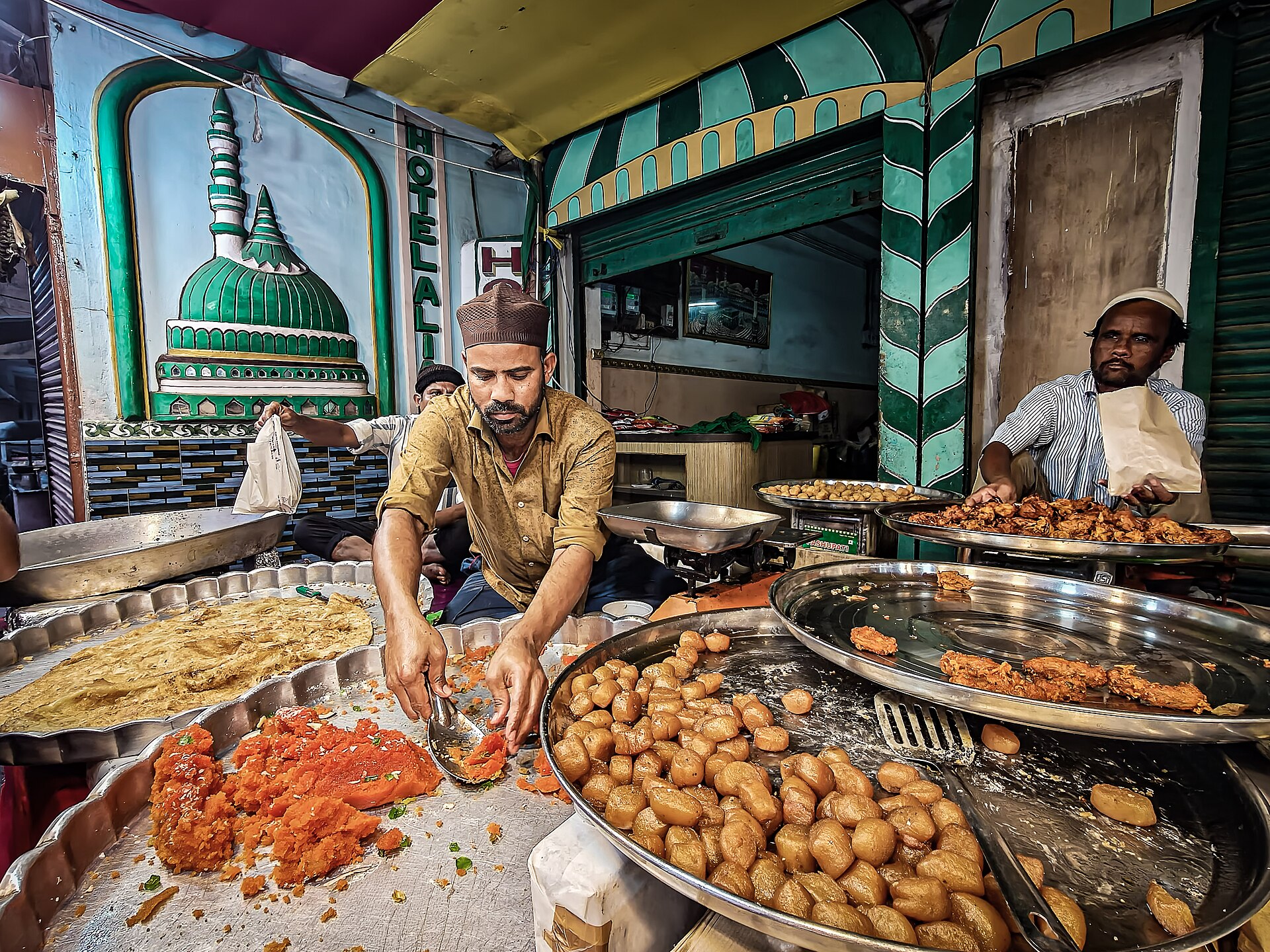
Iftar — the evening meal that breaks the day’s fast — is the centrepiece of Ramadan social life. Across Saudi Arabia, iftar ranges from humble communal meals spread on plastic sheets outside mosques to lavish hotel buffets with live cooking stations. For food lovers, Ramadan is arguably the best time to experience Saudi Arabia’s culinary culture at its most generous.
Riyadh: Capital of the Ramadan Feast
Riyadh offers the widest range of iftar experiences in the Kingdom, from high-end hotel tents to neighbourhood gatherings.
| Venue | Experience | Price (SAR per person) |
|---|---|---|
| Al Thuraya, The Ritz-Carlton Riyadh | Palace-like Ramadan tent with live grilling stations, traditional sweets, and butler service | ~450 |
| Four Seasons Hotel Riyadh | Chef’s Table in the Ramadan tent with tasting menus and opulent setting | ~400 |
| Nomas Restaurant | Authentic Saudi dishes with a modern twist — four curated iftar menus rotating nightly | ~250 |
| Chotto Matte | Japanese-Peruvian fusion iftar, family-friendly, served from iftar to 8 PM | 170 |
| Myazu | Contemporary Japanese iftar with set menu | 140 |
| Amar Restaurant | Stylish iftar with mezze, soups, salads, and a daily rotating main course with mixed grill | 300 |
For a more local experience, head to the traditional souks. Souq Al Thumairi and Almaigliah Souq in central Riyadh come alive after Maghrib, with food stalls, dates, fresh juices, and communal meals. Many neighbourhood mosques also lay out free iftar spreads for anyone — including tourists — to join.
Jeddah: Seaside Iftar and Hijazi Hospitality
Jeddah’s Ramadan scene blends coastal charm with deep Hijazi traditions. The historic Al-Balad district is particularly atmospheric after sunset.
AlUla: Iftar Among the Ancient Tombs
For something truly unforgettable, AlUla offers iftar experiences set against the dramatic Nabatean landscape of Hegra. The Chedi Hegra hotel stages an atmospheric iftar as lanterns illuminate the ancient sandstone tombs at sunset. AlUla’s Ramadan offerings are smaller in scale than Riyadh or Jeddah, but the setting is unmatched.
The Holy Cities: Mecca and Medina
If you are Muslim, there is no more powerful Ramadan experience than iftar in Mecca or Medina. The courtyards of the Grand Mosque and the Prophet’s Mosque host vast communal iftars every evening, with volunteers distributing dates, water, and meals to tens of thousands of worshippers. Hotels surrounding the two mosques offer premium iftar buffets with views of the Haram.
Important: Non-Muslims cannot enter Mecca or the central zone of Medina around the Prophet’s Mosque. If you are not Muslim but wish to experience Ramadan in a holy city atmosphere, Medina’s outer districts, restaurants, and hotels are accessible to all visitors. See our Hajj 2026 guide for more on the holy cities.
Taraweeh Prayers: The Nightly Spectacle
Taraweeh are special evening prayers performed only during Ramadan, held in mosques across Saudi Arabia after the Isha (night) prayer. They typically last 60–90 minutes and involve the recitation of portions of the Quran, with the goal of completing the entire text over the 30 nights of Ramadan.
Taraweeh at the Two Holy Mosques
The Taraweeh prayers at Masjid al-Haram in Mecca and Masjid al-Nabawi in Medina are the largest congregational prayers on Earth during Ramadan. In 2026, the format follows a royal decree: 10 rakats of Taraweeh followed by 3 rakats of Witr. Hundreds of thousands of worshippers fill the prayer halls, courtyards, and surrounding streets each night, with millions more joining via live broadcast.
On the 27th night of Ramadan — widely believed to coincide with Laylat al-Qadr (the Night of Power) — attendance at the Grand Mosque regularly exceeds 2.5 million worshippers. The atmosphere is extraordinary: the sound of Quran recitation echoing through the marble halls, the synchronised movement of millions in prayer, and the emotional supplications that follow.
For practical guidance on visiting mosques, see our mosque etiquette guide.
Taraweeh for Non-Muslims
Non-Muslims cannot enter the Two Holy Mosques, but you can observe and listen to Taraweeh at many other mosques across Saudi Arabia. Large mosques in Riyadh, Jeddah, and other cities welcome respectful observers. The experience of hearing the Quran recited in a packed mosque — often by reciters with extraordinarily beautiful voices — is moving regardless of your faith.
The Last Ten Nights and Laylat al-Qadr
The final ten nights of Ramadan (9–18 March 2026) are considered the holiest period of the entire year. Muslims believe that Laylat al-Qadr — the Night of Power, when the Quran was first revealed — falls on one of the odd-numbered nights in this period (the 21st, 23rd, 25th, 27th, or 29th of Ramadan). The 27th night is most widely observed.
During these nights, devout Muslims increase their worship dramatically. Many practice Itikaf — a spiritual retreat in which they remain inside a mosque for the entire ten-day period, dedicating themselves exclusively to prayer, Quran recitation, and reflection. The Two Holy Mosques become especially crowded during this period, and hotel prices in Mecca and Medina spike significantly.
For travellers, this means:
Ramadan Night Markets and Shopping
One of the great pleasures of Ramadan in Saudi Arabia is the transformation of the country’s shopping scene after dark. Malls extend their hours dramatically, traditional souks bustle until the small hours, and special Ramadan bazaars pop up across every major city.
Mall Hours During Ramadan
Most major shopping malls operate on a split schedule during Ramadan:
| Mall | Morning Shift | Evening Shift |
|---|---|---|
| Al Faisaliah Mall (Riyadh) | 12:30 PM – 5:00 PM | 8:30 PM – 2:00 AM |
| Nakheel Mall (Riyadh) | 11:30 AM – 5:30 PM | 8:30 PM – 2:00 AM |
| Riyadh Park | 11:30 AM – 5:30 PM | 8:30 PM – 2:00 AM |
| Red Sea Mall (Jeddah) | 12:00 PM – 5:00 PM | 9:00 PM – 2:00 AM |
The evening shift — after iftar and Taraweeh — is when malls reach peak activity. Expect large crowds, especially on weekends (Thursday and Friday evenings) and during the final week before Eid.
Ramadan Bazaars and Night Markets
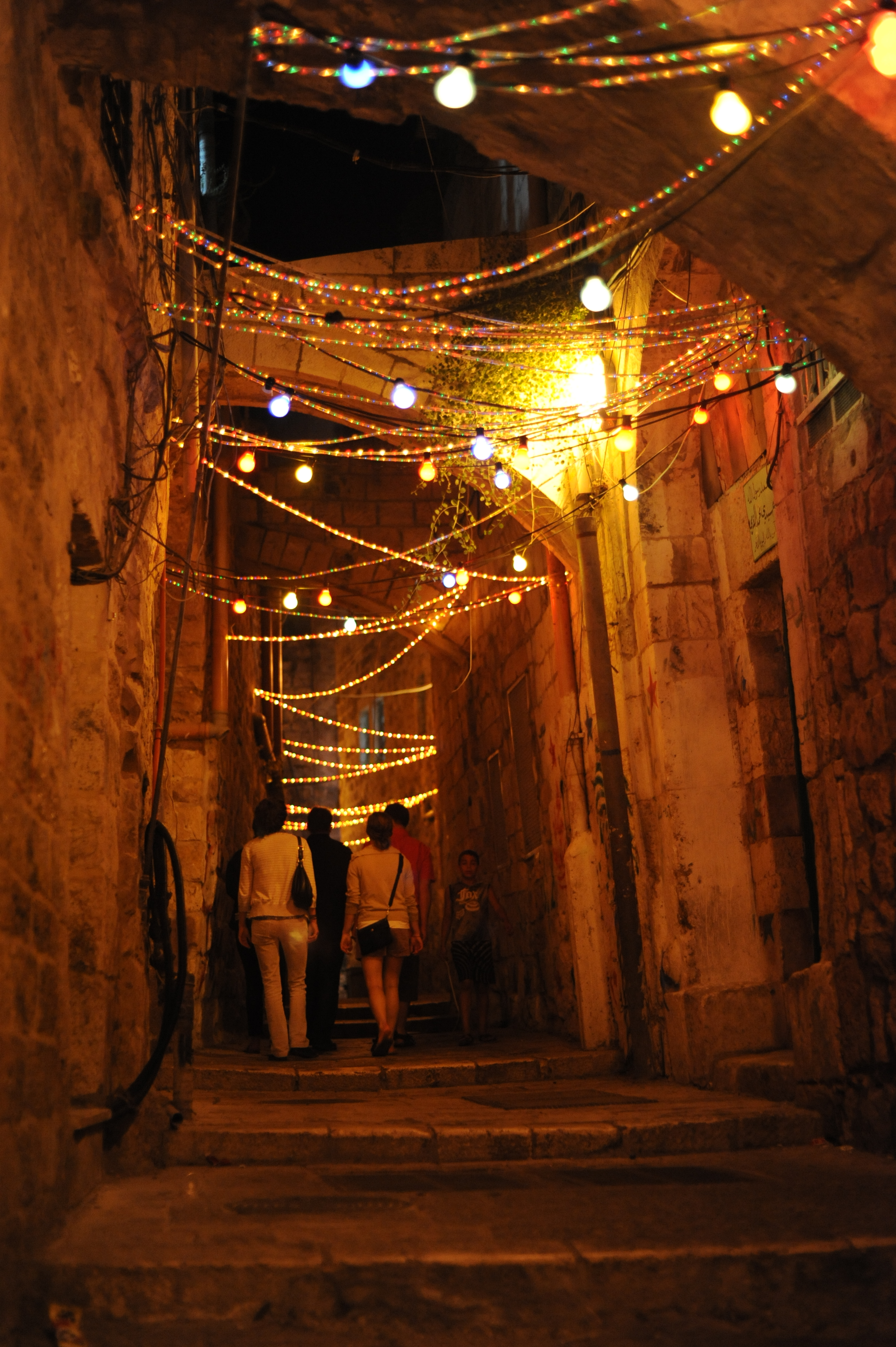
Special Ramadan bazaars spring up across Saudi cities, combining food, shopping, and community. In Riyadh, six major Ramadan markets operate throughout the month, offering traditional souvenirs, handmade crafts, perfumes, clothing, and Ramadan-specific items like lanterns and decorative lights. These markets typically open after Taraweeh prayers and run until 1–2 AM.
Traditional souks also adjust their hours. Souq Al Thumairi in Riyadh operates Saturday–Thursday from 10 AM to 11:30 AM and again from 4 PM to 10 PM. Almaigliah Souq runs Saturday–Thursday from 8 AM to 11:30 PM. Friday hours begin in the afternoon. The souk atmosphere during Ramadan evenings — the smell of oud, the sound of haggling, the glow of lanterns — is quintessentially Saudi.
Eid al-Fitr 2026: The Grand Finale
Eid al-Fitr — literally the “Festival of Breaking the Fast” — marks the end of Ramadan and is one of the two most important holidays in the Islamic calendar. In 2026, Eid al-Fitr begins on Friday 20 March, with the public holiday extending through Tuesday 24 March.
What Happens During Eid
Travelling During Eid
Eid is a peak travel period in Saudi Arabia. Many Saudi families travel domestically, and flights between major cities fill up fast. If your trip coincides with Eid:
Practical Travel Tips for Ramadan 2026
Getting There and Visa
Saudi Arabia’s tourist e-visa is available to citizens of over 60 countries and can be obtained online in minutes. There are no special Ramadan restrictions on tourist visas. Flights to Saudi Arabia operate on normal schedules during Ramadan, though routes to Jeddah (gateway to Mecca) may be busier due to Umrah pilgrims.
Major airports include King Khalid International (Riyadh), King Abdulaziz International (Jeddah), and Prince Mohammed bin Abdulaziz International (Medina). For a complete breakdown, see our airport guide.
Getting Around
Daytime roads are significantly quieter during Ramadan — a bonus for sightseeing by car. However, the 30–60 minutes before iftar are notoriously dangerous as fasting drivers rush home. Avoid being on the road during this window. After iftar, roads become busy again as people head out for evening activities.
Ride-hailing apps (Uber, Careem) operate throughout Ramadan but may have longer wait times during iftar and late evening hours. The Riyadh Metro runs on adjusted Ramadan schedules.
Where to Stay
International hotels are your best bet during Ramadan, as they cater to non-fasting guests with daytime dining options. Most five-star and four-star hotels in Riyadh, Jeddah, and other major cities offer:
Budget accommodation — hostels, guesthouses, and smaller local hotels — may not have daytime food service. Stock up on snacks and water from supermarkets (which remain open during the day) to eat in your room. For a full breakdown of accommodation options, see our hotels guide.
Attractions and Opening Hours
Most museums, historical sites, and tourist attractions remain open during Ramadan but with reduced daytime hours. Expect:
Pro tip: The quiet daytime streets make Ramadan an excellent time for photography and visiting outdoor sites without crowds. Use the mornings (8–11 AM) for sightseeing, return to your hotel for lunch and rest, then join the evening bustle after iftar.
What to Pack for Ramadan Travel
Ramadan Experiences by City
Riyadh
Riyadh offers the most diverse Ramadan experience in Saudi Arabia. The capital’s luxury hotel scene goes all out with themed Ramadan tents, while traditional neighbourhoods like Ad Dirah and the Diriyah heritage area offer a more authentic atmosphere. The Riyadh Season entertainment programme typically pauses during Ramadan but resumes for Eid celebrations.
Jeddah
Jeddah’s Ramadan has a distinctive flavour shaped by its position as the gateway to Mecca. The city fills with Umrah pilgrims, and the Hijazi culinary tradition — with its emphasis on Sobia drinks, Foul (fava bean stew), and Mutabbaq pastries — is at its peak. The Al-Balad historic district is magical after sunset, with its coral-stone merchant houses lit by lanterns.
The Highlands: Abha, Taif, and Al Baha
The cooler mountain towns of Abha and Taif offer a quieter, more traditional Ramadan experience. The mild highland climate (often 10–18°C in February–March) makes fasting more comfortable, and the local food traditions — including honey-based desserts, mountain herbs, and fresh bread baked in stone ovens — are distinct from the rest of the country.
AlUla
AlUla during Ramadan is serene and uncrowded. The ancient Nabatean landscape of Hegra, Elephant Rock, and the Dadan ruins takes on an ethereal quality in the quiet winter light. Evening iftar experiences at the Chedi Hegra or under the stars in a desert camp are among the most atmospheric in the Kingdom.
Umrah During Ramadan
Performing Umrah (the lesser pilgrimage) during Ramadan holds special significance in Islam. The Prophet Muhammad said that Umrah during Ramadan is equivalent in reward to performing Hajj. As a result, millions of Muslims visit Mecca during this month, making it one of the busiest periods at the Grand Mosque.
Key considerations for Ramadan Umrah:
For complete Umrah guidance, see our Umrah first-timer guide and Umrah costs breakdown.
Should You Visit Saudi Arabia During Ramadan?
This depends entirely on what you want from your trip.
Visit During Ramadan If You Want To:
Consider Another Time If You:
For help choosing the right time for your trip, see our best time to visit Saudi Arabia guide, or browse the full 2026 events calendar for other seasonal highlights.
Ramadan Etiquette: A Summary
| Do | Don’t |
|---|---|
| Greet people with “Ramadan Kareem” (generous Ramadan) | Eat, drink, or smoke in public during daylight |
| Accept iftar invitations — hospitality is at its peak | Play loud music in public areas during fasting hours |
| Dress modestly, especially near mosques and in traditional areas | Wear revealing or tight clothing |
| Eat your daytime meals discreetly in your hotel room | Complain about restaurant closures or reduced hours |
| Be patient with slower service — staff are fasting too | Rush or honk during the pre-iftar traffic rush |
| Visit night markets and souks after iftar | Schedule important meetings during the afternoon slump (2–5 PM) |
| Try traditional Ramadan drinks: Jallab, Sobia, Tamir Hindi | Assume all restaurants are closed — hotel restaurants serve all day |