
Jizan — also spelled Jazan — is Saudi Arabia’s tropical secret. Tucked into the far southwest corner of the Kingdom, where the Red Sea meets the Yemeni border, Jizan Province delivers something no other part of Saudi Arabia can: lush green mountains draped in cloud, white-sand island archipelagos, canyon rivers you can swim in, and a food culture shaped by Africa, Yemen, and the sea. If you are building a Saudi Arabia travel itinerary and want something genuinely different from the desert-and-megacity formula, Jizan is it. This is the Kingdom’s only truly tropical destination — and still one of its least-visited by international tourists.
Best Time to Visit: November to February (cooler, 20–28 °C)
Getting There: Jizan Regional Airport (GIZ) — direct flights from Riyadh and Jeddah via Saudia, flyadeal, Flynas
Visa Required: Yes — tourist e-visa available for 63 nationalities
Budget: SAR 300–600 / USD 80–160 per day (mid-range)
Must-See: Farasan Islands, Wadi Lajab, Fayfa Mountains
Avoid: Visiting June–August when humidity and temperatures peak above 40 °C
Why Visit Jizan?
Most travellers to Saudi Arabia stick to Riyadh, Jeddah, and AlUla. That means Jizan — a province of nearly 200 islands, terraced mountain coffee farms, mangrove forests, and canyon oases — goes largely unnoticed. That is changing. The Saudi government has invested in infrastructure here as part of Vision 2030 tourism development, the free ferry to the Farasan Islands runs twice daily, and Jizan Regional Airport now connects to eight destinations including Riyadh, Jeddah, and Cairo.
What makes Jizan unique in Saudi Arabia is its climate and ecology. The province sits at the edge of the Afromontane zone, receiving enough monsoon-driven rainfall to sustain dense vegetation, terraced agriculture, and flowing wadis year-round. The Fayfa Mountains, known locally as the “Hanging Gardens,” rise 2,100 metres above sea level and are covered in coffee plantations, pomegranate orchards, and aromatic herbs. Offshore, the Farasan Islands form a 1,050 km² archipelago of coral islands supporting over 200 fish species, dolphins, whale sharks, manta rays, and nesting sea turtles.
For travellers who have already explored the Abha and Asir highlands or the Saudi Arabia beach scene, Jizan is the logical next step — combining the mountain scenery of Asir with the marine life of the Red Sea coast, plus a culinary tradition found nowhere else in the Kingdom.
Top Attractions in Jizan Province
Farasan Islands
The Farasan Islands are Jizan’s crown jewel and Saudi Arabia’s largest island archipelago. Located roughly 40 km offshore in the Red Sea, the archipelago comprises nearly 200 islands and islets spread across a sea area of 1,050 km². Farasan Island itself, at approximately 380 km², is the largest island in Saudi Arabia.
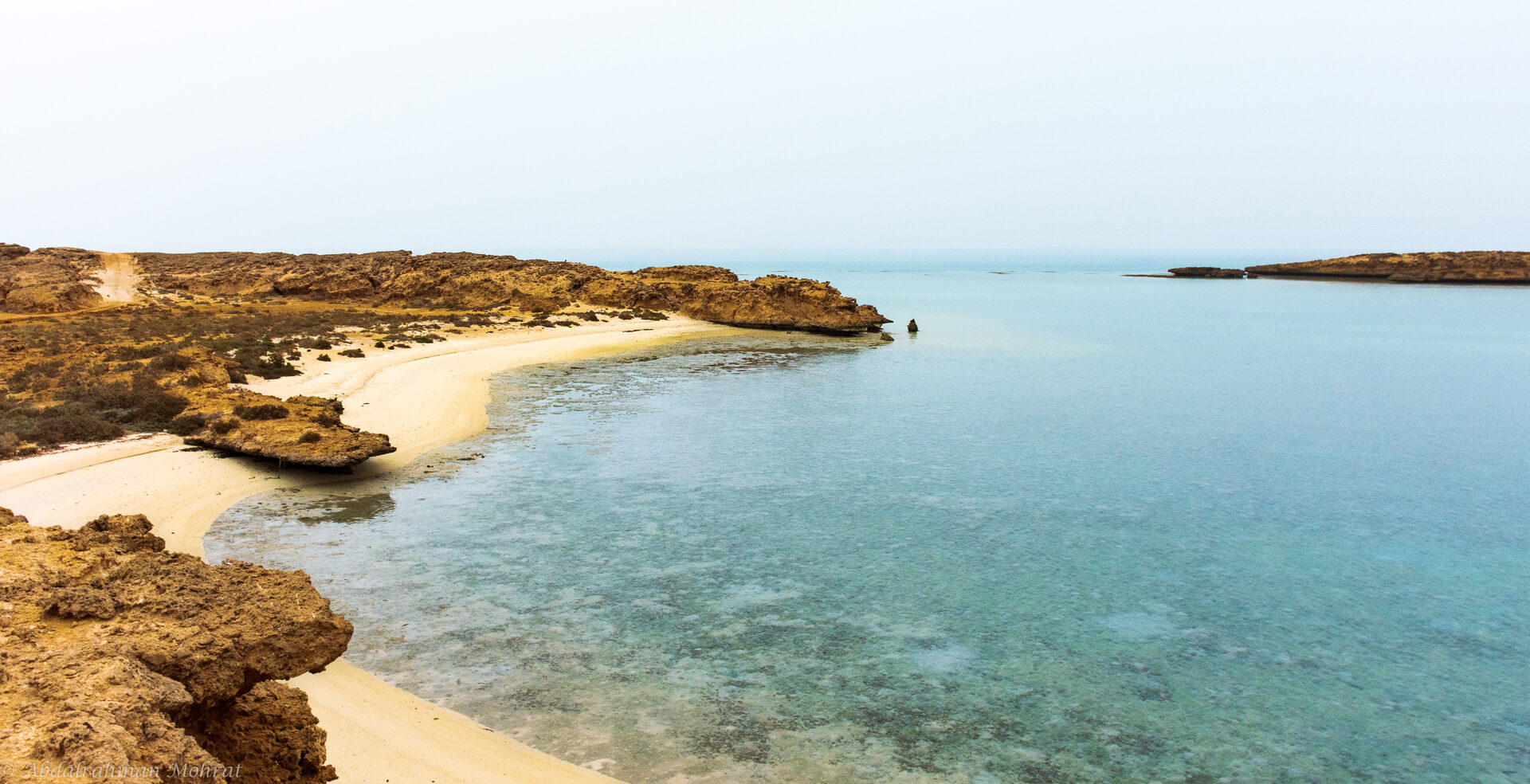
The islands were designated as a protected area and are home to remarkable biodiversity. Around 200 species of fish, 50 types of coral, and three species of dolphin inhabit the surrounding waters. Green and hawksbill sea turtles — both endangered — nest on the beaches, while manta rays and whale sharks visit seasonally. On land, the islands support a population of Arabian gazelle and attract migratory birds from Europe during winter, including flamingos, pink-backed pelicans, and crab plovers.
Key sites on the Farasan Islands include:
- Ottoman Fort — a Turkish-era castle perched on a hilltop overlooking the coastline, built from untreated stone with a palm roof, offering panoramic views of the archipelago
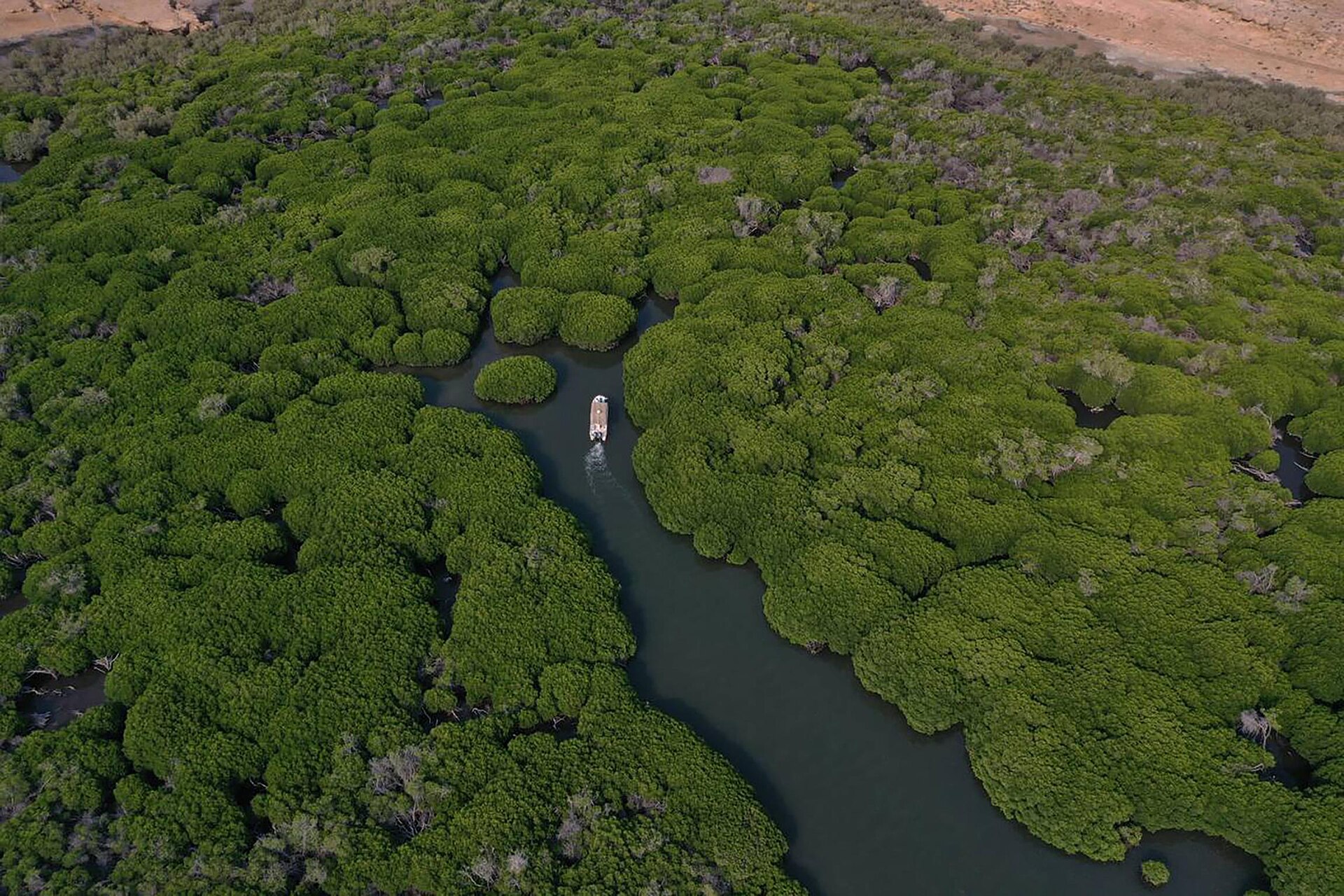
- Al-Qandal Mangrove Forest — a dense coastal mangrove ecosystem that shelters juvenile fish and the rare Mangrove White-eye bird
- Dive sites — including Marmar, Dohra, Shib Ammar, Gorgonian Point, and Dannak, featuring cave dives, reef walls, strong currents, and dolphin encounters
- Al-Rifai House — a beautifully carved merchant house with intricate coral-stone architecture, showcasing traditional Farasan craftsmanship
The diving around the Farasan Islands is some of the most pristine in the Red Sea, with visibility often exceeding 20 metres and relatively few divers compared to northern sites near Yanbu or Jeddah.
Getting to the Farasan Islands: A free government ferry operates twice daily from Jizan Port to Farasan Port, departing at approximately 7:30 AM and 3:30 PM. The journey takes about 90 minutes. Both passengers and vehicles are accommodated. Arrive at the port at least two hours before departure, especially on weekends and holidays, as the ferry fills up quickly.
Wadi Lajab
Wadi Lajab is one of the most spectacular natural sites in all of Saudi Arabia — a 5-kilometre-long canyon with sheer cliff walls rising 300 to 800 metres on either side. Unlike the dry wadis that dominate most of the Kingdom, Wadi Lajab delivers fresh water year-round, making it the most consistently flowing wadi in Saudi Arabia.
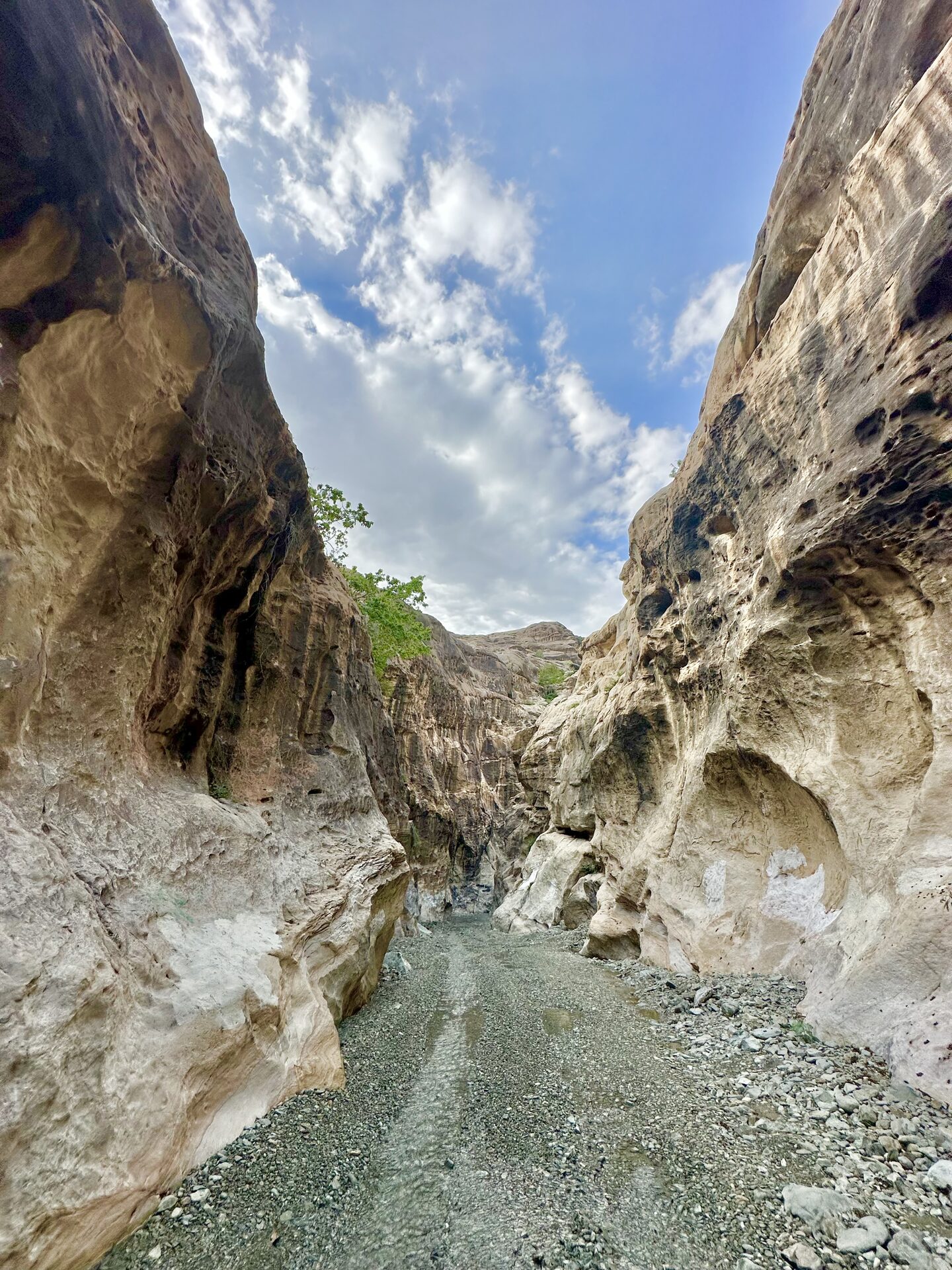
Hiking through the canyon floor, you encounter a succession of small waterfalls and pools deep enough for swimming. The rock faces are composed of basalt, marble, and granite, draped in thick moss and hanging creepers that create a natural “green corridor.” Wildlife is surprisingly abundant: monkeys climb the surrounding trees, birds nest in the cliff faces, and small fish dart through the streams.
A full exploration of Wadi Lajab takes four to five hours. The terrain requires wading through water in places, so wear appropriate footwear — waterproof sandals or hiking shoes you do not mind getting wet. The canyon is located near the village of Al Reeth, approximately 120 km northeast of Jizan city. Most visitors hire a local guide or join an organised tour, which is recommended for safety in the more remote stretches of the canyon. This is one of the best hiking experiences in Saudi Arabia.
Practical tip: There are no facilities inside the canyon. Bring sufficient water, snacks, sun protection, and a dry bag for electronics. Mobile signal is unreliable once inside the canyon walls.
Fayfa Mountains
The Fayfa Mountains — locally known as the “Neighbour of the Moon” or “Heaven on Earth” — are a 600 km² massif rising to 2,100 metres above sea level, southeast of Jizan city. What makes Fayfa visually unique is its terraced agriculture: centuries-old stone terraces carved into impossibly steep slopes, creating a staircase effect that stretches from valley floor to cloud line.
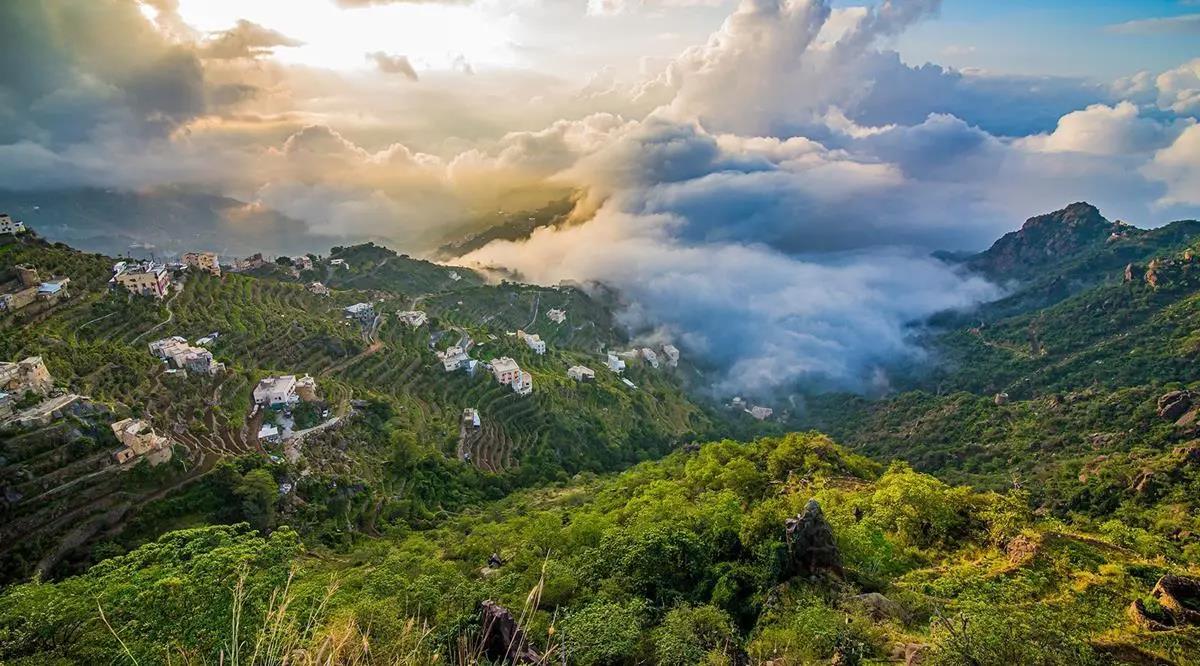
Fayfa is one of Saudi Arabia’s oldest coffee-growing regions. The terraces support plantations of high-quality Arabica coffee alongside maize, pomegranates, guava, tamarind, cocoa, and soursop. The air is thick with aromatic plants, and the climate at altitude is noticeably cooler than the coast below — often shrouded in cloud and mist during the mornings.
The mountains attract around one million visitors per year, most of them domestic tourists drawn by the scenery and the chance to buy locally grown coffee beans. For international visitors, the appeal lies in the dramatic contrast with the rest of Saudi Arabia: this is a landscape that looks more like the terraced highlands of Yemen or Ethiopia than anywhere else in the Kingdom. Activities include mountain hiking, photography, village visits, and coffee farm tours.
Jizan Heritage Village
Located on the southern corniche of Jizan city, the Heritage Village is a recreated traditional settlement dating its architectural style to the 15th century. Established in 2009 under the directive of the governor of Jazan Province, it showcases the region’s distinctive mud-and-stone construction, old souks, handicrafts, and traditional arts.
The village is the centrepiece of the annual Jazan Winter Festival, which features folk performances, heritage displays, fishing and pearl-diving demonstrations, and exhibitions of local agriculture and craftsmanship. Outside festival season, the village remains open as a permanent cultural attraction and is a worthwhile stop for understanding the region’s history before heading to the mountains or islands.
Al Khoubah Hot Springs
Located approximately 75 km from Jizan city, the Al Khoubah Hot Springs are natural thermal springs reaching temperatures of up to 45 °C. The mineral-rich waters are popular with locals for their perceived therapeutic properties. The springs sit in a scenic setting surrounded by date palms and low scrubland, and offer a relaxing break on the drive between Jizan city and the mountain attractions.
Black Mountain and the Coffee Trail
Black Mountain (Jabal Al-Aswad) is a full-day excursion combining off-road driving through volcanic terrain with visits to working coffee plantations. The area is named for its dark basalt rock formations, which create a striking visual contrast against the surrounding green vegetation. Local operators offer guided tours that include coffee tastings, meals with local families, and off-roading through the mountain tracks. For anyone interested in Saudi Arabia’s food culture, the Jizan coffee trail is an essential experience.
Jizan Corniche
The North Corniche Park stretches across one million square metres of Jizan’s waterfront, offering footpaths, a seaside promenade, green areas, sports courts, cafes, and a 450-metre Cultural Street. It is the social heart of the city, particularly in the cooler evening hours. The corniche provides views across the Red Sea toward the Farasan Islands and is the best place in the city for a sunset walk or an outdoor dinner of fresh seafood.
Jizan’s Food: The Most Underrated Cuisine in Saudi Arabia
Jizan’s food culture is distinct from the rest of Saudi Arabia — influenced by its coastal geography, its proximity to Yemen and East Africa, and its unique agricultural output. Seafood dominates, but the mountain communities add their own grain-based and honey-rich traditions. Here are the dishes you should not miss:
| Dish | What It Is | Where to Try It |
|---|---|---|
| Mandi | Smoked rice with slow-cooked meat and warming spices — Jizan’s version uses local firewood smoking techniques | Restaurants citywide |
| Haneeth | Meat and vegetables slow-cooked in an underground pit, reserved for special occasions | Local homes and festival stalls |
| Harees | Slow-cooked wheat and meat porridge — hearty, filling, especially popular during Ramadan | Traditional restaurants |
| Mofa | Ground sorghum or millet with milk or yoghurt — a farmers’ dish symbolising Jizan’s agricultural roots | Mountain villages around Fayfa |
| Fresh Red Sea fish | Grilled hammour, kingfish, or snapper served with rice and spicy dakoos sauce | Corniche fish restaurants |
| Jizan coffee | Locally grown Arabica coffee from Fayfa, lightly roasted with cardamom and ginger | Coffee farms and city cafes |
The best seafood restaurants line the corniche. For an authentic experience, head to the Jizan Fish Market in the morning, buy your catch, and have it cooked at one of the adjacent restaurants. The combination of African spice influences and Red Sea freshness creates flavours you will not find in Riyadh or Jeddah.
Getting to Jizan
By Air
Jizan Regional Airport (IATA: GIZ) is located just 3 km from the city centre. It handles approximately 85 flights per week to Riyadh alone, making it well-connected domestically. The main carriers are:
- Saudia — direct flights from Riyadh (RUH) and Jeddah (JED)
- flyadeal — budget flights from Riyadh and Jeddah
- Flynas — additional domestic routes
International connections include Cairo (CAI) and Dubai (DXB). Flight time from Riyadh is approximately 2 hours; from Jeddah, around 1 hour 15 minutes. Budget domestic fares start from SAR 200–400 one way when booked in advance. Make sure you have the correct Saudi Arabia visa before booking.
By Road
Jizan is connected to the rest of Saudi Arabia by well-maintained highways. Key driving distances:
- Jeddah to Jizan: approximately 700 km (7–8 hours via the Red Sea coastal highway)
- Abha to Jizan: approximately 200 km (2.5–3 hours via the mountain road)
- Riyadh to Jizan: approximately 1,000 km (10+ hours — flying is strongly recommended)
The drive from Abha to Jizan is one of the most scenic road trips in Saudi Arabia, descending from the cool Asir highlands through mountain passes to the tropical coast. A rental car is essential for exploring Jizan Province beyond the city, particularly for Wadi Lajab, Fayfa, and the hot springs.
Getting Around
Within Jizan city, Uber and local taxis are available. For the Farasan Islands, take the free government ferry from Jizan Port. For mountain and wadi excursions, a rental car (ideally a 4WD for Wadi Lajab access) or a guided tour is the best option. There is no public transport connecting the province’s attractions. See the Saudi Arabia transport guide for more on domestic travel options.
Where to Stay in Jizan
Jizan’s hotel scene is focused on the city centre and corniche area. There are no luxury desert camps or boutique resorts of the kind you find in AlUla or the Red Sea Project — this is a working port city with solid mid-range and budget options. For the best options across Saudi Arabia, see the Saudi Arabia hotels guide.
| Hotel | Category | Location | From (SAR/night) |
|---|---|---|---|
| Radisson Blu Resort Jizan | Upper mid-range | Corniche area | ~450 |
| Novotel Jazan | Mid-range | Near Happy Times Theme Park | ~350 |
| Grand Millennium Gizan | Mid-range | Near Jizan University | ~400 |
| Jazan Inn | Budget-friendly | North Corniche, sea views | ~150 |
Budget tip: Hotel prices in Jizan average around SAR 420 (USD 113) per night, but drop significantly in March, April, and October when rates can fall to SAR 110 (USD 29) per night. For the best value, visit in late February or early March when the weather is still pleasant and prices are at their lowest.
On the Farasan Islands, accommodation is limited to basic guesthouses and camping. If you plan to stay overnight on Farasan, arrange accommodation in advance and bring supplies — the islands have minimal tourist infrastructure.
Best Time to Visit Jizan
Jizan has a tropical desert climate — hot and humid for most of the year, with mild and pleasant winters.
| Season | Months | Temperature | Conditions |
|---|---|---|---|
| Best (winter) | November–February | 20–28 °C | Comfortable, low humidity, warm sea for swimming, peak birdwatching season |
| Shoulder | March, October | 28–33 °C | Warm but manageable, lower hotel prices, fewer crowds |
| Avoid (summer) | June–September | 34–42 °C | Extreme heat, high humidity, uncomfortable for outdoor activities |
The ideal window is December to February, when coastal temperatures hover around 26 °C, the Fayfa Mountains are cool and misty, migratory birds have arrived on the Farasan Islands, and the Red Sea is warm enough for diving and snorkelling. This aligns with the best time to visit Saudi Arabia overall.
Wildlife and Nature
Birdwatching
Jizan Province is one of the best birdwatching destinations in the Arabian Peninsula. The Farasan Islands and coastal mangroves attract both resident and migratory species, with the winter months (November–February) offering the richest diversity. Key species include:
- Greater flamingo — large flocks gather on the Farasan mudflats
- Pink-backed pelican — found along the coast and island shores
- Crab plover — a distinctive coastal wader
- White-eyed gull — a Red Sea speciality
- Sooty falcon — breeds locally on the islands
- Mangrove White-eye — a highly localised species restricted to Red Sea coastal mangroves
Marine Life
The waters around the Farasan Islands are a marine biodiversity hotspot. Divers and snorkellers can encounter:
- Over 200 species of fish and 50 types of coral
- Three species of dolphin — commonly seen on boat trips between the islands
- Manta rays and whale sharks (seasonal, more common October–March)
- Green and hawksbill sea turtles — both critically endangered species that nest on Farasan beaches
Dive operators based in Jizan and on Farasan Island offer guided trips to the archipelago’s key sites. Certification is required for diving, but snorkelling trips are available to all levels.
Suggested Jizan Itineraries
3-Day Jizan Highlights
| Day | Activities |
|---|---|
| Day 1 | Arrive at Jizan airport. Explore the corniche and Heritage Village. Dinner of fresh seafood on the waterfront. |
| Day 2 | Take the 7:30 AM ferry to Farasan Islands. Visit the Ottoman Fort, snorkel or dive, explore the mangroves. Return on the 3:30 PM ferry or stay overnight camping. |
| Day 3 | Drive to Wadi Lajab for a canyon hike (4–5 hours). Return via Al Khoubah Hot Springs for a soak. Evening flight home. |
5-Day Complete Jizan Province
| Day | Activities |
|---|---|
| Day 1 | Arrive. Corniche walk, Heritage Village, fish market dinner. |
| Day 2 | Full day on Farasan Islands — Ottoman Fort, beaches, snorkelling, mangrove kayaking. Stay overnight on the island. |
| Day 3 | Morning diving or beach time on Farasan. Afternoon ferry back to Jizan. Evening at the corniche. |
| Day 4 | Drive to Fayfa Mountains. Coffee farm visit, terraced village walks, mountain photography. Overnight in Fayfa or return to Jizan. |
| Day 5 | Wadi Lajab canyon hike. Stop at Al Khoubah Hot Springs on the return. Evening departure. |
Combining with Abha: If you are exploring the southwest, combine Jizan with a visit to Abha and the Asir highlands. The scenic 2.5-hour mountain drive between the two makes a natural loop. Add three days in Abha for a complete week-long southern Saudi itinerary — see our Saudi Arabia itinerary planner for route options.
Practical Information
Safety
Jizan city and the main tourist areas (Farasan Islands, Fayfa, Wadi Lajab) are safe for tourists. The province borders Yemen, and areas very close to the border have experienced occasional security concerns — but tourist-oriented areas are well away from any affected zones. Exercise normal travel precautions and check current advisories before travel. See our Saudi Arabia safety guide for more detail.
What to Pack
- Lightweight, breathable clothing (the climate is humid and warm)
- Modest dress — Saudi Arabia’s dress code applies throughout Jizan Province
- Waterproof sandals or wet-friendly hiking shoes for Wadi Lajab
- Reef-safe sunscreen and a hat
- Snorkelling gear (or hire on Farasan, though availability varies)
- A light jacket for Fayfa — mountain temperatures drop noticeably at altitude
Money and Costs
Jizan is one of the more affordable destinations in Saudi Arabia. Budget travellers can manage on SAR 200–300 per day, while mid-range visitors should plan for SAR 400–600. ATMs are available in the city centre, and most hotels and larger restaurants accept cards. On the Farasan Islands and in rural mountain areas, carry cash. For detailed pricing, see the Saudi Arabia budget guide.
Connectivity
Mobile coverage (STC, Mobily, Zain) is reliable in Jizan city and the main towns. Coverage drops in Wadi Lajab (once inside the canyon walls) and on remote parts of the Farasan Islands. Picking up a local Saudi SIM card at Jizan airport on arrival is recommended.
Jizan’s Role in Saudi Arabia’s Tourism Future
Under Vision 2030, Jizan is earmarked for significant tourism development. The province’s unique combination of tropical climate, island archipelago, mountain terrain, and cultural heritage makes it a natural complement to the mega-projects being developed further north. The free Farasan ferry, upgraded airport, and improved highway connections from Abha are early signs of this investment.
For now, Jizan remains refreshingly uncommercialized — a place where you eat fish caught that morning, hike a canyon with no crowds, and buy coffee directly from the farmers who grew it. That authenticity is precisely why visiting sooner rather than later makes sense.
Explore More Saudi Arabia Travel Guides
- Saudi Arabia Travel Guide 2026 — The complete guide to visiting the Kingdom
- Abha and Asir Travel Guide — Saudi Arabia’s cool mountain escape, a scenic 2.5-hour drive from Jizan
- Najran Travel Guide — Ancient history on the Yemeni border, Jizan’s southeastern neighbour
- Al Baha Guide — Another green highland gem in Saudi Arabia’s southwest
- Taif Travel Guide — City of roses, mountains, and ancient poetry
- Saudi Arabia Visa Guide — Every visa type explained