
Perched at 1,879 metres above sea level in the Hijaz Mountains of western Saudi Arabia, Taif has served as the Kingdom’s unofficial summer capital for generations. While temperatures in nearby Mecca and Jeddah push past 40 degrees Celsius, Taif’s mountain air stays noticeably cooler and drier — a reprieve that has drawn pilgrims, poets and royalty for centuries. Known throughout the Arab world as the “City of Roses” for the 30-petalled damask roses cultivated across more than 900 farms in its highland valleys, Taif offers something no other Saudi city can match: fragrant rose fields, ancient souqs, serpentine mountain roads and a literary heritage dating back to pre-Islamic Arabia. This guide covers everything you need to plan a visit — from the iconic Al Hada cable car and Shubra Palace to the volcanic Al Wahba Crater and the annual Rose Festival. If you are building a wider highland itinerary, the Abha and Asir travel guide covers the broader mountain region south of Taif, including Abha, Al Baha and the Asir highlands.
Best Time to Visit: March to May (rose season) and September to November (cool, dry weather)
Getting There: Taif Regional Airport (TIF) with Saudia domestic flights; 90 minutes by car from Mecca, 2.5 hours from Jeddah via Highway 15
Visa Required: Yes — tourist e-visa available for 63 nationalities
Budget: $60–$150 per day (budget to mid-range); $200+ for luxury resorts
Must-See: Al Hada Mountain Road, Shubra Palace, rose farms during harvest season
Avoid: June–August heat (temperatures can still reach 36°C despite elevation); visiting rose farms outside March–April when there is nothing to see
Why Visit Taif?
Taif occupies a unique position in Saudi Arabia’s tourism landscape. It is not a purpose-built entertainment destination like Riyadh’s Boulevard or the Red Sea coast resorts — it is a living city with deep roots in Arabian history, agriculture and trade. The city was the site of Souq Okaz, one of the most important pre-Islamic markets in Arabia, where poets competed in verse and caravans traded goods along the Spice Route. It later served as the summer residence of Saudi kings, including King Abdulaziz and King Faisal, who governed from Shubra Palace during the sweltering Hijaz summers.
Today, Taif appeals to travellers who want something beyond the usual Saudi Arabia highlights. The rose farms are genuinely extraordinary — more than 300 million individual rose blossoms are harvested by hand each year, distilled into rose oil that commands prices comparable to gold by weight. The Al Hada mountain road, with its serpentine switchbacks carved into cliff faces, is one of the most photogenic drives in the Middle East. And the hiking trails around Al Wahba Crater offer a wilderness experience that few international visitors have yet discovered.
For Umrah or Hajj travellers looking to extend their trip, Taif makes an excellent side trip from Mecca — it is only 90 kilometres away and offers a dramatic change of scenery from the lowland heat.
Best Time to Visit Taif
Taif’s elevation keeps it cooler than the coastal plains year-round, but the experience varies significantly by season.
Rose Season: March to Early May
This is the premier time to visit. The damask roses bloom from late February, with the main harvest running for 35 to 45 days beginning in late March. Workers pick the blossoms by hand in the early morning hours, when the fragrance is most concentrated. The annual Taif Rose Festival, typically held from late March through April, features market stalls, guided farm tours, rose oil distillation demonstrations and cultural performances. If you time your visit for this window, you will experience Taif at its most vibrant and fragrant.
Autumn: September to November
Average highs drop to a comfortable 27–30°C, humidity is minimal, and the summer crowds have thinned. This is ideal for hiking and exploring outdoor sites like Al Wahba Crater without the heat. November is considered the single best month for overall weather comfort, with daytime temperatures around 22–26°C.
Winter: December to February
Taif can get genuinely cold by Saudi standards. Night-time temperatures drop to 8–10°C, and occasional frost is possible at higher elevations near Al Shafa. Pack layers. The upside is clear skies and near-empty tourist sites.
Summer: June to August
Despite its altitude, Taif still reaches 33–36°C in summer. It is cooler than the lowlands, and Saudi domestic tourists flock here as a hill station escape during these months. Hotels fill up and prices rise. If you visit in summer, expect crowds at parks and restaurants, particularly on weekends.
Getting to Taif
By Air
Taif Regional Airport (TIF) handles domestic flights, primarily operated by Saudia (Saudi Arabian Airlines) and flynas. Regular connections run from Riyadh (about 90 minutes), Dammam and other Saudi cities. The airport is located approximately 25 km northeast of the city centre. There are no international flights into Taif — international visitors will fly into Jeddah (King Abdulaziz International Airport) and connect by land.
By Road from Jeddah
The drive from Jeddah to Taif takes approximately 2 to 2.5 hours via Highway 15 (roughly 180 km). Non-Muslims should note that the direct route passes through the Haram boundary near Mecca — use the bypass road (Route 298, sometimes referred to as the “non-Muslim bypass”) which adds about 30 minutes but avoids the restricted zone entirely. The road is well-maintained and clearly signposted. Renting a car is strongly recommended for exploring Taif and its surrounding attractions.
By Road from Mecca
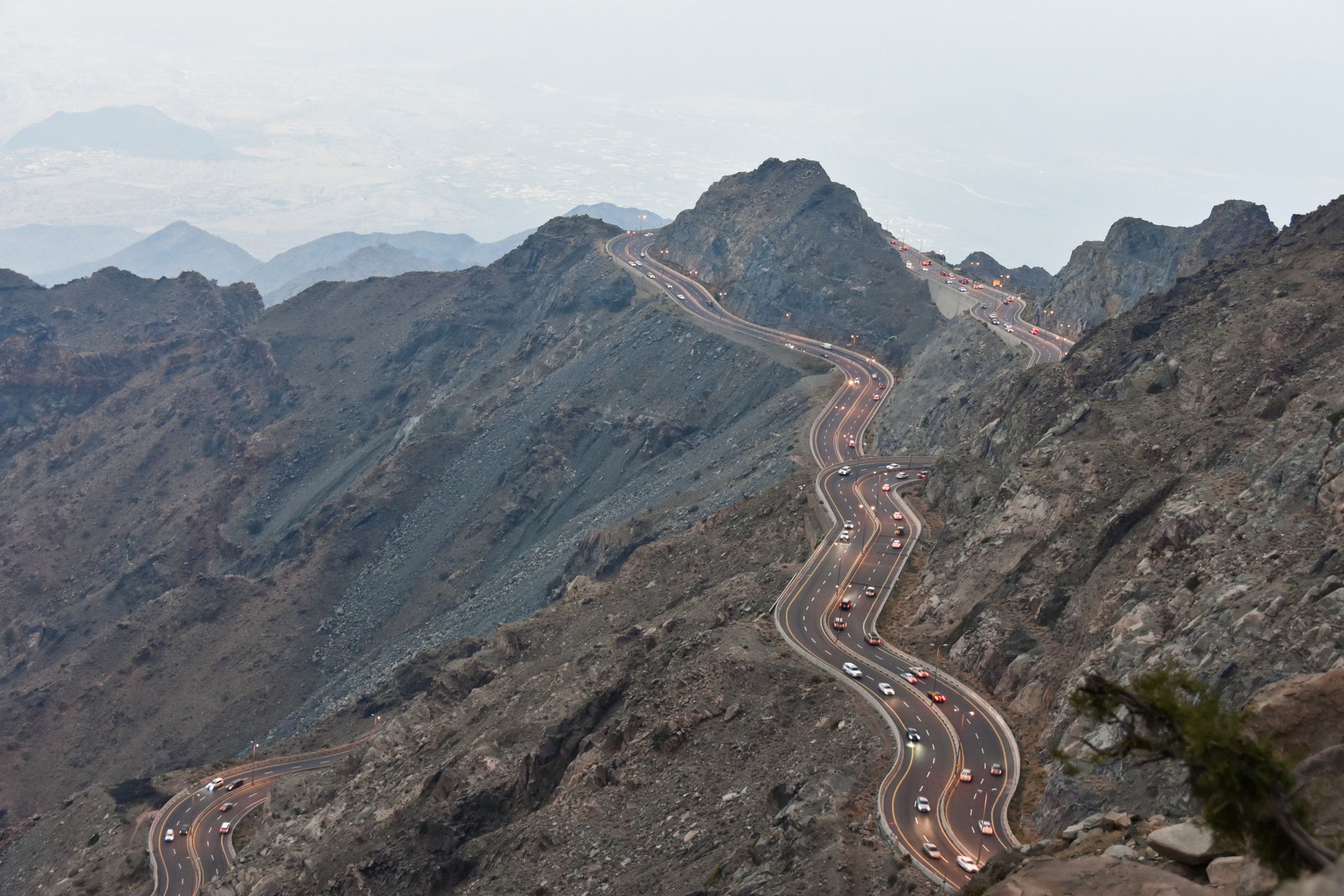
Taif is just 85–90 km from Mecca, roughly 90 minutes by car via the Al Hada mountain road. This route is itself one of Taif’s top attractions — a winding ascent of hairpin bends through dramatic mountain scenery. SAPTCO (Saudi Arabian Public Transport Company) operates bus services between the two cities. Taxis and private transfers are also available, with fares typically between SAR 200–350 one way.
By Road from Riyadh
The drive from Riyadh to Taif is approximately 900 km and takes around 8.5 hours via Highway 40. Most travellers from Riyadh prefer to fly.
Tip: If you are visiting on a tourist e-visa, you can enter Saudi Arabia through Jeddah and combine Taif with Jeddah and the non-restricted areas of the Hijaz in a single trip. See the Saudi Arabia visa guide for full details on the tourist e-visa, which is available for citizens of 63 countries and costs approximately SAR 535 (around $142) including insurance.
Where to Stay in Taif
Taif’s accommodation ranges from budget guesthouses to established five-star hotels. There are roughly 270 properties across the city and surrounding highlands. The two main areas to consider are Taif city centre and the Al Hada mountain area.
Taif City Centre
Staying in the city centre puts you close to Shubra Palace, the old souq, restaurants and shopping. Key options include:
- InterContinental Taif — the city’s flagship five-star hotel on Airport Road, with mountain views, indoor pool, spa and the Hawazen restaurant. Rates from approximately SAR 600–900 per night.
- Awaliv International Hotel — a family-friendly five-star property with child-safety features and a central location. Rates from approximately SAR 500 per night.
- Boudl Taif — a reliable Saudi chain hotel with apartment-style rooms, suitable for longer stays or families. Rates from approximately SAR 300 per night.
- Warwick Al Taif Hotel — mid-range option with outdoor pool and restaurant, located near Jouri Mall. Rates from approximately SAR 250 per night.
- Le Méridien Al Hada — a Marriott property perched on the escarpment with commanding valley views. Popular with Saudi families during summer. Rates from approximately SAR 500 per night.
- Meral Oasis Resort — villa-style accommodation for families and groups, with gardens and private outdoor spaces. Rates from approximately SAR 400 per night.
- Al-Qurashi Rose Farm and Factory (Al Hada) — Ahmed Al-Qurashi’s operation offers guided tours through landscaped rose gardens and the distillation facility. Visitors can watch the traditional extraction process, sample rose water and purchase rose oil, rose jam and rose-scented products. Best visited during the harvest window (late March to mid-April).
- Al-Kamal Rose Factory — another family-run operation that welcomes visitors for tours and product sales during the season.
- Rim walk: A roughly three-hour hike around the crater’s circumference, offering constantly changing perspectives of the interior. No special equipment required beyond good walking shoes and sun protection.
- Descent to the base: A rough trail with steps hewn into the rock leads down to the salt flat at the bottom. Allow approximately 45 minutes for the descent and 90 minutes for the climb back up. Bring at least three litres of water per person.
- Taif honey: The highland honeys, particularly those from Al Shafa, are among the most prized in the Gulf. They are flavoured by the nectar of mountain wildflowers and command premium prices. Buy directly from beekeepers or honey shops in the souq.
- Rose products: Rose water, rose jam (murabbat al-ward), rose-flavoured Turkish delight and rose syrup are sold throughout the city, especially during the spring harvest. Rose-infused drinks appear on menus at local cafes.
- Seasonal fruit: Taif pomegranates, grapes, peaches and figs are cultivated in the highland orchards and sold at roadside stalls and in the central market. The fruit season runs roughly from June to October.
- Saleyqa: A Taifi rice dish cooked in milk, often served with roasted chicken. It is the city’s signature main dish.
- The Al Hada cable car ride — exciting for children, with the optional toboggan run at the bottom station
- King Fahd Park — 25 amusement rides, playgrounds and landscaped gardens
- Fruit-picking at roadside orchards near Al Shafa (seasonal, June to October)
- Rose farm visits during harvest season — the sights and smells captivate children
- Exploring the souq for rose-flavoured sweets and local honey
- Rose farms at dawn during harvest season (late March to April) — workers among the flowers in golden light
- Al Wahba Crater at sunrise — the salt lake reflects the first light
- Shubra Palace’s carved wooden doors and ironwork details
- The Taif souq in the evening, when lanterns illuminate the stone alleyways
- Al Shafa village with mountain views stretching to the coastal plain
- Abha and Asir Travel Guide — Saudi Arabia’s mountain escape: Abha, Al Souda, Rijal Alma and the Asir highlands
- Taif Travel Guide — Overview of Taif including roses, mountains and ancient poetry
- Al Baha Guide — Saudi Arabia’s green highland hidden gem with terraced villages and juniper forests
- Abha and the Asir Region — Deep dive into Saudi Arabia’s southwestern highlands
- Saudi Arabia Travel Guide 2026 — The complete guide to visiting the Kingdom
- Saudi Arabia Visa Guide — Every visa type explained, including the tourist e-visa
Al Hada and the Highlands
For cooler temperatures and mountain views, the Al Hada area (between Mecca and Taif, at the top of the mountain road) offers a resort-like experience:
Budget travellers can find clean, basic hotels in the city centre from SAR 150–200 per night (approximately $40–53). For broader accommodation options across the Kingdom, see the Saudi Arabia hotels guide.
Top Attractions in Taif
Rose Farms and Rose Oil Factories
Taif’s rose industry is the city’s defining feature. More than 900 rose farms are scattered across the highlands, producing over 300 million individual blossoms each year. The variety grown here is the Ward Taifi, a local cultivar of Rosa damascena (the damask rose) with 30 petals and an intensely sweet fragrance.
The harvest season runs from late March to early May. Workers begin picking at dawn, when the essential oil concentration in the petals is highest. The freshly picked roses are loaded into copper pots with water, then slowly heated — steam carries the oil upward through coiled condensation pipes, and the liquid collects drop by drop. A single 11-gram tola of pure Taif rose oil requires approximately 40,000 individual flowers, which explains why it trades at prices comparable to gold by weight.
Two factories are particularly welcoming to visitors:
Tip: Arrive at rose farms early in the morning (before 8 AM) to see the actual picking process. By mid-morning, the day’s harvest is usually complete and only the distillation process continues.
Shubra Palace
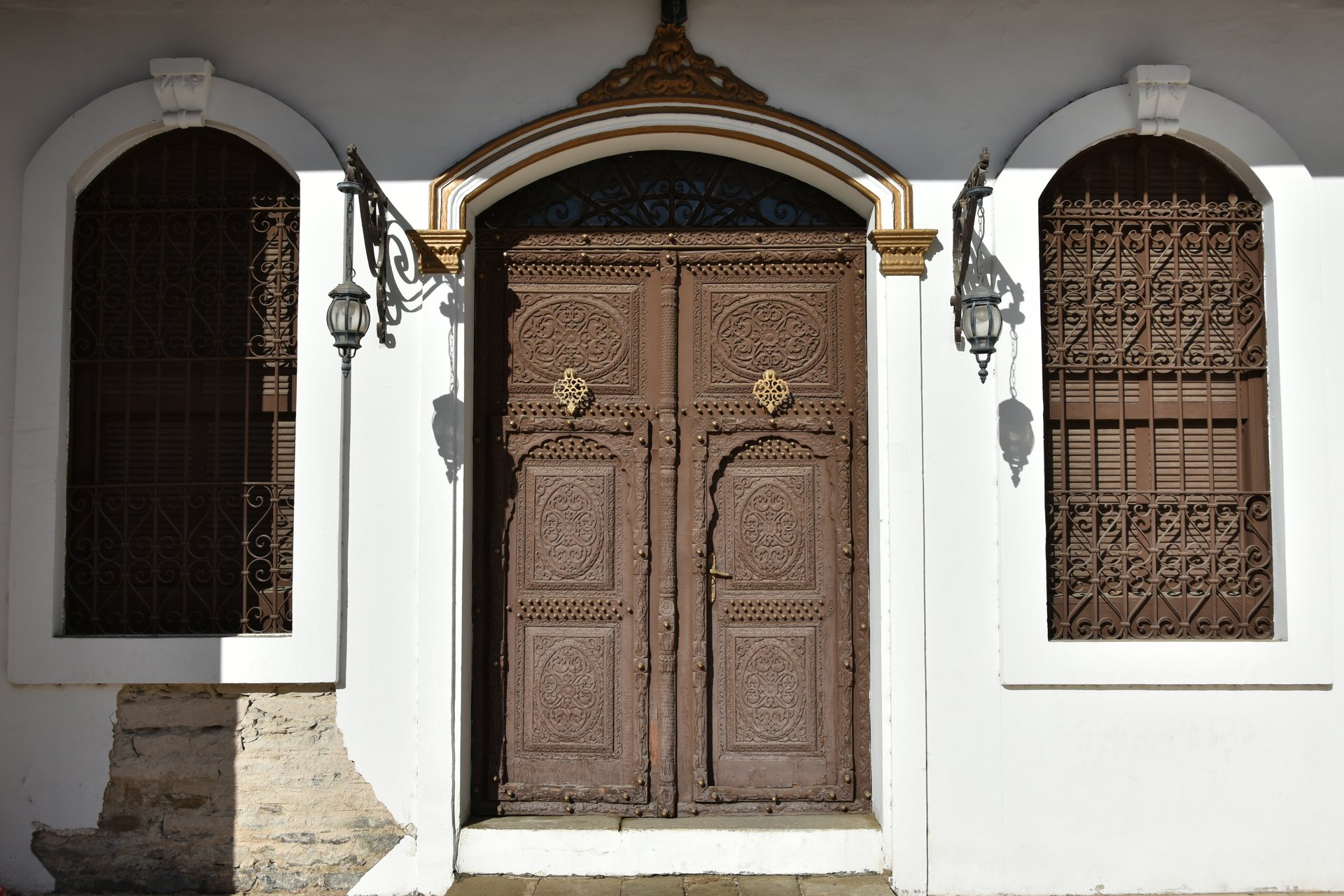
Built originally as a two-storey house in 1858, Shubra Palace was expanded to four storeys during renovations in 1905 and served as a seat of government during the late Ottoman era. King Abdulaziz later used it as his Taif residence, and King Faisal spent summers here during his reign. In 1995, the palace was converted into a regional museum under the Ministry of Culture.
The architecture blends Islamic, Ottoman and Romanesque elements across more than 150 rooms, featuring intricately carved wooden staircases, arched windows with iron grillework and decorative wall motifs. The museum collection includes manuscripts, photographs, traditional Hijazi clothing and artefacts documenting the history of Taif and the broader Hijaz region.
Practical details: Shubra Palace is located in the Al Mathnah district of central Taif. Opening hours are typically Saturday to Thursday, 9 AM to 12 PM and 5 PM to 8 PM (closed Sundays). Entry costs SAR 20 for adults. Note that interior access has been intermittently restricted for restoration work — check locally before visiting.
Al Hada Mountain and Cable Car
The Al Hada mountain road connecting Mecca and Taif is one of Saudi Arabia’s most spectacular drives. The route climbs through dozens of switchbacks carved into bare mountain rock, with sheer drops and panoramic views at every turn. Even if you are not driving from Mecca, driving the upper section of this road for the views alone is worth the trip.
At the summit area, the Teleferic Al Hada cable car descends from the upper station near the Ramada Al Hada Hotel to Al Kar Tourist Village at the mountain’s base. The ride covers approximately 1,550 metres and takes 15 to 20 minutes, offering aerial views over deep valleys and cliff faces.
Practical details: Ticket prices are approximately SAR 84 for a basic ride, or SAR 150 one way / SAR 300 round trip for the premium Teleferic experience. A toboggan ride at the base costs SAR 30 per run. Operating hours vary seasonally — generally 9 AM to 8 PM, but confirm before visiting.
Souq Okaz
One of the most important markets in pre-Islamic Arabia, Souq Okaz operated for 21 days each year during the month of Dhu al-Qa’dah, attracting merchants, poets and diplomats from across the peninsula. Located 40 km north of Taif on a 3,500-acre site at a strategic point on the Spice Route, it was active from approximately 542 to 726 CE before being destroyed during Kharijite raids.
Saudi Arabia revived the historic market in 2007 as an annual cultural festival, typically held during summer. The modern festival features around 150 cultural activities, including poetry competitions (echoing its ancient tradition), theatre performances, workshops and a reconstructed souq with 200 shops selling pottery, silverware, glassware, wall art and historical manuscripts. Taif was named the “Capital of Arabic Poetry” in 2022, partly in recognition of this heritage.
Al Wahba Crater
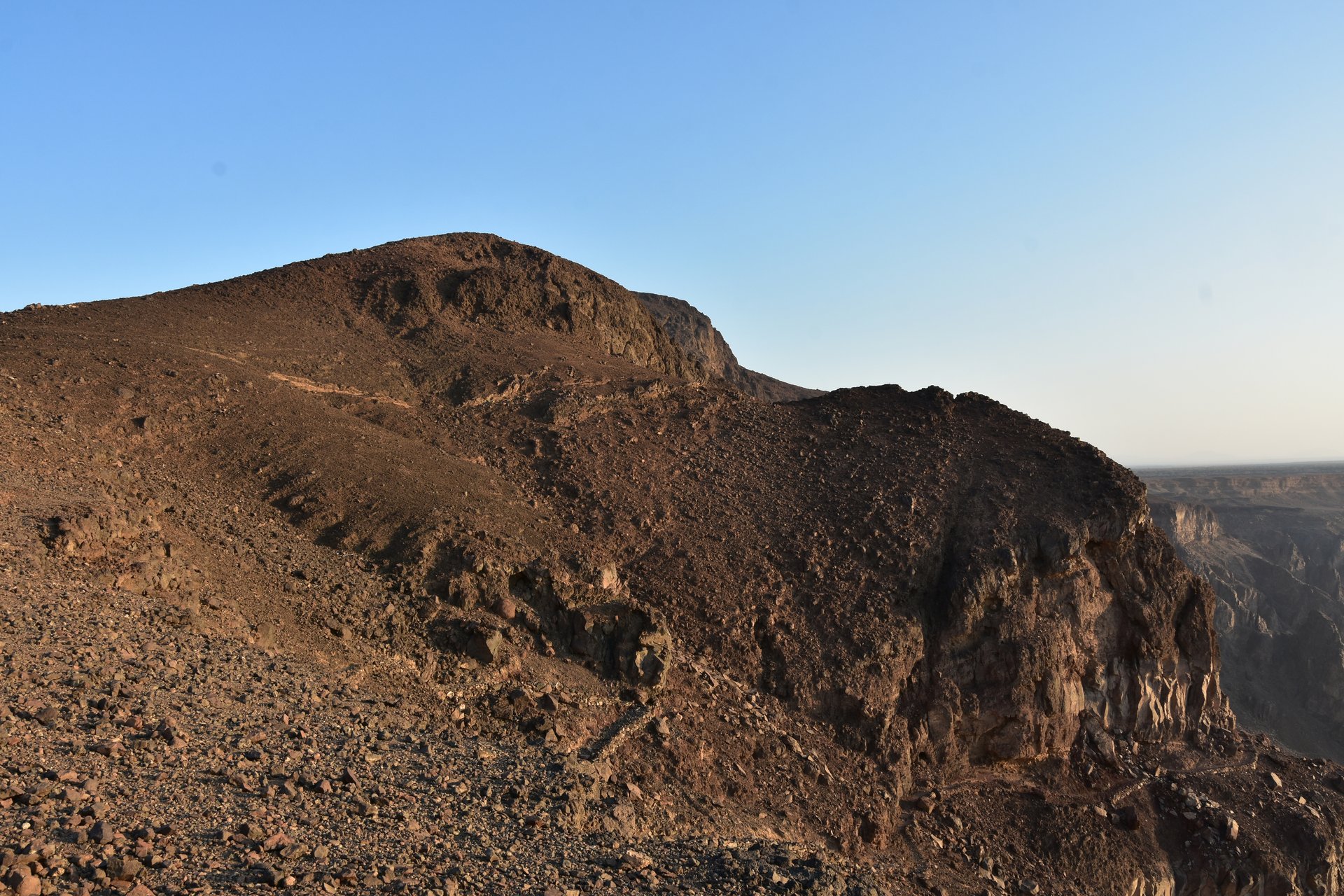
The Al Wahba Crater (also spelled Al Wa’bah) is the largest volcanic crater in Saudi Arabia, with a diameter of 3,000 metres and a depth of approximately 380 metres. Located at the western edge of the Hafer Kishb basalt plateau, roughly two hours north of Taif by car, the crater contains a white salt-crusted lake at its centre that shimmers in the desert light.
There are two ways to experience it:
Warning: Summer temperatures at the crater can exceed 50°C. Only attempt the descent between October and March, and start early in the morning. There are no facilities at the site — bring all water, food and sun protection with you.
King Fahd Park (Al Raddaf Park)
Spanning 100 hectares, King Fahd Park is one of the largest urban parks in Saudi Arabia. The grounds contain more than 100 species of trees and plants, along with artificial lakes, lagoons, waterfalls and fountains. An on-site amusement park features 25 rides suitable for children and families. The park is particularly popular during Taif’s summer season and on weekends. Entry is free; some amusement rides have separate fees.
Al Shafa Village
Perched at approximately 2,200 metres — among the highest inhabited points in the Hijaz — Al Shafa is a hillside village about 25 km southwest of Taif. It is renowned for two things: its high-quality honey, produced by bees feeding on mountain wildflowers, and its fruit orchards, which produce pomegranates, grapes, figs, peaches and berries in a climate more reminiscent of the Mediterranean than the Arabian Peninsula.
Roadside stalls along the Al Shafa road sell fresh seasonal fruit and locally produced honey. The views from the village, particularly at sunset, are exceptional — on clear days you can see all the way to the coastal plain.
Food and Drink in Taif
Taif’s food scene reflects its highland agriculture and its position as a crossroads between the Hijaz coast and the interior. The city does not have the cosmopolitan dining variety of Riyadh or Jeddah, but it offers distinct local flavours that are worth seeking out. For a broader overview, see the Saudi Arabia food and dining guide.
Local Specialities
Where to Eat
The Al Balad market area in central Taif is the best neighbourhood for eating. Restaurants here serve traditional Hijazi cuisine, grilled meats and fresh seafood brought up from the coast. Al Fares Restaurant and Fish House Restaurant are reliable options near the souq. For a broader range of dining, the area around Jouri Mall has chain restaurants and cafes.
Shopping in Taif
Taif Central Souq
The old souq, located in the renovated historic centre, is the city’s commercial heart. The narrow lanes and multi-storey mud-brick and stone buildings house shops selling rose water, rose oil, honey, dates, spices, textiles and traditional silver jewellery. The souq comes alive in the evenings, when locals fill the small squares and fountain courtyards. This is the best place in Saudi Arabia to buy genuine Taif rose oil and highland honey direct from producers.
Al Balad Market
One of the oldest markets in the Middle East, the Al Balad market in Taif is a traditional trading centre selling agricultural goods, fresh milk, dates, gold and silver ornaments, spices and honey. The multi-storey buildings are constructed from mud brick and local stone. It is a working market rather than a tourist attraction, which gives it an authenticity that purpose-built retail experiences cannot match.
For modern shopping, Jouri Mall and Al Hada Mall offer air-conditioned retail with Saudi and international brands. The Saudi Arabia shopping guide covers broader options across the Kingdom.
Day Trips from Taif
Al Wahba Crater
Covered in detail above, the crater is the top day-trip destination from Taif. Allow a full day — roughly two hours driving each way, plus time to hike the rim or descend to the floor. Leave at sunrise for the best light and temperatures.
Mecca (for Muslim Visitors)
Muslim visitors can combine Taif with Umrah or a visit to the Holy City of Mecca, just 90 km away. The Al Hada road descent from Taif to Mecca is itself a highlight — one of the most dramatic mountain drives in the Kingdom.
Al Baha
The Al Baha region lies approximately 220 km south of Taif along the Hijaz escarpment. Its terraced hillside villages, juniper forests and cooler climate make it a natural extension of a highland trip. The drive takes around 2.5 hours through mountain scenery.
Abha and the Asir Highlands
For travellers with more time, continuing south from Al Baha to Abha and the Asir region extends the highland experience with Saudi Arabia’s greenest landscapes, the cable car at Al Souda peak and the coastal town of Rijal Alma. Allow at least two additional days.
Practical Information
Currency and Costs
Taif is significantly cheaper than Riyadh or Jeddah. A comfortable mid-range visit costs approximately $80–$120 per day including accommodation, meals, transport and entry fees. Budget travellers can manage on $50–$60 per day. The local currency is the Saudi Riyal (SAR), pegged to the US dollar at approximately 3.75 SAR to $1. Credit cards are widely accepted at hotels and malls; carry cash for the souq, roadside stalls and small restaurants. See the Saudi Arabia cost guide for a detailed budget breakdown.
Getting Around
A rental car is strongly recommended for Taif. Public transport within the city is limited, and many of the best attractions (rose farms, Al Shafa, Al Wahba Crater) are outside the urban area. Ride-hailing apps (Uber and Careem) work in Taif but response times can be slow outside the city centre. For the complete transport guide, including airport transfers and intercity bus options, see the dedicated page.
Mobile Connectivity
4G coverage is reliable in Taif city and along major highways. Coverage can be patchy in remote areas such as the road to Al Wahba Crater. Pick up a local SIM card at Jeddah or Taif airport for data access. See the Saudi Arabia SIM card guide for provider comparisons and eSIM options.
Safety
Taif is a safe city with very low crime rates. The main safety consideration is driving — the Al Hada mountain road has sharp switchbacks and can be busy on weekends. Drive carefully, especially after dark. At Al Wahba Crater and on hiking trails, dehydration and heat exposure are the primary risks. The Saudi Arabia safety guide covers broader travel safety considerations.
What to Wear
Taif is more conservative than Riyadh or Jeddah’s tourist areas. Women should wear loose-fitting clothing covering shoulders and knees. An abaya is not legally required for tourists but is appreciated in the souq and at religious or heritage sites. Evenings can be cool at altitude — bring a light jacket or shawl, particularly between October and March. The Saudi Arabia dress code guide provides detailed advice.
History of Taif
Taif’s history stretches back well before Islam. The city was a prosperous agricultural centre in pre-Islamic Arabia, benefiting from its elevation, rainfall and fertile soil. Souq Okaz, active from the 6th to 8th centuries CE, was one of three major annual markets in the Hijaz (alongside Majanna and Dhul-Majaz) and served as a gathering point for poets, diplomats and merchants from across the peninsula.
In Islamic history, Taif is significant as the city where the Prophet Muhammad travelled in 619 CE seeking support after facing persecution in Mecca. The city later fell to Muslim forces in 630 CE following the Battle of Hunayn. Under the Ottoman Empire, Taif served as an administrative centre for the Hijaz region, and the construction of grand buildings like Shubra Palace reflected its political importance.
During the unification of Saudi Arabia, King Abdulaziz captured Taif in 1924, and the city became the traditional summer seat of government. Saudi kings and their courts would relocate to Taif’s cooler climate during the hottest months — a tradition that continued well into the modern era.
Taif for Families
Taif is one of Saudi Arabia’s most family-friendly destinations. The combination of cooler weather, outdoor parks, cable cars and the amusement rides at King Fahd Park makes it a natural choice for families, particularly during summer school holidays. Saudi Arabia with kids covers family travel tips across the Kingdom.
Key family-friendly activities include:
Photography in Taif
Taif offers some of Saudi Arabia’s most photogenic subjects. The Al Hada mountain road at dusk, when headlights trace the switchbacks against the darkening mountains, is a classic shot that has appeared on tourism posters and social media worldwide. Other standout opportunities include:
For more locations, the Saudi Arabia photography spots guide covers 20 locations across the Kingdom.