
Saudi Arabia’s fashion landscape spans centuries of tradition and a fast-moving contemporary scene that has placed the Kingdom on the global style map. Whether you are drawn to the hand-stitched gold thread of a bisht cloak, the avant-garde couture of Ashi Studio, or the luxury boutiques lining Riyadh’s newest malls, fashion is one of the most rewarding ways to engage with Saudi culture. This guide — part of our wider Saudi Arabia travel guide — covers the traditional garments you will see every day, the designers reshaping Middle Eastern fashion, and the best places to shop in the Kingdom’s major cities.
Best Time to Visit: October–March (cooler weather for souk browsing and mall outings; Riyadh Fashion Week typically held in October)
Getting There: Riyadh (RUH), Jeddah (JED) and Dammam (DMM) all have international airports with direct flights from Europe, Asia and the Americas
Visa Required: Yes — tourist e-visa available for 60+ nationalities
Budget: USD 50–300+ per day depending on shopping habits — souks are affordable, luxury malls match European prices
Must-See: VIA Riyadh for luxury fashion, Souq Al-Zal for heritage textiles, Riyadh Fashion Week (October)
Avoid: Buying “gold” jewellery from unlicensed street vendors — always shop at hallmarked stores
Traditional Saudi Dress: A Living Heritage
Saudi Arabia’s national dress is not ceremonial nostalgia. The thobe, bisht, abaya and shemagh are worn daily across the Kingdom, from boardrooms in Riyadh’s King Abdullah Financial District to village markets in Asir. Understanding these garments helps visitors appreciate the culture they are stepping into — and makes shopping for them far more rewarding.
The Thobe (Thawb)
The thobe is the foundation of Saudi men’s dress: an ankle-length, long-sleeved robe typically cut from a single piece of fabric. In summer, white cotton or synthetic blends dominate, reflecting sunlight and keeping the wearer cool in temperatures that regularly exceed 45°C. Winter thobes shift to heavier fabrics in cream, grey and tan. The collar style is a regional marker — Saudi thobes typically feature a stiff, buttoned-up collar, distinguishing them from the collarless Emirati or Omani versions.
A well-made bespoke thobe from a Riyadh tailor costs SAR 200–600 (USD 53–160), and tailoring shops in the ad-Dirah district and along Olaya Street can produce one in 24–48 hours. Ready-made thobes from brands like Thobi, Al Raqtan and Dhobi are available in malls across the Kingdom.
The Bisht (Mishlah)
The bisht is the most prestigious garment in Saudi culture — a flowing, semi-transparent cloak worn over the thobe at weddings, national celebrations, religious occasions and formal state events. Traditionally crafted in Al-Ahsa in the Eastern Province, a single hand-embroidered bisht can take weeks to produce and cost SAR 5,000–50,000 (USD 1,300–13,300). The gold or silver thread edging, known as zari, signals the garment’s quality and formality. Black and brown are the most common colours, though white bishts are reserved for the highest occasions.
In 2026, the Saudi government formalised guidelines requiring officials to wear traditional attire — including the bisht at formal events — underscoring the garment’s continued cultural and political significance.
Headwear: Shemagh, Ghutra and Agal
Saudi men’s head coverings consist of three elements: a taqiyah (skullcap), a ghutra or shemagh (the headcloth), and an agal (the black cord that holds the cloth in place). The plain white ghutra is standard in summer, while the red-and-white chequered shemagh is more common in winter or at national events. The agal is a double-looped black cord, historically made from goat hair. Together, these form a distinctive silhouette that is uniquely Saudi.
Quality shemaghs from brands like Givenchy or Dior (both have licensed Saudi-market editions) range from SAR 100–800 (USD 27–213), while traditional cotton versions from souks start at SAR 20 (USD 5).
The Abaya
The abaya is the defining garment of Saudi women’s public dress — a full-length cloak worn over everyday clothing. While the black abaya remains dominant, the past decade has seen an explosion of colour, embroidery and design innovation. Contemporary abayas come in navy, forest green, blush pink and ivory, with details ranging from Swarovski crystals to hand-painted motifs. The abaya is both a cultural statement and a fashion canvas, and it is one of the most popular items for visitors to take home.
Ready-made abayas range from SAR 150 (USD 40) at high-street stores to SAR 10,000+ (USD 2,600+) for designer pieces from brands like Abadia, Haal and Mashael Alrajhi.
Regional Variations
Saudi dress is not monolithic. Regional traditions add colour and texture across the Kingdom:
- Asir and the Southern Highlands: Women’s dresses in Asir feature vibrant geometric embroidery in red, green and orange — a sharp contrast to the black abayas of central Saudi. Men may wear the janbiya (curved dagger) on a belt. Explore the region further in our Abha and Asir travel guide.
- Hejaz (Jeddah and the west coast): The Hejazi style is historically more cosmopolitan, reflecting centuries of pilgrimage traffic. Women’s dresses incorporate influences from Egypt, Turkey and the Indian subcontinent.
- Eastern Province: Al-Ahsa is the historic centre of bisht production, and the region’s textile heritage is closely linked to its pearl-diving and trading past.
Saudi Arabia’s Modern Fashion Scene
Saudi Arabia’s fashion industry has been transformed by Vision 2030’s investment in creative industries. The Saudi Fashion Commission, established under the Ministry of Culture, coordinates designer incubation, fashion education and international showcases. The result is a generation of Saudi designers who are winning attention from Paris to New York.
Ashi Studio
Founded by Mohammed Ashi in 2007, Ashi Studio made history as the first Gulf-region label to show at Paris Haute Couture Week. The brand’s signature lies in the fusion of Middle Eastern heritage with architectural silhouettes — dramatic gowns with sculptural shoulders, cascading trains and intricate beadwork. Ashi Studio’s pieces have been worn by Beyoncé, Lady Gaga and Jennifer Lopez. The atelier operates from Riyadh, and select pieces are available by appointment.
Yousef Akbar
Yousef Akbar launched his eponymous label in 2017, focusing on womenswear that merges technical innovation with personal storytelling. His collections play with form, fabric and emotion — deconstructed tailoring in unexpected materials, draped jersey dresses that move between structure and fluidity. Nicole Kidman, Sharon Stone and Chrissy Teigen have all worn his designs. Sustainability is central to the brand, with a commitment to ethical sourcing and limited production runs.
Arwa Al Banawi
Arwa Al Banawi founded her contemporary ready-to-wear brand ARWÁ in 2015 with a mission to create effortless, confidence-boosting clothing for women. Her designs sit at the intersection of streetwear and tailoring — oversized blazers, wide-leg trousers, logo-stamped accessories. Collaborations with Adidas Originals and Levi’s have given the brand global reach. Her flagship store in Jeddah is worth a visit.
Other Saudi Designers to Know
- Honayda Serafi: Jeddah-born couturier known for fluid, romantic evening wear with hand-applied lace and crystal detailing. Her pieces have appeared on red carpets at Cannes and Venice.
- Mashael Alrajhi: Specialises in luxury abayas and modest fashion that blends Saudi tradition with contemporary cuts. Based in Riyadh.
- Aram by Arwa Al Ammari: Riyadh-based brand creating minimalist modern abayas in neutral tones and unexpected silhouettes.
- Lama Jouni: Known for colour-saturated eveningwear and structured gowns, she has shown at Arab Fashion Week and Riyadh Fashion Week.
Riyadh Fashion Week
Launched in 2023, Riyadh Fashion Week has rapidly grown into one of the region’s most significant fashion events. The 2025 edition, held over six days in October, featured more than 45 designers — including over 30 Saudi talents — across venues such as JAX District, KAFD, Mandarin Oriental Riyadh and Al Mamlaka. International houses Vivienne Westwood and Stella McCartney participated for the first time. The Saudi Fashion Commission has confirmed that the 2026 edition will be the biggest yet, with an expanded roster of global and local designers.
For visitors timing their trip, Riyadh Fashion Week offers public-facing events, pop-up shops and immersive activations across the city — a compelling reason to visit the capital in October.
Where to Shop: Luxury Malls
Saudi Arabia’s mall culture is among the most developed in the world. These are not just retail spaces — they are air-conditioned social hubs with restaurants, cinemas and entertainment zones. For fashion shoppers, the Kingdom’s top malls rival anything in Dubai or London.
VIA Riyadh
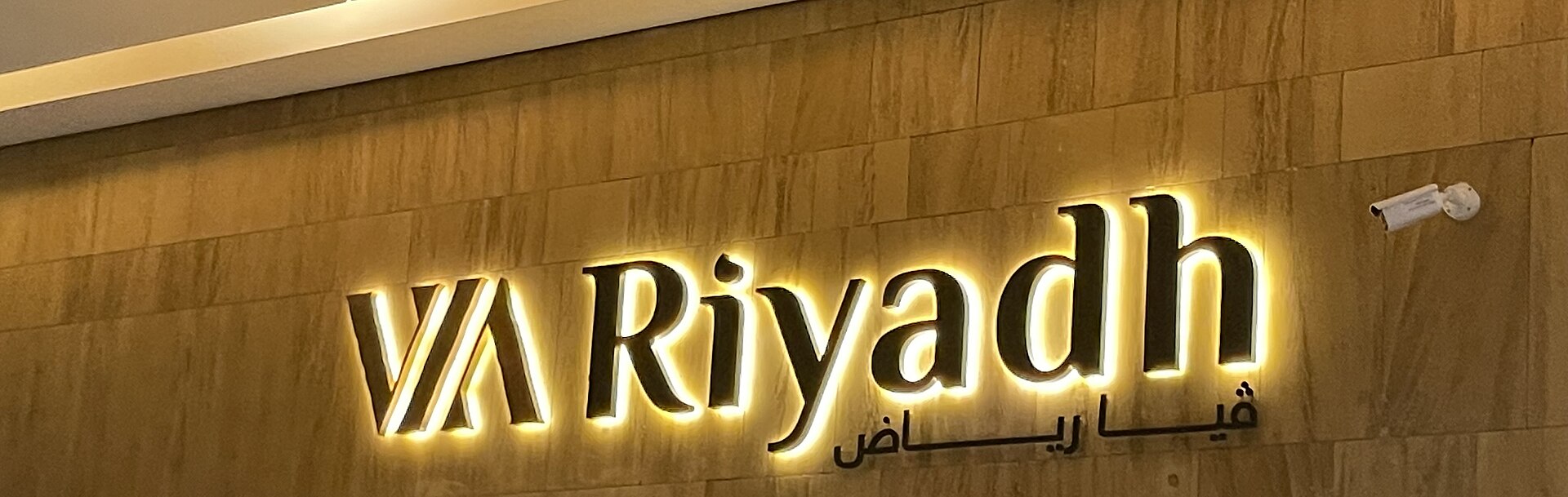
VIA Riyadh is the capital’s premier luxury destination, merging Saudi heritage architecture with world-class retail. Tenants include Dolce & Gabbana, Tom Ford, Aquazzura, Aesop and a curated selection of Saudi designers. The experience is designed to feel like a cultural quarter, not just a shopping centre — walkways are lined with art installations and there are regular fashion events.
Riyadh Park
Spanning 132,000 square metres, Riyadh Park is one of the largest malls in the capital. It houses high-end brands including Balenciaga, Chanel and Armani alongside mid-range retailers. The mall’s open-air sections and landscaped walkways make it a pleasant place to spend an afternoon.
Al Nakheel Mall, Riyadh
Located in the northern Nakheel district, this premium mall offers a more curated selection of fashion brands. Its skylight-filled atrium and clean design make it popular with Riyadh’s fashion-conscious crowd.
Red Sea Mall, Jeddah
Jeddah’s flagship shopping destination spans over 242,000 square metres with more than 450 retail outlets. International fashion brands sit alongside Saudi labels, and the mall’s location near the waterfront makes it a natural stop on any Jeddah itinerary.
Mall of Arabia, Jeddah
Near King Abdulaziz International Airport, Mall of Arabia features more than 400 stores including Zara, H&M, Massimo Dutti and a growing number of Saudi fashion brands. Its family-oriented design includes entertainment zones and a large food court.
The Avenues Riyadh (Opening Late 2026)
Set to become one of the largest commercial malls in the Middle East, The Avenues Riyadh will span approximately 370,000 square metres with more than 1,300 stores. Modelled on the successful Avenues franchise in Kuwait, it will anchor Riyadh’s northern expansion and significantly expand the city’s luxury retail offering.
Where to Shop: Traditional Souks
For visitors interested in traditional textiles, gold, handmade abayas and heritage crafts, Saudi Arabia’s souks are unmissable. Prices are negotiable, the atmosphere is immersive, and the goods are often made by local artisans. For a deeper look at traditional markets, see our Saudi Arabia shopping guide.
Souq Al-Zal, Riyadh
Riyadh’s oldest market, dating back to 1901, covers almost 9.5 acres in the ad-Dirah neighbourhood. Souq Al-Zal is the place to find traditional Arabian carpets, handwoven kilims, Bedouin rugs, embroidered abayas, silver jewellery and antique Saudi textiles. Bargaining is expected, and prices are significantly lower than in malls. Most shops open from early morning until late evening, with peak hours in the late afternoon. Visit on a weekday morning for a quieter experience.
Deira Souq (Gold Souk), Riyadh
Located in central Riyadh, Deira Souq is a lively traditional market where gold jewellery, traditional clothing, crafts and antiques are sold side by side. The gold section offers 18-karat and 21-karat pieces at prices below European retail, and all items are required by Saudi law to carry hallmark stamps certifying purity. For more on buying gold, see our jewellery buying guide.
Souq Al-Alawi, Jeddah
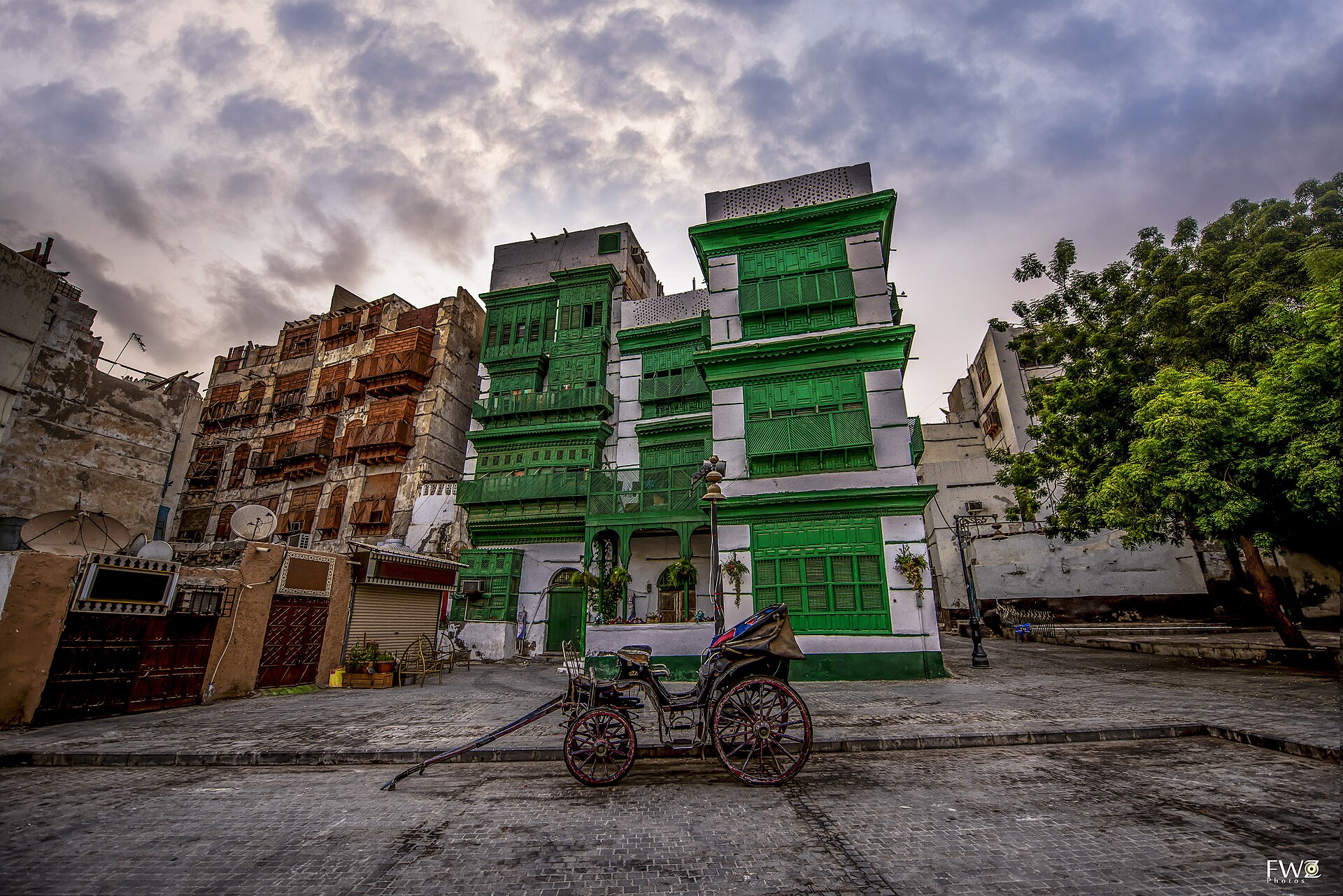
The largest souk in Saudi Arabia, Souq Al-Alawi sits within the UNESCO-listed Al Balad historic district. Its narrow lanes are lined with shops selling textiles, abayas, perfumes, spices and handmade crafts. The souk is best explored on foot — wear comfortable shoes, as the coral-stone lanes are uneven. Our Jeddah souq guide has a detailed walking route.
Bab Makkah Market, Jeddah
Adjacent to the historic Makkah Gate, this market specialises in fabrics, textiles and household goods. It is the go-to destination for buying abaya fabric by the metre — local tailors can then produce a custom piece within days. Prices start at SAR 30 per metre (USD 8) for basic fabric and climb to SAR 500+ (USD 133) for silk and embroidered material.
What to Buy: A Fashion Shopping Checklist
| Item | Where to Buy | Price Range (SAR) | Price Range (USD) |
|---|---|---|---|
| Bespoke thobe | Tailors in ad-Dirah, Riyadh or Jeddah | 200–600 | 53–160 |
| Ready-made abaya | Malls and souk shops nationwide | 150–2,000 | 40–530 |
| Designer abaya | Boutiques in Riyadh and Jeddah | 2,000–10,000+ | 530–2,600+ |
| Shemagh / ghutra | Souks and malls | 20–800 | 5–213 |
| Gold jewellery (21K) | Gold souks in Riyadh and Jeddah | 500–20,000+ | 133–5,300+ |
| Handwoven Bedouin rug | Souq Al-Zal, Riyadh | 300–5,000 | 80–1,330 |
| Traditional bisht | Al-Ahsa workshops, specialist souk vendors | 1,000–50,000 | 265–13,300 |
| Oud perfume | Specialist shops, souks and malls | 100–5,000+ | 27–1,330+ |
Tip: Saudi Arabia charges 15% VAT on all purchases. Tourists may be eligible for VAT refunds at the airport on purchases over SAR 300 — look for the “Tax Free” logo at participating stores and keep your receipts.
Dress Code for Visitors
Saudi Arabia relaxed its dress code for foreign visitors in 2019, replacing the mandatory abaya requirement for women with a principles-based Public Decorum Code. However, modesty remains expected and respected.
For Women
- Cover shoulders, chest and knees — maxi dresses, loose trousers and long-sleeve blouses work well
- An abaya is no longer required but remains welcome and is the easiest way to blend in
- Hijab is not mandatory except at mosques and religious sites
- Swimwear is fine at hotel pools and private beaches; cover up when moving through lobbies
For Men
- Long trousers and a shirt with sleeves — shorts are acceptable in resort areas and some entertainment venues but not in religious or government settings
- Wearing a thobe is warmly received — it is perfectly acceptable for visitors to wear one, and many men find it the most comfortable option in the heat
Packing tip: Bring loose-fitting, breathable fabrics in neutral colours. A lightweight scarf is useful for women visiting mosques. You can also buy a cotton abaya in Saudi for as little as SAR 150 (USD 40) — it makes a practical souvenir.
Fashion Education and the Saudi 100 Brands Programme
The Saudi Fashion Commission runs the Saudi 100 Brands programme, which incubates over 100 local fashion labels annually with mentorship, funding and international exposure. In parallel, Istituto Marangoni — the Italian fashion school — opened the Kingdom’s first international fashion campus in Riyadh, offering degree programmes in fashion design, styling and business. These initiatives reflect the Kingdom’s ambition to build a self-sustaining fashion ecosystem rather than simply importing global brands.
For visitors, the practical effect is a growing number of Saudi-designed collections available in concept stores and boutiques across Riyadh and Jeddah — pieces that reflect both local identity and international quality.
Practical Tips for Fashion Shopping in Saudi Arabia
- Bargaining: Expected in souks, not in malls. Start at about 50–60% of the asking price and work toward a mutually acceptable figure. Be friendly — the interaction is part of the experience.
- Payment: Cards are accepted almost everywhere, including most souk vendors. Apple Pay and mada (the Saudi debit network) are widely used. Carry some cash for smaller purchases.
- Shopping hours: Malls typically open 10am–11pm, with some closing briefly for prayer times. Souks operate from early morning to late evening, with a quieter midday period during summer.
- Tailoring turnaround: A bespoke thobe or abaya typically takes 24–72 hours. Allow time in your itinerary if you want a custom piece.
- Shipping: Many luxury retailers offer international shipping. For souk purchases, Aramex and DHL have drop-off points across Riyadh and Jeddah.
- Oud and perfume: Saudi Arabia is one of the best places in the world to buy oud and Arabic perfume. See our dedicated perfume shopping guide and oud buying guide for detailed recommendations.
Explore More Saudi Arabia Travel Guides
- Saudi Arabia Travel Guide 2026 — The complete guide to visiting the Kingdom
- Saudi Arabia Shopping Guide — Best malls, souks and what to buy across the Kingdom
- Buying Jewellery in Saudi Arabia — Gold, silver and traditional crafts
- Saudi Arabian Handicrafts — Weaving, pottery and where to buy
- Saudi Perfume Shopping — Oud, bakhoor and the best fragrance shops
- Saudi Arabia Visa Guide — Every visa type explained