
Saudi Arabia is not the first country that comes to mind when you think of hot springs, but the Kingdom sits atop significant geothermal activity — particularly along its western volcanic belt and in the ancient oasis regions of the east. From scalding 85°C sulfur springs surrounded by landscaped parkland to warm therapeutic pools fed by underground aquifers, Saudi Arabia offers natural thermal bathing experiences that most visitors never discover. Whether you are building a wider Saudi Arabia travel itinerary or specifically seeking wellness and nature experiences, this guide covers every visitable hot spring in the Kingdom — with practical details on how to get there, what to expect, and the best time to go.
Best Time to Visit: October–March (cooler weather makes soaking in hot springs comfortable)
Getting There: Most springs require a car; Al-Ahsa springs are closest to an airport (Hofuf/Al-Ahsa Airport)
Visa Required: Yes — tourist e-visa
Budget: $0–30 USD per day (most springs are free to access)
Must-See: Ain Al-Harrah (Al-Lith), Ain Najm (Al-Ahsa), Al-Khoubah (Jizan)
Avoid: Visiting in summer — ambient temperatures above 45°C make hot spring areas unbearable
Why Saudi Arabia Has Hot Springs
Saudi Arabia’s western flank runs along the Red Sea Rift, a tectonically active zone that has produced over 2,500 dormant volcanoes and extensive lava fields known as harrats. This volcanic activity heats groundwater that rises to the surface as thermal springs, particularly along the Red Sea coastal plain from Al-Lith to Jizan. The Saudi Geological Survey has documented surface water temperatures ranging from 31°C to 96°C across the Kingdom’s thermal sites.
In the east, the springs of Al-Ahsa draw from a different mechanism entirely — deep artesian aquifers trapped beneath limestone formations at depths of 150–180 metres, naturally warmed by geothermal gradients. These springs have sustained one of the world’s largest oases for thousands of years and remain flowing today.
Ain Al-Harrah — The Flagship Hot Spring (Al-Lith, Makkah Province)
Ain Al-Harrah is Saudi Arabia’s most developed and accessible hot spring destination. Located in the Al-Lith Governorate approximately 250 kilometres southeast of Jeddah, this complex of 19 individual sulfur springs spreads across nearly 50,000 square metres of landscaped parkland at an elevation of 165 metres above sea level.
What to Expect
The spring water emerges at 80–85°C — far too hot for direct bathing at the source. The water is rich in sulfur compounds, and you can smell it before you see it. The site has been developed as a public wellness park with cooling pools where the water reaches comfortable bathing temperatures, sauna rooms that harness the natural steam, green spaces irrigated by the spring water, children’s playgrounds, shaded seating areas with wooden parasols, paved walking paths, and bathroom facilities.
The therapeutic reputation of Ain Al-Harrah draws visitors seeking relief from skin conditions such as eczema and psoriasis, joint pain, and rheumatism. While medical evidence for hot spring therapy varies, the mineral-rich sulfuric water is genuinely distinct from ordinary bathing.
Getting There and Practical Details
- From Jeddah: Drive south along the Red Sea coast road toward Al-Lith (~250 km, approximately 3 hours). Search “Ain Al Harra” or “Al Harra Hot Spring” in Google Maps.
- Entry: Free public access.
- Facilities: Bathrooms, shaded areas, parking. Bring your own food and water — there are limited vendors nearby.
- Best time: October–March. Summer temperatures in Al-Lith exceed 40°C, making the area around 85°C springs extremely uncomfortable.
Tip: Combine an Ain Al-Harrah visit with a broader Red Sea coast road trip from Jeddah. The drive passes through dramatic coastal scenery and is close to some of the Kingdom’s best diving and snorkelling sites.
Al-Ahsa Springs — UNESCO World Heritage Thermal Waters (Eastern Province)
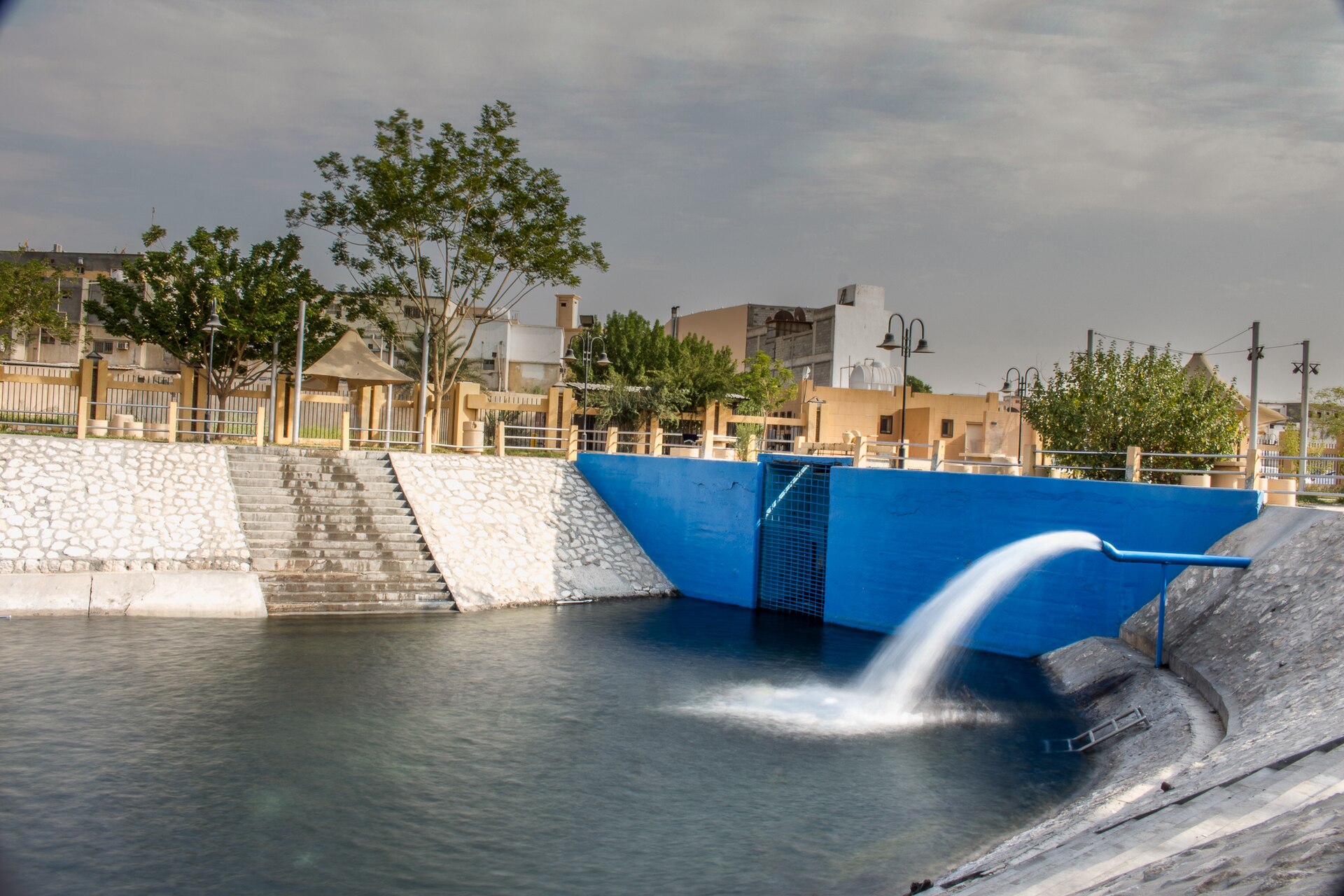
The Al-Ahsa Oasis in the Eastern Province is the world’s largest natural oasis, covering over 85 square kilometres and fed by dozens of naturally occurring springs — several of which are genuinely thermal. Inscribed as a UNESCO World Heritage Site in 2018, Al-Ahsa is approximately 150 kilometres inland from Dammam and Al-Khobar.
Ain Najm (Star Spring)
The most famous hot spring in Al-Ahsa, Ain Najm produces hot sulfuric water exceeding 32°C from a depth of approximately 150 metres. Located 2 kilometres west of the Al-Mubarraz district, the spring has been a therapeutic destination since the Ottoman period. King Abdul-Aziz rebuilt its distinctive dome in 1913 after the Saudi reconquest of Al-Ahsa. The spring was historically visited by travellers and locals seeking relief from skin and joint ailments.
Ain Umm Sab’a (Mother of Seven Spring)
Named for the seven streams it once produced (five remain active today), Ain Umm Sab’a reaches temperatures of 40°C at its centre — warm enough for comfortable therapeutic soaking. The spring flows at an impressive rate of approximately 20,000 gallons per minute, making it one of the most voluminous natural springs in the Arabian Peninsula.
Other Notable Al-Ahsa Springs
| Spring Name | Temperature | Flow Rate | Location |
|---|---|---|---|
| Ain Al-Harra | Warm | ~20,000 gal/min | North of Al-Mubarraz |
| Ain Al-Khudud | Warm | ~20,000 gal/min | Central Al-Ahsa |
| Ain Al-Haqel | Cool–warm | ~22,500 gal/min | 1 km east of Al-Hofuf |
| Ain Al-Jawhariya | Cool–warm | ~3,000 gal/min | Al-Battaliyah village |
Visiting Al-Ahsa Springs
- Getting there: Fly to Al-Ahsa (Hofuf) Airport or drive from Dammam (~150 km, 1.5 hours). The springs are scattered across the oasis and require a car to visit individually.
- Entry: Free. Some springs are within public parks with basic amenities.
- Best time: November–March, when daytime temperatures sit at a pleasant 20–25°C.
- Combine with: The Al-Ahsa date palm groves, Al-Qarah Cave (Ibrahim’s Cave), and the traditional Al-Hofuf souq make Al-Ahsa a worthwhile two-day trip. The oasis is also a logical stop on a Dammam and Eastern Province itinerary.
Jizan Province Hot Springs — Saudi Arabia’s Tropical Southwest
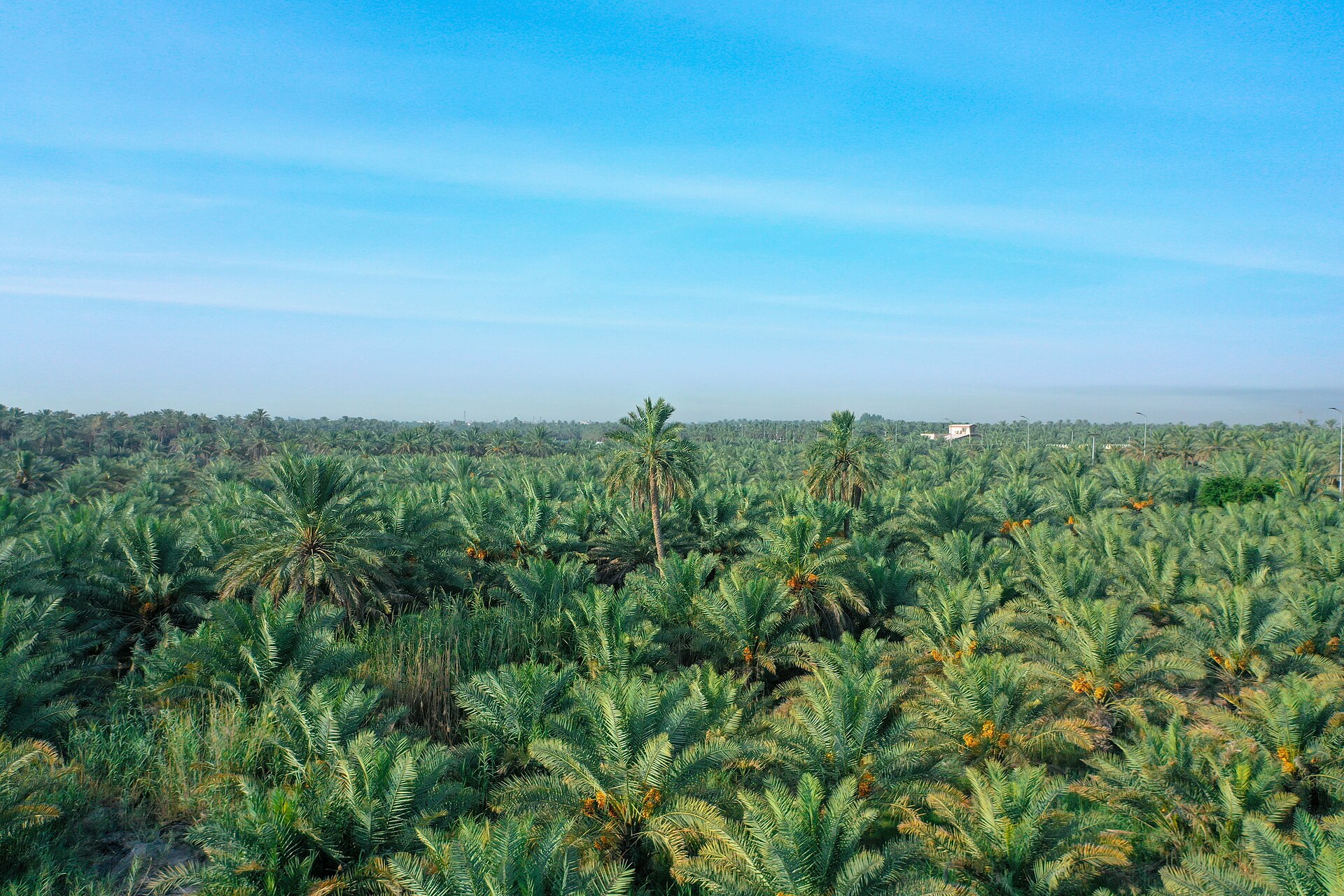
The far southwestern Jizan Province, near the Yemeni border, harbours some of Saudi Arabia’s hottest and most mineral-rich thermal springs. The region’s volcanic basement rock and fractured metamorphic formations push geothermally heated water to the surface at several locations.
Al-Khoubah Hot Spring
Located approximately 75 kilometres outside Jizan city, Al-Khoubah is the most developed thermal site in the province. The spring water emerges at up to 45°C and is rich in sulfur and at least 14 identified mineral compounds. The Saudi Ministry of Tourism has invested in the site as part of Vision 2030 tourism development, drilling a shallow geothermal well (~75 metres) to pipe water to a hillside facility with swimming pools, medical therapy areas, and spa amenities.
Bani Malik Hot Spring
Also in the Jizan area, the Bani Malik spring reaches 45°C and originates from fractured metamorphic and basement rocks. Less developed than Al-Khoubah but accessible, the spring offers a more natural thermal bathing experience.
Al-Ardah Hot Springs
For the more adventurous, the two Al-Ardah surface springs are among the hottest in Saudi Arabia, with surface temperatures of 46–79°C and estimated underground reservoir temperatures of 140–180°C. Located in the mountainous terrain east of the Jizan coastal plain, these springs contain sodium-chloride water with traces of lithium and strontium. The site is remote and largely undeveloped — a 4WD vehicle is recommended, and there are no facilities.
Getting to Jizan’s Hot Springs
- Fly to: Jizan Regional Airport (King Abdullah bin Abdulaziz Airport), served by domestic Saudia and flynas flights from Riyadh and Jeddah.
- Drive: From Jizan city, Al-Khoubah is roughly 75 km east. Roads are paved but rural — use GPS navigation.
- Best time: November–February. Jizan has a tropical climate and is hot year-round; winter is the mildest season with daytime temperatures around 25–30°C.
- Combine with: The spectacular Faifa Mountains are in the same province and can be combined into a southwestern Saudi road trip through Asir and Abha.
Ain Al-Jobah — Desert Hot Spring (Wadi Ad-Dawasir, Riyadh Province)
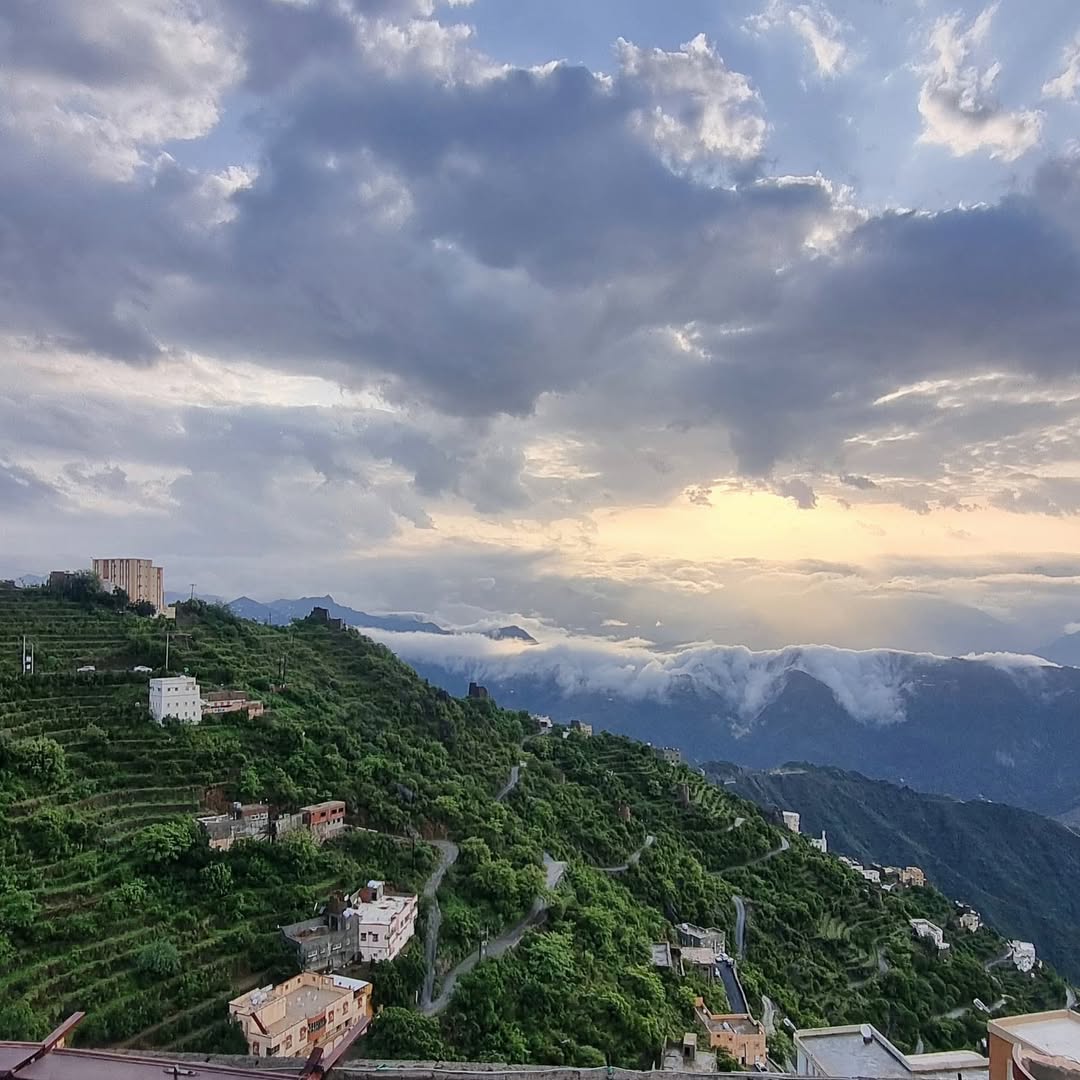
Deep in Saudi Arabia’s southern desert, Ain Al-Jobah sits at the heart of Al-Jobah village in the Wadi ad-Dawasir Governorate, approximately 650 kilometres south of Riyadh. The spring produces extremely hot sulfur-rich water that has been harnessed into modern pool facilities for therapeutic bathing.
Visitors come primarily for the health benefits — the mineral water is traditionally associated with relief from joint disease, rheumatism, and skin conditions. The surrounding Wadi ad-Dawasir landscape is stark desert punctuated by ancient rock inscriptions and seasonal greenery after rains.
- Getting there: Fly to Wadi ad-Dawasir Airport (domestic flights from Riyadh) or drive from Riyadh (~650 km, approximately 6 hours via Route 10).
- Entry: Free or minimal cost.
- Facilities: Modern bathing pools. Bring supplies — this is a remote area with limited services.
- Best time: November–February. Summer temperatures routinely exceed 45°C.
Ad-Dal’a Spring — The Deep Sinkhole Pool (Al-Kharj, Riyadh Province)
Less than an hour south of Riyadh, the Ad-Dal’a Spring in Al-Kharj Governorate is a geological curiosity: a 30-metre-deep sinkhole filled with warm, crystal-clear mineral water so transparent that rocks are visible at the bottom. An underground channel connects it to the nearby Samha Spring, just 15 metres away.
Ad-Dal’a is part of a cluster of sulfuric mineral springs in the As-Seeh area that includes Ain Samhah, Ain Umm Khisah, and Ain Farzan. While the water temperature is warm rather than hot, the site is visually spectacular and easily accessible from Saudi Arabia’s capital.
- Getting there: Drive from Riyadh (~80 km south, approximately 1 hour). Search “Ad-Dal’a Spring Al-Kharj” in navigation apps.
- Entry: Free and open.
- Combine with: A Riyadh day trip that includes the Al-Kharj agricultural area and the historical sites of Diriyah on the return journey.
Comparison: Which Hot Spring Should You Visit?
| Spring | Region | Temp (°C) | Facilities | Ease of Access | Best For |
|---|---|---|---|---|---|
| Ain Al-Harrah | Al-Lith, Makkah | 80–85 | High (park, sauna, playground) | Moderate (3hr from Jeddah) | Families, wellness seekers |
| Ain Najm | Al-Ahsa, Eastern | 32+ | Medium (historic site) | Easy (near Hofuf) | History lovers, culture trips |
| Ain Umm Sab’a | Al-Ahsa, Eastern | 40 | Medium | Easy (near Hofuf) | Therapeutic soaking |
| Al-Khoubah | Jizan | 45 | High (pools, spa — new) | Moderate (75km from Jizan) | Modern spa experience |
| Al-Ardah | Jizan | 46–79 | None (wild) | Difficult (4WD needed) | Adventure, geology enthusiasts |
| Ain Al-Jobah | Wadi Dawasir | Very hot | Medium (modern pools) | Difficult (remote desert) | Off-the-beaten-path travellers |
| Ad-Dal’a | Al-Kharj, Riyadh | Warm | None (natural sinkhole) | Easy (1hr from Riyadh) | Day-trippers, photography |
When to Visit Saudi Arabia’s Hot Springs
The ideal window is October through March. Saudi Arabia’s summer heat — often exceeding 45°C in the regions where hot springs are found — makes visiting thermal sites genuinely dangerous and deeply unpleasant. In winter, daytime temperatures drop to a comfortable 20–30°C depending on the region, and the contrast between cool desert air and warm spring water creates the best soaking experience.
Ramadan timing may also affect your trip. During Ramadan, public facilities may have reduced hours, and eating or drinking in public during daylight is prohibited. Check the Islamic calendar before planning — Ramadan shifts approximately 10 days earlier each year.
What to Bring
- Modest swimwear: Saudi Arabia’s dress code applies at public bathing sites. Full-coverage swimwear is expected. Many hot springs have separate areas or times for men and women.
- Water and food: Most springs are in rural or remote locations with limited services. Bring at least 2 litres of drinking water per person.
- Sun protection: Even in winter, UV exposure in Saudi Arabia is intense. Bring sunscreen, a hat, and sunglasses.
- Towels and sandals: Facilities at most springs are basic. Bring your own towels and water-resistant sandals for rocky terrain.
- A vehicle: No hot spring in Saudi Arabia is accessible by public transport. A rental car is essential. For Al-Ardah and Ain Al-Jobah, a 4WD is recommended.
Health and Safety
Warning: Some Saudi springs emerge at temperatures above 80°C — hot enough to cause severe burns in seconds. Never enter water directly at a spring source. Use designated cooling pools or downstream sections where water has cooled to safe bathing temperatures.
- Sulfur sensitivity: The high sulfur content of many Saudi springs can irritate eyes and respiratory passages. People with asthma or respiratory conditions should exercise caution near the hottest, most sulfuric springs.
- Hydration: Soaking in hot water in a hot climate accelerates dehydration. Drink water before, during, and after bathing.
- Duration: Limit soaking sessions to 15–20 minutes, particularly in hotter springs. Extended exposure can cause lightheadedness or heat exhaustion.
- Children: Supervise children closely. Water temperatures can vary dramatically within a few metres of the spring source.
Vision 2030 and the Future of Saudi Wellness Tourism
Saudi Arabia’s geothermal resources are increasingly being viewed through a tourism lens under Vision 2030. The Al-Khoubah development in Jizan is the most visible example — a government-funded project to transform a natural thermal spring into a modern wellness destination with pools, spa treatments, and medical therapy facilities.
The Kingdom’s western volcanic belt, with surface temperatures reaching 96°C in some locations, has been identified by the Saudi Geological Survey as having potential comparable to Iceland’s geothermal tourism industry. While large-scale geothermal spa resorts have not yet materialised, KAUST (King Abdullah University of Science and Technology) broke ground on a pilot geothermal project in early 2024, and several Vision 2030 giga-projects including NEOM have referenced geothermal wellness as a development component.
For now, Saudi Arabia’s hot springs remain largely natural and undeveloped — which is precisely their appeal for travellers seeking authentic experiences away from the Kingdom’s headline megaprojects. Visit them while they are still quiet.
Combining Hot Springs with Other Saudi Experiences
Hot springs rarely justify a trip on their own, but they pair beautifully with Saudi Arabia’s other attractions:
- Jeddah + Ain Al-Harrah: Base yourself in Jeddah for the historic Al-Balad district and Red Sea coast, then take a day trip south to the Al-Lith springs.
- Eastern Province circuit: Combine the Al-Ahsa springs with Dammam and Al-Khobar, the Ithra cultural centre in Dhahran, and the Al-Ahsa date markets.
- Jizan + Asir highlands: Drive from Jizan’s tropical coast and hot springs up into the Asir mountains near Abha for a dramatic climate and landscape shift within a few hours.
- Riyadh day trip: Visit the Ad-Dal’a sinkhole in Al-Kharj on a day trip from Riyadh, combined with the historical Diriyah district.
- Wellness itinerary: Pair hot springs with a traditional hammam experience or one of the Kingdom’s growing number of luxury spa resorts.
Explore More Saudi Arabia Travel Guides
- Saudi Arabia Travel Guide 2026 — The complete guide to visiting the Kingdom
- Traditional Hammam in Saudi Arabia — What to expect and the best spots for a traditional steam bath
- Best Spa Resorts in Saudi Arabia — Luxury wellness retreats across the Kingdom
- Al-Ahsa Oasis Palm Groves — UNESCO site and day trip guide to the world’s largest oasis
- Saudi Arabia Lava Fields — Exploring the harrats and volcanic landscapes behind the hot springs
- Saudi Arabia Visa Guide — Every visa type explained