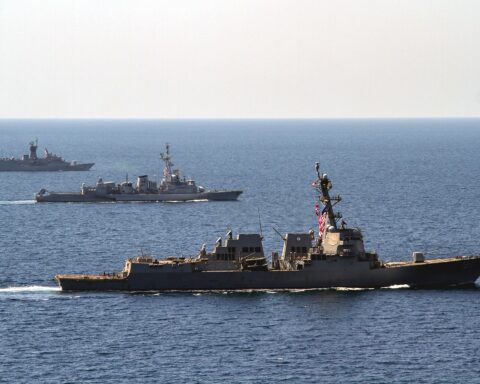
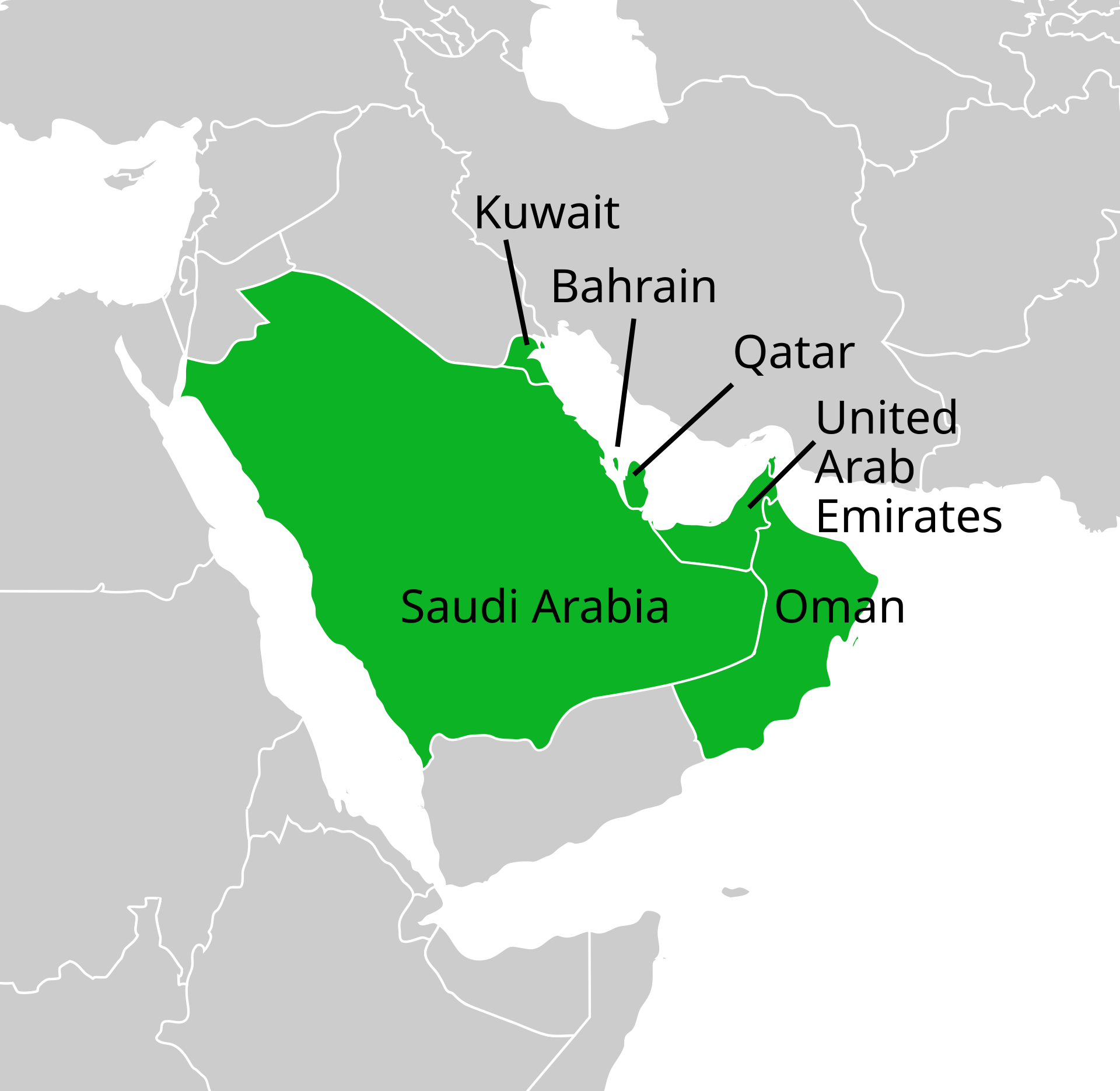
RIYADH — The Gulf Cooperation Council is splitting along a fault line its own charter has no mechanism to address. On one side, the UAE and Bahrain joined a British-led naval coalition to enforce Hormuz passage by force — the only Middle Eastern states among 41 nations to do so. On the other, Oman held deputy foreign minister-level talks with Iran on April 5 to negotiate smooth transit protocols for the same strait, and Qatar maintained full diplomatic relations with Tehran even after Iranian missiles destroyed 17% of QatarEnergy’s processing capacity. Saudi Arabia, the institution’s gravitational centre, issued a ceasefire statement on April 8 that contained no mention of reparations, liability, or enforcement — the same day the UAE used the word “reparations” three times in its own.
The GCC was founded in 1981 to counter a single shared threat: Iran. That founding consensus no longer exists. Two members treat Iran as a military adversary requiring coerced accountability. Two treat it as a gas-field partner requiring managed relations. The remaining two — Saudi Arabia and Kuwait — are trying to hold both positions simultaneously. The charter offers no expulsion clause, no binding dispute mechanism, and no procedure for when members join opposing sides of an active war. The institution is now living inside a contradiction it is constitutionally unable to resolve.
Table of Contents
- The Charter That Cannot Expel
- How Did UAE and Saudi Arabia End Up on Opposite Sides of the Ceasefire?
- Qatar: Bombed by Iran, Dependent on Iran
- Oman’s Parallel Diplomacy
- What Does the GCC Defence Pact Actually Require?
- The Yemen Precedent
- Why Will No GCC Member Call for Institutional Reform?
- Saudi Arabia’s Silence Is Not Strategy
- Frequently Asked Questions
The Charter That Cannot Expel
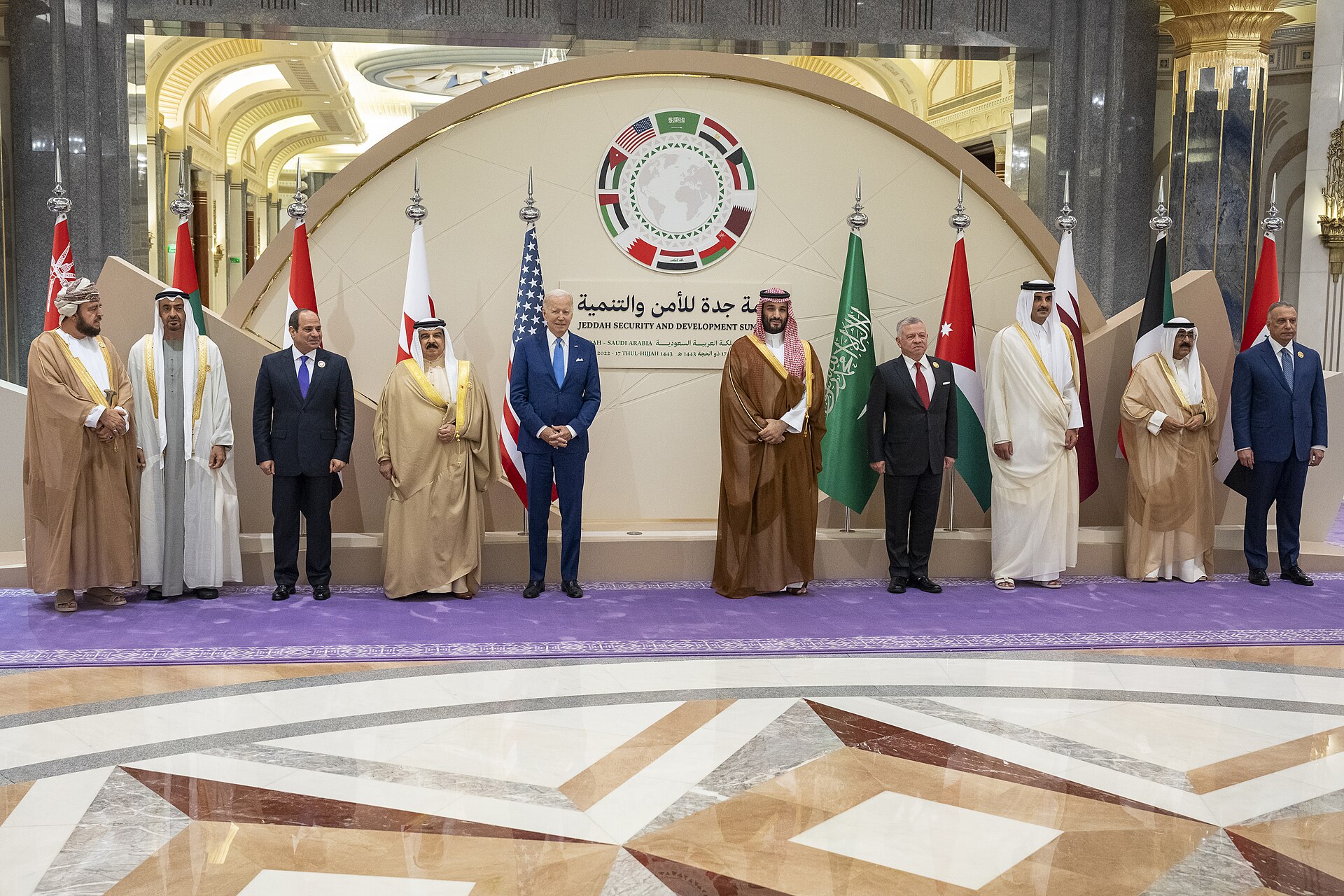
The GCC’s founding charter, signed in Abu Dhabi on May 25, 1981, does not contain an expulsion mechanism. It has no suspension clause. Article X establishes a dispute settlement commission, but as Chatham House assessed in 2026, the mechanism has “not been meaningfully activated” during the current crisis. “Dispute resolution,” the think tank noted, “has not been the GCC’s forte.”
This is not a new discovery. The 2017 Qatar blockade proved the structural limitation in full public view. Saudi Arabia, the UAE, Bahrain, and Egypt severed diplomatic and economic ties with a sitting GCC member — and the institution could do nothing. Kuwait, which mediated the crisis, was primarily concerned with what its emir called “the damage done to the institution of the GCC.” Resolution came through three and a half years of bilateral Kuwaiti shuttle diplomacy and the Al-Ula Declaration of January 2021 — not through any GCC mechanism.
The blockade paradoxically strengthened Qatar’s institutional position. Doha demonstrated that a member could be diplomatically isolated by three of five partners, maintain its seat, and emerge with its sovereignty reinforced. Qatar built a new port, rerouted supply chains through Oman and Turkey, and grew its GDP through the blockade years. The lesson was not lost on Oman, which kept its Tehran embassy open throughout and watched Qatar prove that the GCC’s inability to expel was, for smaller members, a form of protection.
The current fracture is more severe. In 2017, the split concerned Al Jazeera’s editorial line and alleged Muslim Brotherhood ties — matters of political alignment. In 2026, GCC members occupy opposing sides of an active military conflict involving a state that has struck all six of them. The UAE joined a foreign naval coalition. Oman negotiated with the adversary. The charter offers no language for either situation.
The Middle East briefing 3,000+ readers start their day with.
One email. Every weekday morning. Free.
How Did UAE and Saudi Arabia End Up on Opposite Sides of the Ceasefire?
The divergence is measurable in a single day’s official output. On April 8, 2026, the UAE Ministry of Foreign Affairs issued a ceasefire statement demanding that Iran accept full liability, pay reparations, comply with UNSC Resolution 2817, and execute what it called “complete and unconditional reopening” of the Strait of Hormuz. The word “reparations” appeared three times. Anwar Gargash, the UAE’s presidential adviser, told The National: “We triumphed in a war we sincerely sought to avoid.” He told Euronews the day before: “We don’t want a ceasefire that does not address some of the main issues that will create a much more dangerous environment in the region.”
The same day, the Saudi Press Agency published Riyadh’s ceasefire statement. It contained zero accountability language — no mention of reparations, no reference to Iranian liability, no enforcement demands. Saudi Arabia’s silence on the US-led blockade had already signalled a posture distinct from Abu Dhabi’s. The ceasefire statement confirmed it was not a communications oversight.
The UAE’s posture is proportional to its exposure. By April 9, the UAE Ministry of Defence reported intercepting 537 ballistic missiles, 2,256 drones, and 26 cruise missiles — 2,819 projectiles in total, representing approximately 73% of all ordnance intercepted by GCC states during the conflict. Gargash’s remark to the Times of Israel — “When Iranians speak about reparations, it also works here” — reflected a country that absorbed the overwhelming majority of the physical war and intended to extract a political price for it.
Saudi Arabia intercepted 894 projectiles through April 7 — substantial, but roughly a third of the UAE’s total. More to the point, Riyadh’s calculus involves variables Abu Dhabi does not share: the Hajj, which binds Saudi Arabia to a timeline no other GCC state faces; the East-West Pipeline bypass through Yanbu, which partially insulates Saudi oil exports from Hormuz; and a diplomatic positioning that requires maintaining channels with every faction in the Islamabad process.
Qatar: Bombed by Iran, Dependent on Iran
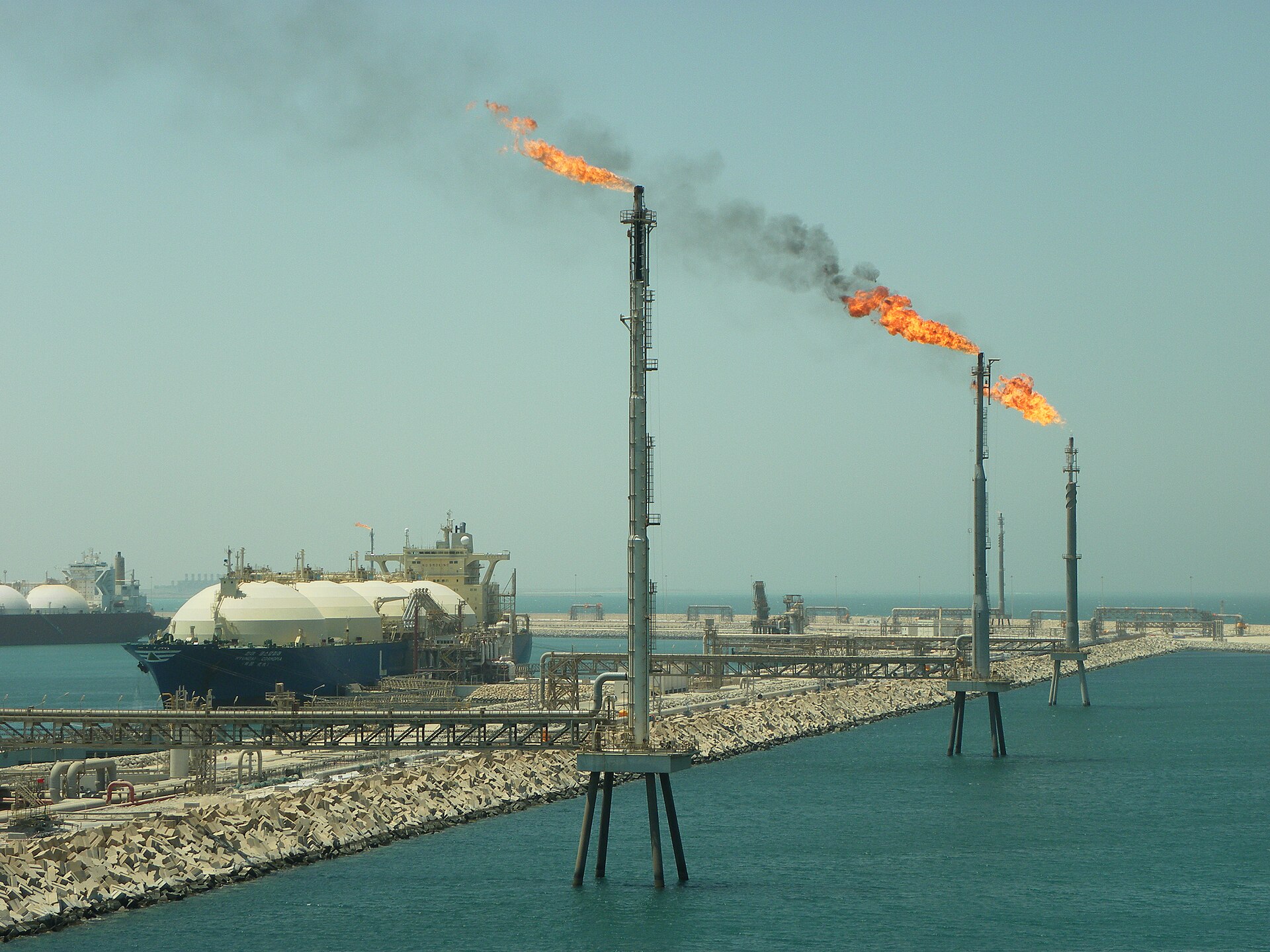
Qatar’s position is the most structurally constrained of any GCC member, and the numbers explain why. The North Field — the world’s largest non-associated gas field — shares a geological reservoir with Iran’s South Pars field. This single asset accounts for approximately 80% of Qatari government revenue. When Iran struck Ras Laffan in March 2026, it reduced QatarEnergy’s processing capacity by an estimated 17%, a projected $20 billion revenue cut. QatarEnergy declared force majeure on March 4, two days after LNG production halted.
Qatar intercepted 63 missiles and 11 drones. It refused to join the Hormuz coalition. It maintained diplomatic relations with Tehran. Iran, in turn, demanded reparations from Qatar through formal letters to the UN Security Council, accusing Doha of allowing its territory to be used for US-Israeli strikes — a mirror image of the UAE’s own reparations demand against Tehran.
Qatar’s Foreign Minister stated that “the targeting of Qatar by a neighbour cannot be accepted under any justification.” The sentence captures the entire Qatari dilemma in diplomatic miniature: Iran is a neighbour with whom Qatar shares a reservoir worth tens of billions annually; the targeting is real and documented; and Qatar’s response is to insist on the principle of non-acceptance while changing nothing operationally. Doha stayed out of the coalition, kept its embassy in Tehran staffed, and absorbed $20 billion in LNG losses rather than risk the diplomatic rupture that joining the UAE’s enforcement posture would require.
Former Qatari Prime Minister Hamad bin Jassim Al Thani called in March for a “NATO-style military and security alliance” — an implicit acknowledgement that the GCC as constituted could not provide the framework. The GCC promptly failed to create one.
Oman’s Parallel Diplomacy
Oman’s position is the inverse of the UAE’s. Where Abu Dhabi demands accountability before any diplomatic concession, Muscat operates on the premise that diplomacy is the only mechanism that prevents the next round of strikes. On April 12, Omani Foreign Minister Badr Albusaidi said publicly: “I urge that the ceasefire be extended and talks continue. Success may require everyone to make painful concessions, but this is nothing as compared to the pain of failure and war.”
Albusaidi added a sentence that no UAE official would utter: “The national interests of both Iran and America lie in the earliest possible end to hostilities.” The formulation treats Iran and the United States as symmetrical parties with legitimate interests — a framing the UAE explicitly rejects by demanding unilateral Iranian compliance with UNSC 2817.
Oman’s diplomatic channel with Iran is not new. It is the same back-channel architecture that produced the 2015 JCPOA — Omani mediation between Washington and Tehran predates this war by over a decade. Sultan Qaboos personally hosted the secret US-Iran talks in 2012-2013 that led to the nuclear deal. Sultan Haitham, who succeeded him in 2020, has maintained the institutional commitment to Oman’s role as the Gulf’s neutral interlocutor. On April 5, Oman and Iran held deputy foreign minister-level talks on protocols for smooth Hormuz passage, the same day Albusaidi was urging ceasefire extension. The two activities are not contradictory in Muscat’s framework; they are the same policy expressed through different instruments.
For the UAE, Oman’s bilateral Hormuz negotiations with Iran represent a direct undermining of the coalition’s enforcement posture. For Oman, the UAE’s coalition membership represents a militarisation of a waterway that Muscat shares with Tehran and depends upon for its own crude exports. Neither state’s position is irrational. Both are irreconcilable within a single institutional framework.
What Does the GCC Defence Pact Actually Require?
Less than its language suggests. The GCC Joint Defence Agreement, signed in 2000, establishes the principle that an attack on one member constitutes an attack on all. Simon Henderson, the Baker Fellow at the Washington Institute for Near East Policy, assessed the pact as “an exercise in ambiguity.” It would, Henderson wrote, “remain a dead letter” due to ratification challenges and rivalries among GCC states.
The pact is silent on enforcement mechanisms, trigger thresholds, and command authority. It does not specify what constitutes an “attack” sufficient to activate mutual defence obligations. It does not establish who commands the response. It does not address the scenario — now actual — in which one member joins a foreign coalition while another negotiates with the attacker.
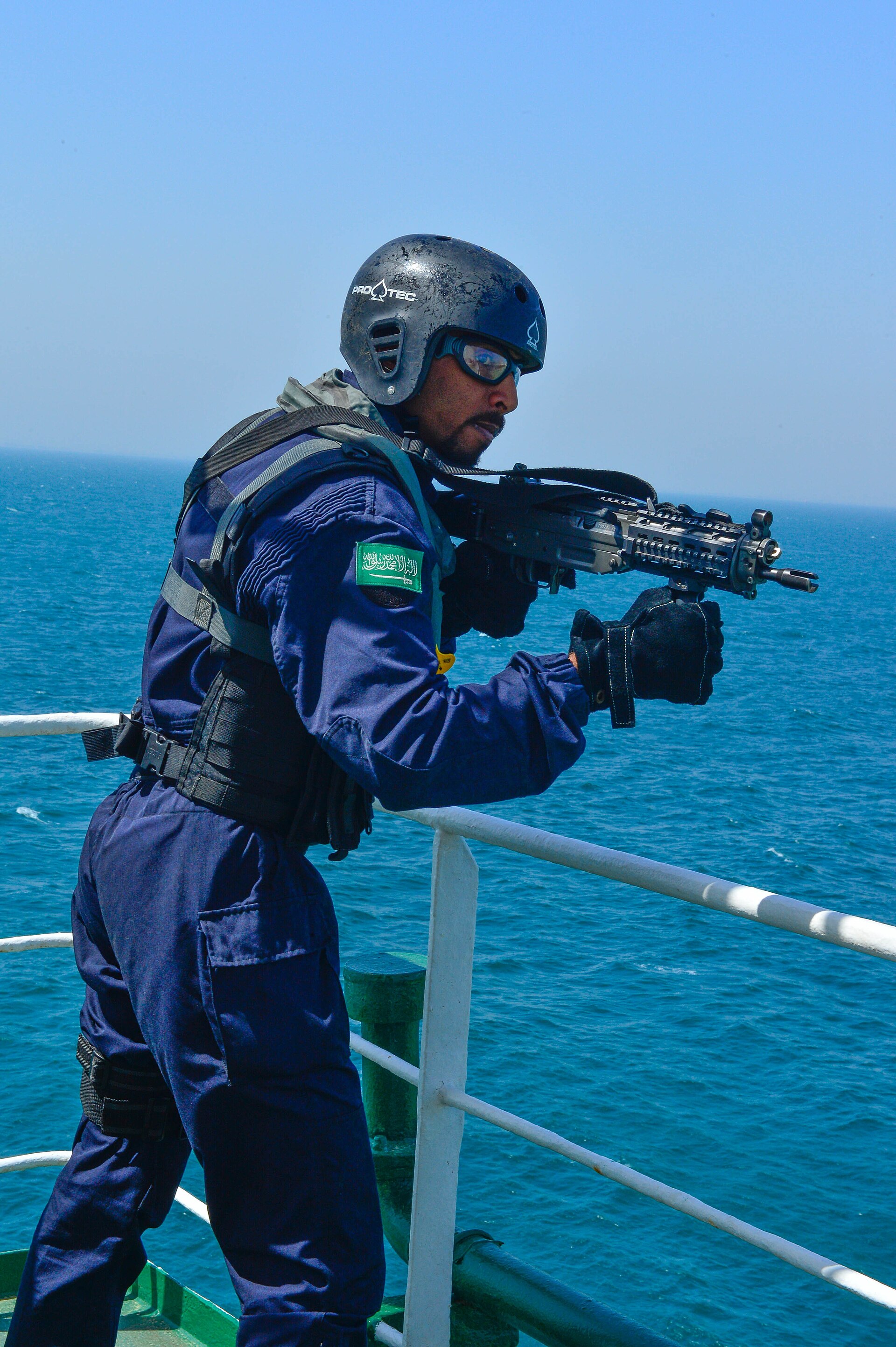
The GCC’s founding charter itself does not explicitly mention defence or military cooperation in its objectives. The mutual defence architecture is the product of supplemental agreements layered on top of an economic and political coordination framework. Peninsula Shield, the GCC’s joint military force, comprises approximately 7,000 troops — a number Henderson and other analysts assess as inadequate for any serious operational deployment and unlikely to expand given current political conditions.
The last meaningful Peninsula Shield deployment was Bahrain in 2011, when 1,200 Saudi Arabian National Guard troops and 500 UAE police crossed the King Fahd Causeway to help suppress protests. That operation required no inter-GCC consensus; it was a Saudi decision executed under GCC branding, with UAE participation reflecting the political alignment that existed at the time. Saudi Crown Prince Abdullah’s assessment, cited by Henderson, remains the definitive statement: “It was absurd to talk about a unified military front in the absence of a unified and cohesive political front.”
In April 2026, the political front is not merely ununified — it is actively contradictory. The defence pact cannot function when two members disagree on whether the threat requires military enforcement or diplomatic management.
The Yemen Precedent
The Saudi-UAE fracture predates the Iran war. In December 2025, Saudi Arabia bombed military equipment that the UAE had supplied to Yemen’s Southern Transitional Council. The strike — Saudi ordnance destroying Emirati-supplied materiel on Yemeni soil — represented direct military confrontation between two GCC founding members. Carnegie Endowment documented the incident in a February 2026 analysis, months before the Iranian crisis reframed GCC dynamics entirely.
Cinzia Bianco, a research fellow at the European Council on Foreign Relations, traced the rupture to “strained personal relations” between Crown Prince Mohammed bin Salman and UAE President Mohammed bin Zayed, “compounded by persistent political mistrust and second-guessing, alongside mutual suspicion of parallel agendas.” The structural divergences she identified — the UAE’s post-Abraham Accords alignment with Israel, its lesser dependence on crude oil, the strategic significance of Fujairah port sitting outside the Strait of Hormuz on the Gulf of Oman, and competing proxy positions in Sudan and the Horn of Africa — predate the current war and will outlast any ceasefire.
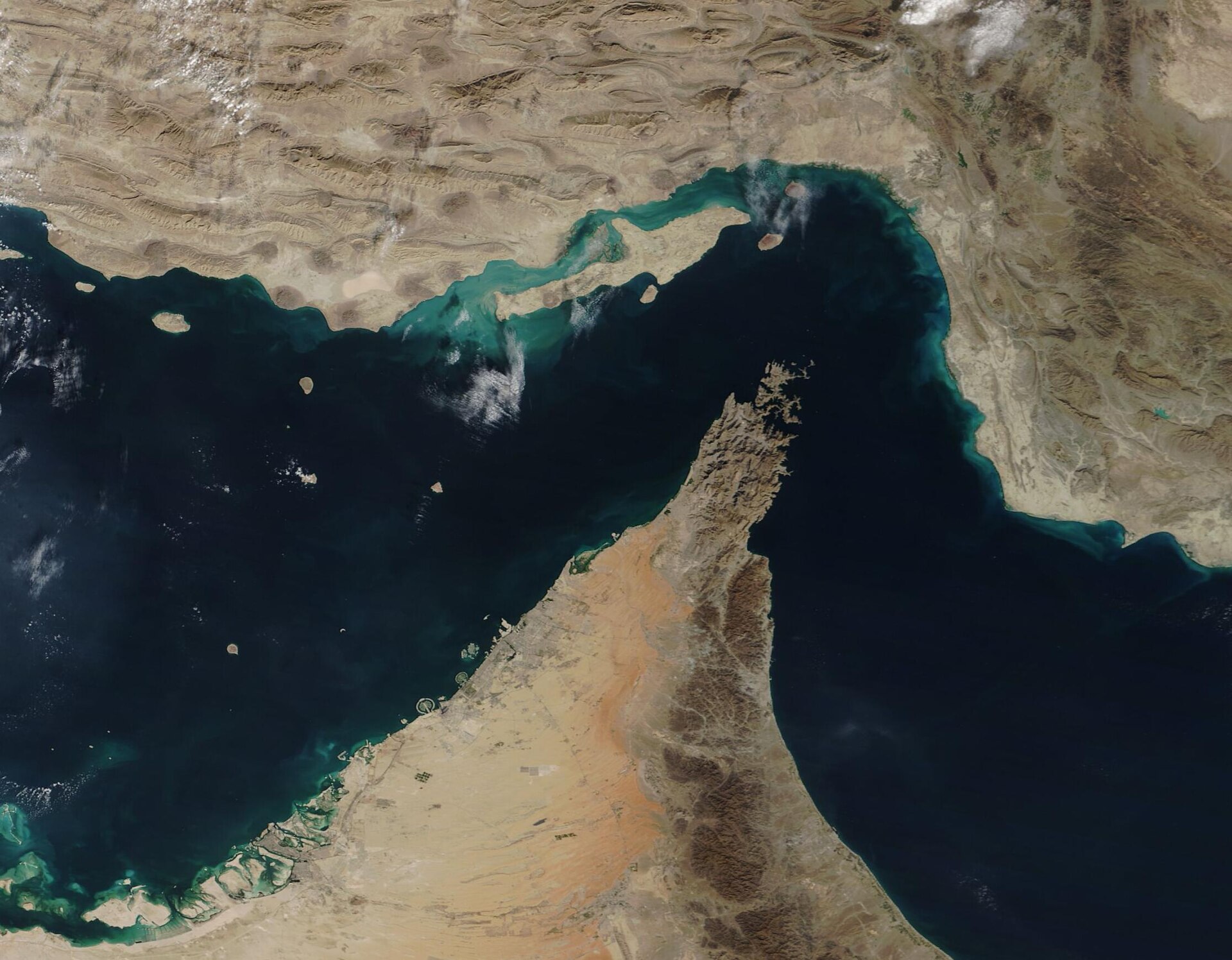
Bianco’s policy recommendation was telling: Europeans should pursue “bilateral Strategic Partnership Agreements rather than regional negotiations.” The advice presumed the GCC was no longer a useful interlocutor for regional policy. That assessment was published before the Hormuz crisis made it operationally visible. Fujairah gives Abu Dhabi an export alternative that no other GCC member except Oman possesses. Geography reinforces the policy divergence: the UAE can afford an enforcement posture on Hormuz because its own crude exports have a bypass. Saudi Arabia’s Yanbu pipeline handles the equivalent function, but at constrained capacity.
Why Will No GCC Member Call for Institutional Reform?
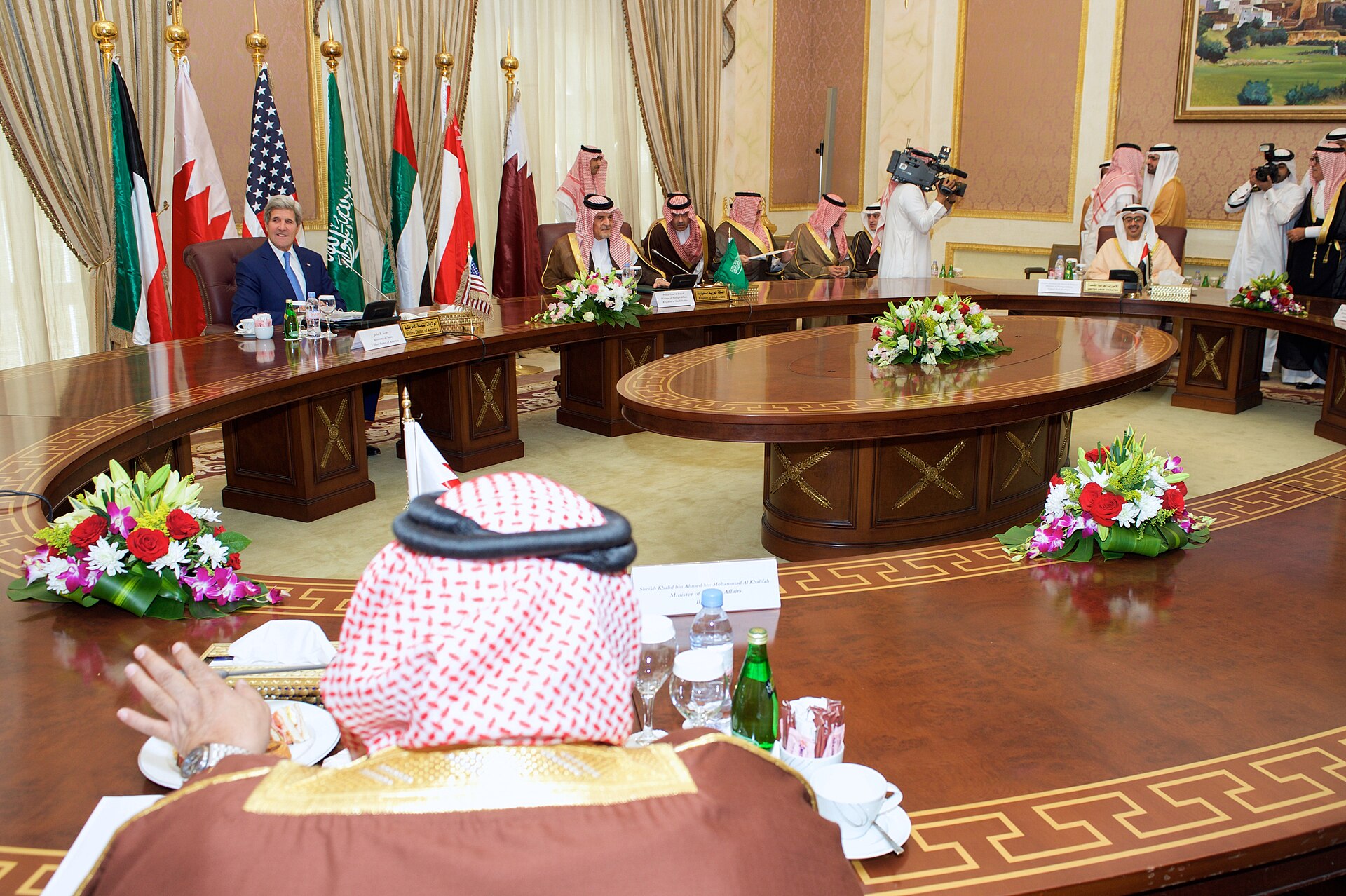
The GCC’s institutional weakness is, for most members, preferable to the alternative. A charter with an expulsion mechanism could be used against Qatar — but it could also be used against any member whose foreign policy deviates from a Saudi-Emirati consensus. A binding mutual defence obligation would commit Oman and Qatar to military postures that contradict their economic relationships with Iran. A dispute settlement mechanism with enforcement teeth would require members to submit to adjudication by an institution in which Saudi Arabia’s demographic and economic weight would be determinative.
The Arab Centre for Washington DC’s assessment captured the institutional paralysis: despite a “regional conflagration that hits all six simultaneously,” the GCC “remained unable to translate shared suffering into coordinated action.” Previous collective security initiatives, the centre noted, “have floundered due to a reluctance to pool resources, a preference for bilateral ties with external security and defense partners.”
That preference for bilateral arrangements is now the dominant pattern. The UAE’s Hormuz coalition membership is bilateral with the UK, not multilateral through the GCC. Oman’s Hormuz negotiations are bilateral with Iran. Qatar’s gas-field management is bilateral with both Iran and international partners. Saudi Arabia’s ceasefire posture is calibrated through the Islamabad process, not through any GCC consultation mechanism. Kuwait’s mediation role — the same function it performed during the 2017 blockade — operates outside GCC structures because GCC structures have nothing to offer.
Dr. Aziz Alghashian of the Gulf International Forum observed that “Saudi Arabia, like the other GCC states, is furious — and rightfully so.” Fury, however, is not a policy framework. And the GCC charter provides no mechanism for converting shared anger into coordinated action when members disagree on what that action should look like.
| GCC Member | Hormuz Coalition | Ceasefire Position | Iran Diplomatic Channel | Projectiles Intercepted |
|---|---|---|---|---|
| UAE | Joined (warships deployed) | Reparations + full liability | Severed | 2,819 |
| Bahrain | Joined | Aligned with UAE | Severed (since 2016) | 37+ (missiles and drones) |
| Saudi Arabia | Declined | No accountability language | Indirect (via Islamabad) | 894 |
| Kuwait | Declined | Mediation posture | Maintained | 28+ (drones) |
| Qatar | Declined | Diplomatic resolution | Maintained (despite strikes) | 74 |
| Oman | Declined | Ceasefire extension | Active bilateral talks | Minimal (not targeted) |
Saudi Arabia’s Silence Is Not Strategy
There is a temptation to read Riyadh’s restraint as strategic ambiguity — a deliberate positioning that preserves options across multiple outcomes. The evidence suggests something less comfortable: Saudi Arabia is the institutional load-bearer of a structure that is failing, and it has no mechanism to arrest the failure.
Riyadh cannot endorse the UAE’s reparations demand without alienating the Islamabad process, where Pakistan — Saudi Arabia’s treaty ally under the September 2025 Saudi Mutual Defence Agreement — serves as the primary mediation channel. It cannot endorse Oman’s engagement with Iran without undermining the coalition posture that protects Gulf shipping. It cannot convene a GCC summit on the crisis without forcing members to articulate positions that, once stated formally, would make the fracture irreversible.
The Hajj deadline compounds the constraint. April 18 marks the opening of Hajj arrivals and the sealing of the Umrah cordon. The ceasefire expires April 22. Indonesia’s 221,000 pilgrims begin departures on April 22. Saudi Arabia’s role as Custodian of the Two Holy Mosques — a title formally adopted in 1986, replacing “His Majesty” — requires security guarantees that no GCC mechanism can provide and no member is obligated to support.
The GCC was designed for a Gulf in which six monarchies shared a threat perception and could coordinate responses through consensus and quiet consultation. That Gulf no longer exists. What exists is a region where two members want to punish Iran, two want to manage Iran, and two are trying to do both. The IRGC’s declaration of full authority over Hormuz is a shared threat by any definition — and the six members still cannot agree on whether to confront it militarily or negotiate around it. The charter has no article for that.
The institution will not collapse. It will not reform. It will persist as a coordination forum for trade standards, visa agreements, and infrastructure planning — the low-politics functions that require no consensus on Iran. The security architecture it was founded to provide will continue migrating to bilateral arrangements: the UAE with the UK, Saudi Arabia with Pakistan, Oman with Iran, Qatar with whoever will guarantee North Field production. The GCC flag will fly at summits. The summits will produce communiques. The communiques will reference “brotherly ties” and “shared destiny.” The fracture will remain unmentioned because the charter provides no language for acknowledging it.
Frequently Asked Questions
Can a GCC member be expelled for joining a foreign military coalition?
No. The GCC charter contains no expulsion or suspension mechanism. The 2017 Qatar blockade — in which three GCC members plus Egypt severed all ties with Qatar — demonstrated this definitively. Despite the most severe diplomatic rupture in the organisation’s history, Qatar retained its seat, its voting rights, and its participation in all GCC forums. Resolution required 42 months of Kuwaiti bilateral mediation and a separate political agreement (the Al-Ula Declaration), entirely outside GCC institutional channels. The UAE’s 2026 coalition membership with the UK creates no charter violation because the charter does not address the scenario.
How does Qatar maintain relations with Iran while Iran is striking Qatari infrastructure?
Qatar’s North Field and Iran’s South Pars are a single geological reservoir divided by a maritime boundary. Disrupting diplomatic relations with Tehran risks Iranian decisions on extraction rates, reservoir pressure management, and shared-field development that could permanently damage Qatar’s primary revenue source. QatarEnergy’s global LNG contracts — spanning buyers in Asia, Europe, and the Americas — require long-term production stability that diplomatic rupture would jeopardise. Qatar’s $450 billion sovereign wealth fund (QIA) is structured around gas revenue continuity measured in decades, not the duration of a single military conflict. The $20 billion production loss from Iranian strikes is severe but recoverable; losing influence over shared reservoir management would be structural.
What is the GCC Peninsula Shield Force and can it respond to the current crisis?
Peninsula Shield is a joint military force headquartered at King Khalid Military City in Hafar al-Batin, Saudi Arabia. It comprises approximately 7,000 troops drawn from all six member states. Its only operational deployment was Bahrain in March 2011, when 1,200 Saudi SANG troops and 500 UAE police crossed the King Fahd Causeway to support Bahraini authorities during protests. That deployment was operationally a Saudi decision executed under GCC branding — it did not require or receive meaningful multilateral command integration. The force has no mandate, capacity, or political authorization to intervene in the current crisis, particularly when member states occupy opposing positions on the conflict’s resolution.
Has Saudi Arabia publicly criticised the UAE’s coalition membership?
No. Riyadh has issued no public statement addressing the UAE’s decision to join the UK-led Hormuz Security Force. Saudi Arabia’s own decision to decline coalition membership was communicated through absence rather than announcement — a pattern consistent with Riyadh’s broader approach of avoiding any public position that would force the GCC fracture into formal diplomatic language. The December 2025 incident, in which Saudi Arabia bombed UAE-supplied military equipment in Yemen, was similarly never addressed through GCC channels. The pattern suggests Riyadh treats the Saudi-UAE divergence as a bilateral matter to be managed privately, not an institutional question the GCC should adjudicate — in part because no adjudication mechanism exists.
Could the GCC charter be amended to address these structural gaps?
Charter amendment requires unanimous consent of all six members. Any proposal to add an expulsion mechanism, binding dispute resolution, or mandatory coalition participation would be vetoed by whichever member the provision most directly threatens. Qatar would block expulsion clauses. Oman would block mandatory defence alignment. The UAE might block binding dispute resolution that could constrain its bilateral arrangements. The unanimity requirement — which itself cannot be amended without unanimity — creates a constitutional lock. The European Union faced analogous challenges but had the Luxembourg Compromise (1966) and subsequent treaty revisions to evolve its decision-making. The GCC has no equivalent evolutionary mechanism and no political appetite to create one.