
Rising from the desert where Saudi Arabia’s first commercial oil well struck black gold in 1938, Ithra — the King Abdulaziz Center for World Culture — is one of the most ambitious cultural institutions in the Middle East. Designed by Norwegian architecture firm Snøhetta and built by Saudi Aramco, the 80,000-square-metre complex in Dhahran houses a world-class museum, a 900-seat theatre, a library with capacity for half a million texts, a cinema, and dedicated spaces for children’s learning and creative innovation. Whether you are planning a wider Dammam and Al Khobar trip or travelling specifically for Ithra, this guide covers everything you need to know: history, galleries, practical tips, tickets, and how to make the most of your visit to this landmark of Saudi Arabia’s cultural transformation.
Best Time to Visit: October to March (cooler weather; summer temperatures exceed 45°C)
Getting There: 10 minutes from King Fahd International Airport (DMM); 15 minutes from central Dammam or Al Khobar by car
Visa Required: Yes — tourist e-visa available online
Budget: $10–$40/day (museum entry 35 SAR; many areas free)
Must-See: The four-gallery Museum, the Energy Exhibit, the Idea Lab
Avoid: Visiting on Sundays (the centre is closed)
The History Behind Ithra: From Oil Well to Cultural Icon
Ithra stands on hallowed ground for the modern Saudi state. On 3 March 1938, after years of failed drilling, Dammam Well No. 7 — later renamed the Prosperity Well by Crown Prince Abdullah in 1999 — struck oil at a depth of approximately 1,440 metres. That single well produced more than 32 million barrels before it was capped in 1982, and it ignited the transformation of a desert kingdom into the world’s largest oil exporter.
For decades, Saudi Aramco operated a modest oil exhibit on the site. In the early 2000s, the company commissioned Snøhetta to design something far more ambitious: a centre that would serve as a bridge between Saudi Arabia’s hydrocarbon past and its knowledge-based future. Construction began in 2008 and took nearly a decade. King Salman bin Abdulaziz formally inaugurated the centre on 1 December 2016, and it opened to the public in stages through 2018.
The name Ithra (إثراء) means “enrichment” in Arabic — a deliberate reframing of the site’s identity from resource extraction to intellectual enrichment. In 2018, TIME magazine named Ithra one of the world’s 100 greatest places, and by 2019 it had attracted over one million visitors. The building received LEED Gold certification in 2023, underscoring its sustainability credentials.
Architecture: Snøhetta’s Pebble-Shaped Masterpiece
Ithra’s architecture is striking from every angle. Snøhetta’s design draws on the internal structure of oil-bearing rock formations — four smooth, organic shapes that resemble pebbles stacked in a cairn. Three “stones” rest on the ground; a fourth, the Keystone (which houses the Knowledge Tower), is suspended above them, symbolising how knowledge is supported by collective effort.
The facade is clad in bent stainless steel tubes that catch and reflect the desert light, giving the building a constantly shifting appearance as the sun moves across the sky. The engineering was handled by UK firm Buro Happold, and the construction involved some of the most complex steel-bending work ever attempted on a building of this scale. Inside, the architectural drama continues with soaring atriums, sweeping curves, and carefully controlled natural light that guides visitors from one space to the next.
The total built area spans 80,000 square metres across five principal structures: the Museum, the Knowledge Tower (housing the library and Idea Lab), the Great Hall, the Theatre, and the Energy Exhibit. Each is distinct in form yet connected by walkways and shared public spaces, including landscaped gardens that reference the Eastern Province’s desert ecology.
What to See: Ithra’s Seven Pillars
Ithra is organised around seven core components, each occupying its own architectural space. You could spend an entire day here and still not see everything.
The Museum
Ithra’s museum occupies four levels arranged thematically into four galleries:
- Contemporary Art Gallery — Rotating exhibitions featuring Saudi, regional, and international artists. Past shows have included works by Edvard Munch (including a display related to The Scream) and manuscripts by Leonardo da Vinci.
- Saudi Heritage Gallery — Artefacts and storytelling tracing the Arabian Peninsula’s cultural history, from pre-Islamic civilisations through the founding of the Saudi state.
- Islamic Civilisation Gallery — Manuscripts, scientific instruments, calligraphy, and objects illustrating the breadth of Islamic contributions to world knowledge.
- Natural History and Human Ecology Gallery — Fossils, geological specimens, and interactive displays exploring the relationship between humans and their environment in the Arabian context.
- Allow at least half a day. The museum alone takes 2–3 hours if you explore all four galleries. Add the Energy Exhibit, library, and Idea Lab and you are looking at 4–6 hours.
- Download the Ithra app (available on iOS and Android) before your visit. It lists current exhibitions, event schedules, and helps with wayfinding inside the complex.
- Visit after 5 PM in summer. Daytime temperatures in Dhahran between May and September regularly exceed 45°C. The centre’s late opening hours (until 11:30 PM or 12:30 AM) make evening visits comfortable.
- Dress code: Saudi Arabia has relaxed its dress code for tourists, but modest clothing is still expected. Shoulders and knees should be covered.
- Photography: Photography is permitted in most areas. Some special exhibitions may restrict photography — check signage at the entrance to each gallery.
- Dining on site: Ithra has a garden restaurant and a café for refreshments. For a wider selection of restaurants, Al Khobar’s restaurant scene is a 10-minute drive away.
- Gift shop: The Ithra shop stocks curated design objects, books, and Saudi-themed souvenirs — a good alternative to generic airport gifts.
- Tanween — An annual creativity festival featuring workshops, talks, and installations across the entire centre, typically held in the autumn.
- Saudi Film Festival — Hosted at Ithra’s cinema, this is one of the Kingdom’s most important platforms for emerging Saudi filmmakers.
- Children’s Festival — A dedicated programme of creative workshops, performances, and hands-on activities for younger visitors.
- Iqra’a Programme — A reading initiative run through the library, promoting Arabic and English literacy.
- Artist residencies — Ithra hosts Saudi and international artists for extended creative residencies, with public exhibitions of their work.
- Half Moon Bay — A popular beach area south of Al Khobar, ideal for picnics, swimming, and water sports. About 30 minutes from Ithra.
- Al Khobar Corniche — A waterfront promenade stretching along the Gulf coast with restaurants, parks, and views of the King Fahd Causeway.
- King Fahd Causeway — The 25-kilometre bridge connecting Saudi Arabia to Bahrain. If you have your visa sorted, a day trip to Bahrain is straightforward.
- Tarout Island — One of the oldest inhabited islands in the Persian Gulf, with a historic castle and traditional markets. About 20 minutes north of Dhahran.
- Dammam Corniche — A 27-kilometre coastal walkway with parks, play areas, and open-air cafes.
- Soundstorm Festival — If you are visiting in December, MDLBEAST’s massive music festival takes place in the Riyadh area, but the Eastern Province has its own growing events calendar.
- Luxury: Kempinski Al Othman Hotel (Al Khobar), Sheraton Dammam Hotel & Convention Centre
- Mid-range: Novotel Al Khobar, Braira Hotel Dammam
- Budget: Several 2–3 star hotels along Prince Turkey Street in Al Khobar, starting from around 150–250 SAR/night
- Dammam & Al Khobar Travel Guide — Complete guide to Saudi Arabia’s Eastern Province twin cities
- Dammam City Guide — Neighbourhoods, corniche, and practical information for the Eastern Province capital
- Al Khobar City Guide — The Eastern Province’s most cosmopolitan city
- Best Restaurants in Al Khobar — Where locals actually eat in the Gulf coast’s dining capital
- King Fahd International Airport Guide — Everything you need to know about the world’s largest airport
- Saudi Arabia Travel Guide 2026 — The complete guide to visiting the Kingdom
- Saudi Arabia Visa Guide — Every visa type explained
The contemporary art, heritage, and Islamic civilisation galleries operate non-permanent displays and rotate exhibitions regularly, which means repeat visits are rewarded with new content. Museum admission is 35 SAR (approximately $9 USD).
The Library
Ithra’s library has capacity for approximately 500,000 texts in Arabic, English, and other languages, alongside extensive digital resources. Spread across multiple levels of the Knowledge Tower, it includes reading rooms, research areas, and a dedicated children’s section. Entry to the library is free.
The Idea Lab
A makerspace and creative workshop where visitors can experiment with technology, design, robotics, and media production. The Idea Lab runs regular programmes for both children and adults, and it represents Ithra’s commitment to fostering innovation — a key pillar of Saudi Arabia’s broader transformation agenda.
The Theatre
The 900-seat auditorium spans approximately 10,000 square metres and hosts opera, symphony concerts, musicals, lectures, and cultural performances. The acoustics were designed to international concert-hall standards. Check Ithra’s website or mobile app for the current programme — performances range from Saudi folk music to international touring productions.
The Cinema
Ithra’s cinema was among Saudi Arabia’s first operational cinemas when the Kingdom lifted its decades-long ban on public film screenings in 2018. It screens a mix of mainstream releases, independent films, and curated programming tied to Ithra’s cultural calendar, including the annual Saudi Film Festival.
The Great Hall
A cavernous exhibition space distinguished by its copper panelling, the Great Hall hosts major temporary exhibitions and large-scale installations. It has previously accommodated blockbuster shows including original paintings by Munch and scientific manuscripts by da Vinci. Exhibition schedules change several times a year.
The Energy Exhibit
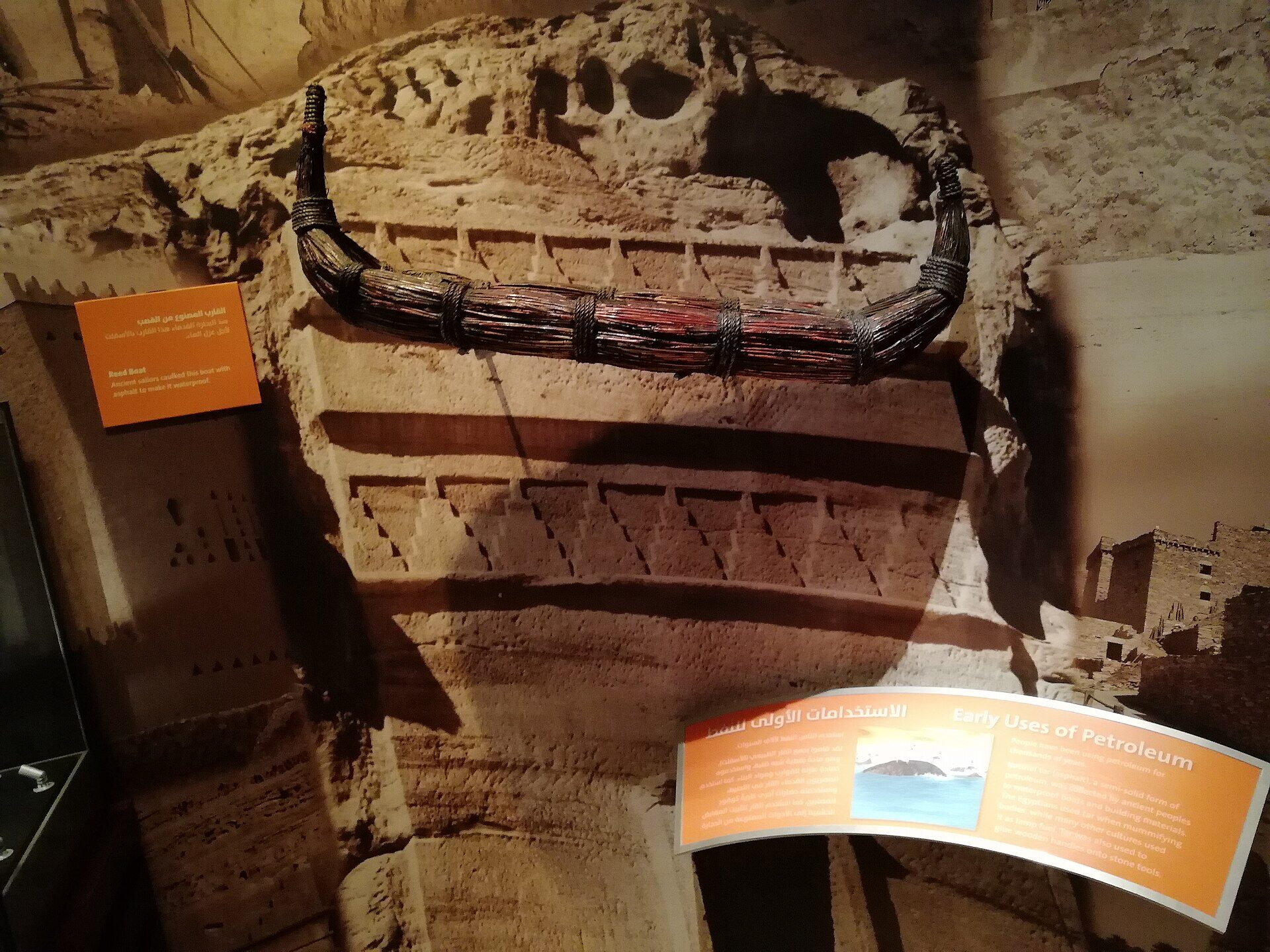
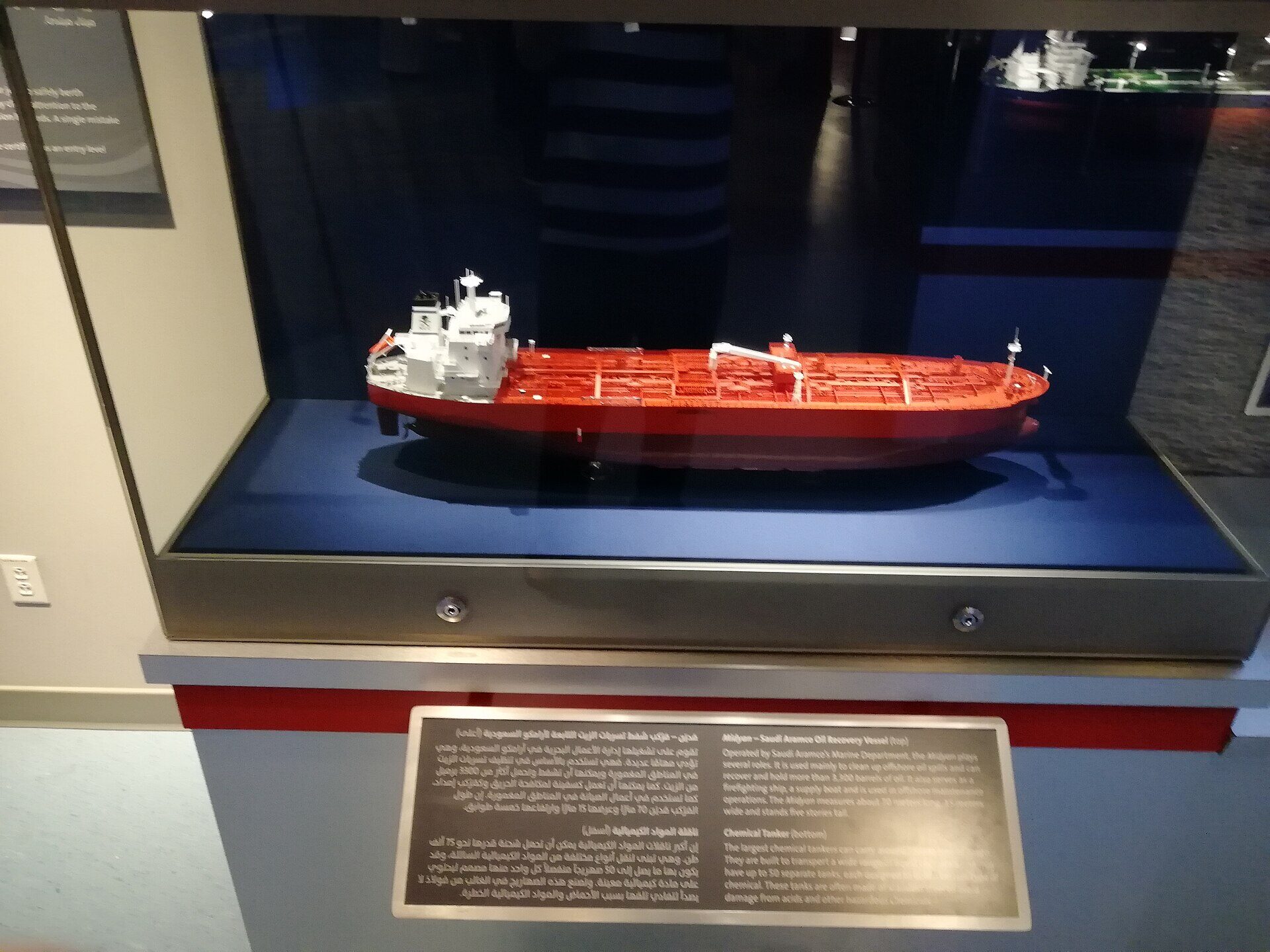
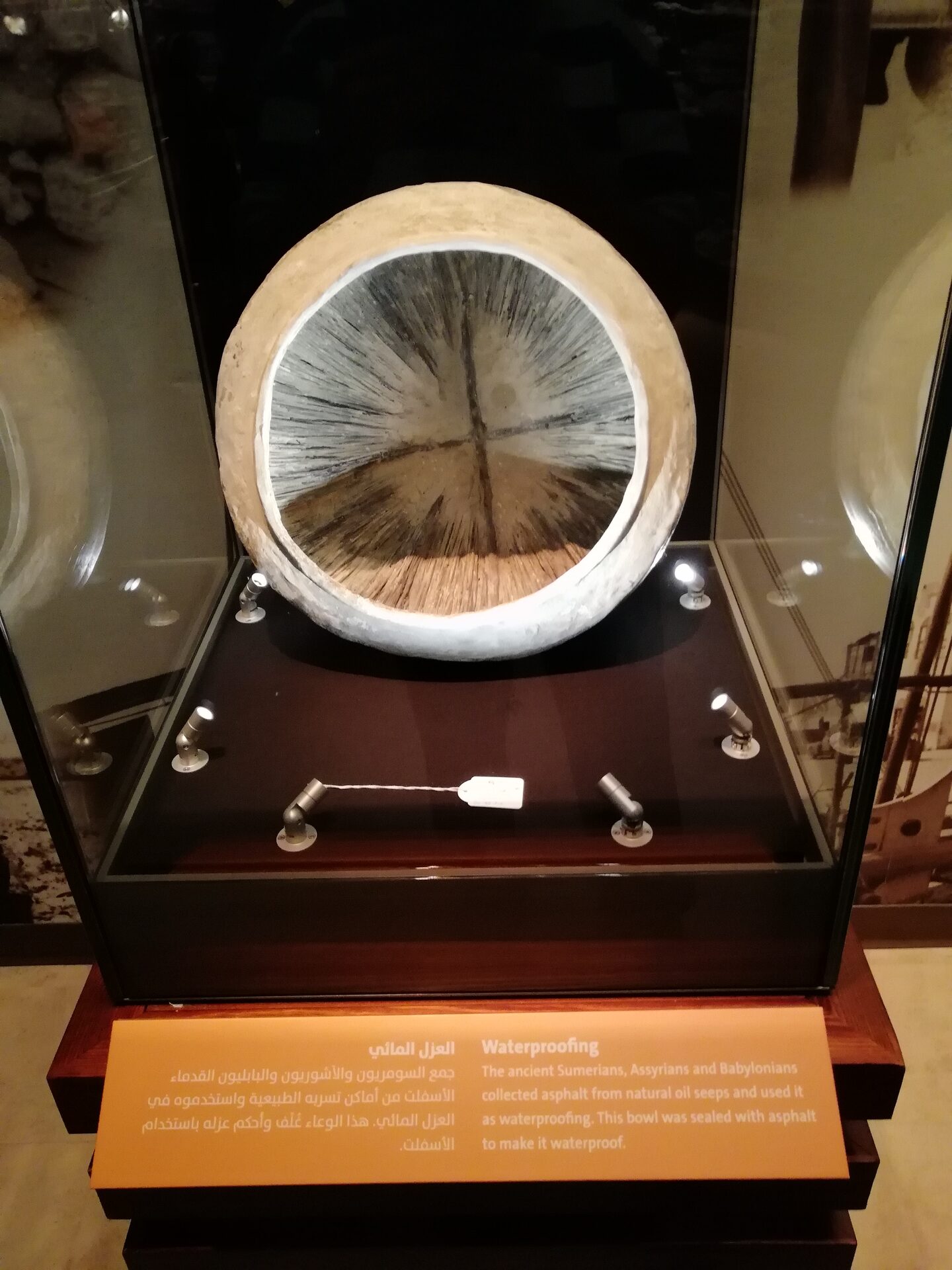
Given Ithra’s location on the site of Saudi Arabia’s first oil strike, the Energy Exhibit traces the story of oil, renewable energy, and ecology. Interactive displays explain how hydrocarbons are formed, how they are extracted, and how the Kingdom is diversifying its energy mix. For visitors interested in the history of Dammam and the Eastern Province, this exhibit provides essential context.
The Children’s Museum
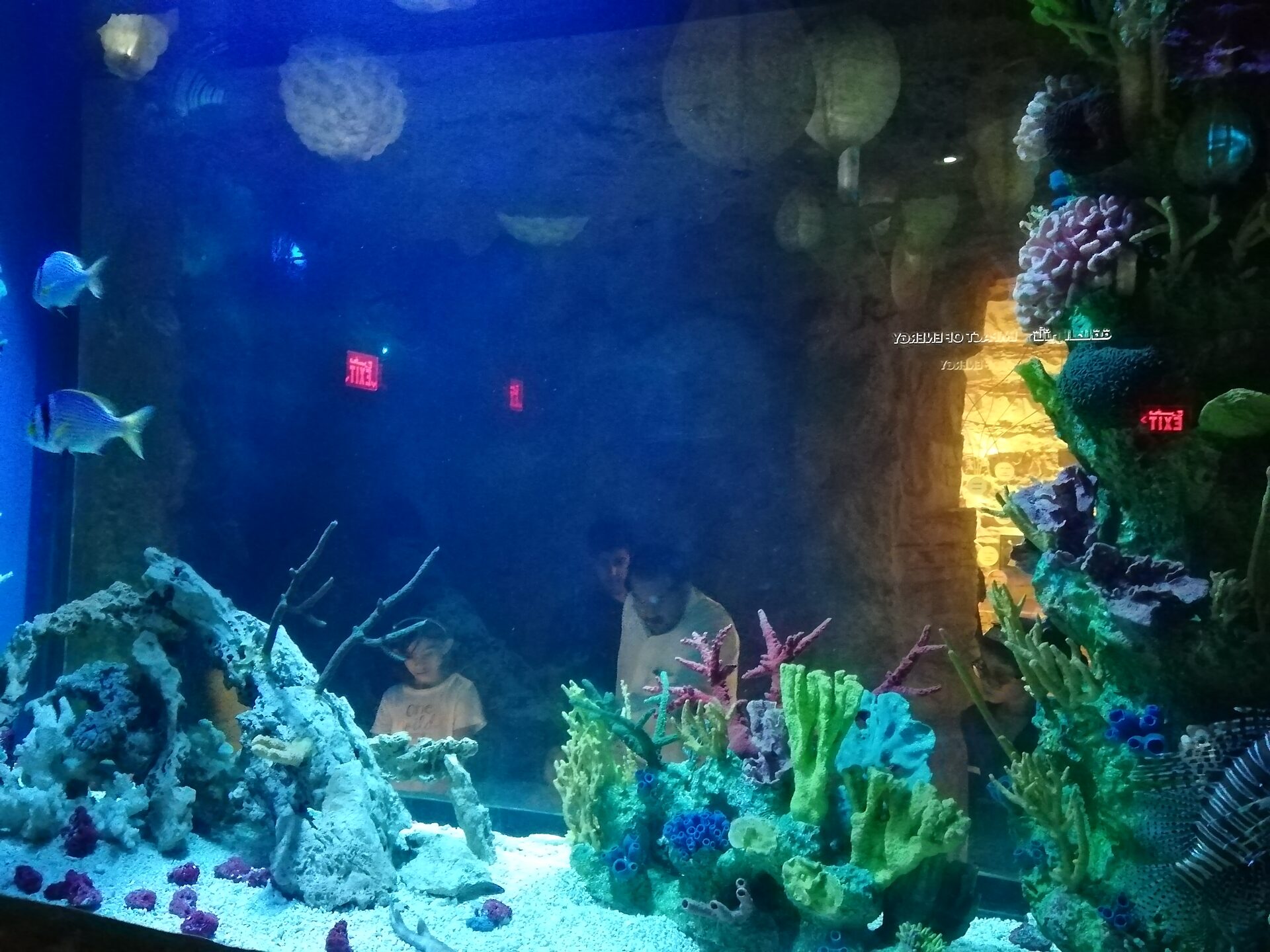
Ithra’s Children’s Museum is one of the best-designed children’s cultural spaces in the Gulf. It features interactive, tactile exhibits that encourage learning through play — covering science, art, nature, and Saudi heritage. Admission is 20 SAR (approximately $5 USD), and it is free for holders of Ithra’s Family and Premium memberships. The Children’s Museum closes its doors two hours before the centre’s general closing time, so plan accordingly.
Opening Hours and Tickets
| Day | Opening Hours |
|---|---|
| Saturday | 9:00 AM – 11:30 PM |
| Sunday | Closed |
| Monday – Wednesday | 9:00 AM – 11:30 PM |
| Thursday | 9:00 AM – 12:30 AM |
| Friday | 4:00 PM – 12:30 AM |
Ticket Prices
| Experience | Price (SAR) | Approx. USD |
|---|---|---|
| General entry (grounds, library, Energy Exhibit) | Free | Free |
| Museum | 35 | $9 |
| Children’s Museum | 20 | $5 |
| Guided Tour | From 50 | From $13 |
| Annual Membership (Individual) | 150 | $40 |
| Annual Membership (Student) | 99 | $26 |
| Annual Membership (Family Combo) | 250 | $67 |
Free admission tip: Visit on the first Wednesday of the month for complimentary access to all areas, including the museum. This is one of the best deals in Saudi tourism.
Getting There
By Air
King Fahd International Airport (DMM) is the primary gateway, located approximately 35 kilometres northwest of Ithra. It is the world’s largest airport by total area and receives direct flights from major Gulf, European, and Asian hubs. A taxi from the airport to Ithra takes around 25–30 minutes and costs approximately 60–80 SAR. Ride-hailing apps Uber and Careem both operate in the area. For more on the airport, see our King Fahd International Airport guide.
By Car
Ithra is located on King Saud Road in Dhahran, between Dammam and Al Khobar. From central Dammam, the drive takes approximately 15 minutes. From Al Khobar, it is about 10 minutes. Free parking is available at the centre — Parking 5 is the closest lot to the main entrance.
By Train
The Saudi Railways Organisation (SAR) operates a service between Riyadh and Dammam, covering the 450-kilometre distance in approximately 3.5 hours. From Dammam Railway Station, Ithra is a 15-minute taxi ride. This is a convenient option for visitors combining an Eastern Province trip with Riyadh.
Visa note: Most nationalities can obtain a Saudi tourist e-visa online within minutes. Citizens of 63 countries are eligible for the e-visa or visa-on-arrival. Check the latest requirements before you travel.
Practical Tips for Visiting Ithra
Events and Programmes
Ithra runs an ambitious year-round calendar of events, including:
Check the Ithra website or app for current listings. Many events are free; some require advance booking.
Ithra in the Context of Saudi Vision 2030
Ithra is one of the most visible expressions of Saudi Arabia’s Vision 2030 strategy to diversify the economy beyond oil and invest in culture, entertainment, and tourism. Built and funded by Saudi Aramco — the world’s most valuable company — it embodies a deliberate symbolism: the site where oil was discovered now produces knowledge, art, and cross-cultural dialogue instead of crude.
For visitors exploring Saudi Arabia’s cultural renaissance, Ithra sits alongside projects like AlUla, Diriyah Gate, and the Red Sea development as evidence that the Kingdom is serious about becoming a global cultural destination. The Eastern Province has historically been overshadowed by Riyadh and Jeddah in tourism terms, but Ithra gives Dammam and Dhahran a genuinely world-class attraction.
Nearby Attractions
Ithra pairs well with other Eastern Province highlights:
Where to Stay Near Ithra
Dhahran itself has limited hotel options — most visitors stay in nearby Al Khobar or Dammam, both within 15 minutes of Ithra by car.
For comprehensive accommodation options, see our Saudi Arabia Hotels Guide.