
June in Saudi Arabia means heat — serious, pavement-warping, plan-your-day-around-air-conditioning heat. Daytime temperatures in Riyadh regularly exceed 44°C (111°F), and the Rub’ al Khali desert interior can push past 50°C. But does that mean you shouldn’t visit? Not necessarily. June is also when hotel prices across the Kingdom hit their lowest point, crowds thin out at major attractions, and an entirely different side of Saudi travel reveals itself — from the cool highlands of Abha and the Asir region to the warm but diveable waters of the Red Sea coast. If you’re willing to adapt your schedule and expectations, Saudi Arabia in June rewards the prepared traveller. This guide, part of our Best Time to Visit Saudi Arabia series, explains exactly what to expect city by city, where to go, what to skip, and how to make June work.
Best Time to Visit: Early morning (before 9 AM) and evening (after 6 PM) for any outdoor activity
Getting There: International flights to Riyadh (RUH), Jeddah (JED), or Dammam (DMM); domestic connections to Abha (AHB) and Tabuk (TBU)
Visa Required: Yes — tourist e-visa available for 63 nationalities
Budget: $80–200/day (hotels 30–50% cheaper than peak season)
Must-See: Abha highlands, Red Sea coast, Riyadh’s indoor attractions
Avoid: Outdoor sightseeing between 11 AM and 4 PM in the lowlands
June Weather Across Saudi Arabia: City-by-City Breakdown
Saudi Arabia spans over two million square kilometres, and June conditions vary dramatically depending on where you are. The central desert plateau bakes under relentless sun, the Red Sea coast adds humidity to the heat, and the southwestern highlands offer a genuine cool-weather escape. Understanding these regional differences is the single most important factor in planning a June trip.
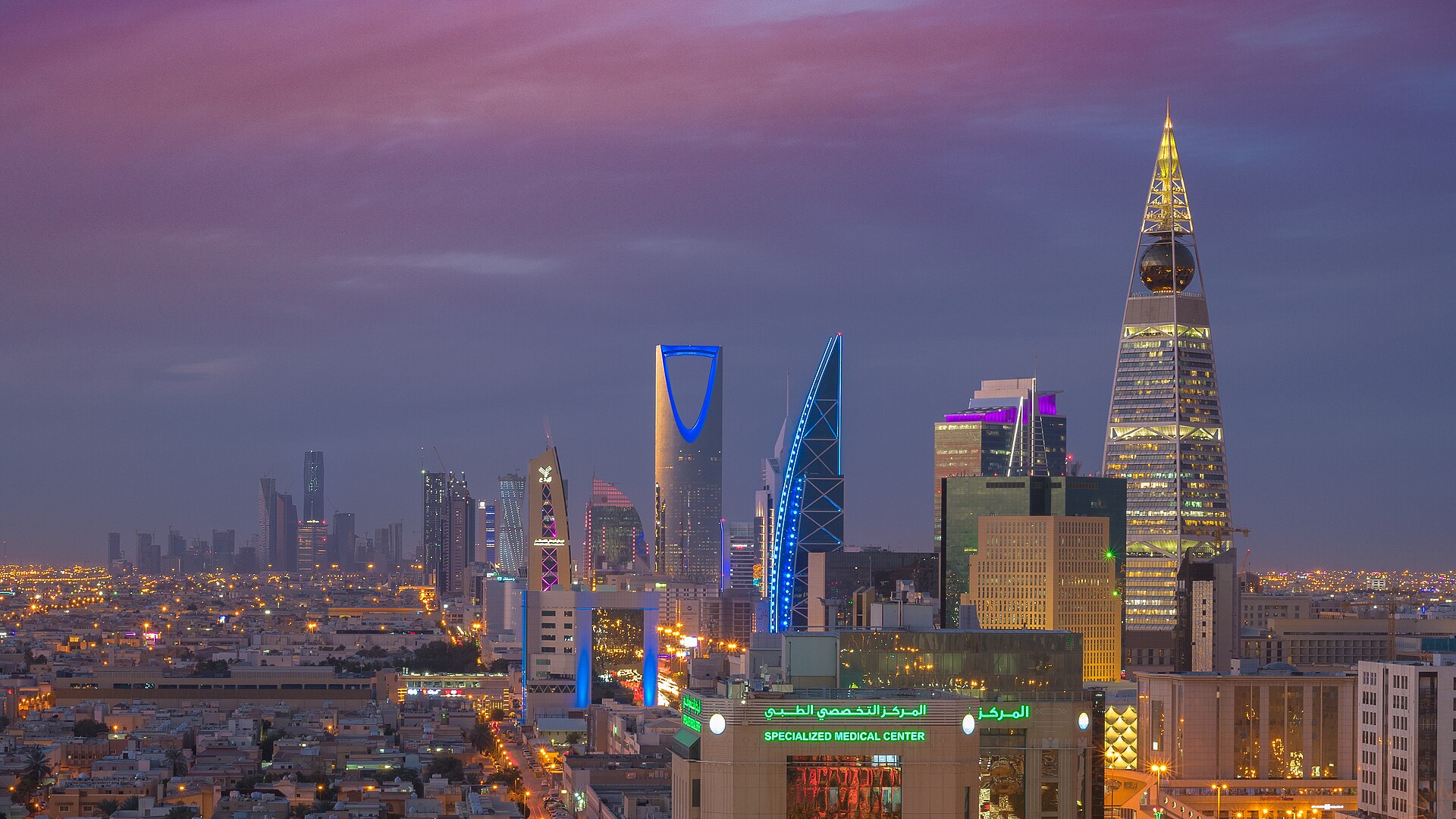
Riyadh
The capital sits on the Najd plateau at roughly 600 metres elevation, deep in the continental interior. June average highs reach 43–44°C (109–111°F), with overnight lows around 27–29°C (81–84°F). Humidity is low (typically 8–12%), which makes the dry heat more tolerable than coastal humidity but also means dehydration happens fast. Rain is essentially zero — Riyadh averages less than 1 mm of rainfall across the entire month. The sun is brutal from around 10 AM to 5 PM, and locals adjust their schedules accordingly: many shops don’t open until late afternoon, and restaurants fill up after 9 PM.
Jeddah
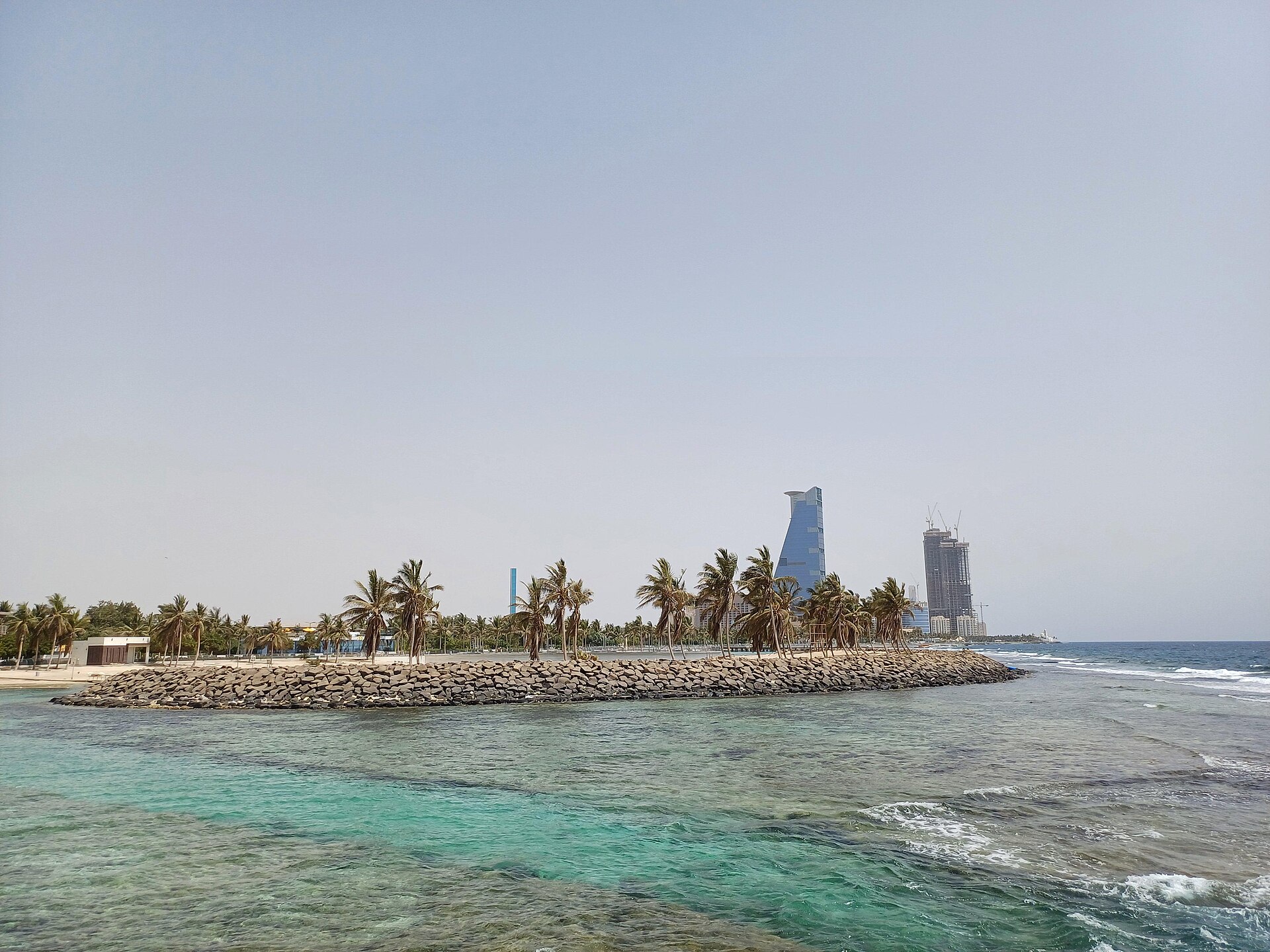
Saudi Arabia’s western gateway sits on the Red Sea coast, and while temperatures are marginally lower than Riyadh — highs around 38–39°C (100–102°F) — the humidity changes the game entirely. Relative humidity in Jeddah in June averages 50–60%, frequently spiking higher, and the combination of heat plus moisture creates an oppressive feel that many travellers find harder to manage than dry desert heat. The sea breeze provides some relief along the Jeddah Corniche, but don’t expect cool winds. Water temperatures hit 29–30°C, which is warm but still refreshing compared to the air.
Dammam and the Eastern Province
The Dammam–Al Khobar corridor along the Arabian Gulf coast is arguably the toughest June destination in the Kingdom. Temperatures push 44–46°C (111–115°F) with Gulf humidity that can exceed 70% at certain hours. The heat index — what the combination actually feels like on your body — regularly exceeds 50°C. Unless you have specific business here, June is not the month to visit the Eastern Province for leisure.
Abha and the Asir Highlands
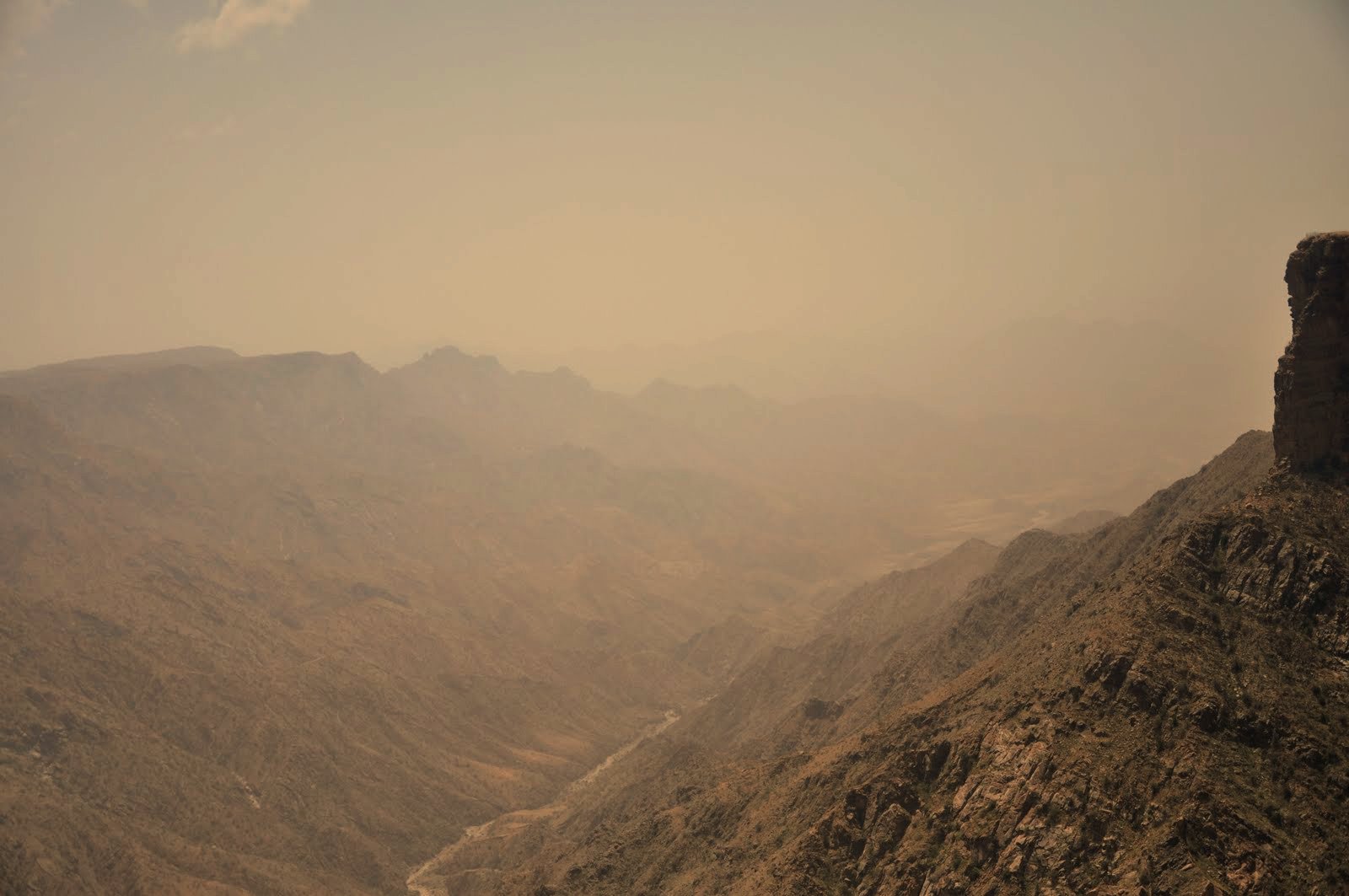
Here is where June travel in Saudi Arabia becomes genuinely appealing. Abha sits at 2,200 metres in the Sarawat Mountains, and June temperatures average 17–28°C (63–82°F). Nearby Al Soudah, higher still in the Asir range, records June highs around just 22°C (72°F). The air is fresh, mornings are cool enough for a light jacket, and afternoon cloud cover is common. This is Saudi Arabia’s domestic summer holiday heartland — Saudis from the lowlands flock here in June, July, and August, so book accommodation well in advance. Read more in our Abha and Asir travel guide.
Tabuk and the Northwest
Tabuk in the far northwest is drier and slightly less extreme than Riyadh, with June highs around 39–41°C (102–106°F). The elevation (roughly 770 metres) helps, and the nearby NEOM coastline along the Gulf of Aqaba benefits from breezes off the water. AlUla, further south, hits 42–44°C and is best avoided in June unless you’re committed to very early morning visits to Hegra.
Taif
Taif sits at 1,879 metres on the western escarpment above Mecca and serves as the Kingdom’s traditional summer retreat. June highs average 35–36°C (95–97°F) — hot, but significantly cooler than the lowlands. Humidity drops to around 25%, making it the least humid month of the year. Note that the famous Taif Rose Festival runs in March and April, so you’ll miss the harvest, but the city’s pleasant temperatures and mountain scenery remain.
| City | June High °C (°F) | June Low °C (°F) | Humidity | Rain | June Verdict |
|---|---|---|---|---|---|
| Riyadh | 43–44 (109–111) | 27–29 (81–84) | 8–12% | ~0 mm | Extreme heat, indoor focus |
| Jeddah | 38–39 (100–102) | 28–29 (82–84) | 50–60% | ~0 mm | Hot and humid, evening Corniche |
| Dammam | 44–46 (111–115) | 29–31 (84–88) | 40–70% | ~0 mm | Avoid for leisure |
| Abha | 26–28 (79–82) | 17–18 (63–64) | 30–50% | 20–40 mm | Best June destination |
| Taif | 35–36 (95–97) | 22–23 (72–73) | 20–25% | ~2 mm | Warm but manageable |
| Tabuk | 39–41 (102–106) | 23–25 (73–77) | 10–15% | ~0 mm | Dry heat, bearable mornings |
| AlUla | 42–44 (108–111) | 25–27 (77–81) | 8–12% | ~0 mm | Too hot for extended touring |
Is It Worth Visiting Saudi Arabia in June?
The honest answer: it depends on what kind of traveller you are and where you plan to go. June is not the month for a first-time-visitor greatest-hits tour that tries to cover Riyadh, AlUla, and Jeddah in ten days — you’ll spend most of your time sheltering indoors. But for specific purposes, June is not only viable but genuinely advantageous.
Reasons to Visit in June
- Dramatically lower prices. Hotels across Saudi Arabia drop 30–50% from peak-season rates. A five-star hotel in Riyadh that commands SAR 1,500/night in November may run SAR 700–900 in June. Flights are cheaper too.
- No crowds at major sites. Museums, heritage sites, and restaurants are noticeably quieter in June. In Riyadh, you’ll have the National Museum practically to yourself.
- Abha at its best. The Asir highlands are in peak domestic season with a full calendar of summer festivals, cool temperatures, and green landscapes.
- Red Sea diving. Water temperatures of 28–30°C are warm but excellent for diving, and June marks the tail end of whale shark season along the coast near Yanbu and Umluj.
- Long daylight hours. Sunrise around 5:30 AM means very early mornings are possible for outdoor activities before the worst heat sets in.
- Genuine health risk. Heatstroke is a real danger, not a mild inconvenience. Extended outdoor exposure above 45°C can be dangerous even for fit, acclimatised adults.
- Limited outdoor window. You effectively have 3–4 hours in the early morning and 2–3 hours in the evening for comfortable outdoor activity. Midday is strictly indoors.
- Reduced operating hours. Some outdoor attractions, adventure operators, and tours reduce schedules or close entirely in summer.
- Jeddah and Dammam humidity. The coastal heat-humidity combination is genuinely unpleasant and limits what you can do even more than dry desert heat.
- Desert walks or hikes — the Edge of the World (Jebel Fihrayn) near Riyadh is stunning at dawn, but start by 5:30 AM and be back to your car by 9 AM
- Heritage site visits — Hegra in AlUla or Diriyah in Riyadh are best experienced in the cool of early morning
- Red Sea diving and snorkelling — boat departures from Yanbu and Umluj typically leave at 6–7 AM in summer
- Photography — golden hour in the desert is unparalleled, and you’ll have no crowds
- Museums — National Museum (Riyadh), Tayebat City Museum (Jeddah), Regional Museum (Abha), Najran Museum
- Malls — Saudi malls are destinations in themselves, with dining, entertainment, and indoor parks. Kingdom Centre and Riyadh Park in the capital, Red Sea Mall in Jeddah
- Spa and wellness — many five-star hotels offer excellent day-use pool and spa packages in summer at reduced rates
- Indoor entertainment — Snow City, BattleKart (AR go-karting), cinema complexes, and gaming centres
- Markets and souks open — Souq Al Zal in Riyadh, Souq Al Alawi in Jeddah’s historic district
- The Corniche fills up — families walk, jog, and eat along Jeddah’s waterfront well past midnight
- Restaurants peak — dinner at 9 or 10 PM is standard in summer
- Desert stargazing — with zero cloud cover and low humidity, the desert skies outside Riyadh and AlUla are extraordinary
- Abha Summer Festival — typically runs June through August, featuring traditional Asiri folk performances, outdoor markets, food festivals, and concerts in the cool highland air
- Riyadh Season late extensions — the massive entertainment festival that launches in October sometimes extends entertainment zones into early summer
- Esports World Cup (July–August) — if your June trip extends into July, the Esports World Cup in Riyadh draws international competitors across 20+ game titles with a $60M+ prize pool
- Jeddah Season events — Jeddah’s entertainment programme includes waterfront concerts, food festivals, and cultural events through the summer months
- Sun protection: SPF 50+ sunscreen, wide-brimmed hat, quality sunglasses (UV400)
- Clothing: Loose-fitting, light-coloured, breathable fabrics. Long sleeves and trousers for both modesty and sun protection. A light layer for Abha evenings and aggressive air conditioning indoors
- Hydration: Reusable water bottle (at least 1 litre), electrolyte sachets
- Electronics: Portable charger (phones drain faster in heat), universal adapter (Saudi Arabia uses Type G plugs, same as UK)
- Footwear: Closed-toe shoes for heritage sites, sandals for the coast. The ground surface can exceed 70°C — bare feet on sand or tarmac will burn
- For Abha: A light jacket or hoodie for evenings. Seriously — you’ll need it at 2,200 metres after dark
- Heat exhaustion: Heavy sweating, weakness, cold/pale/clammy skin, nausea, dizziness. Move to shade, drink water, apply cool cloths. If symptoms persist beyond 30 minutes, seek medical attention
- Heatstroke: Body temperature above 40°C, hot/red/dry skin, rapid pulse, confusion or loss of consciousness. This is a medical emergency — call 997 (Saudi emergency number) immediately
- Best Time to Visit Saudi Arabia — Month-by-month climate guide with event calendar and regional recommendations
- Abha and the Asir Region — Saudi Arabia’s cool mountain escape, perfect for June visitors
- Diving Saudi Arabia — Red Sea dive sites, costs, and seasonal conditions
- Saudi Arabia Beaches — The best coastal spots from Jeddah to Umluj
- Saudi Arabia Itinerary — 7, 10, and 14-day travel plans for every season
- Saudi Arabia Dress Code — What to wear as a tourist, including summer-specific advice
- Saudi Arabia Travel Guide 2026 — The complete guide to visiting the Kingdom
- Saudi Arabia Visa Guide — Every visa type explained
Reasons to Reconsider
Where to Go in June: The Best Destinations
1. Abha and the Asir Mountains — The Clear Winner
If you only have one destination to visit in Saudi Arabia in June, make it Abha. The highland capital of Asir Province is Saudi Arabia’s domestic summer escape, and for good reason. At 2,200 metres, temperatures stay between 17°C and 28°C, the landscape is green and misty rather than parched, and there’s a cultural depth here — from the painted stone towers of Rijal Almaa to the dramatic cliff-edge cable car at Habala — that rivals anything in the Kingdom.
June is also when the Abha Summer Festival typically runs, bringing cultural performances, traditional folk dances, outdoor markets, and concerts to the city. Book your hotel early — Saudi families pack Abha in summer, and availability tightens fast.
Tip: Fly directly to Abha (AHB) from Riyadh or Jeddah — the flight takes about 90 minutes. If you’re driving from Jeddah, the mountain road via Al Baha is scenic but takes 8–10 hours.
2. Taif — The Rose City at Altitude
Taif has been Saudi Arabia’s unofficial summer capital since the days of King Faisal. Perched at 1,879 metres above the Hejaz lowlands, it’s 8–10°C cooler than Jeddah and far less humid. The city is known for its rose gardens, honey farms, and the dramatic Shubra Palace museum. While the rose harvest ends in April, the mountain scenery and pleasant evenings make Taif a strong June option. The Hada escarpment road from Mecca to Taif climbs 1,500 metres in hairpin turns and is one of the most dramatic drives in the country.
3. The Red Sea Coast — Yanbu, Umluj, and Jeddah
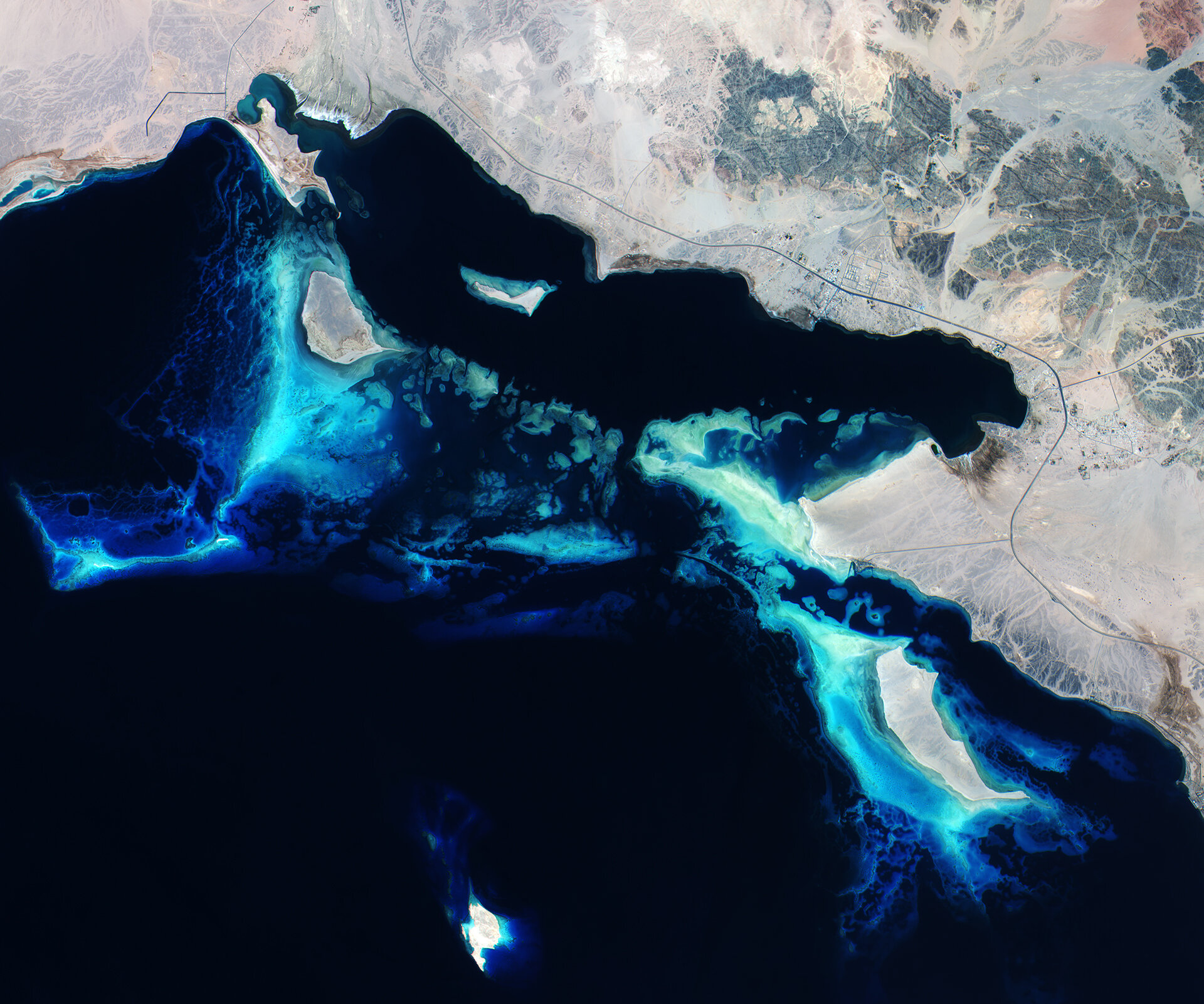
June’s Red Sea water temperatures (28–30°C) create excellent conditions for diving and snorkelling. Visibility is strong, the tail end of whale shark season offers pelagic encounters near Yanbu, and the pristine coral reefs around Umluj — sometimes called the Maldives of Saudi Arabia — are uncrowded. The key is to plan water activities for early morning, then retreat to your resort for the midday hours. Jeddah’s Corniche comes alive after sunset, when families and visitors fill the waterfront promenades, sculpture gardens, and seaside restaurants.
4. Riyadh — If You Embrace the Indoor Side
Riyadh in June is not for outdoor exploration, but the capital has invested billions in indoor attractions that make it a viable summer destination if you adjust your expectations. The National Museum on King Abdulaziz Historical Centre is one of the best museums in the Middle East. Diriyah, the UNESCO-listed birthplace of the Saudi state, has restored its At-Turaif district with air-conditioned galleries and restaurants. The Saudi Museum of Contemporary Art (SAMoCA) in Diriyah’s JAX District hosts rotating exhibitions in a climate-controlled space.
For entertainment, Snow City offers indoor skiing and sledding on real snow — a surreal contrast to the 44°C outside. Boulevard Riyadh City and other Riyadh Season venues run entertainment zones, gaming experiences, and international dining well into the summer months. In the evenings, when temperatures drop below 35°C, the Riyadh restaurant scene — from Najdi heritage dining to high-end international kitchens — is at its most accessible, with minimal wait times at places that require weeks of advance booking in peak season.
What to Do in June: Activity Guide
Early Morning (5:30 AM – 9:00 AM)
This is your outdoor window. Temperatures sit in the high 20s to low 30s, and the light is excellent for photography. Use this time for:
Midday (10:00 AM – 5:00 PM)
Stay indoors. This is non-negotiable in the lowlands. Good midday options include:
Evening (6:00 PM – Late)
Saudi Arabia comes alive after dark in June. Temperatures drop to the low-to-mid 30s by sunset and into the high 20s by 10 PM. This is when:
Abha All Day
The exception to the above schedule. In Abha and the Asir highlands, you can be outdoors comfortably at noon. Use your highland days for cable car rides at Habala, exploring the painted villages of Rijal Almaa, hiking in Asir National Park, and driving the dramatic escarpment roads. Evenings in Abha are cool enough for a jacket — a surreal change if you’ve just flown in from 44°C Riyadh.
Practical Tips for Surviving Saudi Summer Heat
Hydration Is Not Optional
You will lose water faster than you realise, especially in Riyadh’s dry heat where sweat evaporates instantly. Carry a minimum of 2 litres of water for any outdoor excursion, and drink before you feel thirsty. Pharmacies across the Kingdom sell oral rehydration salts (ORS) — worth carrying in your daypack. Avoid alcohol for at least 24 hours before any outdoor activity (this is easy in Saudi Arabia, where alcohol is prohibited).
Dress Smart
Loose-fitting, light-coloured, breathable clothing is essential. Saudi Arabia’s dress code for tourists requires modest clothing — shoulders and knees covered for both men and women in public — but this actually aligns well with sun protection. Linen trousers and long-sleeved cotton shirts are what locals wear for good reason. A wide-brimmed hat and high-SPF sunscreen (50+) are non-negotiable.
Rent a Car with Working Air Conditioning
Do not gamble on the AC. Saudi rental cars typically come with strong air conditioning, but verify it works before leaving the lot. Walking between attractions in 44°C heat is not feasible in the lowlands — even a 10-minute walk can leave you dangerously overheated. If not renting a car, use ride-hailing apps (Uber and Careem operate across the Kingdom) and request the vehicle arrive 2–3 minutes early so the AC is running when you get in.
Time Your Meals
Eat a substantial breakfast early, carry snacks and water for midday, and plan your main meal for the evening. Many restaurants don’t open until 4 or 5 PM in summer, and the best dining happens between 9 PM and midnight. Room service at your hotel is your friend during midday hours.
Sun Protection for Your Electronics
Phones, cameras, and laptops overheat quickly in 44°C+ air temperatures. Keep electronics in shade or a bag when outdoors. Many smartphones will shut down automatically in extreme heat — not ideal when you need GPS navigation. A car phone mount with AC blowing on it helps.
Warning: Never leave water bottles, aerosol cans, or electronics in a parked car in Saudi summer. Interior car temperatures can exceed 70°C (158°F) within minutes.
June Hotel Prices and Budget
June is firmly off-peak season for international tourism in Saudi Arabia, and hotels price accordingly. Expect savings of 30–50% compared to the October–March high season. Budget hotels in Riyadh start from SAR 150–200/night ($40–55), mid-range options run SAR 400–700/night ($107–187), and luxury properties that charge SAR 2,000+ in winter drop to SAR 900–1,400/night.
The exception is Abha and the Asir region, where June marks the beginning of domestic high season. Highland hotel prices remain firm and availability tightens — book at least 3–4 weeks ahead, especially for weekends (Thursday–Friday in Saudi Arabia).
Overall daily budget for a June trip:
| Category | Budget | Mid-Range | Luxury |
|---|---|---|---|
| Hotel/night | $40–60 | $100–190 | $250–400 |
| Meals/day | $15–25 | $30–60 | $80–150 |
| Transport/day | $10–20 | $25–50 | $50–100 |
| Activities/day | $5–15 | $20–50 | $50–150 |
| Total/day | $70–120 | $175–350 | $430–800 |
Events and Festivals in June
Saudi Arabia’s entertainment calendar has expanded dramatically since 2019, and June brings several events worth planning around:
Check the Saudi Arabia itinerary guide for help building a trip around these events.
Getting Around in June
Domestic flights are the most practical way to cover Saudi Arabia’s vast distances in summer. Saudia and budget carrier flynas connect all major cities, and June fares are typically 20–30% below peak-season prices. The Riyadh–Abha flight takes about 90 minutes.
The Haramain High-Speed Railway connects Mecca, Jeddah, and Medina in air-conditioned comfort — a far better option than driving in summer heat. Journey time from Jeddah to Medina is about two hours.
For non-Muslim travellers, note that Mecca and Medina’s sacred precincts remain restricted. Jeddah serves as the practical base for exploring the western coast.
Tip: If renting a car, fill up early. Petrol is cheap in Saudi Arabia (around SAR 2.33/litre for 91 octane), but some remote stations close during the hottest midday hours.
What to Pack for June in Saudi Arabia
Health and Safety in the Heat
Heat-related illness is the primary health risk for June visitors. Know the warning signs:
Saudi hospitals and clinics are modern and well-equipped, particularly in Riyadh, Jeddah, and Dammam. Pharmacies are widely available and well-stocked. Travel insurance is mandatory for tourist visa holders — ensure your policy covers heat-related medical treatment.
Suggested June Itineraries
5-Day Highland Escape (Best for First-Timers in June)
Days 1–2: Fly to Abha. Explore Rijal Almaa painted village, Habala cable car, Asir National Park. Enjoy cool evening walks and the summer festival.
Day 3: Drive to Al Soudah (highest point in Saudi Arabia, ~3,000m). Hike the juniper forest trails. Return to Abha for dinner.
Day 4: Drive to Taif via Al Baha (scenic mountain road, ~6 hours). Check into a Taif hotel, explore the historic souq and Shubra Palace.
Day 5: Morning at Taif’s rose gardens and honey farms, then drive down the escarpment to Jeddah (90 minutes) for your flight home.
7-Day Coast and Mountains
Days 1–2: Arrive Jeddah. Evening Corniche walk, Al-Balad historic district after dark, Red Sea Mall for midday escape.
Day 3: Day trip or fly to Yanbu for Red Sea diving. Early morning boat departure, afternoon at resort.
Days 4–5: Fly to Abha. Full highland programme — villages, cable cars, mountain drives, summer festival events.
Days 6–7: Drive to Taif, explore at altitude, descend to Jeddah for departure.
3-Day Riyadh Weekend (Business Travellers)
Day 1: National Museum, Diriyah At-Turaif (UNESCO), dinner at a rooftop restaurant after dark.
Day 2: Dawn trip to Edge of the World (depart 4:30 AM, return by 9 AM). Midday at SAMoCA or Snow City. Evening at Boulevard Riyadh City.
Day 3: Morning visit to Murabba Palace, afternoon mall exploration or spa before evening flight.
Frequently Asked Questions
Can you visit AlUla in June?
Technically yes, but it’s extremely hot — 42–44°C during the day. If you’re determined, book the earliest morning tour slot at Hegra (some operators open at 6 AM) and plan to be indoors by 9:30 AM. The Maraya concert hall and AlUla’s indoor heritage galleries are climate-controlled. Most visitors are better off saving AlUla for October–March.
Is Hajj in June 2026?
No. Hajj 2026 falls in late May (approximately 24–29 May 2026), based on the Islamic lunar calendar. By June, the pilgrimage season has concluded. However, Umrah is available year-round, and June is a quieter time to perform it — though Mecca’s heat will be intense.
Is Ramadan in June 2026?
No. Ramadan 2026 is expected to begin in mid-February and end in mid-March. June falls well outside Ramadan, so restaurants and cafes operate normal hours throughout the day.
Can you swim in the Red Sea in June?
Absolutely. Water temperatures of 28–30°C are warm and inviting. The Saudi Red Sea coast offers excellent swimming, snorkelling, and diving in June. Just apply waterproof sunscreen generously — UV intensity is extreme.
How do Saudis cope with the heat?
The Saudi daily rhythm shifts dramatically in summer. Activity moves to the evening and night hours, air conditioning runs everywhere (malls, restaurants, offices, cars, even some bus stops), and domestic travel pivots to highland destinations. Many families take summer holidays in Abha, Taif, or abroad. The traditional white thobe worn by Saudi men is specifically designed for heat — lightweight, loose, and reflective.