
Saudi Arabia’s deserts are not just empty expanses of sand — they are the Kingdom’s oldest accommodation. From the black goat-hair tents of Bedouin nomads to air-conditioned luxury villas nestled among sandstone cliffs, desert camping in Saudi Arabia spans every budget and comfort level. Whether you are planning a weekend escape from Riyadh’s Red Sands or a once-in-a-lifetime stay at a clifftop resort in AlUla, this guide covers every option as part of our comprehensive Saudi Arabia accommodation guide. The Kingdom’s camping scene has exploded since the 2019 tourism opening, and the 2025–2026 season brings more choices than ever — from free wild camping on public desert land to SAR 37,000-per-night royal heritage villas.
Best Time to Visit: October to March (winter camping season; daytime 18–25°C, nights can drop below 10°C)
Getting There: Fly into Riyadh (Red Sands), AlUla (luxury camps), or Tabuk (Hisma desert); 4×4 vehicle essential for remote areas
Visa Required: Yes — tourist e-visa available online
Budget: Free (wild camping) to SAR 5,000+/night (luxury resorts); guided desert safaris from SAR 225/person
Must-See: Rub’ al Khali (Empty Quarter), AlUla’s Ashar Valley camps, Riyadh Red Sands
Avoid: Camping June–September (temperatures exceed 45°C); never camp in wadis or valleys (flash flood risk)
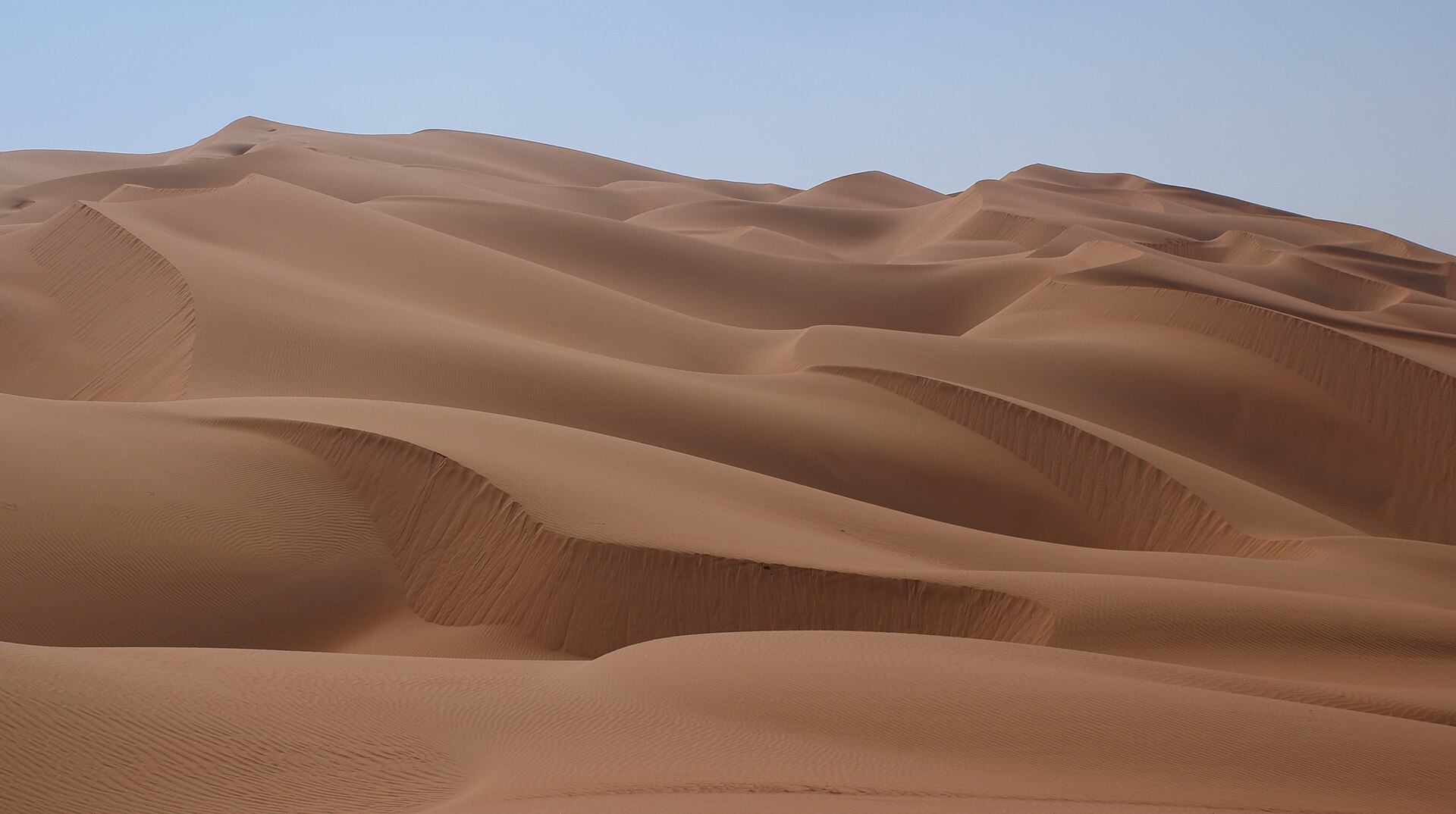
Where to Camp: Saudi Arabia’s Best Desert Regions
Saudi Arabia contains some of the most dramatic desert landscapes on Earth, from the rust-red dunes outside Riyadh to the towering sandstone canyons of AlUla. Each region offers a distinct camping character. Here is where to go and what to expect.
Red Sands — Riyadh’s Desert Playground
The Red Sands sit roughly 90 kilometres northeast of central Riyadh and are the most accessible desert experience in the Kingdom. Waves of copper-orange dunes stretch to the horizon, and on any winter Thursday evening you will find hundreds of Saudi families setting up camp with carpets, portable kitchens, and strings of lights. For visitors, this is the easiest entry point into desert camping — you can book a half-day dune-bashing safari from SAR 225 per person or an overnight camp-and-dinner package from SAR 300. Operators including 365 Adventures, Desert Safari Riyadh, and Ootlah run regular group departures from the capital. If you are visiting Riyadh for even a single night, a Red Sands sunset trip is the one desert experience you should not skip.
The Empty Quarter (Rub’ al Khali)
The world’s largest continuous sand desert covers 430,000 square kilometres of southern Saudi Arabia — an area larger than Germany. Dunes here can reach 250 metres in height, and the silence at night is absolute. This is expedition-grade camping. Most visitors access the Empty Quarter from Sharurah in Najran Province, joining organised multi-day tours (typically 2–10 days, SAR 1,500–3,000 per person) that include 4×4 vehicles, camping equipment, and experienced desert guides. Tour operators such as WadiTrip and Arabian Sand Tours Services run regular departures during the winter season. Solo or unsupported camping here is strongly discouraged — cellular coverage is nonexistent in the deep desert, and navigation without GPS is dangerous.
AlUla — Luxury Camps in Ancient Landscapes
AlUla has become Saudi Arabia’s premier desert destination, and its Ashar Valley holds the Kingdom’s highest concentration of luxury camps. Sandstone cliffs tower above tented resorts and Airstream glamping sites, all within driving distance of the UNESCO-listed Hegra archaeological site. This is where AlUla’s best accommodation reaches its most dramatic expression — purpose-built resorts that blend desert architecture with five-star amenities. The AlUla region is served by direct flights from Riyadh and Jeddah, making it surprisingly accessible for a landscape that feels like another planet.
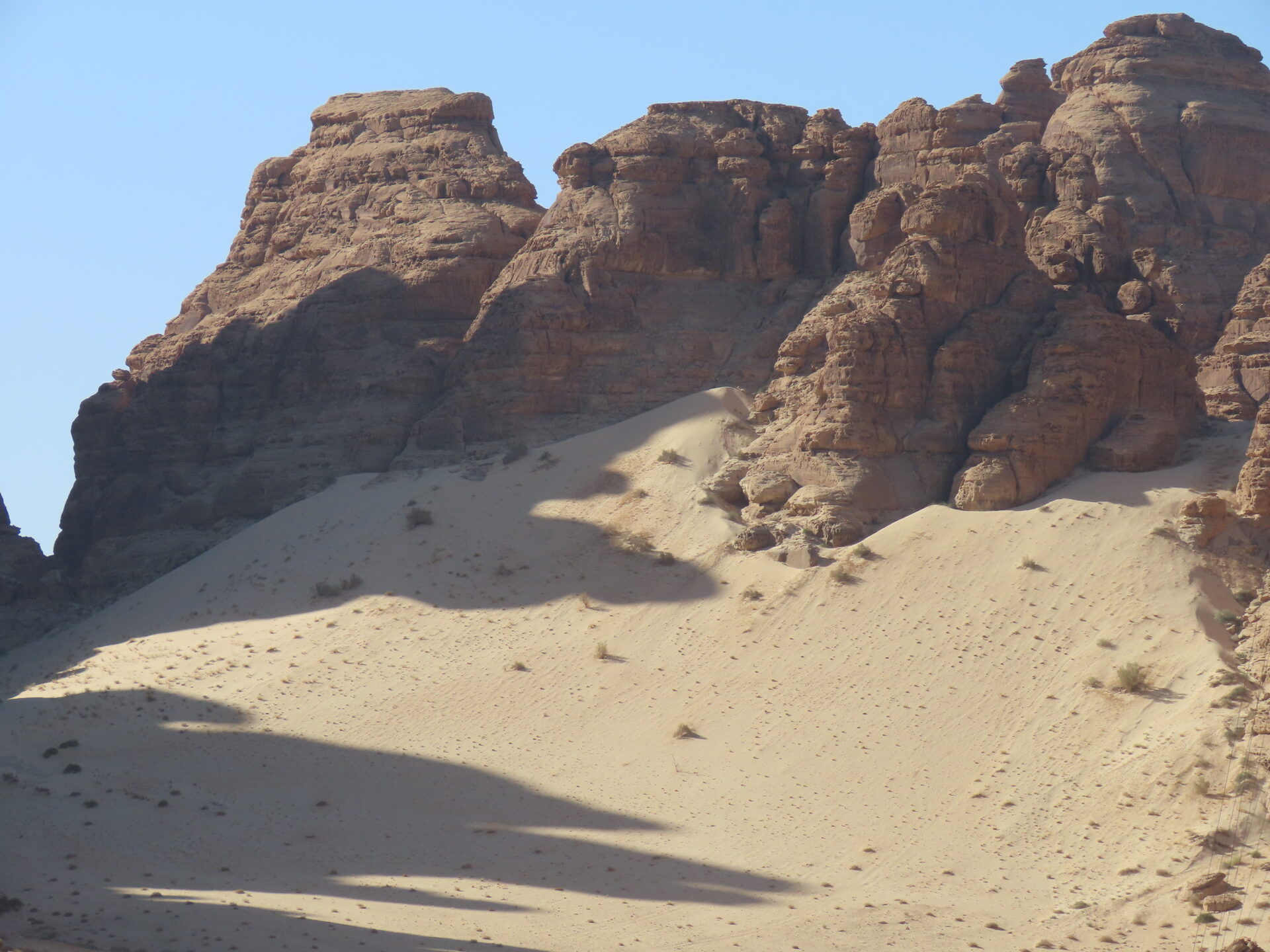
Hisma Desert — Tabuk’s Hidden Gem
The Hisma desert in Saudi Arabia’s northwest Tabuk region is often compared to Jordan’s Wadi Rum — and the comparison is justified. Crimson sand plains are punctuated by towering sandstone pillars, narrow gorges, and ancient petroglyphs. Unlike AlUla’s polished luxury scene, Hisma caters more to the adventurous mid-range traveller. The Hisma Nomad Desert Camp offers authentic-style tents with private bathrooms from SAR 850 per night (two guests) or moon tents with shared facilities from SAR 550. The area sits near the Tabuk region’s other attractions including Wadi Al Disah and the snow-capped Jabal Al Lawz in winter.
Thumamah National Park — The Easy Escape
Just 40 kilometres from downtown Riyadh, Thumamah is Saudi Arabia’s most popular public camping ground. It is free to access, offers basic facilities including outdoor seating areas and bathrooms, and works perfectly for a first taste of desert camping without the logistics of a remote expedition. Families dominate on weekends, and the atmosphere is relaxed and social.
Asir Highlands — Mountain Desert
The southwestern Abha and Asir region offers a different kind of desert experience — mountain camping at 2,000 metres elevation with cooler temperatures and juniper forests. Husaak Adventures near Tanomah runs camping spots from just SAR 150 per night plus VAT, with activities including hiking, mountain biking, and abseiling. This is the only region where summer camping is genuinely pleasant.
Luxury Desert Camps: The Full Guide
Saudi Arabia’s luxury desert camp scene has matured rapidly since the tourism opening. These are not improvised tents — they are world-class resorts that happen to sit among sand dunes and canyon walls. Here are the top properties ranked by price and experience.
Banyan Tree AlUla
The standout property in Saudi Arabia’s desert accommodation landscape. Banyan Tree AlUla sits in the Ashar Valley among sandstone cliffs, offering pool villas that range from Canyon View rooms (from SAR 4,200 per night plus 15% VAT and 5% municipality fee) to Royal Heritage Villas with private infinity pools at up to SAR 37,000 per night. The resort includes a full spa, canyon-side dining, and fire pit evenings under the desert sky. A new “Banyan Tree Connections” private wellbeing package launches from May 2026 at SAR 2,700 per night excluding taxes, and 2026 promotions offer up to 42% off standard rates. This is Saudi Arabia’s answer to Aman — expect absolute privacy, extraordinary design, and prices to match.
Ashar Tented Resort, AlUla
The most theatrical desert stay in the Kingdom. Silk-draped tents with marble bathrooms, butler service, camel rides at dawn, and private canyon dining under the stars. Ashar sits in the same Ashar Valley as Banyan Tree but leans into the romance of tented luxury rather than villa architecture. Pricing is not publicly listed — expect to pay on enquiry, which in the luxury desert world typically signals SAR 5,000+ per night.
Our Habitas AlUla
A younger, more social alternative to Banyan Tree’s seclusion. Our Habitas brings an eco-luxury, bohemian sensibility to the Ashar Valley with Celestial Villas (equipped with telescopes for stargazing), Alcove Villas, and Canyon Villas ranging from approximately $700 to $1,200 per night. The atmosphere centres on communal dining, wellness programming, and a creative-traveller demographic. Promotions in 2026 offer up to 45% off. For travellers who want AlUla luxury without the formal resort atmosphere, this is the pick.
Caravan AlUla by Our Habitas
Ranked number one of all speciality lodging in AlUla on TripAdvisor, Caravan offers luxury Airstream glamping along the ancient incense trade route. Oasis Caravans overlook date palm groves while Valley Caravans face the canyon walls. Rates start from approximately EUR 267 per night (around SAR 1,090) in low season. Amenities include an outdoor pool, nightly open-air film screenings, an on-site spa, and a bar. This is the sweet spot between luxury and novelty — you are sleeping in a beautifully fitted Airstream in a landscape that has hosted caravans for 3,000 years.
Shaden Resort AlUla (by Accor)
A design-forward boutique hotel near Elephant Rock and Hegra, managed by Accor. Average rates run about $456 per night, but low-season bookings (especially Mondays) can drop to $123–$229. Shaden offers a large outdoor pool, spa, gym, and multiple restaurants. It functions as the mid-luxury option in AlUla — genuine quality without the SAR 5,000+ price tag of the valley’s ultra-luxury camps.
Six Senses Southern Dunes, The Red Sea
Part of the Red Sea mega-development, Six Senses Southern Dunes sits along the historic incense trade route in a desert setting south of AlUla. As with all Red Sea Project resorts, this is new-build luxury at the highest level, with the Six Senses brand’s signature wellness and sustainability focus.
Nofa Riyadh, A Radisson Collection Resort
Located 80 kilometres from central Riyadh, Nofa is Saudi Arabia’s first African-style safari resort — 57 villas with private pools set beside a wildlife park housing 2,800+ animals across 85 species. This is not traditional desert camping, but it delivers a genuine desert-edge experience with golf, horseback riding, and lagoon pools. Wildlife park entry costs SAR 150 per person; camel riding SAR 200.
| Property | Location | Price Range (per night) | Best For |
|---|---|---|---|
| Banyan Tree AlUla | Ashar Valley, AlUla | SAR 4,200–37,000 | Ultra-luxury couples, honeymoons |
| Ashar Tented Resort | Ashar Valley, AlUla | On enquiry (SAR 5,000+) | Theatrical tented luxury |
| Our Habitas AlUla | Ashar Valley, AlUla | SAR 2,600–4,500 | Eco-luxury, wellness, social atmosphere |
| Caravan AlUla | AlUla incense route | From SAR 1,090 | Glamping novelty, couples, photographers |
| Shaden Resort AlUla | Near Elephant Rock | SAR 460–1,710 | Mid-luxury, families, value seekers |
| Six Senses Southern Dunes | Red Sea development | Premium (on enquiry) | Wellness, sustainability, privacy |
| Nofa Riyadh | 80 km from Riyadh | Varies (check Radisson) | Families, safari experience, accessible |
Mid-Range Glamping and Desert Camps
You do not need to spend SAR 4,000 per night to sleep under desert stars. Saudi Arabia’s mid-range glamping scene has grown rapidly, offering comfortable tented accommodation with proper beds, electricity, and private or shared bathrooms at prices between SAR 500 and SAR 1,500 per night.
Hisma Nomad Desert Camp (Tabuk)
Fifteen moon tents and five authentic-style tents in the red Hisma desert. Authentic tents come with private bathrooms and showers at SAR 850 for two guests or SAR 700 for solo travellers. Moon tents (shared bathrooms) cost SAR 550 for two or SAR 450 solo. The setting — red sand beneath sandstone pillars — is extraordinary for the price.
Sahary AlUla Resort
A mid-to-luxury option in AlUla offering a mix of tents and cabins with Arabian-inspired interiors. The resort arranges 4×4 desert safaris and rock-climbing excursions. Positioned as a more affordable alternative to the Ashar Valley luxury cluster while still delivering the AlUla landscape.
Fursan Escapes (Riyadh Red Sands)
Eco-glamping in the Red Sand Dunes area near Riyadh, with designed tents, dune buggy tours, sunset picnics, and yoga sessions. Positioned in the mid-range bracket, Fursan appeals to Riyadh residents and visitors seeking a polished desert night without leaving the capital’s orbit.
Valley’s Edge Glamping (Abha)
Mountain glamping in the Asir highlands with cozy tents on wooden terraces overlooking the valleys. Activities include paragliding and guided hikes. The elevation keeps temperatures comfortable even in shoulder months when lowland desert camping is too hot.
Other Notable Mid-Range Options
- Nimr Desert Camp (Hail region) — Bedouin-style stays with handwoven textiles, traditional meals, and camel caravans
- Ajwa Glamping (Taif) — Modern tents overlooking the Sarawat Mountains and Taif’s famous rose fields
- King’s Forest Desert Glamping (Eastern Province) — Premium tents with en-suite bathrooms in the Eastern Province
- Sharaan Nature Reserve Luxury Camps (near AlUla) — Chef-prepared meals and personalised safari tours
- Shelter: 3-season tent with steel pegs (grip sand better than aluminium) and wind-resistant guy lines
- Sleep: Insulated sleeping bag rated to 5°C minimum — winter desert nights drop fast
- Clothing: Loose long-sleeved layers for daytime sun; wool base layer and down jacket for nights; dust scarf or shemagh; hiking boots
- Water: 20+ litres minimum per person for remote areas — always bring more than you think you need
- Navigation: GPS device or offline maps (cellular coverage is patchy to nonexistent in deep desert)
- Vehicle: 4×4 with aired-down tyres is essential for soft sand; always travel in a convoy of two or more vehicles
- Safety: First aid kit, fire extinguisher, LED headlamp, extra batteries, portable power bank, satellite communicator for remote areas
- Cooking: Portable stove and fuel (do not use local firewood — it is illegal to cut vegetation)
- Flash floods: Never camp in a wadi (dry valley), near a dam, or at the base of a slope. Arabian flash floods arrive with almost no warning and are lethal.
- Heat: Summer surface temperatures in the desert exceed 55°C. Camp only between October and March unless you are in the Asir highlands.
- Navigation: Carry GPS. Sand dunes look identical in every direction, and losing your vehicle’s location can turn a camping trip into a survival situation.
- Convoy rule: Never enter deep desert alone. Travel with at least two vehicles so one can pull the other out of soft sand or go for help.
- Snakes and scorpions: Shake out boots and clothing before putting them on. Keep tent zipped at night. Most desert wildlife is nocturnal.
- Fire: Use only flame-resistant tent materials. Keep fires contained and never unattended. Carry a fire extinguisher.
- Leave no trace: Clean your campsite completely. Cutting vegetation or using local charcoal carries fines.
- Permit sites: National parks and royal reserves require a digital camping permit via the NCVC platform — free and quick to obtain via smartphone.
- Start with a guided experience. Your first desert night should be with people who know the terrain. Book a Red Sands overnight safari or a luxury camp stay before attempting independent wild camping.
- Respect the cold. First-time desert visitors consistently underestimate how cold winter nights get. Temperatures in December can drop below 5°C. Bring a proper sleeping bag and warm layers — not just a blanket.
- Charge everything. Solar chargers work brilliantly in Saudi desert sunlight. Bring one, plus a portable power bank.
- Download offline maps. Google Maps allows offline map downloads for specific regions. Do this before you leave the city. In the deep desert, it could save your life.
- Respect local campers. If you see a Saudi family already camped in an area, give them wide berth. Desert privacy is taken seriously.
- Sunrise is the reward. Set an alarm. Desert sunrises — particularly over the Red Sands and in AlUla — are worth waking for, and the light is best in the first 30 minutes.
- Book AlUla early. Luxury camp availability during Winter at Tantora sells out months in advance. Book by September for December stays.
- Saudi Arabia Hotels Guide — Complete accommodation guide from budget stays to ultra-luxury resorts
- Glamping in Saudi Arabia — Every glamping site in the Kingdom, reviewed and compared
- Best Hotels in AlUla — Where to stay in Saudi Arabia’s most dramatic landscape
- Red Sea Project Resorts — The mega-development redefining Saudi luxury tourism
- Amaala Resort Guide — Ultra-luxury wellness and diving on the Red Sea coast
- Saudi Arabia Travel Guide 2026 — The complete guide to visiting the Kingdom
- Saudi Arabia Visa Guide — Every visa type explained
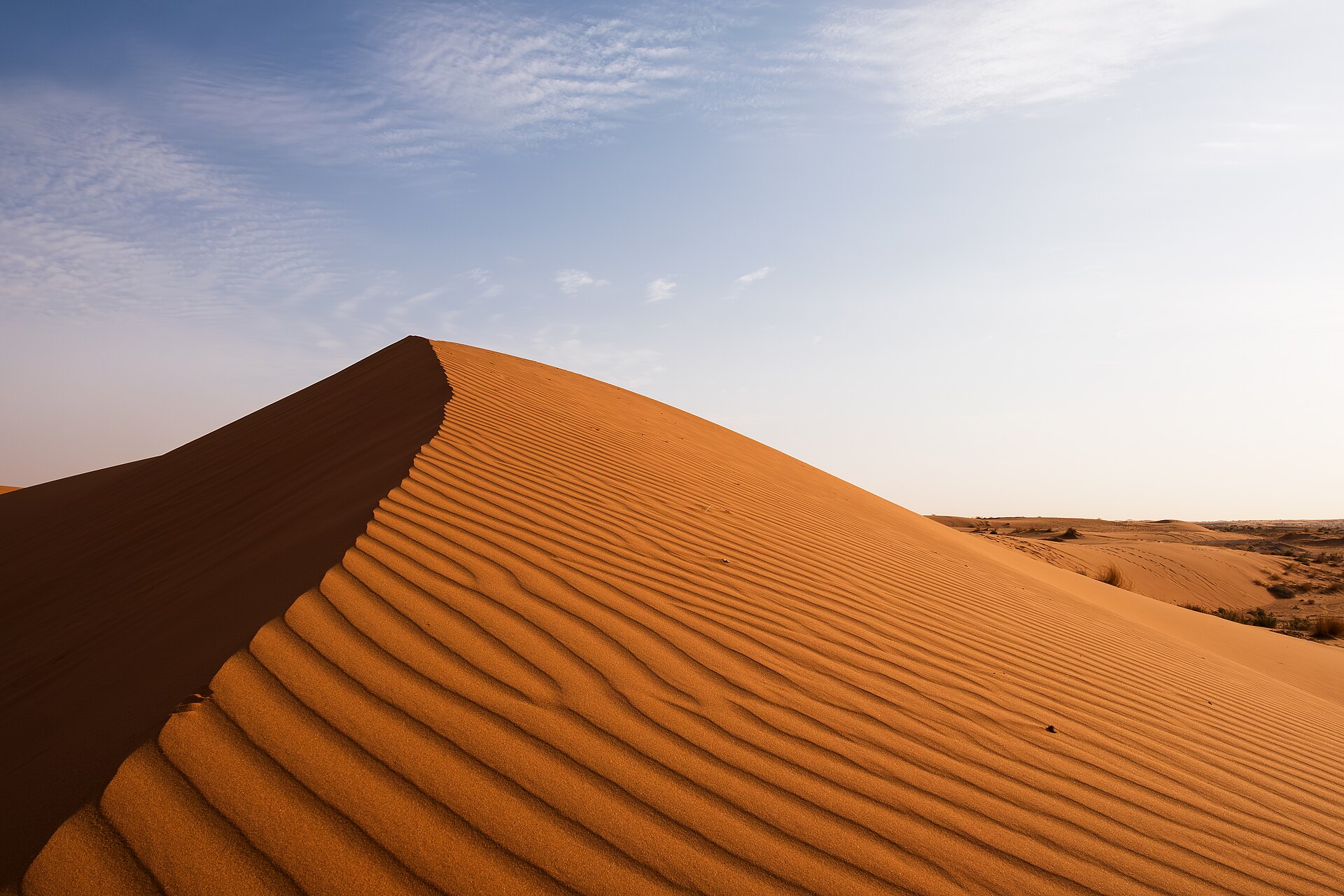
Budget Desert Camping: Free to SAR 650
Saudi Arabia is one of the few countries where you can camp for free in genuinely spectacular desert landscapes with no permit and no booking. Budget travellers and adventurous visitors have more options here than almost anywhere in the Middle East.
Wild Camping (Free)
Wild camping is permitted on most open desert land in Saudi Arabia without a permit for stays of up to three months. You can drive out into the desert, pitch your tent, and camp for free. The main rules are straightforward: stay at least 100 metres from highways, power lines, and public facilities; never camp in valleys, near dams, or near wells (flash flood risk is real and lethal); use flame-resistant tent materials; do not cut local vegetation or use local firewood (penalties apply); and clean your site completely before leaving.
NCVC Designated Camping Sites (Free/Nominal)
Saudi Arabia’s National Centre for Vegetation Cover (NCVC) operates an electronic platform at nabati.ncvc.gov.sa that issues instant camping permits across 51 designated sites in eight regions, with capacity for over 13,650 camps. Permits are free or nominal and can be obtained via smartphone in minutes. These sites offer basic infrastructure — marked plots, sometimes shared facilities — while preserving the wild desert atmosphere.
Guided Desert Safaris (SAR 225–650)
For visitors who want the desert experience without bringing their own gear, guided safaris from Riyadh offer the best value:
| Experience | Duration | Approximate Price | Includes |
|---|---|---|---|
| Shared group dune safari | Half-day | SAR 225–350/person | Dune bashing, sandboarding, camel ride |
| Basic desert camp + dinner | Evening | SAR 200–300/person | Tent, traditional dinner, campfire |
| Overnight desert safari | Full night | SAR 649/person | All of the above + overnight stay, breakfast |
| Private desert package | Half-day | SAR 600–900/group | Private 4×4, flexible itinerary |
Operators including 365 Adventures, Desert Safari Riyadh, Saudi Safari, and Ootlah run regular departures from Riyadh to the Red Sands area.
Husaak Adventures (Asir) — SAR 150/Night
The best-value structured camping in Saudi Arabia. Husaak’s Tanomah camp at 2,000 metres elevation offers camping spots at SAR 150 per night plus VAT, with access to hiking, mountain biking, abseiling, and gravity cart tours. The site is open to all travellers from April to September; October to March is restricted to group and corporate bookings.
The Bedouin Tradition: Camping as Culture
Desert camping in Saudi Arabia is not a tourism invention — it is the foundation of the Kingdom’s culture. The black goat-hair tent (beit al-sha’r) has been the primary dwelling of Arabian nomads for over 3,000 years, and its basic design has barely changed. Understanding Bedouin camping traditions will deepen any desert stay and help you appreciate what the luxury camps are drawing from.
The majlis — a communal gathering space for conversation, poetry, and hospitality — remains the social centre of any camp. Bedouin hospitality protocol requires that guests receive the best food and the warmest sleeping position. Arabic coffee (qahwa), dates, and camel milk are the traditional welcome. Many organised Bedouin experience tours in Riyadh (offered by operators such as Dunes and Dates and WadiTrip) recreate these traditions with structured cultural camp nights that include tent pitching, traditional cuisine, stargazing, and camel rides.
Modern Saudi camping culture blends this heritage with contemporary comforts. On any winter weekend, thousands of Saudi families head to the desert on Thursday evening, spreading carpets and blankets under the stars, setting up portable kitchens and satellite TV, and staying through Friday. This is not tourism — it is a way of life inherited from desert ancestors and practised weekly across the Kingdom. Joining this scene (especially at Thumamah or the Red Sands) is one of the most authentic cultural experiences available to visitors in Saudi Arabia.
Desert Events and Festivals
Timing your desert camp trip around one of Saudi Arabia’s major desert events adds an unforgettable cultural layer.
Winter at Tantora (December–January)
AlUla’s flagship winter festival, now in its sixth edition. The 2025–2026 season (18 December to 10 January) features open-air concerts at the Maraya mirror building, Old Town Nights with lantern-lit alleys and pop-up restaurants (Ducasse and Annabel’s have returned in recent years), camel races, and artisan souks. Booking an AlUla desert camp during Tantora is the premium way to experience the festival — staying in the landscape rather than commuting from a distant hotel.
Desert X AlUla (January)
An open-air contemporary art exhibition now in its fourth edition, placing large-scale installations by international and Saudi artists directly into AlUla’s desert landscape. Walking through the exhibition at sunrise before returning to your camp is an experience unique to this corner of the world.
AlUla Desert Polo (January)
The Richard Mille AlUla Desert Polo — the world’s first organised desert polo tournament — takes place against the backdrop of Hegra. The 2026 edition ran 16–17 January.
What to Pack for Desert Camping
Packing for Saudi desert camping depends entirely on whether you are booking a luxury camp (where everything is provided) or pitching your own tent. For DIY campers, this list is essential.
Essential Desert Camping Kit
For luxury camp stays, you need only personal clothing (including warm layers for evening), sunscreen, and a camera. Everything else — bedding, meals, activities, transport — is included or arranged by the resort.
Safety and Regulations
Desert camping in Saudi Arabia is generally safe, but the desert itself is the danger. Respect it.
When to Go: The Desert Camping Calendar
Saudi Arabia’s desert camping season follows a strict temperature logic.
| Month | Daytime Temp | Night Temp | Verdict |
|---|---|---|---|
| October | 30–35°C | 18–22°C | Season opens; warm days, pleasant nights |
| November | 24–30°C | 14–18°C | Excellent — warm days, cool nights |
| December–February | 18–25°C | 6–12°C | Peak season — perfect days, cold nights (warm gear essential) |
| March | 25–32°C | 14–20°C | Last comfortable month; occasional sandstorms |
| April–May | 34–40°C | 22–28°C | Too hot for lowland camping; Asir highlands still possible |
| June–September | 42–50°C+ | 30–36°C | Dangerous — avoid desert camping entirely (except Asir at elevation) |
The sweet spot is November to February. AlUla’s cultural events (Winter at Tantora, Desert X) cluster in December and January, making this period ideal for combining luxury camping with world-class cultural programming.
Getting There and Getting Around
Access varies dramatically by region. Here is how to reach each major desert camping zone.
Riyadh Red Sands and Thumamah
Drive from central Riyadh: 60–90 minutes northeast on Route 65 for Red Sands; 30–40 minutes north for Thumamah. A 4×4 rental or guided tour is the simplest option. Tour operators offer hotel pickup from Riyadh.
AlUla
AlUla has a regional airport (ULH) with direct flights from Riyadh (90 minutes) and Jeddah (75 minutes). Luxury camps provide airport transfers. Independent travellers can rent 4×4 vehicles in AlUla town. The drive from Medina takes approximately 3.5 hours.
Hisma Desert (Tabuk)
Fly to Tabuk (TUU) from Riyadh or Jeddah, then drive south toward the Hisma desert. Tour operators in Tabuk arrange camp transfers. The Hisma Nomad Camp is approximately 90 minutes from Tabuk city.
Empty Quarter
Access from Sharurah airport (SHW) in Najran Province, or drive south from Riyadh (approximately 10 hours). This is expedition territory — join an organised tour rather than attempting independent access.
Asir Highlands
Fly to Abha (AHB) from Riyadh or Jeddah. Husaak Adventures in Tanomah is approximately 90 minutes north of Abha by road.
Visa note: All visitors need a valid visa to enter Saudi Arabia. The tourist e-visa is available online for citizens of 49 countries and takes minutes to process. See our Saudi Arabia visa guide for full details on every visa type, costs, and processing times.
Tips for First-Time Desert Campers
If this is your first time visiting Saudi Arabia, a few practical tips will make your desert experience significantly smoother.