
Saudi Arabia has been a crossroads of the gold trade for centuries. Pilgrims, merchants and travellers have bought gold in the Kingdom’s souqs for generations, and today the tradition is stronger than ever. Whether you are looking for a wedding set in 21-karat yellow gold, an investment bar stamped with a SASO hallmark, or a simple bangle to remember your trip, this guide covers everything you need to know. Gold shopping is one of the most rewarding experiences you can have as part of a wider Saudi Arabia travel itinerary, combining genuine value with the sensory thrill of a traditional souq.
Best Time to Visit: October–March (cooler weather for souq browsing); post-Eid sales for discounts
Getting There: Gold souqs in every major city — Riyadh, Jeddah, Dammam, Hofuf, Makkah
Visa Required: Yes — tourist e-visa
Budget: Gold priced by international spot rate + making charge (SAR 5–30/gram) + 15% VAT on jewellery
Must-See: Deerah Gold Souq (Riyadh), Souq Al-Alawi gold shops (Jeddah), Al Jawary Gold Market (Hofuf)
Avoid: Buying without checking the daily gold price first — and never skip the hallmark check
Why Buy Gold in Saudi Arabia?
Saudi Arabia offers several genuine advantages for gold buyers. The Kingdom sits close to the world’s major gold refining and trading hubs in the UAE and Bahrain, meaning supply chains are short and competition between dealers is fierce. Prices are pegged directly to the international spot rate in US dollars, converted at the fixed exchange rate of USD 1 = SAR 3.75, so there is no currency volatility to worry about. Making charges — the fee a jeweller adds for craftsmanship — are generally lower than in Europe or North America, particularly in traditional souqs where overheads are minimal.
The selection is also exceptional. Saudi jewellers cater to a domestic market that buys gold for weddings, religious occasions and investment, which means you will find everything from intricate bridal sets weighing hundreds of grams to small 1-gram investment bars. The cultural preference for high-karat gold (21K and 22K) gives buyers access to purer metal than is commonly sold in Western markets, where 14K and 18K dominate.
There is also the experience itself. Browsing a Saudi gold souq — surrounded by glittering window displays, the smell of oud drifting from neighbouring perfume shops, and the quiet hum of negotiation — is one of the Kingdom’s great sensory pleasures. If you are planning a visit to Riyadh or exploring Jeddah, a gold souq visit should be on your list.
Understanding Gold Karats in Saudi Arabia
Before you step into a souq, you need to understand the karat system. Gold purity is measured in karats (K), with 24K being pure gold. Saudi Arabia trades primarily in four grades:
| Karat | Purity | Hallmark Stamp | Common Use |
|---|---|---|---|
| 24K | 99.9% | 999 | Investment bars, coins, some traditional jewellery |
| 22K | 91.6% | 916 | Traditional bangles, wedding sets, Gulf-style jewellery |
| 21K | 87.5% | 875 | The most popular karat in Saudi Arabia — everyday jewellery, gifts |
| 18K | 75.0% | 750 | Italian and European-style designs, gemstone settings |
21K is king in Saudi Arabia. It strikes the ideal balance between purity and durability — soft enough to have a rich yellow colour, hard enough to withstand daily wear. If a shopkeeper offers you gold without specifying the karat, it is almost certainly 21K. Wedding jewellery, in particular, is overwhelmingly 21K or 22K.
Tip: If you plan to resell gold back home, check what karats are commonly traded in your country first. In the UK and US, 18K and 14K are standard — a 21K piece may need to be sold by weight to a refiner rather than as jewellery, which could affect resale value.
How Gold Pricing Works
Every gold purchase in Saudi Arabia has three cost components:
1. The Spot Price (Base Metal Cost)
This is the international gold price, updated in real time and displayed in every reputable shop. It is quoted per gram in Saudi Riyals. In April 2026, 24K gold trades at approximately SAR 380–400 per gram (around USD 101–107 per gram), though prices fluctuate daily. The spot price is non-negotiable — it is the same in every shop, every city.
2. The Making Charge (Workmanship Fee)
This is where the real negotiation happens. The making charge covers the jeweller’s labour, design complexity and profit margin. It is quoted either as a fixed amount per gram (typically SAR 5–30 per gram) or as a percentage of the gold weight. Simple bangles and chains carry the lowest making charges; hand-crafted bridal sets with filigree work carry the highest.
In traditional souqs, making charges are negotiable. In mall-based branded jewellery shops like L’azurde, Damas or Malabar Gold & Diamonds, prices are typically fixed.
3. VAT (15%)
Saudi Arabia applies 15% VAT to gold jewellery purchases. This is added on top of the gold value plus making charge, and it is not negotiable. However, investment-grade gold — bars and coins with purity of 99% or higher, traded as bullion — is VAT-exempt under ZATCA (tax authority) rules.
VAT Refund for Tourists: Since April 2025, foreign tourists can claim a refund on 15% VAT for eligible purchases over SAR 500 at approved retailers. Shop at stores displaying the “Tax Free Shopping” sign, request a VAT refund form at checkout, and present it with your passport at the airport verification counter before departure. Gold jewellery generally qualifies, though investment bullion may not. Keep receipts and ensure items are unused when you leave the country. Check the latest rules with Saudi customs before your trip.
Best Gold Souqs in Saudi Arabia
Deerah Gold Souq, Riyadh
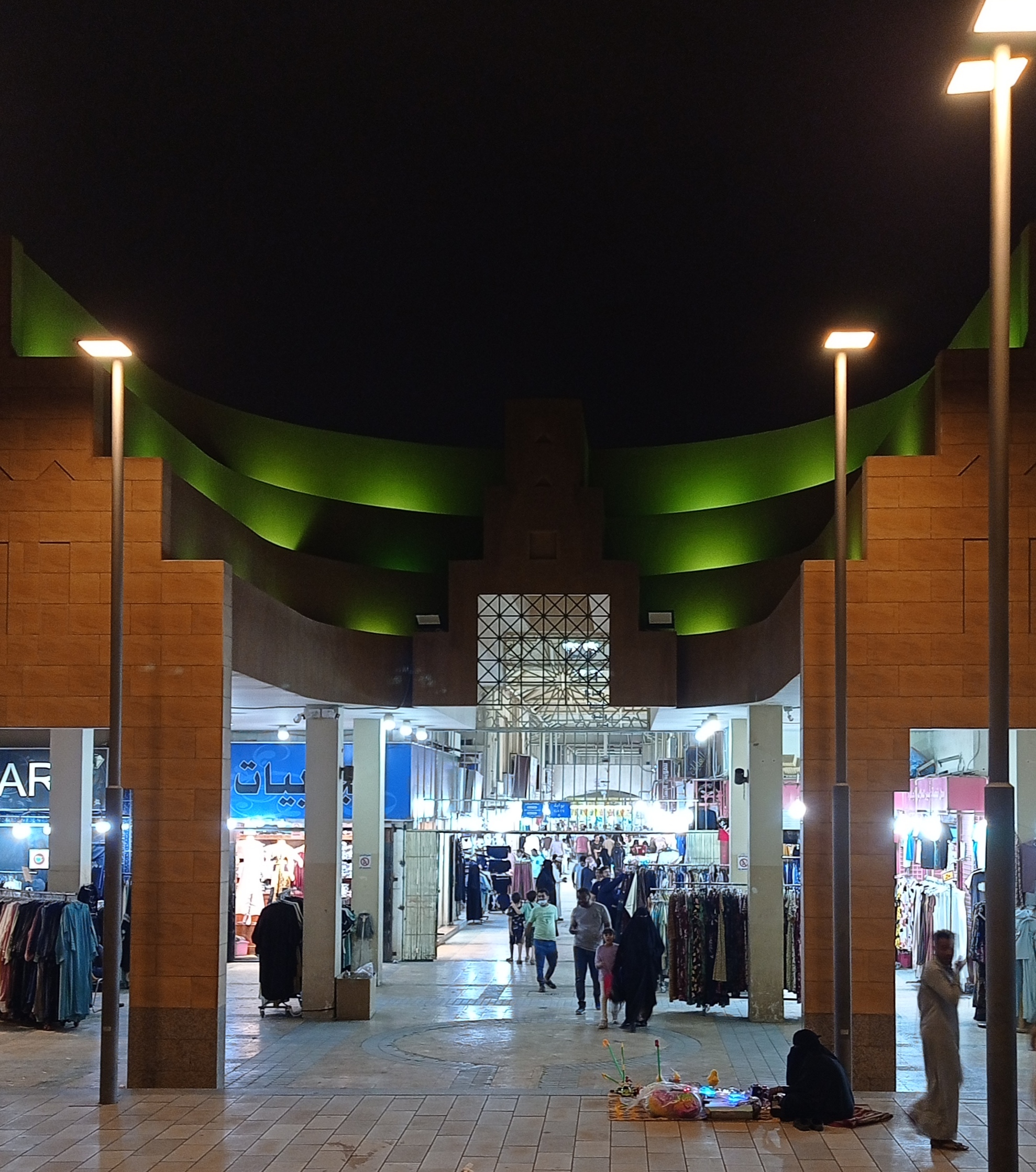
The oldest and most famous gold market in the capital, Deerah Souq (also spelled Dira or Dirah) sits in the historic heart of Riyadh near Al Masmak Fortress. The gold section occupies a dense network of narrow lanes lined with small shops, their windows blazing with displays of chains, bangles, necklaces and bridal sets. Buildings in the current complex date to the 1960s, making it the oldest commercial “mall” in Riyadh.
Deerah is where you will find some of the lowest making charges in the city, because competition between dozens of small dealers keeps margins thin. The atmosphere is authentic — this is where Saudi families come to buy wedding gold, not a tourist attraction. Visit in the evening (after 9 PM) when the souq is busiest and the energy is at its peak.
Location: Al Dirah District, central Riyadh, near Al Masmak Fortress
Hours: Generally 9 AM–12 PM and 4 PM–11 PM (closed during prayer times)
Best for: Traditional 21K and 22K jewellery, competitive prices, authentic souq atmosphere
Al-Batha Gold Market, Riyadh
Located on Abi Ayoub Al-Ansari Street in the Al-Dirah District, Al-Batha is a large gold market known for competitive pricing and a wide range of designs. It operates from 8 AM to 11 PM and attracts both Saudi and expat buyers. Some of the cheapest gold shops in Riyadh can be found here, making it a good option for budget-conscious buyers looking for simple pieces.
Taiba Gold Souq, Riyadh
Also known as Kuwaiti Souq, Taiba is located on King Fahad Road between Olaya and King Fahad Streets on the northern end of Riyadh. It has a mix of small independent shops and mid-range jewellers, offering a variety of designs at affordable rates. It is more accessible than Deerah for visitors staying in the Olaya or Malaz districts. If you are staying near the airport area, this is one of the closer souq options.
Souq Al-Alawi, Jeddah (Al-Balad)
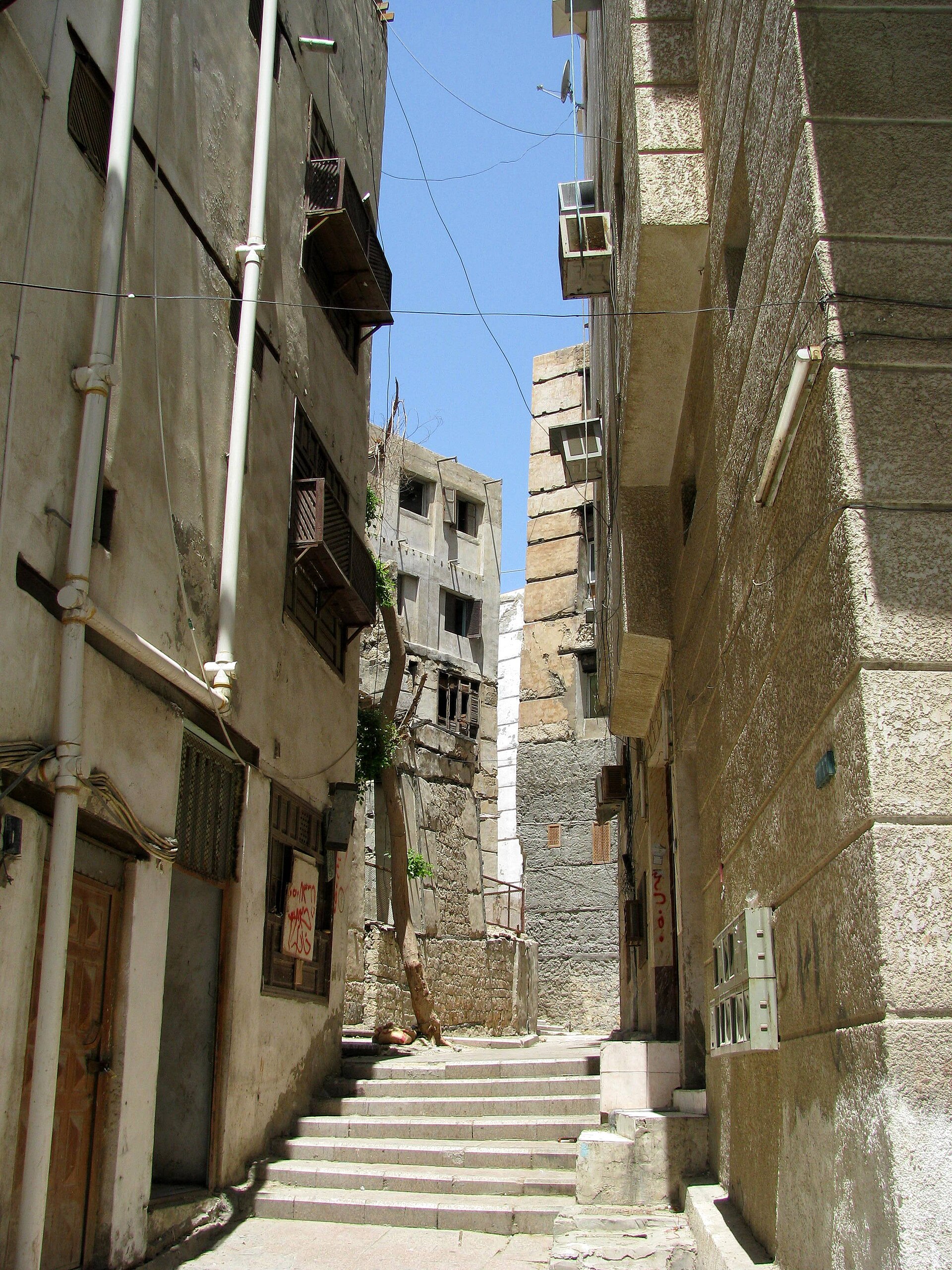
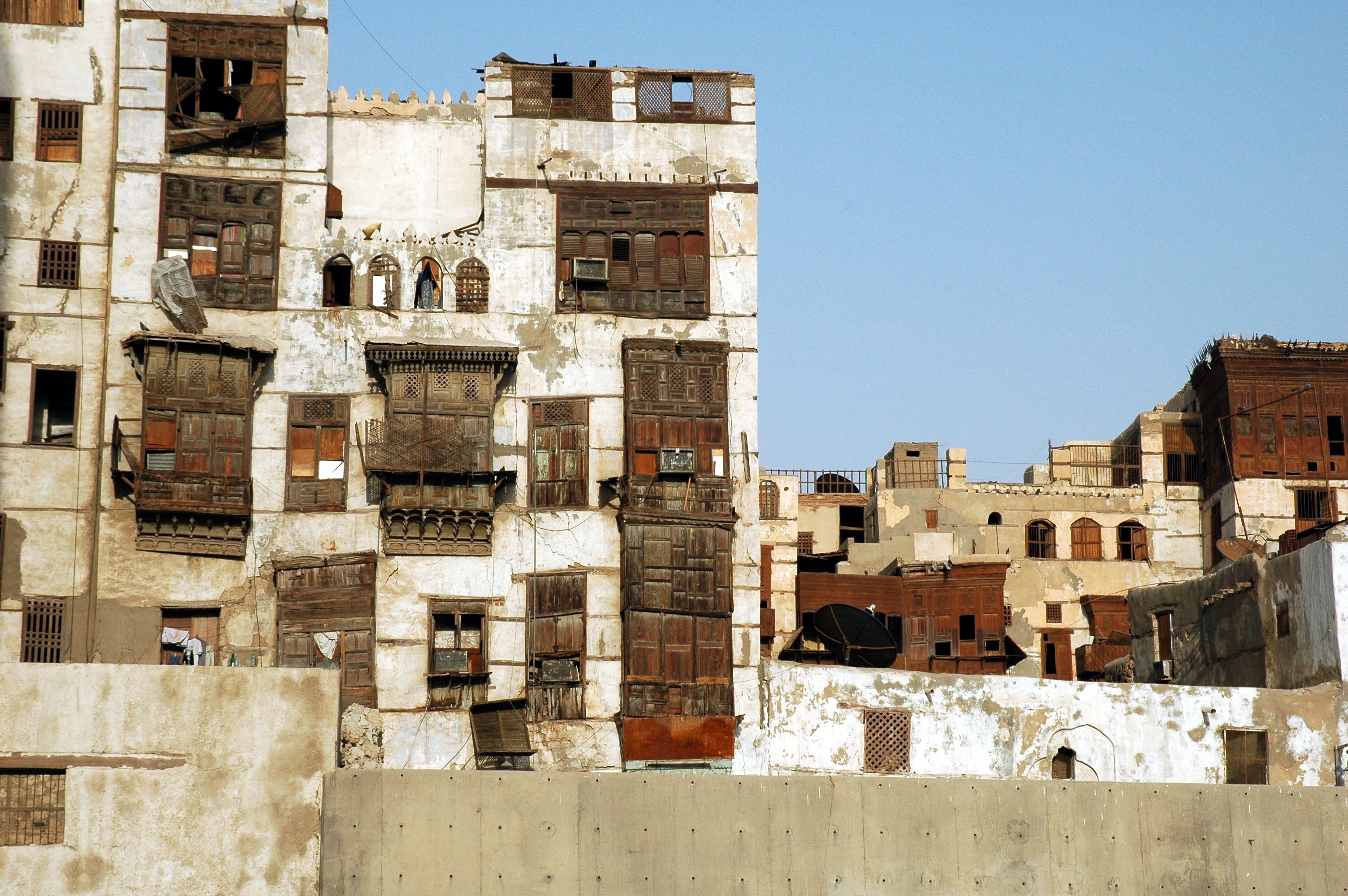
Jeddah’s gold shopping is concentrated in the historic Al-Balad district, a UNESCO World Heritage Site known for its coral-stone buildings and mashrabiya-screened windows. Souq Al-Alawi is the largest and most vibrant traditional market in Jeddah, and its gold section — sometimes called the Balad Gold Market — is found along Gabel Street and the lanes branching off it.
The experience here is unforgettable. You browse gold shops in a labyrinth of narrow alleys surrounded by centuries-old architecture, with perfume sellers, spice merchants and textile dealers on every side. The atmosphere is especially magical in the evening, when soft lighting illuminates the coral facades and the air fills with frankincense. Bargaining is expected and welcomed.
Location: Al-Balad historic district, central Jeddah
Hours: 9 AM–1 PM and 4:30 PM–11 PM (busiest after sunset)
Best for: Atmospheric shopping, traditional designs, combining gold buying with a Jeddah heritage walk
Safa Gold Market, Jeddah
With around 25–30 gold jewellery shops, the Safa district hosts the third-largest gold market in Jeddah. It is more modern than Al-Balad and easier to navigate, with wider streets and air-conditioned shops. A good option if you want serious comparison shopping without the souq hustle.
Al Jawary Gold Market, Hofuf
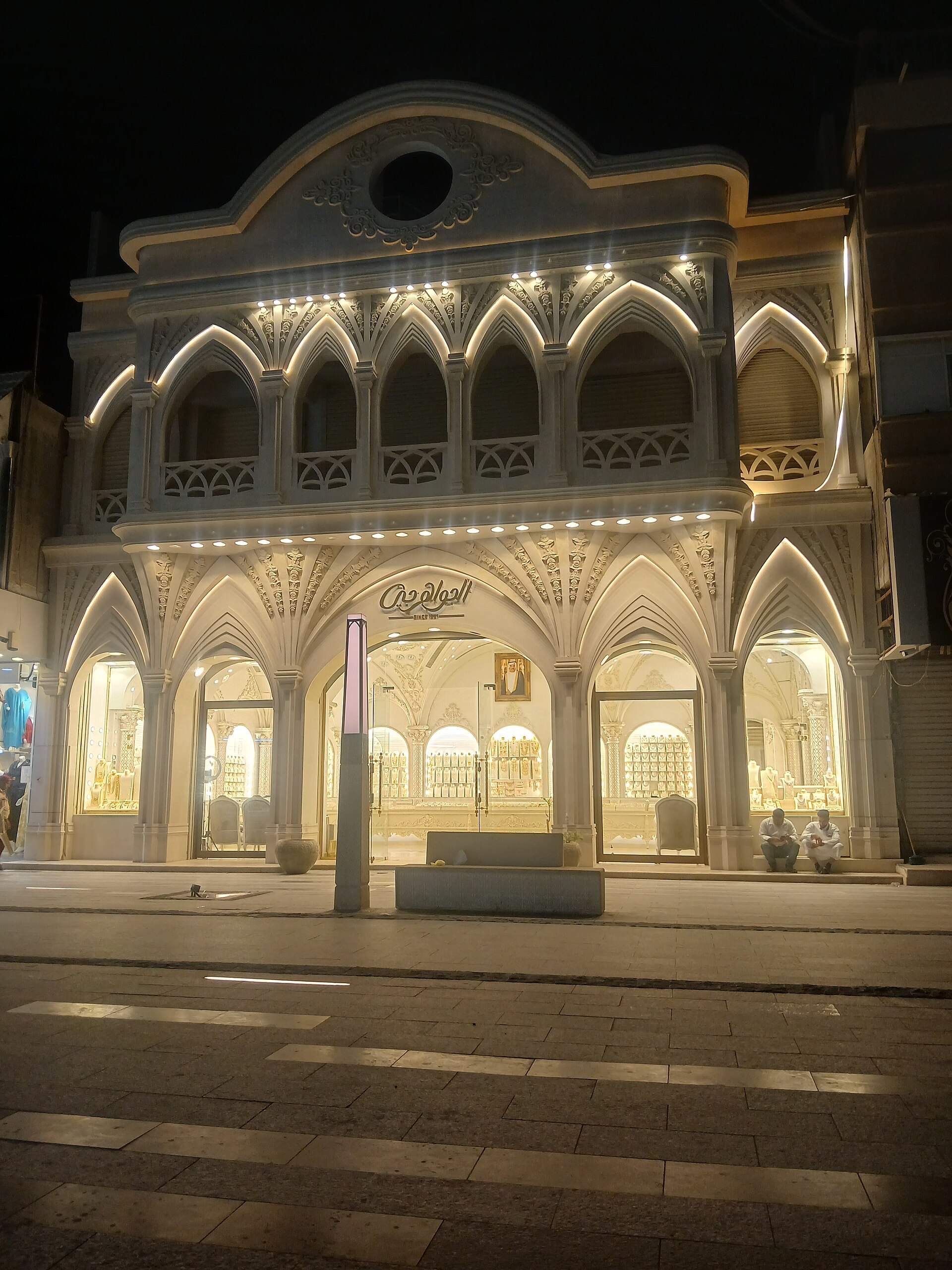
If your travels take you to the Eastern Province, the Al Jawary market in Hofuf is worth a detour. Its grand facade — a white stone building with Gothic-inspired arches — looks more like a palace than a shop. Inside you will find traditional Gulf-style gold designs alongside modern pieces, often at prices slightly lower than Riyadh or Jeddah due to lower demand.
Gold Shops in Makkah and Madinah
Pilgrims performing Hajj or Umrah will find gold shops clustered around the Haram areas in both holy cities. Prices in these locations tend to be slightly higher than in Riyadh or Jeddah due to the captive audience of pilgrims, and making charges are less negotiable. If you are primarily in the Kingdom for pilgrimage but want to buy gold, consider making your purchase in Jeddah before or after your Umrah.
Mall-Based Jewellery Chains
If the souq atmosphere is not for you — or you prefer fixed prices and branded guarantees — Saudi Arabia’s major malls host dozens of jewellery shops. The key chains include:
- L’azurde — Saudi Arabia’s largest publicly listed jewellery company, known for contemporary 18K and 21K designs. Shops in most major malls.
- Malabar Gold & Diamonds — Indian-origin chain with an enormous selection and competitive pricing. Strong presence in Riyadh, Jeddah and Dammam.
- Al Romaizan Gold & Jewellery — Established Saudi brand with traditional and modern collections in 21K and 22K.
- Damas — Dubai-based chain offering luxury and bridal collections, typically in 18K and 22K.
- Jawhara Jewellery — Specialises in Italian-style designs and diamond-set pieces.
Mall shops charge higher making fees than souqs but offer receipts, return policies, authenticity certificates and a comfortable shopping environment. For first-time buyers unfamiliar with bargaining, they are a safe starting point.
How to Haggle for Gold
Bargaining is expected in traditional souqs but follows clear etiquette. Here is how to negotiate effectively:
Before You Enter the Souq
- Check the daily gold price. Look up the current per-gram rate for your target karat on gold.sa or ask your hotel. This is the floor — no one can sell below the spot price.
- Know what you want. Decide on karat, approximate weight and style before you start shopping. This prevents impulse purchases and gives you a benchmark for comparison.
- Bring cash. Card payments are accepted in most shops, but cash gives you slightly more negotiating leverage in souqs.
In the Shop
- Ask for the breakdown. A reputable jeweller will tell you: gold weight in grams, karat, today’s per-gram rate, making charge per gram, and VAT. If a shop cannot or will not give you this breakdown, walk away.
- Negotiate the making charge only. The gold price and VAT are fixed. The only variable is the making charge. Start by asking what the charge is, then counter with a lower figure — typically 20–40% below the first quote in souqs.
- Compare across shops. Visit at least three shops before buying. Souq shops are clustered together precisely because comparison shopping is part of the culture.
- Walk away. If a price does not feel right, politely decline and move on. The shopkeeper may call you back with a better offer. If not, there are dozens more shops in every souq.
Cultural Note: Bargaining is a social interaction, not a confrontation. Be respectful, smile, and enjoy the process. Accepting tea or qahwa (Arabic coffee) from a shopkeeper is part of the experience and does not obligate you to buy.
Hallmarks and Authenticity
Every piece of gold jewellery sold legally in Saudi Arabia must carry a hallmark verified by a SASO-accredited assay office. SASO (Saudi Standards, Metrology and Quality Organization) sets the national standard for gold fineness under Standard 1357:2020.
What to Look For
A legitimate Saudi gold hallmark includes:
- Purity stamp — the numeric fineness (999, 916, 875 or 750)
- SASO logo — a stylised mark confirming the piece has been assayed by an accredited office
- Manufacturer or assayer code — a unique identifier for the workshop or testing facility
Genuine hallmarks are laser-engraved or struck with precision dies. Counterfeit stamps tend to be shallow, blurred or uneven. If you cannot find a hallmark on a piece, do not buy it — no matter how good the price seems.
Tip: Carry a small jeweller’s loupe (10x magnification) or use your phone camera’s macro mode to inspect hallmarks. Reputable shops will not mind — in fact, checking the stamp signals that you are a serious, informed buyer, which often leads to better prices.
Investment Gold: Bars and Coins
Saudi Arabia is an excellent place to buy investment-grade gold. Several banks and authorised dealers sell gold bars and coins, and the key advantage is that investment gold with purity of 99% or higher is exempt from the 15% VAT — a significant saving compared to jewellery.
Where to Buy
- Saudi National Bank (SNB) — sells gold bars and coins through select branches
- Al Rajhi Bank — offers gold savings accounts and physical gold
- Authorised bullion dealers — found in gold souqs and specialist shops, selling LBMA-accredited bars from refiners like PAMP, Valcambi and Emirates Gold
What to Buy
The most common investment products are:
- 1g, 5g, 10g and 1oz (31.1g) bars — the smaller the bar, the higher the premium per gram
- Saudi Gold Guinea coin — a traditional Saudi gold coin (approximately 8g of 22K gold), historically used as a gift for weddings and newborns
- International bullion coins — Krugerrands, Maple Leafs and Britannias are available from specialist dealers
Customs Warning: If you are carrying gold out of Saudi Arabia, you must declare amounts exceeding SAR 60,000 (approximately USD 16,000) in value to Saudi customs. Check your home country’s import duty rules as well — many countries apply duty or VAT on gold jewellery (but not investment bullion) brought in from abroad. Read the full Saudi customs rules before travelling.
Gold as Gifts: Saudi Traditions
Gold is deeply embedded in Saudi culture as a gift. Understanding these traditions can help you choose the right piece:
- Weddings (Mahr) — the groom presents gold to the bride as part of the mahr (dowry). Bridal sets often include a necklace, earrings, bracelet and ring, typically in 21K or 22K, and can weigh 100g or more.
- Newborns — gold coins or small bangles are traditional gifts for new babies, especially girls.
- Eid — gold gifts are exchanged during Eid al-Fitr and Eid al-Adha, driving seasonal demand and making post-Eid a good time for discounts as shops clear inventory.
- Traveller gifts — a simple gold bangle or chain is a classic souvenir from Saudi Arabia, carrying both monetary and sentimental value.
If you are buying gold as a gift to take home, a pair of 21K bangles or a simple chain makes an excellent choice — recognisable, portable and universally appreciated. For a more distinctly Saudi gift, look for pieces with Arabic calligraphy or geometric designs inspired by Islamic art. The Saudi dates guide covers another classic gift option if you want to complement your gold purchase with something edible.
Practical Tips for Gold Buyers
When to Buy
Gold prices fluctuate daily based on international markets. There is no guaranteed “cheap” season, but demand-driven premiums (making charges) tend to be lowest during quieter retail periods — typically January–February and mid-summer (June–August) when the heat keeps casual shoppers away. Wedding season (autumn and spring) and the run-up to Eid push making charges higher.
Payment Methods
Cash (SAR) gets the best prices in souqs. Credit and debit cards are accepted in most shops but some souq dealers add a 1–2% surcharge for card payments. If you need to exchange currency, the Saudi Riyal guide covers the best exchange options. ATMs are plentiful near all major souqs.
Receipts and Documentation
Always insist on a detailed receipt showing: item description, karat, gross weight, making charge, VAT amount and total price. This is essential for customs declarations, VAT refund claims and any future resale. Branded shops provide this automatically; souq dealers should provide it on request.
What Not to Do
- Do not buy gold from street vendors or informal sellers. Only buy from established shops with visible SASO hallmarks on their merchandise.
- Do not assume “Saudi gold” is a karat. This is a marketing term sometimes used overseas — it is not a purity standard. Always verify the hallmark.
- Do not rush. Gold is a significant purchase. Take your time, compare prices and sleep on it if you are unsure. The souq will be there tomorrow.
Getting There and Getting Around
Gold souqs in Riyadh and Jeddah are centrally located and accessible by taxi or ride-hailing apps like Careem and Uber. In Riyadh, the Riyadh Metro connects to stations near the Deerah Souq area. In Jeddah, the Al-Balad district is a short taxi ride from most hotels along the Corniche.
If you are arriving from abroad, you will need a Saudi tourist e-visa — the application takes minutes and is valid for one year with multiple entries. Check the entry requirements before booking your flight.
For visitors combining gold shopping with broader travel, the domestic flights guide covers routes between Riyadh, Jeddah, Dammam and other cities where you will find gold markets.
Explore More Saudi Arabia Travel Guides
- Saudi Arabia Travel Guide 2026 — The complete guide to visiting the Kingdom
- Saudi Riyal: Currency and Exchange Rates — How to get the best deal on currency for your gold purchase
- Saudi Arabia Customs Rules — What you can and cannot bring home, including gold limits
- Saudi Dates Guide — Another classic souvenir to buy alongside gold
- First Time in Saudi Arabia — Everything you need to know for your first visit
- Saudi Arabia Visa Guide — Every visa type explained