
Saudi Arabia’s souks and markets overflow with handcrafted treasures, aromatic perfumes, and centuries-old traditions that make for unforgettable gifts. Whether you are wrapping up a Saudi Arabia travel itinerary or passing through on a pilgrimage, choosing the right souvenir transforms a holiday purchase into a lasting connection with the Kingdom. From the incense-filled corridors of Riyadh’s Souq Al-Zal to the gold-lined stalls of Jeddah’s historic Al Balad, every region offers something distinctive. This guide covers the best items to buy, where to find them, how much to pay, and the etiquette that will earn you a better price.
Best Time to Visit: October–March (cooler weather for souk browsing)
Getting There: International airports in Riyadh (RUH), Jeddah (JED), and Dammam (DMM) serve all major shopping districts
Visa Required: Yes — tourist e-visa available online
Budget: $20–$200/day depending on purchases; gold and oud can push higher
Must-See: Souq Al-Zal (Riyadh), Al Balad (Jeddah), Qaisariah Souq (Al-Hasa)
Avoid: Buying “antiques” without a certificate — exporting genuine archaeological items is illegal
The 12 Best Saudi Souvenirs Worth Buying
1. Oud and Bakhoor (Incense)
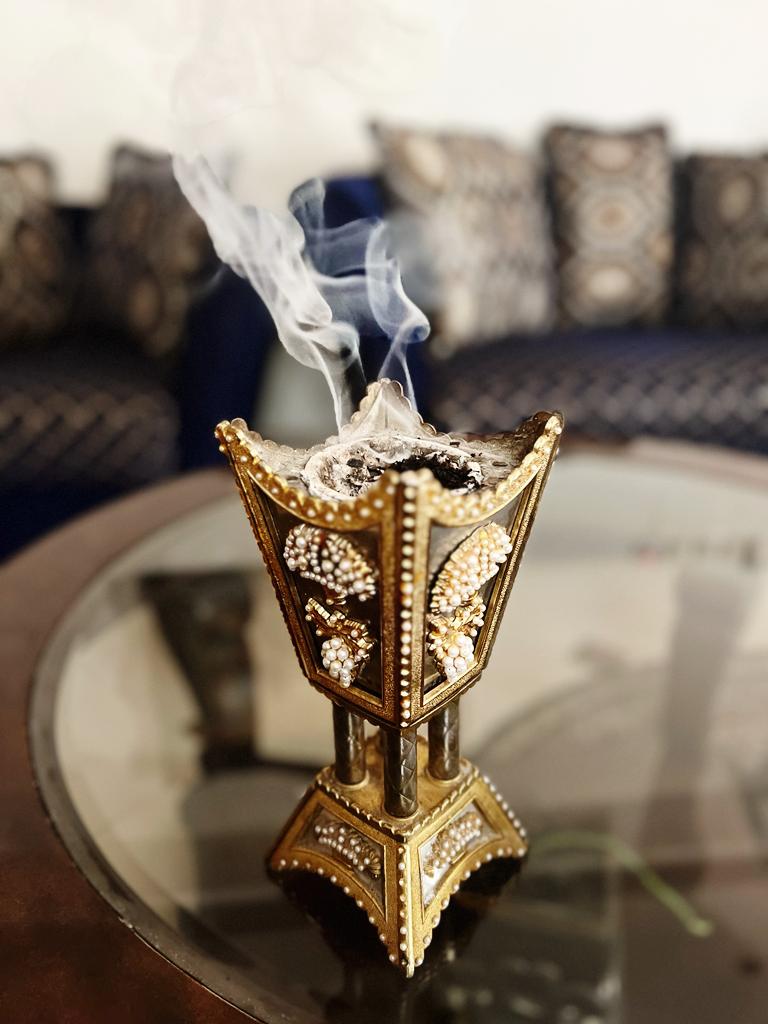
Nothing says Saudi Arabia like the scent of oud. Extracted from the resinous heartwood of the agarwood tree, oud is the signature fragrance of the Gulf — burned in homes, mosques, offices, and even cars. Bakhoor refers to scented wood chips or pressed incense blocks, often blended with sandalwood, amber, and musk. A small box of bakhoor from a traditional souk costs SAR 40–100 ($10–$27), while premium oud oil from brands like Abdul Samad Al Qurashi or Arabian Oud can run SAR 500–1,500 ($130–$400) for a single tola (12ml). Even at the entry level, Saudi bakhoor is noticeably richer than what you will find outside the Kingdom.
2. Dallah (Arabic Coffee Pot)
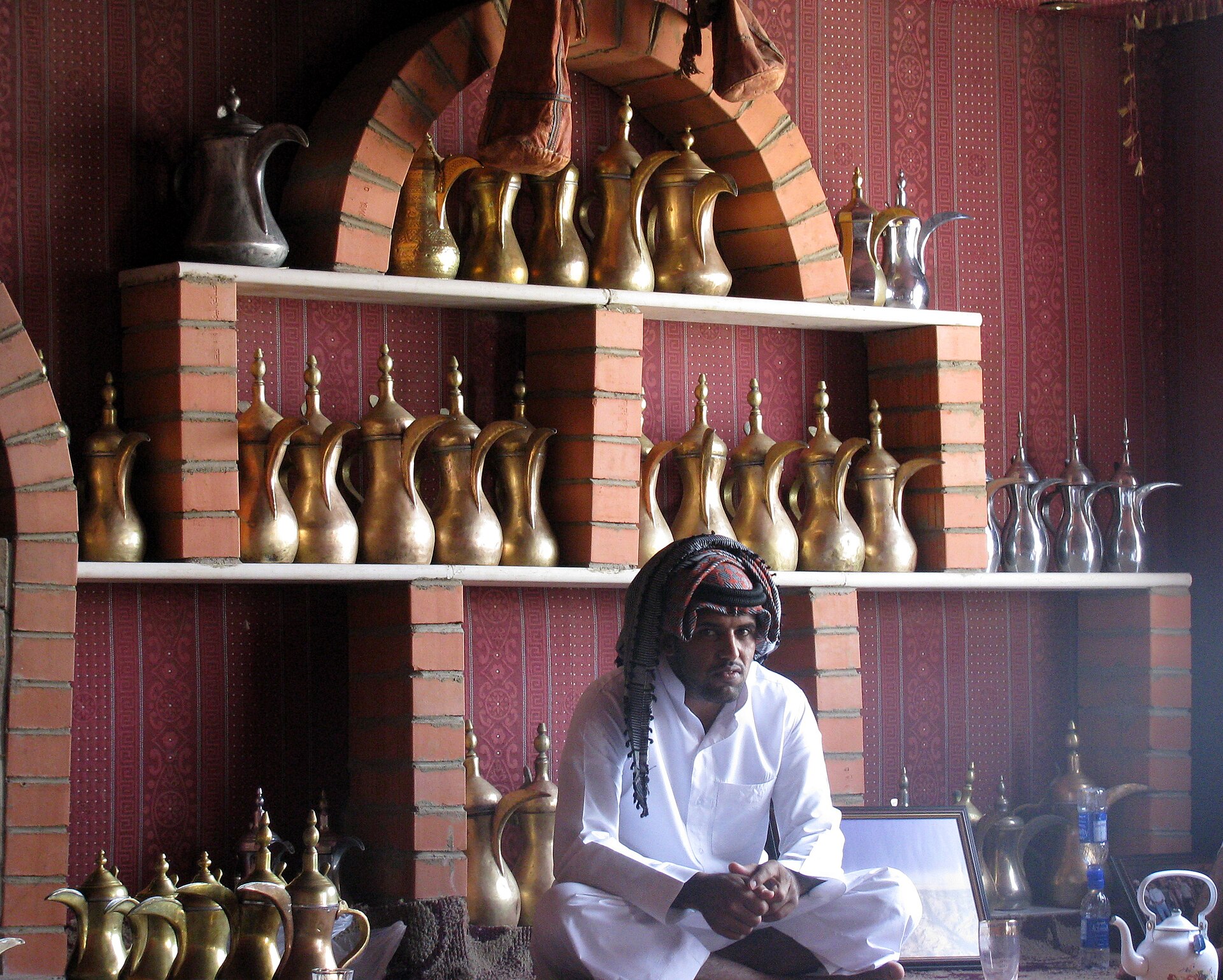
The dallah is more than a coffee pot — it is a national symbol, engraved on the Saudi riyal coin and central to every Saudi gathering. Traditional dallahs are made from brass, copper, or silver, often with intricate hand-engraved geometric patterns. You can find simple decorative pieces for SAR 80–150 ($20–$40) or museum-quality antique dallahs for SAR 400–600+ ($105–$160+). Pair it with a set of finjan (small handleless cups) for the complete Saudi coffee experience. Souq Al-Zal in Riyadh has the widest selection.
3. Saudi Dates
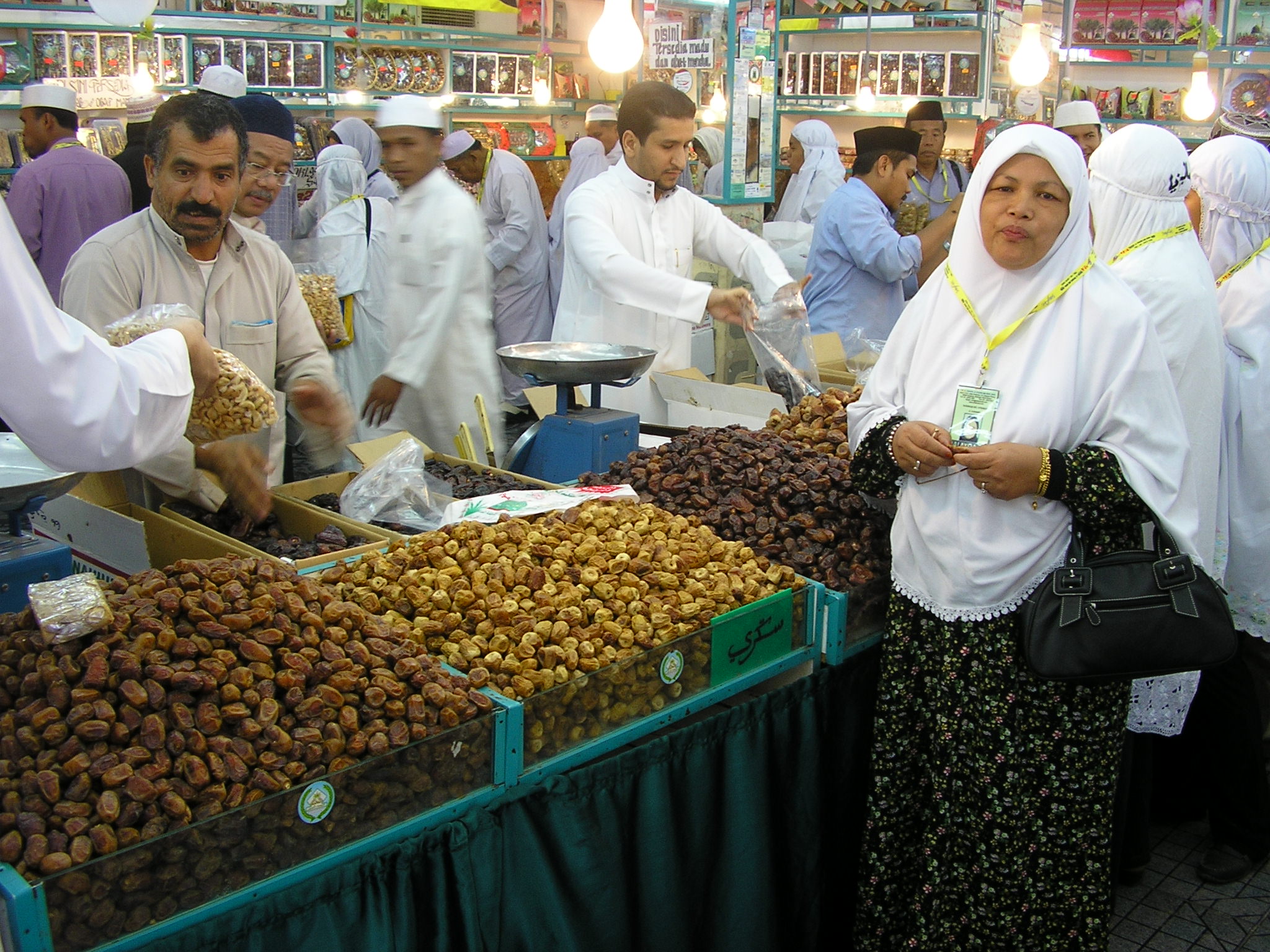
Ajwa dates from Madinah are the most prized variety, dark and soft with a caramel-like sweetness. Sukari dates from Al-Qassim are crystalline and honey-flavoured, while Khudri and Safawi offer excellent value. A beautifully packaged box from luxury brand Bateel — available at Kingdom Centre Mall and major airports — costs SAR 80–300 ($20–$80). Market stalls in Madinah and Al-Hasa sell loose dates for SAR 30–60 per kilogram ($8–$16/kg). Dates are the universal Saudi gift and the easiest souvenir to carry home. For a deeper guide to varieties, seasons, and the best shops, see our Saudi dates guide.
4. Gold Jewellery
Saudi gold is sold at 21K or 22K purity — higher than the 14K or 18K standard in Western countries — and priced by weight with relatively low labour charges. The result: you get more gold for your money than almost anywhere else. Gold souks operate in every major city, with Jeddah’s Souq Al Alawi and Riyadh’s Al Thumairi district among the busiest. Prices start at SAR 200–400 ($53–$107) for simple bangles and climb into the thousands for elaborate necklace sets. The gold price is displayed on screens in every shop and is non-negotiable — but the making charge (labour) is open to bargaining. Always ask for a receipt stamped with the karat weight.
5. Attar and Perfume Oils
Unlike Western perfumes, Saudi attars are alcohol-free oil-based fragrances, applied directly to the skin from small ornate bottles. They are highly concentrated and a single application lasts all day. Rose, musk, amber, and oud are the classic bases. Shops like Abdul Samad Al Qurashi (founded in Makkah in 1852) and Ajmal sell bottles from SAR 30 ($8) to several hundred riyals. For a comprehensive look at where to find the best scents, our Saudi perfume shopping guide covers every city.
6. Misbaha (Prayer Beads)
A misbaha — a string of 33 or 99 beads used for dhikr (remembrance of God) — makes an elegant, lightweight souvenir. Materials range from basic wood and olive seeds to semi-precious stones like carnelian, onyx, and amber. Simple wooden sets cost SAR 10–30 ($3–$8). A handcrafted amber misbaha from Makkah can cost SAR 300–500+ ($80–$130+). Look for them in shops surrounding the Grand Mosque in Makkah and the Prophet’s Mosque in Madinah.
7. Traditional Clothing
A white thobe (the flowing full-length garment worn by Saudi men) is a striking and practical souvenir. Standard thobes cost SAR 100–300 ($25–$80), while bespoke tailored versions run SAR 300–500 ($80–$130). The bisht — the gold-trimmed ceremonial cloak worn over the thobe — is the prestige purchase, starting at SAR 500 ($130) and reaching several thousand for hand-embroidered versions. Women’s abayas have evolved from plain black to intricately designed fashion pieces. Al Thumairi Street in Riyadh and the textile lanes of Al Balad in Jeddah are the best places to shop for traditional garments.
8. Taif Rose Water
The mountain city of Taif, southeast of Makkah, cultivates the Rosa damascena (Damask rose), harvested each spring during a 30-day season. Taif rose water is used in cooking, skincare, and traditional medicine. Small bottles (250ml) cost SAR 20–50 ($5–$13) in Taif itself, and slightly more in Jeddah and Riyadh. Rose oil is the luxury product — a single tola of pure Taif rose oil can cost SAR 500–1,000+ ($130–$265+) due to the enormous quantity of petals needed for extraction. If you are visiting during the Asir and highlands region, a detour to Taif’s rose farms is worth the trip.
9. Arabic Calligraphy Art
Framed Arabic calligraphy — Quranic verses, poetry, or the Bismillah rendered in thuluth, naskh, or diwani script — makes a striking wall piece. Prices range from SAR 50 ($13) for printed reproductions to SAR 500–1,000+ ($130–$265+) for original hand-painted works on canvas or papyrus. The best selections are found in specialist shops in Al Balad (Jeddah) and near the Haram in Makkah. Some artists will create custom pieces with your chosen text — allow 2–3 days for completion.
10. Sadu Woven Textiles
Sadu weaving — the Bedouin craft of creating geometric-patterned textiles from sheep, camel, and goat wool — is a UNESCO-recognised intangible cultural heritage of the Arabian Peninsula. Sadu cushion covers, bags, and small rugs are available in heritage shops and souks, typically priced at SAR 50–400 ($13–$105). AlUla’s handicraft market and the Eastern Province’s Qaisariah Souq in Al-Hasa are two of the best places to find authentic pieces.
11. Camel Milk Chocolate
A distinctly Arabian twist on chocolate, camel milk replaces cow’s milk for a lighter, slightly salty flavour. Al Nassma (based in Dubai but widely sold in Saudi Arabia) is the most recognised brand, with gift boxes starting at SAR 40–80 ($10–$20). Look for it at airport duty-free shops and upscale supermarkets. It travels well and makes a memorable conversation-starter gift.
12. Saudi Swords and Khanjar Daggers
Ornamental swords and curved khanjar daggers with silver-inlaid handles and decorative sheaths are displayed in souks across the Kingdom. They are sold as decorative wall-mount pieces, not functional weapons. Prices range from SAR 100–800+ ($27–$210+) depending on craftsmanship and materials. Important: ornamental blades must go in checked luggage and may face scrutiny at your destination’s customs. Check your home country’s import regulations before purchasing.
Where to Shop: City-by-City Guide
Riyadh
Souq Al-Zal is Riyadh’s oldest and most atmospheric market, established around 1901 in the ad-Dirah neighbourhood. Wander through its covered corridors to find oud, bakhoor, antique dallahs, spices, carpets, hand-carved wooden chests, and traditional clothing. Bargaining is expected and part of the experience. For a full guide to what to see in the capital, check our Riyadh travel guide.
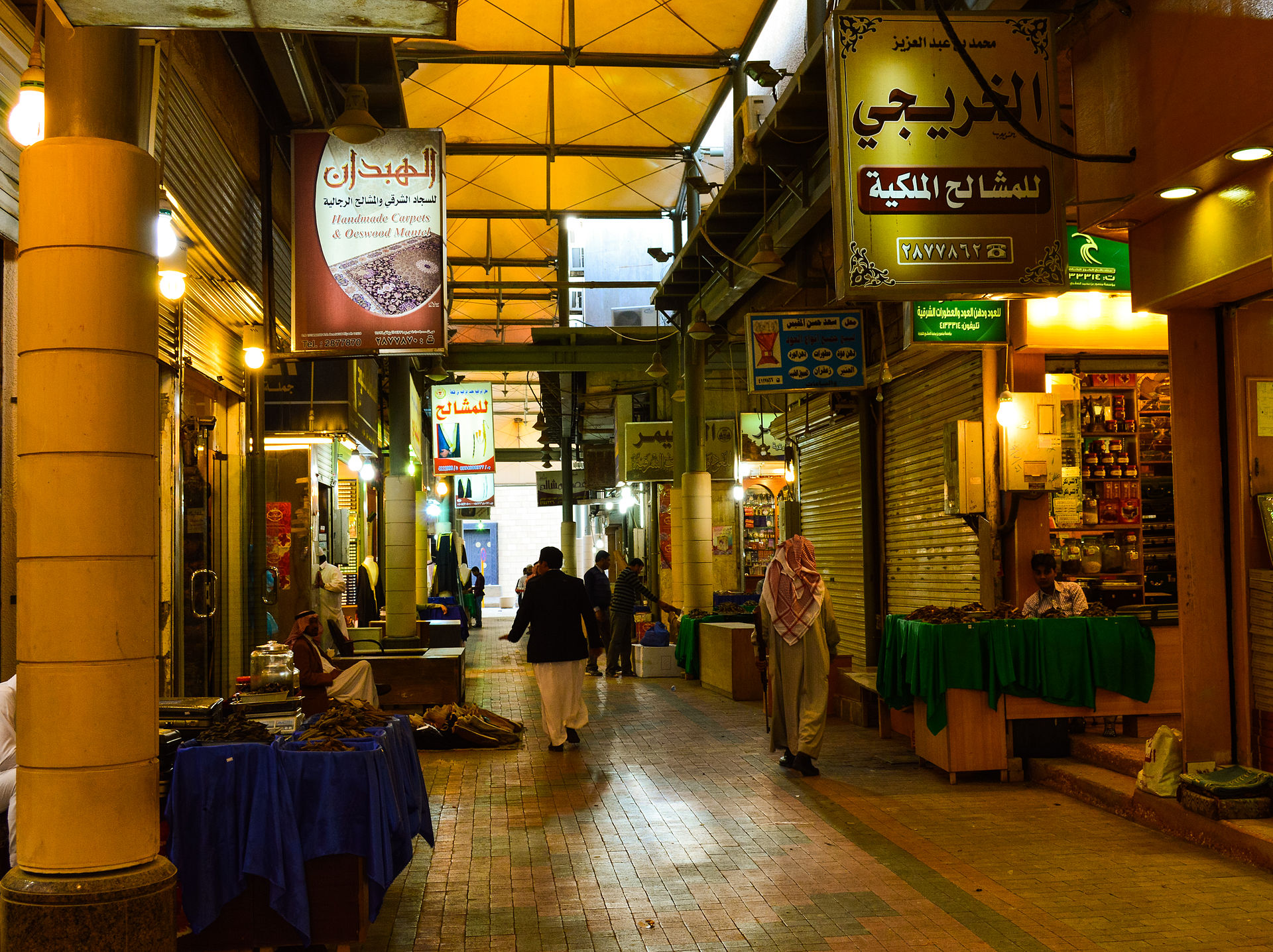
Al Thumairi Street, nearby, specialises in thobes, bishts, and fabrics. For modern retail, Kingdom Centre Mall houses Bateel (dates), Arabian Oud, and international luxury brands. During Diriyah Season, seasonal pop-up artisan markets near the UNESCO-listed At-Turaif district showcase contemporary Saudi craftsmanship.
Jeddah
Al Balad, Jeddah’s UNESCO-listed historic district, is the city’s souvenir epicentre. The labyrinthine streets are lined with 14th-century coral-stone architecture and packed with shops selling perfumes, ceramics, traditional clothing, calligraphy, and handcrafted metalwork. Souq Al Alawi, within Al Balad, is particularly strong for textiles, spices, and gold. Our dedicated Jeddah souq guide maps out every market worth visiting. For broader city planning, see the Jeddah travel guide.
Makkah and Madinah
The streets surrounding the Grand Mosque (Masjid al-Haram) in Makkah and the Prophet’s Mosque (Al-Masjid an-Nabawi) in Madinah are lined with souvenir shops catering to pilgrims. Prayer beads, prayer mats, Zamzam water containers, attar, and Islamic calligraphy dominate. The Abraj Al-Bait (Clock Tower Mall) in Makkah offers five stories of gift and souvenir shopping steps from the Haram. In Madinah, the date shops along the roads leading to the mosque are the place to buy Ajwa dates directly. For pilgrimage planning, see our Hajj 2026 guide.
AlUla
AlUla’s growing artisan scene includes a Handicraft Market near the old town, where local artists sell pottery, silver jewellery, woven Sadu textiles, palm-frond baskets, and decorative items inspired by the Nabataean heritage of nearby Hegra. Prices tend to be fair and fixed (less bargaining than Riyadh or Jeddah). See our AlUla travel guide for the full experience.
Eastern Province — Qaisariah Souq, Al-Hasa
One of the oldest markets in Saudi Arabia, dating to 1822, Qaisariah Souq in Al-Hasa covers 7,000 square metres across 422 shops and 14 gates. It is particularly strong for gold, spices, perfumes, and handwoven textiles. The souk underwent a careful restoration that preserved its historic character while adding modern fire-safety systems. For more on the Eastern Province, see our Dammam and Al Khobar travel guide.
Price Guide: What to Expect to Pay
| Item | Budget (SAR) | Budget (USD) | Premium (SAR) | Premium (USD) |
|---|---|---|---|---|
| Bakhoor (box) | 40–100 | $10–$27 | 200–500 | $53–$133 |
| Oud oil (tola/12ml) | 150–400 | $40–$107 | 500–1,500 | $133–$400 |
| Dallah (coffee pot) | 80–150 | $21–$40 | 400–600+ | $107–$160+ |
| Dates (1kg box) | 30–60 | $8–$16 | 100–300 | $27–$80 |
| Gold bangle | 200–400 | $53–$107 | 1,000–3,000+ | $267–$800+ |
| Misbaha (prayer beads) | 10–50 | $3–$13 | 200–500+ | $53–$133+ |
| Thobe | 100–200 | $27–$53 | 300–500 | $80–$133 |
| Attar/perfume oil | 30–100 | $8–$27 | 200–800 | $53–$213 |
| Sadu cushion cover | 50–100 | $13–$27 | 200–400 | $53–$107 |
| Calligraphy (framed) | 50–150 | $13–$40 | 500–1,000+ | $133–$267+ |
Tip: All prices are approximate and based on 2025–2026 market rates. The exchange rate is roughly 1 USD = 3.75 SAR. Gold prices fluctuate daily — check the live rate on screens in any gold souk before buying.
Bargaining Etiquette: How to Get the Best Price
Bargaining is expected and enjoyed in traditional souks — Souq Al-Zal, Al Balad, Qaisariah, and the markets around the Harams. Here is how to do it well:
- Start at roughly 50% of the opening price and negotiate toward a middle ground. Sellers expect this and price accordingly.
- Bundle items for a better deal. Buying three boxes of bakhoor? Ask for a package price.
- Carry cash. Cards are accepted in malls, but souk vendors prefer cash — and may offer a small discount for it.
- Walk away politely if the price does not suit you. This is the most effective negotiating tool and no one will be offended.
- Use your right hand when handing over money or receiving goods — this is standard cultural courtesy in Saudi Arabia.
- Do not bargain in malls, branded stores (Bateel, Arabian Oud, Abdul Samad Al Qurashi), or any shop with fixed price tags.
- Archaeological artefacts: Saudi Arabia prohibits the export of genuine antiquities. Only buy items with a certificate confirming they are reproductions.
- Counterfeit goods: Widely available in some souks but illegal to import into most Western countries. Customs officers know what to look for.
- Zamzam water: Airlines typically restrict passengers to 5–10 litres. Check your airline’s specific policy before buying large quantities.
- Ornamental swords and daggers: Must travel in checked luggage. Some countries (UK, Australia) restrict the import of bladed items regardless of decorative intent — verify before purchasing.
- Wildlife products: Avoid anything made from coral, certain shells, ivory, or other protected species.
- Alcohol-based perfumes: Oil-based attar avoids this issue entirely, but some countries limit the import of alcohol-based fragrances in checked luggage.
- Pack light on arrival and leave suitcase space for purchases. Alternatively, buy an inexpensive duffel bag at the souk.
- Shop early or late. Traditional souks are quietest (and coolest) in the morning or after Isha prayer. Avoid the midday heat, especially from April to October.
- Airport duty-free at Riyadh (RUH), Jeddah (JED), and Dammam (DMM) carries dates, oud, chocolates, and perfumes at fixed prices — convenient but rarely the cheapest option.
- VAT refund: Saudi Arabia charges 15% VAT. Tourists can claim refunds on purchases over SAR 300 at participating retailers through the Planet Tax Free scheme — look for the logo and ask for a tax-free form at checkout.
- Visa reminder: Make sure your tourist e-visa is sorted before you arrive. The online application takes about 15 minutes.
- Bakhoor sampler box
- Date box (500g) from a market stall
- Wooden misbaha
- Camel milk chocolate bar
- Small bottle of Taif rose water
- Arabic coffee spice mix (cardamom, saffron, clove)
- Decorative brass dallah
- Bateel gift box of premium dates
- Attar perfume oil set
- Sadu woven cushion cover
- Printed calligraphy in a frame
- Basic thobe or abaya
- Pure oud oil (tola)
- 21K or 22K gold jewellery
- Hand-embroidered bisht
- Original hand-painted calligraphy
- Antique silver khanjar dagger
- Amber or onyx misbaha set
- Saudi Arabia Travel Guide 2026 — The complete guide to visiting the Kingdom
- Jeddah Souq Guide — Every traditional market in Jeddah mapped and explained
- Saudi Perfume Shopping — Where to buy oud, bakhoor, and attar across Saudi Arabia
- Saudi Dates Guide — Best varieties, where to buy, and how to gift them
- Saudi Coffee Culture — Qahwa, cafes, and the ritual behind every cup
- Saudi Arabia Visa Guide — Every visa type explained
Prayer time pause: All shops close briefly during each of the five daily prayers. Expect closures of 20–30 minutes. Plan your souk visits around prayer times, or use the breaks for a tea or street food stop nearby.
What Not to Buy: Customs Restrictions
Before filling your suitcase, be aware of these restrictions: