
Formula E has been racing in Saudi Arabia since 2018, making the Kingdom one of the longest-running hosts on the all-electric championship calendar. For six seasons the Diriyah E-Prix turned the streets beside Riyadh’s UNESCO-listed At-Turaif district into a floodlit circuit — the first night race in Formula E history. Since 2025, the Saudi round has moved to the Jeddah Corniche Circuit on the Red Sea coast. Whether you are planning a trip around race weekend or want to combine motorsport with wider sightseeing, this guide covers circuits, tickets, travel logistics and what to see before and after the chequered flag. For a full overview of the capital, see our Riyadh Travel Guide.
Best Time to Visit: February (race weekend) — mild winter temperatures of 18–25 °C
Getting There: Fly to Jeddah (JED) for the current Jeddah E-Prix, or Riyadh (RUH) to visit the historic Diriyah circuit site
Visa Required: Yes — tourist e-visa available online
Budget: $80–200/day (budget to mid-range), $300+ for race-weekend hotels
Must-See: Jeddah Corniche Circuit night race, At-Turaif UNESCO heritage district in Diriyah, Bujairi Terrace dining
Avoid: Booking accommodation after tickets sell out — Jeddah hotels spike 2–3× on race weekend
A Brief History of Formula E in Saudi Arabia
Saudi Arabia entered the Formula E calendar in December 2018 when the Diriyah E-Prix opened Season 5 on a purpose-built street circuit in the historic district of Diriyah, on the north-western outskirts of Riyadh. BMW’s António Félix da Costa took that inaugural victory — and the first win for the Gen2 car. The race quickly became a calendar fixture, running as a double-header from 2019 onwards, with two races staged on consecutive days each January or February.
In 2021, Diriyah hosted Formula E’s first-ever night race, with low-power LED floodlights illuminating the mud-brick walls of the At-Turaif district. Nyck de Vries won that landmark event for Mercedes-EQ. Night racing became the standard format for all subsequent Saudi rounds.
After six editions spanning Seasons 5 through 10, the Diriyah E-Prix held its final race in January 2024. The site was needed for the $70 billion Diriyah Gate development project, a massive heritage-led urban regeneration scheme transforming the area into a cultural destination with 38 planned hotels, museums and restaurants. From the 2024–25 season onward, Formula E relocated to the Jeddah Corniche Circuit, where the series now races under the lights on a modified version of the Formula 1 track.
Winners at Diriyah (2018–2024)
| Season | Year | Race 1 Winner | Race 2 Winner |
|---|---|---|---|
| Season 5 | 2018 | António Félix da Costa (BMW) | — |
| Season 6 | 2019 | Sam Bird (Envision Virgin) | Alexander Sims (BMW) |
| Season 7 | 2021 | Nyck de Vries (Mercedes-EQ) | Sam Bird (Jaguar) |
| Season 8 | 2022 | Nyck de Vries (Mercedes-EQ) | Edoardo Mortara (Venturi) |
| Season 9 | 2023 | Pascal Wehrlein (Porsche) | Pascal Wehrlein (Porsche) |
| Season 10 | 2024 | Jake Dennis (Andretti) | Nick Cassidy (Jaguar) |
Winners at Jeddah (2025–present)
| Season | Year | Race 1 Winner | Race 2 Winner |
|---|---|---|---|
| Season 11 | 2025 | Maximilian Günther | Oliver Rowland |
| Season 12 | 2026 | Pascal Wehrlein | António Félix da Costa |
The Diriyah Street Circuit (2018–2024)
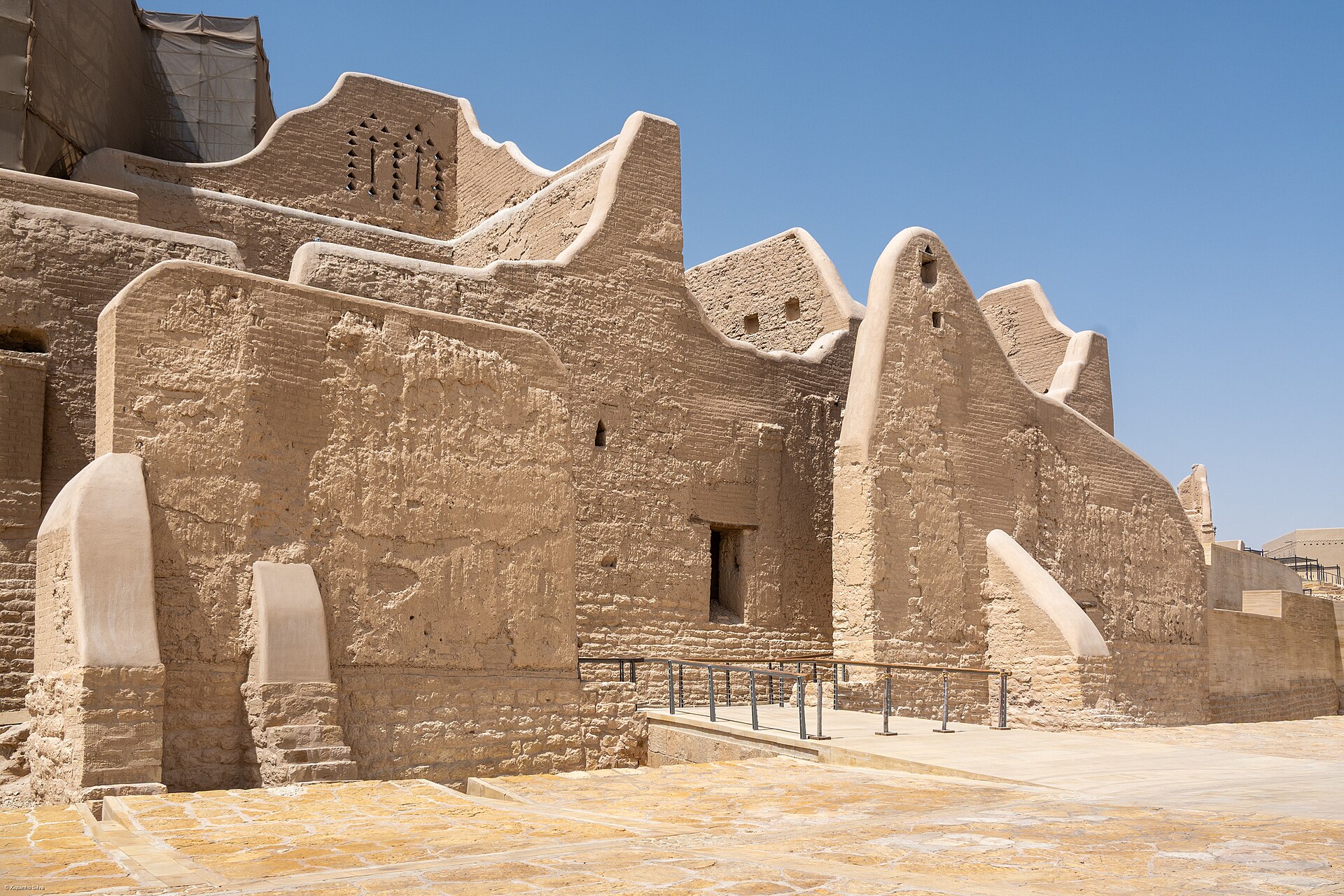
The original Riyadh Street Circuit wound through the streets of Diriyah, adjacent to the At-Turaif UNESCO World Heritage site. The circuit measured 2.495 km (1.55 miles) with 21 turns running in a clockwise direction. Its layout was distinctly technical: a tight first sector threaded between ancient adobe walls, a snaking sequence nicknamed the “Bobsleigh Run” through Turn 6, and a longer back straight that rewarded energy management.
What made Diriyah unique among Formula E venues was its setting. The mud-brick palaces and town walls of At-Turaif — the original capital of the First Saudi State from 1727 to 1818 — rose directly behind the barriers. Under the LED floodlights introduced in 2021, the circuit offered one of the most atmospheric spectacles in motorsport. Drivers faced uphill climbs, downhill plunges, blind corners and tight chicanes, with multiple overtaking opportunities despite the narrow layout.
Though racing has moved on, the Diriyah district remains one of Riyadh’s most compelling destinations. The At-Turaif site is open to visitors, and Bujairi Terrace — a 15,000 square metre dining complex adjacent to the heritage quarter — hosts over 20 restaurants including Hakkasan, Angelina Paris, Long Chim and traditional Saudi restaurants like Maiz. A Diriyah Pass grants entry to the heritage sites, and its cost can be redeemed as credit when dining at Bujairi Terrace restaurants.
The Jeddah Corniche Circuit (2025–present)
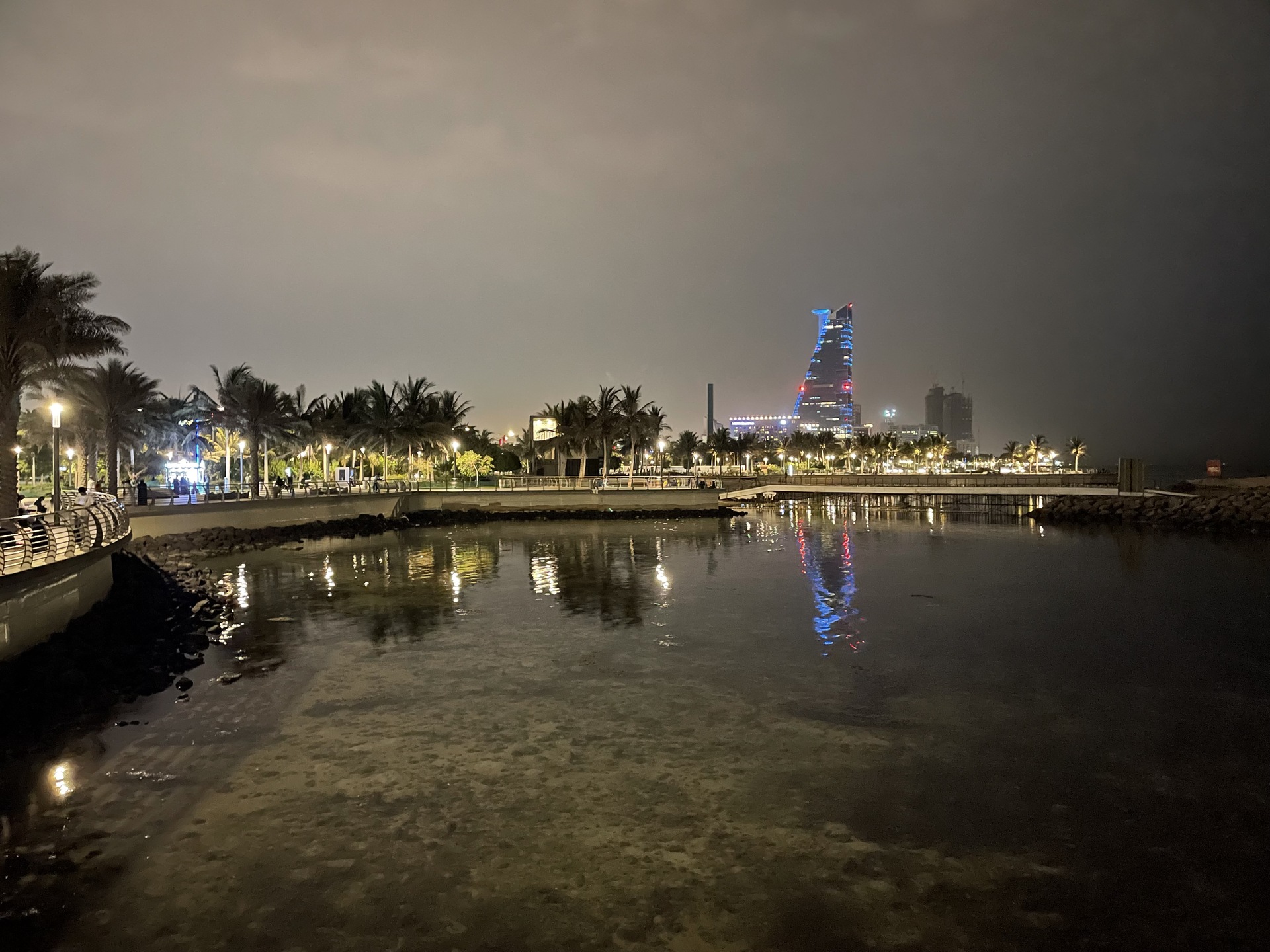
Since Season 11, Formula E races on the Jeddah Corniche Circuit, the same Red Sea waterfront venue used by Formula 1 for the Saudi Arabian Grand Prix. The Formula E layout is a modified version of the F1 configuration: a 3.001 km (1.865 mile) track with 19 turns, featuring a hairpin connecting Turn 3 to Turn 22 on the F1 layout, plus four additional chicanes inserted on the front and back straights to suit the characteristics of the all-electric Gen3 cars.
Races take place at night under floodlights, continuing the tradition established at Diriyah. The Red Sea coastline provides a dramatic backdrop, and the long start-finish straight fires the field into a technical first-sector chicane before they blast through the sweeping middle section. The Attack Zone at Turn 13 adds a strategic element — drivers must divert off the racing line to activate extra power, creating natural overtaking opportunities.
Each Jeddah E-Prix weekend is a double-header, with two separate races on consecutive days. The event typically takes place in mid-February, making it the first double-header of the Formula E season. The 2026 races were held on February 13 and 14.
How Formula E Works: A Beginner’s Guide
If you are new to Formula E, the format differs from traditional motorsport in several key ways. Understanding the basics will make your race-day experience considerably richer.
The Cars
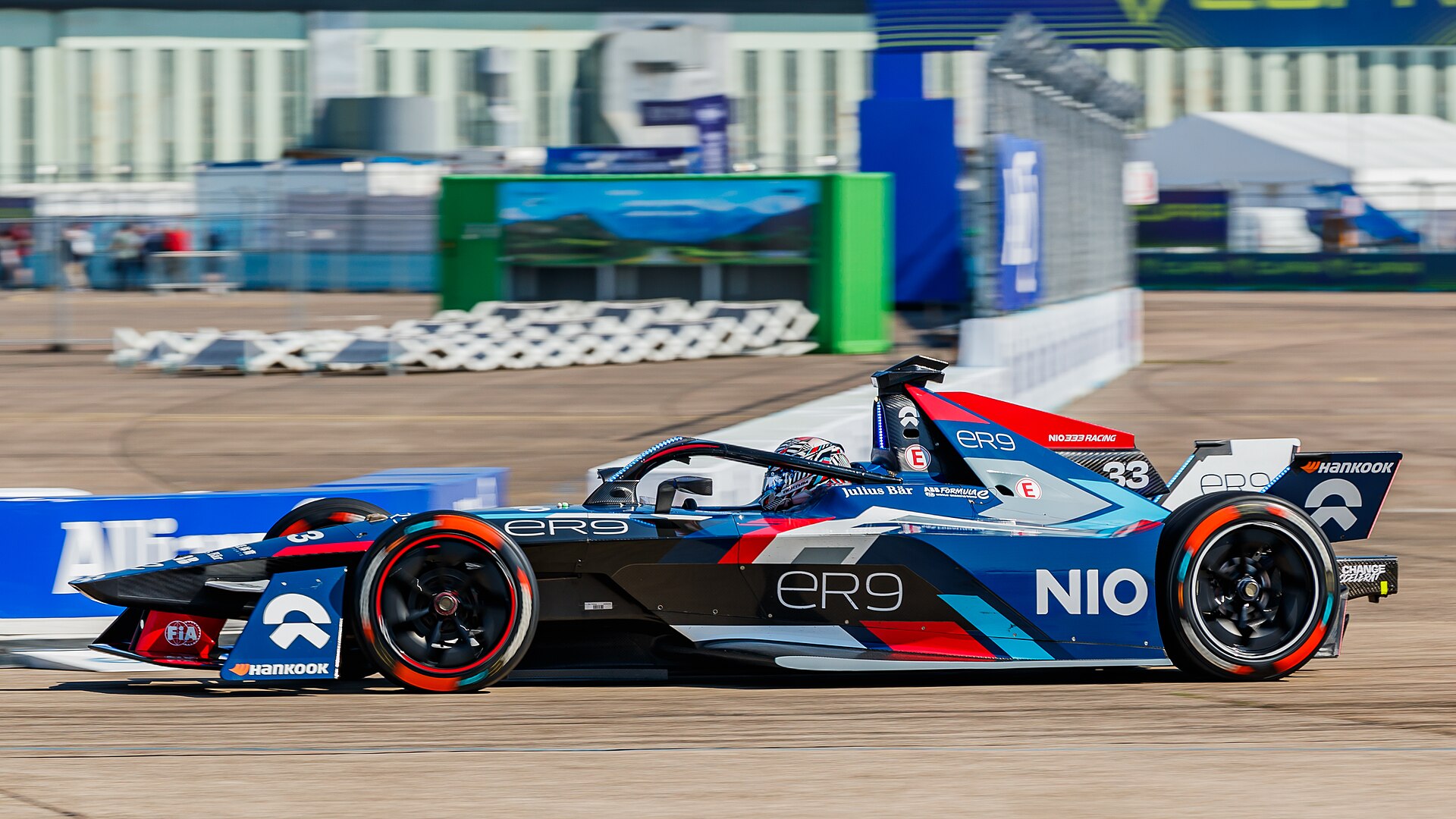
Formula E uses Gen3 single-seater electric cars, capable of speeds exceeding 320 km/h (200 mph). Unlike Formula 1, all teams use the same chassis (manufactured by Spark Racing Technology), but each team develops its own electric powertrain. The cars feature regenerative braking — up to 40% of the energy used in a race is recovered through braking, meaning there are no rear brakes at all. The front wheels handle all mechanical braking.
Race Format
Each E-Prix follows a condensed one-day format. Free practice, qualifying and the race all happen on the same day. Qualifying uses a knockout format, with the fastest four drivers competing in a head-to-head “Duel” shootout for pole position. Races are typically 31 laps at Jeddah, lasting around 45 minutes.
Attack Mode and PIT BOOST
Attack Mode gives drivers a temporary power increase (from 300 kW to 350 kW) when they drive through a designated activation zone off the racing line. Each driver must use Attack Mode a set number of times per race, creating strategic variety and overtaking opportunities. For the 2025–26 season, PIT BOOST was introduced — an additional power boost activated during a mandatory pit stop.
Tickets: Categories, Prices and How to Buy
Formula E tickets in Saudi Arabia are significantly more affordable than Formula 1, making it an accessible entry point for motorsport fans. For the 2026 Jeddah E-Prix, tickets were available through the official Formula E website and the WeBook booking platform.
Ticket Categories
| Category | Approximate Price (SAR) | Approximate Price (USD) | What’s Included |
|---|---|---|---|
| General Admission (1 day) | 80 | ~$21 | Fan Village access, trackside viewing areas, gaming arena, live entertainment |
| Grandstand (1 day) | 120 | ~$32 | Assigned grandstand seating with circuit views, plus full Fan Village access |
| 2-Day General Admission | 140–160 | ~$37–43 | Both race days, Fan Village, entertainment |
| Emotion Club | 23,400+ | ~$6,200+ | Premium hospitality: gourmet dining, open bar, lounge, post-race concert access |
Tip: Register for a free account on the Formula E website before tickets go on sale. Registered users get access to early-bird pricing and priority booking windows, which can save 10–20% on published prices. Tickets for the Saudi round typically sell out within days of release.
Where to Buy
- Official Formula E website — fiaformulae.com (primary sales channel)
- WeBook — the official Saudi ticketing partner
- Platinumlist — secondary authorised reseller for Saudi events
- Gaming Arena: Race simulators where fans can drive a virtual version of the Jeddah circuit
- Live Music: Performances throughout the day, with a headline concert after the Friday race. In 2026, Grammy Award-winning rapper Future headlined
- Activity Zones: Interactive experiences, partner activations, and dedicated family areas with games and entertainment for children
- Food Court: A wide selection of restaurants, cafes and food vendors serving local Saudi and international cuisine
- Team Zones: Get close to the teams’ garages during pit walks (usually available during practice sessions)
- Ride-hailing: Uber and Careem are the easiest options. Set your drop-off to the designated event arrival zone — the apps will route you around closures
- Event shuttles: Official shuttle buses run from designated parking areas and key hotels
- Taxi: Available but expect surge pricing on race evenings
- Driving: Parking passes are sometimes bundled with tickets but must be collected in advance from the Visitor Centre. Arrive early — at least 2 hours before the race — to clear security checks
- Luxury (SAR 1,500–3,000+/night): Park Hyatt Jeddah, Rosewood Jeddah, The Ritz-Carlton Jeddah — all within 15–20 minutes of the circuit
- Mid-range (SAR 500–1,200/night): Radisson Blu Jeddah Corniche, Mövenpick Hotel Jeddah, Novotel Jeddah Tahlia — reliable international chains with race-weekend availability
- Budget (SAR 200–500/night): Ibis Jeddah City Center, Al Waleed Hotel — basic but functional, book well in advance
- Al-Balad (Historic Jeddah): The UNESCO-listed old town, with coral-stone tower houses, traditional souks and the Nassif House Museum. A 20-minute drive from the circuit
- King Fahd Fountain: The world’s tallest fountain, shooting water 312 metres into the air from the Jeddah Corniche — visible from the circuit area
- Jeddah Corniche: The 30 km waterfront promenade is perfect for an evening walk, with public art sculptures, cafes and Red Sea views
- Diving and snorkelling: The Red Sea coral reefs off Jeddah are world-class. If you have an extra day, a boat trip to the offshore reefs is unforgettable — see our Saudi Arabia Diving Guide
- At-Turaif District: The UNESCO World Heritage site — restored mud-brick palaces of the First Saudi State. Open daily with guided tours available
- Bujairi Terrace: Over 20 restaurants overlooking At-Turaif, from Hakkasan to traditional Saudi cuisine at Maiz and Takya
- Riyadh Boulevard: The entertainment district in Riyadh Season, with restaurants, shows, and events
- Edge of the World (Jebel Fihrayn): A dramatic escarpment 90 minutes from Riyadh — one of the Kingdom’s most photographed natural sites. Best visited in winter when temperatures are mild
- Light, breathable clothing — February temperatures in Jeddah are comfortable (18–28 °C) but it gets cooler after sunset
- Bring a light jacket or hoodie for evening sessions
- Comfortable walking shoes — you will be on your feet for hours in the Fan Village and grandstands
- Dress code is relaxed at Formula E events, but remember Saudi cultural norms: shoulders and knees should generally be covered in public areas outside the venue
- Sun protection (hat, sunscreen) for the afternoon hours
- A portable phone charger — you will be taking photos and videos all day
- Water bottle — staying hydrated is important, and refill stations are available
- Ear protection is optional — Formula E cars are significantly quieter than F1, but the Gen3 cars still produce a distinctive high-pitched whine at full speed
- Card payments are widely accepted at the venue and throughout Saudi Arabia. The Saudi Riyal (SAR) is pegged to the US dollar at approximately 3.75:1
- Get a local SIM card or eSIM for data — you will want fast connectivity for sharing content and using ride-hailing apps
- Free Wi-Fi is available in the Fan Village but can be slow during peak moments
- Riyadh Travel Guide 2026 — Things to do, the metro, Diriyah and where to stay in the Saudi capital
- Saudi Arabia in February — Weather, events and what to do during race season
- MDL Beast Festival Riyadh — The Kingdom’s massive music festival in the capital
- Saudi Founding Day — The February 22 national holiday, perfect to combine with Formula E
- Saudi Arabia Travel Guide 2026 — The complete guide to visiting the Kingdom
- Saudi Arabia Visa Guide — Every visa type explained
Children’s tickets and family packages are usually available at reduced rates. Check the official event page for the latest pricing when tickets go on sale, typically 2–3 months before race weekend.
The Fan Village and Entertainment
Formula E is as much a festival as a race. The Allianz Fan Village at the Jeddah E-Prix is a large entertainment zone open to all ticket holders, offering a full day of activities beyond the racing.
What to Expect
For families: The Fan Village includes dedicated children’s activity areas with games, simulators and interactive experiences. Formula E events are family-friendly, and the relatively compact venue means you won’t spend hours walking between attractions. The February weather is ideal — warm during the day (20–25 °C) and pleasant in the evening.
Getting to the Race
Flying to Jeddah
King Abdulaziz International Airport (JED) is the gateway to the Jeddah E-Prix, served by Saudia, flynas, flyadeal, Emirates, Turkish Airlines, British Airways and dozens of other carriers. The airport’s modern Terminal 1 opened in 2019 and handles most international flights. For a detailed arrival guide, see our Jeddah Airport guide. If you need a Saudi tourist visa, the e-visa can be obtained online in minutes for citizens of 63 eligible countries.
Getting to the Circuit
The Jeddah Corniche Circuit is located along the waterfront in central Jeddah. On race days, expect road closures and heavy traffic around the venue.
Practical tip: The race starts after sunset. Plan to arrive mid-afternoon to explore the Fan Village, watch qualifying (if it’s a same-day schedule), and secure your position before the lights go on. The atmosphere builds through the afternoon and is electric by the time the cars line up on the grid.
Visiting the Original Diriyah Circuit Site
If you are flying into Riyadh (King Khalid International Airport, RUH) — perhaps combining motorsport history with broader Saudi sightseeing — the original Diriyah circuit site is easily accessible. The Riyadh Metro now connects the airport to the Diriyah area, and Uber/Careem operate throughout the city. The drive from central Riyadh to Diriyah takes approximately 20–30 minutes. While you can no longer watch racing there, the At-Turaif heritage site, Bujairi Terrace and the wider Diriyah Gate development make it a worthwhile half-day excursion.
Where to Stay
Hotels in Jeddah (for the Race)
Jeddah has a strong hotel market, but prices spike significantly on Formula E weekend. Book as early as possible — ideally as soon as you purchase race tickets.
For accommodation ideas beyond race weekend, see our Saudi Arabia Hotels Guide.
Hotels in Riyadh (for the Diriyah Experience)
If visiting Diriyah as a cultural side trip, Riyadh offers everything from the Bab Samhan, a Luxury Collection Hotel in Diriyah itself (134 rooms in traditional Najdi architecture) to the Ritz-Carlton Riyadh and international chains across the city. The Diriyah area is gaining new luxury hotels from Aman, Faena and Corinthia as part of the Diriyah Gate development.
What Else to See and Do
In Jeddah
A Formula E weekend leaves plenty of time to explore Jeddah. The city is Saudi Arabia’s most cosmopolitan, with a relaxed Red Sea atmosphere quite different from Riyadh’s energy.
In Riyadh and Diriyah
For a comprehensive itinerary, see our Saudi Arabia Travel Guide 2026.
The Future: Qiddiya Speed Park
Looking beyond Jeddah, the next chapter of Formula E in Saudi Arabia could be written at Qiddiya, the massive entertainment mega-project in the Tuwaiq Mountains south-west of Riyadh. The Qiddiya Speed Park, designed by Hermann Tilke and former F1 driver Alex Wurz, is a permanent racing facility featuring what is billed as the world’s first elevated racetrack corner — The Blade, standing 70 metres above the desert floor.
While no official announcement has been made, Formula E’s Saudi contract is expected to extend through at least 2027, and Qiddiya’s purpose-built facility would offer a dramatic alternative to street circuits. The prospect of electric cars racing 70 metres above the Tuwaiq escarpment under floodlights would be unlike anything else in world motorsport.
Practical Tips for Race Weekend
What to Wear
What to Bring
Money and Connectivity
Combining with Other Events
The Formula E double-header in mid-February often coincides with Saudi Founding Day celebrations on February 22. If you extend your trip by a week, you can experience both the racing and one of Saudi Arabia’s newest national holidays. The February weather is among the best of the year for travel across the Kingdom.
Formula E vs Formula 1 in Saudi Arabia
Saudi Arabia hosts both Formula E and Formula 1, and some visitors wonder which to choose. Here is how they compare:
| Feature | Formula E (Jeddah) | Formula 1 (Jeddah) |
|---|---|---|
| When | February (double-header weekend) | April (3-day weekend) |
| Circuit | Modified Corniche Circuit, 3.0 km | Full Corniche Circuit, 6.174 km |
| Cars | Electric, ~320 km/h max | Hybrid, ~330+ km/h max |
| Noise level | Moderate (high-pitched whine) | Very loud (ear protection essential) |
| Ticket prices | From SAR 80 (~$21) | From SAR 416 (~$111) |
| Race duration | ~45 minutes per race | ~90 minutes |
| Atmosphere | Festival-like, family-friendly | High-energy, larger crowds |
| Accessibility | Compact venue, easy to navigate | Sprawling, more walking |
Formula E offers exceptional value: two full races over two days at a fraction of the cost of F1, with a more intimate atmosphere and shorter event duration that leaves time for sightseeing.