February is one of the finest months to visit Saudi Arabia. The brutal summer heat is still months away, the event calendar is packed with world-class spectacles, and the entire Kingdom celebrates Saudi Founding Day on February 22 — a national holiday that brings heritage parades, fireworks, and cultural performances to every major city. Whether you are planning a full Saudi Arabia itinerary or targeting a single destination, February offers ideal conditions for exploring ruins, deserts, coastlines, and cities alike. This guide covers everything you need to know — from regional weather breakdowns and what to pack, to the major events and how February compares to other months for visiting the Kingdom.
Best Time to Visit: All of February — one of the Kingdom’s peak travel months
Getting There: Direct flights to Riyadh (RUH) and Jeddah (JED) from most major hubs; domestic flights connect all regions
Visa Required: Yes — tourist e-visa available online for 60+ nationalities
Budget: $80–$200/day mid-range; $250+ luxury (full cost breakdown)
Must-See: Diriyah on Founding Day (Feb 22), the Saudi Cup horse race, AlUla’s winter archaeology season
Avoid: Booking Riyadh hotels last-minute during Saudi Cup weekend — prices spike and sell out months ahead
February Weather Across Saudi Arabia
February sits at the tail end of the Saudi winter — warm and sunny by European standards, but genuinely pleasant compared to the 45°C+ summers. The Kingdom’s vast size means conditions vary dramatically between the humid Gulf coast, the arid interior plateau, and the cool Asir highlands. Here is what to expect in each major destination.
Riyadh
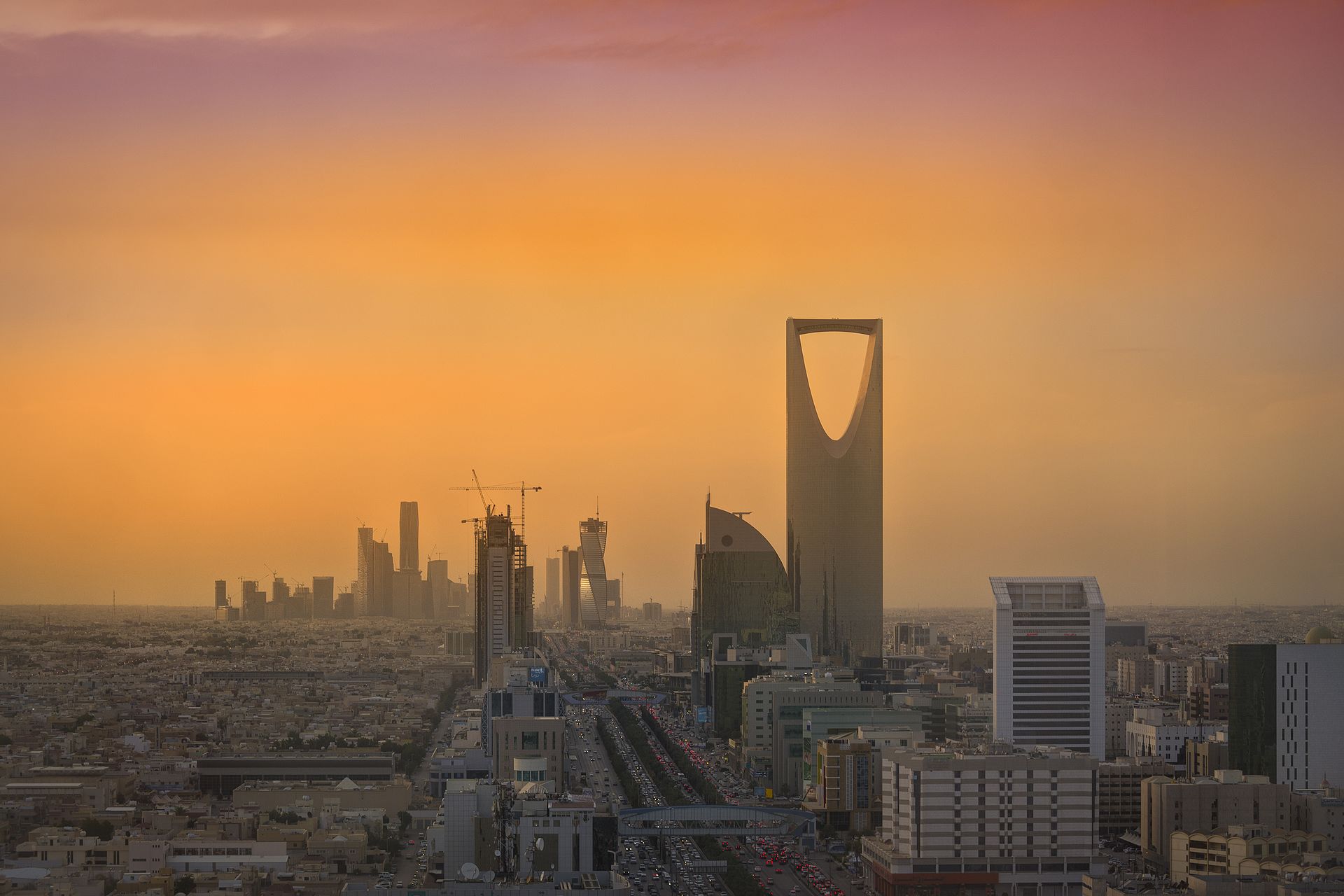
The capital enjoys classic desert-winter weather in February: bright sunshine, clear skies, and a comfortable daytime high of 23–25°C (73–77°F). Nights cool sharply to 11–12°C (52–54°F), so bring a jacket for evenings. Rainfall is rare — perhaps one brief shower across the entire month. This is ideal weather for exploring Diriyah, the Edge of the World, and Riyadh Season entertainment zones.
Jeddah
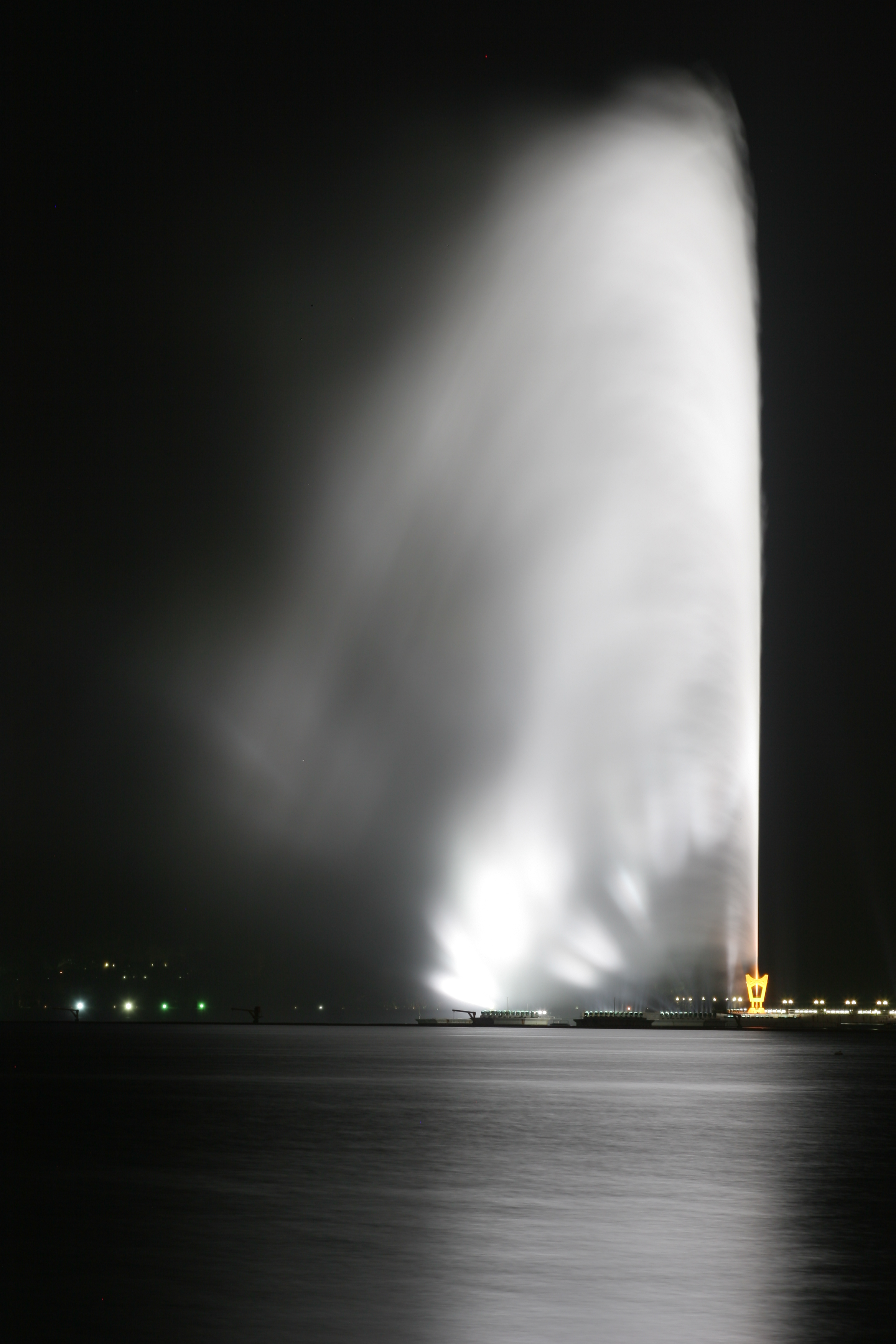
Jeddah is warmer than the interior, with February highs of 29–30°C (84–86°F) and lows around 19°C (66°F). Humidity is manageable at 40–57%, and rainfall is negligible. The Red Sea water temperature sits at a swimmable 26°C (79°F), making this an excellent month for the Jeddah Corniche, Al Balad historic district, and beach time. It is warm enough to swim comfortably but cool enough to explore on foot without the oppressive heat of summer.
AlUla
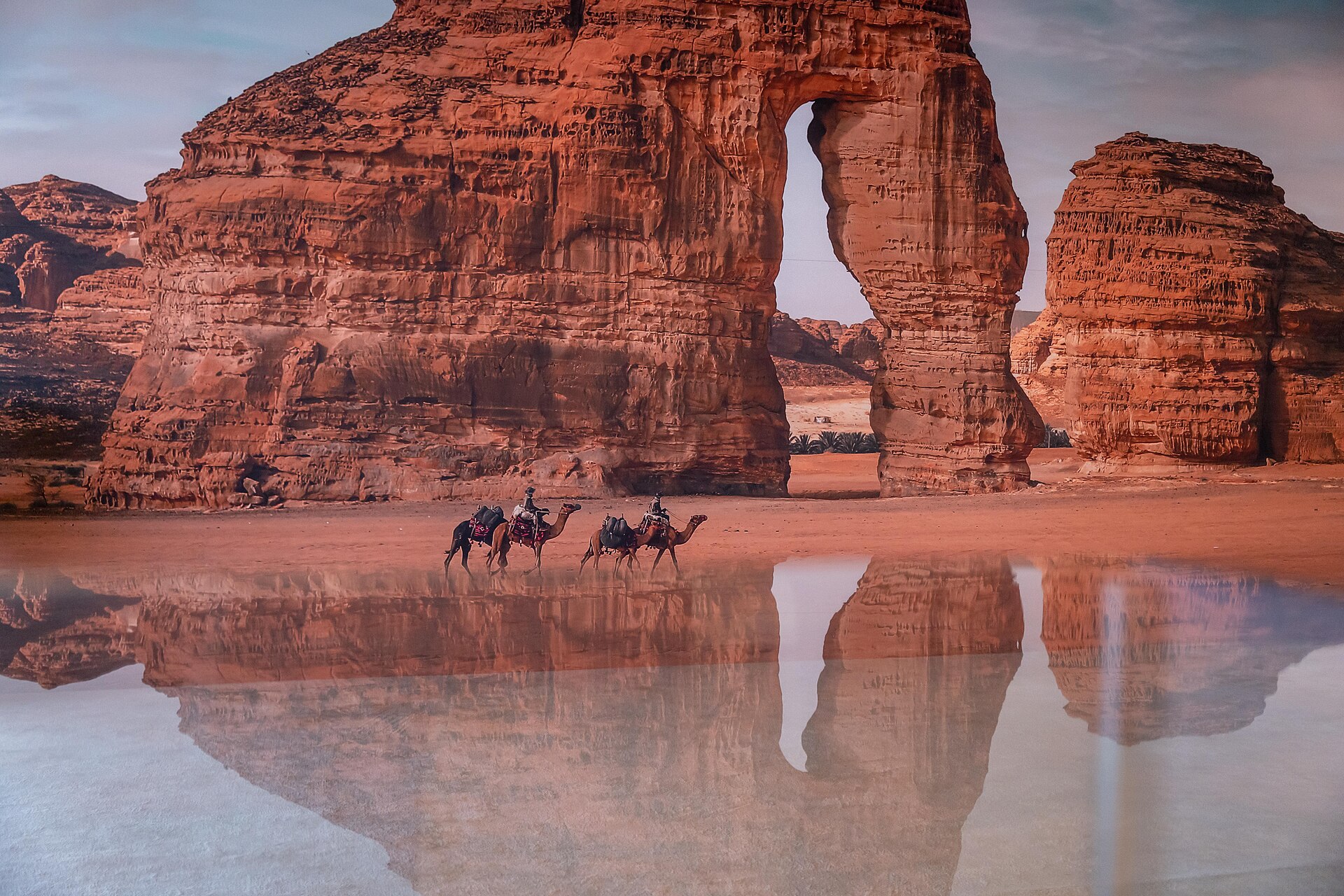
AlUla in February is spectacular. Daytime highs reach 24°C (75°F) under reliably sunny skies, but desert nights plunge to 7°C (45°F) — a 17-degree swing that catches visitors off guard. Pack layers. The landscape is at its most photogenic in the low winter light, with golden-hour sunrise and sunset illuminating the sandstone tombs of Hegra and the dramatic silhouette of Elephant Rock. February also falls within AlUla’s cultural festival window, though the main Winter at Tantora programme typically wraps in early January.
Abha and the Asir Highlands
Perched at 2,270 metres, Abha is the coolest major destination in Saudi Arabia year-round. February highs are 22–24°C (72–75°F) with lows of 10–14°C (50–57°F), and you may encounter fog, light rain (13–19 mm across the month), and genuinely chilly evenings. Bring a proper warm jacket. The surrounding Asir mountains are noticeably greener than the rest of the Kingdom, with terraced farms and juniper forests. February is excellent for hiking, the Abha cable car, and visiting the heritage village of Rijal Almaa.
Dammam and the Eastern Province
Dammam is the outlier. February temperatures are moderate — highs of 24°C (75°F), lows of 18°C (64°F) — but the Gulf coast’s persistent humidity of 82–83% makes it feel stickier than the numbers suggest. Rain is light (about 7 mm). February is pleasant enough for visiting the Al Ahsa Oasis (a UNESCO World Heritage Site), the Ithra cultural centre in Dhahran, or the Al Khobar waterfront — but pack for humidity.
February Weather Comparison Table
| City | Avg High | Avg Low | Rain (mm) | Humidity | Key Note |
|---|---|---|---|---|---|
| Riyadh | 24°C / 75°F | 11°C / 52°F | ~5 | 35% | Clear, dry, cold nights |
| Jeddah | 30°C / 86°F | 19°C / 66°F | ~4 | 45% | Warm, swimmable sea |
| AlUla | 24°C / 75°F | 7°C / 45°F | ~4 | 30% | Big temp swing — layers needed |
| Abha | 23°C / 73°F | 12°C / 54°F | ~16 | 53% | Coolest city, fog possible |
| Dammam | 24°C / 75°F | 18°C / 64°F | ~7 | 83% | Gulf humidity, sticky |
Major Events in February
February packs more headline events into a single month than any other period in the Saudi calendar outside of Riyadh Season’s opening weeks. Three events in particular draw international crowds.
Saudi Founding Day — February 22
Saudi Founding Day commemorates the establishment of the First Saudi State by Imam Muhammad ibn Saud in 1727 in what is now Diriyah, on the outskirts of Riyadh. Made a national public holiday by royal decree in January 2022, it is separate from National Day (September 23, which marks the 1932 unification under King Abdulaziz). Founding Day is younger and more heritage-focused — expect earthy green-and-gold colour schemes, traditional Najdi architecture motifs, and a distinctly historical flavour.
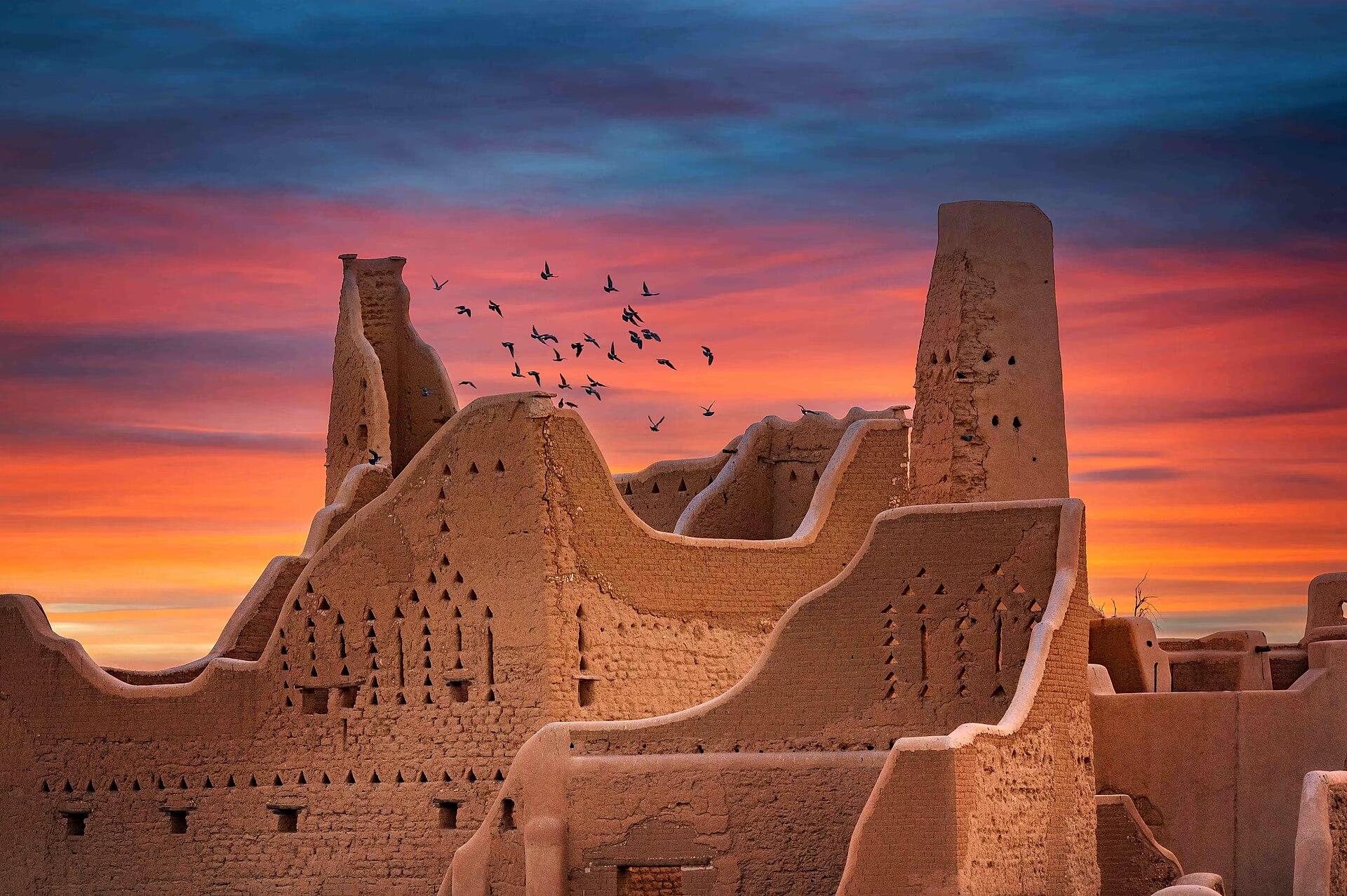
The epicentre is Diriyah’s At-Turaif UNESCO World Heritage Site, where immersive heritage experiences, traditional storytelling, and culinary showcases transform the restored mud-brick palace complex. The Ardha — the traditional Najdi sword dance, itself inscribed on the UNESCO Intangible Cultural Heritage list — is performed at public celebrations across the country. Fireworks and light shows illuminate Riyadh, Jeddah, and Dammam after dark.
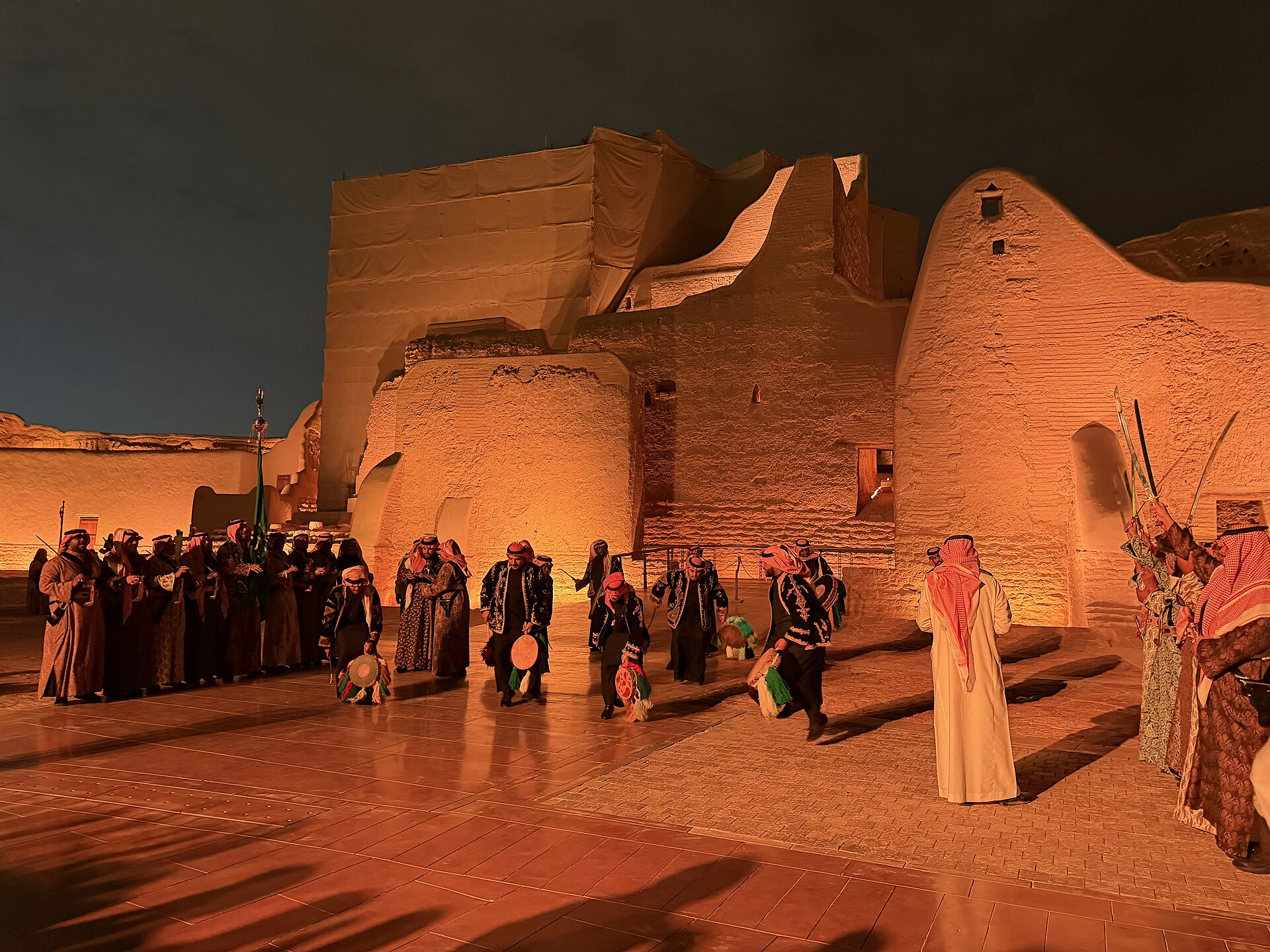
Practical tip: Diriyah is extremely crowded on and around February 22. Arrive early in the morning to avoid the worst queues. Schools, government offices, and most businesses close for the holiday. If you are in AlUla or Jeddah on February 22, celebrations are lower-key but still visible — look for local municipal events and heritage pop-ups.
The Saudi Cup — World’s Richest Horse Race
Held annually at King Abdulaziz Racecourse in Riyadh, the Saudi Cup is the world’s richest horse race, with a main-race purse of US$20 million. The 2026 edition runs on February 13–14 (Friday–Saturday), with a full international racing card on the Friday and the marquee 1,800-metre dirt race on Saturday. The 2025 edition was won by Japan’s Forever Young, beating Romantic Warrior by a neck. The event draws elite thoroughbreds from the USA, Japan, Europe, and the UAE, along with a ticketed crowd of tens of thousands. Free public zones are available at the racecourse.
Booking warning: Hotels near King Abdulaziz Racecourse sell out months ahead of Saudi Cup weekend. If your trip coincides with February 13–14, book accommodation at least three months in advance and expect inflated rates across all of Riyadh.
Riyadh Season (Ongoing Through February)
Riyadh Season 2025–26 runs from October through March, meaning February sits squarely in the entertainment mega-event’s peak. Eleven zones across the capital offer concerts, theatrical performances, celebrity chef restaurants, and amusement parks. Boulevard City — with 80+ restaurants and regular live music — is the anchor. Additional February-specific events in recent years have included Premier Padel, World Defense Show, and electronic music festivals.
Jeddah Formula E
The Formula E Jeddah E-Prix brings all-electric single-seater racing to the Jeddah Corniche Circuit on a February double-header weekend (February 13–14 in 2026). If you are choosing between Riyadh (Saudi Cup) and Jeddah (Formula E) that weekend, note that both events run simultaneously — plan your trip around whichever appeals more.
AlUla Cultural Season
AlUla’s Winter at Tantora festival typically runs from mid-December to early January, meaning the main programme is largely finished by February. However, some satellite events — such as the Old Town Wall Art Walk — have extended into early February in recent years. More importantly, February is peak season for the permanent archaeological sites: Hegra (Mada’in Saleh), Dadan, and Jabal Ikmah are all open and at their most comfortable for walking. Hot air balloon rides over the AlUla valley run throughout the winter season.
Best Things to Do in February
With ideal temperatures across most of the country, February opens up the full range of Saudi outdoor activities. Here are the best ways to spend the month.
Explore Hegra and AlUla
Saudi Arabia’s first UNESCO World Heritage Site — the Nabataean tomb complex at Hegra (Mada’in Saleh) — is at its best in February. Comfortable walking temperatures, uncrowded paths (compared to the December festival peak), and extraordinary golden-hour light on the carved sandstone facades make this the optimal month for visiting. Pair it with Elephant Rock, the Dadan ruins, and an overnight in one of AlUla’s boutique desert lodges (Habitas AlUla, Shaden Resort, or Dar Tantora Hotel).
Desert Camping and Safari
February’s cool nights and warm days are ideal for desert camping in the Rub’ al Khali (Empty Quarter), the world’s largest continuous sand desert. Guided desert safari tours from Riyadh typically run three-to-four-hour excursions, including dune bashing by 4×4, camel rides, and sunset campfire dinners. Night temperatures drop to 8–12°C — cold enough for a campfire to feel essential rather than decorative.
Red Sea Diving and Snorkelling
February falls within the peak Red Sea dive season (November–April). Water temperatures of 25–26°C and excellent visibility make the reefs off Jeddah, Yanbu, and the Farasan Islands superb for scuba diving and snorkelling. The absence of summer plankton blooms means underwater visibility often exceeds 20 metres.
Walk Jeddah’s Al Balad
The UNESCO-listed coral-stone old city of Al Balad is best explored on foot — something only practical when the temperature cooperates. February’s 29–30°C highs are warm but manageable, and the narrow alleys provide shade. The intricately carved wooden balconies (rawasheen) and centuries-old merchant houses are among the most photogenic urban heritage sites in the Middle East.
Hike in the Asir Mountains
The Abha and Asir region offers the Kingdom’s best hiking in February. Cool mountain air, green terraced hillsides, and fewer visitors than the coastal cities make trails around Rijal Almaa, Asir National Park, and the Al Baha highlands rewarding. The Abha cable car gives aerial views over the Asir valley, and the village architecture in this region is unlike anything else in Saudi Arabia.
Visit the Edge of the World
The dramatic 300-metre cliff escarpment known as the Edge of the World (Jebel Fihrayn), 90 km northwest of Riyadh, is one of the Kingdom’s most popular day trips. February’s clear skies and comfortable temperatures make it ideal — summer visits are genuinely dangerous due to heat exposure on the exposed clifftop. A rental car or guided tour is essential.
What to Pack for February
Saudi Arabia’s Public Decorum Code requires clothing that is loose, opaque, and covers shoulders, elbows, and knees in public — for both men and women. The mandatory abaya for foreign women was scrapped in 2019. Beyond the dress code, February’s variable temperatures demand layered packing.
Essentials
- Daytime: Light long-sleeved shirts, linen or cotton trousers — warm enough for most hours in most regions
- Evening layer: A fleece, light jacket, or cardigan — essential for Riyadh and AlUla nights (7–12°C)
- Abha visitors: A proper warm jacket — it can feel genuinely cold at altitude, especially in fog
- Slip-on shoes: You remove footwear at mosques and many heritage sites
- Sunscreen (SPF 50+): Despite mild temperatures, UV index remains high; desert sand reflection intensifies exposure
- Sunglasses and a hat or cap
- Headscarf (women): Required for mosque visits; useful for conservative areas
- Power adapter: Saudi Arabia uses Type G (British three-pin) sockets — check the power plugs guide
- eSIM or SIM: Get connected on arrival — see the eSIM guide or SIM card comparison
- Alcohol is prohibited throughout the Kingdom. No exceptions for tourists. Do not pack any.
- Prayer times: Five daily prayers (roughly 5–10 minutes each) may cause some shops in traditional areas to close briefly. Enforcement has relaxed since 2019, and malls and chain restaurants generally stay open.
- Photography: Heritage sites and public spaces are generally photography-friendly. Always ask before photographing people, especially women. See the photography rules guide.
- Apps: Download the essential Saudi travel apps before arrival — Careem (ride-hailing), Absher (government services), and Google Maps all work well.
- Currency: The Saudi Riyal (SAR) is pegged to the US dollar at 3.75. Cards are accepted almost everywhere. See the currency guide.
- Travel insurance: Mandatory for tourist visa holders. Medical care is excellent but expensive. See the insurance guide.
- Customs: Pork, alcohol, and certain medications are restricted. Review the customs rules before packing.
- Best Time to Visit Saudi Arabia — Month-by-month breakdown of weather, crowds, and events
- Saudi Arabia Weather by Region — Detailed climate data for every major city
- Saudi Arabia Itinerary — 7, 10, and 14-day travel plans for 2026
- Riyadh Season Guide 2025–2026 — Events, zones, tickets, and what to know
- Diriyah Travel Guide — Birthplace of the Saudi state and Founding Day focal point
- Saudi Arabia Hotels Guide — Where to stay across the Kingdom
- Saudi Arabia Visa Cost — Fees, insurance, and what is included
Indoor air conditioning warning: Even in February, malls, restaurants, and hotel lobbies run aggressive air conditioning. The jump from 24°C outdoors to 18°C indoors can be uncomfortable — keep a light wrap in your bag.
Hotel Prices and Booking Strategy
February falls within Saudi Arabia’s peak tourist season (October–February), when comfortable weather and the concentrated event calendar push hotel prices and occupancy higher than average. That said, February is typically slightly cheaper than December–January, when Soundstorm, Winter at Tantora, and the Christmas/New Year travel surge create the absolute peak. Full accommodation details are in the Saudi Arabia hotels guide.
| City | Budget | Mid-Range | Luxury |
|---|---|---|---|
| Riyadh | $50–80/night | $100–180/night | $250–500+/night |
| Jeddah | $50–80/night | $100–150/night | $200–400+/night |
| AlUla | Limited options | $150–300/night | $500+/night |
| Abha | $40–70/night | $80–150/night | $200+/night |
| Dammam | $50–80/night | $100–160/night | $200–350/night |
Key booking dates: Saudi Cup weekend (Feb 13–14) inflates Riyadh prices significantly — book at least three months ahead. Founding Day week (around Feb 22) triggers a domestic travel surge; Riyadh and Diriyah hotels fill up. AlUla has limited boutique inventory that sells out 3–6 months ahead in winter — book as early as possible.
Crowd Levels in February
February sits in the busiest window of the Saudi tourism year (October–February), driven by comfortable weather and major events. Within that peak, December and early January are the absolute busiest; February is slightly calmer but still busy, particularly during Saudi Cup weekend and Founding Day week.
Context matters, though. Saudi Arabia is still in the early stages of its tourism build-out under Vision 2030. Even in peak season, major archaeological sites like Hegra feel uncrowded compared to international equivalents like Petra or the Pyramids of Giza. Riyadh Season entertainment zones and the Jeddah Corniche are the most likely places to encounter large domestic crowds.
February and Ramadan: Check the Overlap
The Islamic calendar shifts earlier by roughly 10–11 days each year. In some years, Ramadan begins in late February or early March, which significantly changes the travel experience. During Ramadan, eating, drinking, and smoking in public during daylight hours is prohibited (non-Muslims included), many restaurants close until sunset, and entertainment venues adjust their schedules. The atmosphere becomes more reflective and spiritual — rewarding for culturally curious travellers, but a significant adjustment if you are unprepared.
Check before booking: Ramadan dates are determined by moon sighting and announced shortly before the month begins. In 2026, Ramadan is expected to start in late February or early March. In 2027, it will shift into mid-February. Always verify the expected dates for the year you are travelling — a two-week February holiday that inadvertently overlaps with Ramadan’s first week will be a very different trip than planned.
Getting There and Around
Saudi Arabia’s two main international gateways are King Khalid International Airport (RUH) in Riyadh and King Abdulaziz International Airport (JED) in Jeddah. Saudia, the national carrier, operates direct flights from most major European, Asian, and Middle Eastern hubs. Budget carriers Flynas and flyadeal offer competitive fares, particularly on domestic routes. See the flights to Saudi Arabia guide for airline comparisons.
Within the Kingdom, domestic flights connect all major cities in 1–2 hours. The Haramain High-Speed Railway links Jeddah, Mecca, and Medina. For road trips — particularly to AlUla, the Edge of the World, or the Asir highlands — a rental car is the most flexible option. Review Saudi driving rules and the speed camera guide before setting out.
All visitors need a valid visa. Citizens of 60+ countries can obtain a tourist e-visa online in minutes through the official Visit Saudi portal. Several nationalities also qualify for visa on arrival. Full details are in the visa cost guide and entry requirements page.
Practical Tips for February Visitors
Suggested February Itineraries
One Week: Riyadh + AlUla
Spend three days in Riyadh — Diriyah, the Edge of the World, Riyadh Season entertainment, and the Sky Bridge at Kingdom Centre. Fly to AlUla for three days: Hegra, Elephant Rock, Dadan, and a hot air balloon ride. If your trip includes February 22, start in Riyadh for Founding Day celebrations.
Ten Days: Riyadh + Jeddah + AlUla
Add three days in Jeddah: Al Balad, the Corniche, Red Sea diving, and the best shopping. Connect via the Haramain train or a domestic flight.
Two Weeks: Full Kingdom Circuit
Extend to include Abha and the Asir highlands, the Al Ahsa Oasis in the Eastern Province, and Taif — the mountain city of roses. A rental car makes the Asir leg more flexible. Full route options are in the Saudi Arabia itinerary guide.