
Riyadh’s cafe scene has transformed faster than almost any dining category in Saudi Arabia. A decade ago, ordering coffee in the capital meant a Starbucks in a mall or a strong Arabic qahwa at a majlis. Today Riyadh has become a serious third-wave specialty coffee city — with single-origin roasteries, award-winning baristas, and a new generation of design-obsessed cafes where the interior is engineered to be photographed as carefully as the cup. This guide covers the best specialty roasters, the most Instagrammable spots, and the traditional Arabic coffee houses worth visiting, organised by neighbourhood. It is part of a wider Riyadh travel itinerary, and pairs well with our Saudi coffee culture guide for anyone who wants the cultural context behind what they are drinking.
Best Time to Visit: October to March — terraces are usable in cooler months; summer is strictly indoor territory
Getting There: Most cafes cluster in Olaya, Al Malqa, Diplomatic Quarter, JAX District (Diriyah) and Hittin — all reachable by Uber or Careem for 15–40 SAR across the city
Visa Required: Yes — tourist e-visa
Budget: 18–45 SAR per specialty coffee ($5–12); pastries 15–35 SAR; expect 80–150 SAR per person for a cafe meal with drinks
Must-See: Camel Step Roastery, Brew92, a JAX District cafe crawl
Avoid: Friday mornings before noon — most independent cafes open late, and Friday prayers close service city-wide from roughly 11:30am to 1:15pm
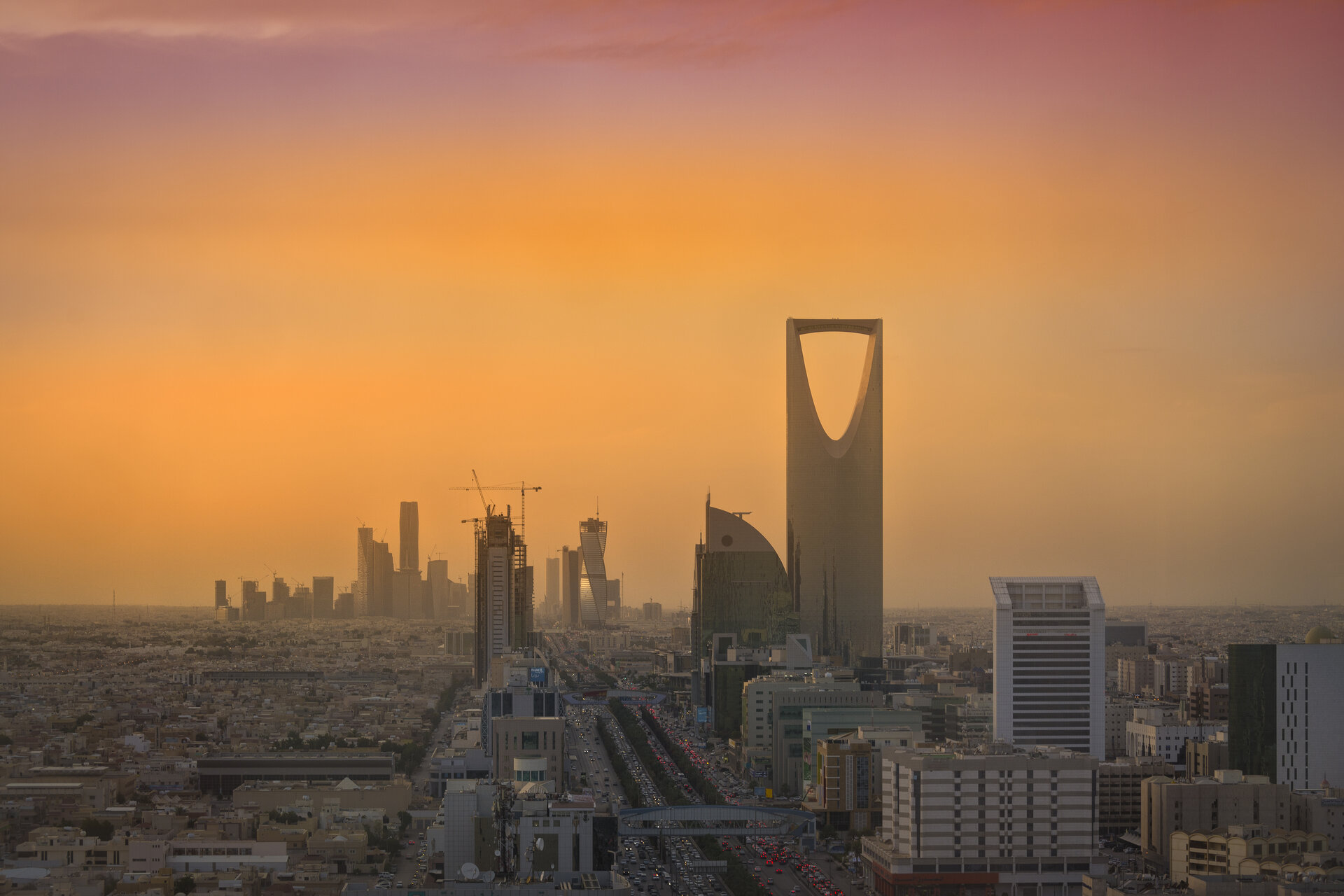
How Riyadh Became a Third-Wave Coffee City
Saudi Arabia drinks more coffee per capita than almost any country on earth — and historically most of it was qahwa, the lightly roasted, cardamom-heavy brew poured from a long-spouted dallah that anchors every social ritual from business meetings to weddings. What changed in the last decade is the arrival of third-wave specialty coffee: the movement that treats coffee like single-vineyard wine, traceable to a specific farm, roasted to bring out the bean’s origin flavour rather than mask it, and brewed by hand using methods like the Hario V60, AeroPress, and Chemex.
The shift was driven by three things: Saudis returning from studies abroad (particularly in Melbourne, Seattle, and Tokyo) who brought specialty coffee habits home; Vision 2030’s loosening of entertainment and lifestyle restrictions that made independent cafes commercially viable; and a domestic Saudi Coffee Company initiative launched in 2022 by the Public Investment Fund with a plan to grow the local industry to 2.5 billion SAR by 2030. The result is a Riyadh cafe map that now includes genuinely world-class roasteries, baristas who have placed in regional and international brewing championships, and a design culture that rivals Dubai or Doha.
Three brands dominate the conversation: Camel Step, Brew92, and Elixir Bunn. All three roast their own beans, compete internationally, and have multiple Riyadh locations. But the real interest is in the second wave of newer independents — Dose, Overdose, Draft, Flow, Hustle n Flow, % Arabica, and a growing cluster inside Diriyah’s JAX District and the Bujairi Terrace.
The Big Three Specialty Roasters
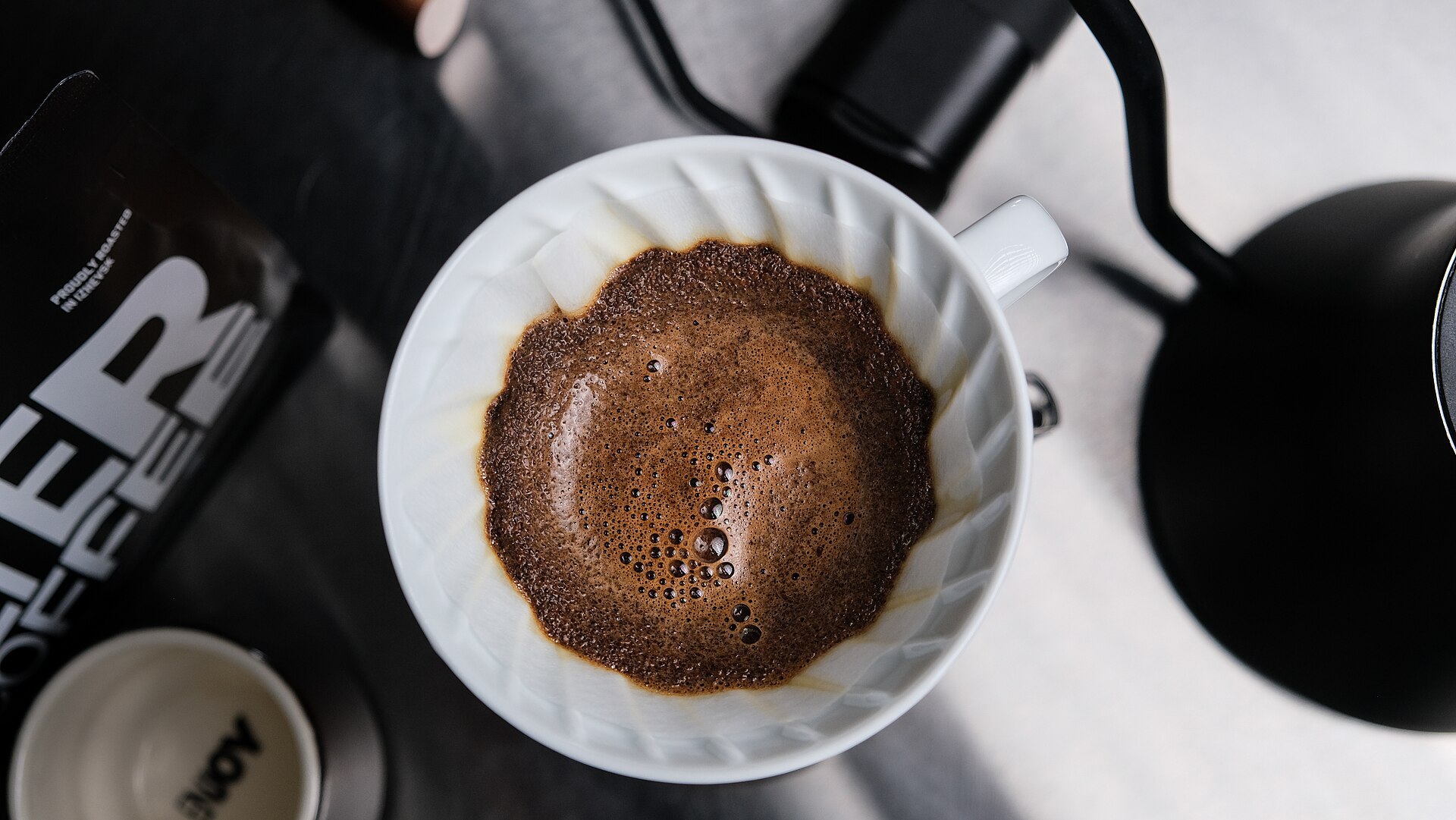
Camel Step Coffee Roasters
Camel Step is the most recognisable homegrown Saudi specialty roaster and a fixture on best-of lists for Middle East coffee. The branding is minimalist and ink-black, the spaces are industrial, and the beans rotate seasonally — you might be offered a Colombian Geisha one month and an Ethiopian Yirgacheffe the next. Order the flat white or, if you want to see the barista at work, ask for whatever single-origin they have set up on pour-over that day. Multiple locations across Riyadh, with flagship branches in Hittin and Al Malqa.
Brew92
Brew92 built its reputation in Jeddah before expanding north to Riyadh, and is often named as the country’s leading third-wave brand. The Spanish Latte — espresso with condensed milk — is the house signature and has become ubiquitous across Saudi coffee culture largely because Brew92 popularised it. Interiors lean industrial: exposed ceilings, brushed metal, statement lighting. Strong wifi, good tables for laptop work, and a menu that includes filter coffee for purists.
Elixir Bunn Coffee Roasters
Elixir Bunn is the quiet one of the big three — a roaster’s roaster, less about aesthetic and more about the cup. The V60 programme is genuinely excellent, the cold brew is a cult favourite, and the baristas are happy to explain what they are doing if you ask. The main Riyadh branch in Al Olaya is where to go if you want to drink coffee the way a specialty head barista in Melbourne or Oslo would drink it.
The Instagram-First Cafes
Not every cafe in Riyadh is chasing a world barista championship — and that is fine. A second wave of venues is built specifically around the visual experience: interiors designed with photography in mind, signature drinks with dramatic plating, neon signs and wall installations that double as shareable backdrops. These are the places Saudi Instagram lives.
Namq (Al Malqa and Hittin)
Namq is one of the most-photographed cafes in the city. The Al Malqa branch has a long reflecting pool running through the dining room and floor-to-ceiling windows that produce extraordinary golden-hour light. Interiors blend modern minimalism with Arabic design motifs. The food is as considered as the space — brunch-forward with strong Middle Eastern accents.
Andarena Cafe (Al Malqa)
Andarena leans into rustic — chesterfield sofas, exposed brick, warm lighting, a cabin-meets-industrial aesthetic that photographs beautifully at night. It is a date spot and a winter-afternoon spot rather than a laptop cafe.
Hustle n Flow (Al Malqa)
Hustle n Flow is the hipster-warehouse play: exposed ductwork, graffiti, industrial piping, and a menu that leans into charcoal lattes, blue spirulina lattes, and gluten-free bakes. It is the closest Riyadh has to a Brooklyn or Shoreditch cafe, and draws a young creative crowd.
% Arabica
The Kyoto-born % Arabica opened its Riyadh outposts as part of a broader Middle East rollout and brought its signature all-white marble-and-chrome aesthetic intact. The espresso is honest rather than revelatory, but the Kyoto Latte and the uncluttered minimalism make it a reliable drop-in. Locations include Riyadh Park and Solitaire Mall.
Chorisia Lounge and Flow
Chorisia Lounge is the garden-forward option: plants everywhere, a calm interior that feels more Bali than Riyadh. Flow is the opposite extreme — white marble, neutral tones, a tight colour palette that looks curated even before you arrive.
Where to Drink — By Neighbourhood
Al Olaya — Business and Specialty
Al Olaya is the central business corridor and home to the Kingdom Centre and most of the five-star hotels. The cafe density here is high and leans corporate-meets-specialty. Elixir Bunn, Brew92, and Draft Café all have Olaya outposts, and any of the hotel cafes (Four Seasons, Ritz-Carlton) will serve a respectable flat white. This is where laptops come out, meetings happen, and the wifi is generally the strongest. For a fuller picture of the area, see our Olaya district guide.
Al Malqa and Hittin — Roastery Belt
North Riyadh has become the undisputed capital of the independent cafe scene. Al Malqa especially is where to go if you want to spend an afternoon cafe-hopping — Namq, Andarena, Hustle n Flow, Hazzat Chapati, Camel Step, and BAC Bakery are all within a ten-minute Uber radius. The crowd skews younger, the interiors are more experimental, and the pace is slower than Olaya.
Diplomatic Quarter — Calm and Leafy
The Diplomatic Quarter (DQ) is a walled, garden-heavy district built for the diplomatic corps in the 1980s. Cafes here are more sedate — think embassy spouses and long weekend brunches. It is the only part of Riyadh where you can genuinely walk between cafes, parks, and restaurants without needing a car for every hop.
JAX District and Bujairi Terrace (Diriyah) — The New Creative Centre
The Diriyah development on the western edge of the city is the most interesting addition to Riyadh’s cafe geography. JAX District is a converted industrial site that now houses galleries, design studios, and a rotating set of cafes that punch above their weight for coffee quality. Bujairi Terrace, a few minutes south, is the more polished companion — stone-walled heritage architecture, date-palm gardens, and a line-up of international operators alongside Saudi independents. Coming for At-Turaif UNESCO site? Plan a cafe stop here.
Tahlia Street — Trendy and Late Night
Tahlia is the see-and-be-seen strip. Cafes here skew toward the higher-luxury end — Bateel Café for date-forward Arabic elegance, L’ETO for European-style pastries, and a rotation of mall-format specialty chains. Open late, lively, and usually crowded on weekend evenings.
Al Malaz — Old Riyadh
If you want Arabic coffee the way Riyadhis drank it before the third wave arrived, head to Al Malaz. Traditional qahwa cafes, old-school juice-and-shisha spots, and Najd-style majlis rooms. Not Instagram territory — more the historical baseline the new scene is built on top of.
Traditional Arabic Coffee — Qahwa Cafes Worth Your Time
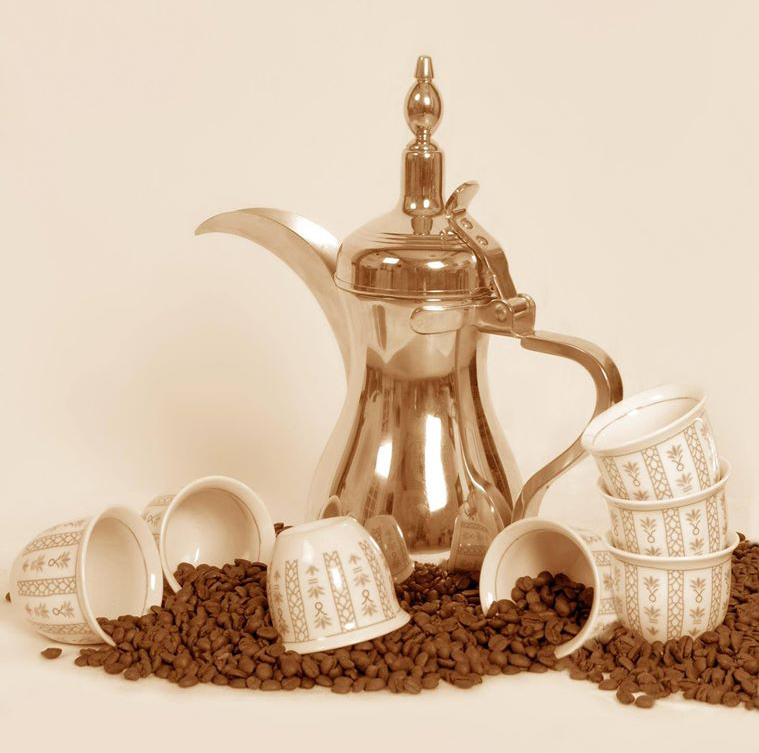
The specialty scene gets the press, but qahwa is older, deeper, and in many ways more interesting. Traditional Saudi coffee is made from lightly roasted beans, brewed with cardamom (and sometimes saffron, cloves, or rosewater), and served unsweetened in tiny handleless cups called finjan or fenjan. Dates are the compulsory pairing — the sweetness of the date balances the brightness of the qahwa.
Najd Village Café
More restaurant than cafe, but the qahwa-and-date ritual is done properly here, and the restored Najdi architecture (clay walls, hand-carved wooden doors, floor seating in low majlis rooms) is among the best in the city. Go for the Saudi breakfast or the post-dinner qahwa, not for a flat white.
Takya Café
Takya is the clever hybrid — traditional Saudi flavours reimagined through a specialty coffee lens. The Saffron Qahwa Latte is the signature: espresso, steamed milk, cardamom, saffron. It should not work. It does. Multiple Riyadh branches.
Sadu Café
Named after Bedouin weaving, Sadu leans into desert and Gulf heritage aesthetics — woven textiles, earth tones, a calm pace. Traditional qahwa alongside modern bakes.
Bateel Café (Tahlia)
The in-house cafe of the premium Saudi date brand Bateel does Arabic coffee and elaborate date pairings in a polished, hotel-lobby-luxury setting. More expensive than most, but the dates are genuinely world class.
Bakery-Forward Cafes
A new cohort of cafes has blurred the line between coffee shop and French-style patisserie. These are the places to go for a long weekend brunch or a cake-and-coffee afternoon rather than a quick espresso.
- BAC Bakery (Al Yasmin) — beige-and-white interiors, fringe lamps, and a signature feta zaatar croissant that alone is worth the trip.
- Beika (Al Mughrizat) — monochrome, floor-to-ceiling windows, a baklava cheesecake that has its own cult.
- French Toast (An Nada) — all-day breakfast, bread display as the centrepiece. Eggs benedict, shakshuka, avocado-and-granola French toast.
- Chestnut Bakery (Al Mohammadiyah) — British-style sourdough, ka’ak, simit, freshly baked daily.
- Jones the Grocer (Ramla Terraza) — Australian gourmet retailer with an in-house cafe, strong brunch menu, and a charcuterie counter.
- L’ETO Café — Russian-origin European patisserie brand with a flagship presence on Tahlia. The pistachio cake is the tourist draw.
- Said dal 1923 (Hittin) — Italian chocolate house specialising in dark, hazelnut, and milk hot chocolates, plus an inventive cake programme.
- Spanish Latte — espresso with condensed milk. The unofficial national drink of Saudi specialty coffee. Everywhere does one; the best are in Brew92 and Dose.
- V60 — hand-poured filter coffee, usually single origin. 3–4 minutes to brew, served with a glass of sparkling water to clear the palate. Elixir Bunn and Camel Step are reliable.
- Iced Spanish Latte — the summer default. Expect to see it in every Saudi coffee Instagram post you will ever see.
- Saffron Latte / Rose Latte / Cardamom Latte — Arabic-flavour crossovers. Takya does them best.
- Qahwa — traditional Arabic coffee. Served in a dallah with finjan cups and dates. Sweetened with dates, never with sugar.
- Karak — spiced milk tea with cardamom. Not coffee, but on most menus and worth trying.
- Riyadh Travel Guide 2026 — Things to do, where to stay, metro, Diriyah
- Saudi Coffee Culture — Qahwa, cafes, and the ritual behind every pour
- Riyadh Olaya District — Restaurants, malls, and nightlife in the business heart of the city
- Riyadh Diplomatic Quarter — Parks, cafes, and culture in the leafy DQ
- Riyadh Street Food Guide — The best local spots and what to order
- Diriyah Travel Guide — The birthplace of the Saudi state, now a JAX District creative hub
- Saudi Arabia Travel Guide 2026 — The complete guide to visiting the Kingdom
- Saudi Arabia Visa Guide — Every visa type explained
What to Order
If this is your first specialty coffee in Saudi Arabia: order a flat white or a Spanish Latte. The flat white shows you whether the barista can pull a clean shot; the Spanish Latte is the Saudi signature drink and will tell you whether you are going to enjoy the local palate, which skews sweeter than European equivalents.
A few notes on what to expect from the menu:
Practical Tips
Opening Hours
Most independent cafes open between 7am and 9am and close between 11pm and 1am — Riyadh runs late. Bakery-cafes open earlier. All cafes, including international chains, close for Friday prayers from roughly 11:30am to 1:15pm. Ramadan hours shift dramatically — many cafes operate only from after Maghrib (sunset) until suhoor (pre-dawn).
Payment
Card and Apple Pay are universal in Riyadh cafes; you will rarely need cash. Tipping is not expected at independent cafes but a 5–10 SAR tip for good service is appreciated.
Family and Singles Sections
Historically Saudi cafes had separate family and singles (men-only) sections. As of 2024–2026 most specialty cafes in Riyadh operate as fully mixed spaces, though some older or more traditional venues still maintain the distinction. If you are a solo woman or a mixed-gender group and the cafe has a separate family entrance, the family section is where you want to be — seating is more private and generous.
Dress Code
As of 2019 Saudi Arabia dropped its requirement that female tourists wear an abaya, and Riyadh cafes in 2026 are entirely relaxed on dress — modest rather than conservative. Long sleeves or covered shoulders are sensible but not mandatory. Men wear what they would in any Gulf city.
Wifi and Working
Olaya, Al Malqa, and the Diplomatic Quarter are the laptop-friendly zones. Brew92, Draft, Elixir Bunn, and the chain cafes (% Arabica, Dose) are all good for a half-day of work. Bujairi Terrace and JAX District are better for social visits than for camping with a laptop.
Ramadan
During Ramadan, cafes are closed during daylight hours and open spectacularly after sunset. Iftar and suhoor cafe culture is one of the best experiences Saudi Arabia offers — expect queues, long reservations, and special menus. If you are visiting during Ramadan, book in advance for the headline cafes.
A Sample Riyadh Cafe Day
Morning: Start in Al Malqa at Camel Step for a flat white and a pour-over flight. Walk to BAC Bakery for the feta-zaatar croissant.
Midday: Friday prayer break (11:30am–1:15pm) — drive to Diriyah and visit At-Turaif UNESCO site.
Afternoon: Qahwa and dates at Bujairi Terrace, then coffee-and-gallery crawl through JAX District.
Evening: Dinner and late-night specialty coffee at Brew92 or Elixir Bunn in Olaya. Finish with a Saffron Qahwa Latte at Takya.
Getting Around the Cafe Map
Riyadh is a car-first city. The Riyadh Metro opened its full six-line network in late 2024 and is useful for the Olaya spine (orange and blue lines), but most of the independent cafe scene — Al Malqa, Hittin, Al Yasmin — is only partially served. Uber and Careem are the default: a cross-city ride from Olaya to Al Malqa is typically 20–35 SAR and 15–20 minutes outside rush hour. Ride-hailing apps accept Apple Pay and card.
If you are combining cafe-hopping with other plans, see our guides on where to stay in Riyadh, the Riyadh street food scene, and the Riyadh Season calendar for large-scale events that make Riyadh especially lively in the autumn and winter months. For broader context on Saudi Arabia’s food culture the Saudi breakfast guide is the natural companion piece to this one, and anyone arriving from abroad should start with the Saudi Arabia Travel Guide 2026 for the visa, language, transport and timing basics.