
Breakfast in Saudi Arabia is not a rushed affair of coffee and toast. It is a communal, late-morning spread eaten off shared platters, served on the floor in traditional restaurants, and carried from the Friday prayer tables of Najd to the coral-stone townhouses of the Hijaz. Understanding the Saudi breakfast — what to order, where to find it, and how to eat it — is one of the most direct ways to understand the kingdom itself. This guide is part of our wider Saudi Arabia travel guide and covers every dish you should try, the best restaurants in Riyadh and Jeddah, regional differences between Najdi, Hijazi and Asiri traditions, and practical tips for visitors — from whether tips are expected to how to find a decent breakfast at 4am after an overnight flight.
Best Time to Visit: October–April, when mornings are cool enough to linger
Getting There: Flights into Riyadh (RUH) or Jeddah (JED); most breakfast spots are 10–30 min by Uber/Careem
Visa Required: Yes — tourist e-visa
Budget: SAR 25–80 (USD 7–22) for a generous traditional breakfast per person
Must-Try: Shakshouka, ful medames, masoub, kebda, mutabbaq
Avoid: Hotel buffets — they almost always skip the regional dishes travellers actually come for
What a Saudi Breakfast Actually Looks Like
A traditional Saudi breakfast is a mezze — a table covered in small dishes meant for sharing. You will rarely order a single plate. Instead, a group orders four, five, or six dishes, tears off pieces of tamees or sholek bread, and scoops their way across the table. Coffee and tea arrive before the food and keep coming after the plates are cleared.
The backbone is almost always the same: a bean dish (ful or foul medames), an egg dish (shakshouka or fried eggs with tomato), a hot bread, soft white cheese or labneh, olives, dates, and a pot of cardamom-laced Arabic coffee. On top of this backbone, regional specialities pile up — masoub in Jeddah, jareesh in Riyadh, areekah in Asir, balaleet in the Eastern Province.
Tip: The word you will see most on menus is fotoor (فطور), meaning “breakfast” — the same root as iftar, the meal that breaks the Ramadan fast. Saudi Arabic speakers use the words interchangeably outside Ramadan. If a restaurant says it is a maqha fotoor, it is a breakfast house.
The Core Dishes: What to Order
Ful Medames (Foul)
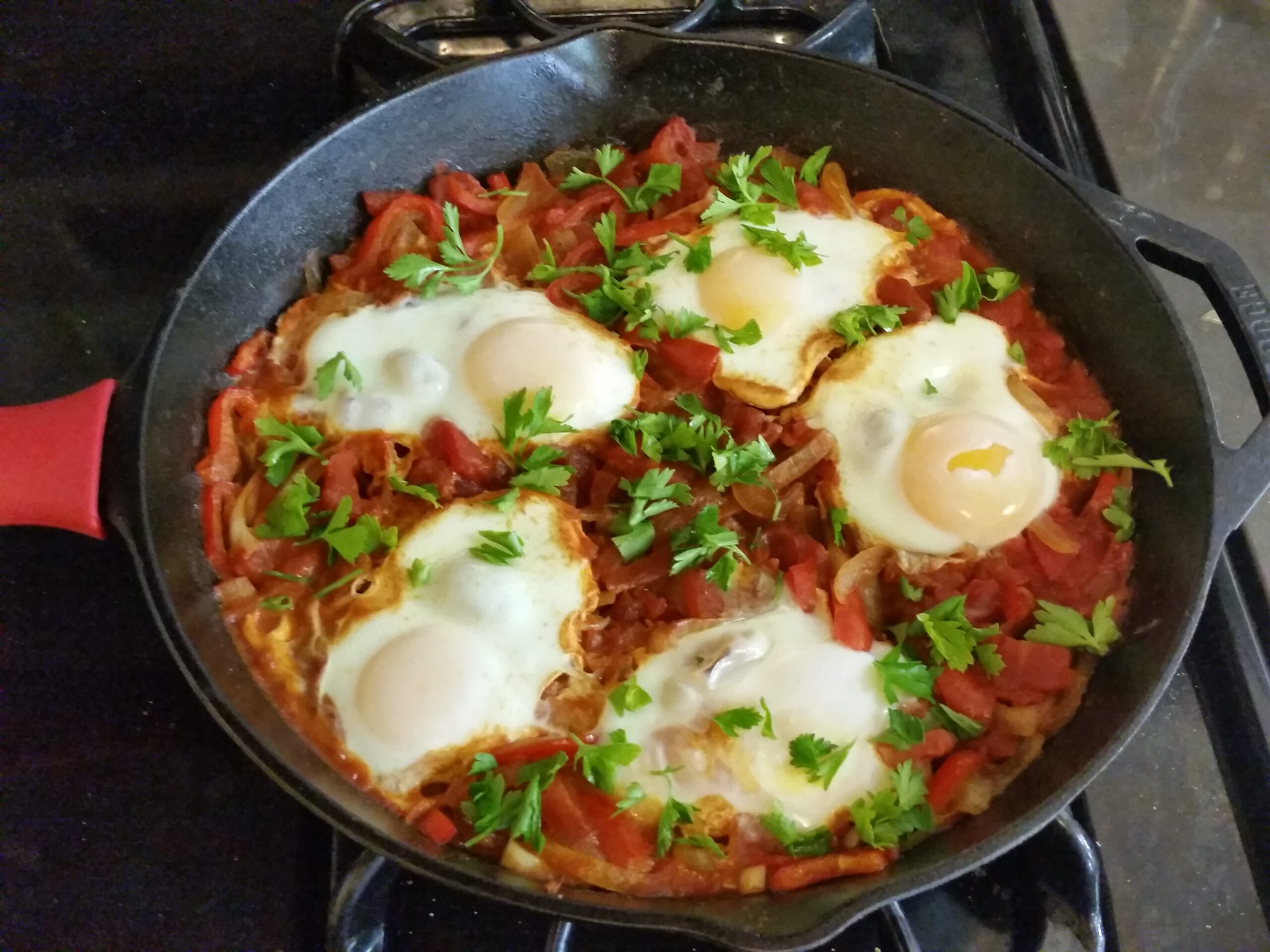
Fava beans slow-cooked overnight with cumin, garlic and lemon, then mashed at the table with a wooden pestle and finished with olive oil, chopped tomato and green chilli. Ful is the single most common breakfast dish in Saudi Arabia, and every breakfast restaurant has its own house version. A good ful is creamy but not puree-smooth, with whole beans still visible, and sharp enough with lemon to cut through the oil. Order it with hot tamees bread straight from the tannour oven.
Shakshouka
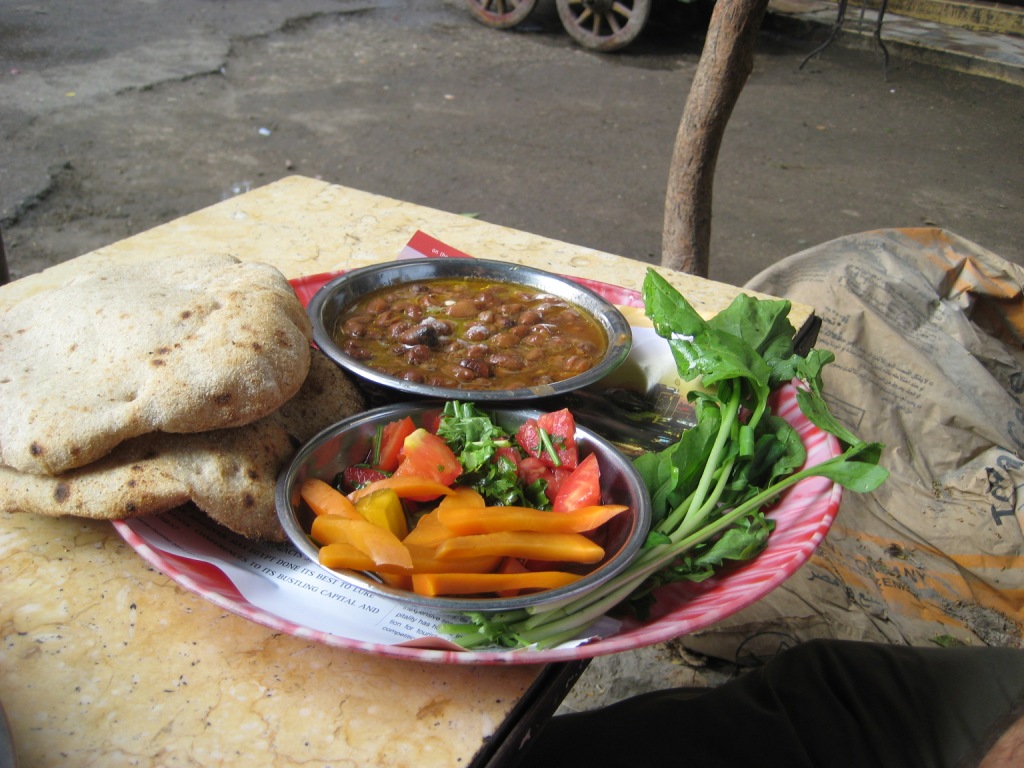
Eggs poached or scrambled in a cumin-and-chilli tomato sauce with onion and bell pepper. The Saudi version tends to run spicier than the Levantine one and often comes with halloumi melted into the sauce. At higher-end breakfast restaurants you will see shakshouka bil fekhara, served in the small clay dish it was cooked in — the dish retains heat so the eggs keep cooking on the table.
Kebda (Liver)
Kebda is pan-seared lamb or chicken liver, cooked hot and fast with onions, capsicum, cumin and lemon. Hijazi kebda is the benchmark — sharper, with more lemon, and always served with diced fresh tomato and green chilli. This is a breakfast dish in Saudi Arabia specifically; you will not find it at dinner. If a server asks whether you want it harra (spicy), say yes.
Mutabbaq
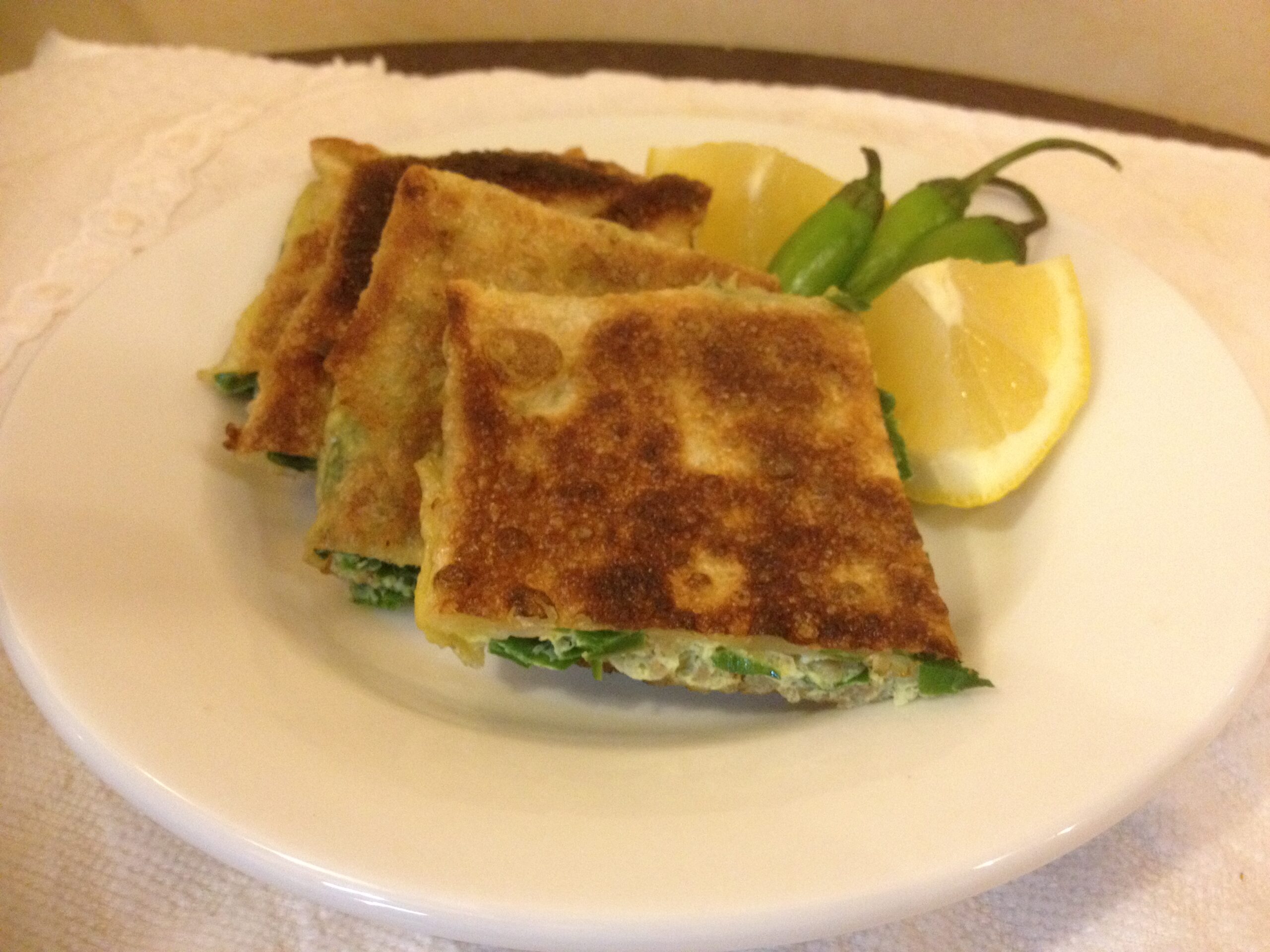
A flaky, crispy folded pastry filled with minced meat, onion, egg and herbs, pan-fried until the outside crackles. Mutabbaq (مطبق, literally “folded”) is the Hijazi breakfast street food — born in Mecca and Jeddah, now found everywhere. A sweet version filled with banana, cream and honey is served as a second course. The classic mutabbaq shops of Jeddah — Abu Zaid, Ahmad Mutabbaq on Al Balad — sell it from 5am. See our Jeddah street food guide for the landmark vendors.
Masoub
Masoub is the most distinctive Hijazi breakfast dish and the one most visitors miss. It is a warm pudding of overripe banana mashed with ground flatbread, cream and honey, topped with crushed pistachio, almond and sometimes a line of clotted cream (qishta). It is served as a sweet final course — think of it as the Saudi answer to banana bread pudding. Yemeni restaurants in Jeddah, particularly in the Hindawiyah and Baghdadiyah districts, make the best versions.
Jareesh
Coarse-cracked wheat slow-cooked with lamb or chicken and yoghurt until it reaches a risotto-like consistency. Jareesh is a Najdi dish — you will find it on almost every traditional breakfast menu in Riyadh and Qassim, rarely in Jeddah. It is filling, warming, and designed for cold desert mornings. Good jareesh is creamy but not soupy, with visible wheat grains.
Mugalgal
Diced beef, chicken or lamb stir-fried with onion, tomato and green chilli on a hot flat griddle. The pan comes to the table still hissing. Mugalgal (sometimes transliterated mogalgal) is the Najdi breakfast equivalent of a Cantonese breakfast congee meat — a protein-heavy dish eaten with flatbread. Al Atherya Village in Riyadh built its reputation on its chicken and beef mugalgal.
Balaleet
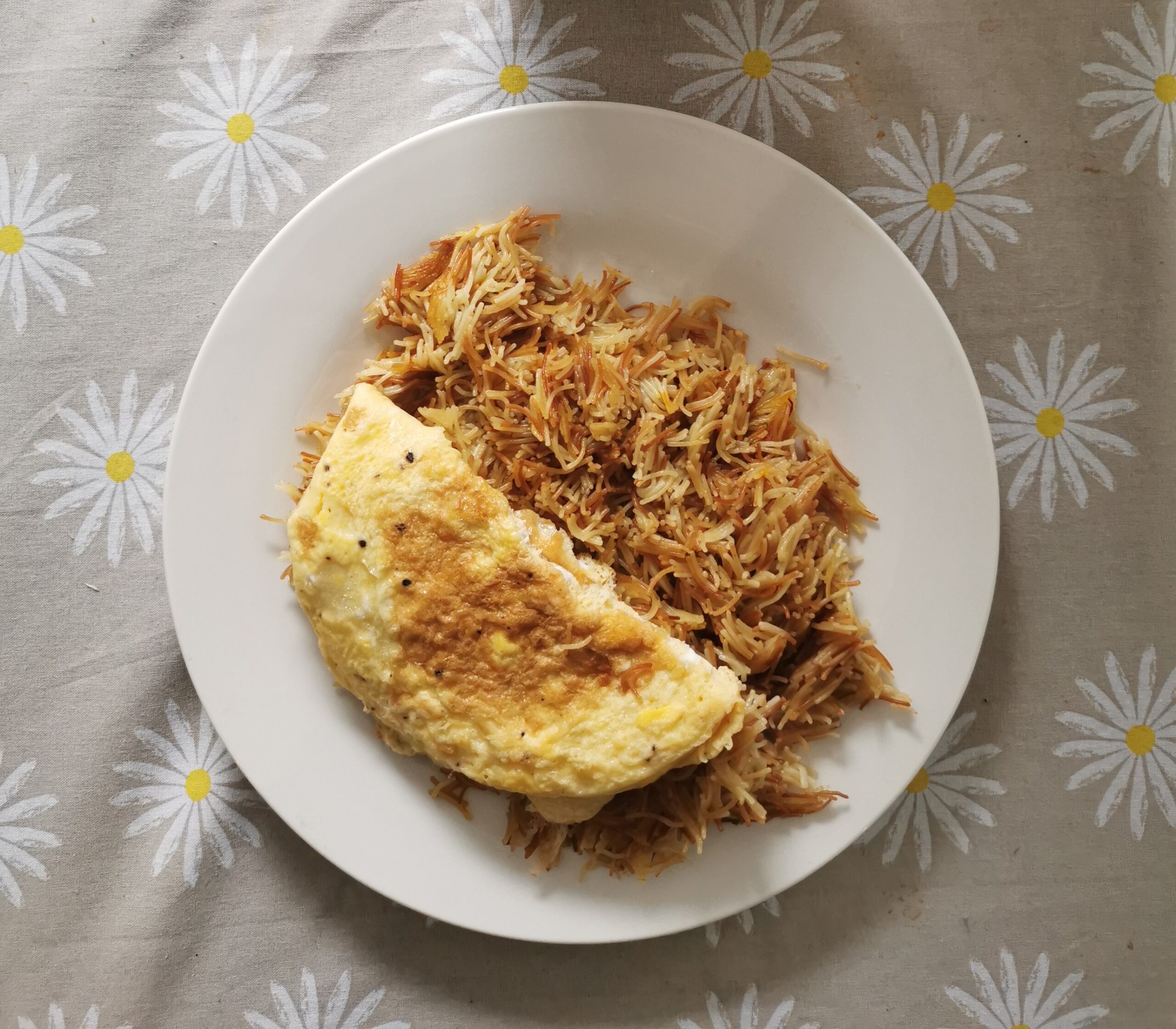
A Khaleeji (Gulf) sweet-and-savoury: sugar-sweetened vermicelli noodles spiced with saffron, cardamom and rosewater, served with a thin folded omelette on top. You will find balaleet across Dammam, Al Khobar, Qatif and Hofuf, where it has crossed over from Bahraini and Emirati breakfast tables. Order it early — good balaleet sells out by 10am.
Areekah
A dense round of flatbread crumbled by hand into a bowl with ghee, honey and sometimes dates — the classic Asiri breakfast eaten by highland shepherds, now proudly served in Abha and Al Baha restaurants as part of the Asir tourism push. See our Abha and Asir travel guide for where to eat it.
Qursan and Mufattah
Both are bread-layered stews. Qursan is a Najdi dish of thin dried flatbread layered with meat broth and chunks of lamb; mufattah is an Eid breakfast variant usually reserved for weddings and holidays. You will encounter these mostly at traditional hospitality houses and during Eid al-Fitr.
Arabic Coffee (Gahwa) and Red Tea
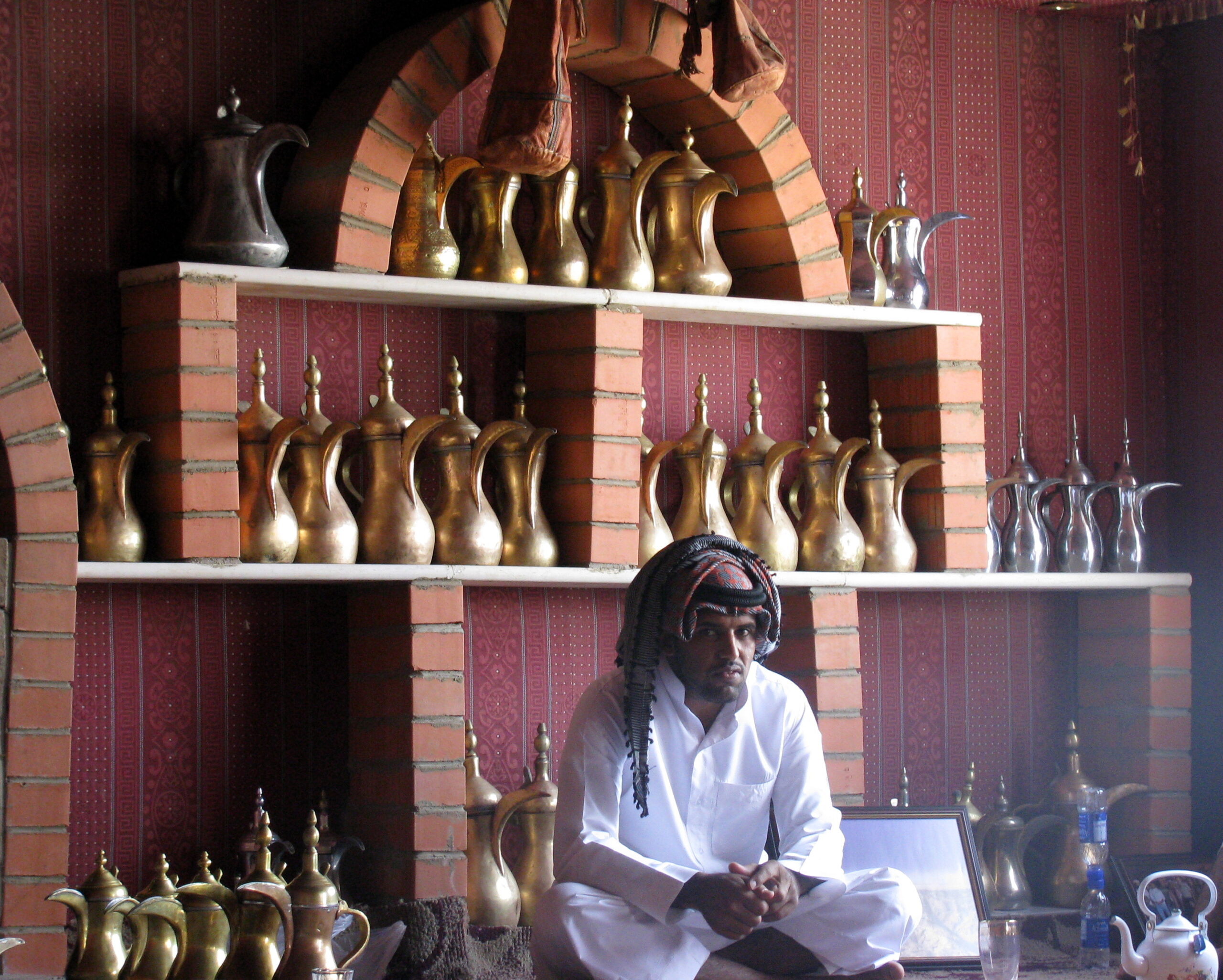
No Saudi breakfast is complete without gahwa — lightly roasted coffee infused with cardamom, sometimes cloves and saffron, served from a long-spouted brass dallah into small handleless cups. It is pale, bitter and aromatic, nothing like an espresso. You drink three cups and then shake the cup to signal you are done. Shay ahmar (red tea) — black tea brewed strong and served very sweet with fresh mint — is the other constant.
Regional Differences: Najdi, Hijazi, Asiri, Eastern
Saudi breakfast is not one thing. The kingdom is enormous and the four cultural regions — Najd, Hijaz, Asir and the Eastern Province — each have their own breakfast tradition that long predates the state. Order wisely based on where you are.
| Region | Signature Breakfast Dishes | What Makes It Distinct |
|---|---|---|
| Hijaz (Jeddah, Mecca, Medina, Taif) | Mutabbaq, kebda, foul, masoub, ma'soub | More olive oil, less ghee; Yemeni and Egyptian influences; sweet-savoury crossovers |
| Najd (Riyadh, Qassim, Hail) | Jareesh, mugalgal, qursan, mufattah | Heavier use of ghee; meat-and-wheat focus; eaten on the floor |
| Asir (Abha, Al Baha, Najran) | Areekah, honey with ghee, mutabbaq bil muz (banana), jareesh | Honey is a status ingredient; ghee drizzled generously; influence from Yemen |
| Eastern Province (Dammam, Khobar, Qatif, Hofuf) | Balaleet, aseedah, fatit, khabees | Bahraini and Emirati crossover; seafood breakfasts on the coast |
A useful rule: if you are in Riyadh, prioritise jareesh and mugalgal (see our Riyadh travel guide). If you are in Jeddah, prioritise masoub and kebda with mutabbaq (see our Jeddah travel guide). In Abha, ask for areekah with honey. In Dammam or Khobar, order balaleet before 10am.
Where to Eat Breakfast in Riyadh
Al Atherya Village
Located on King Abdullah Road on the northern edge of the city, Al Atherya Village is Riyadh’s best-known traditional breakfast restaurant. The compound is built to resemble a Najdi mud-brick village — low doors, palm-frond ceilings, floor seating in private majlis rooms. The kitchen opens at 4am and does not close until 2am. Order: chicken mugalgal, beef kebda, shakshouka, fresh tamees bread. Expect SAR 50–90 per person. Reserve a private room if you are in a group of four or more.
Harat Restaurant
Harat (حارات, meaning “neighbourhoods”) occupies a contemporary space designed to evoke 1980s Saudi street life — neon shop signs, painted walls, old radios on the shelves. The crowd is young and local. Order: lamb mugalgal, egg and halloumi bil fekhara, lentil stew, fresh mixed breads. Breakfast service runs 7am–12pm. Branches on Northern Ring Branch Road and in Diriyah. Expect SAR 60–100 per person.
Hamsa wa Taghmeesa
The name translates loosely as “dip and scoop” — a reference to how you eat here. Three types of kebda, smoked foul, baked halloumi, lentil stew, and a long list of dips to be torn at with flatbread. Hamsa is the Instagram breakfast in Riyadh and reservations are essential on weekends. Order: Hijazi liver, smoked foul, shakshouka with vegetables, the bread platter. Location: Al Abbas Ibn Abd Al Mouttaleb in the Al Muhammadiyah district. SAR 70–120 per person.
F6or Faris
F6or Faris (written in Saudi texting shorthand for Futoor Faris, “Faris’s Breakfast”) is a Saudi take on an American diner, with booth seating, chrome, and a breakfast menu split into Saudi and Western sections. Order: the masoub, the liver, the three-cheese dip. Useful if half your group wants pancakes and the other half wants jareesh. SAR 45–80 per person.
AlKofeia
AlKofeia is the go-to for Palestinian-style breakfast in Riyadh — foul, fatteh hummus with meat, gallaya tomato and meat, musakhan. It is cheaper than the destination restaurants and the portions are larger. Multiple branches across the city. SAR 30–60 per person.
Buttermilk
Founded by three Saudi women, Buttermilk is an all-day brunch restaurant with a strong local following. The Saudi section of the menu is limited (shakshouka, halloumi eggs) but the buttermilk pancakes, fried chicken and waffles, and avocado toast are best-in-class if you want Western breakfast food after a few days of ful. Open 7am–11.30pm. SAR 60–110 per person.
Where to Eat Breakfast in Jeddah
Jeddah is the Saudi breakfast capital — older, more cosmopolitan, more influenced by Yemeni, Egyptian and Hadrami cuisines. A Jeddah breakfast is longer, sweeter (thanks to masoub) and almost always ends with strong tea rather than coffee.
Abu Zaid, Al Balad
A landmark mutabbaq shop in Jeddah’s UNESCO-listed historic district. Abu Zaid has been folding and frying mutabbaq in the same tiny storefront for decades. Order the meat mutabbaq and a banana-honey one for dessert. Go early; by 9am the queue stretches to the next alley. This is a cornerstone stop on any Jeddah street food tour.
Fuul Al Baik
Not to be confused with the chicken chain — Fuul Al Baik is a Jeddah institution for fava beans. The kitchen has a single specialty: ful prepared five different ways (plain, with egg, with cheese, with tahini, with olive oil and cumin). Tiny, always crowded, open from dawn.
Al Tazaj
A Jeddah-born chain famous for charcoal chicken, Al Tazaj also runs a respectable breakfast menu — fresh tamees, shakshouka, and grilled halloumi. Useful if you are near the Corniche and want something reliable.
Hindawiyah Yemeni Breakfast Spots
The Hindawiyah and Baghdadiyah districts of old Jeddah have a dozen small Yemeni breakfast restaurants where you get the best masoub, fatta, and honey-ghee bread in the city. Names change often — ask a local the morning you visit. Expect SAR 25–50 per person.
Café Magad
A contemporary Saudi breakfast concept in Al Nahda, Jeddah. The menu is a curated mix of regional dishes — Najdi mugalgal, Hijazi kebda, Asiri areekah — aimed at Saudis who want to try dishes from a different region of their own country. Useful for one-stop sampling.
Breakfast in AlUla, Abha and the Eastern Province
AlUla
AlUla’s breakfast scene is built around the resort infrastructure — Habitas, Banyan Tree and the AlUla Old Town cafes all serve thoughtful Saudi breakfasts that highlight regional dates and honey. The Dates Pavilion inside AlUla Old Town serves a date-tasting breakfast with 15+ varieties. See our guide to AlUla restaurants for the full list.
Abha and Asir
In Abha, look for restaurants serving areekah — bread crumbled with ghee and honey — and mutabbaq bil muz (banana mutabbaq, a Yemeni-influenced Asiri variant). The high altitude and cool mornings make Abha one of the most atmospheric places in Saudi Arabia to eat breakfast outdoors.
Dammam and Al Khobar
The Eastern Province’s breakfast rotation centres on balaleet and aseedah (a wheat pudding). Heritage restaurants in Qatif and Hofuf run traditional Khaleeji breakfasts on Fridays. Al Khobar’s Corniche has a cluster of morning spots aimed at families. See our Al Khobar restaurants guide and Dammam restaurants guide.
Breakfast Etiquette: How to Eat Like a Local
- Wait to be seated. Most traditional breakfast restaurants assign you a private room (majlis) rather than a table. Shoes off at the door.
- Eat with your right hand. You will be given bread and cutlery, but the convention for tearing bread and scooping dips is the right hand only.
- Share everything. All dishes go in the middle. Taking your own plate is fine, but eating directly from the shared platter is normal.
- Accept the coffee. Gahwa is a hospitality gesture. Three small cups is the standard, then shake the cup side to side to signal you are done.
- Don’t tip excessively. 10% service is often included. A few extra riyals for the table is appreciated but not expected.
- Dress modestly. Tourists are not required to wear abaya, but breakfast restaurants — especially traditional ones — are family spaces. Knee-covering, shoulder-covering dress is the norm.
- Ramadan is different. Breakfast service effectively moves to pre-dawn suhoor and post-sunset iftar. Most traditional breakfast restaurants close during the day in Ramadan. Plan accordingly.
- Day 1 — Riyadh, Najdi breakfast. Al Atherya Village for mugalgal and jareesh on the floor in a private majlis. Finish with gahwa in the garden.
- Day 2 — Jeddah, Hijazi breakfast. Abu Zaid in Al Balad for morning mutabbaq, then a Yemeni restaurant in Hindawiyah for masoub and kebda.
- Day 3 — Al Khobar, Eastern breakfast. Balaleet and aseedah on the Corniche, with Arabic coffee and dates overlooking the Gulf.
- Saudi Arabia Travel Guide 2026 — The complete guide to visiting the Kingdom
- Saudi Kabsa Guide — The national dish explained, and where to eat the best version
- Mandi in Saudi Arabia — Smoked rice and lamb, the weekend favourite
- Jeddah Street Food Guide — Mutabbaq, sambusa and the Al Balad food circuit
- Riyadh Street Food Guide — Where locals eat when they’re not at home
- Where to Eat in AlUla — Cafes and restaurants across the heritage region
- Saudi Arabia Visa Guide — Every visa type explained
Vegetarian and Vegan Breakfasts in Saudi Arabia
Saudi breakfast is naturally vegetarian-friendly. Ful, shakshouka, hummus, halloumi, labneh, olives, dates, tamees and eggs are all vegetarian or easily adapted. Vegans will find ful, hummus, olives, tamees, dates and mutabbaq vegetable variants everywhere — ask for bidoon jibna, bidoon bayd (“without cheese, without eggs”) to be safe. Jareesh is not vegan (cooked with meat stock and yoghurt). Masoub is usually made with cream; a vegan version exists but you will need to ask.
Warning: Many Saudi dishes are cooked with samn (clarified butter/ghee), especially in Najd and Asir. If you are strict vegan, ask bidoon samn, bidoon zebda (“without ghee, without butter”) and accept that areekah and mugalgal are off the table.
Practical Tips for Visitors
Timing
Saudi breakfast culture runs on a later clock than Europe or the US. Most traditional restaurants open between 6am and 8am, peak between 9am and 11.30am, and wind down by 1pm. On Fridays, breakfast extends to 2pm to accommodate post-prayer families. The big destination restaurants (Al Atherya, Harat) serve breakfast into mid-afternoon.
Prices
A generous sit-down breakfast for two — four or five shared dishes plus bread, coffee and tea — typically runs SAR 100–180 (USD 27–48). Street mutabbaq and a cup of tea is SAR 15–25 (USD 4–7). Hotel breakfast buffets run SAR 90–200 but the food is almost always generic international; skip them.
Payment
Card is universally accepted in cities. Mada (the Saudi debit network), Apple Pay and Google Pay work at virtually every restaurant. Small street stalls and tea sellers still prefer cash — SAR 20 and 50 notes are useful.
Reservations
Use the Jahez, HungerStation or ToYou apps to reserve tables at popular breakfast restaurants, especially on Fridays and Saturdays. Walk-ins work at street-food spots and traditional Hijazi shops.
Language
Menus in Riyadh and Jeddah are almost always bilingual Arabic/English. In Abha, Najran or rural Qassim, menus may be Arabic-only — screenshot this guide’s dish list on your phone and point.
Getting There
Uber and Careem work everywhere. Most traditional breakfast restaurants are in residential neighbourhoods rather than central tourist areas, so expect a 10–30 minute ride. For visa and entry information, see our Saudi Arabia visa guide.
A Three-Day Breakfast Itinerary
For visitors who want to taste the full range of Saudi breakfast culture in a short trip, here is a compressed circuit:
This mini-circuit — three cities, three breakfast traditions — is one of the best ways to understand Saudi regional diversity on a short trip.
Beyond Breakfast: What to Eat Next
Once you have the breakfast rotation down, the natural next step is the lunch and dinner canon. Kabsa — the spiced rice and meat dish that is effectively the national meal — is your next stop. Mandi, the Yemeni-origin smoked rice-and-lamb dish cooked in underground ovens, is the weekend favourite. And Riyadh street food picks up from late morning onwards, once the breakfast houses close.