
October is widely regarded as one of the finest months on the Saudi Arabia travel calendar. Summer’s punishing heat retreats across most of the country, Riyadh Season launches with a blaze of concerts and sporting events, and AlUla’s ancient desert landscape reopens to visitors after its scorching off-season. If you have been waiting for the right moment to explore the Kingdom, October delivers a compelling mix of manageable temperatures, cultural energy, and relatively modest prices before the peak winter rush. This guide is part of the comprehensive Saudi Arabia Travel Guide and covers everything you need to plan a trip in October — from regional weather breakdowns and festival calendars to packing lists, budget tips, and the best places to visit.
October at a Glance
- Best regions: AlUla, Abha & Asir, Riyadh, Red Sea coast
- Avg. Riyadh high: 36 °C early October / 29 °C late October
- Avg. Jeddah high: 35 °C / humidity remains elevated
- Avg. Abha high: 22–25 °C (highland relief)
- Avg. AlUla high: 30–33 °C, cool desert nights
- Crowd level: Low to moderate — pre-peak shoulder season
- Riyadh Season: Opens mid-October (typically 10–15 October)
- Hajj/Umrah: Umrah is fully open in October
- Visa: eVisa available to 60+ nationalities — see our full visa guide
- Currency: Saudi Riyal (SAR); 1 USD ≈ 3.75 SAR
Weather Overview: Is October a Good Time to Visit Saudi Arabia?
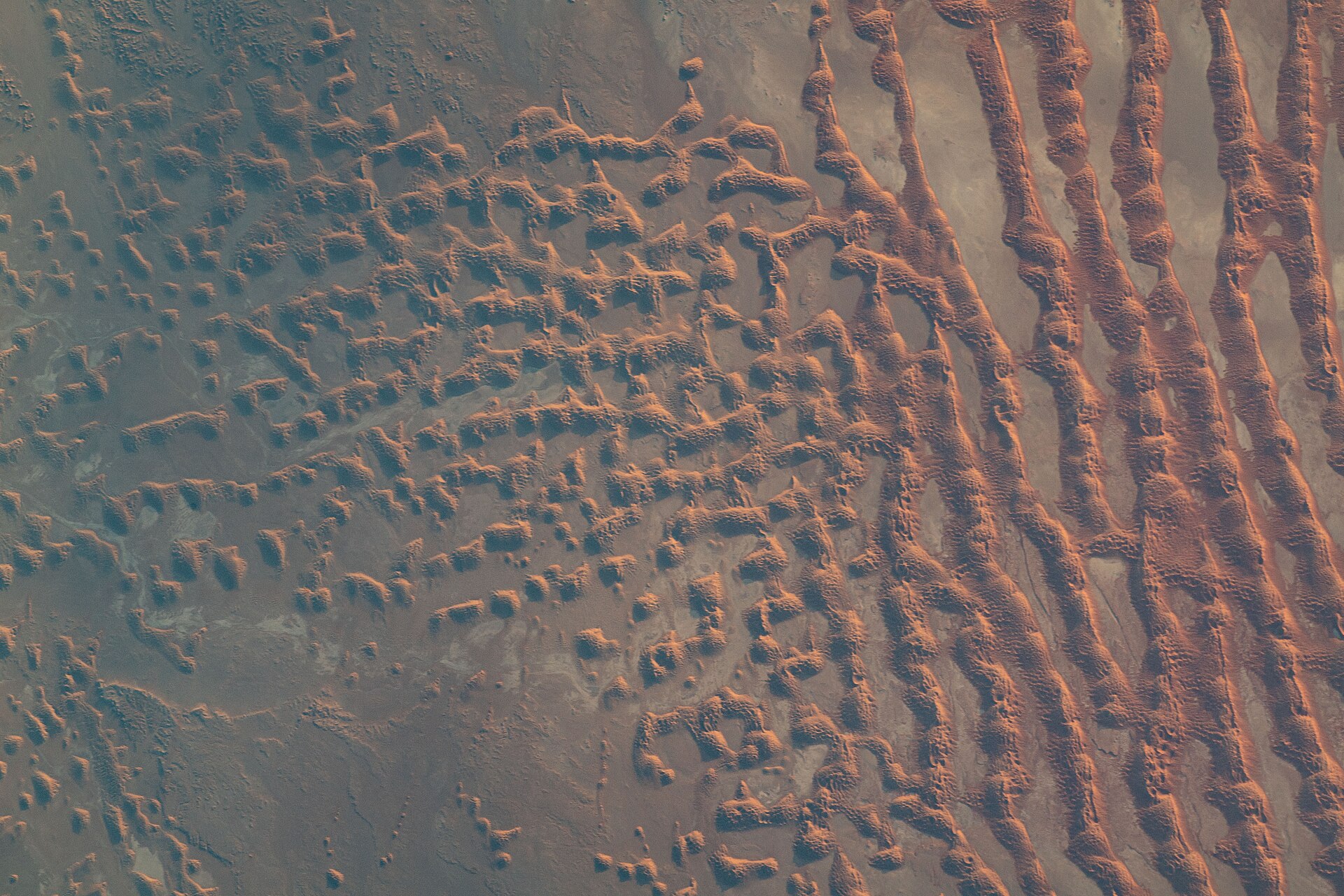
In a word: yes. October marks the hinge point between Saudi Arabia’s brutal summer and its celebrated tourist season. Across most of the country, maximum temperatures drop by 5–10 °C compared with September, and the oppressive humidity that clings to coastal cities begins to ease. By the final week of October, Riyadh evenings are genuinely pleasant, AlUla’s canyons are walkable at any hour, and the highland city of Abha sits at a cool, breezy 20–22 °C.
That said, October is a month of two halves. The first two weeks can still feel very much like summer in low-lying cities — Jeddah in particular retains high humidity and temperatures nudging 35 °C well into the month. Pack accordingly, plan outdoor activities for early mornings and evenings, and keep expectations calibrated by region. Rainfall is rare everywhere in October; you can plan outdoor excursions without any significant risk of disruption.
October Weather by Region
Riyadh
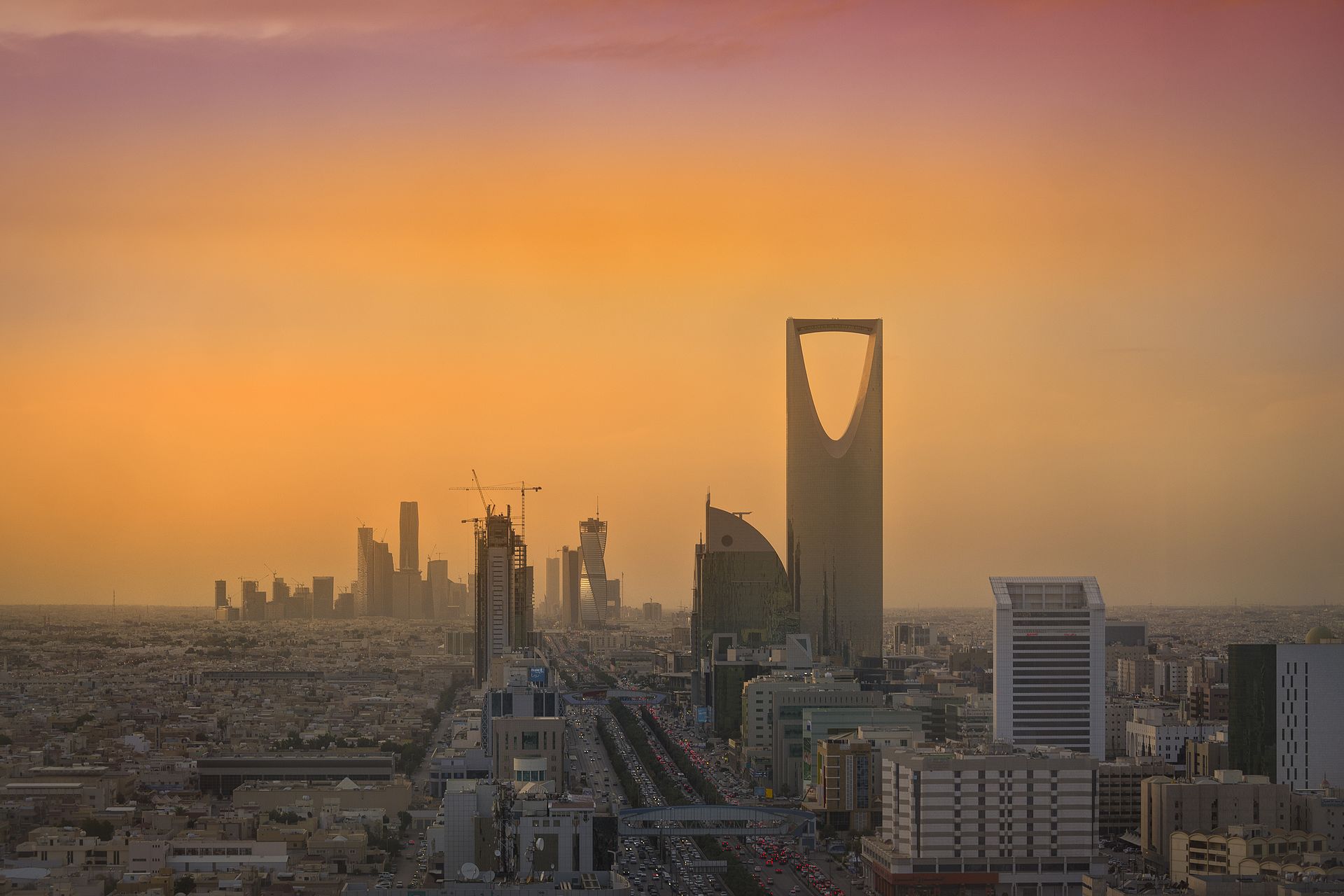
The capital sits on the Najd plateau at roughly 600 metres above sea level, which helps temperatures cool faster than in coastal cities once the summer arc begins to turn. Early October still sees daytime highs of 36–37 °C, so outdoor sightseeing between 11am and 4pm remains uncomfortable. By late October, however, the average high drops to around 30 °C and evenings fall to a pleasant 18–21 °C. This is exactly the window when Al Diriyah, Wadi Hanifah, and the Edge of the World become enjoyable for walking. Riyadh Season — the Kingdom’s biggest entertainment festival — launches in mid-October, filling Boulevard City and eleven entertainment zones across the city with concerts, sports events, and food festivals. The Edge of the World hike is best attempted from late October onwards when trail temperatures are manageable.
Jeddah
Jeddah’s position on the Red Sea coast means it benefits less from the autumn temperature drop than inland cities. Maximum temperatures sit at 34–35 °C through most of October, and the relative humidity — often 60–70 per cent — can make it feel hotter. Nights are warm at around 27–28 °C. The upside: Red Sea water temperature remains a bath-warm 30 °C, making snorkelling and diving excellent throughout the month. Al-Balad, Jeddah’s UNESCO-listed historic district, is best explored early morning, with the Jeddah Corniche coming alive each evening. Cruise ship calls to Jeddah Cruise Port also begin in earnest from late October as winter itineraries launch.
AlUla
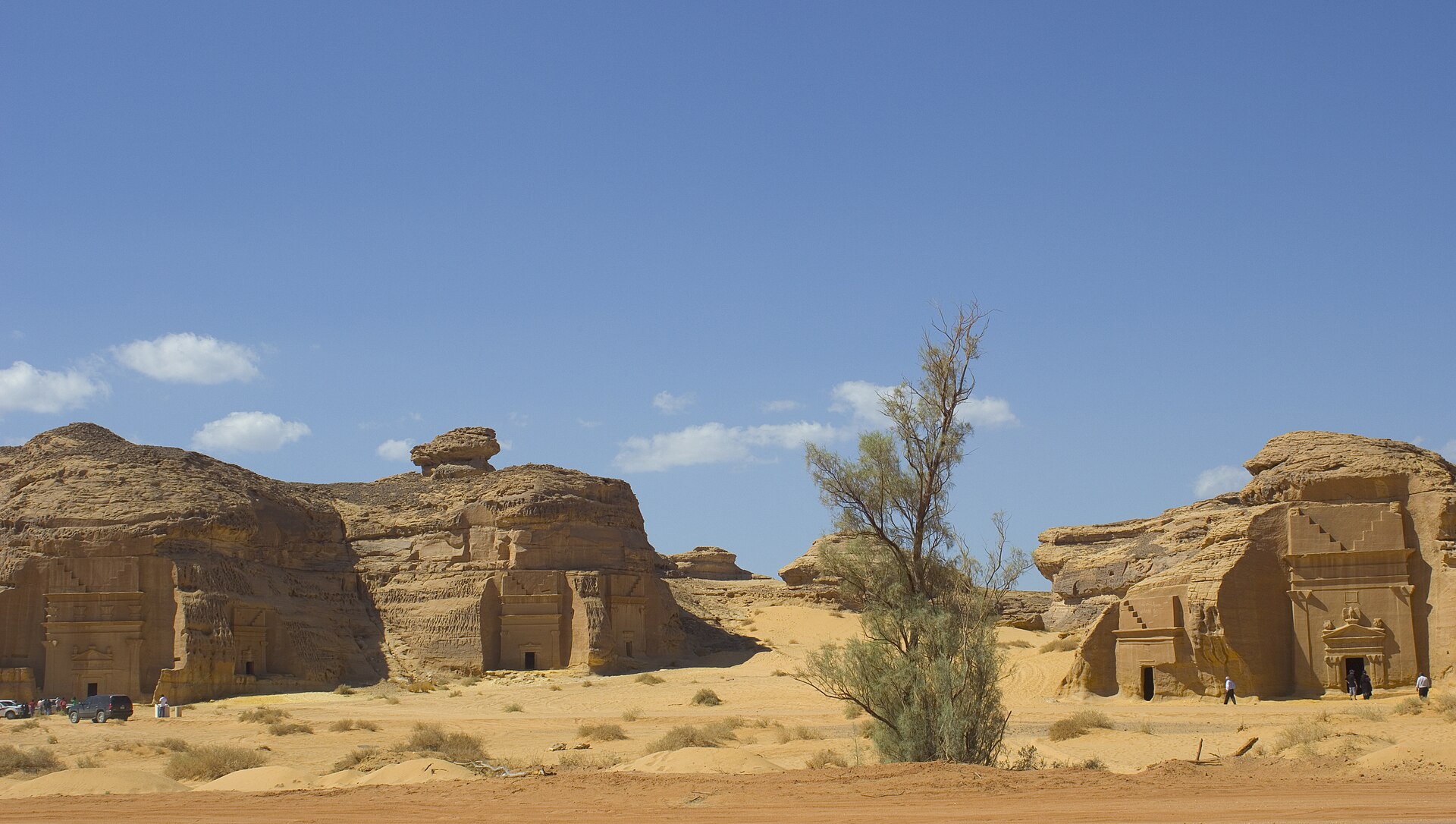
AlUla’s desert valley setting means it swings between extremes: summer highs reach 43 °C, making the site effectively off-limits. October is the reopening month. Average daytime highs in early October are 33 °C, falling to 28 °C by month’s end, with nights dropping to a crisp 15–17 °C. This diurnal swing makes October magical for stargazing and early-morning hikes among the Nabataean tombs of Hegra. Elephant Rock and the layered sandstone of the Dadan archaeological site are at their most atmospheric in the golden light of October afternoons. The Winter at Tantora festival does not begin until December, but October visitors have the extraordinary advantage of smaller crowds and full site access.
Abha and the Asir Highlands
At 2,270 metres above sea level in the Sarawat Mountains, Abha is Saudi Arabia’s climate outlier year-round — and in October it is simply delightful. Average highs of 22–25 °C and lows around 13–16 °C make it the most comfortable major city in the Kingdom during this month. The summer monsoon rains that characterise the Asir region have generally passed by October, leaving landscapes unexpectedly green by Arabian Peninsula standards. The Abha Cable Car and the scenic village of Rijal Alma’a are excellent day trips. Travellers from hot coastal cities often use October as the last chance for a highland escape before the cool winter elsewhere makes Abha’s chill less remarkable by contrast.
Eastern Province (Dammam, Al Khobar, Dhahran)
The Eastern Province shares some characteristics with Jeddah — coastal humidity, warm nights — but faces the shallower Arabian Gulf rather than the Red Sea. October daytime highs run 36–38 °C in the first half of the month, easing to 30–32 °C by the end. Gulf water temperatures at 28–30 °C are still warm enough for swimming. The Corniche at Al Khobar and the causeway link to Bahrain make for pleasant late-evening outings. Serious beach and water-sports enthusiasts will find conditions more appealing from November onwards.
Tabuk and NEOM Region
Tabuk’s higher altitude (770 metres) and latitude give it a slightly cooler October than the Gulf coast — average highs around 31–33 °C. The Red Sea coast north of NEOM at Sharma and Sharm Tabuk sees excellent diving visibility in October, with water temperatures around 27 °C. The Tabuk region also includes Hisma desert and Wadi Disah, increasingly popular with hikers as autumn opens the trekking season.
Events and Festivals in October
Riyadh Season (Mid-October to March)
Riyadh Season is the Kingdom’s signature entertainment programme and its 2025–2026 edition launched on 10 October 2025, running through to March 2026. Organised by the General Entertainment Authority, the festival spans eleven entertainment zones across Riyadh — including Boulevard City, Boulevard World, and the revamped Diriyah area — and typically delivers around 7,000 events across its run. October highlights in recent seasons have included the Six Kings Slam tennis tournament (top-six ATP players in a high-stakes exhibition format) in the third week of October, world boxing championship bouts, international DJs, and an elaborate opening ceremony featuring thousands of performers and illuminated floats departing from Boulevard City.
For visitors planning specifically around Riyadh Season, mid-to-late October offers a sweet spot: the festival is fresh, big-ticket events are clustered in the opening weeks, and the weather is cooling just enough to make evening events outdoors manageable.
Saudi National Day Aftermath
Saudi National Day falls on 23 September, and while the main celebrations are over by October, the festive atmosphere extends into the first week of the month. Decorations remain up in city centres, special hotel packages continue, and some cultural programmes — heritage exhibitions, traditional music performances — run into early October in Riyadh, Jeddah, and Al Khobar. This gives the first week of October a bonus celebratory dimension that is easy to overlook when planning.
AlUla Season Preview
While the flagship Winter at Tantora festival does not begin until mid-December, the Experience AlUla team typically starts soft-launching guided tours of Hegra, Dadan, and the Old Town from October. Hot-air balloon flights over the desert, offered by AlUla’s balloon operators, resume in October after the summer closure. Booking demand for AlUla rises steeply from November, making October an ideal moment to visit before the season fully cranks up.
Formula 1 (Not in October)
The Saudi Arabian Grand Prix takes place in Jeddah but in the spring (typically March). If Formula 1 is your primary motivation, October is not the right month — though Riyadh Season in October-November sometimes includes motorsport exhibition events.
Umrah — Fully Open
October sits well outside the Hajj cordon period (Hajj 2026 falls in late May). Umrah is fully open throughout October, making it an excellent month for Muslim visitors wishing to combine spiritual travel with tourism. Note that Mecca and Medina remain restricted to Muslims only. Our Umrah visa guide covers the separate pilgrimage visa process.
Best Places to Visit in Saudi Arabia in October
1. AlUla and Hegra
October is the opening of AlUla’s prime season and arguably the best month to visit before crowds build. Hegra’s 111 tomb-studded sandstone outcrops are a UNESCO World Heritage Site visited by fewer than 200,000 people a year — a fraction of Jordan’s Petra. Entry requires a timed ticket purchased through the Experience AlUla platform. The drive from Riyadh takes roughly five hours or you can fly into AlUla Regional Airport.
2. Riyadh and Boulevard City
With Riyadh Season in full swing from mid-October, the capital transforms. Boulevard City’s permanent attractions (indoor theme parks, fine dining, international retail) combine with the season’s pop-up concert stages and sports arenas. Diriyah’s restored mud-brick Al-Turaif district, a UNESCO World Heritage Site, is at its best in the cooler evenings from late October. Day trips from Riyadh to Edge of the World, Ushaiqer Heritage Village, and the Empty Quarter edges are well-suited to this month.
3. Abha and Asir
For travellers craving green mountain scenery rather than desert monuments, the Abha and Asir region is superb in October. Post-monsoon vegetation gives the escarpment an unusually verdant appearance by Saudi standards. The traditional villages along the escarpment road — Rijal Alma’a, Thee Ain — combine stone architecture with spectacular canyon views. Al Soudah Park, near the highest point of the Sarawat range at around 3,000 metres, is a government-managed outdoor recreation area that is excellent for hiking and cool picnics.
4. Jeddah’s Historic District and Red Sea
Al-Balad’s coral-and-timber Hejazi architecture — another UNESCO World Heritage Site — is best explored before 10am or after 5pm in October when heat and humidity are manageable. The Corniche waterfront comes alive after sunset. For water sports enthusiasts, October is excellent: Red Sea visibility runs at 15–20 metres, water is warm at 30 °C, and the summer crowds have thinned. Snorkelling gear can be rented easily from Obhur Creek or the resorts north of the city.
5. Tabuk and Wadi Disah
Wadi Disah (also called Wadi Qaraqir) is a 15-kilometre canyon lined with palm trees and dramatic sandstone cliffs — one of Saudi Arabia’s most photogenic landscapes. Access is by 4WD from Tabuk. October brings manageable temperatures (31–33 °C in the valley) and good light for photography. It pairs well with a visit to the Tabuk Castle and the Hejaz Railway ruins nearby.
Outdoor Activities in October
Desert Camping and Dune Bashing
October signals the return of desert camping season across the Rub’ al Khali (Empty Quarter) edges, the Nefud, and the red-sand dunes around Riyadh. Night temperatures of 18–22 °C in central Arabia are ideal for open-air sleeping. Dune bashing — off-road driving across sand dunes in 4WD vehicles — is a quintessentially Saudi experience that becomes genuinely enjoyable once the mercury drops below 35 °C. Most Riyadh-based tour operators resume their desert weekend packages in October after suspending them through summer.
Hiking and Wadi Walks
October is prime time for wadi walks across the Kingdom. Wadi Hanifah near Riyadh, the canyons around Al Bahah, and the escarpment trails above Abha are all accessible without the 6am start-time discipline required in summer. The relatively low tourist footfall in October means trails feel uncrowded.
Red Sea Diving and Snorkelling
October is one of the best months for Red Sea diving off Jeddah, Yanbu, and the emerging sites around NEOM. Water temperature hovers at 29–30 °C and visibility is excellent. Yanbu’s dive sites include several intact coral gardens and wreck sites with strong October visibility. Snorkelling near Jeddah remains viable from hotel beach facilities throughout the month.
Stargazing
Saudi Arabia’s vast dark-sky zones — the Empty Quarter, the Tabuk highlands, the AlUla valley — come into their own as October nights cool. The Kingdom has some of the lowest light-pollution skies in the hemisphere, and the Milky Way is routinely visible with the naked eye from desert camping sites. Dedicated stargazing tours operate from Riyadh and AlUla from October through March.
Hot-Air Ballooning
AlUla’s hot-air balloon flights over Hegra and the surrounding sandstone escarpments resume in October. Flights depart at dawn and offer a unique aerial perspective of the Nabataean landscape. Booking well in advance is advisable as availability is limited even in the shoulder season.
What to Pack for Saudi Arabia in October
Packing for October requires layering strategy. Daytime temperatures in most cities are still warm — light, breathable clothing in natural fibres (cotton, linen) is essential. But by late October, Riyadh and AlUla evenings can drop to 18 °C, and Abha nights are genuinely cool at 13–15 °C. Our full Saudi Arabia packing list covers essentials in detail, but here are the October-specific priorities:
- Lightweight breathable tops for daytime — synthetic or linen fabrics dry quickly in heat
- Light jacket or fleece for AlUla and Abha evenings
- Modest clothing — shoulders and knees covered in public; women do not need to wear abaya as tourists but loose-fitting modest dress is culturally appropriate. See our women’s dress code guide.
- Good walking shoes — essential for heritage sites, wadi trails, and archaeological areas
- Sun protection — SPF 50+, sunglasses, wide-brimmed hat; UV index remains extreme at 9–10 through mid-October
- Swimwear — for resort pools and Red Sea activities; modest swimwear for public beaches
- Power adapter — Saudi Arabia uses Type G plugs (same as UK); see our power plug guide
- Cash in SAR — card payment is near-universal in cities but smaller souqs and rural sites are cash-only; see our currency guide
Budget Tips for October
October falls in Saudi Arabia’s shoulder season — after the summer discounts that peak in July and August, but before the premium winter pricing that kicks in from November onwards when European and GCC tourists flood the country. This makes it an excellent value window:
- Hotel rates: Typically 15–25 per cent below their December–February peak. Mid-range hotels in Riyadh and Jeddah are plentiful at SAR 200–400 (USD 53–107) per night.
- Flights: October generally sees lower airfares on routes from Europe, South Asia, and Southeast Asia compared with November–January. Booking 6–8 weeks out captures the best fares.
- Tours and activities: Desert camping operators and heritage tour companies often offer early-season pricing in October before demand drives rates up.
- VAT refund: Foreign tourists can reclaim 15 per cent VAT on purchases over SAR 500 (approximately USD 133) at registered retailers. This is meaningful for perfume, gold jewellery, and electronics purchases.
- Free attractions: Al Diriyah’s outer area, Jeddah Corniche, Riyadh’s public parks, and most mosque courtyards are free to enter. Budget travellers can build itineraries with minimal admission spend.
A comfortable week in Saudi Arabia in October — combining Riyadh, AlUla, and Jeddah — is achievable for USD 1,200–2,000 per person, excluding international flights. See our detailed Saudi Arabia cost guide for a full breakdown.
Practical Information for October Visitors
Visas
Most nationalities can apply for a Saudi tourist eVisa online through the Visit Saudi platform or on arrival at major airports. The eVisa costs USD 135 (including medical insurance), is valid for one year with multiple entries, and permits stays of up to 90 days. See our Saudi eVisa guide for a step-by-step walkthrough and full eligibility list. Citizens of certain countries may qualify for a free visa on arrival.
Getting Around
Riyadh has an expanding metro network, but a rental car gives the most flexibility for exploring regional sites. The car rental guide covers requirements and costs. The Haramain High-Speed Railway links Jeddah to Mecca, Medina, and King Abdullah Economic City — a genuinely convenient option for the Jeddah–Medina corridor. Domestic flights on Saudia, flynas, and flyadeal connect all major cities affordably.
Internet and Connectivity
Saudi Arabia has excellent 4G/5G coverage in all cities and most tourist sites. Buying a local SIM at the airport is straightforward and cheap — see our SIM card guide. Some social media platforms and VoIP services are restricted; our internet guide explains what is blocked and how to stay connected.
Health and Safety
Saudi Arabia is generally very safe for tourists. The main October health consideration is the ongoing heat in the first half of the month: stay hydrated, avoid prolonged midday sun exposure, and carry water at all times. Medical facilities in Riyadh and Jeddah are excellent; see our hospital guide for recommended facilities and our travel insurance guide for coverage recommendations.
Cultural Etiquette
Saudi Arabia’s social landscape has changed rapidly under Vision 2030 — mixed-gender entertainment venues, public concerts, and tourist-friendly beaches are now all mainstream — but cultural sensitivity remains important. Public displays of affection are discouraged, alcohol is prohibited, and photography of government buildings and military installations is forbidden. Our etiquette guide and photography rules page cover the key dos and don’ts in detail.
October vs November: Which Is Better?
Both months are excellent, but they suit different travel priorities. October offers lower prices, Riyadh Season at its freshest, and AlUla without the winter crowds. November brings more consistently cool weather across all regions, higher tourist footfall (meaning more tour operator availability), and the start of the big AlUla resort season. If budget is a factor, October wins. If you want the full winter-season atmosphere — outdoor markets, twilight concerts, cool Riyadh evenings — November–December delivers more reliably.
Compare with our adjacent month guides: Saudi Arabia in September covers the National Day period and late-summer shoulder season.
Is October the Best Month to Visit Saudi Arabia?
October consistently ranks among the top three months to visit Saudi Arabia alongside November and February. It wins on value and exclusivity: you get the reopening of AlUla’s season, the launch of Riyadh Season, manageable temperatures in most regions, and hotel prices that have not yet hit their winter premium. It loses some points on weather in Jeddah and the Eastern Province, where heat and humidity persist well into the month.
For first-time visitors wanting to hit all the highlights — Riyadh, Diriyah, AlUla, Jeddah’s Al-Balad — a ten-to-fourteen-day trip in late October to early November threads the needle perfectly: autumn shoulder-season pricing in October combined with the more comfortable temperatures of early November.
Whatever your travel style — adventure, culture, luxury, or budget — October is a month that rewards the visitor who plans carefully. The Kingdom’s extraordinary infrastructure investment under Vision 2030 means new experiences are constantly coming online, and October 2026 promises to be as compelling as any previous edition of the season.
Explore More of the Saudi Arabia Travel Guide
- Saudi Arabia Travel Guide 2026 — Full Hub
- Saudi Arabia in September: National Day and Shoulder Season
- Saudi Arabia Weather by Region: When to Visit Each City
- Hegra UNESCO Site: Complete Visitor Guide
- Abha and the Asir Region: Saudi Arabia’s Mountain Escape
- Saudi Arabia eVisa: How to Apply Step by Step