
September is when Saudi Arabia begins to stir after the long summer lull. The month sits at a crossroads: still hot enough to keep crowds thin, but cooling just enough to make evenings manageable — and crowned by the country’s biggest patriotic celebration, Saudi National Day on 23 September. For travellers willing to trade peak-season comfort for lower prices, emptier attractions, and a front-row seat to one of the Kingdom’s most exuberant public holidays, September is a genuinely compelling time to visit. Whether you are building a wider Saudi Arabia travel itinerary or targeting the National Day weekend specifically, this guide covers everything you need to plan a September trip.
Best Time to Visit: Late September (from around the 20th), when National Day festivities begin and heat eases slightly
Getting There: Direct flights to Riyadh (RUH) and Jeddah (JED) from most major hubs; domestic connections via Saudia, flynas, and flyadeal
Visa Required: Yes — tourist e-visa available for 60+ nationalities
Budget: $80–$200/day (shoulder-season hotel discounts of 20–40% compared to November–March peak)
Must-See: Saudi National Day celebrations (23 Sept), Abha highlands, Red Sea diving
Avoid: Midday outdoor sightseeing in lowland cities — temperatures still exceed 40°C in Riyadh and the Eastern Province
September Weather Across Saudi Arabia
September is the tail end of the Arabian summer. Temperatures are beginning their slow descent, but the transition is gradual rather than dramatic. How comfortable your trip will be depends almost entirely on where you go.
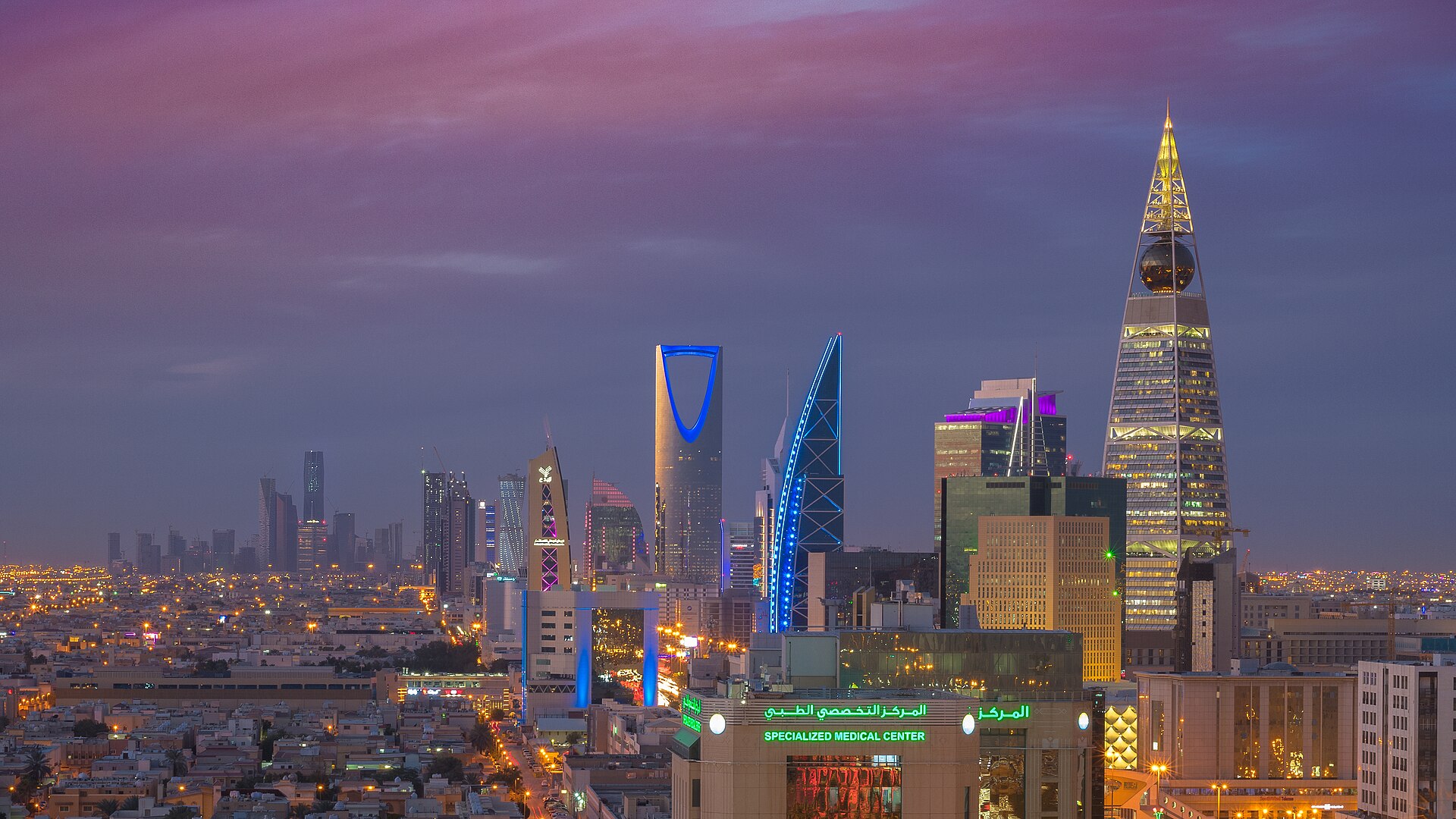
Riyadh and the Central Plateau
Daytime highs in Riyadh still regularly hit 40–43°C in early September, easing to around 38–40°C by month’s end. Nights drop to a more tolerable 24–26°C, which is when the city comes alive. Humidity is low — typically under 20% — so the dry heat is more bearable than coastal equivalents. Rainfall is essentially zero. If you are visiting Riyadh in September, plan outdoor activities for early morning or after sunset. For a deeper look at regional climate patterns, see our Saudi Arabia weather guide.
Jeddah and the Red Sea Coast
Jeddah is hot and humid in September, with daytime highs of 36–38°C and humidity that can push above 70%. The Red Sea water temperature sits at a bathwater-warm 30–31°C — pleasant for swimming and excellent for diving. The heat is less extreme than Riyadh in raw numbers, but the humidity makes it feel heavier. Evening walks along the Jeddah Corniche are comfortable from around 8 pm onward.
Abha, Taif and the Southern Highlands
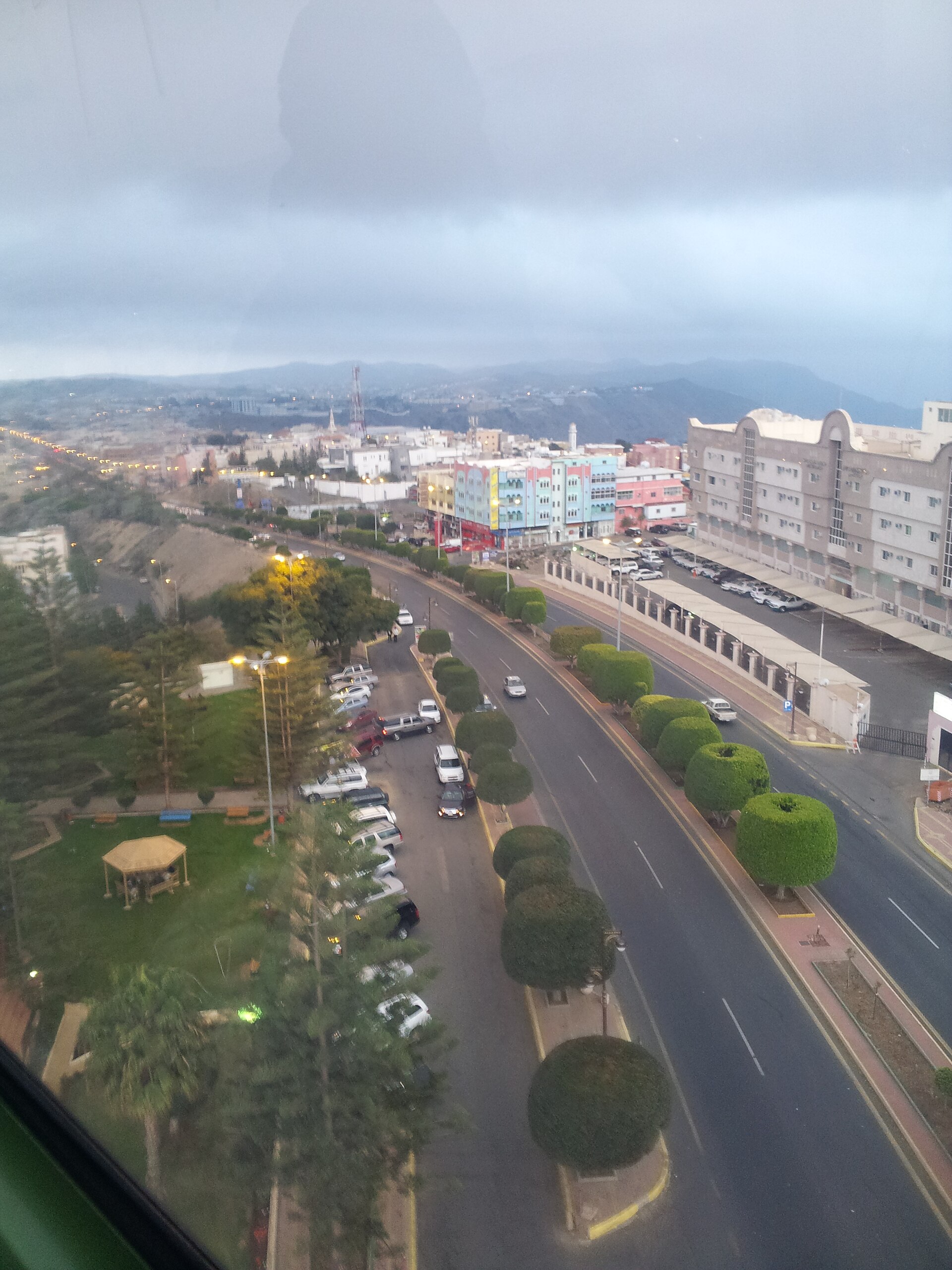
The highlands are September’s secret weapon. Abha, perched at 2,270 metres in the Asir Mountains, sees daytime temperatures of just 22–27°C with cool nights dropping to 14–16°C. It is one of the few places in Saudi Arabia where you might need a light jacket in the evening. Taif, at 1,879 metres, runs slightly warmer at 25–30°C but remains far more comfortable than the lowlands. Both cities see occasional late-monsoon showers in September, which keep the hillsides unusually green. For full coverage of this region, see our Abha and Asir travel guide.
Dammam, Al Khobar and the Eastern Province
The Gulf coast is brutally humid in September. Dammam and Al Khobar see highs of 38–42°C combined with humidity levels above 60%, producing heat-index values that can feel like 50°C. Sea temperatures in the Arabian Gulf are among the warmest on Earth at this time of year — around 33–34°C. Unless you have specific business in the Eastern Province, most leisure travellers will find other regions more enjoyable.
Temperature Comparison Table
| City | Avg High (°C) | Avg Low (°C) | Humidity | Rain |
|---|---|---|---|---|
| Riyadh | 40 | 25 | 15–20% | 0 mm |
| Jeddah | 37 | 28 | 55–70% | 0–2 mm |
| Abha | 27 | 15 | 40–60% | 15–30 mm |
| Taif | 30 | 20 | 25–40% | 5–15 mm |
| Dammam | 40 | 27 | 55–70% | 0 mm |
| Tabuk | 36 | 22 | 20–30% | 0–3 mm |
Saudi National Day: 23 September
The centrepiece of any September visit is Saudi National Day, celebrated every year on 23 September. The date marks the 1932 royal decree by King Abdulaziz ibn Saud — Royal Order No. 2716 — that unified the Kingdom of Hejaz and Nejd into the Kingdom of Saudi Arabia. In 2026, Saudi Arabia celebrates its 96th National Day, and it falls on a Wednesday, with the government typically declaring a multi-day public holiday around it.
What Happens on National Day
National Day is the closest Saudi Arabia gets to a full-blown public carnival. Expect:
- Fireworks displays in every major city, typically launched at 9:00 PM from landmarks like Umm Ajlan Park in Riyadh, the Jeddah Promenade, and the Northern Corniche in Al Khobar
- The Ardha, the traditional sword dance of Najd, performed in public squares — men in traditional white thobes line up shoulder to shoulder, chanting poetry to the rhythm of drums while carrying ceremonial swords
- Drone shows and aerial displays by the Saudi Hawks (the Royal Saudi Air Force aerobatic team), which perform flyovers in 14 cities
- Free public events — concerts, cultural exhibitions, food festivals, and family entertainment zones, many of which are free to enter
- Green and white everywhere — buildings, cars, bridges, and people are draped in the national colours; Saudi flags line every major road
- Lightweight, breathable clothing in natural fibres — linen and cotton are ideal. Modest dress is required in public: women should cover shoulders and knees; men should wear long trousers. See our women’s dress code guide and men’s dress code guide for specifics
- Sun protection — SPF 50+, wide-brimmed hat, and UV-rated sunglasses are non-negotiable
- A light jacket if you are heading to Abha or Taif — highland evenings can drop below 15°C
- A reusable water bottle — dehydration is a real risk at 40°C. See our drinking water guide
- A power adapter — Saudi Arabia uses Type G (UK-style three-pin) sockets. Check our power plug guide
- Saudi Arabia Travel Guide 2026 — The complete guide to visiting the Kingdom
- Best Time to Visit Saudi Arabia — Month-by-month climate and event guide
- Saudi Arabia Events Calendar 2026 — Every major event and festival by date
- Saudi Arabia in February — Founding Day celebrations and peak-season weather
- Saudi Arabia in March — Ramadan, spring weather, and cultural tips
- Saudi Arabia in April — Post-Ramadan travel and warming temperatures
- Saudi Arabia in July — Peak summer heat, highland escapes, and off-season deals
- Abha and Asir Travel Guide — Saudi Arabia’s mountain escape
- Saudi Arabia Diving Guide — Red Sea sites, operators, and what to see
- Saudi Arabia Visa Guide — Every visa type explained
Where to Celebrate
Riyadh hosts the largest celebrations. Boulevard Riyadh City typically runs a multi-day programme with concerts, cultural performances, photo booths in Saudi flag colours, henna stations, and street food. Umm Ajlan Park at the foot of the Kingdom Centre tower is a prime fireworks viewing spot. The city often sees military parades and air displays over the northern districts.
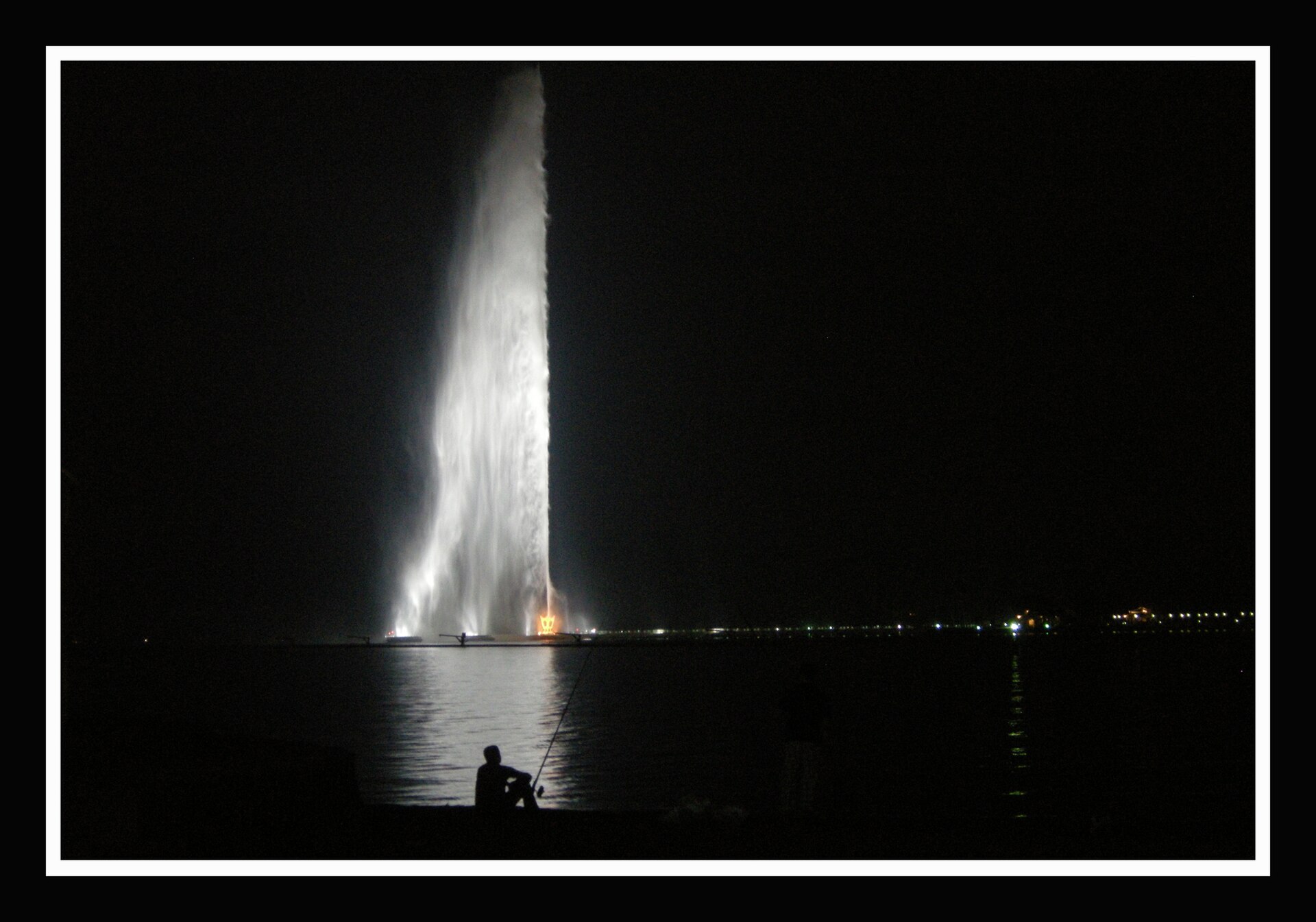
Jeddah’s Corniche transforms into a waterfront festival — fireworks over the Red Sea, food trucks lining the promenade, live music near the water, and the King Fahd Fountain illuminated in green. It is more relaxed and family-oriented than Riyadh’s events.
Al Khobar and Dammam hold fireworks along the Gulf coast, with family events at the Corniche parks. Abha and Taif run their own regional festivals, which tend to be smaller but more intimate, with traditional highland dances like the Southern Ardha and local food markets.
Tip: National Day events are free, but the best viewing spots fill up fast. Arrive at fireworks locations at least 90 minutes early. Road closures in Riyadh and Jeddah city centres start from late afternoon — use Uber or Careem rather than driving.
The History Behind the Date
On 23 September 1932, King Abdulaziz issued Royal Order No. 2716, formally renaming his realm — which he had spent three decades assembling through conquest, alliance, and negotiation — as the Kingdom of Saudi Arabia. The first celebration was held at Abu Hijara Palace in Taif, where Viceroy Prince Faisal bin Abdulaziz read the founding declaration aloud. The day has been a national holiday since 2005, when King Abdullah formally codified it. It is separate from Saudi Founding Day (22 February), which commemorates the original 1727 founding of the First Saudi State.
Why September Is a Shoulder Season
Saudi Arabia’s peak tourist season runs from November to March, when temperatures across most of the country sit between 15°C and 30°C. September falls at the very end of the off-season, just before the transition into autumn, which makes it a textbook shoulder month. This has several practical implications for travellers.
Hotel Prices and Availability
Outside of the National Day weekend itself, September hotel rates across Saudi Arabia are typically 20–40% lower than peak-season prices. Five-star hotels in Riyadh that charge SAR 1,200–1,800/night in January can drop to SAR 700–1,100 in September. Budget and mid-range properties see similar proportional discounts. The exception is the 22–24 September window, when domestic travellers flood cities for the National Day holiday and prices spike — book the National Day weekend well in advance. For hotel recommendations, see our Saudi Arabia hotels guide.
Fewer Crowds at Major Attractions
Attractions that are packed in December–February operate at a fraction of capacity in September. AlUla — normally one of the most popular destinations in the Kingdom — is far quieter, though note that some outdoor experiences may be paused or run only at dawn and dusk due to heat. Riyadh’s museums, malls, and indoor attractions are crowd-free on weekdays. The Jeddah historic district (Al Balad) is atmospheric in the warm evenings without the winter tour groups.
Flight Deals
International airfares to Saudi Arabia in September are typically 15–25% cheaper than peak-season rates, particularly from European and South Asian hubs. Domestic flights on Saudia, flynas, and flyadeal are also discounted, with one-way fares between Riyadh and Jeddah often available for SAR 150–250 (compared to SAR 300–500 in peak months). Check our domestic flights guide for route comparisons.
What to Do in September
Attend National Day Celebrations
The obvious highlight. Even if you are not in Saudi Arabia specifically for the 23rd, the celebratory atmosphere builds from around the 20th and continues through the weekend. Hotels, restaurants, and malls run special promotions. Many tourist attractions offer free or discounted admission on National Day itself.
Dive the Red Sea
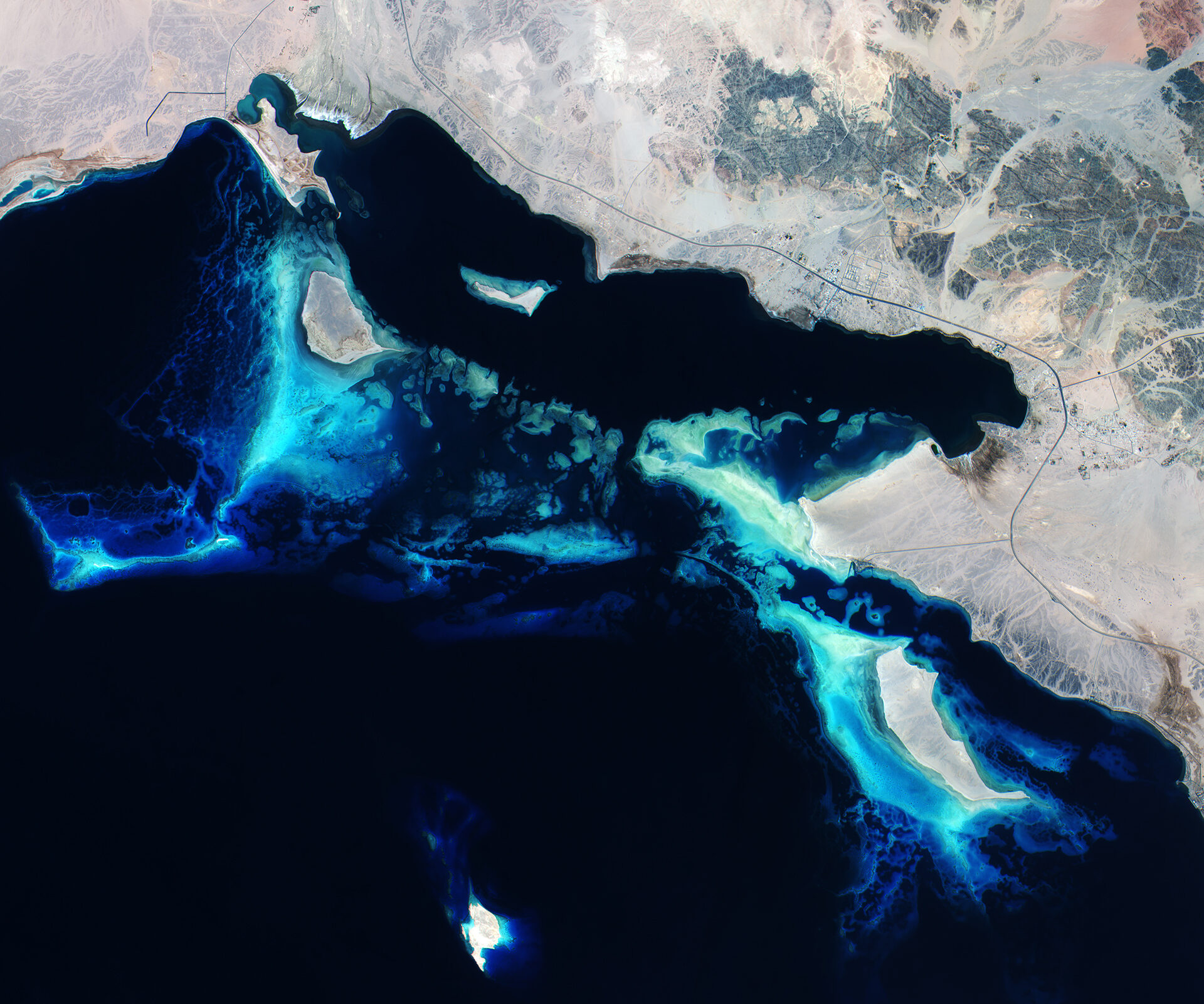
September is one of the best months for diving in Saudi Arabia. Water temperatures of 30–31°C mean you can dive in a shorty or even a rash guard. Visibility is excellent — often exceeding 25 metres. The warm water brings manta rays closer to shore, and liveaboard operators run northern itineraries from Yanbu to the Seven Sisters reef system. Shore diving from Jeddah’s dive centres is available year-round. See our complete Saudi Arabia diving guide for sites and operators.
Escape to the Highlands
Abha and Taif are at their most appealing in September. The last of the summer monsoon moisture keeps the Asir Mountains green, the temperatures are genuinely comfortable, and Saudi domestic tourism — which floods these towns in July and August — has ebbed as the school year resumes. Try the Abha cable car for valley views, drive the Taif–Al Hada mountain road for dramatic switchbacks, or hike through juniper forests that look nothing like the desert stereotypes. Our hiking guide covers the best highland trails.
Explore Riyadh After Dark
Riyadh is a night city in September. Saudis eat dinner at 9 or 10 pm, and outdoor cafes, souks, and public spaces come alive after sunset. Visit the Sky Bridge at Kingdom Centre at dusk for panoramic views, then head to the boutique restaurants and third-wave coffee shops of Al Malaz or the Diplomatic Quarter. The Edge of the World (Jebel Fihrayn) — Riyadh’s most dramatic day trip — is doable at sunrise before the heat sets in.
Beach Days on the Red Sea
The Red Sea coast from Jeddah north to Yanbu and KAEC (King Abdullah Economic City) has white-sand beaches with warm, clear water. September is too hot for prolonged sunbathing, but early-morning beach sessions before 10 am and late-afternoon swims after 4 pm are perfectly enjoyable. Snorkelling directly off the beach is excellent — check our snorkelling guide for the best access points.
Shopping and Indoor Entertainment
When the midday heat drives you indoors, Saudi Arabia’s malls are among the most extravagant in the world. Riyadh Park, The Avenues (Riyadh), Red Sea Mall (Jeddah), and Mall of Dhahran (Eastern Province) all have dining, entertainment, and retail districts that can fill an entire afternoon. For family travellers, indoor theme parks and entertainment cities offer air-conditioned fun.
Practical Tips for September Travel
What to Pack
Getting Around
Air-conditioned transport is essential in September. Use Uber and Careem for city travel — both are widely available. For longer distances, domestic flights are fast and cheap (see domestic flights), and the Haramain High-Speed Railway connects Jeddah, KAEC, and Medina in air-conditioned comfort. Renting a car gives freedom for highland road trips, but be aware that asphalt temperatures in lowland areas can exceed 70°C — check tyre pressures and carry extra water.
Staying Hydrated and Safe
Drink at least 3–4 litres of water per day. Tap water is desalinated and technically safe in most cities, but bottled water is cheap and universally preferred. Avoid prolonged outdoor exertion between 11 am and 4 pm in lowland areas. If you feel dizzy, nauseous, or stop sweating, seek shade and medical attention immediately — heatstroke is a genuine risk. See our health guide for other precautions.
Ramadan Overlap
Ramadan follows the Islamic lunar calendar and shifts approximately 10 days earlier each year. In most years, September does not overlap with Ramadan, but always check the dates for your travel year. During Ramadan, eating, drinking, and smoking in public during daylight hours is prohibited, and many restaurants close until sunset. For 2026, Ramadan is expected to fall in February–March, so September is unaffected.
Connectivity
Stay connected with a local SIM card from STC, Mobily, or Zain, or get an eSIM before you arrive. Free Wi-Fi is available in most hotels, malls, and airports but can be unreliable. Note that VoIP services (WhatsApp calls, FaceTime) are generally available, but some VPN services are restricted — see our internet guide.
September Events Beyond National Day
Riyadh Season Preview
While Riyadh Season itself typically launches in mid-October, the announcement and early ticket sales happen in September. If you are planning to return for the entertainment mega-event, September is a good time to scout venues and book early. See our Riyadh Season guide for the full programme.
Saudi Arabia Events Calendar
September occasionally hosts Formula E events, international exhibitions at the Riyadh Front, and food festivals in Jeddah. The calendar varies year to year — check our Saudi Arabia events calendar 2026 for confirmed dates.
Riyadh Racing Season
The horse-racing season at King Abdulaziz Racecourse in Riyadh kicks off in October, but pre-season events and trials sometimes begin in late September. The Saudi Cup in February is the climax, but the autumn race meets are free to attend and offer a genuine insight into Saudi equestrian culture.
Sample 7-Day September Itinerary
Days 1–2: Riyadh
Arrive in Riyadh. Spend evenings exploring the historic Diriyah district (a UNESCO World Heritage Site), the National Museum, and Boulevard Riyadh City. Take a sunrise trip to the Edge of the World. If arriving around the 22nd, catch the National Day build-up — buildings light up green and the city buzzes with anticipation.
Day 3: National Day in Riyadh
Spend the morning at Diriyah or the King Abdulaziz Historical Center. In the evening, head to Boulevard or Umm Ajlan Park for the Ardha performances, drone shows, and the 9 PM fireworks. The atmosphere is electric — families, food vendors, and flag-waving crowds fill every public space.
Days 4–5: Abha and the Asir Highlands
Fly to Abha (90-minute flight from Riyadh). Enjoy the dramatic temperature drop. Ride the Abha cable car, visit the hanging village of Habala, drive through the green terraces of Rijal Almaa (a UNESCO-listed heritage village), and hike through juniper forests. Evenings are cool enough for open-air dining.
Days 6–7: Jeddah and the Red Sea
Fly to Jeddah. Walk the coral-stone lanes of Al Balad (Jeddah Historic District, a UNESCO World Heritage Site) in the early morning. Spend the afternoon diving or snorkelling on the Red Sea reefs. End with an evening stroll along the Corniche, watching the King Fahd Fountain shoot water 312 metres into the night sky. Depart from King Abdulaziz International Airport.
Is September Worth It?
September is not for everyone. If you want mild weather across the entire country, wait until November. But if you are drawn by the idea of experiencing Saudi National Day — a genuinely euphoric national celebration that most Western tourists never witness — combined with shoulder-season pricing, uncrowded attractions, and some of the best Red Sea diving conditions of the year, September rewards the heat-tolerant traveller richly. The highlands alone justify the trip for anyone who wants to see a side of Saudi Arabia that defies every desert cliché.
For the best overview of when to visit across the year, see our best time to visit Saudi Arabia guide.