
Saudi Arabia is not the first destination most new parents think of, but it should be. The Kingdom is one of the most family-oriented societies on earth, and travelling here with a baby is easier than you might expect. Malls have dedicated family rooms, restaurants seat families in private booths, and strangers will queue up to coo at your child. Whether you are visiting Riyadh, exploring the Red Sea coast, or planning around an Umrah trip, this guide covers everything you need to know. It is part of our comprehensive Saudi Arabia travel guide, tailored specifically for parents travelling with infants and toddlers under two.
Best Time to Visit: October to March (cooler temperatures, less harsh sun)
Getting There: Direct flights to Riyadh (RUH) and Jeddah (JED) from most major hubs; Saudia allows one infant per adult on lap
Visa Required: Yes — tourist e-visa (includes basic health insurance up to SAR 100,000)
Budget: $150–300/day for a family (mid-range hotel, dining, transport)
Must-See: Jeddah Corniche, King Abdullah Park Riyadh, Boulevard Riyadh City
Avoid: Scheduling outdoor activities between 11 AM and 4 PM in summer months
When to Go: Timing Your Trip Around a Baby’s Needs
The single most important decision for travelling Saudi Arabia with a baby is when you go. The Kingdom’s climate divides neatly into two seasons: a mild, pleasant winter (October to March) and a brutally hot summer (May to September) when daytime temperatures in Riyadh regularly exceed 45°C.
For families with babies, November through February is the sweet spot. Daytime highs in Riyadh hover around 20–25°C, Jeddah sits at a comfortable 28–30°C, and the highlands around Abha and Asir can dip to 10–15°C. You can spend entire mornings outdoors without worrying about heat exposure, and your baby’s sleep schedule is less likely to be disrupted by stuffy hotel rooms.
If you must travel during the warmer months, plan your days in reverse: sleep through midday, head out in the late afternoon, and take advantage of the Kingdom’s culture of late-night dining and shopping. Most malls stay open until midnight, and many restaurants do not close until 1 AM.
Heat safety tip: Babies under six months cannot regulate their body temperature effectively. The CDC recommends keeping infants out of direct sunlight entirely and ensuring they stay hydrated through frequent feeds. If your baby shows signs of overheating — flushed skin, rapid breathing, irritability — move indoors immediately and offer a feed.
Getting There: Flying with a Baby
Saudi Arabia’s national carrier, Saudia, permits one infant under two years old per accompanying adult passenger. Babies travel on a parent’s lap for free on domestic flights and at a reduced fare (typically 10% of the adult ticket) on international routes. If you prefer a dedicated seat, you can purchase one and bring an approved car seat on board.
Booking Tips
- Request a bassinet in advance. Saudia offers onboard cots on long-haul routes, but they must be reserved at booking — these go fast on popular routes from London, Kuala Lumpur, and Jakarta.
- Choose bulkhead seats. These offer extra legroom and are where bassinets are mounted. Book early, as families with infants are prioritised but not guaranteed.
- Pack a change of clothes for both baby and yourself in your carry-on. Cabin pressure changes can unsettle a baby’s stomach.
- Feed during takeoff and landing. Swallowing helps equalise ear pressure. A breastfeed or bottle during ascent and descent can prevent crying.
- Bring more nappies than you think. A minimum of one nappy per hour of travel, plus extras for delays.
- Emergency medical evacuation
- Paediatric inpatient care
- Trip cancellation for child illness
- Repatriation
- Pharmacies (Al Nahdi, Whites) — found on nearly every block in urban areas. Stock nappies (Pampers, Huggies, local brand Baby Joy), infant paracetamol, teething gel, and basic formula.
- Supermarkets (Danube, Tamimi, Carrefour, Panda) — full baby aisles with nappies, wipes, formula, baby food pouches, and sterilising tablets. Tamimi Markets carry imported Western brands.
- Online delivery — Noon.com and Amazon.sa deliver baby supplies to most addresses within 24 hours in Riyadh and Jeddah. Useful for bulk nappy orders to your hotel.
- FirstCry KSA — specialist baby retailer with physical stores in major malls and a well-stocked online shop.
- Dehydration — the most common issue. Increase breastfeeds or offer cooled boiled water between formula feeds. Watch for fewer wet nappies, dry lips, and sunken fontanelle.
- Heat rash — dress baby in loose cotton, keep skin dry, and stay in air-conditioned spaces during peak heat.
- Stomach upsets — often caused by changes in water or formula. Stick to one water brand and maintain sterilisation routines.
- Dry skin — the desert air is very low humidity. Pack a fragrance-free baby moisturiser and apply after every bath.
- Lightweight stroller — compact, with sun canopy and reclining seat for naps. Must fit in a car boot and through mall security scanners.
- Baby carrier or sling — essential for souks, heritage sites, and anywhere a stroller cannot go.
- Portable car seat — rental companies rarely provide them. Bring one that is airline-approved.
- Clip-on travel high chair — fits most restaurant tables; more reliable than hoping the restaurant has one.
- Portable blackout blind — hotel curtains are often insufficient, and Saudi mornings start bright and early.
- Steriliser bags (microwave) — work in any hotel microwave for bottle sterilisation.
- Baby sunscreen (SPF 50+, mineral) — essential even in winter. Apply to exposed skin 30 minutes before going outside.
- Insulated bottle bag — keeps prepared formula cool in 40°C+ heat.
- First aid kit — infant paracetamol, oral rehydration sachets, saline nasal drops, digital thermometer, teething gel.
- Nappies (all major brands available at pharmacies and supermarkets)
- Wipes and cotton wool
- Standard powdered formula (Aptamil, S-26, Similac, NAN)
- Baby food pouches (available at Tamimi, Danube, Carrefour)
- Lightweight cotton baby clothes (abundant and cheap at H&M Kids, Mothercare, Centrepoint)
- People will want to touch and hold your baby. This is a sign of affection and blessing, not an invasion of boundaries. A polite smile and “shukran” (thank you) is the standard response. If you prefer people not to touch, a gentle “la, shukran” (no, thank you) is perfectly acceptable.
- You will be ushered to the front of queues. Families with babies receive priority treatment in Saudi Arabia — from immigration desks to restaurant seating.
- Staff will bring unsolicited help. Waiters will offer to heat bottles, security guards will help carry strollers up steps, and hotel staff will fuss over your child. Accept it graciously — it is genuine.
- Dress your baby modestly. While there is no legal dress code for infants, covering arms and legs is culturally appreciated, particularly in conservative areas and near mosques.
- From London: +3 hours (your 7 PM bedtime is 10 PM local)
- From New York: +8 hours
- From Singapore/KL: -5 hours
- Saudi Arabia Travel Guide 2026 — The complete guide to visiting the Kingdom
- Saudi Arabia with Kids — The ultimate family travel guide for older children
- Saudi Arabia Family Road Trip — Routes, stops and survival tips for driving with children
- Jeddah with Kids — Family fun on the Red Sea coast
- Best Theme Parks for Kids — Six Flags Qiddiya, Aquarabia and more
- Saudi Arabia Visa Guide — Every visa type explained
Airport Facilities
King Khalid International Airport in Riyadh and King Abdulaziz International Airport in Jeddah both have dedicated family prayer rooms with changing facilities, nursing areas, and comfortable seating. Jeddah’s new Terminal 1 (opened 2019) is particularly well-equipped, with family restrooms on every level and a pharmacy in the arrivals hall that stocks infant paracetamol, nappies, and formula.
Visas and Health Insurance
Babies need their own visa. The Saudi tourist e-visa is available for citizens of 49 countries and costs SAR 535 (approximately $142) per person, including children. The visa fee includes basic medical insurance covering emergency treatment up to SAR 100,000 (roughly $27,000), which applies to your baby too.
Beyond the bundled insurance, you should carry your own comprehensive travel insurance that explicitly covers infants. Check that your policy includes:
Vaccination note: The CDC recommends all travellers, including infants, be up to date on routine vaccinations before visiting Saudi Arabia. Babies under 12 months are exempt from the meningococcal vaccine requirement for Hajj and Umrah, but check current requirements with your paediatrician before booking.
Where to Stay: Baby-Friendly Hotels
Saudi Arabia’s hotel stock has expanded dramatically under Vision 2030, and many properties now cater explicitly to families. The key features to look for when travelling with a baby are: an in-room kitchenette (for sterilising bottles and preparing feeds), a cot or crib on request, and proximity to a pharmacy or supermarket.
Best Hotel Types for Babies
| Hotel Type | Pros | Cons | Price Range |
|---|---|---|---|
| Serviced apartments (Fraser Suites, Ascott) | Full kitchen, washing machine, space to spread out | Fewer on-site amenities | SAR 400–800/night |
| International chains (Marriott, Hilton, IHG) | Reliable cot provision, room service, concierge help | Smaller rooms at lower tiers | SAR 500–1,500/night |
| Red Sea resorts (AMAALA, The Red Sea Project) | Kids’ clubs, pools, beach access, babysitting services | Remote locations, higher cost | SAR 1,500–5,000/night |
| Boutique hotels | Character, quieter atmosphere | May lack baby-specific facilities | SAR 300–900/night |
In Riyadh, Fraser Suites on Olaya Street is a strong choice for families — the apartments include a kitchenette, a washer-dryer, and are steps from pharmacies and supermarkets. In Jeddah, Park Hyatt on the Corniche provides cots, babysitting on request, and a shallow kids’ pool. For the full hotel guide, see our dedicated accommodation page.
Getting Around: Transport with a Baby
Car Seats and the Law
Saudi traffic law requires children to ride in rear-facing car seats in the back seat. Fines for non-compliance range from SAR 300 to SAR 500 ($80–$133). An additional SAR 150–300 fine applies if the child is not wearing a seatbelt. However, enforcement is inconsistent, and the bigger concern for parents is safety itself — Saudi road conditions demand proper restraints.
Bring your own car seat. Rental car companies in Saudi Arabia rarely stock infant seats, and when they do, quality is unreliable. If you are flying in, most airlines allow you to check a car seat for free in addition to your luggage allowance. A lightweight, portable travel car seat (such as the Doona or Nuna PIPA) doubles as a stroller frame and saves you packing two items.
Taxis and Ride-Hailing
Uber and Careem (acquired by Uber) operate in all major Saudi cities. Neither service provides car seats, so you will need to carry your own or hold your baby on your lap — the latter is legal for taxis but not recommended. For airport transfers, pre-book a private car and specify that you need an ISOFIX-compatible vehicle.
The Riyadh Metro
The Riyadh Metro, which began phased operations in late 2025, is stroller-friendly by design. All six lines have step-free access, wide gates, and dedicated priority seating for families. The network connects King Khalid Airport to central Riyadh, making it a good option for avoiding traffic with a sleeping baby.
Nappies, Formula and Baby Supplies
One of the biggest worries for travelling parents — “will I find what I need?” — is largely unfounded in Saudi Arabia. The Kingdom imports extensively, and major brands are widely available.
Where to Buy
Formula Availability
Major formula brands available in Saudi Arabia include Aptamil, S-26, Similac, NAN, and Enfamil. Ready-to-feed bottles are available but less common — most stock is powdered formula in 400g and 800g tins, priced at approximately SAR 75–120 ($20–32). If your baby requires a specialist formula (hypoallergenic, soy-based, or prescription), bring a sufficient supply from home and check availability before relying on local stock.
Practical tip: Saudi tap water is desalinated and safe for formula preparation in major cities, but many parents prefer bottled water for peace of mind. Buy low-mineral bottled water (such as Hilwa or Aquafina, both widely available) and boil it before mixing formula.
Feeding and Breastfeeding
Saudi Arabia is a strongly pro-breastfeeding culture — the Quran encourages nursing for two full years, and Saudi women breastfeed openly in family sections of restaurants, malls, and parks. Western mothers travelling with a baby will find the environment more supportive than many European countries.
Nursing in Public
Most public spaces in Saudi Arabia have segregated family areas, which provide natural privacy for breastfeeding. In malls, look for dedicated mother-and-baby rooms — most major shopping centres (Kingdom Centre, Red Sea Mall, Riyadh Park) have them, with comfortable seating, changing tables, and sometimes bottle warmers. Female prayer rooms (musalla) are another option: carpeted, quiet, and typically empty between prayer times.
Restaurants with Babies
Saudi dining culture works in your favour. Most restaurants have private family booths separated by partitions or curtains, originally designed for family privacy under traditional norms but now serving as perfect baby-feeding pods. High chairs are available in most chain restaurants and hotel dining rooms but less reliably in independent local spots — a portable clip-on travel high chair is worth packing.
Prayer times affect restaurant availability. Shops and restaurants close during the five daily prayers (roughly 15–30 minutes each). Plan feeds around prayer times or carry snacks. Most hotel restaurants remain open during prayers.
Healthcare: What to Do If Your Baby Gets Sick
Saudi Arabia has excellent healthcare infrastructure, with over 400 public and 200 private hospitals. Private hospitals are the best option for tourists — shorter wait times, English-speaking paediatricians, and modern facilities.
Key Hospitals by City
| City | Hospital | Notes |
|---|---|---|
| Riyadh | Dr. Sulaiman Al Habib Medical Group | Multiple branches, 24/7 paediatric ER, widely regarded as the best private option |
| Jeddah | Soliman Fakeeh Hospital | 5-star Newsweek/Statista rating, full paediatric department |
| Dammam/Khobar | Johns Hopkins Aramco Healthcare | US-affiliated, excellent paediatric care, English-speaking staff |
| Mecca | Al Noor Specialist Hospital | Close to the Haram, handles pilgrim families |
Pharmacy Access
Saudi pharmacies are well-stocked and many medications that require a prescription elsewhere are available over the counter. Infant paracetamol (Panadol Baby), oral rehydration salts, and basic antibiotics are readily accessible. Pharmacists often speak English and can advise on dosing. Al Nahdi is the largest chain, with branches in every neighbourhood.
Common Baby Health Issues in Saudi Arabia
For a more detailed look at medical facilities for tourists, see our Saudi hospitals guide.
Baby-Friendly Activities by City
Riyadh
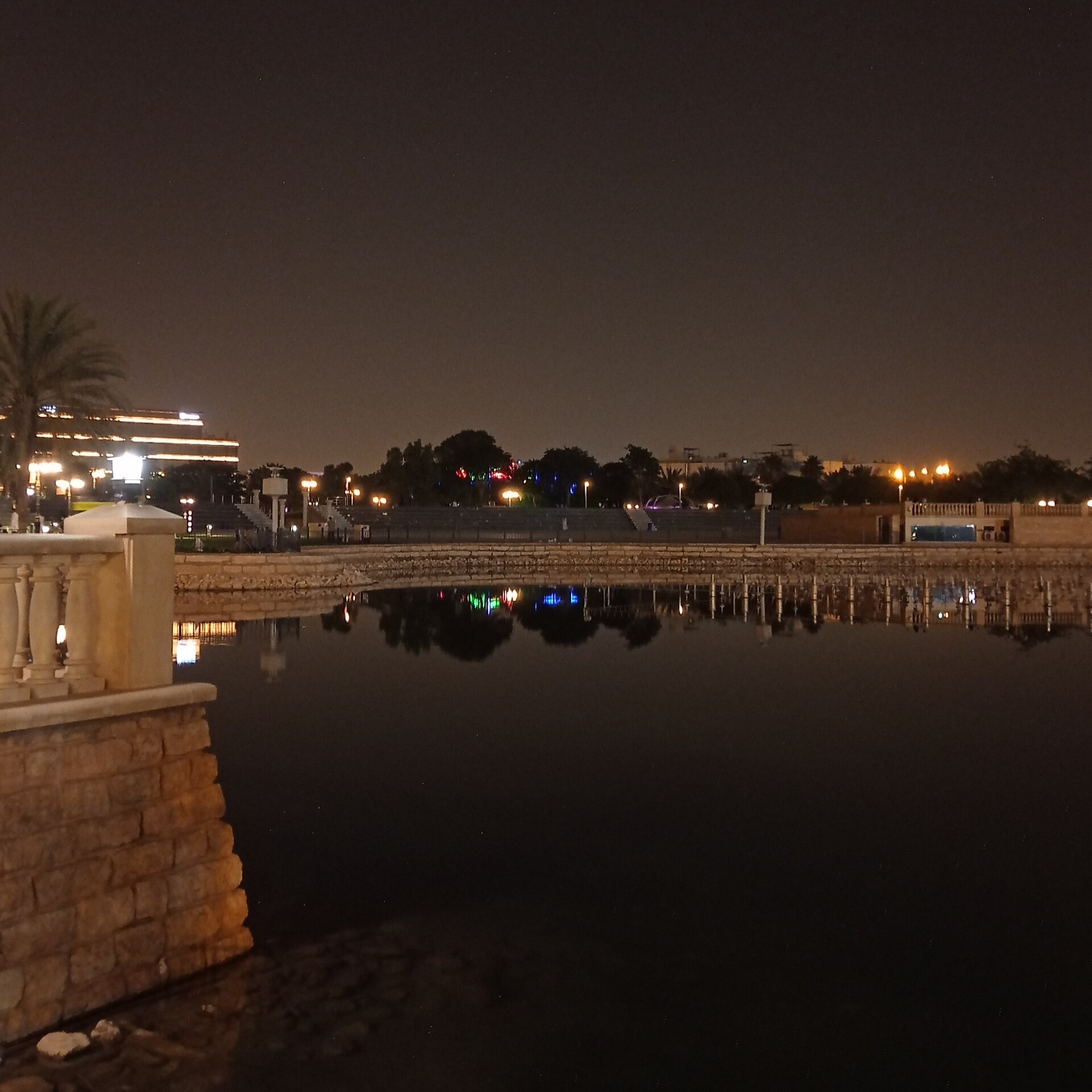
The capital is surprisingly baby-friendly once you know where to look. King Abdullah Park has shaded walking paths, a large artificial lake, and well-maintained play areas — arrive early morning for the best conditions. Riyadh Zoo (SAR 10 entry, free for under-3s) has paved paths and shaded rest areas. The National Museum is stroller-accessible and air-conditioned, with a ground-floor cafe for mid-visit feeds.
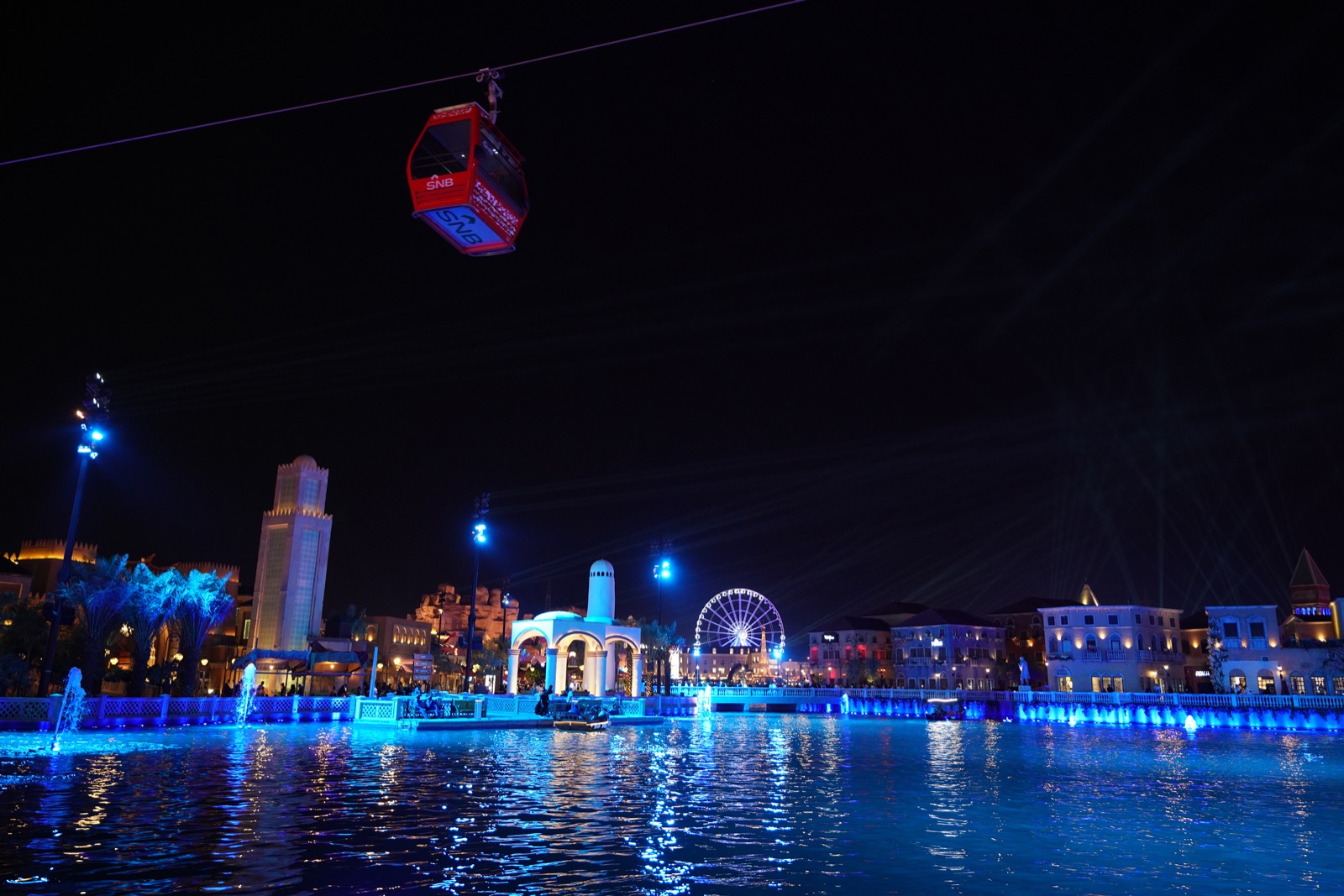
For rainy-day options, Riyadh’s malls are unbeatable. Riyadh Park Mall and Kingdom Centre both have dedicated mother-and-baby rooms, indoor play areas for toddlers, and multiple dining options with high chairs. During Riyadh Season (October–March), Boulevard Riyadh City offers family zones with gentle rides suitable for toddlers.
Jeddah
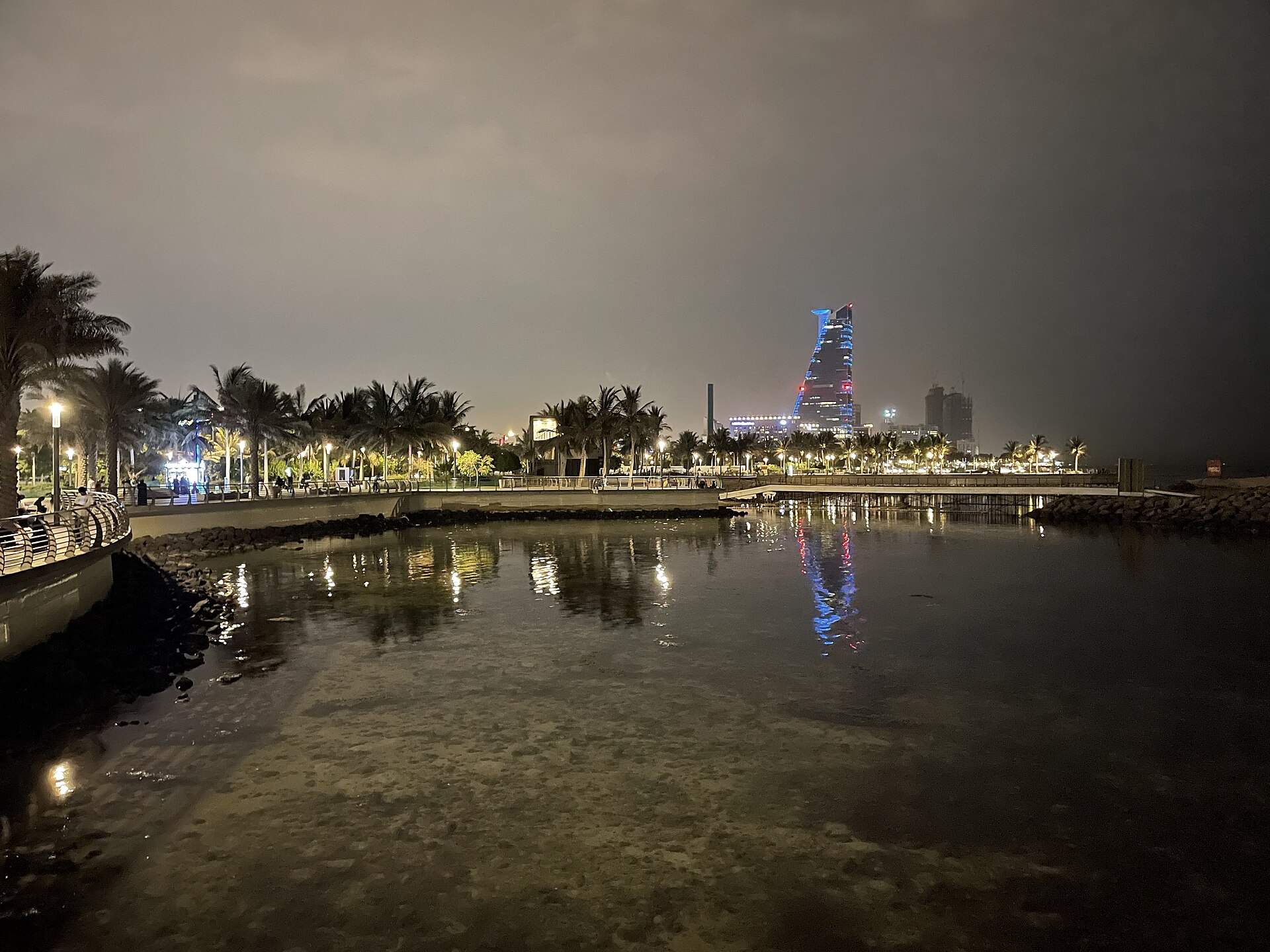
Jeddah with kids is a natural fit. The Jeddah Corniche stretches 30 kilometres along the Red Sea coast — flat, paved, and perfect for an evening stroller walk when temperatures drop. The Jeddah Waterfront area has splash pads that toddlers love. Red Sea Mall and Mall of Arabia both have family rooms with nursing pods and nappy-changing stations.
The Fakieh Aquarium on the Corniche is a compact, air-conditioned attraction that babies find mesmerising — the moving fish provide natural stimulation for even very young infants.
AlUla
AlUla is manageable with a baby if you plan carefully. The key attractions — Hegra, Elephant Rock, and the Old Town — involve some walking on uneven ground, so a baby carrier (not a stroller) is essential. Visit in winter when daytime temperatures are mild (15–22°C). The Habitas and Banyan Tree resorts offer babysitting services, allowing parents to take turns exploring.
Dammam and Al Khobar
The Eastern Province is quieter and more relaxed than Riyadh or Jeddah, which can be an advantage with a baby. Half Moon Bay has calm, shallow waters ideal for older babies to paddle. The Khobar Corniche is a pleasant, flat waterfront walk. Ithra (King Abdulaziz Center for World Culture) has a dedicated children’s area, though it is aimed more at toddlers than infants.
Packing Checklist for Saudi Arabia with a Baby
Pack light on clothes (you can buy locally) but heavy on essentials that may be harder to source or that you need immediately on arrival.
Essential Items
What You Can Buy Locally
Cultural Tips: How Saudis Treat Babies
If there is one thing that consistently surprises Western parents visiting Saudi Arabia, it is how warmly the culture embraces babies. Expect the following:
Practical Tips: Day-to-Day Survival
Managing the Daily Routine
The biggest challenge of travelling Saudi Arabia with a baby is the time shift, not the destination itself. Saudi Arabia is UTC+3, which means:
Allow two to three days for adjustment. Keep feeds and naps on your home schedule initially, then shift by one hour per day. Saudi culture’s late-night rhythm actually helps — you will not look out of place dining at 10 PM with a baby.
Air Conditioning
Everything in Saudi Arabia is aggressively air-conditioned. Indoor temperatures often sit at 18–20°C while outdoor temperatures hit 40°C+. This temperature swing can upset a baby’s system. Pack a light layer or muslin for transitions, and avoid placing the cot directly under an AC vent.
Laundry
Babies generate laundry at an alarming rate. Most mid-range and upscale hotels offer same-day laundry service (SAR 10–20 per item), but serviced apartments with in-unit washers are far more economical. If staying at a hotel without laundry, portable travel detergent sheets (available from Amazon before departure) let you hand-wash in the bathroom sink.
Wi-Fi and Staying Connected
A local SIM card (STC, Mobily, or Zain) with a data plan is essential for navigating, translating, and looking up nearby pharmacies at 2 AM. Tourist SIM cards are available at airport arrival halls for approximately SAR 75–100 for 30 days of data. Most hotels offer free Wi-Fi.
Sample Three-Day Itinerary: Riyadh with a Baby
| Day | Morning (8–11 AM) | Midday (11 AM–4 PM) | Evening (4–9 PM) |
|---|---|---|---|
| Day 1 | King Abdullah Park — stroller walk around the lake, shaded play area | Hotel rest, nap, feed. Pharmacy run for any supplies needed. | Kingdom Centre mall — dinner at family restaurant, mother-and-baby room for nursing |
| Day 2 | National Museum — air-conditioned, stroller-accessible, ground-floor cafe | Hotel pool (if available) or indoor play. Nap time. | Riyadh street food tour (carrier recommended) or brunch at a family-friendly cafe |
| Day 3 | Riyadh Zoo — shaded paths, small enough to cover before midday heat | Rest and pack. Order supplies from Noon.com for return flight. | Boulevard Riyadh City (during Season) — family zone, gentle rides, evening stroll |
For a wider selection of things to do, see our Saudi Arabia with kids guide and our family road trip planner.
What to Know About Umrah with a Baby
Many families combine a Saudi holiday with Umrah. Performing Umrah with a baby is permissible in Islam, but it requires careful planning. The Haram in Mecca is crowded, hot, and involves significant walking — a baby carrier is essential (strollers are impractical in the Tawaf area). Choose off-peak times (early morning or late at night) to avoid the worst crowds.
Hotels near the Haram in Mecca vary widely in baby-friendliness. The Makkah Clock Royal Tower (Fairmont) is directly connected to the Haram and offers cots, room service, and interconnected rooms — but at premium prices. For more options, see our Hajj and Umrah guide.
Budget Breakdown
| Category | Budget (per day) | Mid-Range (per day) | Luxury (per day) |
|---|---|---|---|
| Accommodation | SAR 200–350 | SAR 500–900 | SAR 1,500+ |
| Food | SAR 80–120 | SAR 150–250 | SAR 400+ |
| Transport | SAR 40–80 | SAR 100–200 | SAR 300+ |
| Baby supplies | SAR 30–50 | SAR 30–50 | SAR 30–50 |
| Daily total (family) | SAR 350–600 ($93–160) | SAR 780–1,400 ($208–373) | SAR 2,230+ ($594+) |