
Saudi Arabia welcomes millions of visitors each year, from leisure tourists exploring the Kingdom’s ancient sites and megacities to pilgrims performing Hajj and Umrah. Staying healthy during your trip requires advance preparation: the right vaccinations, an understanding of local health risks, and practical steps to avoid heat-related illness, food-borne disease, and medication complications. This guide covers every health consideration you need before and during your visit to Saudi Arabia in 2026.
Mandatory Vaccines: Meningococcal ACWY (Hajj/Umrah); COVID-19 proof; Yellow Fever (if arriving from endemic country); Polio (if arriving from circulating country)
Recommended Vaccines: Hepatitis A & B, Typhoid, MMR booster, Influenza, Rabies (for adventure travellers)
Visa Required: Yes — tourist e-visa available for 63 nationalities
Travel Insurance: Mandatory — basic coverage is bundled into your e-visa fee
Emergency Number: 997 (ambulance), 911 (unified emergency), 937 (Ministry of Health helpline)
Key Health Risk: Heat-related illness (temperatures exceed 45°C / 113°F in summer)
Avoid: Drinking non-bottled water in rural areas; carrying undeclared controlled medications
Mandatory Vaccinations for Saudi Arabia
Saudi Arabia enforces vaccination requirements that vary depending on your purpose of visit, country of origin, and travel history. Missing even one required certificate can result in denied boarding or refused entry at immigration.
Meningococcal ACWY Vaccine
All travellers aged one year and older arriving for Hajj or Umrah must present a valid quadrivalent (ACWY) meningococcal vaccination certificate. The conjugate vaccine (MenACWY) is valid for five years, while the older polysaccharide vaccine is valid for three years. The vaccine must be administered at least 10 days before arrival. Saudi authorities check certificates at visa application, airport check-in, and port of entry. The conjugate vaccine is preferred because it reduces nasal carriage of the bacteria, lowering transmission risk in dense pilgrim crowds.
Practical tip: Book your meningococcal vaccination at least three weeks before departure. Many travel clinics require advance appointments, and the 10-day minimum waiting period is strictly enforced. If you received the vaccine more than five years ago (conjugate) or three years ago (polysaccharide), you need a booster.
In 2024, the CDC reported meningococcal disease cases among travellers returning from Umrah to the United States, United Kingdom, and France — a reminder that this requirement protects you, not just the Saudi border.
COVID-19 Vaccination or Immunity
As of February 2025, Saudi Arabia requires proof of COVID-19 vaccination or immunity for all arriving travellers. You satisfy this requirement with any one of the following: a single dose of the updated 2025–2026 season COVID-19 vaccine, completion of a primary series (two or more doses administered between 2021 and 2024), or laboratory-confirmed recovery from COVID-19 during 2025. The most recent qualifying dose must have been administered at least two weeks before travel.
Yellow Fever Vaccination
Travellers aged nine months and older arriving from or transiting through yellow fever-endemic countries must present a valid International Certificate of Vaccination (ICV). The certificate becomes valid 10 days after vaccination and is now recognised as valid for life under WHO guidelines. Countries requiring proof include most of sub-Saharan Africa (Nigeria, Ethiopia, Kenya, Ghana, Cameroon, among others) and parts of South America (Brazil, Colombia, Ecuador, Bolivia, Argentina). Transit through an airport in these countries for more than 12 hours also triggers the requirement.
Polio Vaccination
Travellers arriving from countries where poliovirus is circulating must carry a certificate showing they received an Oral Polio Vaccine (OPV) or Inactivated Polio Vaccine (IPV) between four weeks and 12 months before arrival. On entry, Saudi health authorities may administer an additional oral dose regardless of vaccination history. Countries affected by this requirement include Afghanistan, Pakistan, and several African nations — the list is updated by WHO and the Saudi Ministry of Health.
Recommended Vaccinations
Beyond the mandatory vaccines, the CDC, UK NaTHNaC, and WHO recommend several additional vaccinations for all travellers to Saudi Arabia. These are not required for entry but are strongly advised based on disease prevalence in the region.
Hepatitis A
Hepatitis A spreads through contaminated food and water. Two doses provide lifelong protection. The first dose should be given at least two weeks before departure. This is one of the most commonly recommended vaccines for any international travel.
Hepatitis B
Hepatitis B transmits through blood and bodily fluids. Recommended for travellers who may require medical treatment, get tattoos, or have intimate contact during their trip. The standard three-dose series takes six months, but an accelerated schedule is available.
Typhoid
Typhoid fever spreads through contaminated food and water. Recommended for travellers visiting smaller cities, rural areas, or eating from street vendors. The injectable vaccine provides two years of protection and should be given at least two weeks before travel. An oral vaccine (four capsules over one week) is also available.
Measles, Mumps, Rubella (MMR)
Measles outbreaks have increased globally since 2023. The CDC recommends all international travellers ensure they are up to date with MMR vaccination. Adults born after 1957 who have not had two documented doses should receive a booster before travel.
Influenza
Respiratory infections spread rapidly in the dense crowds at Hajj and Umrah. The Saudi Ministry of Health specifically recommends seasonal influenza vaccination for all pilgrims, people over 65, pregnant women, and those with chronic conditions.
Rabies
Rabies is present in Saudi Arabia, particularly among stray dogs and bats. Pre-exposure vaccination is recommended for adventure travellers, those planning extended stays in rural areas, and travellers who may interact with animals. The pre-exposure series is three doses over 21 to 28 days.
| Vaccine | Status | Doses | Lead Time | Protection Duration |
|---|---|---|---|---|
| Meningococcal ACWY | Mandatory (Hajj/Umrah) | 1 | 10+ days before arrival | 5 years (conjugate) |
| COVID-19 | Mandatory (all travellers) | 1–2 | 14+ days before arrival | Per current guidelines |
| Yellow Fever | Mandatory (from endemic countries) | 1 | 10+ days before arrival | Lifetime |
| Polio | Mandatory (from circulating countries) | 1 | 4 weeks–12 months before | Per booster schedule |
| Hepatitis A | Recommended | 2 | 2+ weeks before travel | Lifetime (after 2 doses) |
| Hepatitis B | Recommended | 3 | 6 months (standard) | Lifetime |
| Typhoid | Recommended | 1 (injectable) | 2+ weeks before travel | 2 years |
| MMR | Recommended | 2 (lifetime total) | 4+ weeks before travel | Lifetime |
| Influenza | Recommended (pilgrims) | 1 (annual) | 2+ weeks before travel | 1 season |
| Rabies | Recommended (adventure/rural) | 3 | 21–28 days before travel | Boosters as needed |
Heat-Related Illness: The Biggest Health Risk
Heat is the single most dangerous health threat for visitors to Saudi Arabia, particularly during summer months and the Hajj period. Temperatures in Riyadh regularly exceed 45°C (113°F) from June through August, and humidity in Jeddah and Mecca can reach 90%, making the heat index even more dangerous. During the 2024 Hajj, over 1,300 deaths were attributed to heat-related illness.
Symptoms of Heat Exhaustion and Heat Stroke
Heat exhaustion presents as heavy sweating, weakness, cold and clammy skin, nausea, and a fast but weak pulse. If untreated, it progresses to heat stroke: a medical emergency marked by body temperature above 40°C (104°F), red and dry skin, rapid and strong pulse, confusion, and loss of consciousness. Heat stroke can be fatal within minutes without treatment.
Prevention Strategies
- Hydrate aggressively. Drink at least 3–4 litres of water per day, more if you are walking outdoors. Do not wait until you feel thirsty. Carry a refillable water bottle at all times.
- Avoid peak sun hours. Schedule outdoor activities for early morning (before 10:00) or late afternoon (after 16:00). This is especially important if you are hiking or visiting open-air archaeological sites like Hegra in AlUla.
- Dress appropriately. Wear loose, light-coloured, breathable clothing. The traditional Saudi thobe and ghutrah are designed for this climate. Consult our dress code guide for tips on what to wear.
- Use sun protection. Apply SPF 50+ sunscreen, wear a wide-brimmed hat, and use an umbrella — locals use umbrellas routinely in summer.
- Acclimatise gradually. If arriving from a cold climate, spend the first two days limiting outdoor exposure. Your body needs 7–14 days to fully adjust to extreme heat.
- Know the signs. If you feel dizzy, nauseous, or develop a headache, move to shade or air conditioning immediately, drink cold water, and apply cold compresses to your neck and wrists.
- Restaurants and hotels: Major chains and mid-to-high-end restaurants in cities like Riyadh and Jeddah follow stringent food safety protocols. Risk is low.
- Street food: Saudi Arabia’s street food scene is growing. Stick to vendors where food is cooked fresh in front of you and turnover is high. Avoid pre-prepared items sitting in the sun. Our food tours guide highlights vetted culinary experiences.
- Hajj and Umrah: Food hygiene is the greatest concern during pilgrimage, when millions of meals are prepared in temporary conditions. Avoid food from unlicensed vendors near the Haram. The Saudi government provides free packaged meals at key points along the Hajj route.
- Raw camel products: The WHO and Saudi Ministry of Health specifically warn against consuming raw camel milk, raw camel meat, and camel urine (which is used in some traditional remedies). These are the primary transmission route for MERS-CoV.
- Avoid direct contact with camels in farms and markets. Camel trekking operators in tourist areas use healthy, monitored animals, but exercise caution.
- Do not consume raw camel milk, undercooked camel meat, or camel urine.
- Wash hands frequently with soap and water, especially after visiting markets or animal areas.
- If you develop fever, cough, or shortness of breath within 14 days of returning from Saudi Arabia, inform your doctor of your travel history.
- Dr. Sulaiman Al Habib Medical Group — modern facilities in Riyadh, Jeddah, Khobar, and Dubai. English-speaking staff, walk-in clinics, and emergency departments.
- Saudi German Hospitals — a chain with facilities in Riyadh, Jeddah, Dammam, Madinah, and Aseer. Accepts most international insurance.
- King Faisal Specialist Hospital & Research Centre — one of the region’s most advanced hospitals, in Riyadh and Jeddah. Primarily for referrals and complex cases.
- Mouwasat Medical Services — major private chain in Dammam, Riyadh, Jubail, and Qassim.
- Pain medications: tramadol, codeine-containing products (including co-codamol), morphine, oxycodone
- Anxiety medications: diazepam (Valium), alprazolam (Xanax), clonazepam, lorazepam
- ADHD medications: methylphenidate (Ritalin/Concerta), amphetamine-based drugs (Adderall)
- Sleep medications: zolpidem (Ambien), zopiclone
- Some antidepressants and antipsychotics
- Always carry medicines in their original labelled packaging with your name on the prescription label.
- Bring a letter from your prescribing doctor on clinic letterhead, listing all medications, dosages, and the medical reason.
- Pharmacies are widely available in Saudi cities and many common over-the-counter medications (paracetamol, ibuprofen, antihistamines, antacids) are readily stocked. Pharmacies are typically open from 09:00–23:00, with some 24-hour outlets in major cities.
- Antibiotics require a prescription from a licensed Saudi doctor — you cannot buy them over the counter.
- Prescription medications — enough for your entire trip plus a few extra days, in original packaging with doctor’s letter
- Oral rehydration salts (ORS) — essential for heat-related dehydration and traveller’s diarrhoea
- Sunscreen SPF 50+ — high-quality sunscreen can be expensive in Saudi Arabia
- Insect repellent — DEET-based, 20–50% concentration
- Paracetamol and ibuprofen — for headaches, fever, and general pain
- Loperamide (Imodium) — for acute diarrhoea
- Antihistamines — for allergic reactions, insect bites, or dust allergies (common in desert environments)
- Antiseptic wipes and plasters — for minor cuts and scrapes
- Electrolyte tablets or powder — more effective than water alone in extreme heat
- Eye drops — dry desert air and sandstorms can irritate eyes
- Lip balm with SPF — lips crack quickly in dry heat
- Hand sanitiser — for situations where soap and water are not available
- Fever with cough or shortness of breath — may indicate MERS-CoV or respiratory infection
- Persistent diarrhoea lasting more than three days — may require antibiotic treatment
- Rash or unusual skin changes — possible dengue, measles, or allergic reaction
- Stiff neck with fever — possible meningococcal disease (seek emergency care immediately)
- Yellow skin or eyes — possible hepatitis
- Saudi Arabia Travel Guide 2026 — The complete guide to visiting the Kingdom
- Saudi Arabia Travel Insurance — Requirements, costs, and best providers
- Hajj 2026 Guide — Dates, registration, costs, and what to expect
- Saudi Arabia Cost Guide — Daily budgets, prices, and money-saving tips
- Is Saudi Arabia Safe? — An honest assessment of security, crime, and risk
- Saudi Arabia Visa Guide — Every visa type explained
Hajj-specific warning: If you are performing Hajj in 2026 (25–30 May), temperatures in Mina, Arafat, and Muzdalifah can exceed 48°C. The ritual walk between Safa and Marwa is largely enclosed and air-conditioned, but the stoning at Jamarat and the time at Arafat are fully exposed. Carry electrolyte sachets, not just water. The Saudi Ministry of Health deploys thousands of health workers along the Hajj route, but prevention is far more effective than treatment.
Food and Water Safety
Saudi Arabia’s major cities have generally high food safety standards in restaurants and hotels. The risk of traveller’s diarrhoea is moderate — lower than South Asia or sub-Saharan Africa, but higher than Western Europe.
Drinking Water
Saudi Arabia produces most of its fresh water through desalination, and municipal water in Riyadh, Jeddah, and Dammam meets WHO safety standards. However, many buildings store water in rooftop tanks that may not be regularly cleaned. The practical advice: drink bottled water or filtered water in hotels and restaurants. Bottled water is inexpensive (SAR 1–2 / $0.25–0.50 per litre) and available everywhere. In luxury hotels, tap water is generally safe to drink.
Food Hygiene
Traveller’s diarrhoea kit: Pack oral rehydration salts (ORS), loperamide (Imodium), and a course of azithromycin or ciprofloxacin prescribed by your travel doctor. Most cases resolve within 48 hours with rest and rehydration.
MERS-CoV: The Middle East Respiratory Syndrome
MERS-CoV is a coronavirus first identified in Saudi Arabia in 2012. As of late 2025, the WHO reported 17 cases in Saudi Arabia during 2025 alone, including four deaths globally. The overall risk to travellers is low, but MERS is unique to this region and worth understanding.
Dromedary camels are the primary animal reservoir. Human cases result from close contact with infected camels or their raw products, or from person-to-person transmission in healthcare settings and households. The virus does not spread easily in the community.
How to Reduce Your MERS Risk
There is currently no vaccine against MERS. The risk for standard tourists staying in cities and hotels is very low.
Malaria and Mosquito-Borne Diseases
Malaria
Saudi Arabia is in the pre-elimination phase for malaria. Local transmission is now confined to rural villages along the Yemen border in the southwestern provinces (Jizan and parts of Asir), mainly from September through January. There is no malaria risk in Riyadh, Jeddah, Mecca, Medina, Dammam, or Taif. Most tourists will not need malaria prophylaxis unless visiting remote villages in the Jizan region.
If your itinerary includes the Yemen border area, consult a travel health provider about chemoprophylaxis with atovaquone-proguanil (Malarone), doxycycline, or mefloquine.
Dengue Fever
Dengue is the more relevant mosquito-borne risk for Saudi travellers. Aedes mosquitoes are present in Jeddah, Mecca, and other western coastal cities. Cases occur year-round but peak during warmer months. Use DEET-based insect repellent (at least 20% concentration), wear long sleeves and trousers at dawn and dusk, and sleep in air-conditioned rooms. A dengue vaccine (Qdenga) is available in some countries for those with prior dengue infection.
Healthcare System and Hospitals
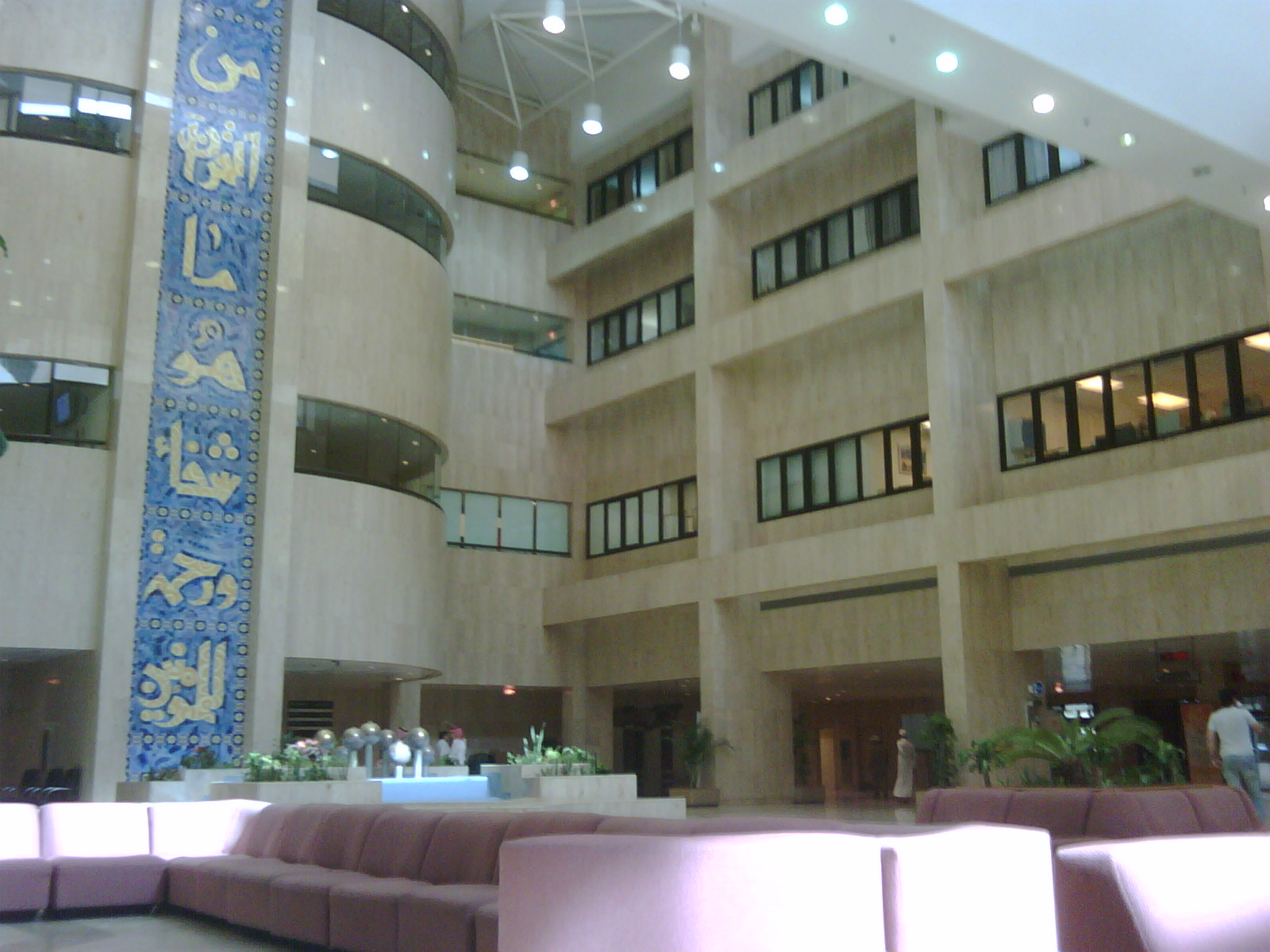
Saudi Arabia’s healthcare infrastructure is extensive and modern. The Kingdom operates over 460 hospitals and 2,000 primary healthcare centres. Major cities have both government-run and private hospitals, many of which are internationally accredited (JCI).
Hospitals for Tourists
As a tourist, your primary access point is the private hospital sector. Key private hospital groups include:
Government hospitals will treat anyone in a genuine emergency regardless of insurance status. However, for non-emergency care, government facilities prioritise Saudi nationals, and wait times can be long.
Emergency Numbers
| Service | Number | Notes |
|---|---|---|
| Unified Emergency | 911 | Police, fire, ambulance (major cities) |
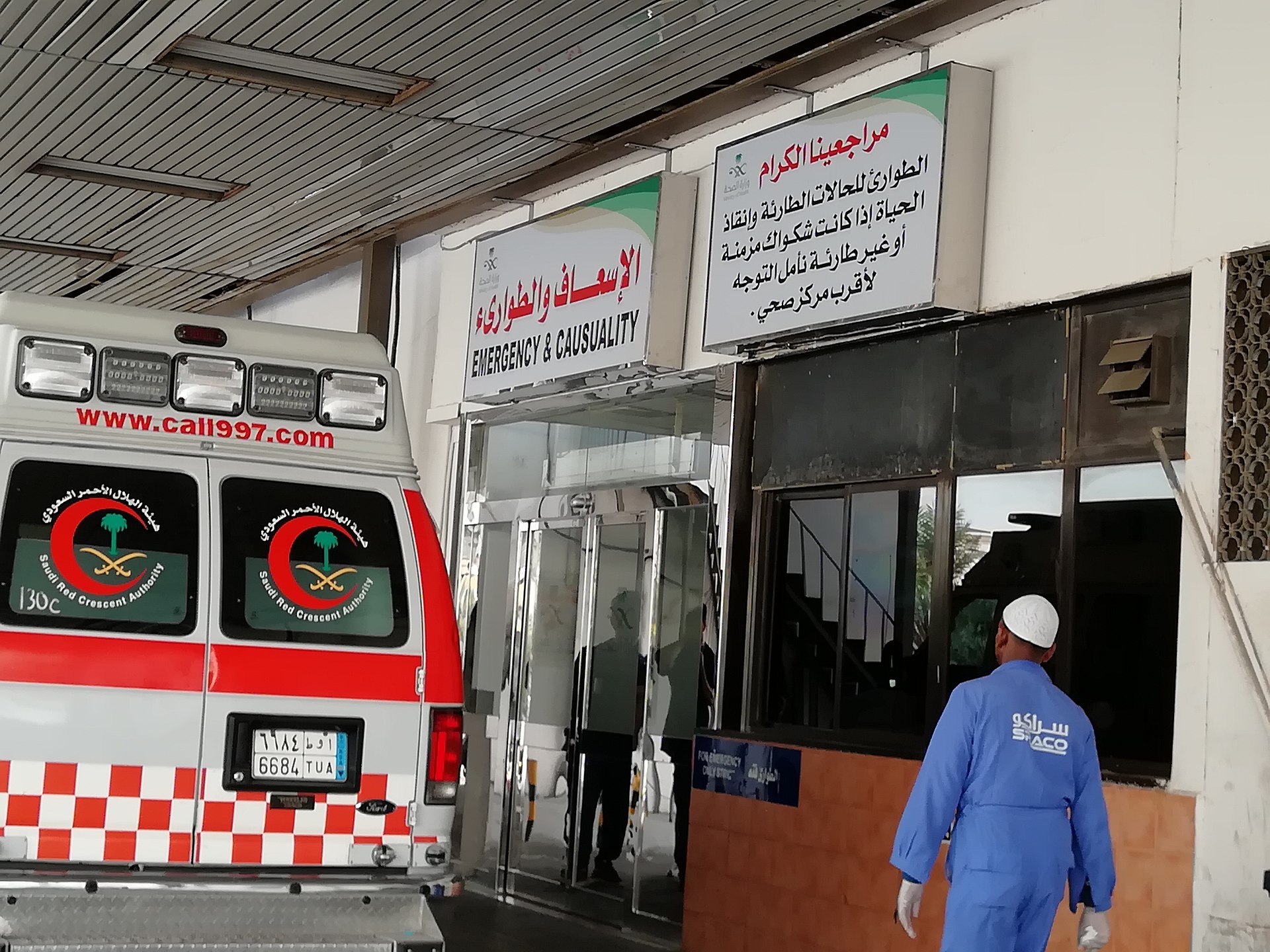
| Saudi Red Crescent (Ambulance) | 997 | Nationwide ambulance dispatch |
| Ministry of Health Helpline | 937 | Health advice in Arabic and English |
| Civil Defence | 998 | Fire and rescue |
| Traffic Accidents | 993 | Road accident reporting |
Practical note: Ambulance response times vary widely depending on location. In central Riyadh or Jeddah, response is typically 10–15 minutes. In rural areas or during Hajj peak, it can take much longer. If the situation is critical and you have transport, driving directly to the nearest hospital emergency room is often faster. Many hotels can also arrange private medical transport.
Travel Insurance
Health insurance is mandatory for all tourist visa holders in Saudi Arabia. Basic coverage is bundled into your e-visa fee (SAR 535 / approximately $142) and is underwritten by Tawuniya insurance. This mandatory policy provides coverage up to SAR 100,000 (approximately $27,000), including emergency treatment, hospitalisation, and repatriation. For full details, see our Saudi Arabia travel insurance guide.
However, $27,000 will not cover a serious hospitalisation requiring surgery, ICU care, or medical evacuation. A helicopter evacuation from a remote area alone can cost $30,000–50,000. Comprehensive supplementary travel insurance with at least $500,000 in medical coverage, emergency evacuation, and repatriation is strongly recommended. Policies typically cost $50–150 for a two-week trip.
Medications and Pharmacy Rules
Saudi Arabia has strict regulations on medications that travellers must understand before packing. Getting this wrong can result in confiscation of your medicine, denied entry, or even criminal charges.
Controlled Drug Clearance (Effective November 2025)
Since 1 November 2025, Saudi Arabia requires all travellers carrying controlled medications to obtain advance electronic clearance from the Saudi Food and Drug Authority (SFDA). This applies to both arrival and departure. You must register through the Electronic Controlled Drugs System (CDS) at cds.sfda.gov.sa at least two to three weeks before travel.
Medications requiring clearance include:
You will need to provide a valid prescription from your doctor, a medical report explaining the diagnosis and treatment, proof of identity, and details of medication type, dosage, and quantity for the duration of your stay.
Completely Banned Substances
Some medications that are legal in other countries are entirely prohibited in Saudi Arabia, regardless of whether you have a prescription. Tramadol, in particular, is banned due to widespread abuse. Captagon (fenethylline) is also strictly prohibited. If in doubt about a specific medication, check the SFDA’s restricted substances list at sfda.gov.sa before travelling.
General Pharmacy Tips
What to Pack in Your Travel Health Kit
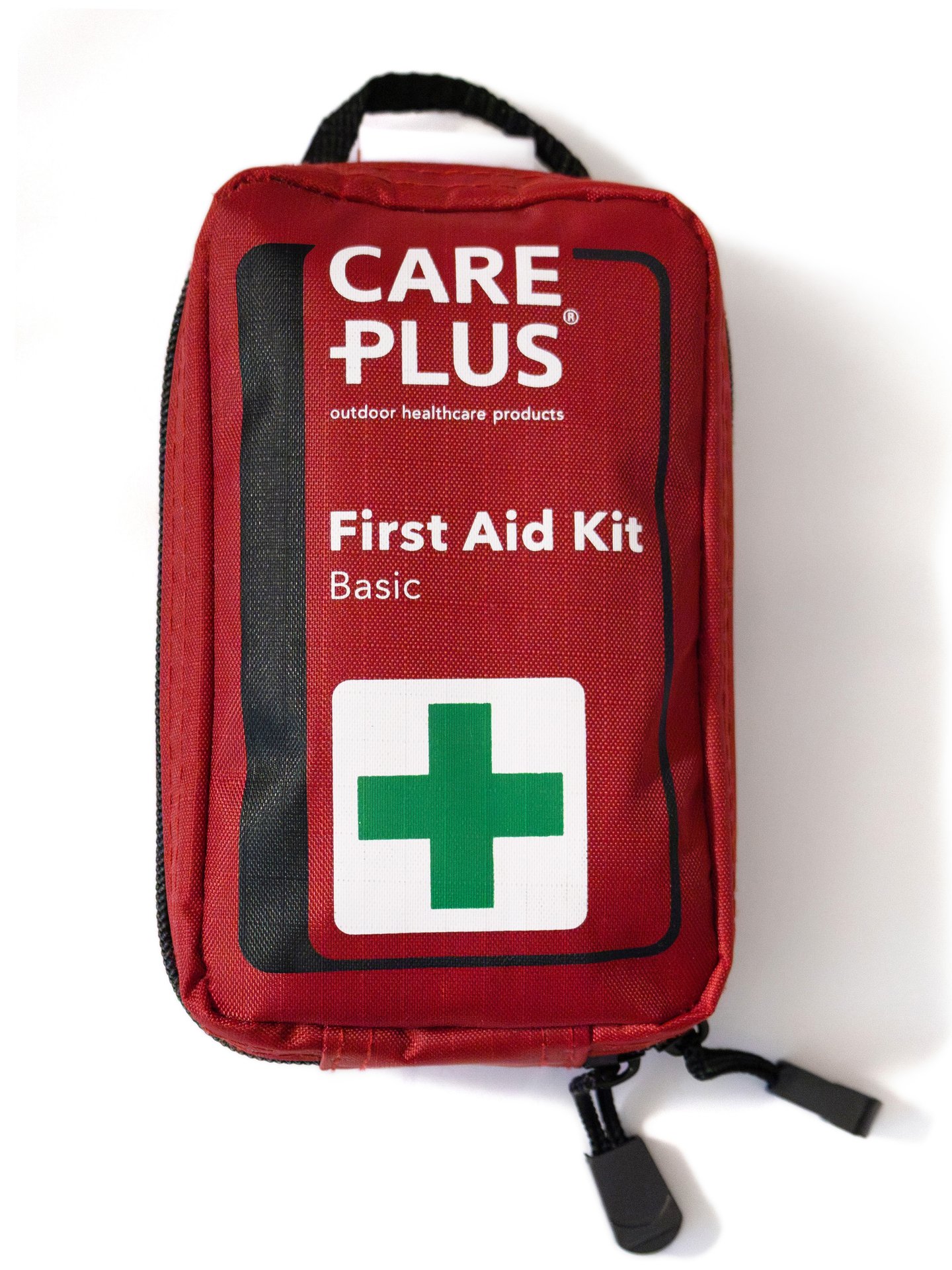
A well-prepared health kit saves time and stress. Pharmacies exist throughout Saudi Arabia, but finding specific brands or formulations may be difficult, and some products available freely at home require a prescription locally.
Health Considerations by Traveller Type
Hajj and Umrah Pilgrims
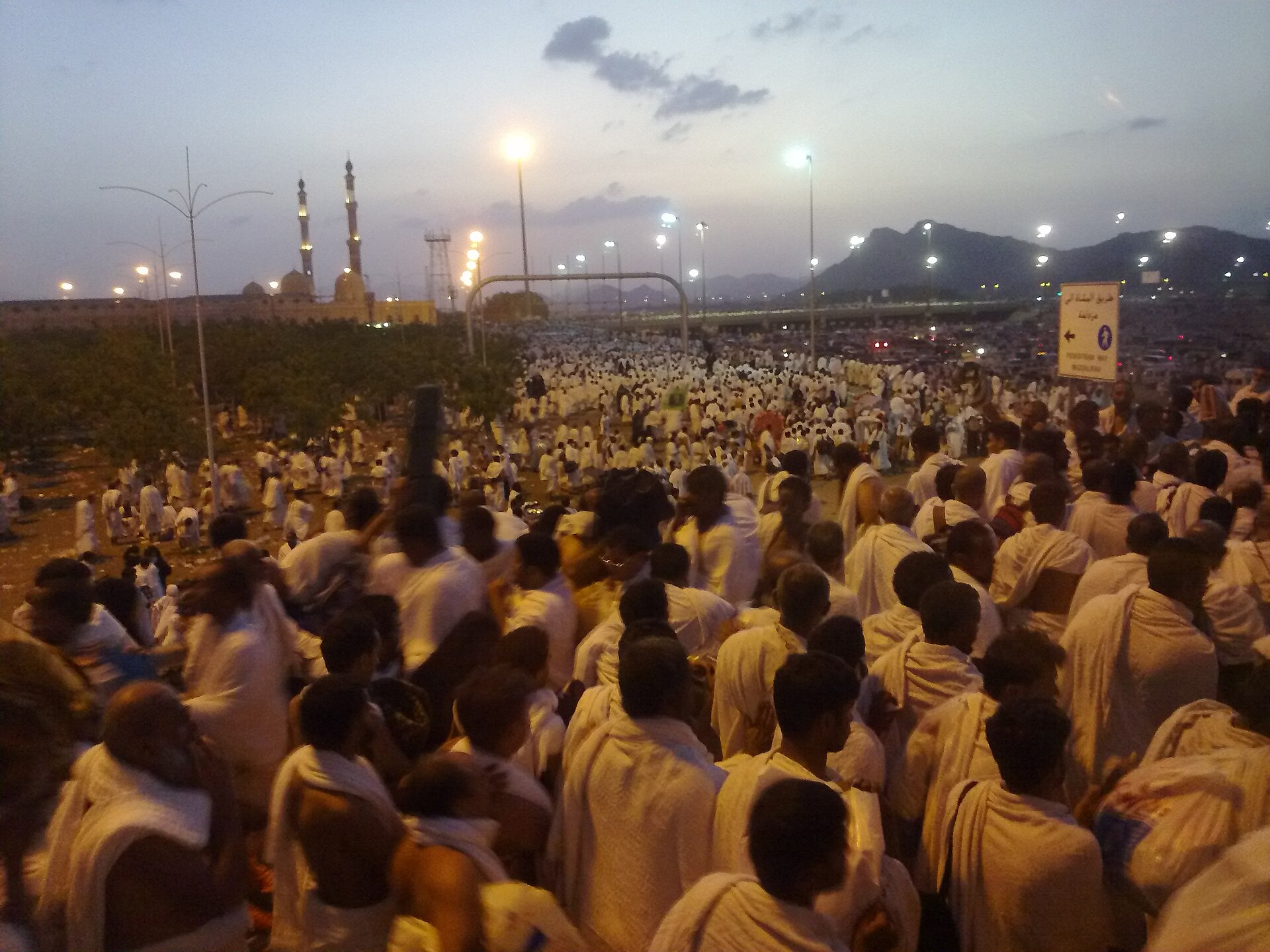
Pilgrims face the highest health risk of any traveller category. The combination of extreme heat, physical exertion (walking 10–20 km per day during Hajj rituals), massive crowds, and shared accommodation creates conditions for heat stroke, respiratory infections, and gastrointestinal illness. Beyond mandatory vaccinations, pilgrims should consider influenza, pneumococcal, and hepatitis A vaccines. The Saudi Ministry of Health deploys over 30,000 healthcare workers during Hajj season. Medical tents are positioned along the Hajj route, at Mina, Arafat, and Muzdalifah. For complete pilgrimage preparation, read our Hajj 2026 guide.
Families with Children
Children are more susceptible to heat stroke, dehydration, and sunburn than adults. Ensure all routine childhood vaccinations are up to date before travel. For children under five, the risk of severe dehydration from heat or diarrhoea is higher — pack paediatric ORS sachets. Consider whether summer travel is appropriate for very young children; the best time to visit Saudi Arabia with children is October to March when temperatures are milder. Our family travel guide has more tips.
Adventure Travellers
If you are planning hiking, desert camping, diving, or rock climbing, consider pre-exposure rabies vaccination (stray dogs and bats are present in rural areas) and ensure you have a first aid kit suitable for remote settings. Nearest hospitals may be hours away in locations like Wadi Disah or the Empty Quarter. Travel insurance with emergency helicopter evacuation is essential for these activities.
Elderly Travellers and Those with Chronic Conditions
Heat intolerance increases with age. Travellers with heart disease, diabetes, kidney disease, or respiratory conditions should consult their physician before visiting Saudi Arabia in summer. Carry a medical summary letter in English and Arabic if possible. Major hospitals in Riyadh and Jeddah have specialist departments, but accessing them as a tourist requires navigating the private healthcare system — which means paying upfront and claiming from insurance later.
Practical Health Tips During Your Trip
Air Quality and Sandstorms
Air pollution is a concern in Saudi cities, particularly Riyadh, Jubail, Jeddah, and Dammam. Sand and dust storms can occur year-round but are most common from March to May. If you have asthma or respiratory conditions, pack your inhaler and consider a KN95 or N95 mask for days with high particulate levels. The Saudi General Authority of Meteorology issues dust storm warnings — check weather apps before outdoor activities.
Road Safety
Motor vehicle accidents are the leading cause of death among healthy foreign nationals in Saudi Arabia. If you plan to drive in Saudi Arabia, wear your seatbelt at all times, avoid driving at night on rural highways, and be aware that local driving habits can be aggressive. Our Uber and Careem guide covers safer alternatives.
Mental Health and Culture Shock
The cultural differences in Saudi Arabia — gender segregation in some spaces, the call to prayer five times daily, restrictions on public behaviour — can cause anxiety for some travellers. Read our customs and etiquette guide and non-Muslim travel guide before arrival to set expectations. Most visitors find Saudi society welcoming and hospitable once they understand the social norms.
Swimming and Water Activities
The Red Sea is home to jellyfish, sea urchins, stonefish, and lionfish. Wear water shoes when wading, do not touch marine life, and carry a basic marine sting kit (vinegar for jellyfish, hot water for stonefish). If you are diving or snorkelling, ensure your operator carries first aid equipment. Decompression chambers are available in Jeddah and Yanbu.
Returning Home: Post-Travel Health
If you develop any of the following symptoms within two to four weeks of returning from Saudi Arabia, seek medical attention and tell your doctor you have been in the Middle East:
Most post-travel illnesses present within the first two weeks. The vast majority of travellers return from Saudi Arabia perfectly healthy — but knowing what to watch for ensures rapid treatment if something does arise.