
RIYADH — Russia and China have condemned the US-Israeli strikes on Iran in the strongest possible terms, called for an immediate ceasefire, and positioned themselves as defenders of international law — yet neither has lifted a finger to help Tehran as Iranian missiles rain on Saudi cities and Iranian oil exports collapse to zero. The gap between rhetoric and action reveals a cold calculation: both superpowers stand to gain more from Iran’s destruction than from its survival.
Five days into the most significant military conflict in the Middle East since 2003, the two nations most widely assumed to be Iran’s strategic patrons have offered nothing beyond statements, phone calls, and UN procedural manoeuvres. Moscow watches Urals crude prices surge toward budget-sustaining levels for the first time in months. Beijing quietly presses Tehran to keep the Strait of Hormuz open while its refineries switch Iranian barrels for Russian and Saudi alternatives. The so-called axis of resistance to American hegemony has, in the moment of its greatest test, revealed itself as a coalition of convenience held together by nothing stronger than shared grievance.
The question reverberating through Riyadh, Moscow, and Beijing is the same: who profits most from Iran’s agony? The answer depends on whether the war ends in weeks or grinds on for months, whether the Strait of Hormuz remains navigable, and whether Crown Prince Mohammed bin Salman can convert short-term military damage into lasting strategic advantage over both Moscow and Beijing.
Table of Contents
- What Have Russia and China Actually Done in Response to the Iran War?
- Russia’s Rhetoric Versus Reality: Condemning the War While Profiting From It
- How Is Moscow Benefiting From Rising Oil Prices?
- Does the Iran War Help Russia Fund the Ukraine Campaign?
- Why Is China Pressuring Iran to Keep the Strait of Hormuz Open?
- China’s Energy Vulnerability: The Numbers Behind Beijing’s Anxiety
- The Alliance That Wasn’t: Why Russia and China Abandoned Tehran
- Can Saudi Arabia and Russia Still Cooperate Through OPEC+?
- What Does the Iran War Mean for Saudi-Chinese Trade Relations?
- The Great Power Scorecard: Who Wins and Loses From Iran’s Collapse
- The Counterintuitive Case: Iran’s Destruction Strengthens the Russia-China-Saudi Triangle
- What Comes Next for Russia, China, and Saudi Arabia?
- Frequently Asked Questions
What Have Russia and China Actually Done in Response to the Iran War?
Russia and China have issued forceful diplomatic condemnations of the US-Israeli strikes on Iran but have provided zero material military assistance to Tehran, exposing a fundamental gap between the rhetoric of multipolarity and the reality of strategic self-interest. In the first five days of the conflict, neither country has moved military assets, imposed sanctions on the United States, or provided weapons or intelligence to Iranian forces.
The diplomatic responses followed a familiar pattern. Moscow described the Operation Epic Fury strikes as “unprovoked armed aggression” and demanded an immediate halt to military operations. Beijing expressed “deep concern,” condemned the killing of Supreme Leader Ali Khamenei as a violation of the UN Charter, and called for “renewed dialogue.” Both countries circulated a joint draft resolution at the UN Security Council demanding a ceasefire — a resolution they knew Washington would veto.
What neither country did was far more revealing than what they said.
The Middle East briefing 3,000+ readers start their day with.
One email. Every weekday morning. Free.
| Action Category | Russia | China |
|---|---|---|
| Diplomatic condemnation | Yes — “armed aggression” | Yes — “violation of UN Charter” |
| UN Security Council resolution | Yes — co-sponsored draft | Yes — co-sponsored draft |
| Military aid to Iran | None | None |
| Weapons deliveries | None | None |
| Intelligence sharing | Not confirmed | Not confirmed |
| Sanctions on US/Israel | None | None |
| Military deployments to region | None | None |
| Humanitarian aid to Iran | Pledged, not delivered | Pledged, not delivered |
| Pressured Iran on Hormuz | No | Yes — actively |
| Oil market actions | Agreed OPEC+ production increase | Stockpiling from non-Iranian sources |
The Russia-Iran relationship, often described in Western media as an alliance, rests on no mutual defence treaty. Moscow’s security pact with Tehran, signed in January 2025, explicitly excludes requirements to come to Iran’s defence in the event of attack, according to CNBC reporting. The partnership was always transactional — Russian arms sales and UN veto protection in exchange for Iranian drone components for the Ukraine war — and the transaction has now run its course.
China’s response has been equally calibrated. While Beijing condemned the killing of Khamenei as a “grave violation of sovereignty,” its practical priority has been protecting its own energy supplies through the Strait of Hormuz rather than defending Iran’s territorial integrity. As CNN reported on March 4, the United States has now taken out two China-friendly leaders in two months — Assad in Syria and Khamenei in Iran — and Beijing has done “very little about it.”
Russia’s Rhetoric Versus Reality: Condemning the War While Profiting From It
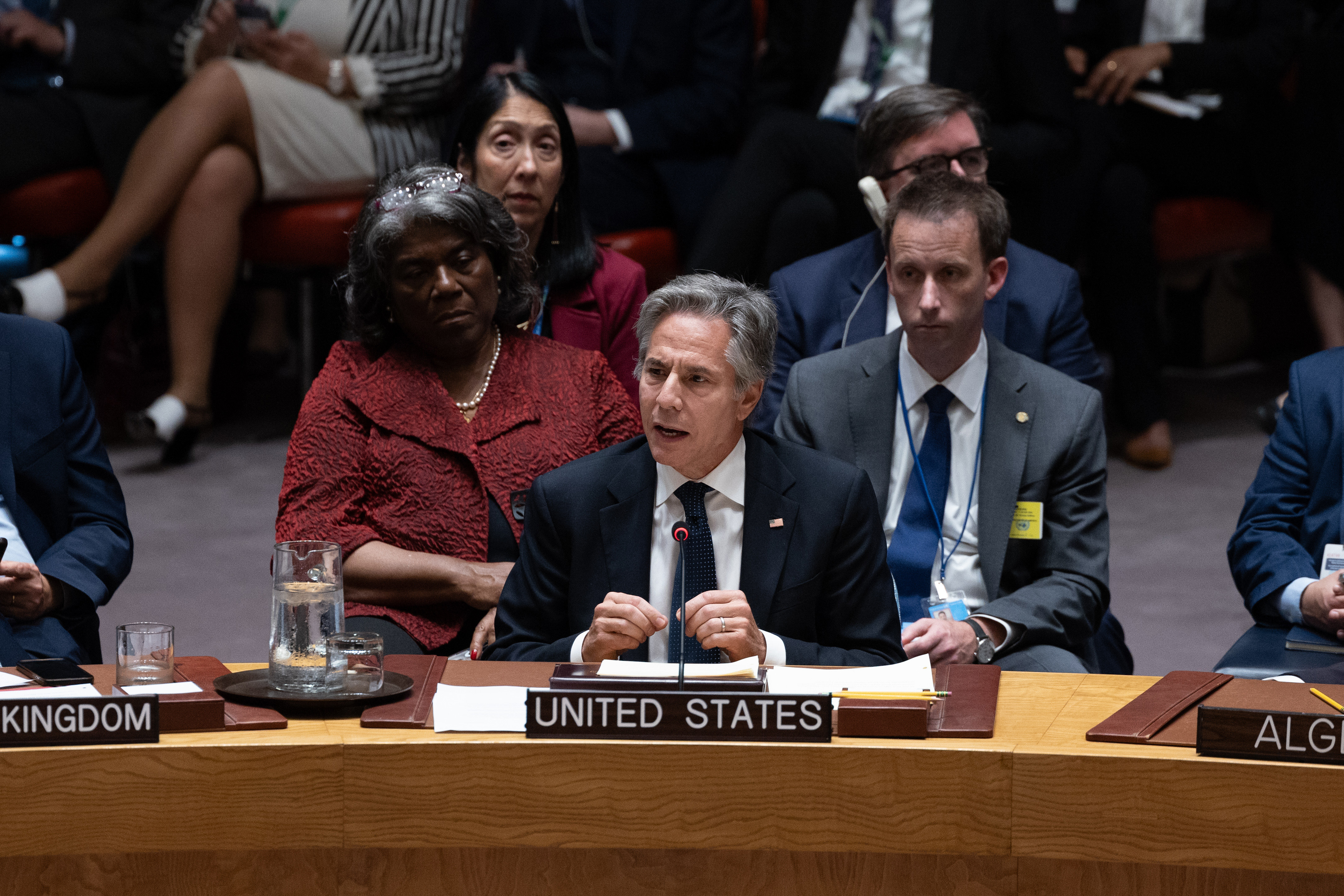
Moscow’s position on the Iran war contains a contradiction so stark it borders on cynicism. Russia has denounced the strikes as “armed aggression” and positioned itself as a defender of international norms — while simultaneously benefiting from every consequence of Iran’s destruction.
The Kremlin’s public stance reflects genuine strategic concern. Chatham House analysis published on March 3, 2026, identified a core problem for Moscow: if Tehran emerges either “significantly enfeebled or forced into a coercive settlement with Washington,” Russia will lose leverage in a region where its room for manoeuvre has already “significantly narrowed after the fall of Assad in Syria.” The normalization of preventive strikes against nuclear infrastructure, Chatham House noted, erodes the diplomatic architecture Russia once used to project influence and political legitimacy.
Yet Russia has done nothing to prevent these outcomes. No military assets have been repositioned toward the Gulf. No weapons shipments have been accelerated. No intelligence-sharing arrangements have been activated — at least none that have produced visible results on the battlefield, given that Iranian retaliatory strikes have been largely intercepted by Saudi Arabia’s Patriot and THAAD air defense systems.
The explanation is straightforward: Russia’s losses from Iran’s weakening are theoretical and long-term, while its gains are concrete and immediate.
Three factors explain Moscow’s inaction. First, Russia lacks the force projection capability to intervene meaningfully in the Gulf while sustaining operations in Ukraine. The Russian Navy’s Caspian Flotilla, its nearest significant naval asset, is designed for inland sea operations and cannot reach the Persian Gulf. Second, any Russian military intervention would risk direct confrontation with the United States — a risk Moscow has consistently avoided even in Syria, where it had a far stronger position. Third, the economic benefits of the conflict are too significant to jeopardize with actions that could trigger Western sanctions escalation.
The partnership between Moscow and Tehran was, in the assessment of Chatham House, always a “partnership of convenience” that served as a “buffer” against American influence. That buffer is now being dismantled, and Russia is watching it happen while counting its oil revenue.
How Is Moscow Benefiting From Rising Oil Prices?
The Iran war has delivered Russia an oil revenue windfall worth billions of dollars per month. Prices for Russia’s Urals crude blend have risen from under $40 per barrel in December 2025 to approximately $62 per barrel by early March 2026 — first on pre-war tensions and then on the disruption of tanker traffic through the Strait of Hormuz, according to Euromaidan Press analysis.
The price recovery is strategically significant. Russia’s 2026 federal budget was calculated assuming Urals crude at $59.80 per barrel, according to Reuters. With Urals now trading above that threshold for the first time since mid-2025, Moscow’s fiscal position has shifted from deficit to approximate balance in a matter of days. Brent crude surged 13 percent to $82 per barrel immediately after the US-Israeli strikes, dragging the Urals benchmark above Russia’s budget assumption.
| Metric | Pre-War (Dec 2025) | Post-Strike (Mar 2026) | Change |
|---|---|---|---|
| Urals crude price | ~$40/barrel | ~$62/barrel | +55% |
| Brent crude price | ~$72/barrel | ~$82/barrel | +14% |
| Russia’s budget assumption | $59.80/barrel | $59.80/barrel | Now exceeded |
| Russia’s daily exports | ~3.5M bpd | ~3.5M bpd + growth | Volume upside |
| Estimated monthly revenue gain | — | — | +$2-3B/month |
Beyond price effects, Russia stands to capture market share directly from Iran’s suspended exports. Commodity intelligence firm Kpler assessed that the conflict is “materially improving Russia’s competitive position in crude oil markets.” The logic is mechanical: Iran exported approximately 1.7 million barrels per day before the strikes, with roughly 90 percent going to China. Those barrels have now been disrupted. China’s independent refining sector — the so-called “teapot” refineries — imported an estimated 99 percent of Iran’s crude exports. These refineries are configured to process heavy, sour crude grades, and the closest available substitute is Russia’s Urals blend.
As Al Jazeera reported on March 3, “Russian oil will be sought” as refineries designed for heavy crude shift from Iranian to Russian supply. India and China, the two largest importers of discounted Russian crude, face strong incentives to deepen reliance on Russian supply while Middle East barrels face logistical disruption. The irony is acute: the United States launched a war partly to constrain Iranian influence, and one of its most immediate consequences has been to improve Russia’s revenue position and reduce the effectiveness of Western oil sanctions.
Euromaidan Press framed the paradox bluntly: “Did the US just fund Russia’s war by bombing its drone supplier?” Rising oil prices flow directly into Russia’s war chest for Ukraine operations. Each dollar increase in the Urals price translates to roughly $1.3 billion in additional annual revenue for the Russian federal budget, based on export volumes of approximately 3.5 million barrels per day.
Does the Iran War Help Russia Fund the Ukraine Campaign?
The connection between rising oil prices and Russia’s war-fighting capacity in Ukraine is direct, measurable, and deeply uncomfortable for the architects of Operation Epic Fury. Every dollar increase in global crude prices flows through Russia’s fiscal system into military expenditure — a chain of causation that the US and Israeli planners either failed to anticipate or chose to accept as an acceptable cost of degrading Iran’s nuclear programme.
Russia’s 2026 federal budget allocated approximately 13.5 trillion roubles ($135 billion at prevailing exchange rates) to defence and national security — the largest military spending commitment in the country’s post-Soviet history, according to Reuters analysis. This spending is directly funded by hydrocarbon revenue, which accounts for roughly 30 percent of federal budget income. When Urals crude was trading below $40 per barrel in December 2025, the budget was structurally in deficit and the Kremlin faced difficult choices about sustaining operations at current intensity.
The Iran war eliminated that pressure overnight. At $62 per barrel, Russia’s hydrocarbon revenue exceeds budget projections. The surplus provides Moscow with the fiscal space to sustain current force deployment levels in Ukraine, procure additional equipment, and maintain the domestic subsidy programmes that underpin wartime social stability. Euromaidan Press captured the dynamic in a March 3 headline: “Did the US just fund Russia’s war by bombing its drone supplier?”
The irony extends further. Iran was a significant supplier of drone components — particularly the Shahed-136 one-way attack drone — that Russia deployed extensively in Ukraine. By destroying Iran’s military-industrial capacity, the US-Israeli strikes may have temporarily disrupted Russia’s drone supply chain. But the revenue windfall from higher oil prices more than compensates, enabling Moscow to purchase alternative systems from other suppliers or accelerate domestic production at the Alabuga Special Economic Zone, where Russia has been manufacturing Shahed variants under licence since 2023.
As ABC News and US News reported on March 4, “Rising energy prices from the Iran war could help Russia pay for fighting in Ukraine.” The assessment is not speculative. Russia’s wartime economy operates on a simple equation: oil revenue minus war costs equals fiscal sustainability. The Iran war has moved the first variable decisively in Moscow’s favour.
The conflict is materially improving Russia’s competitive position in crude oil markets. With Middle East barrels facing logistical disruption, both India and China face strong incentives to deepen reliance on Russian supply.
Kpler commodity intelligence analysis, March 2026
Why Is China Pressuring Iran to Keep the Strait of Hormuz Open?
China’s response to the Iran war has been defined not by solidarity with Tehran but by a single overriding priority: keeping the Strait of Hormuz open for its own energy imports. Beijing has applied direct diplomatic pressure on Iranian officials to avoid disrupting shipping through the strait, revealing that China’s economic interests take categorical precedence over its political alignment with Iran.
Bloomberg reported on March 3 that Chinese Foreign Minister Wang Yi told his Iranian counterpart Abbas Araghchi that while Beijing “supports efforts to safeguard national security,” Tehran should heed the “reasonable concerns” of its neighbours. This was the most direct public call from China for continued trade through the waterway — effectively telling Iran that its most valuable economic partner would not tolerate actions that damaged Chinese interests, regardless of the provocation Iran had suffered.
Behind the diplomatic language, the pressure was more direct. According to Iran International, citing senior executives at Chinese state energy firms, Chinese government officials explicitly told state-owned gas companies that Beijing was pressing Iran not to attack major energy export hubs — particularly Qatar’s LNG facilities, which handle approximately 30 percent of China’s liquefied natural gas imports. The executives were told that Beijing was also urging Iran to allow the passage of oil and LNG cargoes through Hormuz and not to attack tankers carrying energy supplies.
The pressure appears to have produced results. By March 5, Iran signalled that the Strait of Hormuz remained “open to friends” — a formulation that, while ambiguous, represented a step back from Tehran’s initial threat to close the waterway entirely in retaliation for the US-Israeli strikes. The shift came after Chinese diplomatic intervention and a simultaneous offer from the Trump administration to provide US Navy escorts for commercial tankers.
China’s willingness to pressure Iran rather than defend it reflects a hierarchy of interests that has been clear to analysts for years but is now visible to all. As ABC News reported, the relationship between Beijing and Washington is “much more crucial than with Iran on multiple fronts, from trade and the economy to Taiwan.” China’s annual bilateral trade with the United States exceeds $700 billion. Its trade with Iran, even at peak levels, has never exceeded $50 billion. The calculation is arithmetically simple.
China’s Energy Vulnerability: The Numbers Behind Beijing’s Anxiety
China’s strategic anxiety over the Iran war is rooted in quantifiable energy dependency that no amount of diplomatic positioning can mitigate. The numbers reveal a country that, for all its superpower ambitions, remains deeply vulnerable to disruption in the Persian Gulf — and whose response to the crisis has been shaped entirely by that vulnerability.
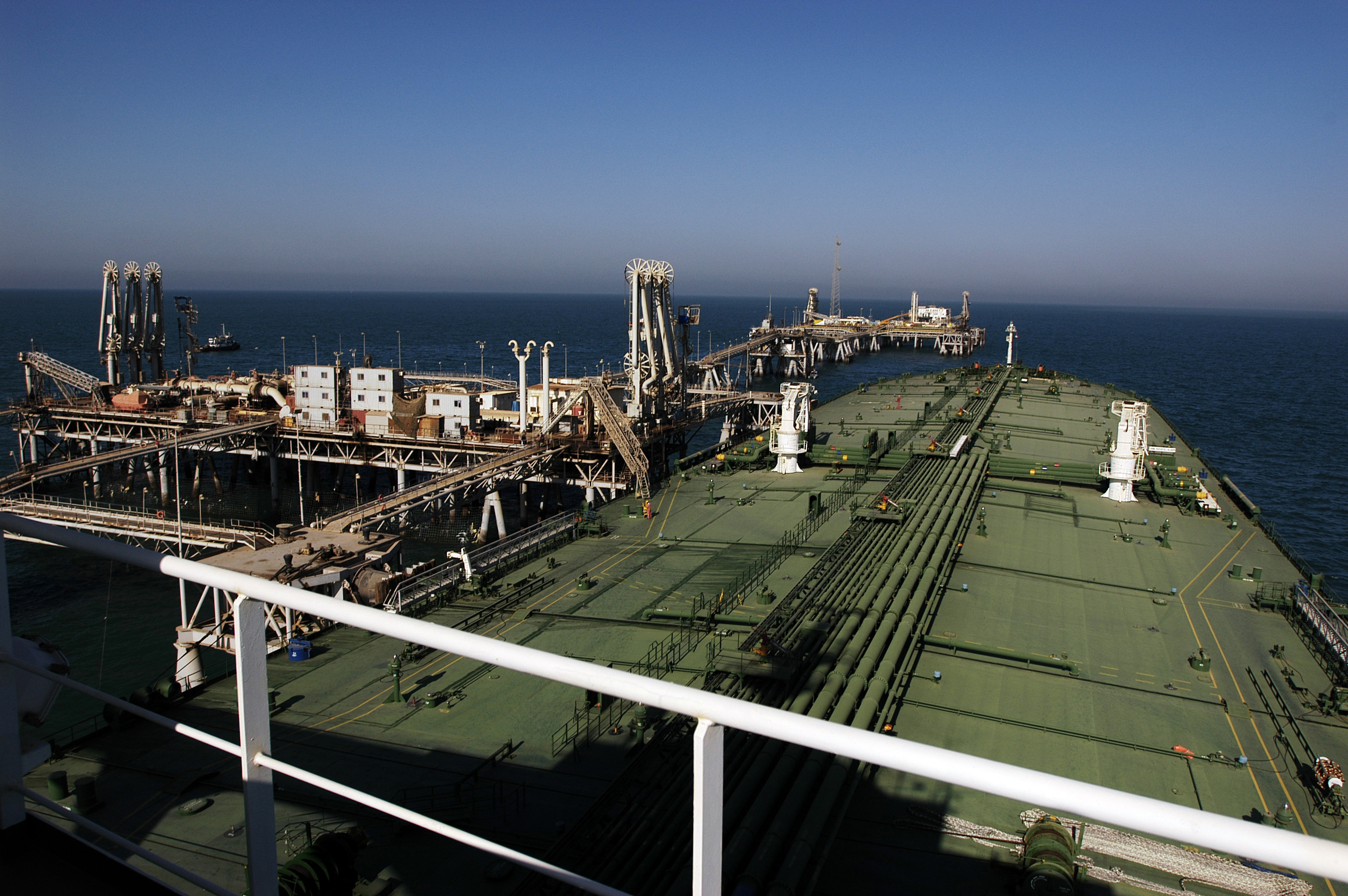
China’s crude oil imports reached a record 11.6 million barrels per day in 2025, making it the world’s largest importer by a significant margin, according to Columbia University’s Center on Global Energy Policy. Of those imports, approximately 40 percent pass through the Strait of Hormuz. CNBC analysis found that 84 percent of the crude oil and condensate and 83 percent of the LNG that moved through the Strait of Hormuz in 2024 went to Asian markets, with China, India, Japan, and South Korea accounting for a combined 69 percent of all Hormuz crude flows.
| Energy Metric | Value | Source |
|---|---|---|
| Total crude imports (2025) | 11.6M bpd | Columbia CGEP |
| Imports from Iran | ~1.38M bpd | Kpler / WION |
| Iran share of seaborne imports | ~13.4% | Columbia CGEP |
| Imports through Hormuz | ~40% | CNBC |
| LNG from Qatar/UAE | ~30% | Iran International |
| Strategic petroleum reserve | ~400M barrels | Kpler |
| Commercial crude stocks | ~670M barrels | S&P Global |
| Total stockpile | 1.2-1.5B barrels | Kpler / Discovery Alert |
| Import cover | ~121 days | Discovery Alert |
| Sanctioned crude imports (total) | ~2.6M bpd | Columbia CGEP |
China’s preparation for exactly this scenario has been extensive. Chinese refineries had stockpiled between 1.2 and 1.5 billion barrels of oil by the end of 2025, according to Kpler monitoring data. Beijing accelerated expansion of its strategic oil reserves throughout 2025, with crude oil inventories increasing by approximately 900,000 barrels per day between January and August 2025, according to the US Energy Information Administration. The nation initiated construction of 11 new storage facilities with combined capacity of 169 million barrels, scheduled for completion during 2025 and 2026.
At 121 days of import coverage at current consumption rates, China significantly exceeds the International Energy Agency’s 90-day benchmark. The stockpile provides a substantial buffer — but not an indefinite one. If the Hormuz disruption persists for months rather than weeks, China would face progressively harder choices about rationing, demand destruction, and economic slowdown.
The loss of Iranian crude specifically is painful but manageable. At 1.38 million barrels per day, Iran represented approximately 13.4 percent of China’s seaborne crude imports. The barrels are already being replaced. Saudi Aramco has raised its official selling prices for Asian buyers, and Chinese state-owned importers have accelerated purchases of Russian, Saudi, and Brazilian crude. The “teapot” refineries that processed most of Iran’s crude — small and mid-scale independent refineries in Shandong Province — face the most disruption, as they lack the scale and relationships to rapidly switch suppliers.
The disruption to China’s independent refining sector is particularly acute. Shandong Province, home to the majority of China’s “teapot” refineries, processed an estimated 99 percent of Iran’s crude exports to China, according to Columbia University’s CGEP. These refineries lack the long-term supply contracts, creditworthiness, and logistical relationships to rapidly switch to Saudi or Russian crude. Many operated in a grey market of relabelled Iranian shipments, with cargoes reclassified as originating from Malaysia or Indonesia to circumvent sanctions monitoring. That supply chain has now been severed not by Western sanctions enforcement but by the physical destruction of Iran’s export infrastructure.
The broader supply chain impact extends beyond crude oil. China relies on the Gulf for approximately 30 percent of its LNG imports, primarily from Qatar and the UAE. LNG tankers, which transit through the Strait of Hormuz, face the same insurance and routing challenges as crude carriers. A prolonged disruption to Gulf LNG supplies would affect Chinese industrial production, power generation, and winter heating supplies — particularly in the heavily industrialised northeastern provinces that depend on gas for both purposes.
Asia Times captured the broader risk: “Hormuz doesn’t need to close to cripple Asia’s economies.” Even partial disruption — insurance rate spikes, longer routing via the Cape of Good Hope, tanker availability constraints — imposes costs that ripple through the entire Asian supply chain. War risk insurance premiums for Gulf-bound tankers have surged tenfold since February 28, according to industry sources, adding an estimated $3-5 per barrel to the delivered cost of Persian Gulf crude. The longer routing via the Cape of Good Hope adds approximately 12-15 days to voyage times from the Gulf to East Asia, effectively reducing the global tanker fleet’s carrying capacity by absorbing vessels on longer routes.
The Alliance That Wasn’t: Why Russia and China Abandoned Tehran
The Iran crisis has demolished the myth of a cohesive Russia-China-Iran axis opposing American power. The three nations shared grievances, traded arms, and coordinated diplomatic positions for years — but when the test came, the alliance proved to be structurally hollow. Three factors explain why both Moscow and Beijing calculated that abandoning Tehran served their interests better than defending it.
The first factor is asymmetric stakes. For Iran, the US-Israeli strikes represent an existential threat — the assassination of the Supreme Leader, the destruction of nuclear facilities, and the degradation of military infrastructure. For Russia, the war is a regional development that affects its leverage but not its survival. For China, it is an energy supply disruption that can be managed with stockpiles and supplier diversification. Neither Russia nor China faces consequences proportionate to those facing Iran, and neither was willing to escalate its involvement to match Iran’s level of need.
The second factor is the lessons of Syria. Russia maintained a meaningful military presence in Syria from 2015 to 2024, providing air support, naval assets, and special forces to sustain the Assad government. That investment collapsed when Assad fell in late 2025, demonstrating that even sustained military commitment could not guarantee the survival of client regimes in the region. Moscow’s Syria experience taught a clear lesson: investing military capital in Middle Eastern allies is a losing proposition.
The third factor is the primacy of the bilateral relationship with Washington. Both Russia and China have complex, high-stakes relationships with the United States that they are unwilling to jeopardize for Iran’s sake. Russia’s focus remains on Ukraine, where any additional provocation of the United States could trigger expanded Western military assistance to Kyiv. China’s focus remains on Taiwan, trade, and technological competition — areas where a confrontation over Iran would provide Washington with political ammunition to accelerate decoupling.
CNBC analysis published on March 2 stated the dynamic bluntly: Iran’s closest allies “have not offered material support to it, exposing the hard limits of its ‘strategic’ partnerships.” The partnership was never a formal alliance in the NATO sense — no Article 5, no mutual defence commitments, no integrated command structures. It was a coalition of convenience, and convenience has now expired.
The pattern has precedent. When the United States invaded Iraq in 2003, Russia and China opposed the war at the UN but did nothing to prevent it. When NATO intervened in Libya in 2011, both countries abstained on the Security Council resolution and allowed regime change to proceed. When the US-Israeli coalition struck Iran, the pattern repeated: rhetorical opposition, procedural delay, and practical acquiescence.
The implications for global geopolitics extend beyond the Iran case. Every country currently relying on Russian or Chinese security partnerships — from Venezuela to North Korea to Pakistan to Myanmar — is watching how Moscow and Beijing treat a partner in existential crisis. The message is unambiguous: strategic partnerships with Russia and China provide economic benefits, diplomatic cover, and arms sales, but they do not provide the hard security guarantee that comes with membership in a genuine alliance like NATO — though even NATO membership has not prevented Turkey from charting its own perilous course through the Iran war, refusing to grant airspace while accepting alliance air defense protection. When the cost of defending a partner exceeds the benefit of maintaining the relationship, both Moscow and Beijing will choose self-interest.
For Saudi Arabia, the lesson reinforces the strategic logic that has guided MBS since 2017: the only security guarantee worth having comes from the United States, and the price of that guarantee — oil cooperation, arms purchases, counterterrorism alignment — is worth paying. Russia and China can be useful economic partners and diplomatic counterweights, but they cannot be trusted with Saudi Arabia’s survival. The Iran war has demonstrated this distinction with devastating clarity.
Can Saudi Arabia and Russia Still Cooperate Through OPEC+?
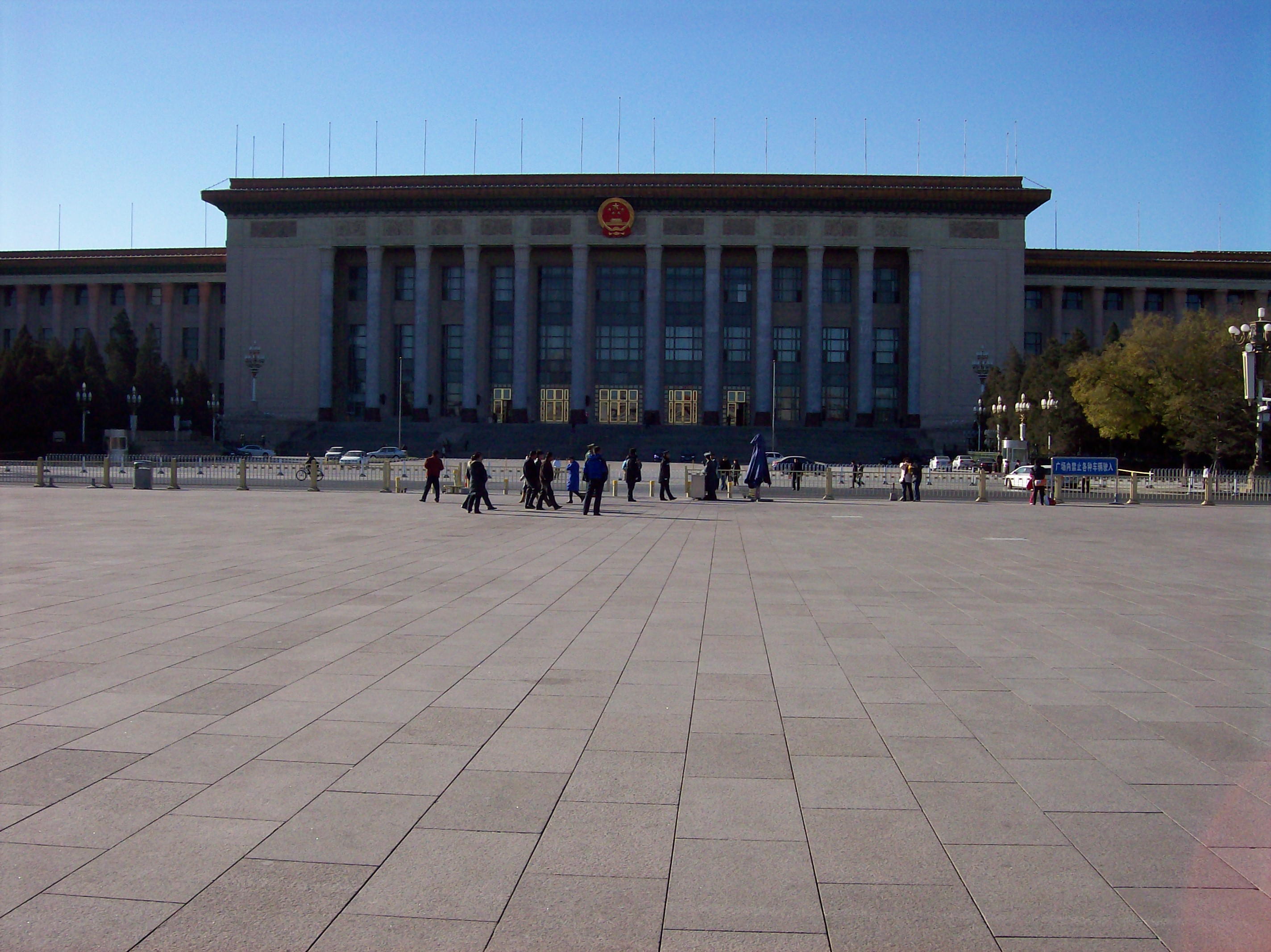
The Iran war has created a paradox at the heart of the OPEC+ alliance: Saudi Arabia and Russia, which are on opposite sides of the diplomatic divide over the conflict, must continue to coordinate oil production to manage global prices. The March 1, 2026, OPEC+ decision demonstrated that economic pragmatism can override geopolitical alignment — at least in the short term.
The eight-member Voluntary Eight (V8) group — Saudi Arabia, Russia, Iraq, UAE, Kuwait, Kazakhstan, Algeria, and Oman — agreed on a production adjustment of 206,000 barrels per day to be implemented in April 2026, according to the official OPEC+ statement. The decision was taken virtually on the same day that Russia was publicly condemning the strikes that Saudi Arabia had privately encouraged.
| Country | March 2026 Target (bpd) | April Increase (bpd) | War Position |
|---|---|---|---|
| Saudi Arabia | 10,100,000 | +62,000 | Anti-Iran |
| Russia | 9,600,000 | +62,000 | Pro-Iran (rhetorically) |
| Iraq | 4,300,000 | +26,000 | Neutral/cautious |
| UAE | 3,400,000 | +18,000 | Anti-Iran |
| Kuwait | 2,600,000 | +16,000 | Anti-Iran |
| Kazakhstan | 1,600,000 | +10,000 | Neutral |
| Algeria | 971,000 | +6,000 | Neutral |
| Oman | 811,000 | +5,000 | Cautious |
The symmetry of the Saudi and Russian production increases — both at 62,000 barrels per day — reflects the carefully maintained fiction of equal partnership that has anchored OPEC+ since its formation. That both countries agreed to increase production during a supply disruption is notable: OPEC+ had paused all production increases for the first quarter of 2026, and the Iran war gave Saudi Arabia and Russia a shared interest in demonstrating market stability while capitalising on higher prices.
The cooperation carries a cynical logic. Saudi Arabia wants higher prices to fund Vision 2030 amid war-driven economic disruption but also wants to demonstrate to Washington that it can help stabilise markets. Russia wants higher prices to fund its Ukraine operations but also wants to signal to OPEC+ partners that it remains a reliable production coordinator. Both countries benefit from the perception of orderly supply management, even as the war creates chaotic supply disruption.
Whether this cooperation can survive a prolonged conflict is uncertain. If the war extends beyond the five-week timeline Trump has suggested and oil prices sustain above $100, the temptation for each party to cheat on quotas will intensify. Russia, in particular, has a history of exceeding its production commitments when prices are high and fiscal pressure is acute. Kazakhstan has already consistently overproduced its quota throughout 2025, creating friction within the alliance. Saudi Arabia, as OPEC+’s swing producer, would then face the familiar dilemma of cutting its own production to maintain price stability or allowing a price war that would punish all producers.
The war also exposes a structural tension in the OPEC+ framework. Iran, which held OPEC’s fourth-largest production capacity before the strikes, was exempt from OPEC+ production cuts due to sanctions-related output declines. Its effective removal from the market — whether temporary or permanent — simplifies the cartel’s coordination challenge by reducing the number of significant producers that must agree on output levels. The surviving members can divide Iran’s lost market share among themselves, with Saudi Arabia and Russia each positioned to capture the largest portions.
For Riyadh, the OPEC+ relationship with Moscow serves a dual purpose. It manages oil supply and prices in a way that supports Saudi fiscal needs, and it provides a diplomatic channel with Russia that operates independently of the geopolitical disagreements over Iran, Ukraine, and the broader international order. As long as both countries benefit from coordinated production management, the oil partnership will endure — even as their diplomats issue contradictory statements about the legitimacy of the strikes that triggered the crisis. The oil market, in the end, is more honest than the UN General Assembly.
What Does the Iran War Mean for Saudi-Chinese Trade Relations?
The Iran war is reshaping the Saudi-Chinese economic relationship in ways that favour Riyadh. With Iranian crude suddenly unavailable, Chinese refineries need replacement barrels — and Saudi Aramco is the most logical supplier. The shift from Iranian to Saudi crude could accelerate a bilateral trade relationship that was already expanding rapidly before the conflict began.
Saudi-Chinese bilateral trade reached $107 billion in 2024, according to the Observatory of Economic Complexity — surpassing Saudi Arabia’s combined trade with the European Union ($75 billion) and the United States ($26 billion). Over 80 percent of Saudi exports to China consisted of crude oil. China has been Saudi Arabia’s largest trading partner since 2020, and Saudi Arabia is China’s primary trade partner in the Middle East and its second-largest global crude oil supplier after Russia.
The financial integration between the two countries runs deeper than crude shipments. In 2024, China and Saudi Arabia signed a $7 billion currency swap agreement allowing direct settlement between the yuan and the Saudi riyal, according to S&P Global. Saudi Arabia joined the mBridge central bank digital currency trial for trade settlements in June 2024, a platform led by China and the Bank of International Settlements. Total capital expenditure on Saudi-invested petrochemical projects in China had reached $35 billion by 2025, with projected output of 21.7 million tonnes.
| Partner | Total Bilateral Trade | Saudi Exports | Primary Export |
|---|---|---|---|
| China | $107 billion | $57 billion | Crude oil (80%+) |
| European Union | $75 billion | — | Crude oil, petrochemicals |
| United States | $26 billion | — | Crude oil, defense |
| India | ~$42 billion | — | Crude oil |
| Japan | ~$35 billion | — | Crude oil, LNG |
The war creates leverage for Saudi Arabia in several ways. First, Aramco’s Red Sea export route via the East-West Pipeline to Yanbu gives Saudi crude a logistical advantage over Gulf-loaded barrels that must transit through or near the Hormuz chokepoint. While other Gulf producers — Kuwait, Qatar, UAE — face tanker routing constraints, Saudi Arabia can deliver up to 5 million barrels per day through the Red Sea without transiting Hormuz. This makes Saudi crude more reliable and cheaper to insure, advantages that translate directly into market share.
Second, Saudi Arabia can replace a significant portion of the Iranian barrels China has lost. Chinese “teapot” refineries imported approximately 1.38 million barrels per day from Iran. While those refineries are configured for heavy, sour crude and may prefer Russian Urals as a closer substitute, Saudi Arabia produces a range of crude grades — including Arab Heavy and Arab Medium — that can serve these refineries. Aramco has already raised its official selling prices for Asian buyers, a signal of confidence that demand will absorb the increase.
Third, the war weakens China’s negotiating position in the broader bilateral relationship. Beijing’s previous ability to play Saudi, Iranian, and Russian suppliers against each other for price concessions is diminished when one supplier is effectively eliminated. Saudi Arabia becomes more essential to China’s energy security, not less — and Crown Prince Mohammed bin Salman can extract better terms across the relationship, from crude pricing to petrochemical investment to Vision 2030 technology transfers.
The currency dimension adds another layer. Saudi Arabia’s participation in the mBridge digital currency platform and the $7 billion yuan-riyal swap agreement signalled a willingness to gradually diversify settlement mechanisms away from exclusive dollar denomination. The Iran war, paradoxically, may accelerate this trend. As Washington demonstrates its willingness to use military force to reshape the regional order, both Riyadh and Beijing have additional incentive to build financial infrastructure that operates outside the dollar-denominated system that the United States controls. The Carnegie Endowment for International Peace noted in January 2025 that China had “aligned itself with Saudi Arabia’s Vision 2030,” investing in sectors from electric vehicles to artificial intelligence. The war does not disrupt these investments — it makes them more strategically important for both sides. The most dramatic acceleration has come from Iran’s reported decision to require yuan settlement for Hormuz passage, which could do more to advance the petroyuan in weeks than BRICS summits achieved in years.
Chinese construction firms, technology companies, and financial institutions operating in Saudi Arabia face no direct risk from the Iran war, which is concentrated in the Eastern Province and the Gulf coast. The western and central regions where most Vision 2030 projects are located — including Riyadh, Jeddah, and the Red Sea coast — are beyond the effective range of Iranian retaliatory strikes. Chinese investment in NEOM’s green hydrogen project, in Riyadh metro construction, and in Saudi telecommunications infrastructure continues unaffected.
The Great Power Scorecard: Who Wins and Loses From Iran’s Collapse
The war’s redistribution of geopolitical advantage among the major powers can be assessed across five dimensions: energy market position, regional influence, military credibility, economic impact, and alliance value. The assessment reveals a complex picture in which no country achieves an unqualified victory, but some emerge with distinctly better hands than others.
| Dimension | Russia | China | Saudi Arabia | United States |
|---|---|---|---|---|
| Energy market position | Gains: higher prices, market share from Iran | Loses: supply disruption, higher costs, Hormuz risk | Gains: pricing power, Yambu route advantage, replacement supplier | Neutral: energy independent but allies affected |
| Regional influence | Loses: weakened after Syria + Iran | Loses: exposed as unable to protect partners | Gains: rival eliminated, GCC leadership cemented | Gains: demonstrated strike capability |
| Military credibility | Neutral: not tested | Neutral: not tested | Tested: air defenses partially effective | Gains: strike capability demonstrated |
| Economic impact | Net positive: oil revenue surge funds Ukraine war | Net negative: energy costs rise, supply chains disrupted | Net negative short-term: infrastructure damage; positive long-term: rival removed | Neutral to negative: allies disrupted, inflation risk |
| Alliance value | Diminished: abandoned partner exposed | Diminished: abandoned partner exposed | Enhanced: Washington’s key regional ally | Enhanced: delivered for ally |
Russia emerges as the war’s most cynical beneficiary. Moscow gains oil revenue, market share, and reduced Western sanctions pressure — all without spending a single rouble or risking a single soldier. The cost is reputational: every future partner Russia seeks in the Middle East, Africa, or Asia will note that Moscow abandoned Iran when the cost of loyalty exceeded the benefit. The Chatham House assessment described Russia’s position as “contingent, negotiated, and increasingly vulnerable to shifts far beyond Moscow’s direct control.”
China emerges as the war’s most constrained player. Beijing’s inability to protect a major partner — combined with its loss of Assad in Syria just months earlier — raises questions about the value of Chinese strategic alignment that will resonate from Islamabad to Caracas. At the same time, China’s practical response — pressuring Iran to keep Hormuz open, stockpiling reserves, diversifying suppliers — demonstrates a competence at economic self-protection that partly offsets the diplomatic damage. The Asia Times assessment of “short-term pain, long-term gain” captures Beijing’s calculation: a post-war Iran, weakened and isolated, may become even more dependent on Chinese economic support, giving Beijing greater leverage over Tehran than it held when Iran had alternatives.
Saudi Arabia’s position is the most paradoxical. The Kingdom is taking direct military damage from Iranian retaliation — refinery strikes, drone attacks on cities, the US Embassy hit in Riyadh. But the strategic outcome, if the war achieves its objectives, is the elimination of Saudi Arabia’s primary regional rival. Riyadh wanted this war, as previously analysed, and the great-power dynamics now unfolding largely vindicate the calculation that neither Russia nor China would intervene to save Tehran.
The Counterintuitive Case: Iran’s Destruction Strengthens the Russia-China-Saudi Triangle
Conventional analysis assumes that the Iran war fractures the relationship between Russia, China, and Saudi Arabia by placing them on opposite sides of the conflict. The evidence suggests the opposite: Iran’s elimination as a strategic actor removes the primary source of friction from a triangle that was already forming before the war and may accelerate its consolidation.
Consider the pre-war tensions. Saudi Arabia’s 2023 diplomatic restoration with Iran, brokered by China, created an uncomfortable dynamic in which Beijing was simultaneously courting Riyadh and Tehran. Russia’s military relationship with Iran — particularly the supply of Shahed drones for use in Ukraine — embarrassed Moscow’s Saudi partners, who were attempting to maintain neutrality on Ukraine while expanding OPEC+ cooperation with Russia. Iran’s presence in the regional equation made every Saudi-Russia and Saudi-China interaction more complicated.
Remove Iran, and the complications vanish. Saudi Arabia no longer needs to worry about Chinese equidistance between Riyadh and Tehran — China’s only remaining major Gulf partner is Saudi Arabia itself. Russia no longer needs to balance Iranian military cooperation against Saudi OPEC+ cooperation — with Iran weakened, Russia can pursue its Saudi relationship without the friction of appearing to arm a Saudi adversary. China no longer needs to maintain the diplomatic fiction that its relationships with Iran and Saudi Arabia are complementary rather than competitive.
The OPEC+ production decision on March 1 illustrates the dynamic. Saudi Arabia and Russia agreed identical production increases at the precise moment their governments were issuing contradictory statements about the war. The economic relationship operated independently of the geopolitical disagreement because both parties understood that the disagreement was temporary and performative while the economic interests were permanent and structural.
This analysis does not minimise the genuine strategic losses Russia faces from Iran’s weakening. Moscow loses a regional partner, a source of drone technology, and a counterweight to American influence. But these losses were largely priced in after the fall of Assad. What Russia retains — and what matters more to Moscow’s core interests — is the OPEC+ framework, the Saudi bilateral relationship, and the oil revenue that funds the Ukraine campaign. None of these are threatened by the Iran war. If anything, they are strengthened by it.
The uncomfortable implication for Western strategists is that the war they launched to weaken the “axis of resistance” may inadvertently strengthen a different alignment — one in which Saudi Arabia, Russia, and China coordinate on energy markets, trade in non-dollar currencies, and pursue economic integration outside Western-led institutions. This triangle lacks the military dimension of the old Russia-Iran axis, but its economic weight is vastly greater.
What Comes Next for Russia, China, and Saudi Arabia?
The post-war landscape will be shaped by three dynamics that are already visible: a scramble for post-conflict influence in Iran, a restructured energy market with fewer producers and higher structural prices, and a test of whether the OPEC+ framework can survive the geopolitical pressures the war has created.
Russia faces the most complex strategic recalculation. Moscow must decide whether to invest in a weakened post-war Iran — providing reconstruction assistance, military hardware, and diplomatic support to whatever government emerges — or to accept diminished regional influence and focus resources on Ukraine and the near abroad. Chatham House assessed that the “partnership of convenience” between Moscow and Tehran is now “a variable in a much larger equation,” and Russia’s Middle Eastern influence is “neither pre-eminent nor entirely optional.” The fall of Assad, followed by the weakening of Iran, leaves Russia with no significant regional proxy for the first time since its 2015 intervention in Syria.
China faces a different calculus. Beijing’s priority will be securing energy supply agreements with the post-war order in the Gulf — locking in Saudi crude volumes, expanding LNG contracts with Qatar, and potentially becoming the primary economic patron of a post-theocratic Iran. China’s 1.2-1.5 billion barrels of stockpiled crude provide a buffer for negotiations, but the war has demonstrated that stockpiles alone cannot substitute for reliable supply relationships. Expect Beijing to accelerate its pivot toward Saudi Arabia as its anchor Gulf partner, potentially offering technology transfers, infrastructure investment, and diplomatic support for Vision 2030 in exchange for preferential crude supply agreements.
Saudi Arabia holds the strongest hand. MBS can leverage the post-war environment to extract concessions from every major power simultaneously. From Washington: expanded defence commitments, nuclear cooperation, and diplomatic support for regional leadership. From Moscow: continued OPEC+ cooperation on favourable terms, with the implicit threat that Riyadh could flood markets if Russia becomes difficult. From Beijing: accelerated investment, technology transfer, and a deepening of the $107 billion bilateral trade relationship on Saudi terms rather than Chinese ones.
The risk for Saudi Arabia lies in overplaying this hand. MBS’s dual diplomatic strategy — public fury toward Iran, private caution about escalation — has worked because both Russia and China have accepted Saudi Arabia’s participation in the war while maintaining economic cooperation. If Riyadh pushes too aggressively for concessions from either Moscow or Beijing, it risks undermining the multilateral hedging strategy that has been the foundation of Saudi foreign policy under Khalid bin Salman’s defence leadership and MBS’s broader strategic vision.
The most likely outcome is a recalibrated equilibrium. Russia accepts diminished Middle Eastern influence in exchange for sustained oil revenue. China accepts higher energy costs in exchange for deeper integration with Gulf economies. Saudi Arabia accepts short-term military damage in exchange for the elimination of its primary regional rival and strengthened leverage over every major power. The victims of this recalibration are Iran itself and the smaller Gulf states — whose sovereignty and security have been treated as bargaining chips by all parties.
Frequently Asked Questions
Has Russia provided military aid to Iran during the 2026 war?
No. Despite condemning the US-Israeli strikes as “armed aggression,” Russia has provided no confirmed military aid, weapons deliveries, or intelligence support to Iran during the conflict. Russia’s security pact with Iran, signed in January 2025, explicitly excludes mutual defence obligations. Moscow’s inaction reflects a calculation that the economic benefits of the war — higher oil prices and market share gains — outweigh the strategic cost of losing a regional partner. Subsequent reporting by The Washington Post and CNN, however, revealed that Russia has been actively sharing satellite intelligence and drone tactics with Iran since the war began — evidence that Moscow’s role is far more interventionist than initial assessments suggested.
Why hasn’t China intervened to protect Iran?
China’s primary concern during the Iran war has been protecting its own energy supplies through the Strait of Hormuz rather than defending Iran’s sovereignty. Beijing has prioritised pressuring Iran to keep the strait open for commercial shipping, as approximately 40 percent of China’s oil imports and 30 percent of its LNG imports transit through the waterway. China’s bilateral relationship with the United States, worth over $700 billion annually in trade, is too valuable to jeopardise over Iran.
How much has Russia benefited economically from the Iran war?
Russia’s Urals crude blend has risen from approximately $40 per barrel in December 2025 to roughly $62 per barrel by early March 2026, exceeding Russia’s 2026 budget assumption of $59.80. Commodity intelligence firm Kpler assessed that the conflict is “materially improving Russia’s competitive position in crude oil markets,” as refineries configured for heavy crude shift from disrupted Iranian supply to Russian alternatives. The price increase translates to an estimated $2-3 billion per month in additional federal revenue.
Is OPEC+ still functioning during the war?
Yes. Despite being on opposite sides of the diplomatic divide over the conflict, Saudi Arabia and Russia agreed on a joint production increase of 206,000 barrels per day on March 1, 2026, with each contributing 62,000 bpd. The decision demonstrated that economic pragmatism continues to override geopolitical tensions within the OPEC+ framework. Whether this cooperation can survive a prolonged conflict remains uncertain.
How does the Iran war affect Saudi-Chinese trade relations?
The war strengthens Saudi Arabia’s position as China’s essential energy partner. With Iranian crude disrupted, Chinese refineries need replacement barrels, and Saudi Aramco is the most logical large-scale supplier. Bilateral trade between Saudi Arabia and China reached $107 billion in 2024, and the loss of Iran as an alternative supplier gives Saudi Arabia greater pricing power and negotiating leverage across the broader economic relationship, including Vision 2030 technology transfers and petrochemical investment.
What does the war reveal about the Russia-China-Iran “axis”?
The Iran crisis has exposed the Russia-China-Iran alignment as a coalition of convenience rather than a functional military alliance. Neither Russia nor China has provided material military assistance to Tehran. The pattern is consistent with previous US military interventions — Iraq 2003, Libya 2011 — where Russia and China offered diplomatic opposition but practical acquiescence. The so-called axis lacks mutual defence treaties, integrated command structures, or binding commitments to collective security.
Will the war change China’s energy diversification strategy?
The war is likely to accelerate China’s existing energy diversification efforts. Beijing had already stockpiled 1.2-1.5 billion barrels of crude by end 2025, initiated construction of 11 new storage facilities, and expanded pipeline imports from Russia and Central Asia. The loss of Iranian supply and the Hormuz vulnerability will strengthen the case for further investment in renewables, nuclear power, and overland energy corridors that bypass maritime chokepoints entirely.