
RIYADH — The American military bases that were supposed to shield Saudi Arabia from Iranian aggression have become the primary reason Iran is attacking Saudi soil. Five KC-135 Stratotanker refueling aircraft sat damaged on the tarmac at Prince Sultan Air Base on March 14 after an Iranian missile penetrated the Kingdom’s air defenses — the latest evidence that Washington’s military footprint in the Gulf, far from deterring Tehran, has given the Islamic Revolutionary Guard Corps exactly the justification it needs to wage war on seven sovereign nations simultaneously.
The pressure on Saudi basing decisions has intensified further as Pentagon officials prepare for the potential deployment of ground troops to Iran, which would transform Saudi Arabia from an air operations host into the launchpad for a land invasion.
The paradox is devastating in its simplicity. Saudi Arabia hosts American forces to protect itself from Iran. Iran attacks Saudi Arabia because it hosts American forces. The shield and the target are the same thing. And fourteen days into a war that Mohammed bin Salman never wanted to join, the Crown Prince faces a decision that no Saudi ruler has confronted since the Kingdom’s founding: whether the American military presence on Saudi soil is worth the cost of keeping it.
Table of Contents
- Five Burning Tankers and a Sixty-Year-Old Fleet
- Why Has the US Military Kept Returning to Saudi Arabia?
- How Did Iran Turn American Bases Into a Casus Belli?
- The Promise MBS Made and Could Not Keep
- What Does Iran’s Apology to Gulf States Actually Mean?
- The Basing Paradox — Deterrence Versus Provocation
- What Does Defending American Bases Cost Saudi Arabia?
- The Sovereignty Gap No One Will Name
- From Okinawa to Al Kharj — The Global History of Basing Resentment
- Can the US-Saudi Basing Arrangement Survive This War?
- Three Futures for Prince Sultan Air Base
- Frequently Asked Questions
Five Burning Tankers and a Sixty-Year-Old Fleet
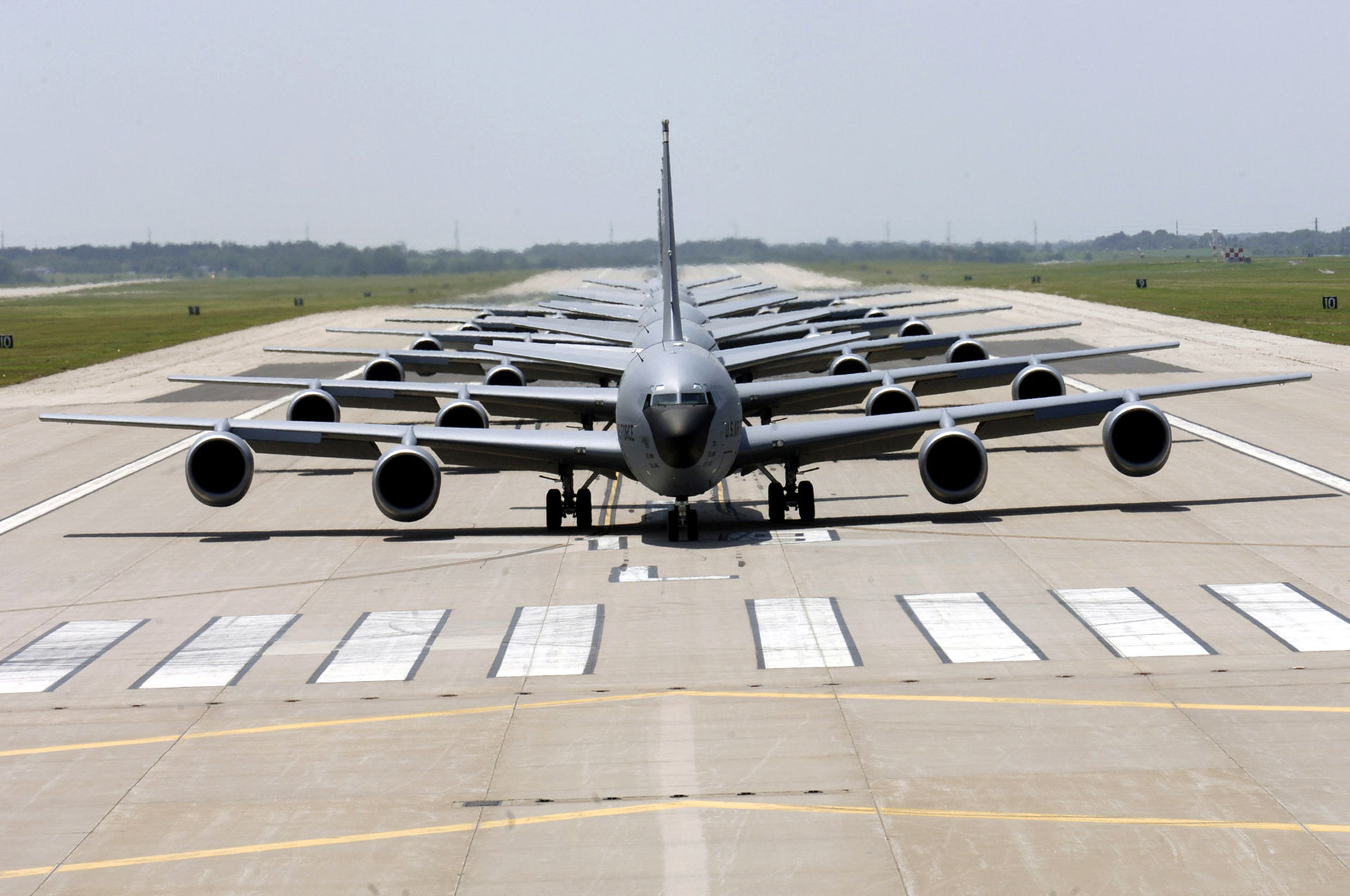
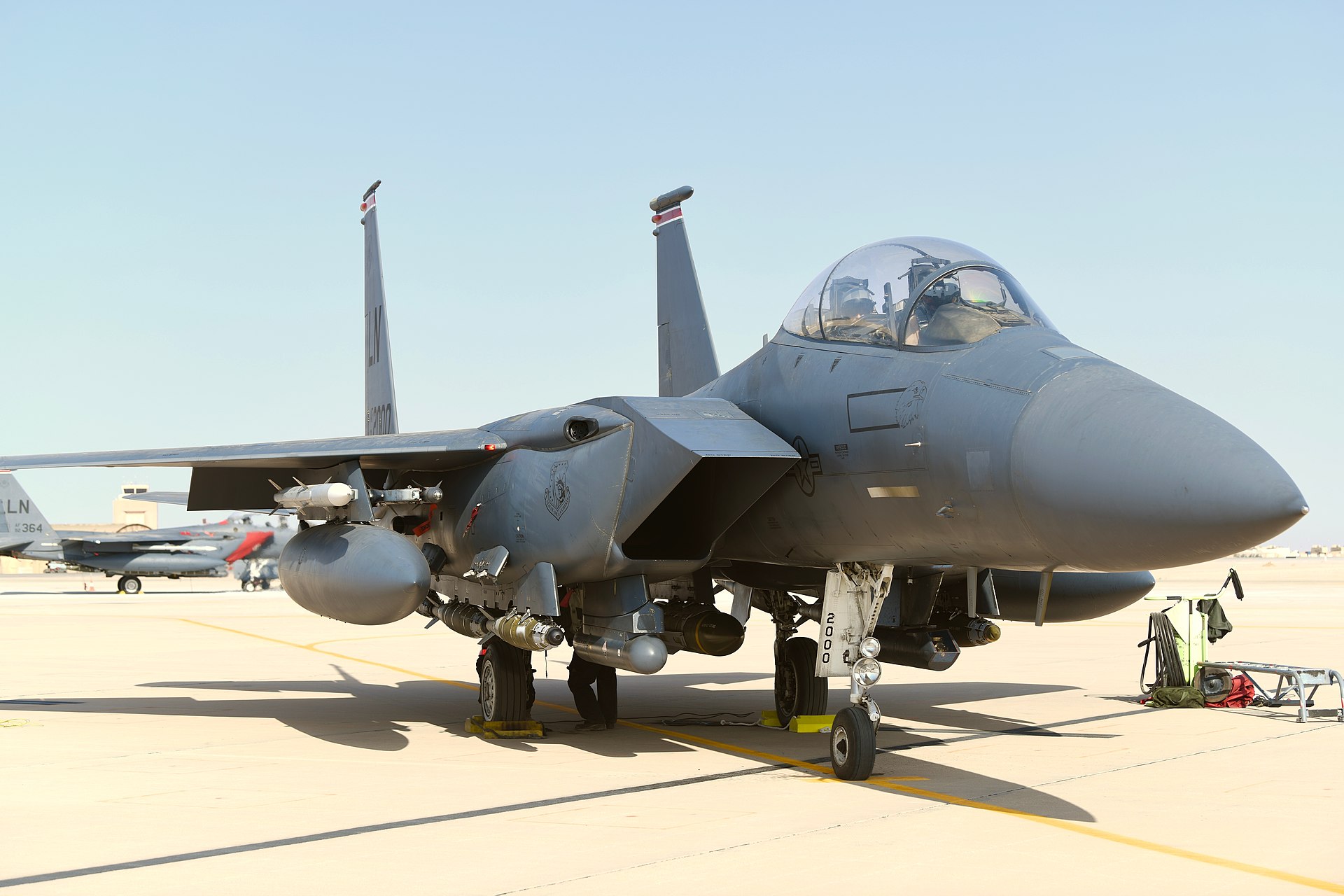
The Wall Street Journal reported on March 14 that an Iranian missile strike had damaged five US Air Force KC-135 Stratotanker aerial refueling aircraft on the ground at Prince Sultan Air Base, approximately 60 miles southeast of Riyadh. The aircraft were not destroyed and are being repaired, but the strike exposed a vulnerability that the Pentagon has spent three decades trying to ignore: the tanker fleet that sustains every American combat mission in the Middle East is aging, irreplaceable in the short term, and now sitting within range of Iranian ballistic missiles.
The KC-135 Stratotanker is the workhorse of American aerial warfare. Without tankers, fighter jets cannot reach targets deep inside Iran from Gulf bases. Without tankers, bombers flying from Diego Garcia or Missouri cannot refuel over the Arabian Sea. The Air Force operates approximately 370 KC-135s — and the youngest airframe in the fleet is over 60 years old, according to Air Force data. Every one was built between 1956 and 1965.
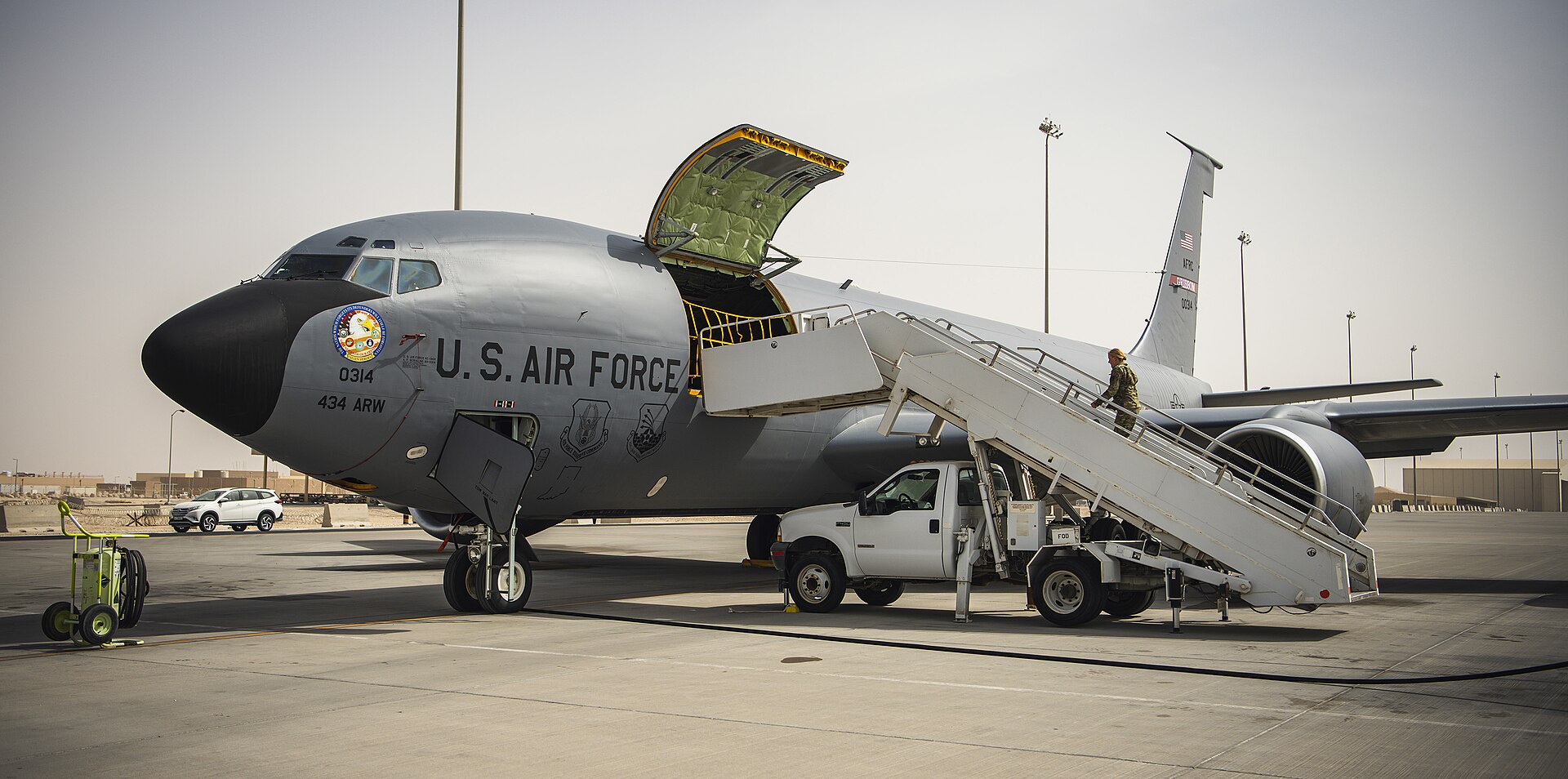
The damage at Prince Sultan came just two days after a KC-135 crashed in Iraq during a refueling mission supporting Operation Epic Fury, killing all six crew members, according to US Central Command. That brought the total of American aerial tankers affected by the Iran campaign to at least seven in fourteen days — a rate of attrition that would strain any military, let alone one whose replacement program, the Boeing KC-46A Pegasus, has been plagued by delays, cost overruns, and a delivery schedule that the Government Accountability Office has called “unrealistic.”
The Middle East briefing 3,000+ readers start their day with.
One email. Every weekday morning. Free.
Congress blocked the Air Force from retiring 15 KC-135s in the fiscal year 2026 budget. Had those retirements proceeded, the service would have had even fewer tankers available when Operation Epic Fury demanded maximum aerial refueling capacity. The irony is almost too neat: political inertia that frustrated Pentagon planners may have prevented an operational catastrophe.
The damaged tankers matter for Saudi Arabia because they raise a question that Riyadh cannot avoid. Prince Sultan Air Base exists, in theory, to protect the Kingdom. But the base has now become a target precisely because it houses American military assets that Iran considers legitimate military objectives. The aircraft Iran hit were not Saudi. The missiles Iran fired were not aimed at Saudi forces. Saudi Arabia absorbed the blast because it provided the real estate.
Why Has the US Military Kept Returning to Saudi Arabia?
The history of American basing in Saudi Arabia is a story of departure and return, each cycle driven by a different threat and each departure triggered by the political costs of staying. Understanding that cycle is essential to grasping why the current arrangement was always vulnerable to exactly the kind of crisis it now faces.
Prince Sultan Air Base was built from scratch during the 1990-91 Gulf War. A combined 435-person RED HORSE engineering squadron constructed more than 25 major facilities valued at over $14.6 million in just five months, according to Air Force historical records. The base initially served as a staging ground for the air campaign against Saddam Hussein’s forces in Kuwait and Iraq, and after the liberation of Kuwait, it became the hub of Operation Southern Watch — the no-fly zone enforcement mission over southern Iraq that ran continuously from 1992 to 2003.
At its peak in the late 1990s, Prince Sultan hosted approximately 4,500 US airmen and soldiers alongside British and French personnel, spread across some 700 semi-permanent structures in the Saudi desert, according to GlobalSecurity.org. The base housed F-15s, F-16s, AWACS surveillance aircraft, and — critically — the Combined Air Operations Center that coordinated all coalition air activity across the Gulf.
The first departure came in 2003, driven by two forces that converged catastrophically. The 1996 Khobar Towers bombing in Dhahran killed 19 US servicemen and wounded approximately 400 people when a truck bomb detonated outside a housing complex, according to the FBI. The attackers’ stated goal was to force the withdrawal of American forces from the Kingdom. And Osama bin Laden, who was born in Riyadh, made the presence of “infidel” troops near Islam’s two holiest cities — Mecca and Medina — one of his primary justifications for declaring war on the United States, according to the 9/11 Commission Report.
After the invasion of Iraq in March 2003, the Pentagon relocated the Combined Air Operations Center to Al Udeid Air Base in Qatar, and American forces quietly departed Prince Sultan. The official explanation was operational efficiency. The real reason was political: the Kingdom could no longer absorb the domestic and regional cost of being seen as a platform for American military power in the Muslim world. The vulnerability of US installations in the region was underscored on 17 March when Iran-backed militias launched the war’s heaviest assault on Baghdad’s Green Zone, striking the US Embassy compound with five drones.
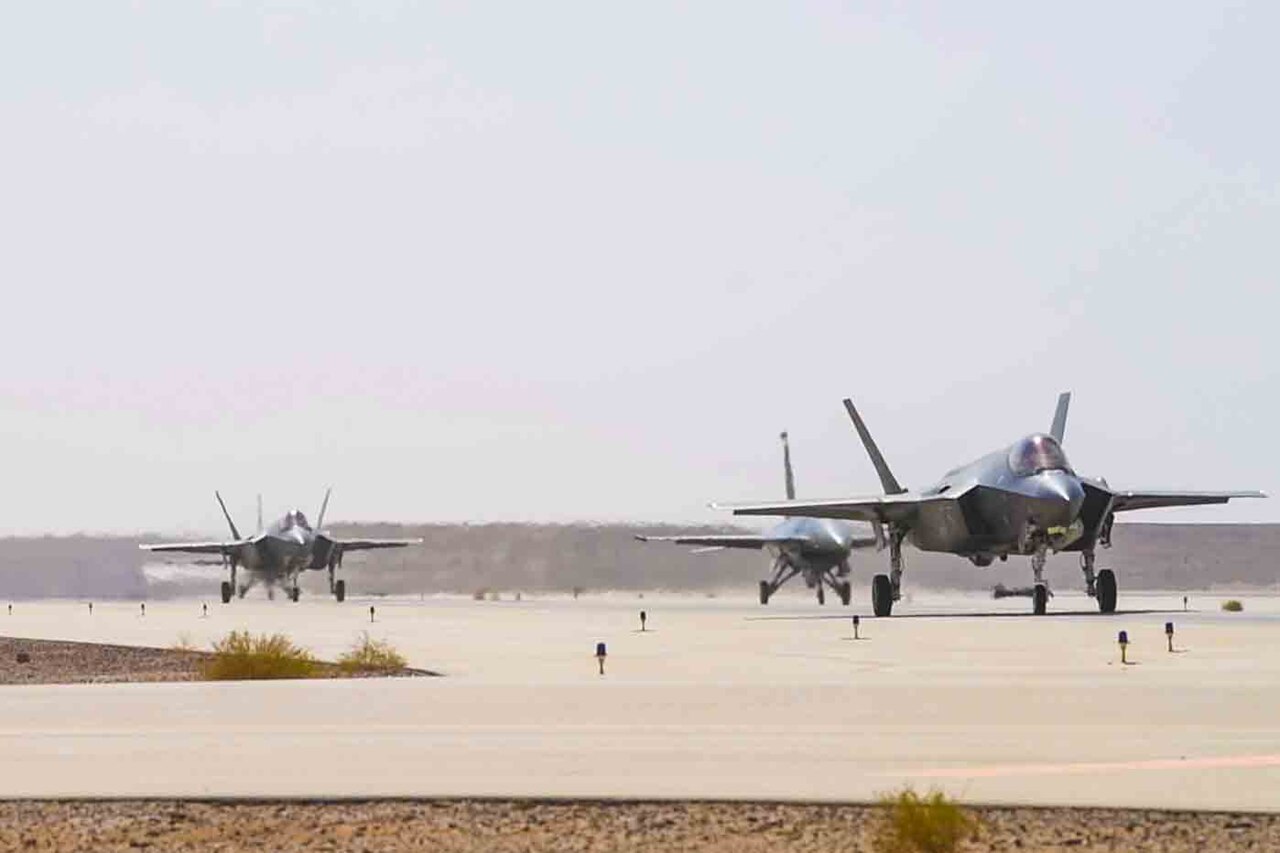
The return came in 2019. The 621st Contingency Response Wing deployed teams to Prince Sultan to reopen the base, this time in response to escalating tensions with Iran — the very same adversary whose proxy, Hezbollah al-Hejaz, was implicated in the Khobar Towers attack 23 years earlier. CNN reported that 500 US troops were initially deployed, along with a Patriot missile defense battery. By mid-2025, the base hosted F-16s, F-35s, F-15E Strike Eagles, KC-135 tankers, and several thousand US military personnel, according to Bulgarian Military reporting.
The Pentagon’s rationale for choosing Prince Sultan over alternative sites was grimly ironic in retrospect. Security assessments concluded that the base’s remote location in the desert southeast of Riyadh would make it difficult for Iranian missiles to target, according to Military.com. Fourteen days of sustained Iranian missile and drone attacks have demolished that assumption.
How Did Iran Turn American Bases Into a Casus Belli?
Iran’s legal and strategic framework for attacking Gulf states rests on a single argument: the strikes target American military infrastructure, not sovereign Arab territory. Tehran has maintained this fiction despite mounting evidence that its missiles and drones have hit civilian airports, residential neighborhoods, energy infrastructure, and diplomatic compounds across six countries.
The Islamic Revolutionary Guard Corps made the argument explicit in a statement issued on March 7, declaring that it had targeted “US military bases, facilities, and installations in the region” — not the countries that host them. President Masoud Pezeshkian reinforced the distinction in a state television address the same day, apologizing to Gulf neighbors for strikes that landed on their soil while insisting that Iran had not, in fact, attacked any of its neighbors, according to NPR.
The rhetorical gymnastics would be laughable if the consequences were not so severe. A drone that struck a residential building in Az Zulfi, 260 kilometers northwest of Riyadh, was not targeting an American base. The drone that penetrated Saudi airspace far enough to approach Riyadh’s Diplomatic Quarter, home to more than 60 foreign embassies, was not aimed at an American installation. The ballistic missiles fired at Aramco’s Shaybah oil field in the Empty Quarter were not intended for US military personnel.
Iran’s formulation achieves three strategic objectives simultaneously. It provides a veneer of legal justification for violating the sovereignty of nations with which Iran is not formally at war. It divides Gulf states against each other by creating an implicit ultimatum — expel American forces and the attacks will stop. And it frames the conflict as a US-Iran war in which Arab nations are collateral damage rather than parties, thereby discouraging Gulf states from retaliating directly.
The framing has historical roots. When Iran’s IRGC struck US assets across the Gulf on February 28 in retaliation for the US-Israeli strikes that killed Supreme Leader Ali Khamenei, it simultaneously hit Al Udeid Air Base in Qatar, Ali Al Salem Air Base in Kuwait, Al Dhafra Air Base in the UAE, and the US Navy Fifth Fleet headquarters in Bahrain, according to Al Jazeera. Every single target was an American military facility situated on the sovereign territory of a nation that had explicitly told both Washington and Tehran that it did not want to be involved in a conflict.
The Promise MBS Made and Could Not Keep
Saudi Arabia’s position at the outbreak of the war was unambiguous and, in retrospect, strikingly naive. Crown Prince Mohammed bin Salman told Iranian President Masoud Pezeshkian directly that the Kingdom would not permit the use of its airspace or territory for any strike on Iran, according to Fox News, citing a senior Gulf official. The Saudi Foreign Ministry subsequently confirmed that the Kingdom had communicated this guarantee to Iranian authorities before the US-Israeli strikes began on February 28.
The guarantee was real. It was also irrelevant. Iran attacked Saudi Arabia anyway, launching the largest barrage of missiles and drones directed at the Kingdom in its history. The Saudi Foreign Ministry’s subsequent statement captured the absurdity of the situation: the attacks “cannot be justified under any pretext or in any way, and they came despite the Iranian authorities knowing that the Kingdom had confirmed that it would not allow its airspace and territory to be used to target Iran.”
The problem with MBS’s promise was structural, not diplomatic. The Crown Prince could guarantee that Saudi Arabia would not authorize the use of its territory for strikes on Iran. He could not guarantee that the United States — which operates under its own chain of command on bases leased from the Saudi government — would refrain from using those bases as staging areas for operations that Iran considered hostile. American aircraft at Prince Sultan Air Base fly refueling missions that extend the range of fighters bombing targets inside Iran. American intelligence assets at the base contribute to the targeting packages used in Operation Epic Fury. The base may not have launched a single strike against Iranian soil, but it enables every strike that other bases launch.
For Iran, the distinction between “launching strikes” and “enabling strikes” is meaningless. For Saudi Arabia, the distinction was supposed to be the firewall that kept the Kingdom out of the war. That firewall burned through in less than 24 hours.
The diplomatic failure illuminated a deeper truth about the US-Saudi security relationship: Saudi Arabia exercises remarkably little operational control over American forces based on its own soil. The Kingdom can set conditions for basing agreements. It can deny specific requests. It can close its airspace — as it reportedly did. But once American personnel and equipment are physically present at a Saudi installation, the practical ability of the Saudi government to control what those forces do on a minute-by-minute basis is limited, particularly in the fog of a fast-moving conflict.
What Does Iran’s Apology to Gulf States Actually Mean?
On March 7, Iranian President Masoud Pezeshkian delivered a recorded message that stunned Gulf capitals. “I personally apologize to neighboring countries that were attacked by Iran,” he said, pledging to halt strikes against neighboring states unless attacks on Iran originated from their soil, according to Al Jazeera. The statement was unprecedented — no Iranian leader had ever apologized for military action against Gulf states.
The apology lasted approximately six hours before reality intervened. The IRGC issued a statement contradicting Pezeshkian, warning neighboring countries that “should the previous hostile actions continue, all military bases and interests of criminal America and the fake Zionist regime on land, at sea, and in the air across the region will be considered primary targets,” according to the Times of Israel. Shortly after the Iranian president’s statement, a drone struck Dubai International Airport and Qatar reported intercepting an Iranian ballistic missile.
The episode exposed the fracture at the center of the Iranian state — a reformist president who lacks control over the military apparatus he nominally commands, and an IRGC that views Gulf states as legitimate targets regardless of what the civilian government promises. For Saudi Arabia and its GCC partners, the mixed signals are worse than no signal at all. A unified Iranian threat can be deterred. A fragmented one, in which the political leadership says one thing while the military does another, cannot be reliably managed through diplomacy.
The substance of Pezeshkian’s offer, however, contained an implicit ultimatum that Saudi Arabia cannot easily dismiss. The Iranian president’s condition — that attacks would cease if Gulf states prevent the US from launching operations from their territory — amounts to a demand that Riyadh choose between its American alliance and its physical security. Ali Larijani, the influential Iranian political figure, made the demand explicit on state television: “Countries in the region must either prevent the US from using their territory against Iran themselves, or we will,” according to Responsible Statecraft.
Iran’s Foreign Minister Abbas Araghchi subsequently made the demand explicit, calling on Gulf nations to expel American forces from their territory and threatening to target U.S. corporate facilities if the military presence continued.
The Basing Paradox — Deterrence Versus Provocation
The conventional wisdom underpinning the US military presence in the Gulf is that American forces deter adversaries from attacking host nations. Forward-deployed troops, fighter jets, THAAD batteries, and carrier strike groups signal that an attack on a Gulf ally is an attack on the United States, raising the cost of aggression beyond what any rational adversary would accept. This logic animated every US basing decision from Desert Shield in 1990 to the Prince Sultan reopening in 2019.
Fourteen days of the Iran war have produced enough data to evaluate whether that theory holds. The evidence suggests that deterrence operates along a spectrum rather than as a binary switch — and that the current conflict has pushed the calculus past the point where American presence deters more attacks than it attracts.
| Dimension | Deterrent Value | Provocation Cost | Net Assessment |
|---|---|---|---|
| Air defense coverage | THAAD and Patriot batteries protect Saudi cities and infrastructure | Iranian missiles specifically target the batteries and the bases hosting them | Mixed — defense works but draws fire |
| Aerial refueling | KC-135s extend fighter range, enabling the air campaign against Iran | Tankers are high-value targets on the ground; 5 damaged, 1 crashed in 14 days | Net negative for Saudi Arabia — base absorbs strikes that benefit US operations |
| Intelligence and surveillance | US ISR assets provide early warning of Iranian launches | Iran targets the very sensors that provide early warning, creating a self-defeating loop | Marginally positive — intel value exceeds targeting cost |
| Political signaling | US presence signals commitment to Saudi security | US presence gives Iran justification to attack Saudi territory | Net negative in current conflict — commitment attracts aggression |
| Alliance credibility | US bases anchor the bilateral defense relationship | US operational control over forces on Saudi soil undermines sovereignty | Long-term positive, short-term corrosive |
The table reveals the central tension: in peacetime, American bases are overwhelmingly beneficial. They provide defense capabilities that Saudi Arabia cannot replicate independently, signal alliance commitment to potential adversaries, and anchor a security relationship worth hundreds of billions of dollars in arms sales and investment flows. In wartime — particularly a war that the host nation did not choose and does not control — the calculus inverts. The bases become targets. The host nation absorbs damage on behalf of an operation it did not authorize. And the adversary’s narrative — that it is striking American assets, not Arab nations — gains just enough plausibility to complicate the diplomatic response.
This is not a new dynamic. Political scientists have described the “basing paradox” in contexts ranging from US forces in Japan to NATO installations in Turkey. The pattern is consistent: host nations benefit from American military presence until the presence itself generates a threat that would not exist without it. At that point, the base becomes both the shield and the sword — and the host nation is cut by both edges.
What Does Defending American Bases Cost Saudi Arabia?
Every Patriot PAC-3 missile that Saudi Arabia fires to intercept an Iranian drone or ballistic missile aimed at Prince Sultan Air Base costs between $4 million and $6 million, according to defense industry estimates cited by Reuters. A THAAD interceptor costs approximately $12 million per round. The THAAD battery deployed at Prince Sultan Air Base carries eight interceptor missiles per launcher — and replenishing expended rounds requires a logistics chain stretching back to the Lockheed Martin factory in Troy, Alabama.
In the first fourteen days of the conflict, Saudi air defenses have intercepted hundreds of drones and dozens of ballistic missiles across the Kingdom, according to Saudi Defense Ministry statements compiled by Al Arabiya. Not all of these were aimed at American installations, but a significant proportion targeted Prince Sultan Air Base, which has absorbed more Iranian fire than any other single site in Saudi Arabia outside the Eastern Province oil infrastructure.
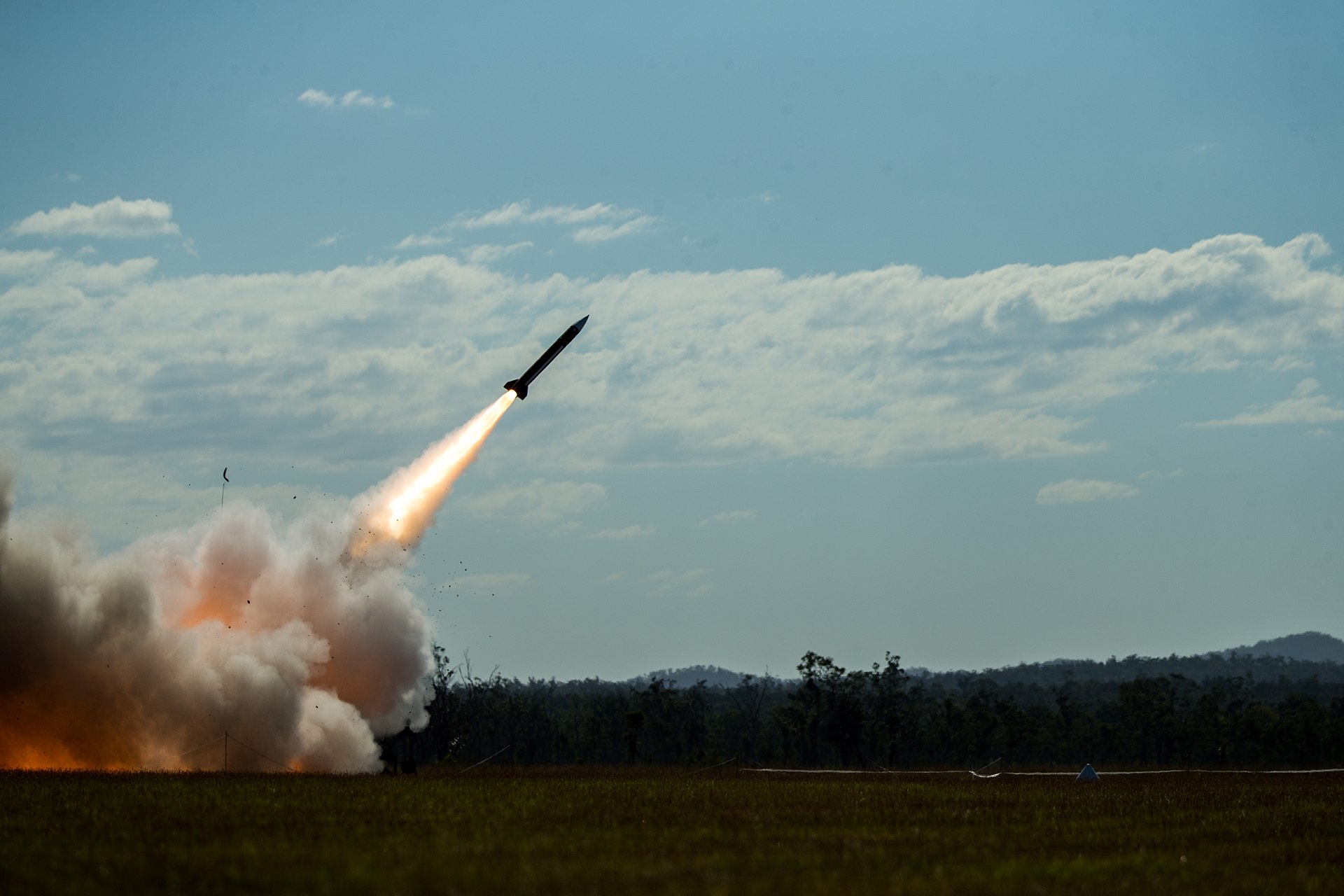
The cost asymmetry is staggering. Iran’s Shahed-136 kamikaze drones cost an estimated $20,000 to $50,000 each, according to analysis by the Royal United Services Institute. A single Patriot interceptor fired at a single Shahed costs 80 to 300 times more than the weapon it destroys. When Iran launches swarms of 30 or 50 drones simultaneously — as it did on March 12 and March 13 — the arithmetic becomes ruinous. Saudi Arabia is spending interceptors at a rate that no production line can sustain indefinitely, and a meaningful fraction of that expenditure goes toward defending American bases that serve American operational objectives.
| Interceptor Type | Est. Cost Per Round | Est. Rounds Fired at PSA | Est. Total Cost |
|---|---|---|---|
| Patriot PAC-3 MSE | $5.5 million | 40-60 | $220-330 million |
| THAAD | $12 million | 6-10 | $72-120 million |
| Short-range / SHORAD | $100,000-500,000 | 20-30 | $2-15 million |
Conservative estimates place the cost of defending Prince Sultan Air Base alone at $300 million to $465 million in interceptor expenditure over fourteen days. Saudi Arabia bears this cost. The United States does not reimburse host nations for missile defense expenditures incurred while protecting American assets, according to Congressional Research Service reports on burden-sharing in the Gulf. The Kingdom is, in effect, subsidizing its own bombardment.
The financial calculus raises uncomfortable questions about the structure of the US-Saudi arms relationship. Saudi Arabia purchased its Patriot batteries from Raytheon (now RTX Corporation) and its THAAD systems from Lockheed Martin — both American companies. It pays American prices for American interceptors to defend American bases on Saudi soil against attacks provoked, in part, by the American presence at those bases. The circularity is complete.
The Sovereignty Gap No One Will Name
Foreign military bases exist in a legal and political gray zone that becomes visible only in crisis. In peacetime, Status of Forces Agreements and basing arrangements are bureaucratic documents that govern mundane matters — jurisdiction over traffic accidents, tax exemptions for military personnel, construction permits. In wartime, the same agreements become instruments that define national sovereignty.
The US-Saudi basing arrangement at Prince Sultan Air Base operates under an agreement that remains classified in its specifics, according to the Congressional Research Service. What is publicly known is that the United States does not operate under Saudi operational control. American forces at Prince Sultan answer to US Central Command, headquartered at Al Udeid Air Base in Qatar, and ultimately to the Pentagon and the White House. Saudi Arabia has the right to deny specific requests and to restrict the use of Saudi airspace, but it does not have command authority over American personnel conducting missions from Saudi installations.
This arrangement worked quietly for decades because the missions were uncontroversial — no-fly zone enforcement, counterterrorism surveillance, freedom of navigation operations. The Iran war has shattered that equilibrium. American forces at Prince Sultan are now supporting a full-scale air campaign against a nation that Saudi Arabia explicitly asked both Washington and Tehran to leave out of the conflict. The Kingdom is absorbing Iranian fire for operations it did not authorize, conducted by forces it does not command, against a country with which it was actively trying to maintain a diplomatic backchannel.
The sovereignty gap is not unique to Saudi Arabia. Bahrain’s ambassador to the United States, Shaikh Abdullah bin Rashid Al Khalifa, described Iranian attacks against “sites within the Kingdom” as a “blatant violation of sovereignty,” according to his post on the social media platform X. Kuwait, Qatar, and the UAE issued similar statements. Every Gulf state that hosts American forces has discovered the same paradox: the bases provide security, but the security comes with a sovereignty cost that is invisible in peace and devastating in war.
From Okinawa to Al Kharj — The Global History of Basing Resentment
Saudi Arabia’s basing dilemma is not without precedent. The United States maintains approximately 750 military bases in 80 countries, according to the Pentagon’s Base Structure Report, and the political dynamics of foreign basing have generated friction everywhere from Japan to Germany to the Philippines. Each case offers lessons — and warnings — for Riyadh.
Okinawa provides the most instructive parallel. The Japanese island has hosted American military forces continuously since 1945, and for decades the arrangement was tolerated as the price of Japan’s security guarantee. But accumulating incidents — crimes committed by US personnel, noise pollution from aircraft operations, the environmental contamination of water supplies near bases — eroded public support to the point where the presence became a domestic political crisis. In 1995, the rape of a 12-year-old girl by three US servicemen triggered massive protests and a fundamental renegotiation of the basing arrangement. Japan did not expel American forces, but the political cost of hosting them permanently increased.
Saudi Arabia experienced its own version of the Okinawa dynamic in the 1990s. The Khobar Towers bombing of 1996, the growing domestic resentment of foreign troops near the holy cities, and the rising influence of Osama bin Laden’s narrative that American presence in the Arabian Peninsula was an affront to Islam all contributed to the 2003 withdrawal. The pattern — host nation accepts bases, costs accumulate, crisis triggers renegotiation or departure — is remarkably consistent across cultures, political systems, and decades.
The 2026 Iran war has compressed this cycle from decades into days. The costs that normally accumulate gradually — civilian casualties, sovereignty erosion, domestic political friction — have arrived simultaneously and at unprecedented scale. Saudi Arabia went from peacetime basing to wartime bombardment in less than 24 hours, with no transition period in which the political class could prepare public opinion for the consequences of hosting American forces during a shooting war.
| Country | Base | Crisis Trigger | Years to Crisis | Outcome |
|---|---|---|---|---|
| Japan (Okinawa) | Multiple USMC/USAF | 1995 rape case; accumulated grievances | 50 years | Partial relocation to Guam; renegotiated SOFA |
| Philippines | Subic Bay / Clark | Mt. Pinatubo eruption; Senate rejection | 45 years | Full US withdrawal in 1992; partial return via EDCA in 2014 |
| Saudi Arabia | Prince Sultan Air Base | Khobar Towers bombing; bin Laden narrative | 12 years | US withdrawal in 2003; return in 2019 |
| Saudi Arabia (2026) | Prince Sultan Air Base | Iran war; direct missile strikes on base | 7 years (since 2019) | TBD — the decision has not yet been made |
| Turkey | Incirlik | 2016 coup attempt; US-Kurdish alliance friction | 60+ years | Restricted US operations; frozen nuclear weapon access |
The shortest cycle in the table belongs to Saudi Arabia. The Kingdom reopened Prince Sultan in 2019, and by 2026 the base was absorbing Iranian missile fire. Seven years from reopening to crisis, compared with decades in every other case. The acceleration reflects two factors: the proximity and willingness of Iran to act on its objections (unlike distant adversaries in other basing disputes), and the extreme vulnerability of Gulf energy infrastructure, which gives any attack disproportionate economic and psychological impact.
Can the US-Saudi Basing Arrangement Survive This War?
The answer depends on which of two competing narratives prevails when the missiles stop flying. The first narrative holds that the war has proven the indispensability of American military presence. Without US-operated THAAD and Patriot batteries, more Iranian missiles would have reached their targets. Without American intelligence capabilities, Saudi Arabia would have less warning time for incoming threats. Without the US alliance, the Kingdom would face Iran alone — an adversary with a larger population, a more battle-hardened military, and a willingness to absorb punishment that Saudi Arabia has never been tested against.
The second narrative holds that the war has proven the opposite. Without American bases, Iran would have had no justification for attacking Saudi Arabia. Pezeshkian’s conditional offer — stop hosting American forces and the attacks will cease — provides a concrete off-ramp that the first narrative cannot. The Kingdom that hosts no American bases is a Kingdom that Iran has no declared reason to strike, regardless of what the IRGC’s true intentions may be.
Both narratives contain truth, and neither is complete. The first understates the degree to which American presence attracts the very threats it is designed to counter. The second overstates Iran’s willingness to honor diplomatic commitments — the IRGC contradicted its own president within hours of the apology — and ignores the possibility that a Saudi Arabia without American protection would face even greater Iranian coercion, not less.
The historical record offers cautious support for a middle path. The Philippines expelled US forces in 1992 and spent two decades without a significant American military presence. When Chinese assertiveness in the South China Sea made the security gap untenable, Manila signed the Enhanced Defense Cooperation Agreement in 2014, allowing American forces to rotate through Filipino bases without permanently stationing them — a model that reduces the political and military liability of permanent basing while preserving the option of rapid reinforcement.
A rotational model at Prince Sultan — American forces deploying for exercises and specific operations rather than permanent garrison — would reduce the target profile that Iran exploits while maintaining the infrastructure necessary for rapid escalation. The question is whether MBS, who built his entire foreign policy on the premise that American partnership is Saudi Arabia’s primary strategic asset, can accept a framework that acknowledges the limits of that partnership.
Three Futures for Prince Sultan Air Base
The war will end. The basing question will not. Three scenarios capture the range of possible outcomes, each with distinct implications for Saudi security, the US-Saudi alliance, and the broader regional order.
| Scenario | Description | Saudi Security Impact | US Alliance Impact | Probability |
|---|---|---|---|---|
| Status quo reinforced | US presence remains permanent; additional air defense systems deployed; basing agreement expanded | Improved short-term defense; continued long-term target liability | Alliance strengthened but sovereignty friction deepens | 40% |
| Rotational presence | US withdraws permanent garrison; forces rotate for exercises; prepositioned equipment stays; rapid deployment option preserved | Reduced target profile; maintained reinforcement capability; Saudi forces take primary defensive role | Relationship matures; burden-sharing improves; operational flexibility preserved | 45% |
| Full withdrawal | US departs Prince Sultan entirely; equipment removed; base reverts to RSAF control | Eliminates US-linked targeting justification; creates defense gap that Saudi capabilities cannot yet fill | Alliance fundamentally restructured; arms sales continue but strategic alignment weakens | 15% |
The rotational model has the highest probability because it serves both parties’ interests without requiring either to admit failure. Washington avoids the humiliation of another withdrawal from a Gulf base — a withdrawal that, after 2003, would establish a pattern that every adversary would seek to replicate. Riyadh reduces its target profile while preserving the relationship with the United States that underpins the entire Gulf security architecture.
The full withdrawal scenario, while unlikely, cannot be dismissed. The Cato Institute argued as early as 2003 that American troops in Saudi Arabia were “superfluous and dangerous” — a formulation that the 2026 war has made uncomfortably prescient. If the war extends beyond the three-to-four-week timeline that President Trump suggested, or if Iranian attacks on Saudi soil cause mass civilian casualties, the political pressure on MBS to demand a withdrawal could become irresistible.
Mohammed bin Salman has spent a decade centralizing decision-making in Saudi Arabia. The basing question is now the most consequential decision he faces. The answer will define not just the Kingdom’s security posture but the fundamental nature of Saudi sovereignty in the twenty-first century.
“Countries in the region must either prevent the US from using their territory against Iran themselves, or we will.”
Ali Larijani, Iranian political leader, March 7, 2026, Iranian state television
The ultimatum is clear. The response is not. And every hour that passes with American tankers on fire at Prince Sultan Air Base makes the answer more urgent and less obvious.
Frequently Asked Questions
How many US military bases are in Saudi Arabia?
The United States operates primarily from Prince Sultan Air Base near Al Kharj, approximately 60 miles southeast of Riyadh. The base was reopened in 2019 after a 16-year absence and currently hosts F-15E Strike Eagles, F-35A Lightning IIs, F-16 Fighting Falcons, KC-135 Stratotanker aerial refueling aircraft, and Patriot and THAAD air defense systems, along with several thousand US military personnel.
Why did the US leave Saudi Arabia in 2003?
The United States withdrew from Prince Sultan Air Base in 2003 following the invasion of Iraq, relocating its Combined Air Operations Center to Al Udeid Air Base in Qatar. The withdrawal was driven by political sensitivity over hosting American forces near Islam’s holy cities, the 1996 Khobar Towers bombing that killed 19 US servicemen, and Osama bin Laden’s exploitation of the issue as a recruitment tool for al-Qaeda.
How many KC-135 tankers were damaged in the Iran war?
At least five KC-135 Stratotanker refueling aircraft were damaged by an Iranian missile strike at Prince Sultan Air Base on March 14, according to the Wall Street Journal. An additional KC-135 crashed in Iraq on March 12 during a refueling mission, killing all six crew members. The combined loss of six tankers in fourteen days represents a significant operational setback for the US Air Force’s aerial refueling fleet.
Did Saudi Arabia give Iran permission to strike US bases?
Saudi Arabia explicitly told Iran that the Kingdom would not allow its airspace or territory to be used for strikes against Iran, according to Fox News and Saudi Foreign Ministry statements. Iran attacked Saudi Arabia regardless, claiming it was targeting American military infrastructure rather than Saudi sovereign territory — a distinction that the Saudi government has firmly rejected.
What is the cost of a single Patriot missile interceptor?
A Patriot PAC-3 Missile Segment Enhancement interceptor costs between $4 million and $6 million per round, according to defense industry estimates. A THAAD interceptor costs approximately $12 million. Saudi Arabia has fired hundreds of interceptors during the 14-day Iran war, with a significant proportion used to defend Prince Sultan Air Base and other installations hosting American forces.
Could Saudi Arabia defend itself without US military bases?
Saudi Arabia has invested heavily in its own air defense capabilities, including indigenous production through Saudi Arabian Military Industries and new acquisitions from South Korea, France, and other suppliers. However, the Kingdom currently relies on US-operated THAAD systems and American intelligence, surveillance, and reconnaissance assets that cannot be replaced in the short term. A phased transition to Saudi-operated systems over five to ten years is feasible; an immediate departure would create a dangerous gap in the Kingdom’s defense posture.