
DUBAI — Iranian drones struck oil storage facilities at Fujairah on Saturday, triggering a fire at the world’s second-largest bunkering hub and forcing a suspension of crude and refined-product loading operations at the emirate’s terminals. The attack came hours after Iran’s semi-official Tasnim news agency issued an extraordinary public warning ordering residents near three major UAE ports — Jebel Ali in Dubai, Khalifa Port in Abu Dhabi, and Fujairah Port — to evacuate, claiming the locations had become military targets because of alleged American assets hidden among civilian infrastructure.
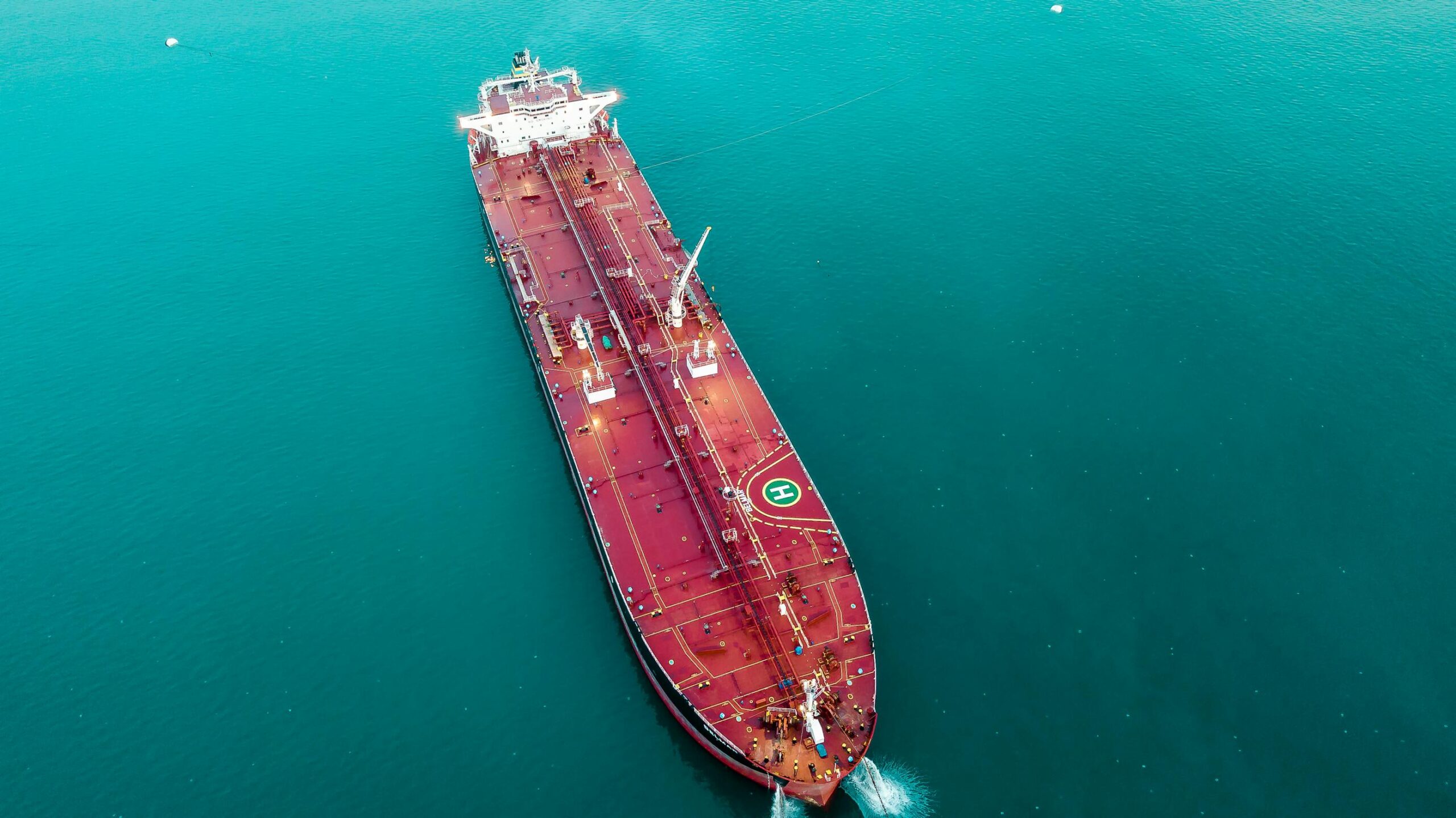
The strike on Fujairah, which sits on the Gulf of Oman outside the Strait of Hormuz, carries strategic significance that extends far beyond the immediate damage. Fujairah has served as the primary alternative export route for UAE crude since Iran effectively shut down tanker traffic through Hormuz at the start of the war on 28 February. Hitting it sends a clear message: there is no safe way to move Gulf oil to market.
Table of Contents
- What Happened at Fujairah on March 14?
- Why Does Fujairah Matter for Global Oil Markets?
- Iran Orders Evacuations at Three Major UAE Ports
- How Has the UAE Responded to the Attacks?
- The Hormuz Bypass Strategy Unravels
- Saudi Arabia’s Pipeline Under Pressure
- What Does the Fujairah Strike Mean for Oil Prices?
- Frequently Asked Questions
What Happened at Fujairah on March 14?
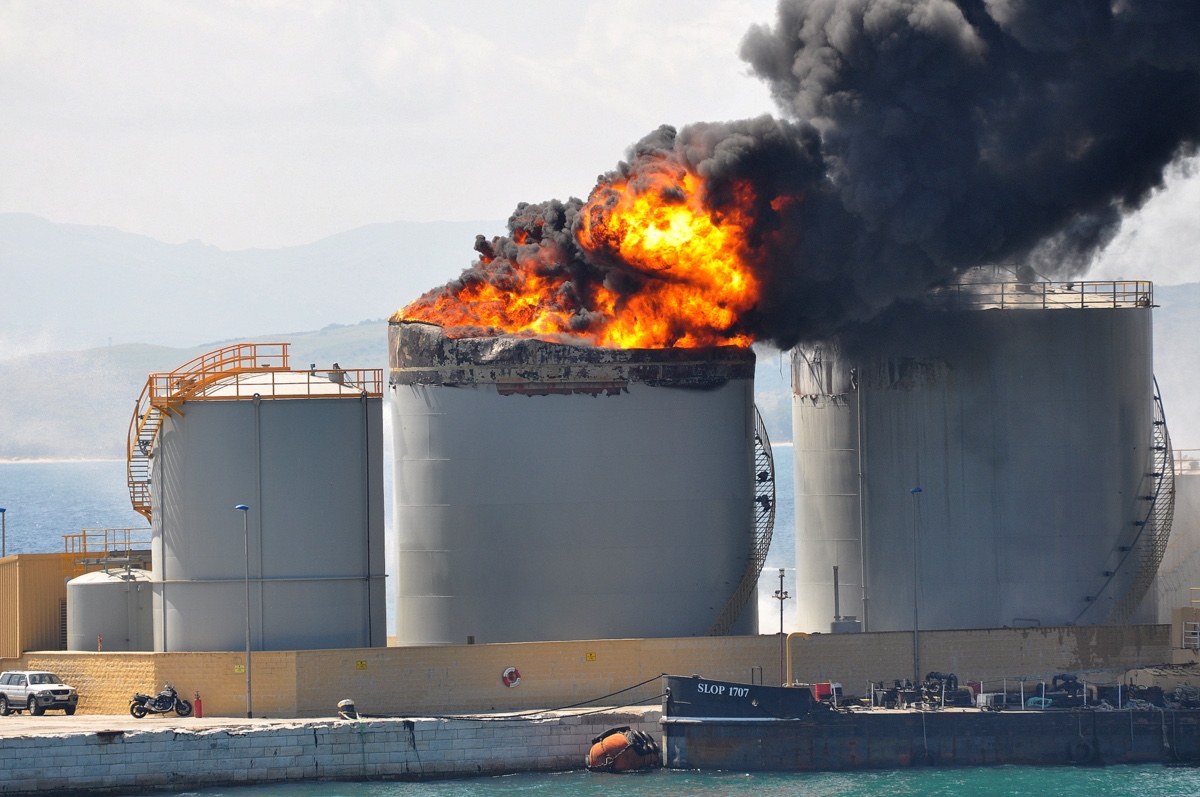
Several Iranian drones targeted oil storage facilities inside the Fujairah Oil Industry Zone early on Saturday, according to the emirate’s media office. A fire broke out after debris from an intercepted drone fell onto storage infrastructure, though no casualties were reported. Loading of crude oil and refined petroleum products was suspended as a precautionary measure while engineers assessed damage to the terminal berths and pipeline connections.
The suspension affected operations at multiple terminals across Fujairah’s oil complex. Bloomberg reported that loading had been halted at the Fujairah Oil Tanker Terminal, which handles the bulk of the emirate’s crude exports. The Mena Fujairah Terminal, which processes naphtha cargoes, had already been offline since a previous drone-debris incident on 9 March that damaged storage tanks. Bunker suppliers were also awaiting clearance to resume barge operations at the Vopak Horizon terminal, according to Argus Media.
This was the second attack on Fujairah’s oil infrastructure in less than a week. On 9 March, debris from a drone intercepted by UAE air defences fell inside the oil zone, sparking a fire that damaged naphtha storage tanks and temporarily shut down terminal operations. Most facilities had only partially resumed activity when Saturday’s attack forced another halt.
The Islamic Revolutionary Guard Corps has declared that US interests in the UAE — including ports, docks, and military installations — are legitimate targets in retaliation for American strikes on Iranian territory. The IRGC statement, issued late on Friday, appeared to provide the justification for the escalation against Fujairah and the subsequent evacuation warnings.
The Middle East briefing 3,000+ readers start their day with.
One email. Every weekday morning. Free.
Why Does Fujairah Matter for Global Oil Markets?
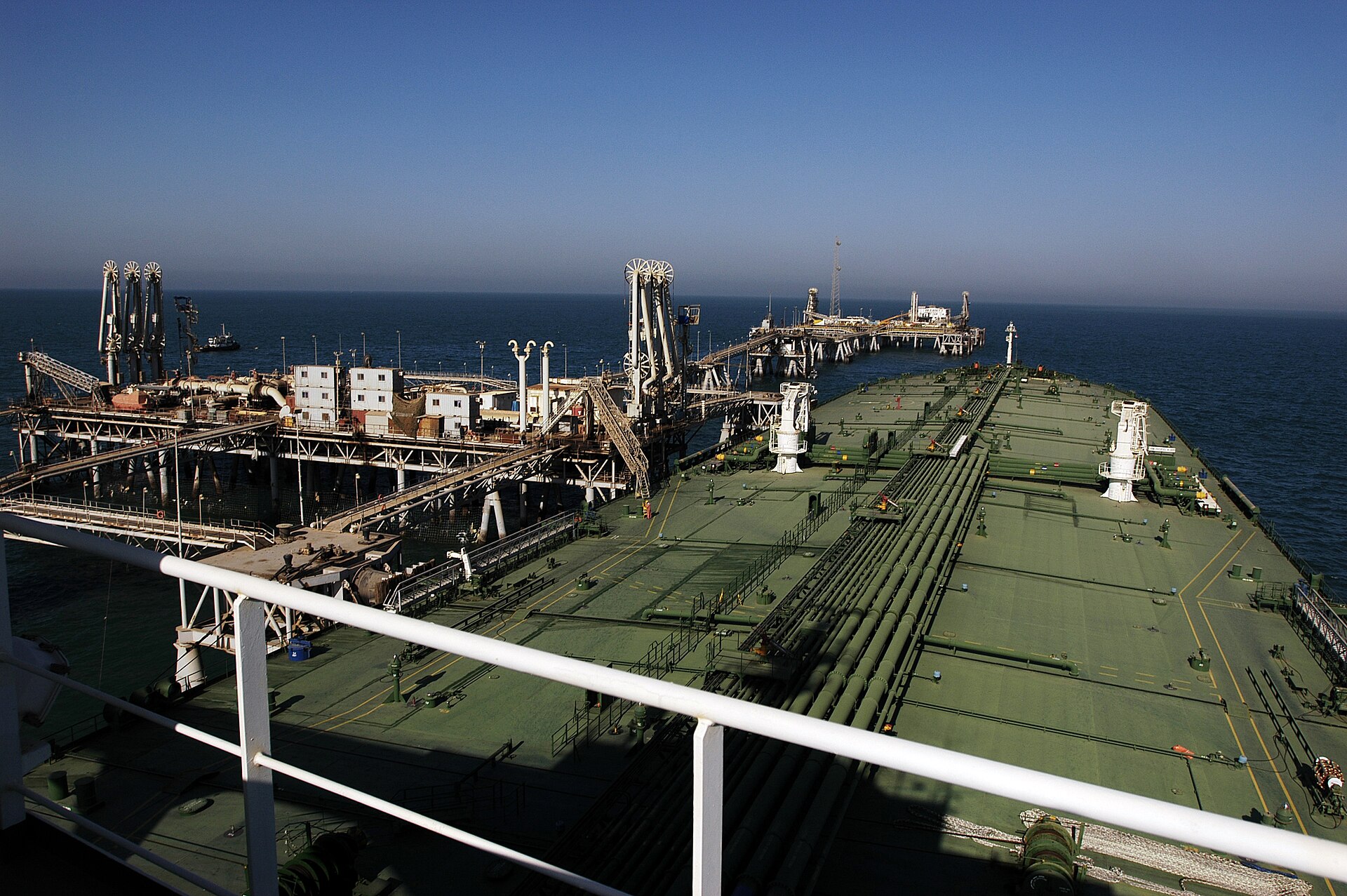
Fujairah is the world’s second-largest bunkering hub after Singapore, handling approximately 7.6 million cubic metres of bunker fuel sales annually and serving as a critical maritime refuelling stop for 20 to 25 per cent of Middle East tanker and container ship operations. Around 12,000 vessels call at the Fujairah anchorage area each year, making it one of the largest maritime service hubs on earth.
The port’s strategic value extends beyond bunkering. Fujairah is the outlet for the Abu Dhabi Crude Oil Pipeline, known as ADCOP, a 248-mile system that pumps crude from the Habshan onshore field in Abu Dhabi directly to export terminals on the Gulf of Oman. The pipeline has a capacity of approximately 1.5 million barrels per day and was operating at 71 per cent utilisation before the latest attack, according to industry estimates. That leaves roughly 440,000 barrels per day of spare capacity — a buffer that Abu Dhabi had been counting on to partially offset the Hormuz blockade.
Fujairah’s total oil storage capacity stands at approximately 11.1 million cubic metres, equivalent to about 78 million barrels. The terminals are operated by major international players including VTTI, which controls more than 1.9 million cubic metres of storage and runs crude processing units with 80,000-barrel-per-day capacity. Brooge Petroleum and Gas Investment Company holds another 1 million cubic metres, while GPS Chemoil operates two terminals with combined capacity exceeding 4.4 million barrels.
The emirate had also become a key node in the global oil market’s response to the Hormuz closure. With tanker traffic through the strait at a near-standstill, trading houses had been rerouting cargoes through Fujairah, using the ADCOP pipeline and Fujairah’s deep-water berths to bypass the chokepoint entirely. Abu Dhabi National Oil Company informed international partners holding stakes in Murban crude production that they could proceed with loading some March cargoes from Fujairah — a signal of gradual normalisation that the Saturday attack abruptly reversed.
Iran Orders Evacuations at Three Major UAE Ports
Hours before the Fujairah attack, Iran’s semi-official Tasnim news agency published an extraordinary warning directed at civilians in the UAE. The agency urged residents to evacuate areas surrounding three of the country’s most important maritime facilities: Jebel Ali Port in Dubai, Khalifa Port in Abu Dhabi, and Fujairah Port. Tasnim claimed the locations had become potential military targets because of what it alleged was the presence of US military assets concealed among civilian facilities.
“We will attack in the coming hours,” the warning stated, according to reporting by Ynet News, adding that the strikes would target infrastructure sheltering American military personnel and equipment. The warning was unprecedented in its specificity. Previous Iranian threats had targeted broad categories — military bases, oil infrastructure, government buildings — but the naming of three individual commercial ports represented a significant escalation.
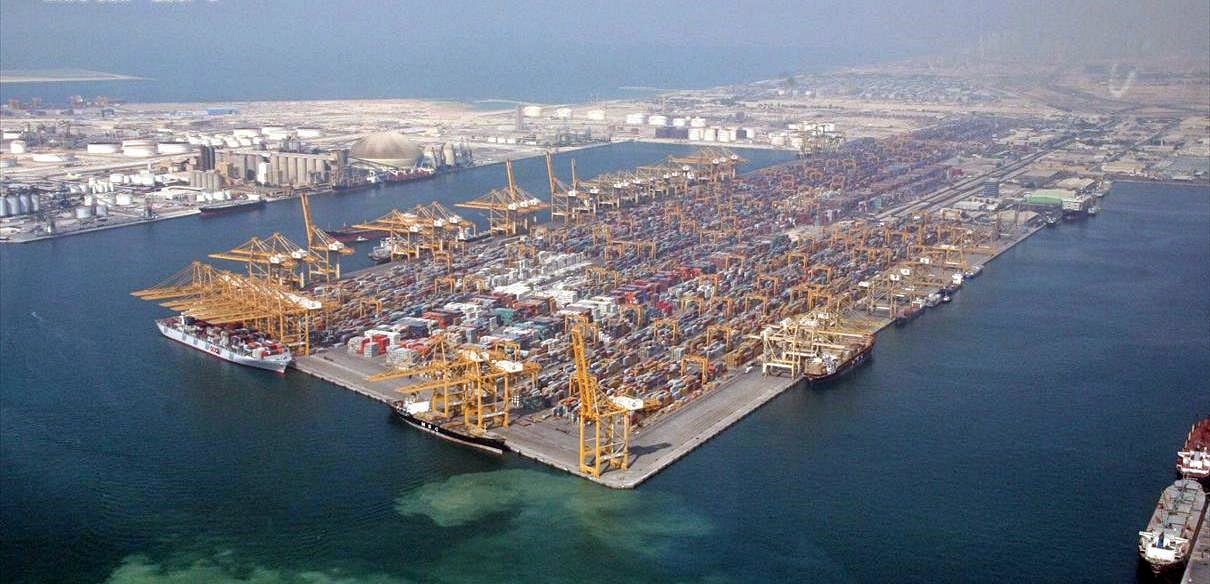
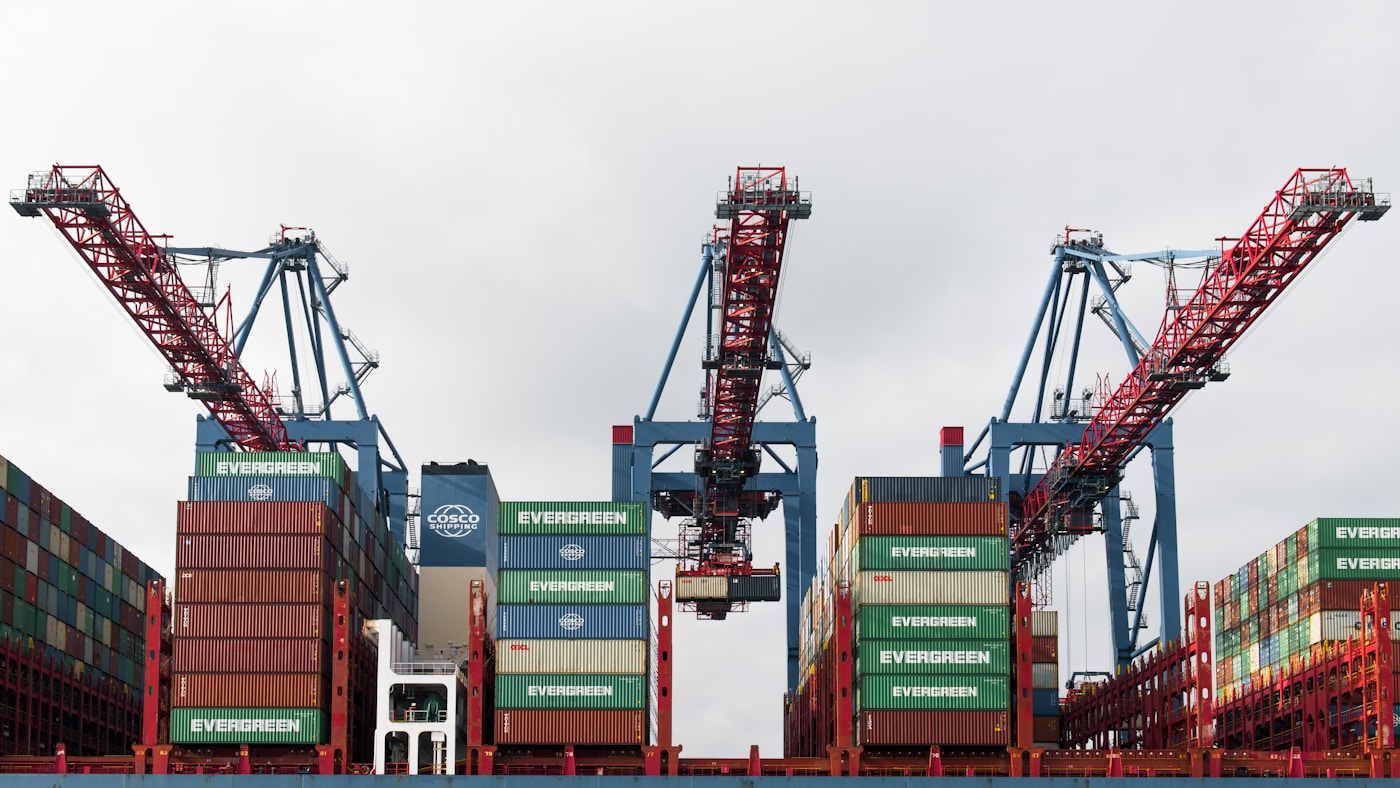
Jebel Ali is the largest port in the Middle East and one of the ten busiest container ports in the world. It handles roughly 15 million twenty-foot equivalent units of container cargo annually and serves as the primary trade gateway for Dubai’s economy. An attack on Jebel Ali would not damage oil exports directly but would cripple the commercial supply chain for the entire Gulf region, disrupting imports of food, manufactured goods, and construction materials.
Khalifa Port in Abu Dhabi serves a dual function as both a container terminal and a logistics hub for the emirate’s industrial zone. It also sits near sensitive government and military installations. Iran’s decision to name it alongside Jebel Ali and Fujairah suggested a strategy of maximum psychological pressure on the UAE’s leadership in Abu Dhabi and Dubai.
The UAE government did not immediately respond to Iran’s evacuation demands. Dubai’s government media office issued a brief statement confirming that falling debris from a successfully intercepted Iranian attack had struck a building facade in central Dubai, but reported no fire and no injuries. The decision not to address the evacuation warnings directly appeared designed to avoid amplifying Tehran’s psychological campaign.
How Has the UAE Responded to the Attacks?
The UAE’s armed forces intercepted nine ballistic missiles and 33 drones launched from Iran on Saturday, according to the Emirates’ Ministry of Defence. The interception rate — roughly 98 per cent for ballistic missiles and above 90 per cent for drones — reflected the significant investment Abu Dhabi has made in layered air defence since the 2022 Houthi attacks exposed vulnerabilities in the country’s protection umbrella.
The UAE’s air defence architecture relies on a combination of American-made Patriot PAC-3 and Terminal High Altitude Area Defense systems, supplemented by South Korean Cheongung II medium-range interceptors. The system has been heavily tested since the war began on 28 February, with Iran firing a cumulative total of 189 ballistic missiles, 941 drone attacks, and three cruise missiles against UAE targets through 4 March alone, according to figures compiled by the UAE Ministry of Defence.
Despite the high interception rate, the Fujairah fire demonstrated that even intercepted threats can cause damage. Falling debris from a destroyed drone carries enough kinetic energy and burning fuel to ignite oil storage facilities, making the oil zone vulnerable even when air defences perform exactly as designed. Energy Minister Suhail al-Mazrouei told Gulf News that the UAE’s energy supplies remained stable after the Fujairah fire, though he did not address the suspension of loading operations.
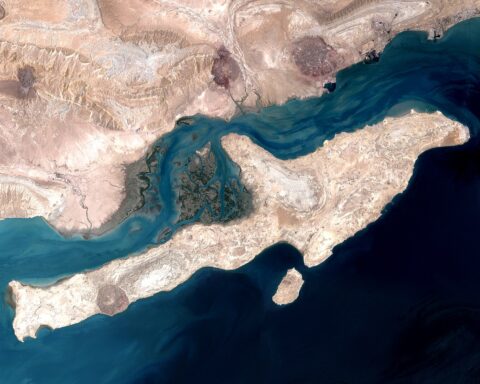
The broader pattern of Iran’s attacks on the UAE has intensified since the US launched strikes on Iran’s Kharg Island oil export terminal on 13 March. The IRGC’s declaration that US interests in the UAE were legitimate targets appeared to be a direct response to the Kharg Island operation, which destroyed key loading infrastructure at Iran’s primary crude export facility. Tehran’s logic, as expressed through its semi-official media, is one of proportional response: if Washington destroys Iranian oil export capacity, Iran will target the oil export capacity of states hosting American forces.
The Hormuz Bypass Strategy Unravels
The attack on Fujairah is the latest in a systematic Iranian campaign to close every alternative route for Gulf oil exports. On 12 March, Iranian drones struck Salalah Port in Oman, damaging infrastructure at what had been the Gulf’s last remaining Hormuz bypass. The Salalah attack killed two people and effectively eliminated Oman’s port as an alternative export route, at least temporarily. Iran then expanded its target set beyond export terminals to upstream production facilities, with a drone strike on Abu Dhabi’s Shah gas field on 16 March that set the ADNOC-Occidental sour gas processing complex ablaze.
The pattern is unmistakable. Tehran’s military planners appear to have mapped every node in the Gulf’s oil export network and are working through them methodically. First came the Hormuz closure on 28 February, which halted the approximately 17 million barrels per day that normally transits the strait. Then came attacks on Gulf-side loading terminals — Ras Tanura in Saudi Arabia, Basra in Iraq — designed to prevent tankers from loading even if they could reach port. The Salalah strike eliminated Oman as a bypass. Now Fujairah, the single most important alternative to Hormuz for UAE exports, has been hit twice in five days. The pattern continued to escalate: on March 31, Iran struck a Kuwaiti supertanker inside Dubai’s anchorage zone, extending the war from export terminals to the staging areas where ships wait before attempting transit.
Days later, the campaign against UAE infrastructure escalated further when a drone struck a fuel tank near Dubai International Airport, forcing a seven-hour suspension of flights at the world’s busiest international hub.
With Hormuz under an effective blockade, Salalah damaged, and Fujairah now forced to suspend operations, the Gulf’s three primary oil export pathways have all been compromised within a two-week window. The only routes that remain fully operational are Saudi Arabia’s East-West Pipeline, which terminates at Yanbu on the Red Sea, and the Iraq-Turkey Pipeline that feeds the Ceyhan terminal on the Mediterranean. Neither has the capacity to replace the volume that normally flows through Hormuz.
The International Energy Agency has described the current situation as the worst oil supply crisis in history. Global oil supplies have fallen by approximately 8 million barrels per day since the Hormuz closure, according to IEA estimates, and the agency has authorised the release of 400 million barrels from strategic reserves — the largest coordinated release ever undertaken.

Iran’s strategy appears to be one of comprehensive denial. Rather than targeting any single chokepoint, Tehran has aimed to make every export route in the Persian Gulf region either impassable or unreliable. The Strait of Hormuz remains effectively closed to commercial traffic. The Gulf of Oman, which was supposed to offer a safer alternative, is now a theatre of active Iranian drone operations. And the overland pipeline alternatives, while still operational, cannot carry more than a fraction of the region’s normal export volume.
More than 3,000 vessels and 20,000 sailors remain stranded in the Persian Gulf, unable to transit the strait. The insurance market for Gulf shipping has effectively collapsed, with war-risk premiums rendering most voyages commercially unviable. Lloyd’s of London has designated the entire Persian Gulf and Gulf of Oman as a Listed Area, the market’s highest risk classification.
Saudi Arabia’s Pipeline Under Pressure
The attack on Fujairah increases pressure on Saudi Arabia’s East-West Pipeline, or Petroline, which has become the Kingdom’s primary oil export route since the Hormuz closure. Aramco chief executive Amin Nasser confirmed on 11 March that the company was ramping crude flows through the pipeline and expected to reach its full daily capacity of seven million barrels within days.
The Petroline system spans roughly 750 miles from Abqaiq in Saudi Arabia’s oil-rich Eastern Province to the Red Sea port of Yanbu. It was designed during the 1980s Iran-Iraq War as an insurance policy against exactly this type of scenario — a closure of the Strait of Hormuz. The pipeline had been operating well below capacity for decades, but the current crisis has forced Aramco to push it to maximum throughput for the first time.
Saudi Arabia has also opened Red Sea cargo corridors to handle commercial shipping that would normally transit the Persian Gulf. Yanbu and Jeddah are now handling container and bulk cargo volumes they were never designed to accommodate, straining port infrastructure and creating backlogs.
The vulnerability of the Saudi pipeline system to Iranian attack remains a significant concern. While the Petroline runs through Saudi Arabia’s interior, far from Iran’s coastline, Tehran’s growing drone fleet has demonstrated the ability to reach targets deep inside the Kingdom. Saudi air defences have intercepted dozens of drones and ballistic missiles targeting Eastern Province oil facilities, Riyadh, and military installations since the war began. Iran damaged five US Air Force tanker aircraft at Prince Sultan Air Base near Al-Kharj this week, demonstrating the reach and accuracy of its long-range strike capability. A successful strike on the pipeline or its associated pumping stations would eliminate the Gulf’s last high-volume export route.
The Fujairah attack also raises uncomfortable questions for the Gulf Cooperation Council’s collective security posture. When the war began, GCC member states assumed that their combined air defence networks would be sufficient to protect critical oil infrastructure. Two weeks of sustained Iranian attacks have tested that assumption to breaking point. Saudi Arabia alone has intercepted more than 100 drones targeting oil facilities, Riyadh, and military bases. The UAE’s air defences have performed well against ballistic missiles but have proven unable to prevent drone debris from causing secondary damage to the very infrastructure they are designed to protect.
OPEC data released this week showed that Saudi Arabia ramped up crude production to 10.882 million barrels per day in February, up from 10.1 million in January — an 8 per cent increase completed in anticipation of wartime demand, according to Bloomberg. The Kingdom has since begun reducing output as storage fills and export routes narrow, a development that underscores the deepening strain on the global oil supply chain.
What Does the Fujairah Strike Mean for Oil Prices?
Brent crude closed above $103 per barrel on Friday, the second consecutive session above the $100 mark. The global benchmark has surged more than 40 per cent since the Iran war began on 28 February, when Brent was trading near $72. The Fujairah suspension adds further upward pressure by removing one of the few remaining outlets for Gulf crude.
Fujairah handles approximately 1 million barrels per day of the UAE’s Murban crude oil exports, a volume equivalent to roughly 1 per cent of global daily demand. The suspension of loading operations, even if temporary, forces trading houses to scramble for alternative supply sources at a time when spare capacity globally is near historic lows.
The oil market has already priced in significant disruption from the Hormuz closure. What the Fujairah attack adds is uncertainty about the reliability of bypass infrastructure. If Iran can damage oil terminals outside the strait — facilities that were specifically built as insurance against a Hormuz scenario — then no Gulf export route can be considered secure. That risk premium could persist long after the immediate fire at Fujairah is extinguished.
Commodity traders described the Fujairah suspension as a “second-order shock” to a market already reeling from the Hormuz closure. While the volume directly affected — approximately 1 million barrels per day of Murban crude — is modest relative to the 8-million-barrel-per-day shortfall caused by the broader conflict, the signal it sends is disproportionately damaging. Fujairah was supposed to be the answer to the Hormuz problem. Its compromise eliminates the market’s last source of confidence that Gulf oil can reach buyers through any route.
Goldman Sachs revised its Brent price forecast to $120 per barrel for the second quarter of 2026, citing the progressive elimination of Gulf export alternatives. JPMorgan’s commodities desk warned that a sustained closure of both Hormuz and Fujairah could push Brent above $150 if the war continues beyond April, a scenario that would trigger demand destruction in importing economies across Asia and Europe.
The IEA’s record 400-million-barrel strategic reserve release has provided some temporary relief, but analysts caution that reserve drawdowns cannot replace lost production indefinitely. The United States Strategic Petroleum Reserve held approximately 370 million barrels before the release was announced, and aggressive drawdowns would bring it to levels not seen since the 1980s.
Frequently Asked Questions
What is Fujairah and why is it important for oil exports?
Fujairah is an emirate on the UAE’s eastern coast, facing the Gulf of Oman rather than the Persian Gulf. Its port is the world’s second-largest bunkering hub after Singapore, handling 7.6 million cubic metres of bunker fuel annually. Critically, it sits outside the Strait of Hormuz, making it a key bypass for oil exports when the strait is blocked. The ADCOP pipeline carries roughly 1.5 million barrels per day of crude from Abu Dhabi to Fujairah’s export terminals.
Were there casualties in the Fujairah drone attack?
No casualties were reported in the 14 March attack on Fujairah’s oil terminal. The fire was caused by debris from an intercepted drone falling onto storage infrastructure. However, loading operations for crude oil and refined products were suspended as engineers assessed damage. A previous attack on 9 March had also damaged naphtha storage tanks at the Mena Fujairah Terminal.
Which UAE ports did Iran threaten to attack?
Iran’s Tasnim news agency issued evacuation warnings for three UAE ports on 14 March: Jebel Ali Port in Dubai, the largest port in the Middle East; Khalifa Port in Abu Dhabi; and Fujairah Port. Iran claimed these facilities harboured concealed US military assets and warned strikes could come within hours. The Fujairah attack followed shortly after the warning was issued.
How has the Fujairah attack affected oil prices?
Brent crude has surged more than 40 per cent since the Iran war began, closing above $103 per barrel. The Fujairah suspension removes approximately 1 million barrels per day of UAE Murban crude export capacity. Goldman Sachs has forecast Brent at $120 for the second quarter of 2026, while JPMorgan has warned of $150 oil if both Hormuz and Fujairah remain disrupted into April.
Can Saudi Arabia’s pipeline system replace the lost Fujairah exports?
Saudi Arabia’s East-West Pipeline has a maximum capacity of roughly 7 million barrels per day and is being pushed to full throughput for the first time. While it provides an alternative to Hormuz, it cannot replace the combined export capacity of the strait, Fujairah, and other Gulf terminals. The pipeline also remains vulnerable to Iranian drone attacks, though it runs through Saudi Arabia’s interior far from Iran’s coastline.