
WASHINGTON — The United States has sent Iran a 15-point plan to end the 25-day war, according to the New York Times, delivering the document through Pakistan’s army chief in what amounts to the most concrete diplomatic overture since American and Israeli forces launched strikes on February 28. President Donald Trump declared on Tuesday that the war had been won and claimed Iran had offered “a very significant prize” related to the Strait of Hormuz, though Tehran immediately denied any negotiations were taking place and continued to fire missiles at targets across the Middle East.
The plan, whose full contents remain classified, reportedly demands the shutdown of Iran’s three principal nuclear enrichment facilities, the surrender of all highly enriched uranium to the International Atomic Energy Agency, strict limits on Tehran’s ballistic missile programme, and an end to Iran’s proxy network across the region. In exchange, Washington would offer full sanctions relief, support for a civilian nuclear energy programme centred on the Bushehr reactor, and the removal of the “snapback” mechanism that allows the reimposition of international sanctions. The proposal represents the first formal attempt by the Trump administration to translate 25 days of aerial bombardment into a diplomatic settlement, and its implications for Saudi Arabia are enormous.
Table of Contents
- What Does the 15-Point Plan Demand From Iran?
- What Would Iran Receive in Return?
- How Did the Plan Reach Tehran?
- Trump Declares Victory While Missiles Still Fly
- Tehran Denies Everything
- What Saudi Arabia Stands to Gain or Lose
- The Five-Day Window
- What Happens if Iran Rejects the Plan?
- Frequently Asked Questions
What Does the 15-Point Plan Demand From Iran?
The plan asks Tehran to dismantle decades of nuclear infrastructure and surrender the strategic assets that have defined its regional posture since the Islamic Revolution. While the full 15 points have not been publicly disclosed — US officials told reporters that “sensitive diplomacy will not be conducted publicly” — several key demands have emerged through reporting by the New York Times, CNBC, and i24 News.
Trump himself described the nuclear component as “numbers one, two and three” on the list. The plan requires Iran to halt uranium enrichment on its territory entirely, transfer all enriched material to the International Atomic Energy Agency, and shut down three facilities that form the backbone of its nuclear programme: Natanz, Isfahan, and Fordow. Each site has been the subject of Israeli and American strikes since the war began. Natanz, buried deep underground in central Iran, houses thousands of centrifuges and is believed to hold Iran’s stockpile of highly enriched uranium. Isfahan is the site of Iran’s uranium conversion facility, and Fordow, built into a mountainside near the city of Qom, was designed to withstand aerial bombardment.
The plan also demands that Iran accept expanded international inspections with no sunset clause — a direct response to criticism of the 2015 Joint Comprehensive Plan of Action, which contained expiration dates on key provisions that allowed Iran to resume enrichment after specified periods.
| Category | Reported Demand | Source |
|---|---|---|
| Nuclear | Halt all uranium enrichment on Iranian territory | NYT, CNBC |
| Nuclear | Transfer enriched material to IAEA | i24 News |
| Nuclear | Shut down Natanz, Isfahan, and Fordow facilities | i24 News |
| Nuclear | Accept expanded international inspections, no sunset clause | Multiple |
| Missiles | Accept strict limits on ballistic missile programme | Gulf News, CNBC |
| Proxies | End funding and arming of proxy groups | i24 News, Gulf News |
| Maritime | Guarantee free passage through Strait of Hormuz | Multiple |
| Diplomacy | Acknowledge Israel’s right to exist | Gulf News |
Beyond the nuclear demands, the plan reportedly requires strict limits on Iran’s ballistic missile programme — restricting range and quantity to self-defence only — and an end to Tehran’s support for armed proxy groups across the Middle East, including Hezbollah in Lebanon, the Houthis in Yemen, and Shia militia groups in Iraq and Syria. A separate provision addresses the Strait of Hormuz, demanding that Iran guarantee free passage for commercial shipping through the waterway that carries roughly 20 percent of the world’s oil supply.
The Middle East briefing 3,000+ readers start their day with.
One email. Every weekday morning. Free.
What Would Iran Receive in Return?
The 15-point plan is not a one-sided ultimatum. According to i24 News and multiple diplomatic sources, Washington is offering Iran three significant concessions in exchange for compliance: full sanctions relief, support for a civilian nuclear energy programme centred on the Bushehr reactor, and the permanent removal of the “snapback” mechanism that has allowed the reimposition of United Nations sanctions.
Full sanctions relief would represent a transformation of Iran’s economic prospects. American sanctions have cut Iran’s oil exports from roughly 2.5 million barrels per day before the Trump administration’s first “maximum pressure” campaign in 2018 to an estimated 1.2-1.5 million barrels per day by early 2026, according to the US Energy Information Administration. Removing sanctions would unlock frozen Iranian assets estimated at $100-120 billion across foreign banks, according to the Treasury Department, and allow Tehran to re-enter global financial markets.
Support for civilian nuclear energy at Bushehr would allow Iran to maintain its only operational nuclear power plant, which generates roughly 1,000 megawatts of electricity and was built with Russian assistance. The distinction between civilian energy and weapons-grade enrichment has been central to every round of nuclear negotiations since 2003.
The removal of the snapback mechanism — a provision in UN Security Council Resolution 2231 that allowed any original party to the 2015 deal to reimpose all prior UN sanctions — would eliminate what Iranian officials have long described as a permanent sword hanging over any agreement. The mechanism was set to expire in October 2025 but was extended through US diplomatic pressure.
How Did the Plan Reach Tehran?
The 15-point plan was delivered to Iran through Pakistan, with Field Marshal Syed Asim Munir, Pakistan’s army chief, serving as the principal intermediary. Munir spoke directly with Trump by telephone on Sunday, according to NBC News and Pakistani media, and has been passing messages between Washington and Tehran for at least two days.
Pakistan’s emergence as the primary channel reflects a diplomatic calculation on both sides. Islamabad maintains warm relations with the Trump administration — Trump hosted Munir at the White House for an unprecedented lunch in June 2025, the first time a sitting US president had invited a Pakistani military chief who was not simultaneously head of state. “Pakistan knows Iran very well, better than most,” Trump said publicly at the time, according to the Daily Pakistan.
Pakistan also shares a 959-kilometre border with Iran and has maintained diplomatic channels with Tehran throughout the war. Pakistani Prime Minister Shehbaz Sharif wrote on social media that Pakistan “stands ready and honoured to be the host to facilitate meaningful and conclusive talks for a comprehensive settlement of the ongoing conflict.” Islamabad has also signed a mutual defence pact with Saudi Arabia, concluded in September 2025, which analysts at the Soufan Center described as a necessary precondition for Riyadh to accept Pakistani mediation.
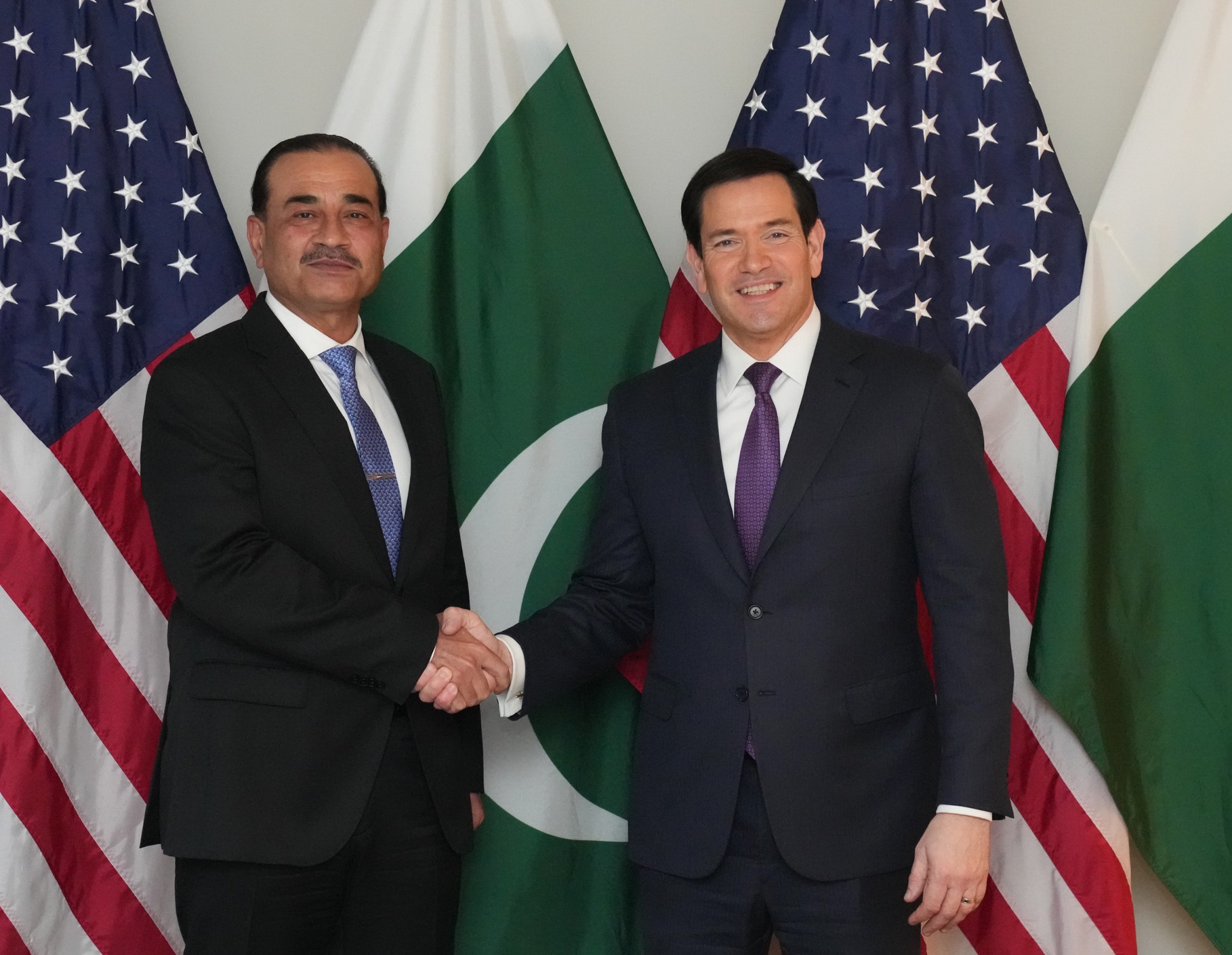
Egypt and Turkey are also acting as intermediaries, according to NBC News, with backchannel communications described by officials as “substantive rather than symbolic.” Ankara has taken its mediation further with Foreign Minister Fidan completing a shuttle tour of Gulf capitals urging restraint. The Irish Times reported that Pakistan has been coordinating with both countries to present a unified message to Tehran, though the degree of alignment between the three intermediaries remains unclear.
Trump Declares Victory While Missiles Still Fly
Trump’s statements on Tuesday represented a sharp escalation of his rhetoric around the negotiations. “We’ve won this. This war has been won,” the president told reporters, according to NPR. He claimed that Iran had offered “a very significant prize” related to the Strait of Hormuz, without specifying what the offer entailed.
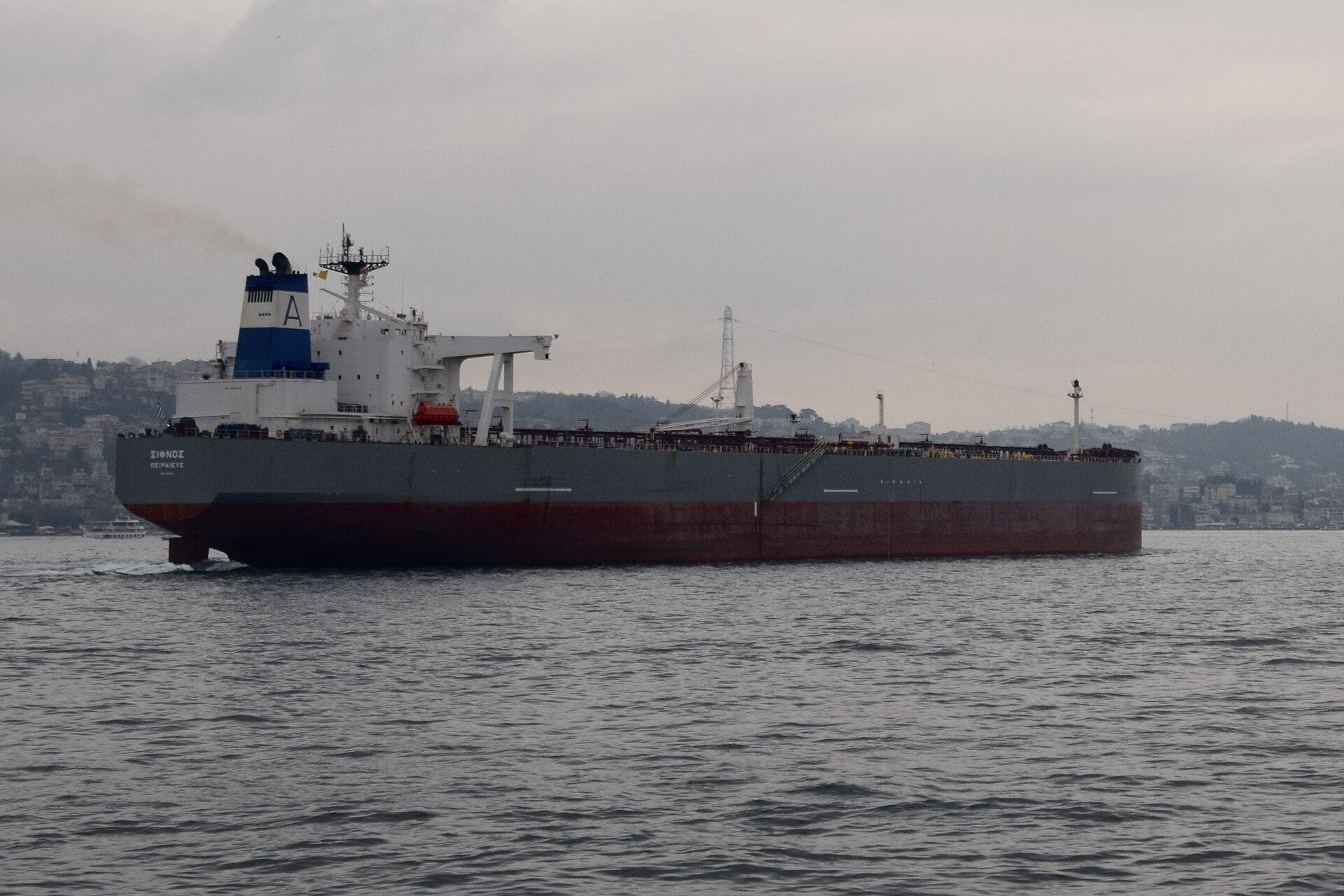
The declaration came just 24 hours after Trump postponed threatened strikes against Iranian power plants and energy infrastructure for five days, citing what he called “very good and productive conversations” with Tehran. The postponement reversed a 48-hour ultimatum Trump had issued demanding that Iran reopen the Strait of Hormuz, which has been effectively closed to most commercial shipping since Iranian naval forces began interdicting tanker traffic in the first week of the war.
Trump identified Vice President JD Vance, Secretary of State Marco Rubio, Middle East envoy Steve Witkoff, and son-in-law Jared Kushner as participants in the diplomatic effort. “The fact that they are talking to us and they are talking sense,” Trump said, according to PBS. “And the other side, I can tell you, they’d like to make a deal.”
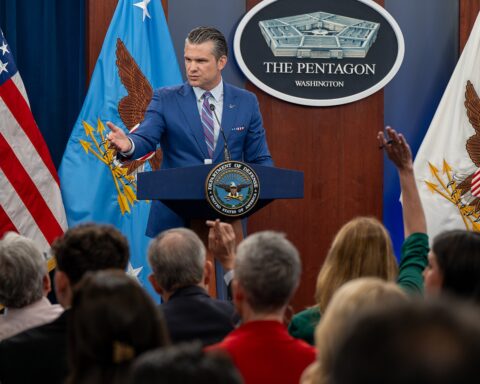
The White House press secretary clarified, however, that military operations had not stopped. “Operation Epic Fury continues unabated,” the spokesperson said, according to i24 News. The statement suggested that the five-day pause applied only to strikes on Iranian power plants — not to the broader air campaign targeting military and nuclear infrastructure.
Tehran Denies Everything
Iran’s response to Trump’s claims was immediate and unequivocal. Parliament speaker Mohammad Bagher Ghalibaf called the reports “fake news” designed to “manipulate financial and oil markets,” according to CNN. Iran’s foreign ministry spokesperson said there was “no dialogue” between Tehran and Washington, though he acknowledged that the ministry was “responding to requests through intermediaries from friendly nations.”
That distinction — between direct negotiations and responses through intermediaries — may represent the diplomatic space in which any deal would need to be constructed. Iran has historically refused to engage in direct bilateral talks with the United States during active hostilities, preferring indirect channels that allow both sides to deny the existence of formal negotiations while still exchanging substantive proposals.
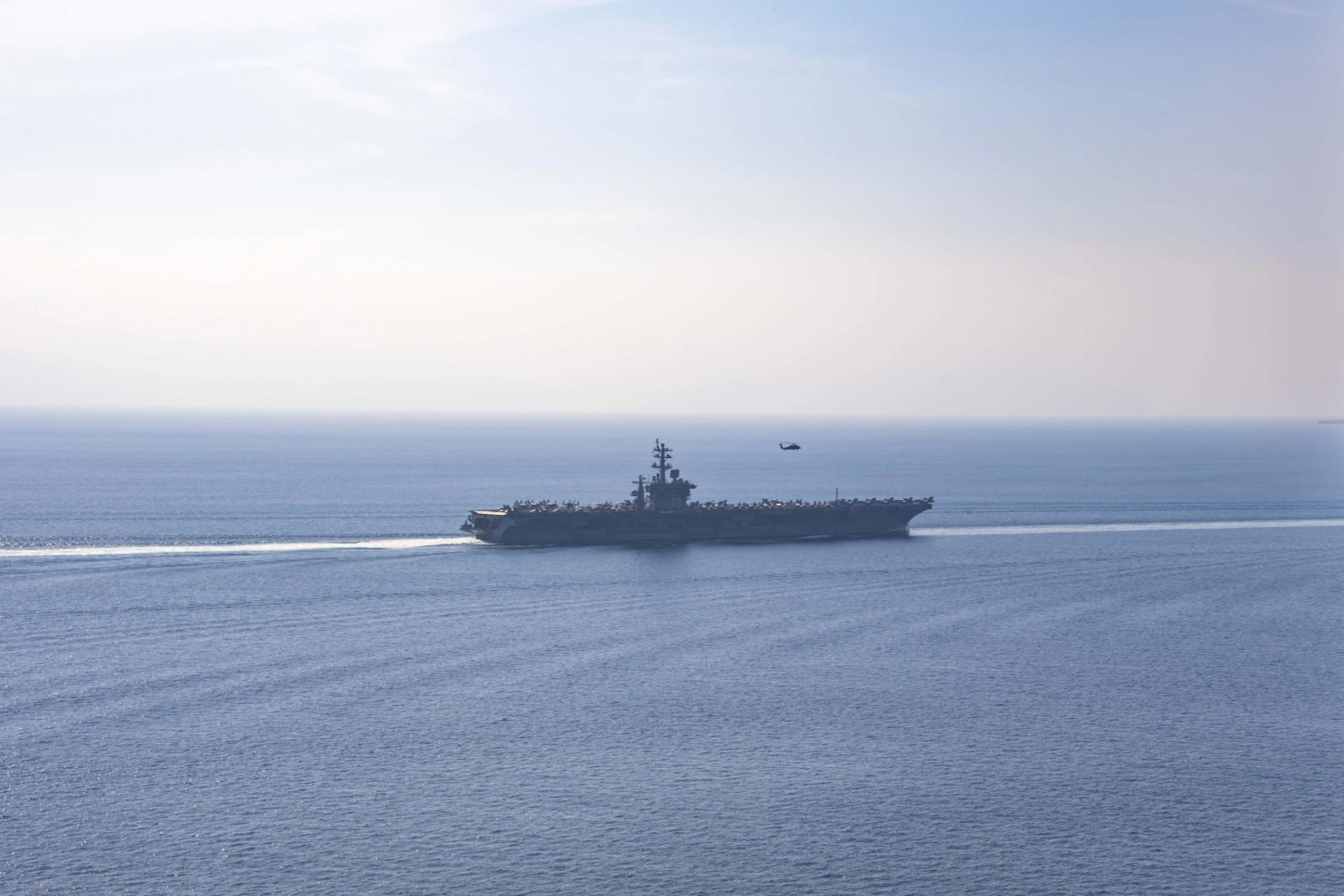
Even as Iranian officials denied the talks, Iran continued to fire missiles at targets across the Middle East. On Tuesday alone, Iranian forces launched at least eight missile barrages at Israel, according to Al Jazeera, with at least six people injured in Tel Aviv. The UAE’s air defence systems engaged five ballistic missiles and 17 drones launched from Iran. Saudi Arabia intercepted approximately 20 drones targeting its Eastern Province, where the majority of the kingdom’s oil infrastructure is concentrated. Kuwait’s air defences responded to multiple attacks, with alarms sounding seven times in a single night.
What Saudi Arabia Stands to Gain or Lose
The 15-point plan’s implications for Saudi Arabia are profound, and Riyadh’s position is more complex than it appears. Crown Prince Mohammed bin Salman has been privately urging the Trump administration to intensify the campaign against Iran, describing the war as a “historic opportunity” to reshape the Middle East, according to the New York Times and the New Republic. Riyadh views a weakened Iran as the precondition for a favourable regional order — one in which Saudi Arabia’s strategic dependence on external security guarantees can finally be reduced.
If the plan succeeds, Saudi Arabia would gain several of its long-standing strategic objectives without having fired a shot in the war. The dismantlement of Iran’s nuclear programme would eliminate the existential threat that has driven Saudi defence planning for two decades. The end of Iran’s proxy network would weaken Hezbollah, reduce Houthi capabilities in Yemen, and diminish Iranian influence in Iraq — all outcomes that Riyadh has spent hundreds of billions of dollars pursuing through military and diplomatic channels.
The Hormuz guarantees alone would be transformative. The closure of the strait has forced Saudi Aramco to redirect oil exports through the 1,200-kilometre East-West Pipeline to the Red Sea port of Yanbu, cutting supply to Asian customers by nearly 39 percent and triggering what Aramco CEO Amin Nasser called “the biggest crisis the region’s oil and gas industry has faced.”
Any agreement on Hormuz would need to address the framework Iran has since established. On March 25, Tehran formally notified the UN and the International Maritime Organization that only vessels it classifies as non-hostile may transit the strait, a declaration that converts the waterway from an open corridor into a controlled gateway requiring Iranian approval.
The risks, however, are equally significant. Saudi Arabia is not at the negotiating table. Washington is talking to Tehran through Pakistani intermediaries, and Gulf states are learning about the negotiations from press conferences rather than from their own seats in the room. A deal that lifts sanctions on Iran without verifiable, permanent dismantlement of Tehran’s military capabilities could leave Saudi Arabia facing a reconstituted adversary within a decade — an outcome Riyadh views as worse than the current war.
| Issue | If Plan Succeeds | If Plan Fails or Is Incomplete |
|---|---|---|
| Nuclear threat | Eliminated — Iran’s enrichment programme shut down | Iran rebuilds under sanctions, potentially accelerates weapons development |
| Proxy networks | Weakened — funding cut to Hezbollah, Houthis, Iraqi militias | Proxies remain intact and possibly more aggressive |
| Strait of Hormuz | Reopened under international guarantee | Remains contested, tanker insurance rates stay elevated |
| Oil exports | Eastern Province terminals resume full operations | Continued reliance on Yanbu pipeline with capacity constraints |
| Regional balance | Iran weakened, Saudi influence expanded | Iran emerges with grievance and motive for escalation |
| Sanctions relief for Iran | Iran re-enters global economy — potential competitor | Iran remains isolated but hostile |
An Iranian deal that addresses Saudi Arabia’s actual security requirements, according to analysts at the Brookings Institution, would need to go beyond the 15 known points to include the verified dismantlement of Hezbollah’s precision missile programme, the withdrawal of IRGC advisers from Iraq and Syria, and a nuclear inspections regime with no sunset clauses. Whether the current plan meets those thresholds remains unknown.
The Five-Day Window
Trump’s decision to postpone strikes on Iranian power plants and energy infrastructure creates a narrow five-day window in which diplomacy and military operations will proceed simultaneously. The pause, announced on March 23 after consultations with Vance and Rubio, applies specifically to attacks on civilian energy infrastructure — a category that Trump had previously threatened to destroy if Iran refused to reopen the Strait of Hormuz within 48 hours.
The timeline creates a series of parallel pressures. Pakistan is actively positioning itself to host face-to-face talks between US and Iranian representatives in Islamabad. An Israeli official told the Times of Israel that planning was underway for discussions later in the week, though Israeli officials simultaneously expressed concern about a “premature ceasefire” that would leave Iranian military capabilities partially intact.
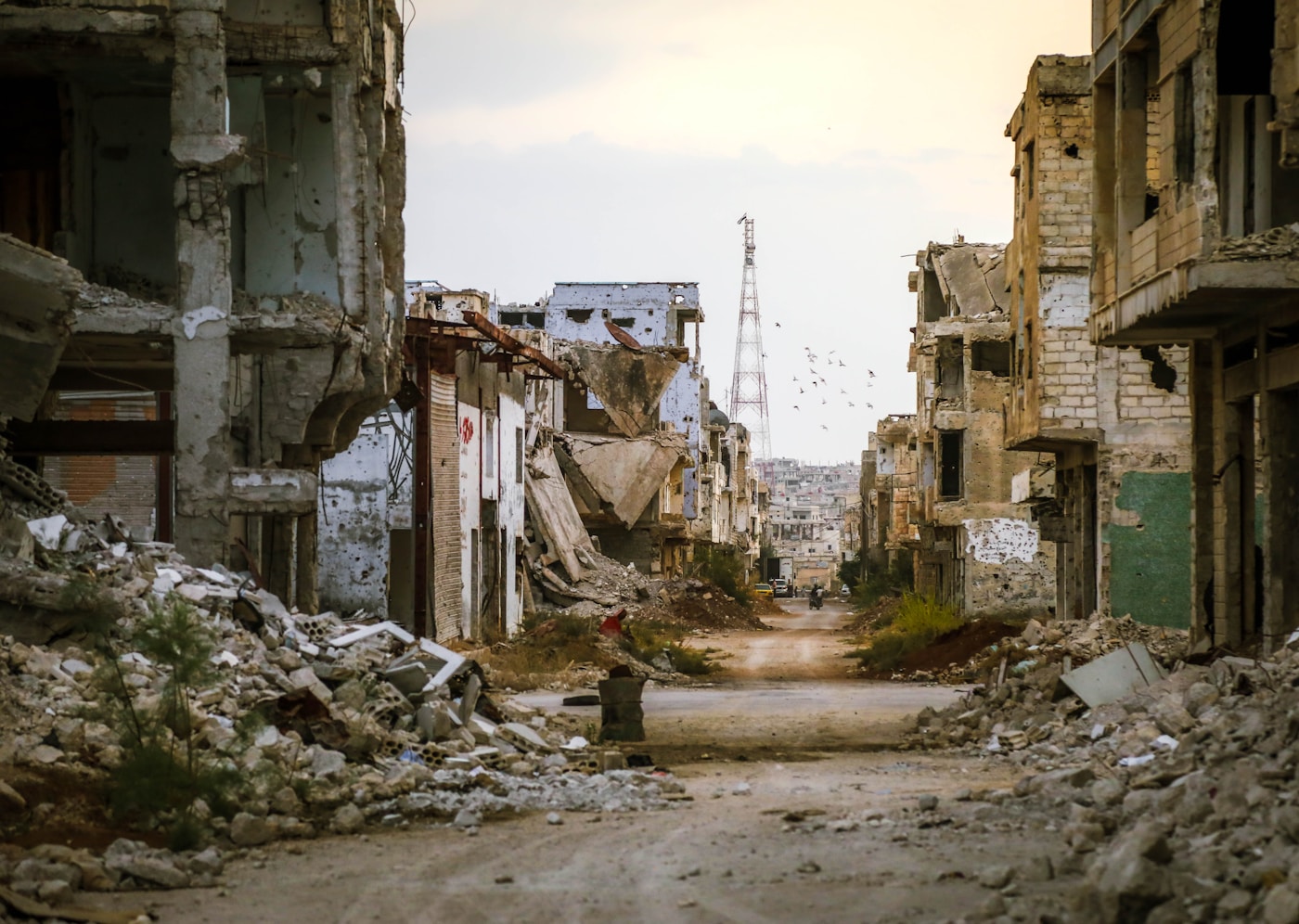
Military operations continue on multiple fronts. The US and Israel have conducted strikes across Iran for 25 consecutive days, damaging or destroying over 82,000 civilian structures, according to Iranian authorities. Iran’s Supreme National Security Council secretary, Ali Larijani, was killed in a strike on March 17, and Mohammad Bagher Zolghadr, an IRGC veteran, was appointed as his replacement. Approximately 290 US service members have been wounded in the conflict and 13 have been killed, according to ABC News.
The five-day clock creates an implicit ultimatum: if Iran does not respond constructively to the 15-point plan by approximately March 28, the United States would presumably resume strikes on power plants and energy infrastructure — an escalation that could plunge Iran into humanitarian crisis and push global oil prices, already at $101 per barrel, toward levels not seen since the 2008 financial crisis.
What Happens if Iran Rejects the Plan?
The gap between Trump’s rhetoric and Iran’s response leaves three plausible scenarios for the coming days.
In the first, Iran engages through intermediaries, accepts a partial framework, and agrees to a ceasefire followed by formal negotiations. This would require Tehran to make concessions — likely starting with the Strait of Hormuz — while preserving its ability to negotiate on nuclear and missile issues over a longer timeline. Pakistan, Egypt, and Turkey would serve as guarantors of the process.
In the second, Iran continues to deny talks while quietly exploring terms through backchannel communications. The foreign ministry’s acknowledgement that it was “responding to requests through intermediaries from friendly nations” suggests this may already be happening. Under this scenario, the five-day window extends informally while both sides test each other’s bottom lines.
In the third, Iran rejects the plan outright, the five-day pause expires, and the United States resumes strikes on Iranian power plants. This would represent a dramatic escalation with consequences that extend far beyond the bilateral conflict. Saudi Arabia and the UAE, which have already taken steps toward joining the war directly, would face increased pressure to commit military resources. The Strait of Hormuz would remain closed, deepening the energy crisis that has already forced the Philippines to declare a state of emergency and pushed oil prices above $100 per barrel.
For Saudi Arabia, the outcome of the 15-point plan may matter less than the process itself. The kingdom’s exclusion from the negotiating table — a pattern that echoes the 2015 JCPOA, from which Riyadh was also absent — reinforces a structural vulnerability that no ceasefire can resolve. Saudi Arabia’s security depends on agreements it did not negotiate, between adversaries it cannot fully trust, enforced by a superpower whose attention span it cannot predict.
Iran formally rejected the 15-point proposal on March 25, issuing a five-condition counterproposal. On March 26, Trump extended the energy strike deadline to April 6 to allow more time for indirect negotiations through Pakistan.
Frequently Asked Questions
Within 24 hours of the plan reaching Tehran, the White House began arranging Vice President Vance’s travel to Islamabad for weekend talks, even as Iran dismissed the proposal as maximalist and issued five counter-conditions of its own.
What is the US 15-point plan for Iran?
The 15-point plan is a diplomatic proposal sent by the Trump administration to Iran through Pakistan, demanding the shutdown of Iran’s nuclear enrichment facilities, limits on its ballistic missile programme, an end to proxy network funding, and guaranteed free passage through the Strait of Hormuz. In exchange, Washington offers full sanctions relief, civilian nuclear support at Bushehr, and removal of the snapback sanctions mechanism.
Has Iran accepted the plan?
Iran has denied that any negotiations are taking place. Parliament speaker Ghalibaf called the reports “fake news,” and the foreign ministry said there was “no dialogue” with Washington. However, officials acknowledged responding to intermediary communications from Pakistan, Egypt, and Turkey, suggesting indirect engagement may be underway.
Why is Pakistan mediating between the US and Iran?
Pakistan shares a border with Iran, maintains diplomatic relations with Tehran, and has developed a strong relationship with the Trump administration through army chief Asim Munir’s engagement with the White House. Pakistan also signed a mutual defence pact with Saudi Arabia in September 2025, giving it credibility with all parties to the conflict.
What does the plan mean for Saudi Arabia?
If successful, the plan would eliminate Iran’s nuclear threat, weaken its proxy networks, and reopen the Strait of Hormuz — all long-standing Saudi strategic objectives. The risk is that Saudi Arabia is excluded from negotiations and could face an agreement that lifts sanctions on Iran without permanently dismantling its military capabilities, potentially creating a stronger adversary within a decade.
What happens after the five-day pause?
Trump postponed strikes on Iranian power plants for five days, pending the outcome of diplomatic efforts. If Iran does not respond constructively by approximately March 28, the United States would presumably resume strikes on energy infrastructure, representing a significant escalation that could push oil prices higher and deepen the humanitarian crisis inside Iran.
Iran formally rejected these 15 conditions on March 25, issuing a five-point counterproposal that demanded sovereignty over the Strait of Hormuz as the price of peace. The White House responded by threatening to “unleash hell.”
A point-by-point comparison of those fifteen demands against Iran’s five counter-conditions reveals an unbridgeable negotiation gap, with seven of fourteen scored demands rated at zero probability of acceptance by either side.