
LONDON — Britain has agreed to lead a multinational naval coalition tasked with clearing Iranian mines from the Strait of Hormuz and reopening the world’s most critical oil chokepoint, according to a report published by The Times on March 24. The plan centres on deploying autonomous mine-hunting drones from a dedicated mothership, supported by Royal Navy Type 45 destroyers and French naval assets, in what would mark the first combat deployment of uncrewed mine clearance systems in maritime history. Twenty million barrels of oil transit the strait daily under normal conditions, and its effective closure since early March has triggered a global energy crisis that has pushed Brent crude above $100 a barrel, forced Saudi Arabia to reroute exports through a single Red Sea pipeline, and left more than 3,000 commercial vessels stranded in the Persian Gulf.
Table of Contents
- The Coalition Plan to Reopen Hormuz
- What Autonomous Systems Will Britain Deploy?
- How Many Mines Has Iran Laid in the Strait?
- Which Nations Have Joined the Hormuz Coalition?
- Why Reopening Hormuz Matters for Saudi Arabia
- Two Phases to Clear the Strait
- The Ghost of Operation Earnest Will
- What Could Go Wrong?
- Frequently Asked Questions
The Coalition Plan to Reopen Hormuz
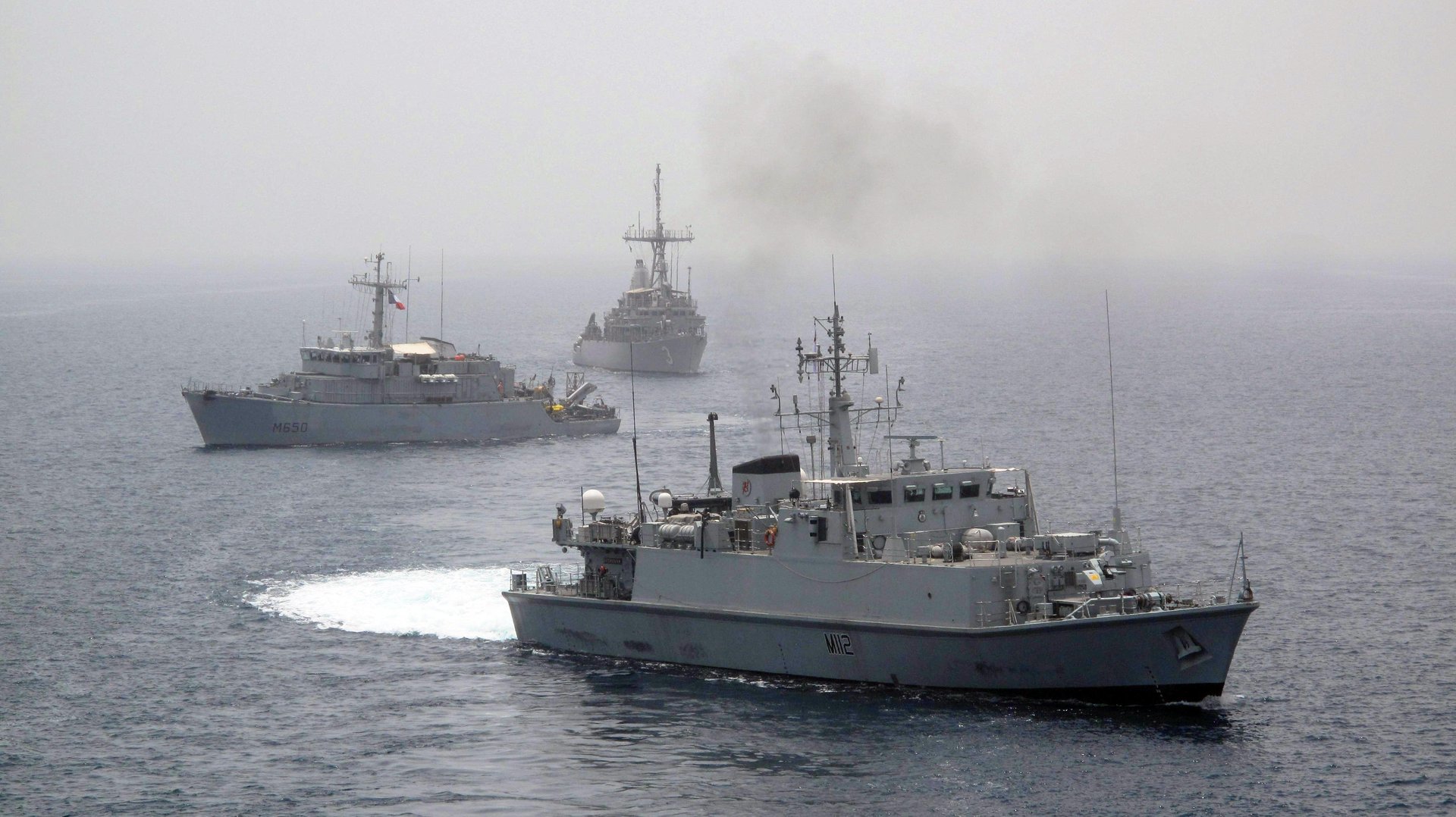
UK defence officials are finalising plans to deploy a Royal Navy vessel or leased commercial ship as a mothership for autonomous, uncrewed systems designed to detect and neutralise naval mines across the 39-kilometre-wide waterway, according to The Times. Britain and France are jointly developing the operational plan, which will also involve the United States Navy and allied forces from more than 20 nations that signed a joint statement on March 19 offering “appropriate efforts” to restore freedom of navigation.
Prime Minister Keir Starmer discussed the coalition’s progress during a phone call with Crown Prince Mohammed bin Salman on March 24, according to a statement published on the UK government website. Starmer “reiterated the UK’s unwavering support for the Kingdom of Saudi Arabia” and updated MBS on “the deployment of further UK defensive military equipment,” the statement said. The two leaders discussed planning around the Strait of Hormuz, with Starmer noting that Britain was “working with partners on what a viable plan could look like to ensure the flow of goods through the key maritime route.”
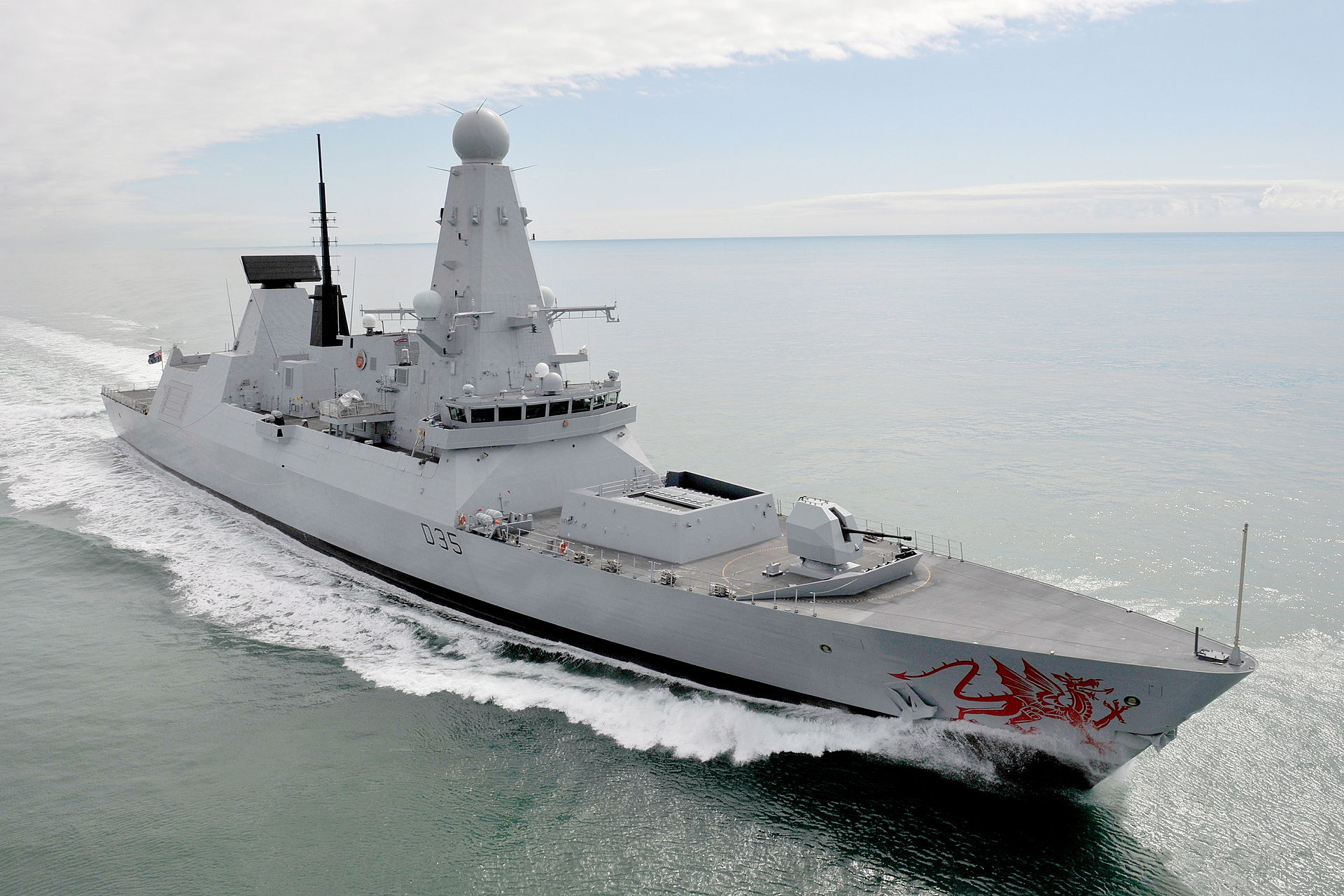
The UK has offered to host a summit for the more than 30 nations that have expressed support for the reopening effort. A senior UK defence official told The Times that Britain possessed “world-leading capabilities in terms of autonomous mine hunting, as well as fantastic destroyer capability with our Type 45s, and also the development of hybrid navy concept.”
What Autonomous Systems Will Britain Deploy?
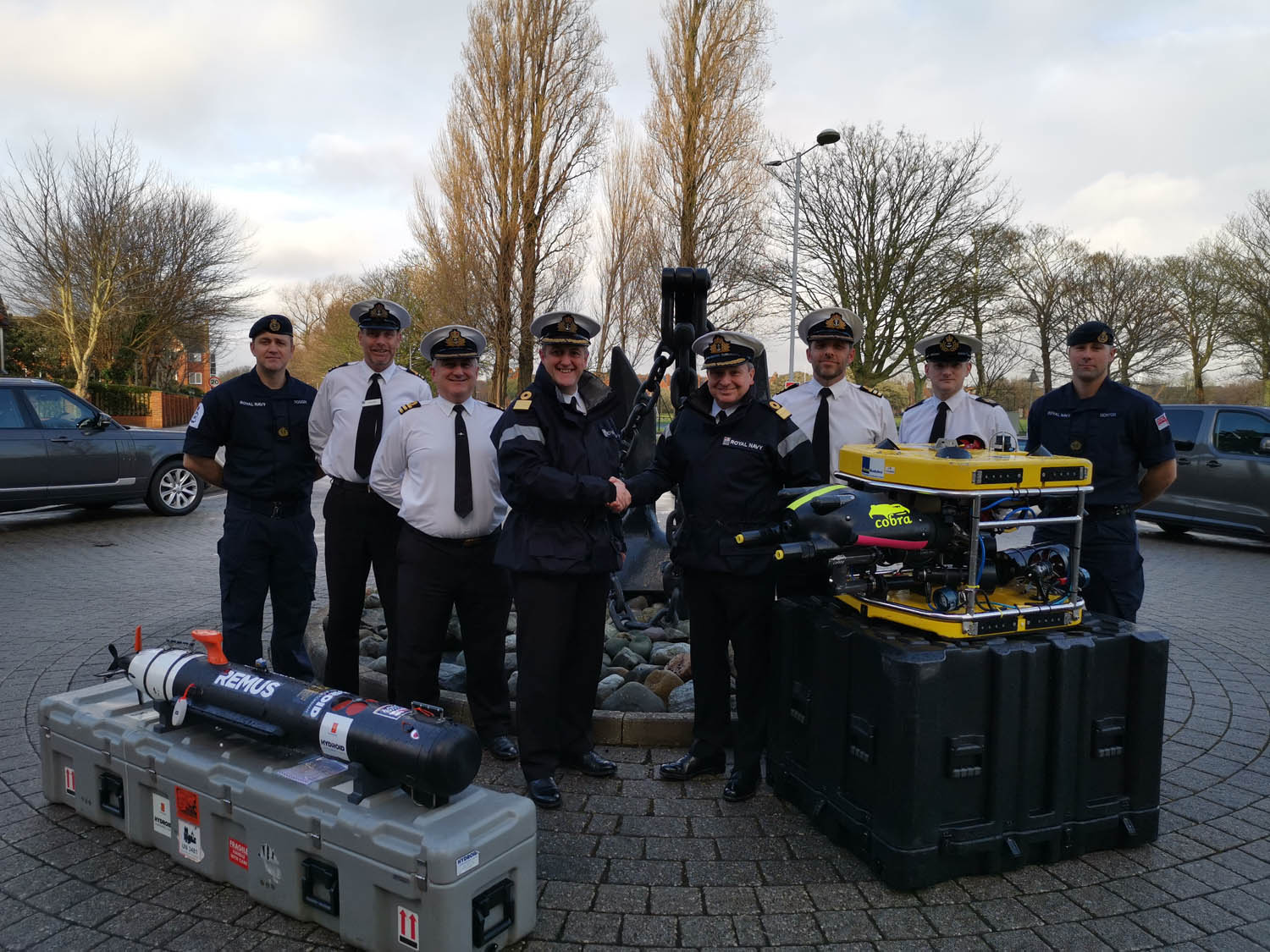
The centrepiece of Britain’s contribution is the Royal Navy’s Sweep system, an uncrewed surface vessel that tows three sensor boats replicating the magnetic, acoustic, and electrical signature of a full-sized commercial ship, according to a detailed analysis published in The Conversation on March 20. The system effectively tricks contact and influence mines into detonating harmlessly at a safe distance from both the control vessel and any protected shipping.
Sweep entered operational service in 2025 and can be controlled remotely from a ship or a portable land-based platform, making it the first mine countermeasures system in the Royal Navy’s inventory that does not require a crewed vessel to operate in the minefield itself. Traditional mine-hunting ships must move slowly through threatened waters, placing their crews at risk from the very weapons they are trying to neutralise. Sweep eliminates that exposure.
The Middle East briefing 3,000+ readers start their day with.
One email. Every weekday morning. Free.
UK Defence Secretary John Healey confirmed on March 23 that autonomous mine-hunting systems had been deployed to the theatre, Reuters reported. Healey characterised Iran’s mining of the strait as a “major escalation” and “a breach of international law.” The Ministry of Defence also confirmed that HMS Anson, an Astute-class nuclear-powered attack submarine armed with Tomahawk Block IV land-attack cruise missiles and Spearfish heavyweight torpedoes, was operating in the northern Arabian Sea after departing Perth, Australia on March 6, according to the Daily Mail.
A secondary system under consideration is the Octopus interceptor drone, designed to counter the Shahed-136 drones that Iran has launched at coalition forces and Gulf state infrastructure. The Octopus uses onboard sensors and AI-driven image recognition to physically collide with incoming drones at a cost of approximately $3,500 per unit — less than a tenth the price of a Shahed, according to The Conversation.
How Many Mines Has Iran Laid in the Strait?
Iran is believed to hold a stockpile of approximately 6,000 sea mines, ranging from simple contact types such as the Maham-1, which is anchored to the seabed and triggered on physical impact, to advanced rocket-propelled weapons such as the Chinese-designed EM-52, which sits on the seabed and fires a rocket-propelled warhead at ships matching specific acoustic or magnetic signatures, according to the Washington Institute for Near East Policy. US military sources have reported Iran laying at least a dozen naval mines in the strait since the conflict began on February 28.
The actual number deployed remains a matter of intelligence dispute. Iran’s Revolutionary Guard Corps Navy operates a dedicated mining force equipped with fast boats, dhows, and even civilian fishing vessels capable of dropping mines under cover of routine maritime traffic. During the 1987-88 Tanker War, Iran laid mines covertly while publicly denying responsibility, a tactic that analysts at the Washington Institute say Tehran is reprising in the current conflict.
Michael Eisenstadt, director of the Military and Security Studies Programme at the Washington Institute, wrote in a March 2026 analysis that Iran retained “large numbers of small boats, antiship cruise and ballistic missiles, coastal artillery and rocket units, and numerous attack drones” that could threaten mine-clearing operations. Drones alone “could be launched from over 1,000 miles inland,” Eisenstadt noted, meaning the mine-clearing force would face threats well beyond the strait itself.
| Mine Type | Origin | Trigger Mechanism | Threat Level |
|---|---|---|---|
| Maham-1 | Iran (domestic) | Contact / physical impact | Moderate |
| EM-52 | China (supplied) | Acoustic / magnetic signature, rocket-propelled | High |
| SADAF-02 | Iran (domestic) | Influence (magnetic) | Moderate |
| Limpet mines | Iran (IRGC special ops) | Diver-attached, timed / remote | Targeted |
Which Nations Have Joined the Hormuz Coalition?
Twenty-two nations signed a joint statement on March 19 pledging “appropriate efforts” to ensure the free passage of goods through the Strait of Hormuz. The signatories included Canada, France, Germany, Italy, Japan, the Netherlands, and the United Kingdom, according to the UK government’s published text. The UK has subsequently offered to host a broader summit for more than 30 nations interested in contributing to the reopening operation.
France is the most significant military partner. Paris and London are jointly developing the operational plan, and the French Navy has already deployed mine-hunting drone capabilities to the region, according to Gulf News. The United States, which has destroyed more than 130 Iranian naval vessels since the conflict began, would provide force protection and strike capability against coastal threats, though its mine-clearing assets in the region remain thin.
Brigadier General Assaf Orion (Res.), a senior research fellow at Israel’s Institute for National Security Studies and former head of the IDF Strategic Planning Division, co-authored the Washington Institute analysis warning that the US Navy now operates approximately 100 major surface combatants, compared with nearly 250 during Operation Earnest Will in 1987-88. A task force of 30 ships — the size that historical precedent suggests would be necessary — would absorb nearly a third of the current US fleet.
Notably absent from the formal coalition are the Gulf states themselves. Saudi Arabia, the UAE, Kuwait, Bahrain, and Qatar have all suffered direct Iranian attacks on their territory but have stopped short of committing naval forces to offensive mine-clearing operations. Saudi Arabia opened King Fahd Air Base to US forces on March 21 and expelled Iranian defence officials, but Riyadh’s position on direct military participation in the strait remains ambiguous. Belgium’s King Philippe, Greek Prime Minister Kyriakos Mitsotakis, and Dutch Prime Minister Rob Jetten each spoke separately with Crown Prince Mohammed bin Salman on March 24, expressing support for the Kingdom as the coalition takes shape, according to Al Arabiya.
Why Reopening Hormuz Matters for Saudi Arabia
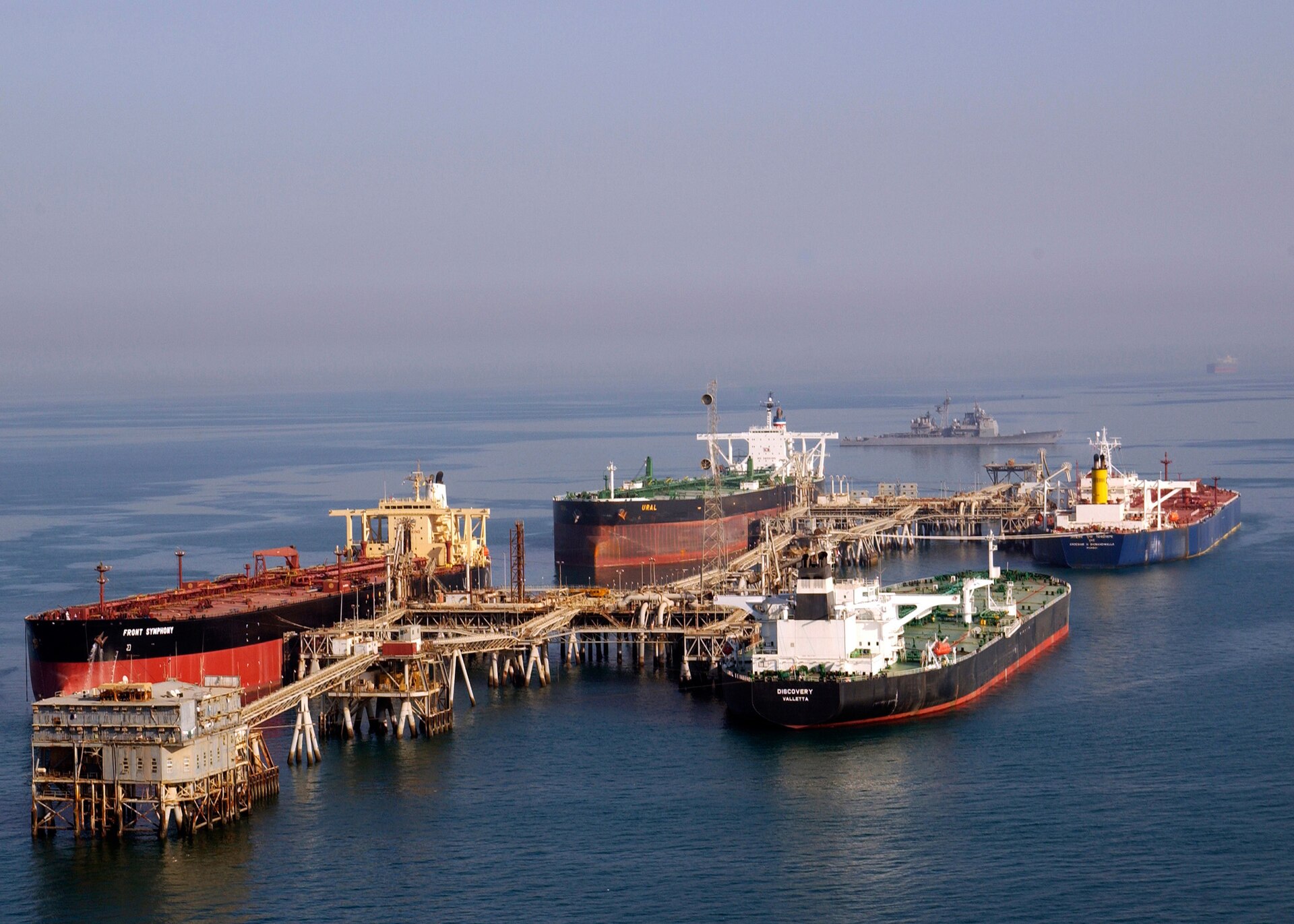
Saudi Arabia’s oil export architecture was built around the Strait of Hormuz. Under normal conditions, the Kingdom exported approximately 7.5 million barrels per day, with the bulk flowing through the Ras Tanura terminal and the offshore Ju’aymah loading platform in the Eastern Province — both of which require tanker access through the strait. The closure has forced Riyadh to activate its strategic bypass, the East-West Pipeline, which runs 1,200 kilometres from the Eastern Province to the Red Sea port of Yanbu, Bloomberg reported on March 18.
That pipeline has restored roughly half of Saudi oil exports, but its capacity is limited. Saudi Arabia cut production by 20 percent on March 13, from 10 million barrels per day to 8 million, according to Bloomberg, a reduction driven not by OPEC strategy but by the physical impossibility of moving crude to market. The insurance industry’s refusal to cover Gulf-transit vessels has compounded the blockade, effectively closing the strait to commercial shipping even in areas where mines have not been confirmed.
The economic toll extends beyond lost revenue. Brent crude closed at $101.44 per barrel on March 23, according to Fortune, having swung wildly between $90 and nearly $120 since the war began. The International Energy Agency’s March 2026 Oil Market Report estimated that the conflict had curtailed global crude production by at least 8 million barrels per day, with a further 2 million barrels per day of condensates and natural gas liquids shut in. Iraq, the second-largest OPEC producer, saw output from its three main southern oilfields collapse by 70 percent to 1.3 million barrels per day, CNBC reported.
The OPEC cartel itself faces an existential test. Saudi Arabia and its Gulf allies have argued for emergency production increases from members with spare capacity, while Iran — still technically an OPEC member despite the war — has blocked any formal resolution. The World Economic Forum postponed its Jeddah Global Collaboration and Growth Meeting, originally scheduled for April 22-23, “in light of the current regional developments,” underscoring the broader economic damage that the Hormuz closure has inflicted on Saudi Arabia’s global standing.
Two Phases to Clear the Strait
According to The Times and Middle East Monitor reporting, the coalition’s plan divides the operation into two distinct phases. Phase One focuses exclusively on mine clearance. Autonomous systems, including the Sweep uncrewed surface vessel and underwater drones, would be launched from the mothership to systematically survey and neutralise mines across the navigable channels of the strait. The mothership concept — either a dedicated Royal Navy vessel or a leased commercial ship — allows the mine-hunting platforms to operate from a position of relative safety outside the densest threat zone.
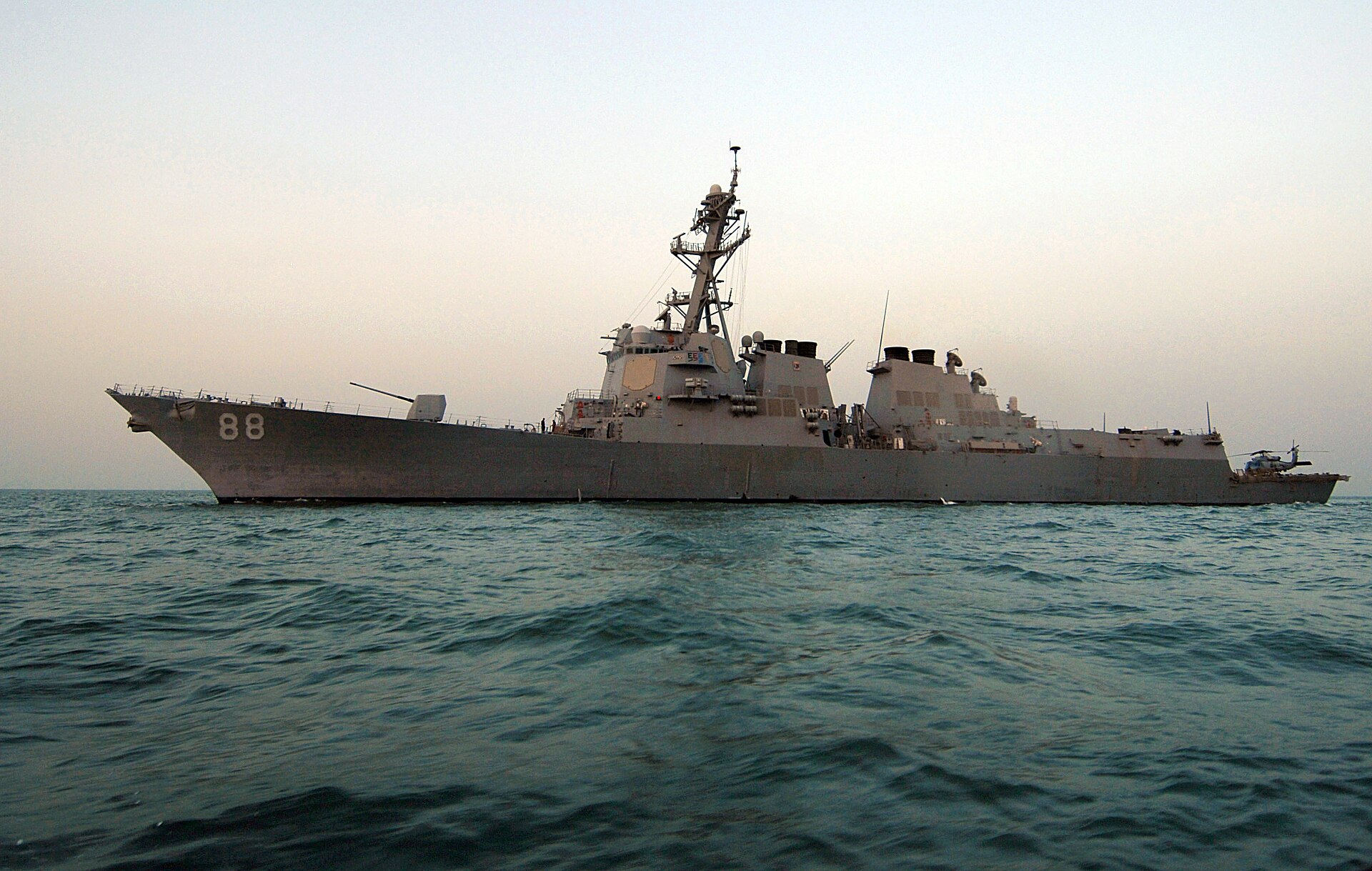
Phase Two would introduce combat escorts. Type 45 destroyers, among the most advanced air-defence warships in any navy, would take station alongside uncrewed surface vessels to protect commercial tankers transiting the cleared corridor. The Type 45’s Sea Viper missile system provides area air defence against the cruise missiles, ballistic threats, and drone swarms that Iran has employed throughout the conflict. Each destroyer can simultaneously track and engage multiple airborne threats, a capability that has already proven essential in the Gulf theatre.
No specific deployment date has been announced. Defence analysts caution that mine clearance is inherently slow. The Conversation’s analysis noted that historical Western mine-clearing operations have required “more than seven weeks” for comparable waterways, and the Strait of Hormuz presents additional complications: strong tidal currents, warm shallow waters that degrade sonar performance, and the persistent threat of new mines being laid while clearing operations proceed.
The Ghost of Operation Earnest Will
The last time a Western coalition attempted to secure tanker traffic through the Persian Gulf was Operation Earnest Will, the US Navy convoy operation that ran from July 1987 to September 1988 during the Iran-Iraq War. Nearly 30 warships participated, escorting reflagged Kuwaiti tankers through waters mined by Iran, according to the Washington Institute’s historical analysis. That operation cost the United States approximately $100 million over 14 months and required the continuous rotation of carrier strike groups through the region.
The parallels are uncomfortable. Iran adapted to Earnest Will by “covertly sowing minefields, attacking tankers in port” rather than ceasing hostile operations, the Washington Institute noted. On April 14, 1988, the frigate USS Samuel B. Roberts struck an Iranian mine, nearly sinking the vessel and injuring 10 sailors. The incident triggered Operation Praying Mantis, the largest US naval surface engagement since the Second World War, in which American forces destroyed or damaged six Iranian vessels in a single day.
The critical difference in 2026 is scale. The US Navy fielded approximately 250 major surface combatants in 1988. It now operates roughly 100. A 30-ship task force for Hormuz — the minimum that Eisenstadt and Orion assess would be necessary based on historical precedent — would represent nearly a third of the entire American fleet, a commitment that the Pentagon’s simultaneous posture requirements in the Western Pacific and European theatre make operationally challenging.
A detailed comparison of the two tanker wars reveals just how dramatically the threat environment has shifted. An analysis of the second tanker war and how it eclipses the 1984-1988 original finds that the 2026 crisis compressed four years of 1980s escalation into less than four weeks.
The US also has only one littoral combat ship with a mine countermeasures mission package deployed to the region, the Washington Institute analysis noted, underscoring why Britain’s autonomous mine-hunting technology has become the coalition’s most critical capability.
What Could Go Wrong?
The coalition faces a layered threat that extends well beyond the mines themselves. Iran retains antiship cruise and ballistic missiles positioned along its southern coastline, with launch sites capable of targeting vessels anywhere in the strait. Coastal artillery and rocket units guard the narrowest point of the waterway, where the shipping lanes pass within 34 kilometres of Iranian territory. Swarms of IRGC fast boats armed with rocket-propelled grenades, machine guns, and short-range missiles have proven difficult to deter, even after the destruction of more than 130 Iranian naval vessels by US forces.
The autonomous mine-hunting systems themselves remain “limited in number and untested in combat,” The Conversation’s analysis cautioned. While the Sweep system performed well during trials, it has never been deployed against a live, defended minefield in wartime conditions. The control vessels operating the autonomous platforms may need to position themselves within range of Iranian aerial weapons, including the Shahed-136 drones that have struck targets across Saudi Arabia, the UAE, Kuwait, Bahrain, and Oman.
Russia’s reported supply of additional Shahed drones to Iran, cited in the Washington Institute analysis, creates a further complication. The drone swarm threat means mine-clearing vessels would require continuous air-defence coverage, stretching an already thin escort force. And there is no guarantee that Iran will stop laying new mines while clearing operations are underway — a tactic it employed to devastating effect during Operation Earnest Will.
The Washington Institute’s assessment concluded bluntly: “All military options will entail substantial risk and require significant resources and time.” There is no silver bullet for the Strait of Hormuz.
The diplomatic dimension adds a further layer of uncertainty. Pakistan has offered to host the first face-to-face US-Iran talks since the war began, and Washington has sent Tehran a list of 15 conditions for ending the conflict. If a ceasefire materialises before the mine-clearing operation reaches full tempo, the coalition may find its political mandate evaporating even as thousands of mines remain in the water. Conversely, if talks collapse, the coalition risks operating in a theatre where full-scale hostilities could resume at any moment.
Frequently Asked Questions
When will the Hormuz mine-clearing operation begin?
No specific date has been announced. UK Defence Secretary John Healey confirmed on March 23 that autonomous mine-hunting systems have been deployed to the theatre, but the full coalition operation — including the mothership deployment and Type 45 escort force — awaits the outcome of the broader summit that Britain has offered to host for more than 30 nations.
How long will it take to clear the Strait of Hormuz?
Historical precedent suggests at least seven weeks for a comparable mine-clearing operation, according to analysis published in The Conversation. The actual timeline could be significantly longer given the ongoing Iranian military threat, strong tidal currents, and the possibility that Tehran will continue laying new mines while clearing operations proceed.
What is the Sweep mine-hunting system?
Sweep is a Royal Navy autonomous mine countermeasures system that entered service in 2025. It uses an uncrewed surface vessel towing three sensor boats that replicate the magnetic, acoustic, and electrical signatures of a full-sized ship, tricking mines into detonating at a safe distance. It can be controlled remotely from a ship or a portable land-based platform.
How does the Hormuz closure affect Saudi Arabia?
Saudi Arabia has been forced to reroute oil exports through its 1,200-kilometre East-West Pipeline to the Red Sea port of Yanbu, restoring roughly half of normal export volumes, Bloomberg reported. The Kingdom cut production by 20 percent on March 13, from 10 million to 8 million barrels per day, driven by physical export constraints rather than market strategy.
Which countries are part of the Hormuz Coalition?
Twenty-two nations signed the March 19 joint statement, including the UK, France, Germany, Italy, Japan, the Netherlands, and Canada. The UK, France, and the United States form the military core of the mine-clearing plan. More than 30 nations have expressed broader support. Gulf states including Saudi Arabia have not committed naval forces to the operation.